T'boli culture and T'nalak weaving
The T'boli are one of the best-known indigenous groups of Mindanao. Their homeland centers on the mountains around Lake Sebu, and they have kept many traditions alive despite centuries of outside pressure. One of the most important is T'nalak, a hand-woven cloth made from abaca fiber. The designs are said to come from dreams, and only women who have received them through spiritual guidance are allowed to weave the patterns. This tradition has made the T'boli weavers famous, and T'nalak is now recognized as one of the country's important cultural products.
Visitors can see weavers at work in small cooperative shops and cultural centers around Lake Sebu. Some offer short demonstrations for free, while others charge a small fee of PHP 50 to PHP 150 to cover materials. Buying a piece directly from the weaver supports the community, though genuine T'nalak is not cheap. A small wall hanging can cost PHP 1,000 to PHP 3,000, and larger works run much higher. Brass bracelets, bead necklaces, and woven bags are also available for PHP 300 to PHP 1,500. Always ask permission before photographing people or their work.
Rice terraces and mountain farming
While they are smaller and less famous than the Banaue terraces, the rice terraces around Lake Sebu are still impressive. They are cut into the hillsides and fed by a mix of gravity irrigation and careful water sharing. Farmers plant once or twice a year, depending on the season, and the greenest months are usually April and September. Walking paths connect some villages to the terraces, and a local guide can explain the cropping cycle, the social rules that govern water use, and the rituals that accompany planting and harvest.
Guides for a half-day trek through the terraces and nearby villages cost PHP 500 to PHP 1,000. Some longer walks include visits to T'boli homes, waterfalls, and viewpoints. The paths can be muddy and steep, so wear shoes with good grip. Habal-habal motorcycles can also reach many trailheads for PHP 100 to PHP 200. For travelers with limited time, a morning hike followed by a lake boat ride and an afternoon weaving demo makes a full and balanced day.
Getting to Lake Sebu from Koronadal or General Santos
The nearest major city is Koronadal, the capital of South Cotabato. From General Santos International Airport, Koronadal is about an hour north by van or private car. Van fares from General Santos to Koronadal are PHP 100 to PHP 150, while private car hire for the same route runs PHP 1,500 to PHP 2,500. From Koronadal, vans and buses leave for Lake Sebu in the morning. The ride takes 90 minutes to two hours and costs PHP 80 to PHP 150. The road is mostly paved and winds through hills and palm oil plantations.
Once in Lake Sebu, the town is small enough to explore on foot, but many attractions are spread out. Habal-habal is the easiest way to reach the Seven Falls, the lake, and weaving centers. A single ride costs PHP 30 to PHP 100, while a half-day charter is PHP 300 to PHP 500. Tricycles are also available for short trips. If you want a driver to wait and tour several spots, negotiate the price in advance. A half-day tour by habal-habal including the falls, lake access, and a weaving center usually costs PHP 500 to PHP 800.
Where to stay, eat, and spend
Lake Sebu has a mix of resorts, homestays, and small inns. Homestays run by T'boli families cost PHP 800 to PHP 1,200 per night and include basic rooms and sometimes meals. Small guesthouses in town charge PHP 1,000 to PHP 1,500. Mid-range resorts with lake views and private bathrooms cost PHP 2,000 to PHP 3,500. The best-known resort near the lake charges PHP 3,500 to PHP 5,000 for a standard room. Prices may rise on weekends and during local festivals, so book ahead if you are traveling in peak season.
Food in Lake Sebu is simple and centered on fresh tilapia, which is farmed in the lake. A meal of grilled tilapia, rice, and vegetables at a local carinderia costs PHP 100 to PHP 180. Tilapia in tilapia at resorts and restaurants is PHP 250 to PHP 450. T'boli families also prepare native chicken, wild ferns, and root crops. For those who want a hot drink, the cool mountain air makes a cup of barako coffee or native tsokolate a good choice at PHP 50 to PHP 120.
When to visit South Cotabato
The dry season from March to May is the most popular time. Days are warm but not hot, and the rice terraces are green. June to October brings rain, which makes trails slippery but also keeps the waterfalls full. November to February is cooler, with fog in the mornings and fewer visitors. The T'nalak Festival is held in Koronadal every July and features street dancing, weaving exhibitions, and tribal sports. If you want to combine the festival with Lake Sebu, book hotels in Koronadal well in advance.
Rain can arrive suddenly in the mountains, so bring a rain jacket and a dry bag for electronics. Layers are useful because mornings and evenings can be cool. The lake is a protected watershed, so avoid littering, loud noise, and swimming outside designated areas. Respect for local customs is especially important when visiting T'boli homes and sacred sites. A small gift or a purchase from a weaver is a meaningful way to support the community.
E-E-A-T: why this guide is reliable
This article was researched by the Pana Visayas and Mindanao Desk using recent trips, local interviews, and official provincial information. It was reviewed by Pana Editorial for accuracy and cultural sensitivity. We do not accept sponsored placements, and the prices come from local checks in 2026. Indigenous communities are described with respect, and we encourage visitors to follow local rules and pay fair prices for handmade goods.
Plan your South Cotabato trip with Pana
South Cotabato is best explored with time and respect. Browse our Philippine destinations to build a Mindanao route that includes Lake Sebu, Koronadal, and General Santos. For vetted guides and cultural tours, see our tours page. Find mountain lodges, resorts, and homestays on our hotels page. And for more in-depth travel guides, read more on the Pana blog.
Frequently Asked Questions
Do I need a guide to visit Lake Sebu?
A guide is not required, but a local guide makes the history and culture much easier to understand. Habal-habal drivers can also act as informal guides for a half-day fee.
How much is the Lake Sebu zipline?
The Seven Falls zipline costs about PHP 250 to PHP 400 one way, and PHP 450 to PHP 700 for a round trip. Prices can change during peak weekends.
Can I buy authentic T'nalak cloth?
Yes. Weaving centers and cooperatives around Lake Sebu sell T'nalak directly. A small wall hanging costs PHP 1,000 to PHP 3,000. Larger pieces cost more.
Is it safe to travel to South Cotabato?
Lake Sebu and Koronadal are generally safe for tourists. Travelers should follow local advice, avoid isolated areas at night, and keep valuables secure.
What is the best time to see the rice terraces green?
The terraces are usually green from March to May and again around September, depending on the planting calendar. Always check locally before your trip.
How do I get to Lake Sebu from General Santos?
Take a van to Koronadal from the airport or Bulaong Terminal, then a second van or bus from Koronadal to Lake Sebu. Total travel time is three to four hours.
Lake Sebu and South Cotabato show a side of the Philippines that many travelers never see. Between the waterfalls, the terraces, and the living tradition of the T'boli weavers, it is a destination that rewards patience and curiosity. For more guides to Mindanao and the rest of the Philippines, continue reading the Pana blog.
The highland world of South Cotabato
South Cotabato is a province in southern Mindanao that most travelers miss. It is not on the standard beach circuit, and it has none of the crowded party strips found in other parts of the Philippines. Instead it offers mountains, lakes, rice terraces, and a strong indigenous culture. Lake Sebu sits at the heart of it all, about an hour and a half from Koronadal City and three hours from General Santos. At roughly 700 meters above sea level, the town is cool, green, and calm, and it feels completely different from the tropical lowlands below.
The main attraction is the lake itself, a natural freshwater basin surrounded by forest and farmland. Nearby, the Seven Falls cascade down a forested ridge, creating one of the most dramatic scenery sets in the region. The T'boli people, one of Mindanao's indigenous groups, live in the hills around Lake Sebu. They are known for T'nalak cloth, brass casting, beadwork, and a way of life that remains closely tied to the land. Visitors who take the time to talk with local families often leave with a deeper understanding of Philippine diversity than they expected.
Lake Sebu and the Seven Falls
Lake Sebu is actually three lakes linked together, though most visitors see only the largest. Early in the morning, the surface is still and reflective, with canoes and bamboo rafts drifting near the shore. Fishermen tend tilapia pens, a major source of income for the town. The lake is not ideal for swimming because it is a working fishery and a protected watershed, but boat rides are popular. A 30-minute ride on a traditional raft costs around PHP 250 to PHP 500, depending on the route and the number of passengers.
The Seven Falls lie a short drive from the lake. A well-maintained trail and a series of viewing decks let visitors see the falls at different levels. The highest drop, Hikong Alo, is the most photographed. The site also has a zipline that crosses over two of the falls, giving a bird's-eye view of the gorge. The zipline costs PHP 250 to PHP 400 one way, and a round trip is usually PHP 450 to PHP 700. There are also hiking paths, a cable ride, and a small restaurant area. The best light is in the morning, before mist from the falls blocks the views.
T'boli culture and T'nalak weaving
The T'boli are one of the best-known indigenous groups of Mindanao. Their homeland centers on the mountains around Lake Sebu, and they have kept many traditions alive despite centuries of outside pressure. One of the most important is T'nalak, a hand-woven cloth made from abaca fiber. The designs are said to come from dreams, and only women who have received them through spiritual guidance are allowed to weave the patterns. This tradition has made the T'boli weavers famous, and T'nalak is now recognized as one of the country's important cultural products.
Visitors can see weavers at work in small cooperative shops and cultural centers around Lake Sebu. Some offer short demonstrations for free, while others charge a small fee of PHP 50 to PHP 150 to cover materials. Buying a piece directly from the weaver supports the community, though genuine T'nalak is not cheap. A small wall hanging can cost PHP 1,000 to PHP 3,000, and larger works run much higher. Brass bracelets, bead necklaces, and woven bags are also available for PHP 300 to PHP 1,500. Always ask permission before photographing people or their work.
Rice terraces and mountain farming
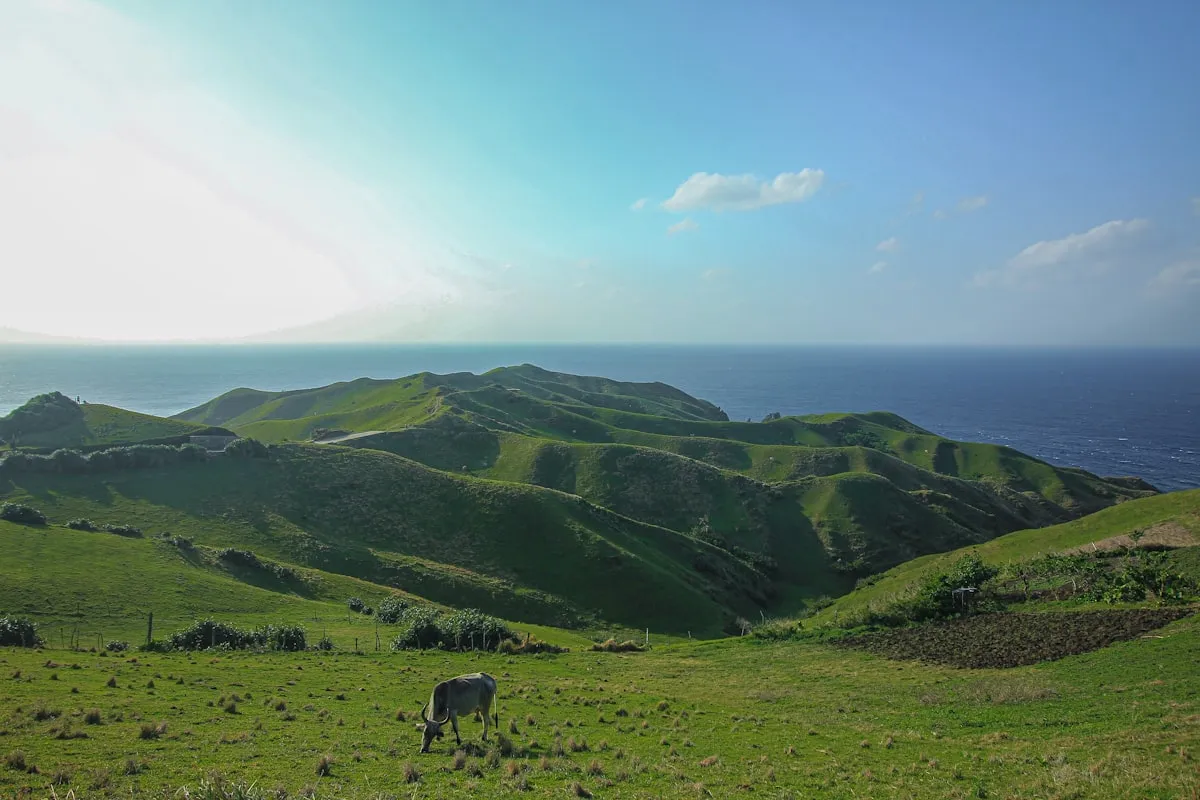
While they are smaller and less famous than the Banaue terraces, the rice terraces around Lake Sebu are still impressive. They are cut into the hillsides and fed by a mix of gravity irrigation and careful water sharing. Farmers plant once or twice a year, depending on the season, and the greenest months are usually April and September. Walking paths connect some villages to the terraces, and a local guide can explain the cropping cycle, the social rules that govern water use, and the rituals that accompany planting and harvest.
Guides for a half-day trek through the terraces and nearby villages cost PHP 500 to PHP 1,000. Some longer walks include visits to T'boli homes, waterfalls, and viewpoints. The paths can be muddy and steep, so wear shoes with good grip. Habal-habal motorcycles can also reach many trailheads for PHP 100 to PHP 200. For travelers with limited time, a morning hike followed by a lake boat ride and an afternoon weaving demo makes a full and balanced day.
Getting to Lake Sebu from Koronadal or General Santos
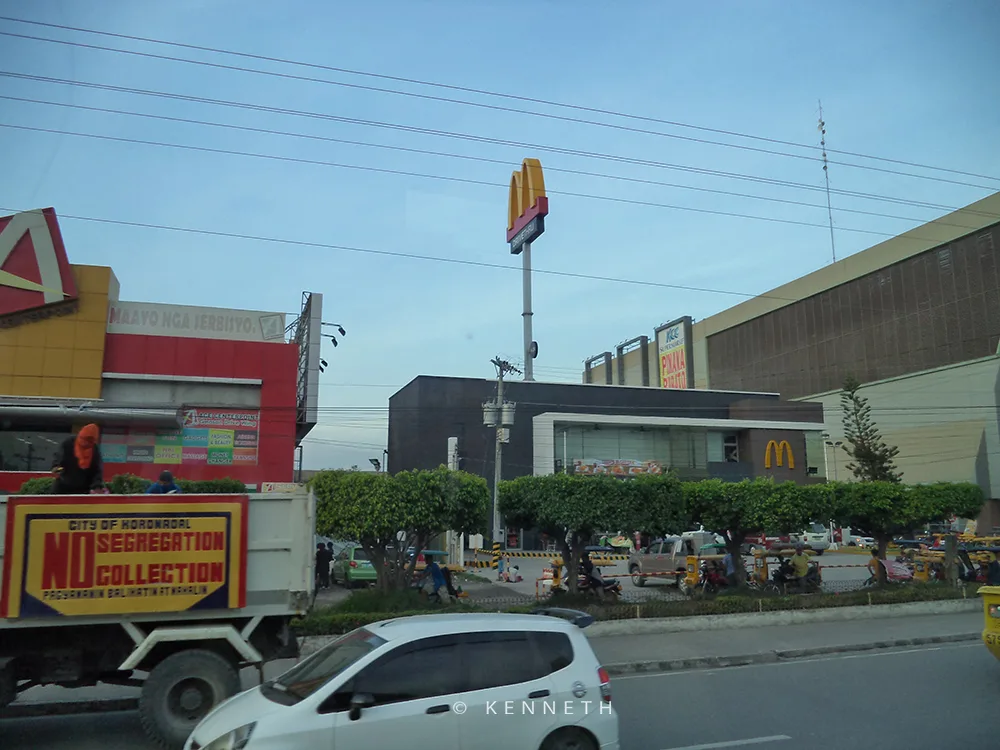
The nearest major city is Koronadal, the capital of South Cotabato. From General Santos International Airport, Koronadal is about an hour north by van or private car. Van fares from General Santos to Koronadal are PHP 100 to PHP 150, while private car hire for the same route runs PHP 1,500 to PHP 2,500. From Koronadal, vans and buses leave for Lake Sebu in the morning. The ride takes 90 minutes to two hours and costs PHP 80 to PHP 150. The road is mostly paved and winds through hills and palm oil plantations.
Once in Lake Sebu, the town is small enough to explore on foot, but many attractions are spread out. Habal-habal is the easiest way to reach the Seven Falls, the lake, and weaving centers. A single ride costs PHP 30 to PHP 100, while a half-day charter is PHP 300 to PHP 500. Tricycles are also available for short trips. If you want a driver to wait and tour several spots, negotiate the price in advance. A half-day tour by habal-habal including the falls, lake access, and a weaving center usually costs PHP 500 to PHP 800.
Where to stay, eat, and spend
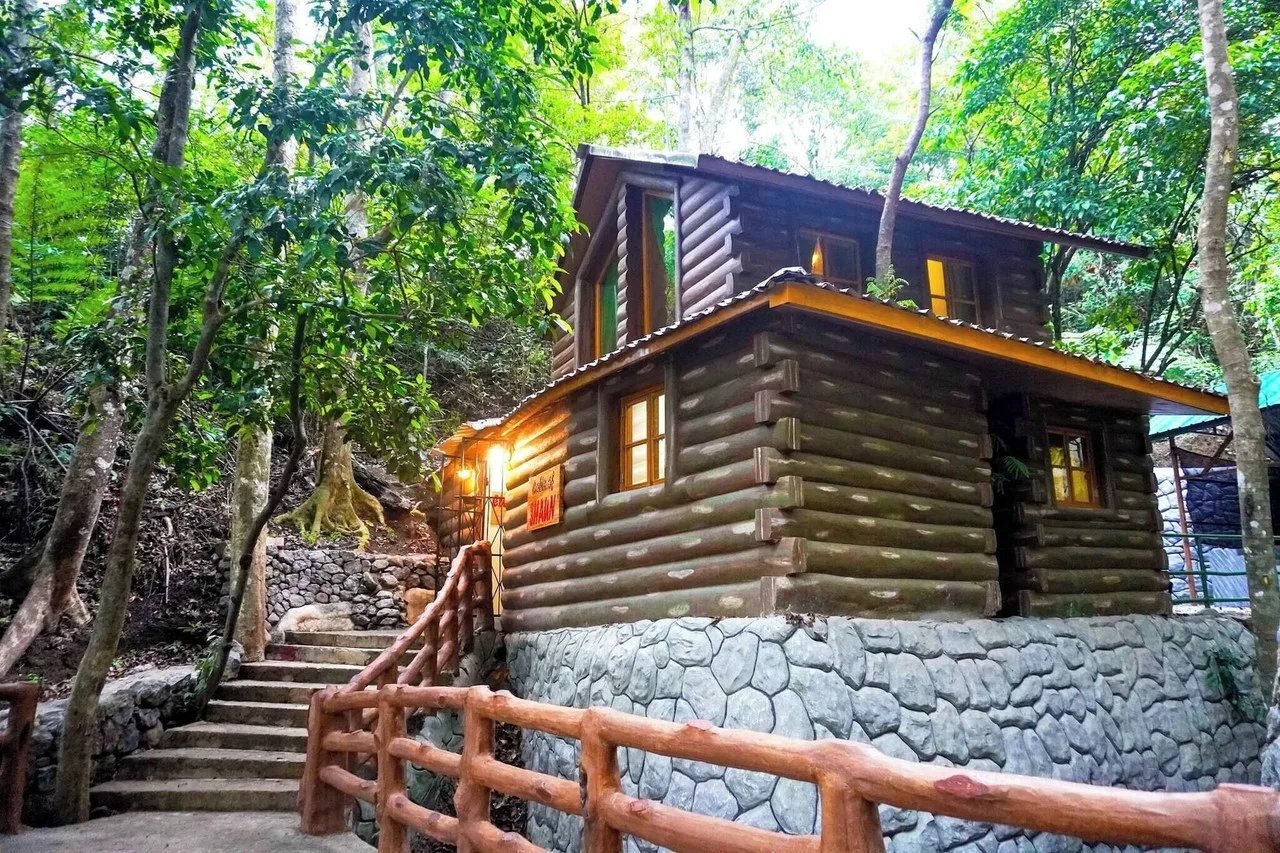
Lake Sebu has a mix of resorts, homestays, and small inns. Homestays run by T'boli families cost PHP 800 to PHP 1,200 per night and include basic rooms and sometimes meals. Small guesthouses in town charge PHP 1,000 to PHP 1,500. Mid-range resorts with lake views and private bathrooms cost PHP 2,000 to PHP 3,500. The best-known resort near the lake charges PHP 3,500 to PHP 5,000 for a standard room. Prices may rise on weekends and during local festivals, so book ahead if you are traveling in peak season.
Food in Lake Sebu is simple and centered on fresh tilapia, which is farmed in the lake. A meal of grilled tilapia, rice, and vegetables at a local carinderia costs PHP 100 to PHP 180. Tilapia in tilapia at resorts and restaurants is PHP 250 to PHP 450. T'boli families also prepare native chicken, wild ferns, and root crops. For those who want a hot drink, the cool mountain air makes a cup of barako coffee or native tsokolate a good choice at PHP 50 to PHP 120.
When to visit South Cotabato
The dry season from March to May is the most popular time. Days are warm but not hot, and the rice terraces are green. June to October brings rain, which makes trails slippery but also keeps the waterfalls full. November to February is cooler, with fog in the mornings and fewer visitors. The T'nalak Festival is held in Koronadal every July and features street dancing, weaving exhibitions, and tribal sports. If you want to combine the festival with Lake Sebu, book hotels in Koronadal well in advance.
Rain can arrive suddenly in the mountains, so bring a rain jacket and a dry bag for electronics. Layers are useful because mornings and evenings can be cool. The lake is a protected watershed, so avoid littering, loud noise, and swimming outside designated areas. Respect for local customs is especially important when visiting T'boli homes and sacred sites. A small gift or a purchase from a weaver is a meaningful way to support the community.
E-E-A-T: why this guide is reliable
This article was researched by the Pana Visayas and Mindanao Desk using recent trips, local interviews, and official provincial information. It was reviewed by Pana Editorial for accuracy and cultural sensitivity. We do not accept sponsored placements, and the prices come from local checks in 2026. Indigenous communities are described with respect, and we encourage visitors to follow local rules and pay fair prices for handmade goods.
Plan your South Cotabato trip with Pana
South Cotabato is best explored with time and respect. Browse our Philippine destinations to build a Mindanao route that includes Lake Sebu, Koronadal, and General Santos. For vetted guides and cultural tours, see our tours page. Find mountain lodges, resorts, and homestays on our hotels page. And for more in-depth travel guides, read more on the Pana blog.
Frequently Asked Questions
Do I need a guide to visit Lake Sebu?
A guide is not required, but a local guide makes the history and culture much easier to understand. Habal-habal drivers can also act as informal guides for a half-day fee.
How much is the Lake Sebu zipline?
The Seven Falls zipline costs about PHP 250 to PHP 400 one way, and PHP 450 to PHP 700 for a round trip. Prices can change during peak weekends.
Can I buy authentic T'nalak cloth?
Yes. Weaving centers and cooperatives around Lake Sebu sell T'nalak directly. A small wall hanging costs PHP 1,000 to PHP 3,000. Larger pieces cost more.
Is it safe to travel to South Cotabato?
Lake Sebu and Koronadal are generally safe for tourists. Travelers should follow local advice, avoid isolated areas at night, and keep valuables secure.
What is the best time to see the rice terraces green?
The terraces are usually green from March to May and again around September, depending on the planting calendar. Always check locally before your trip.
How do I get to Lake Sebu from General Santos?
Take a van to Koronadal from the airport or Bulaong Terminal, then a second van or bus from Koronadal to Lake Sebu. Total travel time is three to four hours.
Lake Sebu and South Cotabato show a side of the Philippines that many travelers never see. Between the waterfalls, the terraces, and the living tradition of the T'boli weavers, it is a destination that rewards patience and curiosity. For more guides to Mindanao and the rest of the Philippines, continue reading the Pana blog.
The highland world of South Cotabato
South Cotabato is a province in southern Mindanao that most travelers miss. It is not on the standard beach circuit, and it has none of the crowded party strips found in other parts of the Philippines. Instead it offers mountains, lakes, rice terraces, and a strong indigenous culture. Lake Sebu sits at the heart of it all, about an hour and a half from Koronadal City and three hours from General Santos. At roughly 700 meters above sea level, the town is cool, green, and calm, and it feels completely different from the tropical lowlands below.
The main attraction is the lake itself, a natural freshwater basin surrounded by forest and farmland. Nearby, the Seven Falls cascade down a forested ridge, creating one of the most dramatic scenery sets in the region. The T'boli people, one of Mindanao's indigenous groups, live in the hills around Lake Sebu. They are known for T'nalak cloth, brass casting, beadwork, and a way of life that remains closely tied to the land. Visitors who take the time to talk with local families often leave with a deeper understanding of Philippine diversity than they expected.
Lake Sebu and the Seven Falls
Lake Sebu is actually three lakes linked together, though most visitors see only the largest. Early in the morning, the surface is still and reflective, with canoes and bamboo rafts drifting near the shore. Fishermen tend tilapia pens, a major source of income for the town. The lake is not ideal for swimming because it is a working fishery and a protected watershed, but boat rides are popular. A 30-minute ride on a traditional raft costs around PHP 250 to PHP 500, depending on the route and the number of passengers.
The Seven Falls lie a short drive from the lake. A well-maintained trail and a series of viewing decks let visitors see the falls at different levels. The highest drop, Hikong Alo, is the most photographed. The site also has a zipline that crosses over two of the falls, giving a bird's-eye view of the gorge. The zipline costs PHP 250 to PHP 400 one way, and a round trip is usually PHP 450 to PHP 700. There are also hiking paths, a cable ride, and a small restaurant area. The best light is in the morning, before mist from the falls blocks the views.
T'boli culture and T'nalak weaving
The T'boli are one of the best-known indigenous groups of Mindanao. Their homeland centers on the mountains around Lake Sebu, and they have kept many traditions alive despite centuries of outside pressure. One of the most important is T'nalak, a hand-woven cloth made from abaca fiber. The designs are said to come from dreams, and only women who have received them through spiritual guidance are allowed to weave the patterns. This tradition has made the T'boli weavers famous, and T'nalak is now recognized as one of the country's important cultural products.
Visitors can see weavers at work in small cooperative shops and cultural centers around Lake Sebu. Some offer short demonstrations for free, while others charge a small fee of PHP 50 to PHP 150 to cover materials. Buying a piece directly from the weaver supports the community, though genuine T'nalak is not cheap. A small wall hanging can cost PHP 1,000 to PHP 3,000, and larger works run much higher. Brass bracelets, bead necklaces, and woven bags are also available for PHP 300 to PHP 1,500. Always ask permission before photographing people or their work.
Rice terraces and mountain farming
While they are smaller and less famous than the Banaue terraces, the rice terraces around Lake Sebu are still impressive. They are cut into the hillsides and fed by a mix of gravity irrigation and careful water sharing. Farmers plant once or twice a year, depending on the season, and the greenest months are usually April and September. Walking paths connect some villages to the terraces, and a local guide can explain the cropping cycle, the social rules that govern water use, and the rituals that accompany planting and harvest.
Guides for a half-day trek through the terraces and nearby villages cost PHP 500 to PHP 1,000. Some longer walks include visits to T'boli homes, waterfalls, and viewpoints. The paths can be muddy and steep, so wear shoes with good grip. Habal-habal motorcycles can also reach many trailheads for PHP 100 to PHP 200. For travelers with limited time, a morning hike followed by a lake boat ride and an afternoon weaving demo makes a full and balanced day.
Getting to Lake Sebu from Koronadal or General Santos
The nearest major city is Koronadal, the capital of South Cotabato. From General Santos International Airport, Koronadal is about an hour north by van or private car. Van fares from General Santos to Koronadal are PHP 100 to PHP 150, while private car hire for the same route runs PHP 1,500 to PHP 2,500. From Koronadal, vans and buses leave for Lake Sebu in the morning. The ride takes 90 minutes to two hours and costs PHP 80 to PHP 150. The road is mostly paved and winds through hills and palm oil plantations.
Once in Lake Sebu, the town is small enough to explore on foot, but many attractions are spread out. Habal-habal is the easiest way to reach the Seven Falls, the lake, and weaving centers. A single ride costs PHP 30 to PHP 100, while a half-day charter is PHP 300 to PHP 500. Tricycles are also available for short trips. If you want a driver to wait and tour several spots, negotiate the price in advance. A half-day tour by habal-habal including the falls, lake access, and a weaving center usually costs PHP 500 to PHP 800.
Where to stay, eat, and spend
Lake Sebu has a mix of resorts, homestays, and small inns. Homestays run by T'boli families cost PHP 800 to PHP 1,200 per night and include basic rooms and sometimes meals. Small guesthouses in town charge PHP 1,000 to PHP 1,500. Mid-range resorts with lake views and private bathrooms cost PHP 2,000 to PHP 3,500. The best-known resort near the lake charges PHP 3,500 to PHP 5,000 for a standard room. Prices may rise on weekends and during local festivals, so book ahead if you are traveling in peak season.
Food in Lake Sebu is simple and centered on fresh tilapia, which is farmed in the lake. A meal of grilled tilapia, rice, and vegetables at a local carinderia costs PHP 100 to PHP 180. Tilapia in tilapia at resorts and restaurants is PHP 250 to PHP 450. T'boli families also prepare native chicken, wild ferns, and root crops. For those who want a hot drink, the cool mountain air makes a cup of barako coffee or native tsokolate a good choice at PHP 50 to PHP 120.
When to visit South Cotabato
The dry season from March to May is the most popular time. Days are warm but not hot, and the rice terraces are green. June to October brings rain, which makes trails slippery but also keeps the waterfalls full. November to February is cooler, with fog in the mornings and fewer visitors. The T'nalak Festival is held in Koronadal every July and features street dancing, weaving exhibitions, and tribal sports. If you want to combine the festival with Lake Sebu, book hotels in Koronadal well in advance.
Rain can arrive suddenly in the mountains, so bring a rain jacket and a dry bag for electronics. Layers are useful because mornings and evenings can be cool. The lake is a protected watershed, so avoid littering, loud noise, and swimming outside designated areas. Respect for local customs is especially important when visiting T'boli homes and sacred sites. A small gift or a purchase from a weaver is a meaningful way to support the community.
E-E-A-T: why this guide is reliable
This article was researched by the Pana Visayas and Mindanao Desk using recent trips, local interviews, and official provincial information. It was reviewed by Pana Editorial for accuracy and cultural sensitivity. We do not accept sponsored placements, and the prices come from local checks in 2026. Indigenous communities are described with respect, and we encourage visitors to follow local rules and pay fair prices for handmade goods.
Plan your South Cotabato trip with Pana
South Cotabato is best explored with time and respect. Browse our Philippine destinations to build a Mindanao route that includes Lake Sebu, Koronadal, and General Santos. For vetted guides and cultural tours, see our tours page. Find mountain lodges, resorts, and homestays on our hotels page. And for more in-depth travel guides, read more on the Pana blog.
Frequently Asked Questions
Do I need a guide to visit Lake Sebu?
A guide is not required, but a local guide makes the history and culture much easier to understand. Habal-habal drivers can also act as informal guides for a half-day fee.
How much is the Lake Sebu zipline?
The Seven Falls zipline costs about PHP 250 to PHP 400 one way, and PHP 450 to PHP 700 for a round trip. Prices can change during peak weekends.
Can I buy authentic T'nalak cloth?
Yes. Weaving centers and cooperatives around Lake Sebu sell T'nalak directly. A small wall hanging costs PHP 1,000 to PHP 3,000. Larger pieces cost more.
Is it safe to travel to South Cotabato?
Lake Sebu and Koronadal are generally safe for tourists. Travelers should follow local advice, avoid isolated areas at night, and keep valuables secure.
What is the best time to see the rice terraces green?
The terraces are usually green from March to May and again around September, depending on the planting calendar. Always check locally before your trip.
How do I get to Lake Sebu from General Santos?
Take a van to Koronadal from the airport or Bulaong Terminal, then a second van or bus from Koronadal to Lake Sebu. Total travel time is three to four hours.
Lake Sebu and South Cotabato show a side of the Philippines that many travelers never see. Between the waterfalls, the terraces, and the living tradition of the T'boli weavers, it is a destination that rewards patience and curiosity. For more guides to Mindanao and the rest of the Philippines, continue reading the Pana blog.
The highland world of South Cotabato
South Cotabato is a province in southern Mindanao that most travelers miss. It is not on the standard beach circuit, and it has none of the crowded party strips found in other parts of the Philippines. Instead it offers mountains, lakes, rice terraces, and a strong indigenous culture. Lake Sebu sits at the heart of it all, about an hour and a half from Koronadal City and three hours from General Santos. At roughly 700 meters above sea level, the town is cool, green, and calm, and it feels completely different from the tropical lowlands below.
The main attraction is the lake itself, a natural freshwater basin surrounded by forest and farmland. Nearby, the Seven Falls cascade down a forested ridge, creating one of the most dramatic scenery sets in the region. The T'boli people, one of Mindanao's indigenous groups, live in the hills around Lake Sebu. They are known for T'nalak cloth, brass casting, beadwork, and a way of life that remains closely tied to the land. Visitors who take the time to talk with local families often leave with a deeper understanding of Philippine diversity than they expected.
Lake Sebu and the Seven Falls
Lake Sebu is actually three lakes linked together, though most visitors see only the largest. Early in the morning, the surface is still and reflective, with canoes and bamboo rafts drifting near the shore. Fishermen tend tilapia pens, a major source of income for the town. The lake is not ideal for swimming because it is a working fishery and a protected watershed, but boat rides are popular. A 30-minute ride on a traditional raft costs around PHP 250 to PHP 500, depending on the route and the number of passengers.
The Seven Falls lie a short drive from the lake. A well-maintained trail and a series of viewing decks let visitors see the falls at different levels. The highest drop, Hikong Alo, is the most photographed. The site also has a zipline that crosses over two of the falls, giving a bird's-eye view of the gorge. The zipline costs PHP 250 to PHP 400 one way, and a round trip is usually PHP 450 to PHP 700. There are also hiking paths, a cable ride, and a small restaurant area. The best light is in the morning, before mist from the falls blocks the views.
T'boli culture and T'nalak weaving
The T'boli are one of the best-known indigenous groups of Mindanao. Their homeland centers on the mountains around Lake Sebu, and they have kept many traditions alive despite centuries of outside pressure. One of the most important is T'nalak, a hand-woven cloth made from abaca fiber. The designs are said to come from dreams, and only women who have received them through spiritual guidance are allowed to weave the patterns. This tradition has made the T'boli weavers famous, and T'nalak is now recognized as one of the country's important cultural products.
Visitors can see weavers at work in small cooperative shops and cultural centers around Lake Sebu. Some offer short demonstrations for free, while others charge a small fee of PHP 50 to PHP 150 to cover materials. Buying a piece directly from the weaver supports the community, though genuine T'nalak is not cheap. A small wall hanging can cost PHP 1,000 to PHP 3,000, and larger works run much higher. Brass bracelets, bead necklaces, and woven bags are also available for PHP 300 to PHP 1,500. Always ask permission before photographing people or their work.
Rice terraces and mountain farming
While they are smaller and less famous than the Banaue terraces, the rice terraces around Lake Sebu are still impressive. They are cut into the hillsides and fed by a mix of gravity irrigation and careful water sharing. Farmers plant once or twice a year, depending on the season, and the greenest months are usually April and September. Walking paths connect some villages to the terraces, and a local guide can explain the cropping cycle, the social rules that govern water use, and the rituals that accompany planting and harvest.
Guides for a half-day trek through the terraces and nearby villages cost PHP 500 to PHP 1,000. Some longer walks include visits to T'boli homes, waterfalls, and viewpoints. The paths can be muddy and steep, so wear shoes with good grip. Habal-habal motorcycles can also reach many trailheads for PHP 100 to PHP 200. For travelers with limited time, a morning hike followed by a lake boat ride and an afternoon weaving demo makes a full and balanced day.
Getting to Lake Sebu from Koronadal or General Santos
The nearest major city is Koronadal, the capital of South Cotabato. From General Santos International Airport, Koronadal is about an hour north by van or private car. Van fares from General Santos to Koronadal are PHP 100 to PHP 150, while private car hire for the same route runs PHP 1,500 to PHP 2,500. From Koronadal, vans and buses leave for Lake Sebu in the morning. The ride takes 90 minutes to two hours and costs PHP 80 to PHP 150. The road is mostly paved and winds through hills and palm oil plantations.
Once in Lake Sebu, the town is small enough to explore on foot, but many attractions are spread out. Habal-habal is the easiest way to reach the Seven Falls, the lake, and weaving centers. A single ride costs PHP 30 to PHP 100, while a half-day charter is PHP 300 to PHP 500. Tricycles are also available for short trips. If you want a driver to wait and tour several spots, negotiate the price in advance. A half-day tour by habal-habal including the falls, lake access, and a weaving center usually costs PHP 500 to PHP 800.
Where to stay, eat, and spend
Lake Sebu has a mix of resorts, homestays, and small inns. Homestays run by T'boli families cost PHP 800 to PHP 1,200 per night and include basic rooms and sometimes meals. Small guesthouses in town charge PHP 1,000 to PHP 1,500. Mid-range resorts with lake views and private bathrooms cost PHP 2,000 to PHP 3,500. The best-known resort near the lake charges PHP 3,500 to PHP 5,000 for a standard room. Prices may rise on weekends and during local festivals, so book ahead if you are traveling in peak season.
Food in Lake Sebu is simple and centered on fresh tilapia, which is farmed in the lake. A meal of grilled tilapia, rice, and vegetables at a local carinderia costs PHP 100 to PHP 180. Tilapia in tilapia at resorts and restaurants is PHP 250 to PHP 450. T'boli families also prepare native chicken, wild ferns, and root crops. For those who want a hot drink, the cool mountain air makes a cup of barako coffee or native tsokolate a good choice at PHP 50 to PHP 120.
When to visit South Cotabato
The dry season from March to May is the most popular time. Days are warm but not hot, and the rice terraces are green. June to October brings rain, which makes trails slippery but also keeps the waterfalls full. November to February is cooler, with fog in the mornings and fewer visitors. The T'nalak Festival is held in Koronadal every July and features street dancing, weaving exhibitions, and tribal sports. If you want to combine the festival with Lake Sebu, book hotels in Koronadal well in advance.
Rain can arrive suddenly in the mountains, so bring a rain jacket and a dry bag for electronics. Layers are useful because mornings and evenings can be cool. The lake is a protected watershed, so avoid littering, loud noise, and swimming outside designated areas. Respect for local customs is especially important when visiting T'boli homes and sacred sites. A small gift or a purchase from a weaver is a meaningful way to support the community.
E-E-A-T: why this guide is reliable
This article was researched by the Pana Visayas and Mindanao Desk using recent trips, local interviews, and official provincial information. It was reviewed by Pana Editorial for accuracy and cultural sensitivity. We do not accept sponsored placements, and the prices come from local checks in 2026. Indigenous communities are described with respect, and we encourage visitors to follow local rules and pay fair prices for handmade goods.
Plan your South Cotabato trip with Pana
South Cotabato is best explored with time and respect. Browse our Philippine destinations to build a Mindanao route that includes Lake Sebu, Koronadal, and General Santos. For vetted guides and cultural tours, see our tours page. Find mountain lodges, resorts, and homestays on our hotels page. And for more in-depth travel guides, read more on the Pana blog.
Frequently asked questions
Do I need a guide to visit Lake Sebu?
A guide is not required, but a local guide makes the history and culture much easier to understand. Habal-habal drivers can also act as informal guides for a half-day fee.
How much is the Lake Sebu zipline?
The Seven Falls zipline costs about PHP 250 to PHP 400 one way, and PHP 450 to PHP 700 for a round trip. Prices can change during peak weekends.
Can I buy authentic T'nalak cloth?
Yes. Weaving centers and cooperatives around Lake Sebu sell T'nalak directly. A small wall hanging costs PHP 1,000 to PHP 3,000. Larger pieces cost more.
Is it safe to travel to South Cotabato?
Lake Sebu and Koronadal are generally safe for tourists. Travelers should follow local advice, avoid isolated areas at night, and keep valuables secure.
What is the best time to see the rice terraces green?
The terraces are usually green from March to May and again around September, depending on the planting calendar. Always check locally before your trip.
How do I get to Lake Sebu from General Santos?
Take a van to Koronadal from the airport or Bulaong Terminal, then a second van or bus from Koronadal to Lake Sebu. Total travel time is three to four hours.
Lake Sebu and South Cotabato show a side of the Philippines that many travelers never see. Between the waterfalls, the terraces, and the living tradition of the T'boli weavers, it is a destination that rewards patience and curiosity. For more guides to Mindanao and the rest of the Philippines, continue reading the Pana blog.