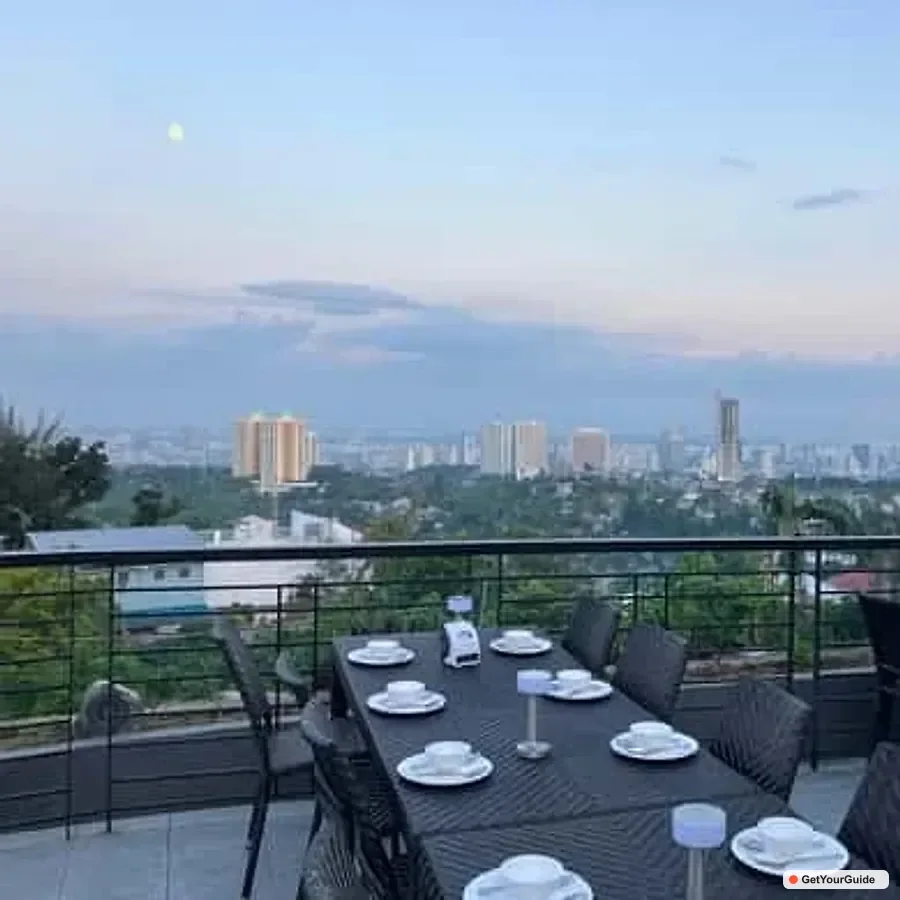
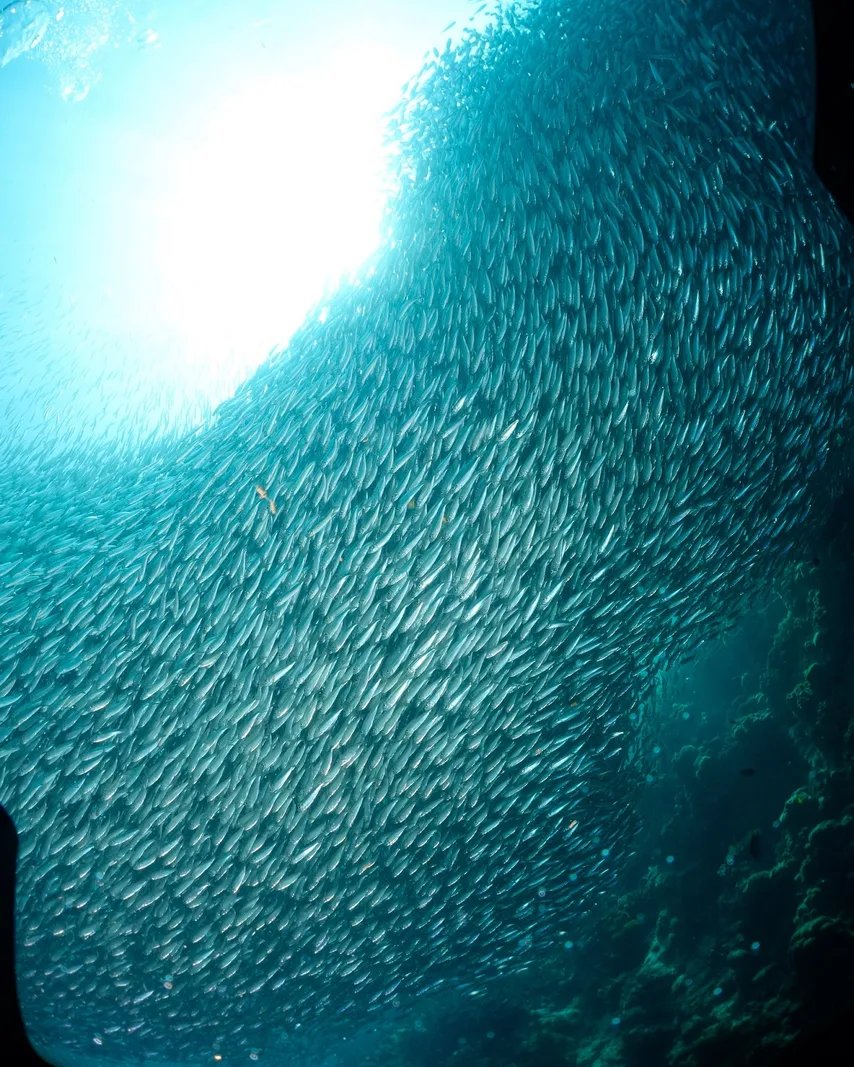
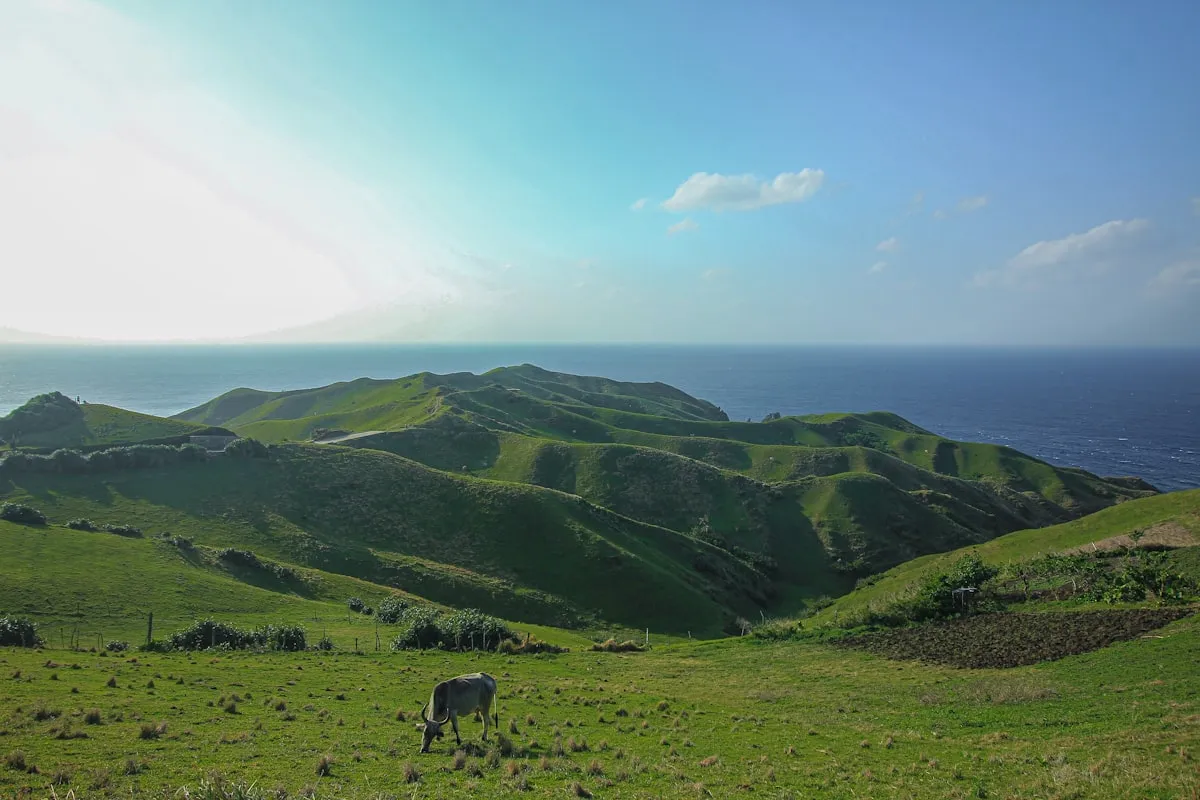
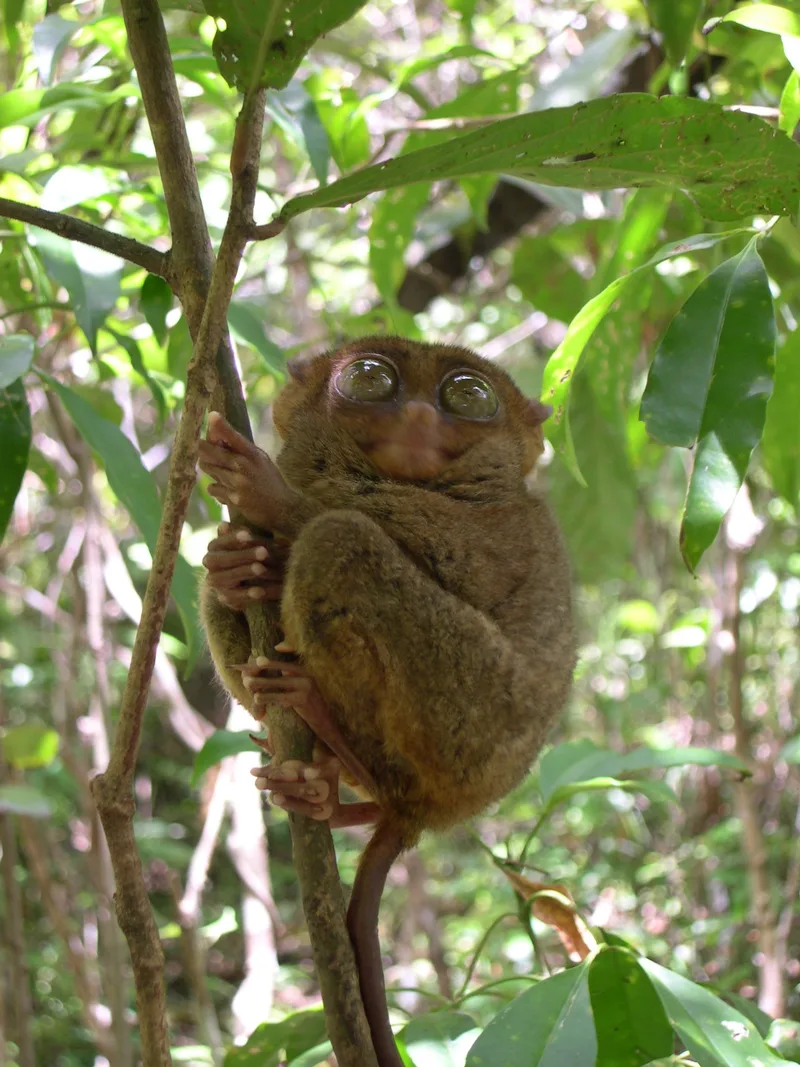
The Philippine tarsier (Carlito syrichta) is one of the smallest primates on Earth. An adult fits in the palm of your hand, weighs about 120 grams, and has eyes that are larger than its brain. Found only in the islands of Bohol, Samar, Leyte, and Mindanao, this nocturnal creature has become the symbol of Bohol's wildlife tourism. But behind the cute photos lies a fragile species under threat, and visiting a tarsier sanctuary in 2026 means understanding the difference between ethical conservation and exploitative display.
Bohol Tarsier Sanctuary: Meeting the World
Trip.com
Search on Trip.comHotels in Bohol
Compare live prices via Travelpayouts — targeted for this guide.
The Tarsier: Biology and Behaviour
Tarsiers are prosimian primates, meaning they belong to an older evolutionary branch than monkeys and apes. They are nocturnal, sleeping during the day in dense foliage and hunting for insects at night. Their enormous eyes are fixed in their sockets, so they rotate their heads up to 180 degrees to scan their surroundings, much like an owl. They can leap up to 5 metres in a single bound, using their elongated ankle bones (tarsals, which give them their name) as a spring mechanism.
One of the most misunderstood facts about tarsiers is their sensitivity to stress. They are easily traumatized by loud noise, bright lights, and physical handling. In captivity, stressed tarsiers have been known to smash their heads against cage bars, which has led to the myth that they commit suicide. While the word "suicide" is scientifically inaccurate, the underlying truth is serious: tarsiers do not survive well in captivity and can die from prolonged exposure to human disturbance. This is why ethical sanctuaries are so important.
Why the Tarsier Is Endangered
The International Union for Conservation of Nature (IUCN) classifies the Philippine tarsier as Near Threatened. The main threats are habitat loss from logging and agricultural conversion, mining activities, and the illegal pet trade. Tarsiers are also killed by introduced predators such as cats and dogs in areas where forest cover has been reduced.
Trip.com
See all tours in Bohol on Trip.comTours & activities in Bohol
Hand-picked experiences in Bohol — book on Trip.com with instant confirmation.
In Bohol, the conversion of secondary forest into coconut and rice plantations has fragmented tarsier populations, isolating small groups that cannot interbreed. Conservation efforts focus on preserving forest corridors and educating local communities about the ecological role of tarsiers as natural pest controllers, since a single tarsier can eat hundreds of insects per night.
Which Sanctuary to Visit in 2026
There are several places in Bohol that display tarsiers, but not all of them operate to the same ethical standard. The two most commonly visited sites are the Philippine Tarsier Sanctuary in Corella and the Tarsier Conservation Area in Loboc. Understanding the difference between them is essential for responsible travel.
Philippine Tarsier Sanctuary, Corella
Run by the Philippine Tarsier Foundation Incorporated (PTFI), this sanctuary in the municipality of Corella is the most scientifically managed tarsier facility in the country. The foundation was established in 1996 with the goal of protecting tarsiers in their natural habitat. The sanctuary covers approximately 167 hectares of forested land where tarsiers live freely, not in cages. Visitors walk along a guided trail through the forest and observe tarsiers resting on branches at a respectful distance.
The entrance fee is PHP 60 for adults and PHP 50 for children. Guided walks are included in the fee, and visitors are assigned a guide who enforces strict rules: no flash photography, no touching, no loud talking, and a minimum distance of one metre from any tarsier. The sanctuary is open daily from 8:30 AM to 4:00 PM.
Because tarsiers are nocturnal, they are naturally asleep during visiting hours. You will see them clinging to branches with their eyes closed. This is normal and healthy. The guides know where each tarsier is sleeping because they track them nightly, and they rotate the viewing areas to prevent any single animal from receiving too much human attention.
Tarsier Conservation Area, Loboc
Located along the Loboc River road, this facility is more accessible for tourists on the standard Chocolate Hills and Loboc River cruise itinerary. The entrance fee is PHP 50 per person. However, this site has been the subject of criticism from wildlife organisations because tarsiers here are kept in smaller enclosures along a short walking path, and the volume of tourists passing through can be high.
If you choose to visit the Loboc facility, follow the same ethical rules: no flash, no touch, no noise. If you witness other visitors violating these rules, report it to the staff on duty. Your PHP 50 entry fee still contributes to feeding and maintenance, but the Corella sanctuary is the stronger choice for travellers who want to support genuine conservation.
How to Photograph Tarsiers Ethically
Tarsiers have extremely large pupils that dilate fully in darkness to capture light. A camera flash is not just annoying to them; it can cause temporary blindness, disorientation, and acute stress that may lead to death in extreme cases. Every ethical sanctuary prohibits flash photography, and this rule is non-negotiable.
To get a good photo without flash, use a camera or phone with good low-light performance. Increase your ISO setting, open your aperture as wide as possible, and stabilise your phone against a railing or your own body to reduce blur. If your phone has a night mode, use it. Do not use the screen brightness as a flashlight to find tarsiers, as even phone screens emit enough light to disturb them.
The best approach is to let your guide position you, take one or two quick photos, and then step back to let others have their turn. Spending more than 30 seconds in front of a sleeping tarsier is considered excessive at well-managed sanctuaries.
Getting to the Tarsier Sanctuaries
Both sanctuaries are accessible from Tagbilaran City, the capital of Bohol. The Corella sanctuary is about 20 kilometres from Tagbilaran, a 30 to 40 minute drive. The Loboc facility is about 25 kilometres from Tagbilaran, roughly 45 minutes by road.
If you are on a countryside tour (the standard Bohol day tour that includes the Chocolate Hills, Loboc River cruise, and Blood Compact Shrine), the Loboc facility is typically included in the itinerary. If you want to visit the Corella sanctuary specifically, you can hire a tricycle or private car from Tagbilaran for PHP 500 to PHP 800 round trip, or join a customised tour that includes Corella.
From Panglao Island, where most resorts are located, the drive to Corella takes about 45 minutes. A private van charter for a half-day tour costs PHP 2,500 to PHP 3,500.
The Role of the Philippine Tarsier Foundation
The Philippine Tarsier Foundation is a non-profit organisation that works with the Department of Environment and Natural Resources (DENR) and the Bohol Provincial Government to protect tarsier populations. Its activities include habitat restoration, population monitoring, community education, and research on tarsier behaviour and genetics.
The foundation also operates a visitor centre at the Corella sanctuary where you can learn about tarsier anatomy, diet, and life cycle before entering the forest trail. A small gift shop sells souvenirs, and all proceeds go toward sanctuary operations. If you want to contribute beyond your entrance fee, the foundation accepts donations through its official channels.
What Else to See in Bohol
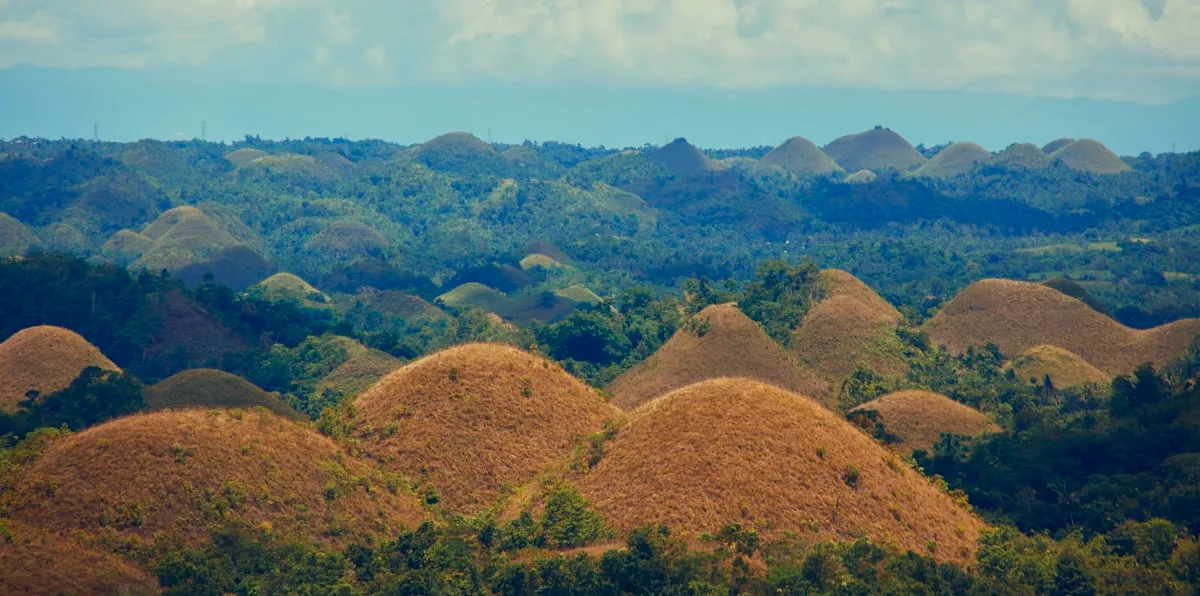
Most visitors combine a tarsier sanctuary visit with other Bohol attractions. The Chocolate Hills in Carmen, about 60 kilometres from Tagbilaran, are over 1,200 symmetrical limestone mounds that turn brown during the dry season, resembling giant chocolate drops. The viewing deck entrance is PHP 50 per person.
The Loboc River cruise is a floating restaurant experience where you eat a buffet lunch while a flat-bottomed boat drifts along the mangrove-lined river. The cruise costs PHP 450 per person, including lunch, and lasts about 40 minutes. You can also try the Loboc Eco-Tourism Adventure Park zip-line, which crosses the river at 120 metres above the water for PHP 250 per ride.
For beach lovers, Panglao Island offers white sand beaches and world-class diving. Alona Beach is the most developed, with resorts, restaurants, and dive shops lining the shore. Budget accommodation starts at PHP 800 per night, while mid-range resorts charge PHP 2,500 to PHP 5,000.
Supporting Tarsier Conservation Beyond Your Visit
Visiting an ethical sanctuary is a good start, but there are other ways to support tarsier survival. Do not buy tarsier souvenirs made from real animal parts. Report any social media posts showing tarsiers being held, petted, or kept in cages. Support reforestation programmes in Bohol by donating to organisations like the Philippine Tarsier Foundation. And when you share your photos, always include a caption reminding others not to use flash and not to touch.
The survival of the Philippine tarsier depends on habitat protection, and habitat protection depends on public awareness. Every visitor who follows the rules and spreads the message contributes to keeping this ancient primate alive in the forests of Bohol for generations to come.
Frequently Asked Questions
Can I hold or touch a tarsier?
No. Touching a tarsier is prohibited at all ethical sanctuaries. Tarsiers are extremely sensitive to human contact, and handling them causes severe stress that can be fatal. Any facility that allows holding is not operating ethically.
Why are the tarsiers always sleeping when I visit?
Tarsiers are nocturnal, meaning they are active at night and sleep during the day. Sanctuaries are open during daytime hours, so you will always see them resting. This is natural behaviour, not a sign of poor health.
Which sanctuary is better, Corella or Loboc?
The Philippine Tarsier Sanctuary in Corella is the more ethical and scientifically managed facility, as tarsiers live in a large forested area rather than small enclosures. If your schedule allows, choose Corella over Loboc.
How much is the entrance fee?
The Corella sanctuary charges PHP 60 for adults and PHP 50 for children. The Loboc facility charges PHP 50 per person. Both include a guided walk.
Are tarsiers endangered?
The IUCN classifies the Philippine tarsier as Near Threatened. The main threats are habitat loss, the illegal pet trade, and human disturbance. Visiting ethical sanctuaries and following viewing rules helps support conservation.
Plan Your Trip With PANA
Discover more of Bohol and the rest of the Philippines with PANA.PH. Find destinations, book tours, choose hotels, and read expert travel guides.
Browse Destinations | Book a Tour | Find a Hotel | Read the Blog
Sources and Official References
Sources
Primary references for the figures and rules in this guide. Fees and schedules change — check the source before you travel.

PANA.PH Visayas Desk
Visayas travel logistics — Cebu, Bohol, Boracay and Siargao
The Visayas Desk of the PANA.PH travel desk: it maintains and re-checks the visayas travel logistics — cebu, bohol, boracay and siargao data behind the site's guides — operator price lists, official fee schedules and posted timetables — and publishes what it can verify.
🏡 Real local stays (book direct)
Hand-picked homestays and guesthouses — book direct, no markup.
Browse all local stays →
🌊 Popular activities (book instantly)
Island hopping, canyoneering, whale sharks — real Klook/GetYourGuide options.
View all activities →