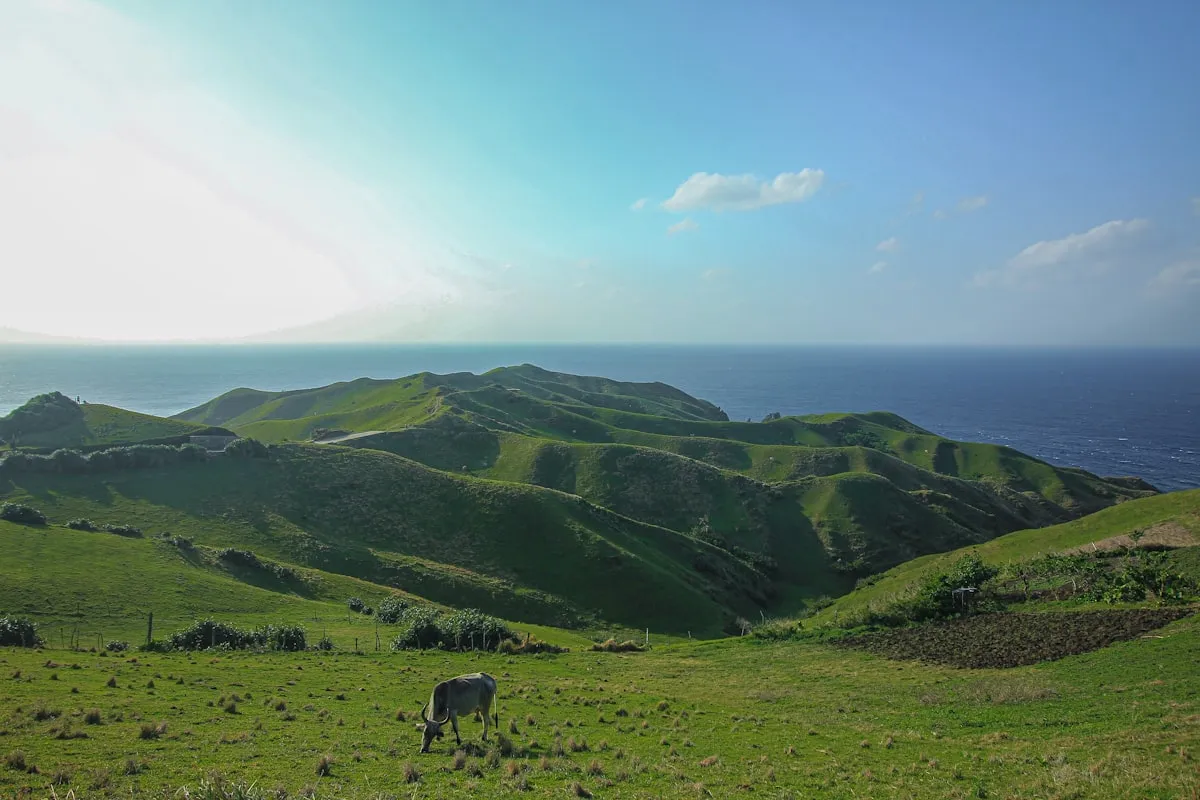
The Cotta Fort, formally known as the Fuerte de la Concepcion y del Triunfo de Misamis, is a Spanish-era stone fortress built in 1756 on the coast of what is now Ozamiz City in Misamis Occidental. It stands on a low promontory overlooking the mouth of the Ozamiz River and the broad expanse of Iligan Bay, a position that gave its original garrison a clear view of any ships approaching from the sea. Today, it is one of the best-preserved Spanish fortifications in Mindanao and a registered National Historical Landmark.
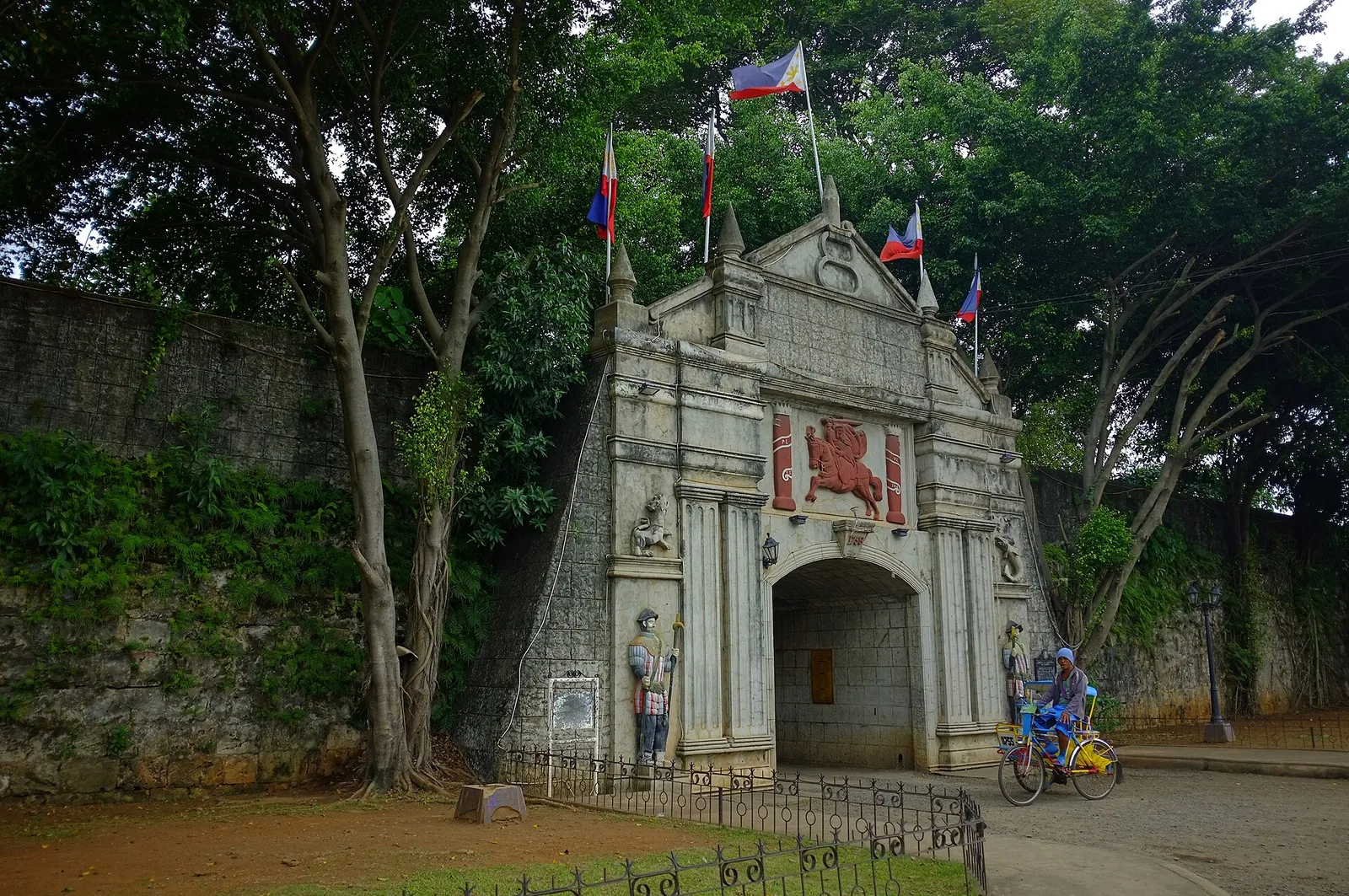
Ozamiz Cotta Fort: The Spanish Fortress on Misamis Bay
Trip.com
Search on Trip.comHotels in Philippines
Compare live prices via Travelpayouts — targeted for this guide.
For travelers exploring northern Mindanao, the Cotta Fort is an easy and rewarding stop. It combines military history, colonial architecture, a religious shrine, and a seaside promenade in a single compact site. You can explore the walls, climb the bastions, visit the chapel inside, and watch the sunset over the bay, all within a couple of hours. This guide covers everything you need to plan a visit, including how to get there, what to see, and how the fort fits into the broader history of Spanish presence in Mindanao.
The Historical Background of the Cotta Fort
The story of the Cotta Fort begins in the mid-18th century, when the northern coast of Mindanao was under constant threat from Muslim raiders based in the Sulu Archipelago and the southern coast of Mindanao. These raiders, known in Spanish records as Moros, periodically attacked coastal settlements, carrying off slaves and plundering churches and warehouses. The Spanish colonial government, which had established a presence in Misamis as part of its effort to Christianize the region, decided to build a network of fortifications along the coast to protect its settlements and trade routes.
Construction of the Cotta Fort began in 1756 under the direction of the Spanish military engineer assigned to the Misamis district. The fort was named Fuerte de la Concepcion y del Triunfo, after the Feast of the Immaculate Conception and the Feast of the Triumph of the Cross, two important Catholic observances. The design followed the standard pattern of Spanish colonial fortification in the Philippines: a rectangular or quadrilateral plan with corner bastions that allowed cannon fire to cover all approaches to the walls.
Trip.com
See all tours in Philippines on Trip.comSpa experience in Philippines
Hand-picked experiences in Philippines — book on Trip.com with instant confirmation.
The walls were built using coral stone, a material commonly used in Spanish fortifications throughout the archipelago. Coral stone is abundant in coastal areas and can be cut into large blocks that harden over time when exposed to air. The walls of the Cotta Fort are roughly 1.5 to 2 meters thick, which was sufficient to withstand the small cannon and firearms used by raiding parties in the 18th century.
The fort served as a military garrison and a refuge for the local population during raids. It also functioned as a administrative center for the Spanish presence in the Misamis district, which at the time covered a large portion of northern Mindanao. Over the decades, the threat of raids diminished as the Spanish consolidated control and as the American colonial government established a more effective security apparatus after 1898. The fort gradually transitioned from a military installation to a civic and religious site.
The Architecture of the Fort
The Cotta Fort is a classic example of Spanish colonial military architecture adapted to the Philippine context. The overall plan is a quadrilateral, with four corner bastions that project outward from the main walls. Each bastion was designed to mount cannons and to provide flanking fire along the walls, ensuring that no attacker could approach the base of the fort without being exposed to gunfire from at least two directions.
The main entrance faces the town and is framed by a stone archway that bears the date of construction and a carved image of the Virgin Mary. Above the gate, you can still see the Spanish coat of arms, though weathering has softened the details over the centuries. The gate is large enough for a small cart or a group of soldiers to pass through, and it opens into a courtyard that once contained barracks, storerooms, and a well.
Inside the fort, the most prominent structure is the chapel, which was built in the 20th century after the fort was decommissioned as a military installation. The chapel is dedicated to the Nuestra Senora del Triunfo, a Marian devotion that gives the fort part of its name. The chapel is still active today and is a pilgrimage site, especially during the feast day in September.
The walls are punctuated by embrasures, the narrow openings through which cannons were fired, and by sentry boxes at the corners. Some of the original coral stone blocks are visible, and you can see the texture and color of the material up close. Restoration work has been carried out by the National Historical Commission of the Philippines (NHCP) to stabilize the walls and prevent further deterioration.
How to Get to the Cotta Fort
Ozamiz City is located in Misamis Occidental, on the northern coast of Mindanao. The city is accessible by air through Ozamiz City Airport (OZC), which receives flights from Manila and Cebu. A one-way economy ticket from Manila typically costs between PHP 2,800 and PHP 4,500, while flights from Cebu are generally cheaper, often between PHP 1,800 and PHP 3,000. Flight schedules can vary, so check current availability before booking.
If you prefer to travel by sea, Ozamiz is a major port city with ferry connections to Cebu, Cagayan de Oro, and other points in the Visayas and Mindanao. A ferry from Cebu to Ozamiz takes roughly 10 to 12 hours and costs about PHP 800 to PHP 1,500 for a tourist-class ticket, with cabin options available for PHP 2,000 and above. Ferries from Cagayan de Oro are shorter, about 4 to 5 hours, and cost around PHP 500 to PHP 900.
Once you are in Ozamiz City, the Cotta Fort is located in the barangay of Cotta, near the city center. It is easily reachable by tricycle from anywhere in the city for about PHP 20 to PHP 50 per trip. If you are coming from the airport, a tricycle or taxi to the fort costs about PHP 150 to PHP 250. The fort is open daily, and there is a small entrance fee of about PHP 20 to PHP 50 per person, though rates may change so bring small bills.
What to See and Do at the Cotta Fort
A typical visit to the Cotta Fort takes about 1 to 2 hours. Start at the main gate, where you can read the historical marker installed by the NHCP. The marker summarizes the history of the fort and its designation as a National Historical Landmark. From the gate, walk along the walls to get a sense of the scale of the fortification and to see the embrasures and sentry boxes up close.
Climb one of the corner bastions for a panoramic view of the bay and the city. The seaward bastion offers the best view of Iligan Bay and, on a clear day, the distant silhouette of Mount Malindang, a protected natural park that rises behind Ozamiz. The landward bastion overlooks the city center and the mouth of the Ozamiz River.
Inside the courtyard, visit the chapel of Nuestra Senora del Triunfo. Even if you are not religious, the chapel is worth seeing for its simple architecture and for the sense of continuity it represents, the site has been a place of worship for centuries. If you visit in September, you may encounter pilgrims who have come for the feast day celebrations.
After exploring the fort, walk along the seaside promenade that runs in front of the walls. The promenade is a popular gathering place for locals in the late afternoon, and there are small food stalls where you can buy snacks and drinks. The sunset view from the promenade, with the fort silhouetted against the sky, is one of the best photo opportunities in Ozamiz.
The Cotta Shrine and Religious Significance
One of the unique features of the Cotta Fort is that it is not just a historical site but also an active religious shrine. The chapel inside the fort is dedicated to the Nuestra Senora del Triunfo, and the image enshrined there is believed by devotees to have miraculous powers. The shrine draws pilgrims from across Misamis Occidental and neighboring provinces, especially during the annual feast day.
The fusion of military and religious function is not unusual in Spanish colonial fortifications. Many forts in the Philippines contained chapels for the spiritual needs of the garrison, and over time, as the military function faded, the religious function often persisted. At the Cotta Fort, this pattern is clearly visible, the walls and bastions speak of war and defense, while the chapel speaks of faith and community.
Nearby Attractions in Ozamiz
If you have a full day in Ozamiz, you can combine your visit to the Cotta Fort with other local attractions. The Bukagan Hill, located a short drive from the city center, offers a panoramic view of the city and the bay and is home to three large bells that were brought from Europe. The Misamis Occidental Aquamarine Park is a coastal park and rescue center for marine animals, located about 30 minutes from the city by road.
For nature lovers, Mount Malindang Range Natural Park is the major protected area near Ozamiz. It offers hiking, birdwatching, and visits to waterfalls and indigenous Subanen communities. A day trip to the park requires planning and a local guide, but it is a rewarding experience for travelers who want to see the natural side of Misamis Occidental.
Food is another reason to spend time in Ozamiz. The city is known for its fresh seafood, especially crabs and prawns from the coastal waters. A meal at a local eatery can cost as little as PHP 150 to PHP 300 per person, while a sit-down seafood dinner at a mid-range restaurant runs about PHP 400 to PHP 700 per person.
Practical Tips for Your Visit
Wear comfortable shoes, as you will be walking on stone surfaces and climbing steps to the bastions. Bring a hat and sunscreen, as much of the fort is exposed to the sun. If you want to avoid the heat, visit in the early morning or late afternoon. The late afternoon also gives you the best light for photography and the chance to watch the sunset from the promenade.
Bring small bills for the entrance fee and for snacks at the promenade. There are no large restaurants inside the fort, but there are plenty of options in the city center, which is a short tricycle ride away. If you are driving, there is parking near the fort entrance.
Respect the religious nature of the chapel. If a mass or a devotion is in progress, keep your voice down and avoid taking flash photos inside the chapel. The fort is both a tourist site and a place of worship, and the two functions coexist peacefully when visitors are mindful.
Where to Stay in Ozamiz
Ozamiz has a range of accommodations. Budget inns and guesthouses start at around PHP 500 to PHP 800 per night. Mid-range hotels typically charge PHP 1,200 to PHP 2,500, and higher-end hotels with more amenities range from PHP 2,800 to PHP 4,500. Staying near the city center gives you easy access to the fort, the promenade, and the restaurants.
Frequently Asked Questions
What are the opening hours of the Cotta Fort?
The fort is generally open daily from early morning to early evening. The chapel has specific hours for mass and devotion. Check locally for the current schedule, especially if you are visiting during a religious feast day.
Is there an entrance fee?
Yes, there is a small entrance fee, typically around PHP 20 to PHP 50 per person. Rates may change, so bring small bills.
How do I get to the Cotta Fort from Ozamiz Airport?
The fort is about 20 to 30 minutes from the airport by tricycle or taxi. A tricycle costs about PHP 150 to PHP 250, while a taxi may charge PHP 300 to PHP 400.
Can I take photos inside the fort?
Yes, photography is allowed in the open areas of the fort. Be respectful inside the chapel, especially during religious services, and avoid using flash.
Is the Cotta Fort a National Historical Landmark?
Yes. The Cotta Fort is a registered National Historical Landmark, recognized by the National Historical Commission of the Philippines for its significance in the colonial and military history of Mindanao.
Plan Your Mindanao Heritage Trip with PANA
Want to explore the Spanish fortresses and heritage sites of Mindanao? PANA.PH can help you build the perfect itinerary. Discover more historical sites in our destinations guide, book a heritage tour through our tours marketplace, find accommodations in our hotels directory, and read more travel inspiration on our blog.
Sources and References
Sources
Primary references for the figures and rules in this guide. Fees and schedules change — check the source before you travel.

PANA.PH Visayas Desk
Visayas travel logistics — Cebu, Bohol, Boracay and Siargao
The Visayas Desk of the PANA.PH travel desk: it maintains and re-checks the visayas travel logistics — cebu, bohol, boracay and siargao data behind the site's guides — operator price lists, official fee schedules and posted timetables — and publishes what it can verify.
🏡 Real local stays (book direct)
Hand-picked homestays and guesthouses — book direct, no markup.
Browse all local stays →
🌊 Popular activities (book instantly)
Island hopping, canyoneering, whale sharks — real Klook/GetYourGuide options.
View all activities →