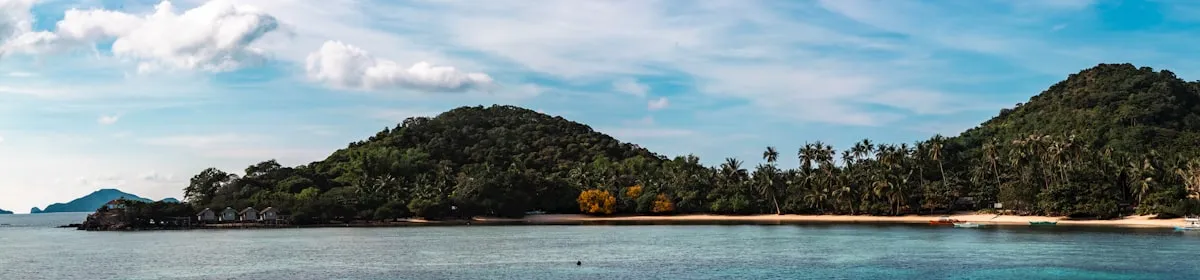
Zamboanga City
The City of Flowers — pink sand beaches, a 17th-century fort, and the only Spanish creole still spoken in Asia · Zamboanga del Sur, Mindanao
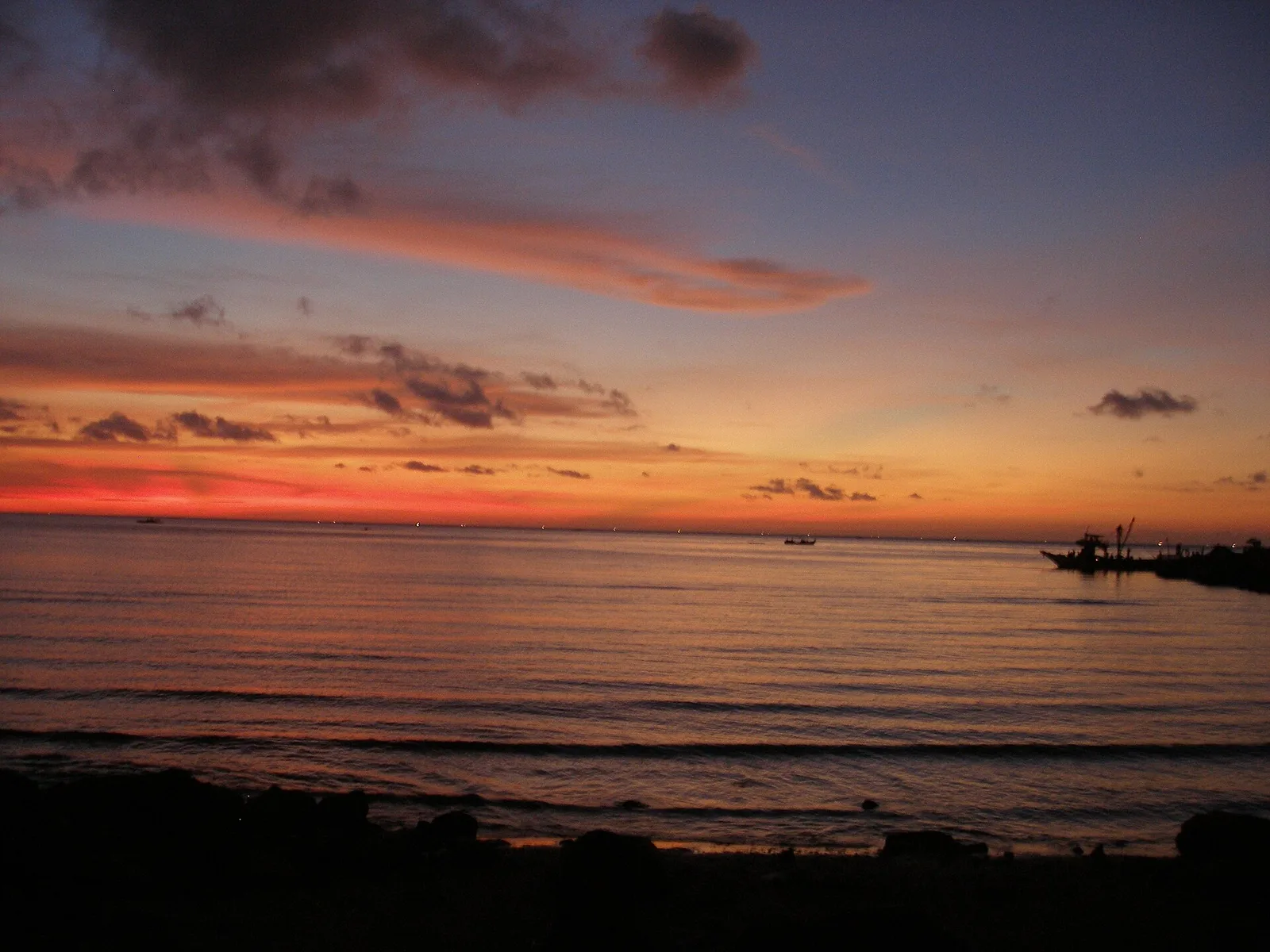
Photo: Wowzamboangacity / CC BY 3.0 via Wikimedia Commons
Zamboanga City is the southernmost city in the Philippines's main island chain, a place of extraordinary cultural density that most travellers never reach. It is the home of Chavacano — the only Spanish-based creole language in Asia, born from four centuries of Spanish colonial administration and still spoken by 300,000 people — and the staging point for the Great Santa Cruz Island, where the sand is literally pink, coloured by the pulverised coral and shells of Foraminifera microorganisms washed ashore by the Sulu Sea. The city's Fort Pilar, a 17th-century Spanish colonial fort overlooking the Basilan Strait, is the best-preserved colonial fortification in Mindanao, and the markets near the waterfront still trade in the Yakan woven textiles of the indigenous Yakan people from Basilan. Zamboanga has a reputation for instability that has been amplified beyond current reality — the city proper is a functional, busy commercial hub with normal safety conditions for tourists. The surrounding provinces require current advisory checking. Go with the same awareness you bring to any unfamiliar Southeast Asian city.
Things to do in Zamboanga City
Great Santa Cruz Island — Pink Sand Beach
The Great Santa Cruz Island, 15 minutes by pump-boat from the Zamboanga City wharf, is the centrepiece of Zamboanga tourism: a beach where the sand is a pale rose-pink, coloured by the calcium carbonate shells of Foraminifera microorganisms. The pink is not dramatic — it is a blush, visible most clearly in direct sunlight on dry sand — but it is real and the setting is beautiful. Entry to the island requires a permit from the Zamboanga City Tourism Office (PHP 50) and is accompanied by a police escort (standard procedure, reflects the island's historical sensitivity, not a specific current threat). The boat crossing and permit are arranged together at the Tourism Office near the wharf.
Fort Pilar
The Real Fuerza de Nuestra Señora del Pilar de Zaragoza, constructed in 1635 by the Spanish as a defence against the Dutch and Moro raiders, is the finest surviving Spanish colonial fortification in Mindanao. The thick basalt walls enclose a Marian shrine — Our Lady of Pilar — which is the most venerated religious site in Zamboanga City and the focus of the annual Hermosa Festival. The fort-museum has colonial-era artefacts, Yakan textiles, and ethnographic material on the indigenous peoples of the Zamboanga Peninsula. Entry is free; the museum inside charges PHP 30. Allow 90 minutes.
Yakan Weaving Village
The Yakan people from Basilan Island (across the strait from Zamboanga City) have established a weaving village within Zamboanga City proper where their distinctive geometric-patterned textiles are produced and sold. The Yakan are known for the complexity of their weaving — some patterns take weeks to complete and the thread count per centimetre is among the highest of any Philippine indigenous textile tradition. Fabrics range from PHP 500 (small pieces) to PHP 5,000–15,000 (full-length ceremonial textiles). Visiting the village and watching the looms operate is free.
Paseo del Mar and the Waterfront
The renovated waterfront promenade of Zamboanga City, Paseo del Mar, runs along the Basilan Strait with views of the boats, Basilan Island in the distance, and the fort. It is pleasant in the evening — families, food stalls, and the city's casual life. The surrounding area has several Chavacano-language restaurants serving local dishes: curacha (red spanner crab, a Zamboanga specialty), satti (skewered grilled meat with rice cakes and spiced sauce), and tabak (a local seafood soup).
Curacha at the Fish Market
Curacha — a large red spanner crab (Ranina ranina) found in the waters around Zamboanga — is one of the most prized seafood specialties in Mindanao and virtually unavailable outside the Zamboanga area. The crabs are sold live at the fish market near the wharf and served simply steamed or in a spiced coconut-milk sauce at restaurants near the port. A medium curacha costs PHP 400–800 at market and PHP 600–1,200 at a restaurant. Eating curacha in Zamboanga is the culinary equivalent of eating tinapa in Dagupan or eating kinilaw in Iloilo — it is what you eat here and nowhere else.
Photos of Zamboanga City
A visual taste of Zamboanga City before you go.
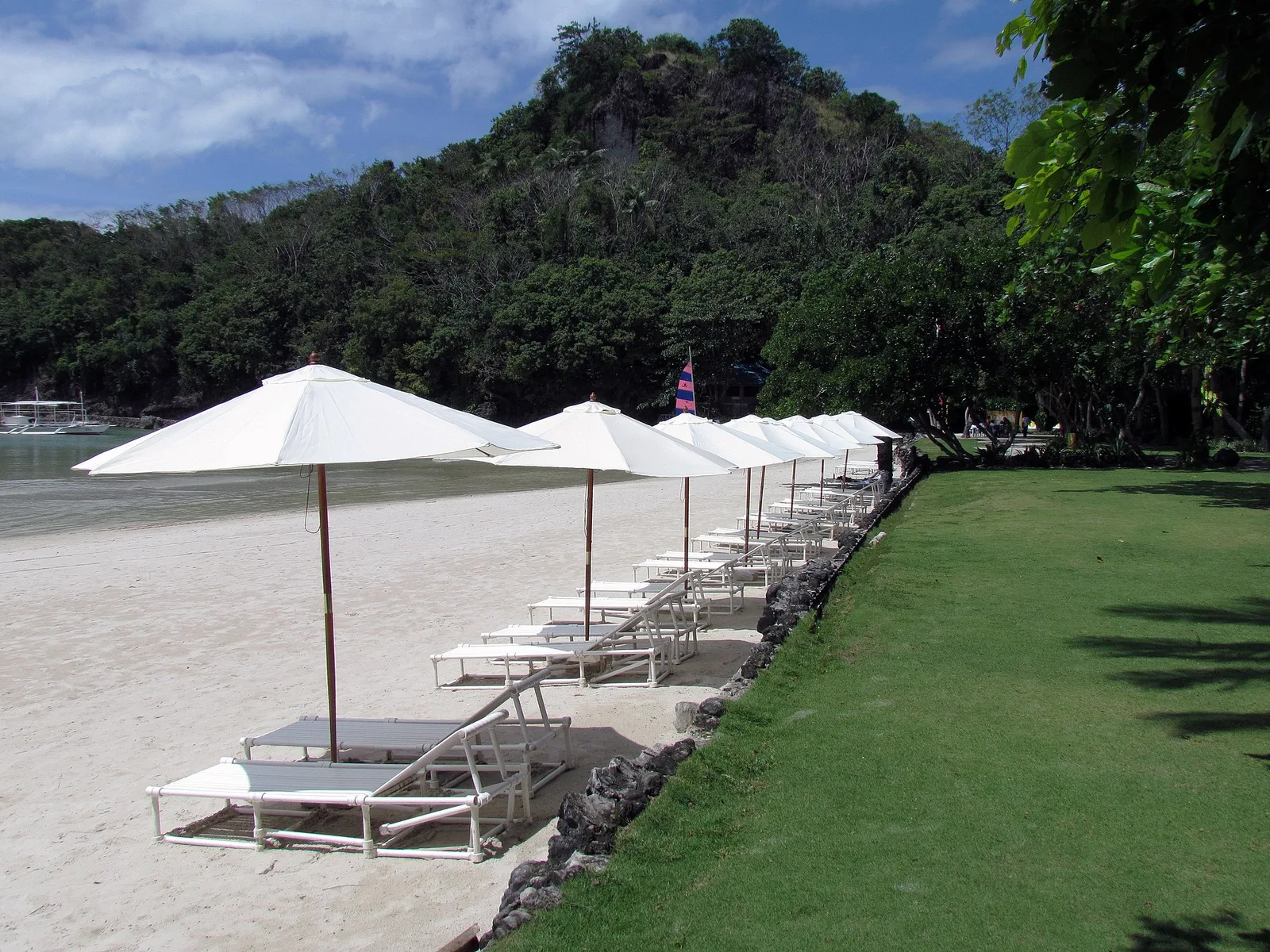
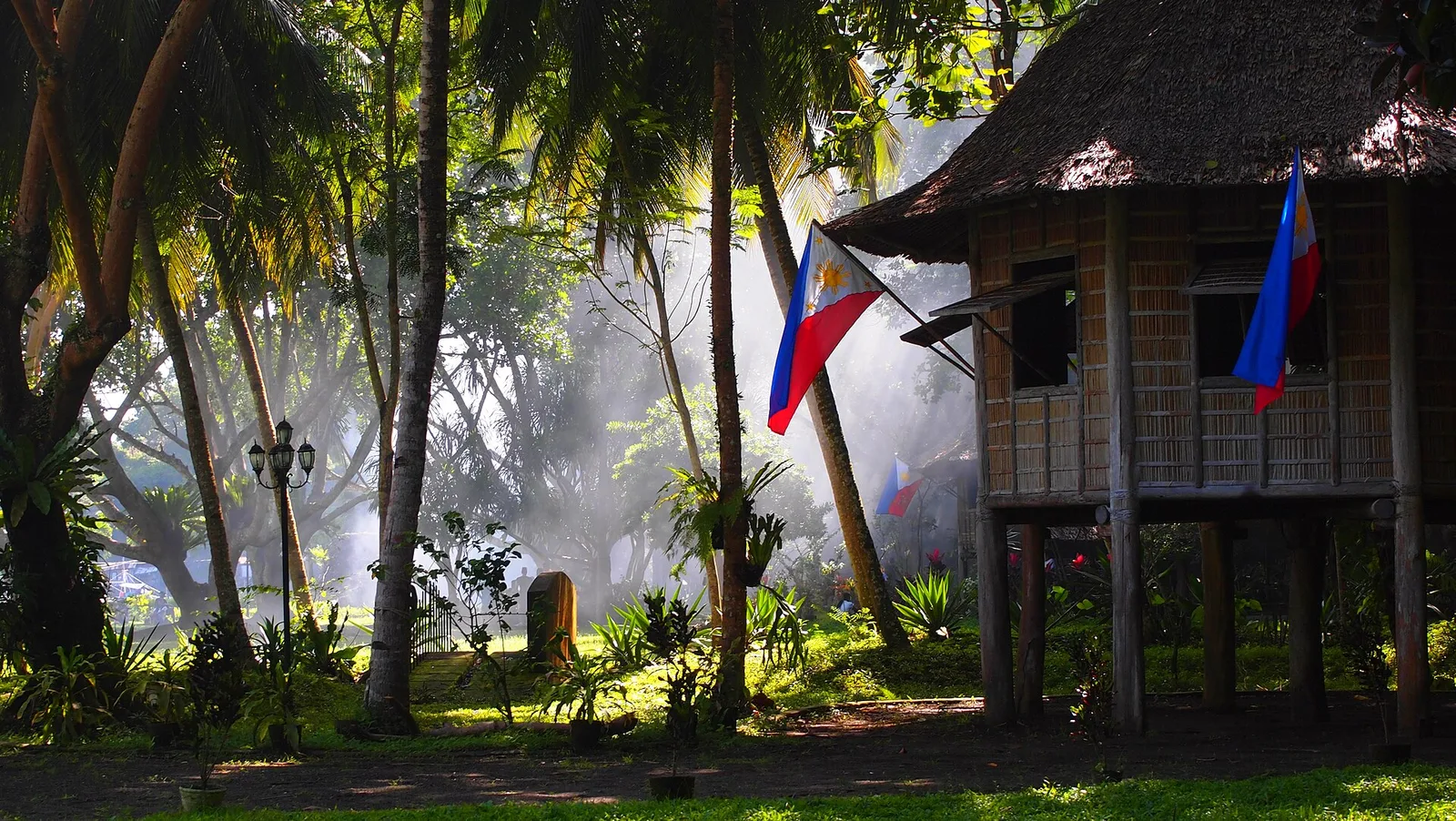
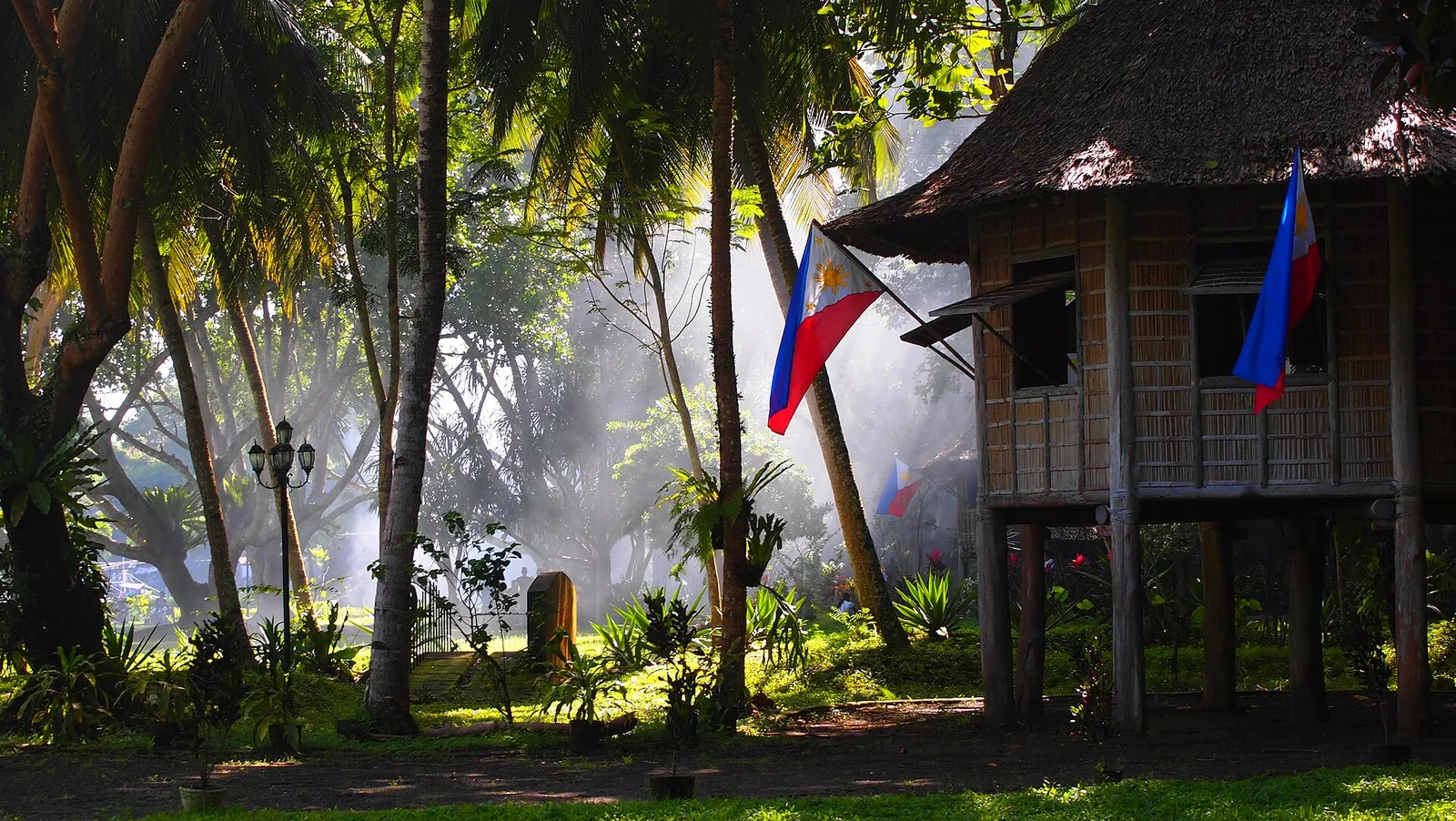
Photos: Cabajar (CC BY-SA 3.0) via Wikimedia Commons · Ric Canizares (CC BY-SA 3.0) via Wikimedia Commons · Ronnie Puckett (CC BY 2.0) via Wikimedia Commons
Ready to book?
Book your Zamboanga City trip now
Hotels, tours and transfers — compare live prices and book securely through trusted partners. Prices update daily.
Affiliate links — we earn a small commission at no extra cost to you. Prices shown are live from our partners.
🗓️ Best time to visit Zamboanga City
November through May is the dry season. February and March are the best months for the pink sand beach excursion — calm seas and clear water. October through December brings the Hermosa Festival (the city's main festival, celebrating the patroness Our Lady of Pilar). The rainy season June through September is wetter but not prohibitive for the city itself.
✈️ How to get to Zamboanga City
Fly from Cebu or Manila to Zamboanga City Airport (ZAM) — served by Cebu Pacific, PAL, and AirAsia (1.5 hours from Manila, 50 minutes from Cebu, PHP 1,500–4,000). Zamboanga City Airport is centrally located; the city centre, waterfront, and Fort Pilar are all within 10 minutes by Grab or tricycle.
Plan your Zamboanga City trip
Compare hotels and tours — booked through trusted partners. Use the planner on /plan to turn this guide into a full day-by-day itinerary.
🗓️ Use this guide in your plan
Build a Zamboanga City trip directly. The planner combines it with real flights, stays and tours into one day-by-day itinerary.
✨ Open Trip PlannerOne of 215+ destinations covered. Explore more at /guides and /blog.
Frequently asked questions — Zamboanga City
Is Zamboanga City safe to visit?
The city proper (the commercial centre, waterfront, Fort Pilar, the airport environs) is safe for tourists under normal conditions as of 2026. Exercise standard urban awareness: use Grab, keep to main streets at night, avoid unfamiliar areas after dark. Travel advisories for Zamboanga City specifically (as distinct from the surrounding Zamboanga Peninsula provinces and the Sulu Archipelago) have generally reflected normal risk for a Philippine city of this size. Check the current advisory from your government before travel; the situation can change.
Can I visit the Great Santa Cruz Island independently?
The island excursion requires coordination through the Zamboanga City Tourism Office — you cannot simply hire a pump-boat at the wharf without the permit and police escort arrangement. The Tourism Office handles all of this in one place (near the waterfront). The process takes 30–60 minutes the first time; the escort is a standard formality not an indicator of imminent threat. Budget half a day for the island trip including the permit process.
What is Chavacano and where can I hear it?
Chavacano is a Spanish-based creole language with a vocabulary approximately 70% derived from Spanish and 30% from indigenous Philippine languages and Malay. It is the native tongue of Zamboanga City and several nearby municipalities. You will hear it in the markets, at the waterfront, and in normal city life — it is unmistakable because it sounds like Spanish spoken with Philippine intonation and rhythm. Phrases like "¿Di tú va?" (Where are you going?) are recognisably Spanish in structure. It is a living language with its own literature, radio stations, and YouTube content.
💬 Ask Locals about Zamboanga City
No questions about Zamboanga City yet — be the first to ask.
Ask the community →💡 Traveller tips for Zamboanga City
Local-knowledge from other travellers. Got a tip? Share it.
Loading tips…
📝 Your notes & photos for Zamboanga City
Loading…
First time in Zamboanga City?
Quick essentials so you can hit the ground running.
Standard Philippines visa-free entry. Great Santa Cruz Island requires a permit (PHP 50) from the Zamboanga City Tourism Office.
Full banking infrastructure in Zamboanga City — BDO, BPI, Metrobank, LandBank ATMs throughout the commercial centre. GCash and credit cards accepted at larger establishments. PHP cash needed for markets, the fish port, and smaller restaurants.
No malaria risk in the city proper. Dengue present — use repellent. The curacha crab is safe when cooked; avoid raw shellfish from unknown sources. Nearest major hospital: Western Mindanao Medical Center.
Mid-range hotel in city centre: PHP 1,500–3,000/night. Meals: PHP 200–500 at local restaurants, PHP 600–1,200 for curacha. Great Santa Cruz Island trip (boat + permit): PHP 300–500 per person. Total budget: PHP 2,500–4,000/day for a comfortable visit.
Use Grab for transport; do not take unmarked taxis. Stay in the commercial core and waterfront area. Do not travel overland from Zamboanga into the Zamboanga Peninsula hinterland or to surrounding provinces without consulting current advisories. The Sulu Archipelago (separate from the city) requires different and more careful assessment. Zamboanga City itself: normal Southeast Asian city precautions apply.
Top Experiences in Zamboanga City
Island hopping, diving, surfing and more — book instantly. Add them to your trip plan.