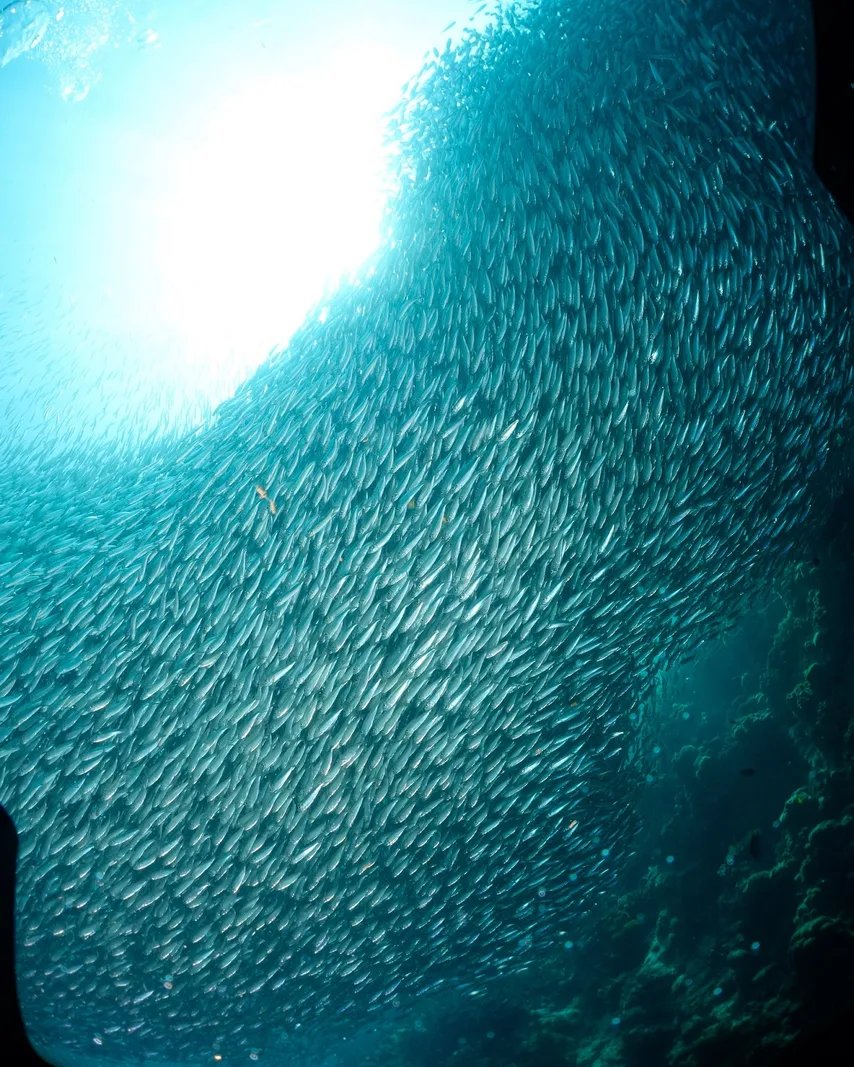
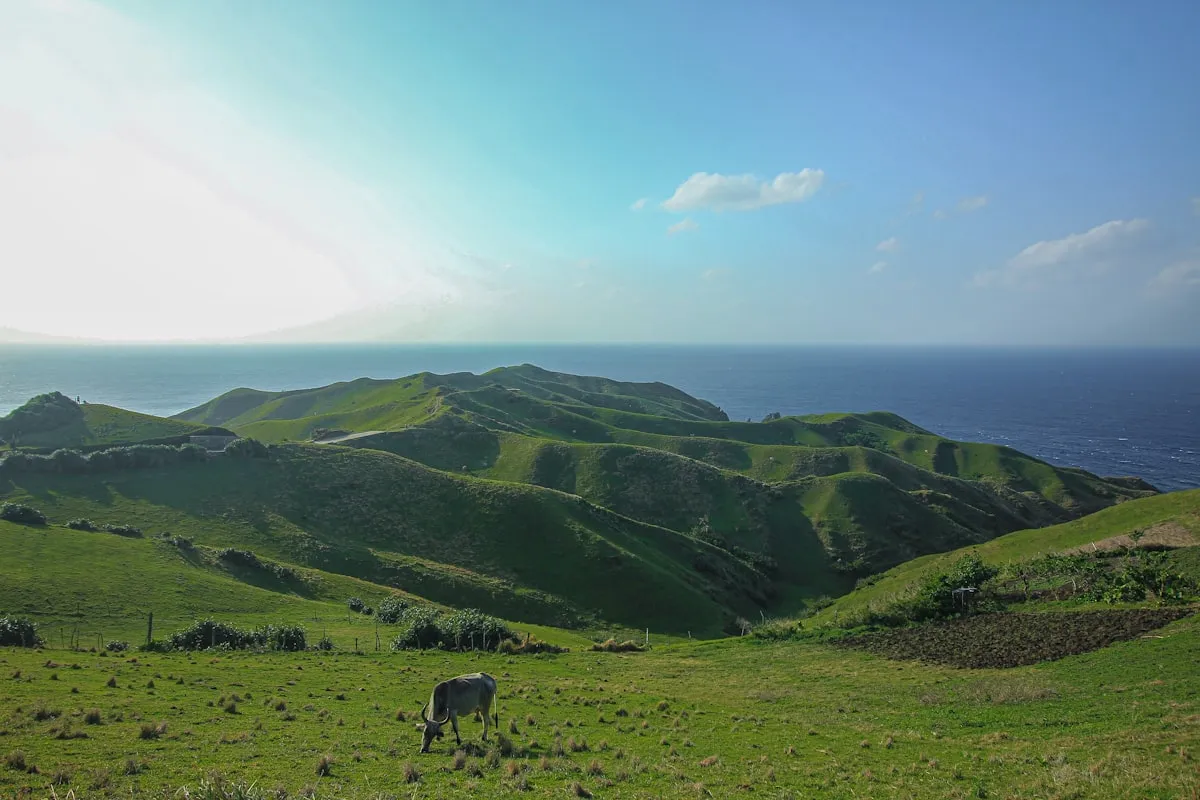
Most first-time Philippines travelers over-pack dramatically. They arrive at El Nido with a 23kg checked bag, drag it through the dusty main strip in 35-degree heat, and spend five minutes trying to fit it into a motorbike sidecar that was designed for someone considerably more minimalist. By trip two, they're doing it in a carry-on. By trip three, they look at that carry-on and wonder if they could cut it down further.
What to Pack for the Philippines: The Complete Packing List (2026)
Trip.com
Search on Trip.comHotels in Philippines
Compare live prices via Travelpayouts — targeted for this guide.
The Philippines is a hot, wet, island-hopping destination where most activities involve a boat, a beach, a waterfall, or all three simultaneously. Heavy clothes are essentially useless. Elaborate outfits collect mildew. Everything you own will smell faintly of salt and sunscreen within 48 hours, and that's fine, because so will everyone else's.
Here is the complete, honest packing list — what to bring, what to leave at home, and what to buy locally if you forget.
Carry-On vs. Checked Bag: The Verdict
For trips up to two weeks: carry-on only. A 40-litre backpack or a standard cabin-sized rolling bag (55x40x20cm for most Philippine airlines) is sufficient if you pack smart. Here's why this matters beyond mere minimalism:
Trip.com
See all tours in Philippines on Trip.comTours & activities in Philippines
Hand-picked experiences in Philippines — book on Trip.com with instant confirmation.
- Domestic Philippine airlines (Cebu Pacific, AirAsia Philippines) charge PHP 700-1,500 per 20kg checked bag per domestic leg. On a 4-leg island-hopping itinerary, that's PHP 3,000-6,000 in baggage fees alone.
- Checked bags add 30-45 minutes at baggage claim in NAIA's notoriously slow carousels.
- Island accommodations — small guesthouses, surf camps, bamboo bungalows — often have minimal storage space. A large bag physically doesn't fit in some rooms.
- A carry-on fits in a tricycle sidecar, on a bangka, and in the overhead bin of a 737. A 23kg checked bag does not.
For trips of three weeks or more, or if you're doing significant hiking (Sagada, Batad, Mt. Apo), a 50-60 litre pack with a checked allowance makes sense. Otherwise: pack light and use the saved baggage fee money to eat better.
Clothing: The Tropical Formula
The Philippines has essentially one climate for beach destinations: hot (28-35°C), humid, and occasionally very rainy. You need:
Tops and Shirts
Bring 3-4 lightweight, quick-dry shirts. Merino wool (Icebreaker, Uniqlo) or synthetic quick-dry fabrics (Nike Dri-FIT, Patagonia Capilene) are ideal. Cotton is heavy, slow-drying, and develops an impressive smell within a day. One slightly smarter shirt for evenings at restaurants is sufficient — restaurants in El Nido and Boracay do not have dress codes beyond "not completely soaked."
Shorts and Bottoms
2-3 pairs of quick-dry shorts that double as swim shorts are all you need. Board shorts work for swimming and casual restaurants. One pair of light linen or cotton-blend trousers if you're visiting more formal restaurants in Cebu or Manila, or if you're going to churches (arms and knees covered is required).
Swimwear
2 swimsuits or bikinis minimum. You will wear swimwear more than any other garment. Having two means one is always dry. Bring a UV-protection rash guard if you burn easily — the tropical sun is brutal and a rash guard eliminates the need to re-apply sunscreen to your torso every 90 minutes on all-day boat tours.
Evening and Smart Casual
One dress or smart shirt is genuinely enough. Filipino beach towns are relaxed. Even nicer restaurants in Boracay and El Nido are "clean and presentable" rather than formal. Sandals and a clean linen shirt constitute "dressed up" in most contexts.
One Exception: Sagada and Baguio
If your itinerary includes the Cordillera highlands — Sagada, Batad, Banaue, Baguio — temperatures at night can drop to 12-15°C. One lightweight fleece or packable down jacket is worth it for the mountain section of your trip. It is not worth it if you're doing pure beach islands.
Underwear and Socks
5 pairs of underwear (quick-dry where possible) and 2 pairs of socks (you'll rarely need them — only for hiking). Merino wool socks are worth the cost for hiking days.
Reef-Safe Sunscreen: Bring It From Home
This is one of the most important items on the list, and one of the most commonly underestimated. Reef-safe sunscreen (zinc oxide or titanium dioxide based, without oxybenzone and octinoxate) is required at virtually all dive and snorkel sites in the Philippines — including El Nido, Tubbataha, Apo Island, and the Tumalog Falls area. Rangers at marine protected areas do check, and they will ask you to wash off non-reef-safe sunscreen before entering the water.
The problem: genuinely good reef-safe sunscreen brands (Badger, Raw Elements, Stream2Sea, All Good) are difficult to find outside Manila's high-end department stores. In El Nido town and Siargao, you'll find tourist-priced sunscreen that may or may not be genuinely reef-safe regardless of labeling. Bring SPF 50 reef-safe sunscreen from home — enough for 2+ weeks of daily application (at least 200ml per person). This is one item where buying locally is genuinely inferior.
Mosquito Repellent: DEET Is Your Friend
Dengue fever is endemic to the Philippines. It is transmitted by the Aedes aegypti mosquito, which bites during daylight hours (not just at dusk like malaria-carrying mosquitoes). Dengue is genuinely unpleasant — 5-7 days of high fever, severe joint pain, and fatigue — and can be serious. There is a vaccine, but it's not widely available for travelers; prevention is the primary strategy.
DEET-based repellent at 30-50% concentration is the most effective option. Apply it during dawn and dusk (peak biting times) and any time you're in gardens, waterfalls, or jungle environments. Mosquitoes breed in standing water — waterfalls, rice fields, and any area with vegetation carry more risk than open beaches.
DEET repellent is available in the Philippines (Off! and similar brands) but at tourist-area markup. Bringing a 100ml bottle from home is cheaper and means you have it on day one, including the Manila transit.
Electronics and Power
Power Adapter
The Philippines uses Type A (two flat parallel pins) and Type B (two flat pins + round ground) sockets at 220V/60Hz — the same standard as the United States and Japan. US and Japanese plugs fit without an adapter. European, UK, and Australian plugs require a universal adapter. A universal adapter (available at any electronics store for PHP 150-300 locally) is sufficient; you do not need a voltage converter as all modern electronics (laptops, phone chargers, cameras) are 100-240V compatible.
Power Bank: Essential
A large power bank (20,000mAh) is among the most important electronics you can pack for the Philippines. Island-hopping days routinely mean 6-10 hours on a boat with no power access. Phone navigation, Grab bookings, WhatsApp contact with your hotel, and photography depend on battery life. A 20,000mAh bank will charge a modern smartphone 4-5 times and costs PHP 800-1,500 locally (Xiaomi makes a reliable, lightweight version). Check airline rules — batteries above 27,000mAh are not permitted in carry-on.
Waterproof Phone Case
You will get splashed. You will probably fall in at some point. A waterproof phone pouch (the lanyard-style, around PHP 150-300 locally) is cheap insurance. Alternatively, bring a waterproof phone bag (AmazonBasics, Mpow) from home and wear it on boat days. Full drop in sea water has destroyed many phones that were technically splash-resistant.
Camera Considerations
If you shoot with a dedicated camera, bring a padded waterproof case. GoPro-style action cameras are ideal for the Philippines — underwater snorkel footage, boat spray, waterfall plunge pools. If you use a mirrorless or DSLR, a think-tank camera bag with built-in rain cover is worth it for island-hopping days. Memory cards: bring more than you think you need. You will take more photos than you think you will.
Health and First Aid
Imodium (Loperamide)
Southeast Asia travel and stomach adjustments go together. Loperamide (Imodium) is available locally (PHP 30-60 per tablet) but having it immediately available matters — there is no pharmacy on the bangka. Bring a small supply from home.
Antihistamine
For allergic reactions to insects, sun exposure, or unfamiliar foods. Cetirizine (non-drowsy) is widely available in the Philippines (PHP 10-20/tablet at any Mercury Drug) but having a supply means you're covered on arrival day.
Antiseptic
Small cuts from coral and reef are common among snorkelers. Reef cuts are prone to infection in tropical water — clean them promptly with antiseptic (Betadine or similar) and cover. Small antiseptic wipe packets take essentially no space.
Anti-Seasickness Tablets
This one is commonly forgotten until it's too late. Philippine inter-island ferries and bangka boats can be rough — particularly during afternoon return trips when onshore winds build, and during any swell season (June-October). Dramamine or meclizine (Bonine) should be taken 30-60 minutes before boarding. Both are available locally at Mercury Drug but the boarding rush is not the time to be looking for a pharmacy. Bring from home.
Basic Medications
Paracetamol (Panadol), rehydration salts (ORS sachets), vitamin C, and any prescription medications you take. Mercury Drug, Rose Pharmacy, and Watsons are ubiquitous in Philippine cities and larger tourist towns — you can buy most over-the-counter medications locally. But island guesthouses in El Nido, Coron, and Siargao have minimal pharmacy options.
Footwear
Reef Shoes or Water Sandals with Straps
The single most underrated item on any Philippines packing list. Reef shoes (neoprene water shoes with rubber soles) protect your feet on rocky beach entries, coral rubble, and the barnacle-covered outrigger ladders of bangka boats. They also make getting in and out of sea kayaks dramatically less painful. Available locally for PHP 300-600 at sports stores, but sizing options are limited for large Western feet (above size 42 EU). Buy before you go if you have larger feet.
Alternatively: Keen or Teva water sandals with ankle straps stay on in surf and on boat ladders. Regular flip-flops will be left at the bottom of a lagoon within the first week. Bring sandals with straps.
Flip-Flops for Town
One pair of flat flip-flops or slides for general town and beach use. Havaianas are inexpensive locally (PHP 400-700 at SM and Robinson's malls).
One Pair of Trainers or Walking Shoes
Optional, but useful if your itinerary includes Sagada, Batad rice terraces, or any significant hiking. Lightweight trail runners (Salomon, Merrell) are ideal. Not needed for pure beach island itineraries.
Dry Bag: Essential
A dry bag (5L or 10L) keeps your phone, wallet, and camera dry during island hopping, kayaking, and waterfall visits. Essential, not optional. Available locally in El Nido and Siargao for PHP 200-400 for basic models, PHP 600-1,200 for branded (Earth Pak, Sea to Summit). Bring from home if you want a quality one; buy locally if you forget.
Light Rain Jacket
A packable rain jacket (not a full hiking anorak — a lightweight packable shell) is useful for afternoon tropical downpours, cold air conditioning on overnight buses and ferries, and any highland section of your trip. Uniqlo's packable parka (around USD 30-40) is excellent for this purpose: waterproof enough for a 20-minute shower, packs to the size of a grapefruit, and doubles as a blanket on freezing air-conditioned overnight buses. Bring one regardless of season.
Snorkel Mask: Bring Your Own or Rent?
Tour operators in El Nido, Coron, and Boracay provide snorkel gear. The quality ranges from "functional" to "barely functional" — masks that fog immediately, fins with broken straps, snorkels with cracked mouthpieces. If snorkeling is a significant part of your trip (it should be — the Philippines has some of the world's best snorkeling), bringing your own mask makes a meaningful difference in visibility and comfort. Compact silicone masks (Cressi, Decathlon Subea) pack flat and weigh almost nothing. Leave the fins unless you're bringing a full dive bag.
Cash Strategy
Withdraw cash at ATMs attached to major Philippine banks: BDO, BPI, Metrobank, Landbank. These have the highest daily withdrawal limits (PHP 10,000-20,000 per transaction) and the most reliable connections. NAIA Terminal 3's BPI ATMs are reliable for arrival withdrawals.
Avoid Euronet and independent ATM operators — their fees are high (PHP 250-350 per transaction vs. PHP 200 at bank ATMs) and their reliability is lower. Notify your bank before departure that you'll be withdrawing in the Philippines to avoid fraud holds.
GCash (the Philippine mobile wallet) is increasingly useful even for tourists — you can top it up with a foreign card through the GCash app and use it for payments at restaurants, convenience stores, and tour operators that don't take cards. Not essential but useful for longer stays.
Frequently Asked Questions
Can I do two weeks in the Philippines with just a carry-on?
Yes, comfortably. 3-4 quick-dry tops, 3 pairs of shorts, 2 swimsuits, 1 rain jacket, reef shoes, flip-flops, and your toiletries and electronics fit in a 40-litre backpack or standard cabin bag. You'll do laundry twice — every guesthouse either has in-house laundry service (PHP 80-150/kg, returned same day or next day) or can direct you to a laundromat. Laundry is cheap, fast, and everywhere in tourist areas. Pack for 7 days and do laundry once.
What should I absolutely not forget to pack for the Philippines?
The items most commonly forgotten and hardest to replace on-island are: reef-safe sunscreen (genuinely difficult to source outside Manila), anti-seasickness tablets (easy to forget, miserable to be without), a dry bag (critical on day one of island hopping), a power bank large enough for all-day boat trips, and reef shoes or water sandals with straps. Everything else has a workable local substitute. These five items are worth double-checking before you leave.
Is there anything I should definitely buy locally in the Philippines instead of bringing it?
Yes: cheap flip-flops (buy at SM Mall, PHP 150-300, because they'll break or get lost anyway), a lightweight sarong or pareo (PHP 100-250 at beach markets, used as a beach blanket, modesty cover, and impromptu towel), a SIM card (Globe or Smart, PHP 100-300 with data, buy at the airport on arrival), and a basic lock for your hostel locker (PHP 80-120 at any hardware store). There's no need to bring a packaged sarong from home when they cost essentially nothing locally and are beautiful quality.
Do I need a travel adapter for the Philippines?
If you're from the United States, Canada, Japan, or Mexico: no, your plugs fit directly. Everyone else: yes, a universal adapter is needed. The Philippines uses 220V, but all modern phone chargers, laptop chargers, and cameras are 100-240V compatible — check the small print on your charger brick. If it says "100-240V, 50/60Hz," you only need an adapter, not a converter. A universal adapter costs PHP 150-300 at any hardware store or 7-Eleven in the Philippines, so don't panic if you forget.
Should I bring a first aid kit to the Philippines?
A small personal first aid kit — not a full wilderness kit, just a personal one — is worthwhile. Essentials: adhesive bandages, antiseptic wipes, Imodium, antihistamine, rehydration salts, and any prescription medication. Mercury Drug pharmacy is ubiquitous in any city or town, and most tourist destinations have at least a basic clinic. The genuine risk in the Philippines is not being far from medical help in a city — it's being on an island for 6 hours without the basics. The kit should fit in a small ziplock bag and weigh under 200 grams.

PANA.PH Editorial Team
Philippines travel desk
The PANA.PH travel desk researches, books and re-checks Philippines travel logistics — fares, ferry schedules, government fees and permit rules — and publishes what it can verify.
🏡 Real local stays (book direct)
Hand-picked homestays and guesthouses — book direct, no markup.
Browse all local stays →
🌊 Popular activities (book instantly)
Island hopping, canyoneering, whale sharks — real Klook/GetYourGuide options.
View all activities →