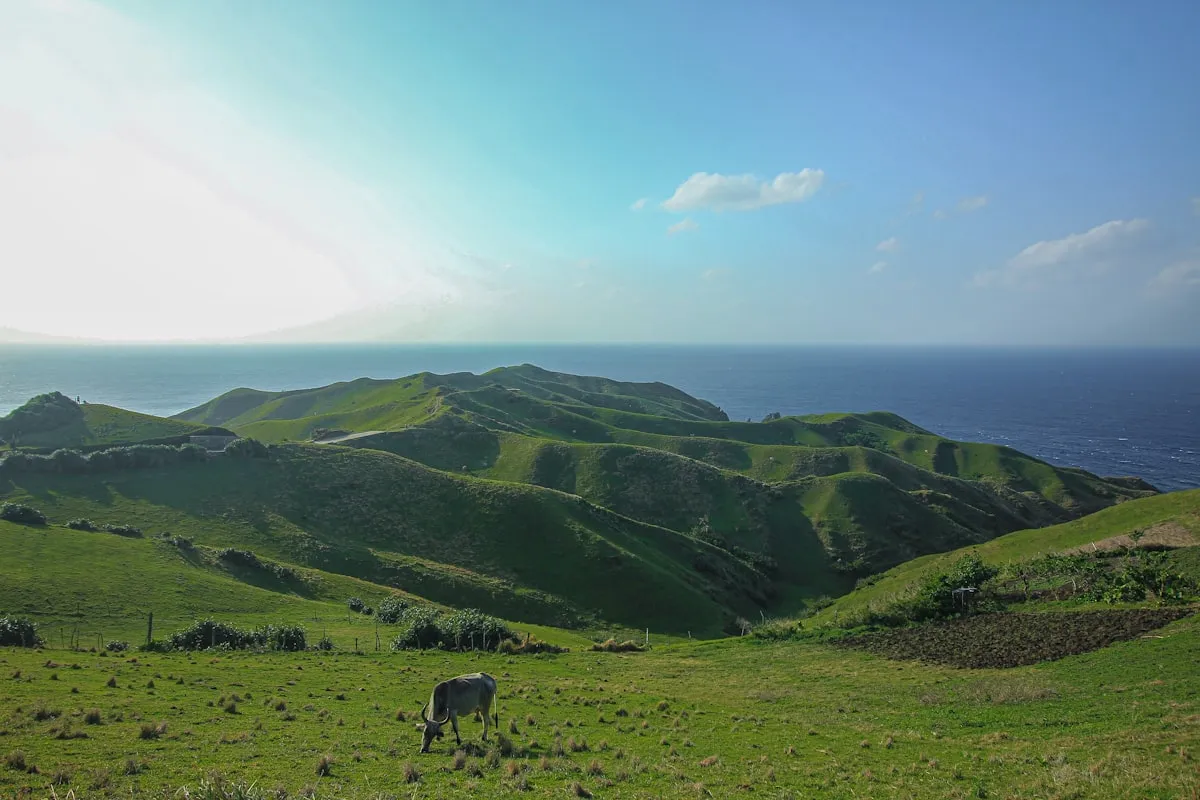
When to go to the Philippines
With more than 7,600 islands spread across the tropics, the Philippines is a year-round destination - but the experience changes a lot depending on when you come. Broadly, the country has a dry season and a wet season, plus a typhoon window that mostly affects the eastern seaboard. Knowing the rhythm of the seasons helps you pick calm seas for island hopping, clear water for diving, and the right region if you are travelling in the rainier months.
The dry season (roughly November to May)
The dry season is peak travel time for good reason. From late November the northeast monsoon settles in, and by December to May most of the country enjoys sunny skies, calm seas and superb visibility underwater. This is the ideal window for Palawan (El Nido, Coron), Boracay, Cebu and Bohol. March to May is the hottest, driest stretch - perfect beach weather, though popular spots get busy and prices rise around Christmas, New Year and Holy Week.
Best months for island hopping and diving
February to April is the sweet spot for the classic island destinations: flat seas, clear lagoons and reliable boat trips. If you want the postcard version of El Nido or Coron, aim for these months and book accommodation and tours ahead. Divers get the best visibility now, and the remote Tubbataha Reefs open to liveaboards from March to June.
The wet season (roughly June to October)
The southwest monsoon (habagat) brings afternoon downpours and the main typhoon risk from June to October, peaking around August and September. It is not a washout - mornings are often bright, and the landscape turns lush and green - but seas can be rough and some boat trips get cancelled. Prices drop and crowds thin, so it can be a rewarding time for budget travellers who stay flexible.
Where to go in the rainy months
Because weather systems usually track from east to west, the western and southern islands can stay drier when the east is wet. Destinations like Coron, El Nido and parts of Mindanao often see decent conditions even in the green season. Siargao, on the Pacific side, gets its best surf from August to November, so the shoulder months suit surfers perfectly.
Festivals worth planning around
The Philippine calendar is packed with colourful festivals. January alone brings Sinulog in Cebu, Ati-Atihan in Kalibo (near Boracay) and Dinagyang in Iloilo - huge, joyful street celebrations. Panagbenga (the Baguio flower festival) lights up February, Moriones colours Holy Week in Marinduque, and MassKara in Bacolod brings smiling masks every October. Timing a trip around a festival adds a whole extra dimension to your visit, though it also means booking transport and rooms well in advance.
Frequently asked questions
What is the best overall month to visit the Philippines?
February and March are hard to beat - dry, sunny and with calm seas ideal for island hopping and diving across Palawan, Cebu, Bohol and Boracay. They fall after the Christmas peak but before the most intense April-May heat, giving you great conditions with slightly smaller crowds than the holiday weeks.
When is the typhoon season in the Philippines?
The main typhoon window runs from June to October, peaking in August and September, and mostly affects the eastern and northern parts of the country (Luzon and the Pacific coast). Western and southern islands such as Palawan are less exposed. Travel is still possible - just build in buffer days and keep plans flexible.
Is the rainy season a bad time to travel?
Not necessarily. The wet season (June to October) brings lower prices, fewer crowds and lush scenery, and mornings are often sunny with rain arriving later in the day. If you stay flexible, favour western and southern islands, and avoid the typhoon peak, you can have a great, more affordable trip.
When is the best time for diving and snorkelling?
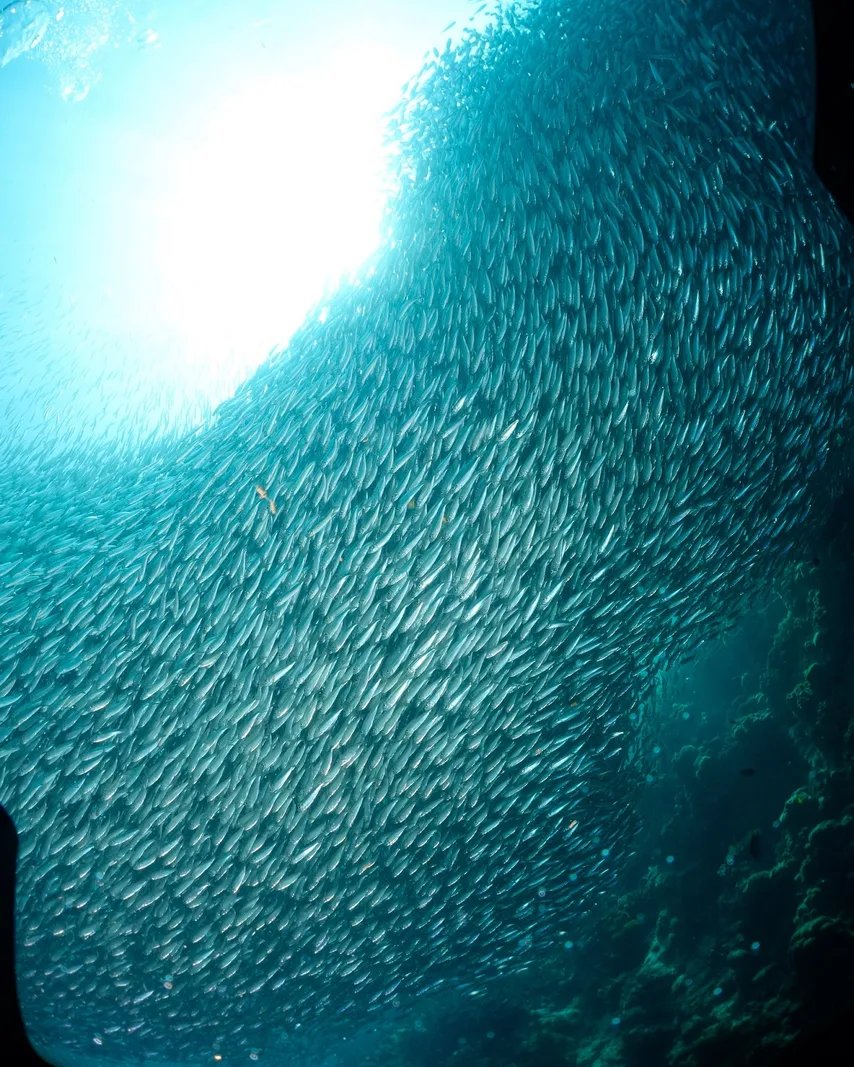
The dry season, especially December to May, offers the calmest seas and clearest water for diving and snorkelling. Visibility at top sites like Tubbataha (accessible March to June by liveaboard), Coron, Moalboal and Apo Island is at its best during these months, when boat access is also most reliable.
Which months are busiest and most expensive?
The Christmas-New Year period and Holy Week (usually late March or April) are the busiest and priciest, along with the March-May summer holidays for domestic travellers. Book flights and accommodation well ahead for these windows, or travel in the shoulder months of November and early June for better value.
Does the weather vary a lot between islands?
Yes. The Philippines is huge, and conditions differ by region and even by coast. When the eastern seaboard is stormy, Palawan and the western Visayas can stay sunny, and vice versa. If your dates are fixed, choose the region whose dry season matches your travel window rather than assuming the whole country shares one climate.
Plan your trip with PANA.PH
Ready to turn the Philippines into a real itinerary? Browse our tours and activities for guided island hopping, canyoneering, diving and day trips, compare places to stay, and read more destination guides on the PANA.PH blog. Whatever month you choose, a little planning around the seasons makes for a smoother, sunnier trip.
The best Philippine trips come together when the big pieces are booked early - flights between islands, the headline tours, and rooms in peak season - while the small pleasures are left to discover on the ground. Travel in the dry season (roughly late November to May) for the calmest seas and clearest skies, carry enough cash for island fees and local eateries, and always keep a buffer day in case the weather reshuffles a boat trip. A little planning around the seasons and the logistics turns a good holiday into a great one.
PANA.PH gathers the best of the Philippines in one place - handpicked tours from trusted local operators, honest guides written to help rather than sell, and practical tips drawn from real island travel - so you can spend less time organising and more time actually exploring. Whether you are chasing beaches, reefs, waterfalls, food or culture, use the links above to shape your route, then book with confidence and let the islands take care of the rest.