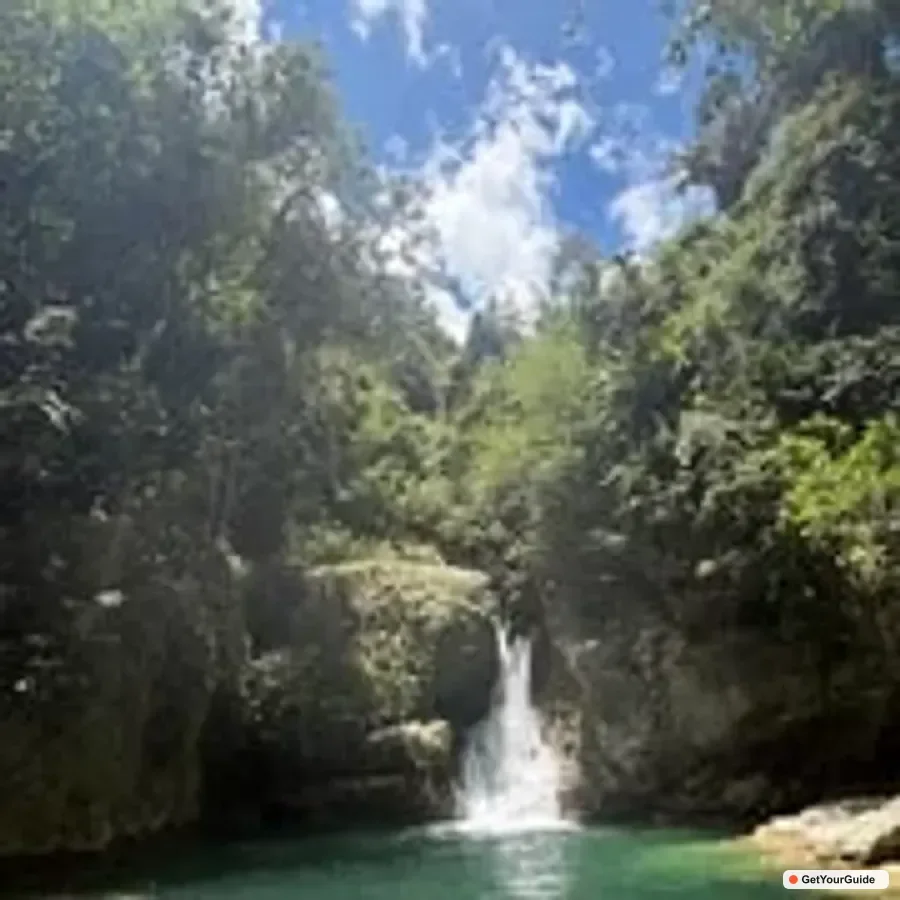
There is a moment on this tour that you will not forget. After bumping down a red-dirt road, then walking through a corridor of bamboo and giant ferns where the light turns green and the air goes cool and damp, you hear it before you see it: a low, steady roar. Then the trees part and there it is, a column of turquoise water folding over a limestone lip into a pool so impossibly blue it looks edited. This is the Bohol that most day-trippers never reach. Beyond the Chocolate Hills postcards and the tarsier selfies lies an interior of jungle-cloaked rivers and hidden falls, and this guided waterfall-hopping trip is built to take you straight into the heart of it.
Bohol Waterfall Hopping & Secret Jungle Trails - Guide
Trip.com
Search on Trip.comHotels in Philippines
Compare live prices via Travelpayouts — targeted for this guide.
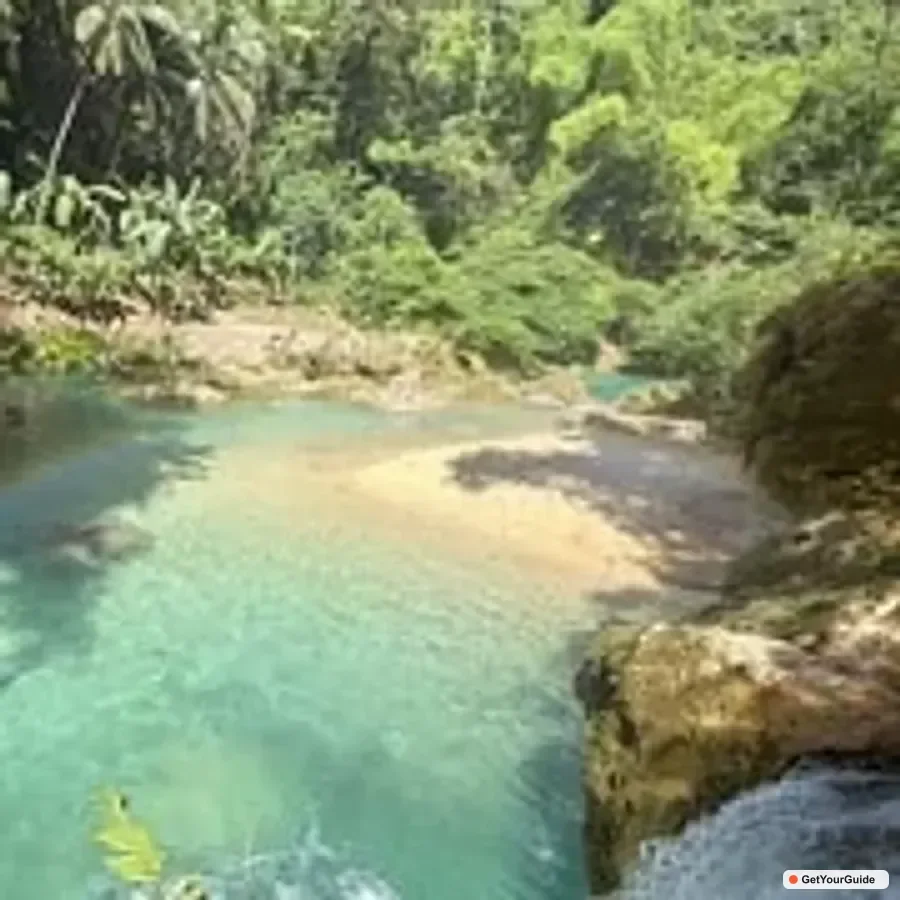
Bohol sits in the Central Visayas, an island roughly the size of a small country province, ringed by reef and stitched through the middle with rainforest. What makes its waterfalls so special is geology. The island is built largely of uplifted coral limestone, a soft, soluble rock that water carves with ease. As rain percolates through this karst, it dissolves the stone, builds underground channels, and re-emerges as springs and rivers. Dissolved limestone (calcium carbonate) is exactly what gives many Bohol falls and their pools that signature milky-blue to emerald color, the same mineral chemistry that tints rivers in karst country the world over. Where those rivers tumble off a hard ledge, you get a waterfall; where they slow, you get those luminous swimming pools.
The geology under your feet
It helps to understand where you actually are. Most of Bohol's marquee falls cluster in the island's interior and east-central uplands, fed by rivers draining the limestone plateau. The most famous of these is the Loboc River, a wide jade waterway that snakes through the towns of Loboc and Loay, and its tributaries feed several of the falls you may visit. The same limestone story explains Bohol's other icons: the Chocolate Hills are conical karst mounds, the eroded remnants of an ancient coral seabed lifted above the waves, while the island's caves and springs are all part of one connected water system. When you swim in a Bohol falls pool, you are swimming in rainwater that filtered through that porous stone, which is why the water often runs cold and startlingly clear.
Bohol is also still healing from a major natural event. In October 2013, a magnitude 7.2 earthquake struck the island, reshaping ground levels, damaging centuries-old churches, and even nudging the flow of some rivers and springs. Locals will sometimes point out where the land shifted. It is a reminder that this landscape is alive and still being made.
Trip.com
See all tours in Philippines on Trip.comTours & activities in Philippines
Hand-picked experiences in Philippines — book on Trip.com with instant confirmation.
What you actually see and do, stop by stop
A waterfall-hopping day is exactly what it sounds like: a sequence of falls strung together by short jungle walks and vehicle transfers, each one with its own character. While the precise line-up depends on your guide, water levels, and the season, the rhythm of the day typically unfolds like this.
The first cascade and the warm-up swim
The day usually opens at an accessible, more developed falls, somewhere you can ease in. You will descend a path or a set of stairs, leave your bag with the group, and wade into a broad pool. These first stops often have a viewing deck or a simple bamboo platform, and they are perfect for getting comfortable in the cool water and finding your footing on slick stone.
The jungle trail
Between falls comes the part that gives this tour its name. Your guide leads you off the main road onto narrow trails through secondary rainforest: arching bamboo, strangler figs, dangling vines, and the constant soundtrack of cicadas and birds. This is where local knowledge earns its keep. Guides know which root to grab on a muddy descent, which crossing is safe after rain, and where the falls hide that have no signposts. Keep an eye and ear out for kingfishers along the rivers and, if you are lucky and quiet, the rustle of the island's famous wildlife in the canopy.
The secret falls and the deep-blue pools
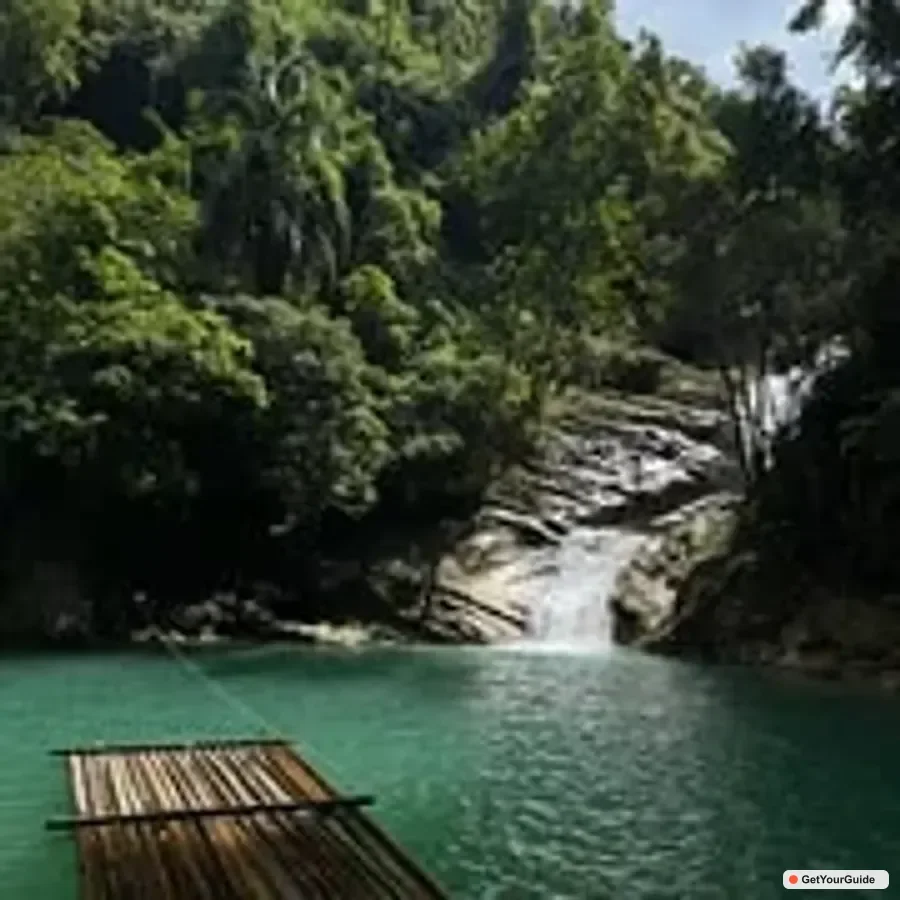
The middle of the day is the payoff: the quieter, harder-to-reach cascades where the crowds thin out and the water is at its most vivid. Depending on the falls, you might find a natural plunge pool deep enough to swim across, a multi-tier cascade you can climb between, or a smooth limestone chute. Some guides will show you a rope swing or a safe jump spot, but always let them check the depth first, as water levels change with the rains. These are the falls people travel for, and they are exactly the ones that are hard to find on your own.
The river finish
Many itineraries wind down along the calmer stretches of a river, where the current eases and you can float, snack, and dry off. It is the natural cool-down after a few hours of clambering and swimming, and a good moment to ask your guide about the towns, the 2013 quake, and how the falls have changed over the years.
Why Bohol matters beyond the falls
This interior is more than scenery. The forest you walk through is part of the habitat of the Philippine tarsier, one of the world's smallest primates, with enormous eyes fixed in its skull (it has to swivel its whole head to look around) and a body small enough to perch in your palm. Tarsiers are highly stress-sensitive, which is why ethical sanctuaries on the island keep them in semi-wild conditions and forbid touching and flash photography. If your trip includes a tarsier stop, choose the conservation-minded sanctuaries and keep your distance and your camera quiet.
The rivers and forests here also sustain local farming and fishing communities, and a portion of what you spend on a guided trip supports the guides, drivers, and small barangays who maintain these trails. That is the quiet case for going with a local guide rather than chasing falls solo: you stay safer, you tread more lightly, and your money lands closer to the people who call this jungle home.
Practical tips for the day
- Best time: The falls run year-round, but flow and color shift with rainfall. Bohol's drier, more reliable window is roughly the first half of the year. Heavy rains make falls thunderous but can muddy the water and the trails, while a very dry spell can thin the flow. Mornings are coolest and least crowded.
- How strenuous: Expect moderate effort. There is real walking, some steep or slippery descents, and scrambling over wet rock. You do not need to be an athlete, but a basic level of fitness and steady footing help a great deal.
- What to wear and bring: Swimwear under quick-dry clothes, and footwear with grip, sturdy sandals with straps or water shoes, never flip-flops on wet limestone. Pack a dry bag for your phone, a small towel, water, sunscreen, insect repellent, and a little cash for snacks or local fees. A waterproof phone pouch is worth its weight for those blue-pool photos.
- Safety: Follow your guide on jumps and currents, and respect closures after heavy rain when flash-flooding is a genuine risk in any narrow river valley.
- What is typically included: Guided trips usually cover your local guide and land transfers between sites, with entrance and environmental fees sometimes added on. Confirm whether meals and gear are included when you book.
- Duration: Plan for the better part of a day, with travel time to and from the falls factored in.
A note on doing it right
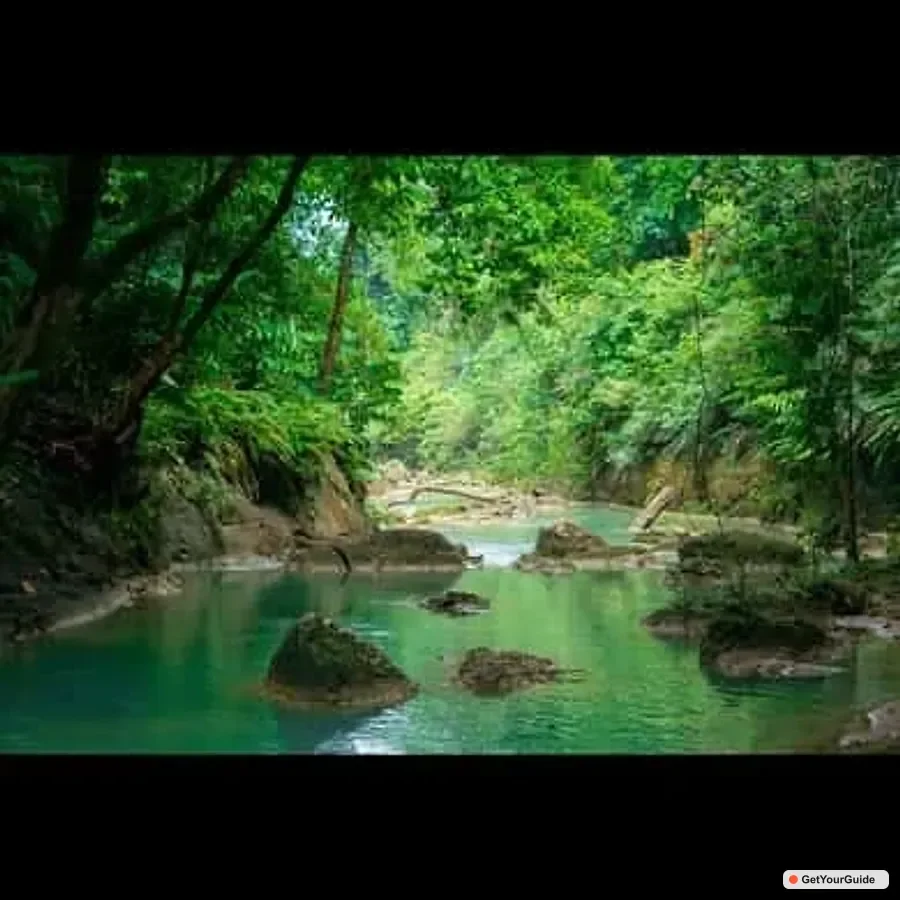
Bohol has worked hard to balance tourism with conservation, from protecting its tarsiers to caring for its rivers, and the waterfalls are no exception. Take only photos, carry out everything you carry in, skip the soaps and shampoos in the pools, and resist the urge to stack rocks or pick wild orchids. The reason these falls still feel secret is that enough people have treated them with care. Be one of them.
The last plunge
By late afternoon, salty-sweet from river water and a little wobbly-legged from the trails, you climb back toward the road with a head full of blue pools and birdsong. Bohol's coast and reefs get all the brochures, but its jungle interior is where the island feels most itself: wild, cool, generous, and quietly spectacular. Waterfall hopping with a guide who knows the secret turns is the surest way to meet that side of the island, and the kind of day you will be describing to friends long after your skin has dried.
Good to know before you book
- Duration: typically a full day (around 8 to 10 hours including transfers), though half-day and multi-day options exist - check the listing.
- Best for: active travellers, couples and friends.
- What is included: a local guide, safety gear (helmet and life vest), entrance fees and usually transfers; lunch is often included or available nearby.
- Pickup: most tours offer hotel or central pickup; confirm your point and time when booking.
- Book through: the GetYourGuide button on this page, which shows live availability and pricing.
Frequently asked questions
How long does the Bohol Waterfall Hopping & Secret Jungle Trails take?
Most departures run as a full day - roughly 8 to 10 hours including pickup, travel and the activities themselves - so plan to set aside the whole day. Some operators offer shorter or private versions; the exact timing for your date is shown when you book through the GetYourGuide button on this page.
What is included in the Bohol Waterfall Hopping & Secret Jungle Trails?
Typically the price covers a local guide, safety gear (helmet and life vest), entrance fees and usually transfers; lunch is often included or available nearby. Inclusions vary by operator, so always read the specific listing - it spells out exactly what is provided and what you pay for separately, such as entrance or environmental fees.
What should I bring?
Pack quick-dry clothes, secure water shoes or sandals with grip, reef-safe sunscreen and a floating or waterproof camera. Helmets and life vests are provided and must be worn. It is also worth carrying some cash for local fees, drinks and tips, plus any personal medication, since card facilities can be limited outside the cities.
Is the Bohol Waterfall Hopping & Secret Jungle Trails suitable for beginners or families?
It suits reasonably fit travellers who can swim and are comfortable in moving water; every cliff jump has a lower, optional alternative, so you set your own intensity. It is not designed for non-swimmers or very young children. If you have specific concerns about age, fitness or swimming ability, message the operator before booking - they can advise on the best option for your group.
When is the best time to do this tour?
The best conditions are usually the dry season from December to May, when the Chocolate Hills turn their famous brown. That said, the Philippines is a year-round destination, and many of these experiences run in any season - just expect the occasional shower and check the forecast for the day.
How do I get to Bohol?
To reach Bohol, fly into Bohol-Panglao International Airport, or take the fast ferry from Cebu (about 2 hours). Many tours include transfers from nearby towns or hotels, so confirm your pickup arrangement when you book so the day runs smoothly from the start.
Do I need to book the Bohol Waterfall Hopping & Secret Jungle Trails in advance?
Yes - booking ahead is strongly recommended, especially in the dry-season peak and on weekends, when popular tours and the best operators sell out. Reserving online also locks in your spot and lets you compare timings and inclusions easily.
How much does the Bohol Waterfall Hopping & Secret Jungle Trails cost?
Prices vary with the season, group size and exactly what is included, so we do not list a fixed figure here. Tap the GetYourGuide button on this page to see the current, accurate price and availability for your chosen date.
Can I do the Bohol Waterfall Hopping & Secret Jungle Trails as a private or customised tour?
Many operators offer a private version of this experience for couples, families or small groups who want a flexible pace and a guide to themselves, and some can tailor the route or add stops. If a private or custom option matters to you, check the listing or message the operator before booking, as availability and prices differ from the standard shared tour.
Ready to explore Bohol?
From planning to the moment you arrive, the Bohol Waterfall Hopping & Secret Jungle Trails is one of the most rewarding ways to experience this corner of the Philippines - and booking it is simple. Use the GetYourGuide button on this page to check live availability, compare timings and secure your spot, then turn up and let the local guides handle the rest while you focus on the views, the water and the memories.

PANA.PH Editorial Team
Philippines travel desk
The PANA.PH travel desk researches, books and re-checks Philippines travel logistics — fares, ferry schedules, government fees and permit rules — and publishes what it can verify.
🏡 Real local stays (book direct)
Hand-picked homestays and guesthouses — book direct, no markup.
Browse all local stays →

🌊 Popular activities (book instantly)
Island hopping, canyoneering, whale sharks — real Klook/GetYourGuide options.
View all activities →