Contents
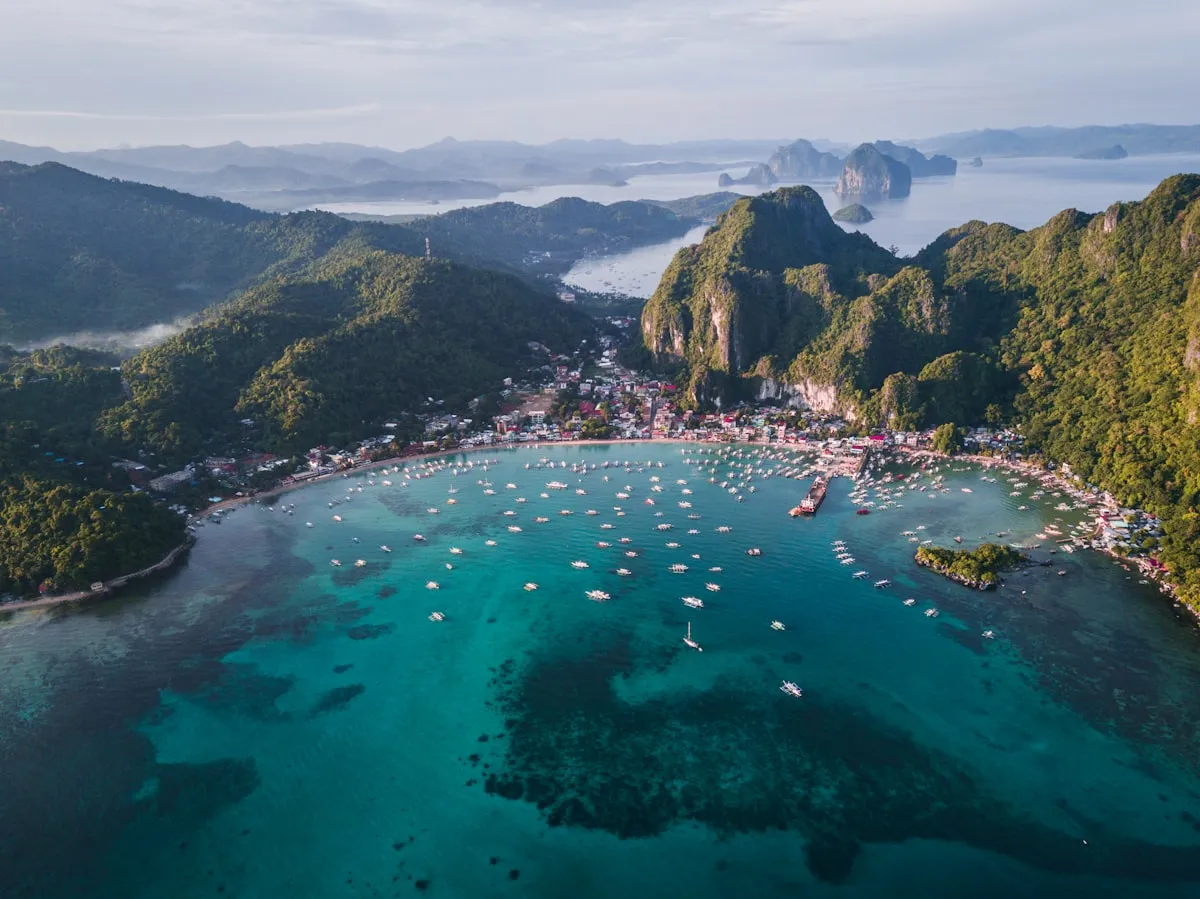
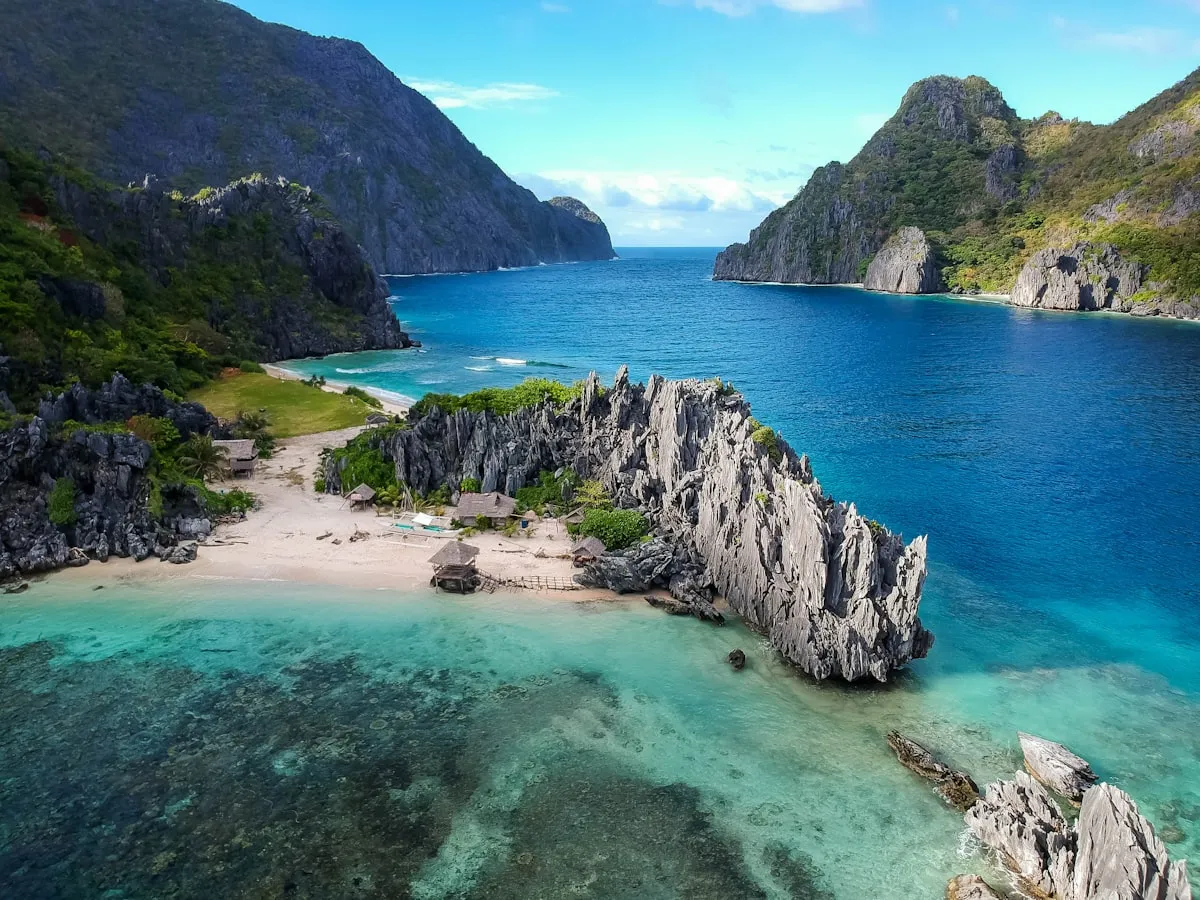
There is a moment, just after your banca boat rounds the limestone wall of Coron Island and the engine drops to a low idle, when you understand why people fly across the world for this. Jagged grey karst cliffs erupt straight out of water so clear it looks like the boat is floating on air. The Tagbanua boatman cuts the motor, the sea goes glass-still, and somewhere ahead a wooden staircase climbs into the rock toward a lake that the world rates among the cleanest on the planet. This is the Coron Ultimate Tour, and over a single long, sun-drenched day it stitches together seven of the most extraordinary spots in the Calamian Islands of northern Palawan.
Hotels in Palawan
Compare live prices via Travelpayouts — targeted for this guide.
This is not a lazy island hop. It is a greatest-hits run through volcanic lakes, hidden lagoons, coral gardens and the rusting hulls of a sunken Japanese fleet, with a beach lunch in the middle to catch your breath. Here is what you are really seeing, why it looks the way it does, and how to do it well.
The geology that makes Coron unlike anywhere else
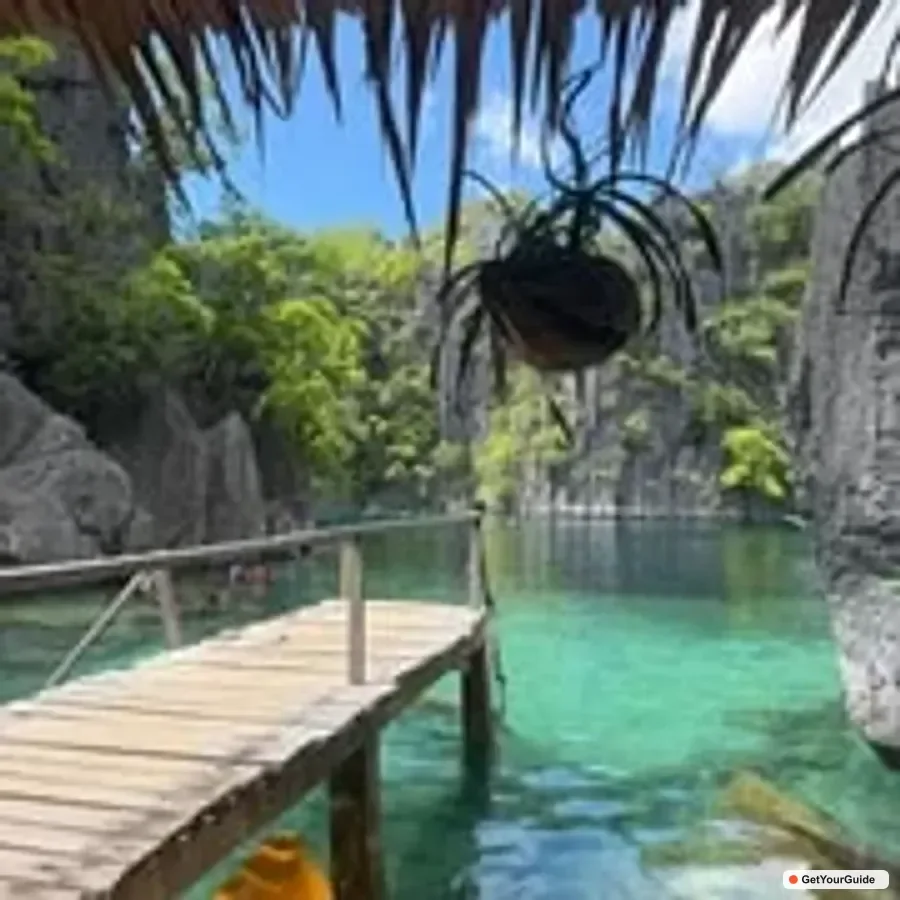
Coron Island is built almost entirely of limestone karst, ancient coral reef and marine sediment laid down over millions of years, then uplifted and sculpted by rain and groundwater into the saw-toothed spires you see today. Rainwater is mildly acidic, and over countless millennia it dissolves the soft limestone from within, hollowing out caves, sinkholes and underground channels. When a cave roof collapses or a sinkhole connects to the sea, you get the signature features of this tour: brackish lakes trapped in basins of rock, and lagoons half-open to the ocean.
That same porous geology explains one of Coron's strangest sensations. Many of these lakes are stratified, meaning they hold distinct layers of water at different temperatures and salinities. Cool ocean-fed seawater sits below warmer, fresher rainwater near the surface, and where the layers meet you swim through a shimmering, oily-looking blur called a thermocline (or, where salt meets fresh, a halocline). It is harmless and unforgettable, like the water itself going slightly out of focus around your body.
Tours & activities in Palawan
Hand-picked experiences in Palawan — book on Trip.com with instant confirmation.
Stop by stop: what you actually see and do
Kayangan Lake
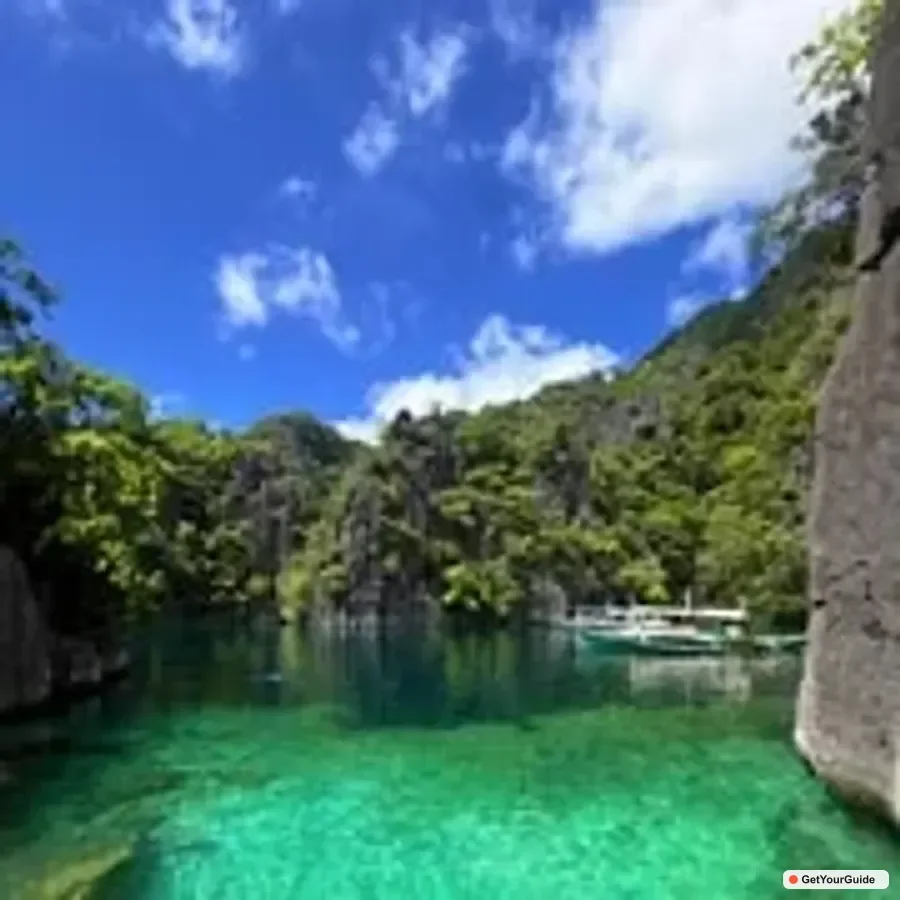
The crown jewel, and usually the first stop because crowds build fast. From the boat you climb a steep limestone staircase to a viewpoint that delivers the postcard shot of all of Coron: the curving lagoon below, ringed by karst, a lone wooden bangka in the turquoise. A few more steps down the other side and you reach Kayangan itself, a roughly brackish lake long celebrated as one of the cleanest in the Philippines. The water is so clear you can see fish, rock formations and submerged limestone ledges far below. Life jackets are mandatory and the swim area is calm; this is gentle, jaw-dropping snorkeling rather than serious diving.
Barracuda Lake (Luke Lake)
A short hop away, Barracuda Lake is the geologist's favourite. It is famous worldwide among technical and freedivers precisely because of its dramatic thermoclines, where surface water can feel pleasant and then plunge to startlingly warm pockets deeper down, the result of geothermal heat and the lake's layered structure. Sheer limestone walls drop into the depths, and the visibility is extraordinary. You will likely snorkel rather than dive on this tour, but even from the surface the underwater cathedral of pale rock is hypnotic. The barracuda it is named for is rarely, if ever, seen.
Twin Lagoon
Two lagoons separated by a low limestone wall. At low tide you duck under a gap in the rock; at higher water you climb a small ladder over it. On the far side a hidden inner lagoon opens up, and this is where the halocline magic peaks, cooler seawater meeting warmer freshwater seeping from the rock. Floating here, watching the water blur and shimmer between layers as towering cliffs lean overhead, is one of the quiet highlights of the whole day.

The shipwrecks
Now the human history. In September 1944, US carrier aircraft struck a Japanese supply fleet sheltering in the waters around Coron, sinking a cluster of ships. More than seven decades on, those wrecks have become living reefs, draped in coral and patrolled by schools of fish, and Coron is now regarded as one of the world's premier wreck-diving destinations. On a snorkel-based Ultimate Tour you typically visit shallower wreck sites where the upper structure lies close enough to the surface to see from above, with fish swarming the encrusted steel. Certified divers can go deeper on dedicated dive trips, but even from a mask and snorkel, peering down at a ghostly hull below you is genuinely moving.
Coral gardens, a reef stop and beach lunch
The seven destinations are usually rounded out with a coral garden or reef snorkeling spot, where healthy hard and soft corals shelter clownfish, parrotfish and the occasional sea turtle, plus a beach or sandbar stop for lunch. Lunch is the classic Filipino island-tour spread: freshly grilled fish or chicken, rice, fresh fruit like pineapple and watermelon, all cooked on the boat and laid out on the sand. Exact stops vary by operator, weather and tide, which is normal and sensible here.
Why it matters: the Tagbanua and conservation
Coron Island is not an empty playground. It is the ancestral domain of the indigenous Tagbanua people, one of the oldest ethnic groups in the Philippines, who hold a Certificate of Ancestral Domain Title over the island and its surrounding waters. Several lakes, including Kayangan, are sacred to them, and many areas remain off-limits out of respect. The entrance fees you pay go in part toward the community and the upkeep of these sites. This is why you will be asked not to wear chemical sunscreen in some lakes, to keep to marked swimming zones, and to take every scrap of rubbish back with you. Treat it as the privilege of visiting someone's living heritage, because that is exactly what it is.
Practical tips for doing it right
- When to go: The dry season, roughly late November through May, brings the calmest seas and clearest water. The wettest months and typhoon season can cancel boats; build in a buffer day.
- Time of day: Start early. Kayangan and Twin Lagoon get crowded by mid-morning, and an early departure means you swim them in relative peace and better light.
- How strenuous: Moderate. The Kayangan staircase is steep and can be slippery, and you will be in and out of the boat repeatedly. Basic swimming confidence helps, though mandatory life jackets make the lakes accessible to non-strong swimmers.
- What to bring: Reef-safe (biodegradable) sunscreen, a rash guard for sun protection, water shoes or sturdy sandals for sharp limestone, a dry bag, and a GoPro or waterproof phone case. Bring cash for entrance and environmental fees, which are usually separate from the tour price.
- What is typically included: Boat, boatman and guide, snorkeling gear, life jacket, and a cooked lunch with water. Confirm whether the various lake and lagoon entrance fees are included or paid on the day.
- Duration: Plan for a full day, commonly around eight to nine hours from town pier to return, depending on conditions and how many stops are running.
One last word
What stays with you after Coron is not any single photograph, dazzling as the Kayangan viewpoint is. It is the layering of it all: rainwater dissolving rock over millions of years, a sunken wartime fleet quietly becoming a reef, and a community that still calls these sacred lakes home. The Ultimate Tour gives you seven windows into that story in a single day. Go early, go gently, leave nothing behind, and let the water blur softly around you in Twin Lagoon, where the warm and the cool meet. There are few feelings in travel quite like it.
Good to know before you book
- Duration: typically a full day (around 8 to 10 hours including transfers), though half-day and multi-day options exist - check the listing.
- Best for: couples, families and first-time visitors.
- What is included: transport and a guide; check the listing for meals, gear and fees.
- Pickup: most tours offer hotel or central pickup; confirm your point and time when booking.
- Book through: the GetYourGuide button on this page, which shows live availability and pricing.
Frequently asked questions
How long does the Coron Ultimate Tour: 7 Destinations take?
Most departures run as a full day - roughly 8 to 10 hours including pickup, travel and the activities themselves - so plan to set aside the whole day. Some operators offer shorter or private versions; the exact timing for your date is shown when you book through the GetYourGuide button on this page.
What is included in the Coron Ultimate Tour: 7 Destinations?
Typically the price covers transport and a guide; check the listing for meals, gear and fees. Inclusions vary by operator, so always read the specific listing - it spells out exactly what is provided and what you pay for separately, such as entrance or environmental fees.
What should I bring?
Pack comfortable clothing, sunscreen, a hat, water and a little cash for fees and extras. It is also worth carrying some cash for local fees, drinks and tips, plus any personal medication, since card facilities can be limited outside the cities.
Is the Coron Ultimate Tour: 7 Destinations suitable for beginners or families?
It suits a wide range of travellers; ask the operator about fitness or swimming requirements if you are unsure. If you have specific concerns about age, fitness or swimming ability, message the operator before booking - they can advise on the best option for your group.
When is the best time to do this tour?
The best conditions are usually the dry season from late November to May, when seas are calmest and skies clearest. That said, the Philippines is a year-round destination, and many of these experiences run in any season - just expect the occasional shower and check the forecast for the day.
How do I get to Coron?
To reach Coron, fly into Puerto Princesa, El Nido or Coron (Busuanga) airport, then transfer by road or boat. Many tours include transfers from nearby towns or hotels, so confirm your pickup arrangement when you book so the day runs smoothly from the start.
Do I need to book the Coron Ultimate Tour: 7 Destinations in advance?
Yes - booking ahead is strongly recommended, especially in the dry-season peak and on weekends, when popular tours and the best operators sell out. Reserving online also locks in your spot and lets you compare timings and inclusions easily.
How much does the Coron Ultimate Tour: 7 Destinations cost?
Prices vary with the season, group size and exactly what is included, so we do not list a fixed figure here. Tap the GetYourGuide button on this page to see the current, accurate price and availability for your chosen date.
Can I do the Coron Ultimate Tour: 7 Destinations as a private or customised tour?
Many operators offer a private version of this experience for couples, families or small groups who want a flexible pace and a guide to themselves, and some can tailor the route or add stops. If a private or custom option matters to you, check the listing or message the operator before booking, as availability and prices differ from the standard shared tour.
Ready to explore Coron?
From planning to the moment you arrive, the Coron Ultimate Tour: 7 Destinations is one of the most rewarding ways to experience this corner of the Philippines - and booking it is simple. Use the GetYourGuide button on this page to check live availability, compare timings and secure your spot, then turn up and let the local guides handle the rest while you focus on the views, the water and the memories.

Real local stays (book direct)
Hand-picked homestays and guesthouses — book direct, no markup.
Popular activities (book instantly)
Island hopping, canyoneering, whale sharks — real Klook/GetYourGuide options.
Plan your Philippines trip