Travel Guide to Sagada, Philippines: A Journey Through Nature and...
Travel Guide to Sagada, Philippines: A Journey Through Nature and... Lets explore the Hanging Coffins of Sagada Sagada isnt just a place for striking...
Travel Guide to Sagada, Philippines: A Journey Through Nature and...
Lets explore the Hanging Coffins of Sagada
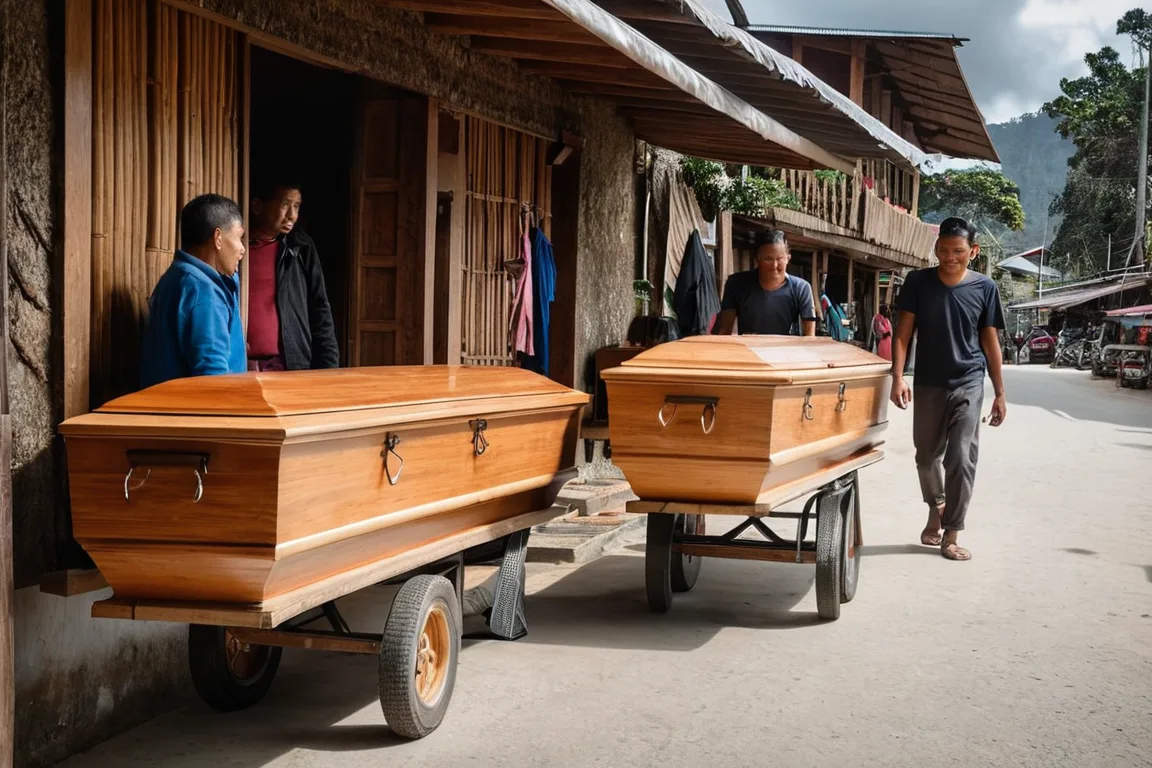
Sagada isnt just a place for striking natural scenery; it's also steeped in ancient cultural traditions. One must-see attraction is the hanging coffins at Balete Drive, which tell the story of the Ifugao people through their unique burial practices. A guided tour will cost you PHP 300 and provides insightful information about this fascinating aspect of local history. read more travel guides
Trip.com
Hotels in Philippines
Compare live prices via Travelpayouts — targeted for this guide.
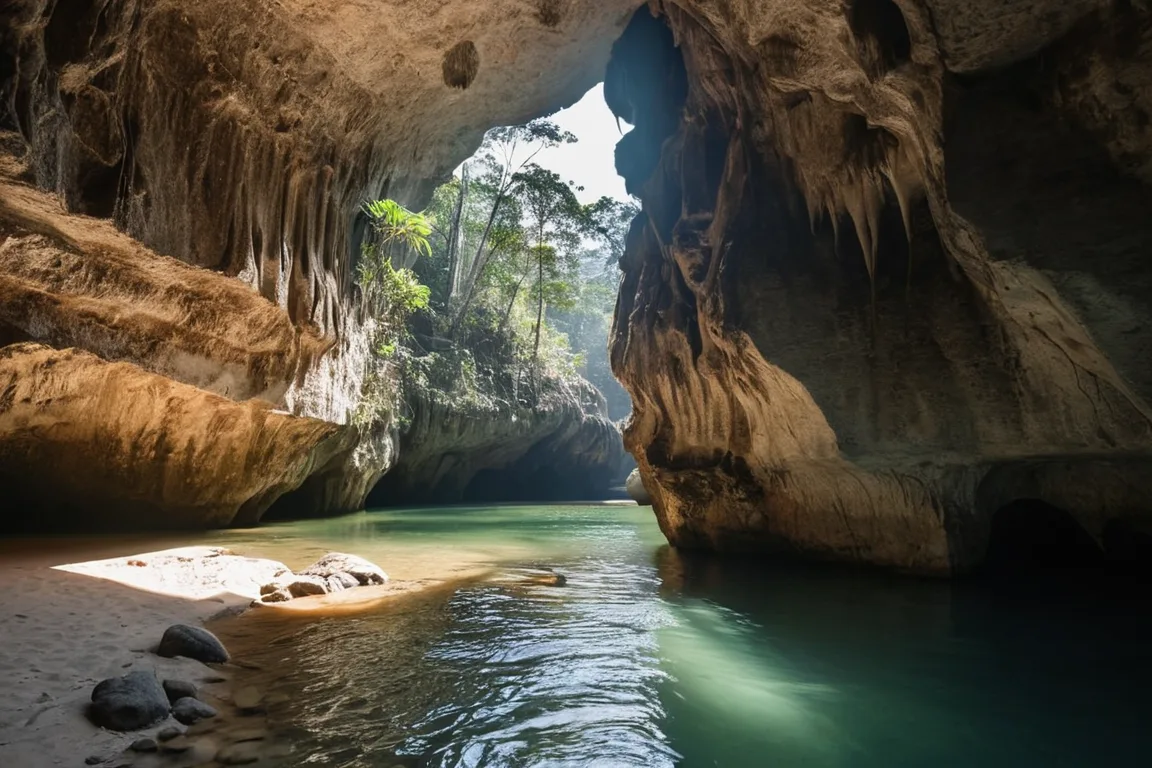
tucked away in the heart of Sagada is one of nature's quiet spots: Sumaguing Cave, an extensive network of limestone formations. To fully experience its wonders, it's recommended to hire a guide for PHP 500 and pay an additional PHP 35 fee. The cave offers both guided tours and self-guided exploration routes, making it accessible to adventurers at various levels of comfort.
Sumaguing Cave
Kiltepan Sunrise: A Timeless Moment
For those who seek spiritual and serene moments in nature, Kiltepan offers a impressive sunrise view. This peak isnt far from the main town but provides an memorable experience. The best time to visits early morning during the dry season (November-February), when you can witness the sun rise over the mountains. It's free to reach, making it accessible for everyone.
Getting Around: A Budget-Friendly Option
The easiest way to get from Baguio to Sagada is by bus, which costs PHP 220 and takes around 5-6 hours. Once you arrive in Sagada, the town is compact enough for walking, making it easy to navigate without needing a car or motorcycle rental. If you prefer not to walk, shared jeepneys are available but might be less frequent.
Accommodation Options
Sagada offers various accommodation options suited to different budgets. Budget travelers can find hostels and small guesthouses starting from PHP 500 per night, while mid-range accommodations offer more amenities at around PHP 1200-1800 per night. For the luxury seekers, there are also boutique hotels available for those willing to splurge a bit more.
Food Scene in Sagada
The local cuisine in Sagada is a blend of traditional Ifugao dishes and modern Filipino flavors. Popular local delicacies include sinigang (a sour soup), kinilaw (raw fish marinated in vinegar), and pinakbet (vegetables cooked with pork or shrimp). Street food vendors offer delicious snacks like tinola (chicken stew) and grilled sisig for those seeking a quick bite. Expect to pay around PHP 50-150 for main dishes at local restaurants.
Day-to-Day Budget
A budget of PHP 1000-1800 per day should cover most expenses in Sagada, depending on your choices and activities. Here's a breakdown:
Accommodation: PHP 500-1200
Meals: PHP 300-600 (including street food and some local restaurants)
Tours and Activities: PHP 500-750 (e.g., hanging coffins, Sumaguing Cave)
Transport within Sagada: PHP 100 (approximate cost of shared jeepneys or walking)
Cultural Immersion and Beyond
Beyond the natural wonders and cultural attractions, Sagada offers opportunities for cultural immersion. You can visit local Ifugao communities to learn about their way of life, participate in indigenous festivals like the Atok Water Festival, or even try your hand at traditional weaving or rice terracing.
Seasonal Considerations
The best time to visit Sagada is during the dry season from November to February when temperatures are cooler and ideal for outdoor activities. However, if you're looking for a more laid-back experience, the rainy season (June-October) can be equally rewarding with lush landscapes and fewer tourists.
Conclusion
Sagada isnt just a travel destination; it's an immersive journey into nature's beauty and cultural heritage. From exploring ancient burial sites to enjoying serene mountain vistas, there's something for every traveler here. Plan your trip wisely, budget accordingly, and prepare to be captivated by the magic of Sagada.
Best Time to Visit
November-February is the ideal time to visit Sagada as its cool and dry during this period. The weather allows for comfortable exploration of the town's famous landscapes without worrying about rain or heat, making it perfect for hiking and visiting the hanging coffins on the cliffs.
How to Get There
To reach Sagada, travelers can take a bus from Baguio which costs approximately PHP 220 (5-6 hours) and arrives at the town's terminal. From there, you can explore the town by foot as most places are within walking distance. For those looking for a more adventurous arrival, one can also opt for a scenic flight to Sagada airport or take a longer but cheaper bus ride from Manila.
Practical Tips
Budgeting around PHP 1000-1800 per day is reasonable for visiting Sagada. This amount covers accommodation, food, and most activities like guided tours to the hanging coffins and trekking through the lush terraces. The town is very safe, making it a secure place for travelers to explore on their own or with a local guide. Don't forget your camera for capturing striking views and traditional Ilocano practices.
Frequently Asked Questions
Q: Can I find accommodation in Sagada?
A: Yes, there are various accommodations ranging from budget guesthouses to more luxurious options like eco-lodges. Make sure to book ahead as some places can fill up quickly.
Q: Are guided tours necessary for visiting the hanging coffins?
A: While not mandatory, a guided tour is highly recommended to learn about the history and significance of the hanging coffins. Guides are knowledgeable and provide valuable insights that enrich your experience.
Q: Is it safe to hike in Sagada?
A: Absolutely! Sagada is known for its safety and well-maintained hiking trails. Always follow local guidelines and carry basic supplies like water, snacks, and a first-aid kit.
Q: Can I try local cuisine in Sagada?
A: Definitely! Try the local dishes such as dinuguan (pork blood stew) and inasin (roasted meat). There are several restaurants and food stalls where you can sample these delicious treats.
The PANA.PH travel desk researches, books and re-checks Philippines travel logistics — fares, ferry schedules, government fees and permit rules — and publishes what it can verify.