Contents
- 1Magellan's Cross: where Philippine history pivots
- 2Basilica del Santo Nino: the country's oldest church
- 3Fort San Pedro: the small fort that anchored a colony
- 4The Cebu Taoist Temple: a hillside turn into a different Cebu
- 5Practical notes for the day
- 6Why it stays with you
- 7Good to know before you book
- 8Frequently asked questions
- 9Ready to explore Cebu City?
Cebu City does not announce itself the way a beach resort does. It sprawls, it hums, it tangles itself in jeepney traffic and the smell of grilled pork from a hundred roadside carts. But hidden in that energy is the oldest layer of urban Philippines, the place where the country's recorded history more or less begins. This is where Ferdinand Magellan's expedition planted a cross in 1521, where Spain built its first stone fort, and where a Chinese-Filipino community raised a dragon-flanked temple on a hillside. A private Cebu City tour stitches these four sites together, and the real pleasure is the storytelling that connects them. With your own guide and vehicle, you skip the guesswork of public transport and get someone who can explain why a small wooden chapel still draws thousands of candle-lighting devotees every single day.
Hotels in Philippines
Compare live prices via Travelpayouts — targeted for this guide.
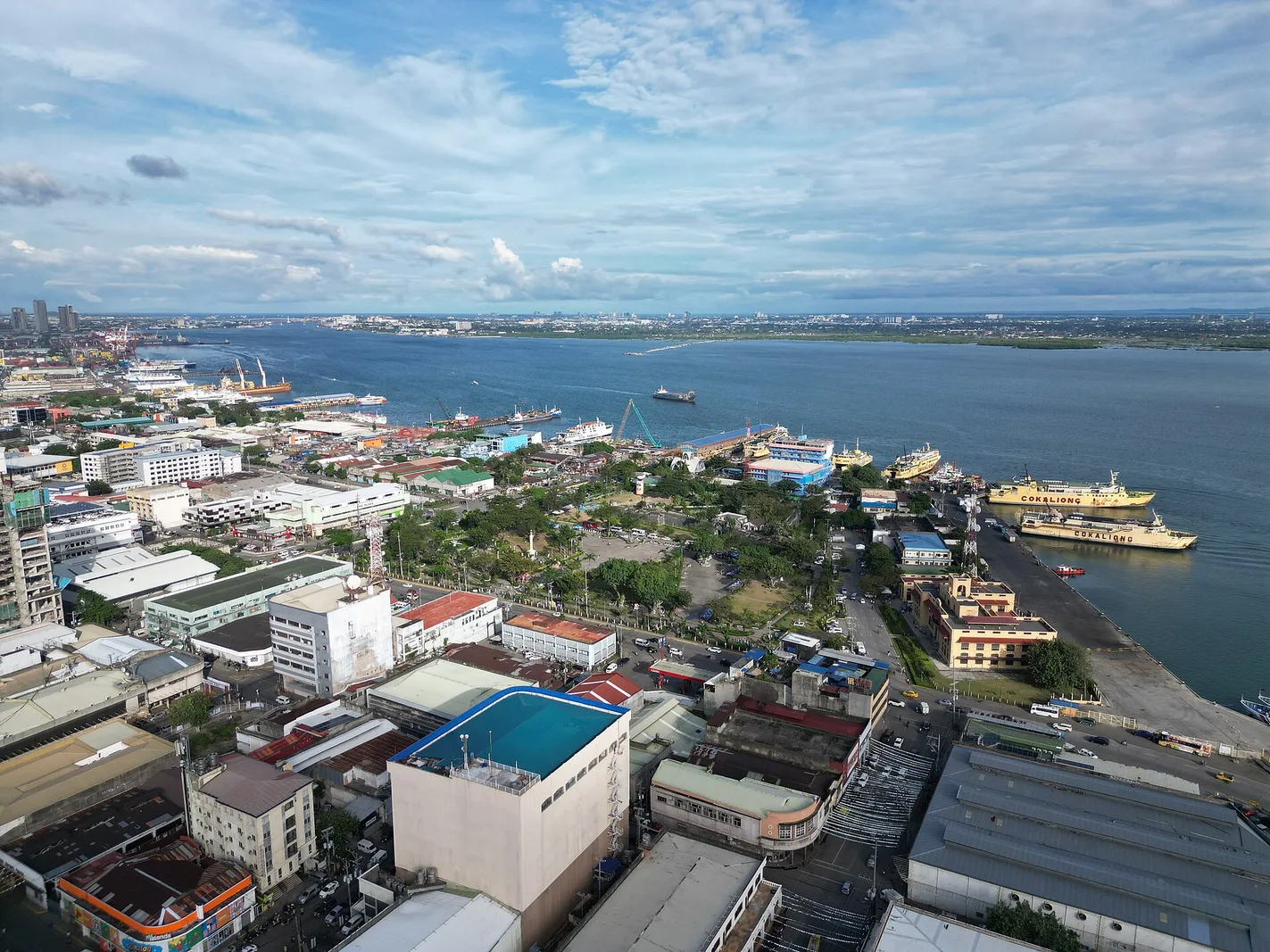
Cebu sits on a long, narrow limestone island in the Central Visayas, ringed by coral seas and sheltered by neighboring Bohol and Negros. The old city core hugs the harbor on the island's east coast, which is exactly why it became the Spanish foothold in the 1500s: a natural anchorage facing the strait. Most of the sites on this tour are clustered within the historic downtown, walkable in theory but brutal in midday heat and traffic, which is why a private car earns its keep.
Magellan's Cross: where Philippine history pivots
Your tour almost always begins at Magellan's Cross, housed in a small octagonal pavilion (kiosk) just off Magallanes Street. In March 1521, Ferdinand Magellan's expedition reached Cebu, and a cross was planted to mark the baptism of Rajah Humabon, his wife, and hundreds of locals into Christianity. That event is treated as the symbolic start of Roman Catholicism in the Philippines, which is why the cross matters far beyond its modest size.
The wooden cross you see today is encased in a hollow tindalo-wood cross. The long-standing tradition holds that the original was encased to protect it, because believers were chipping away splinters in the belief that the wood held miraculous, healing power. Look up: the pavilion's ceiling is painted with a mural depicting the planting of the cross and the baptism scene. Around the kiosk you will usually find women selling candles and offering to perform a swaying ritual dance and prayer for a small donation, a folk-Catholic practice woven through with pre-colonial animist roots. Your guide can explain that layered devotion, which is the most interesting thing about the spot.
Tours & activities in Philippines
Hand-picked experiences in Philippines — book on Trip.com with instant confirmation.
Basilica del Santo Nino: the country's oldest church
A few steps away stands the Minor Basilica of the Santo Nino, the oldest Roman Catholic church in the Philippines, founded in 1565 by Spanish missionaries who arrived with the Legazpi expedition. It enshrines the Santo Nino de Cebu, an image of the Christ Child that, by tradition, was a baptismal gift from Magellan to Rajah Humabon's wife in 1521 and was later found by Legazpi's men, reportedly preserved in a burned village. That continuity, an object surviving across the gap between the two expeditions, is central to why Cebuanos hold it so sacred.
The church you walk through has been rebuilt and reinforced over the centuries; the present stone structure dates largely from the 18th century, and it carries the title of basilica granted in the 1960s around the 400th anniversary of Christianity in the islands. Inside, expect cool stone, side chapels, and a steady current of pilgrims. The Santo Nino is the focus of the Sinulog Festival each January, one of the largest and most exuberant religious festivals in the country, when the streets fill with painted dancers moving to a two-steps-forward, one-step-back rhythm. Dress modestly here: covered shoulders and knees are appropriate, as it is an active place of worship.
Fort San Pedro: the small fort that anchored a colony
Next is Fort San Pedro (Fuerte de San Pedro), the oldest and smallest triangular bastion fort in the Philippines, begun under Miguel Lopez de Legazpi in 1565 and built up in stone in the following century. It is genuinely compact: three bastions, thick coral-stone walls, and a footprint you can stroll in well under an hour. The triangular design pointed two bastions seaward and one inland, a defensive geometry meant to fend off raiders and rivals during the early colonial era.
Over time the fort served many masters, doing duty as a stronghold, and later in its life as a barracks, a prison, and even a city zoo and garden before its restoration. Today it sits within Plaza Independencia as a quiet, green pocket of old stone, ramparts, and a small museum space. Walking the walls, you get the clearest physical sense of how modest yet strategically vital the early Spanish presence was, a toehold defended by coral blocks against the sea.
The Cebu Taoist Temple: a hillside turn into a different Cebu
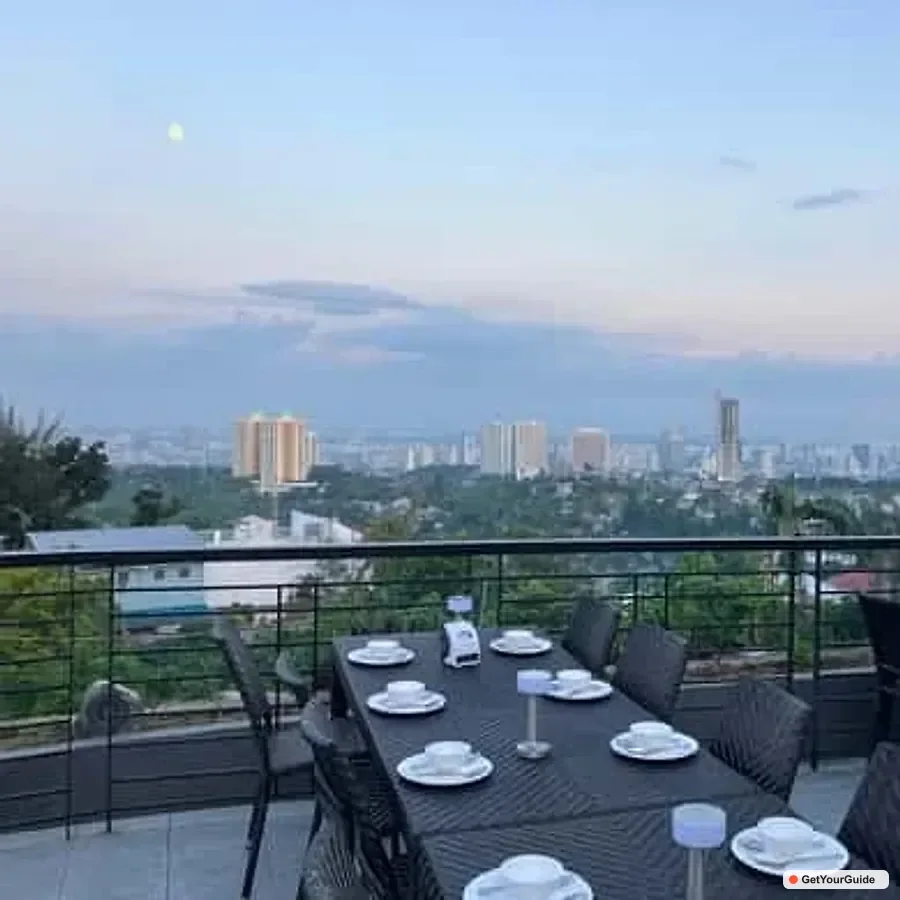
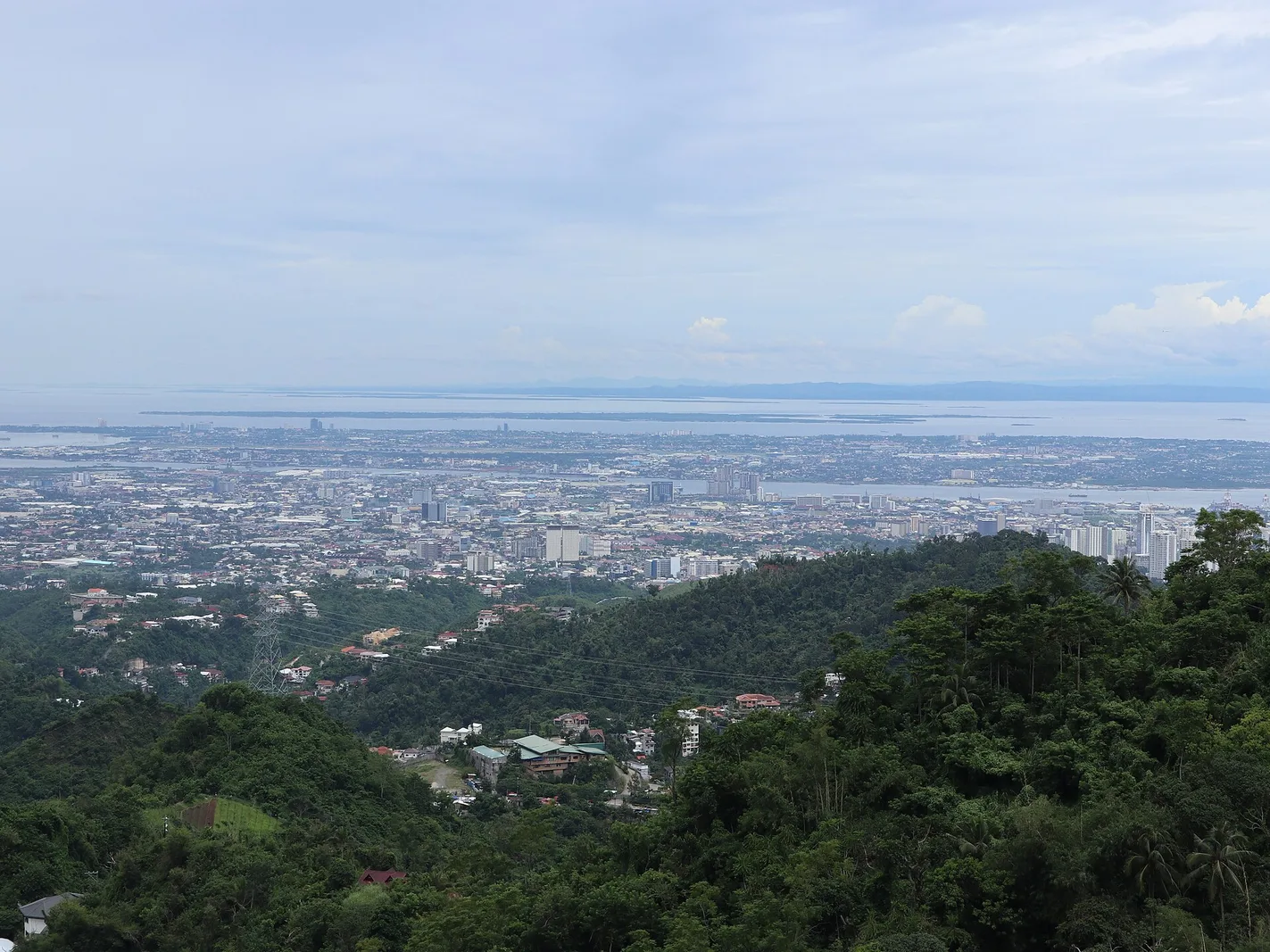
The tour then climbs out of the colonial core and into the leafy uplands of Beverly Hills subdivision in Lahug, where the Cebu Taoist Temple commands a hillside with sweeping views over the city and sea. Built in the 1970s by Cebu's sizable Chinese-Filipino community, it is a working temple devoted to the teachings of the philosopher Lao Tzu, and it marks a complete change of register from everything you have seen downtown.
The architecture is unmistakable: a multi-tiered red-and-gold pagoda style, dragon-flanked balustrades, and a long climbing staircase that, by tradition, numbers many dozens of steps echoing the entrance to the Great Wall of China. Devotees come to have their fortunes read and to light joss sticks, and visitors are welcome to look on respectfully. Because it sits high above the city, it is also the best viewpoint of the day, so it works well as a final or near-final stop when the afternoon light softens. Keep your voice low inside prayer areas, ask before photographing worshippers, and follow any signs about which inner sanctums are off-limits to non-devotees.
Practical notes for the day
- Duration: Expect roughly a half-day, often around three to five hours depending on traffic and how long you linger at each stop. Cebu downtown traffic is unpredictable, so a private vehicle keeps the day flexible.
- Best timing: Morning starts are kindest, beating both heat and the worst congestion. Avoid the Sinulog period in January at the Basilica unless you specifically want the festival crowds and energy.
- What to wear: Light, breathable clothing for the tropical heat, but bring something that covers shoulders and knees for the Basilica and Taoist Temple. Comfortable walking shoes; the temple staircase and fort ramparts mean some climbing.
- Bring: Water, sun protection, small bills for candle vendors and donations, and a hat. The day is low-intensity overall but involves stairs at the temple.
- Typically included: Private guide and air-conditioned transport with hotel pickup are standard on a private city tour; entrance fees, food, and tips are often separate, so confirm what is bundled before booking.
- Responsible travel: These are living religious sites, not just photo stops. Dress and behave as you would in any active church or temple, and treat the candle dancers and fortune practices with curiosity rather than mockery.
Why it stays with you
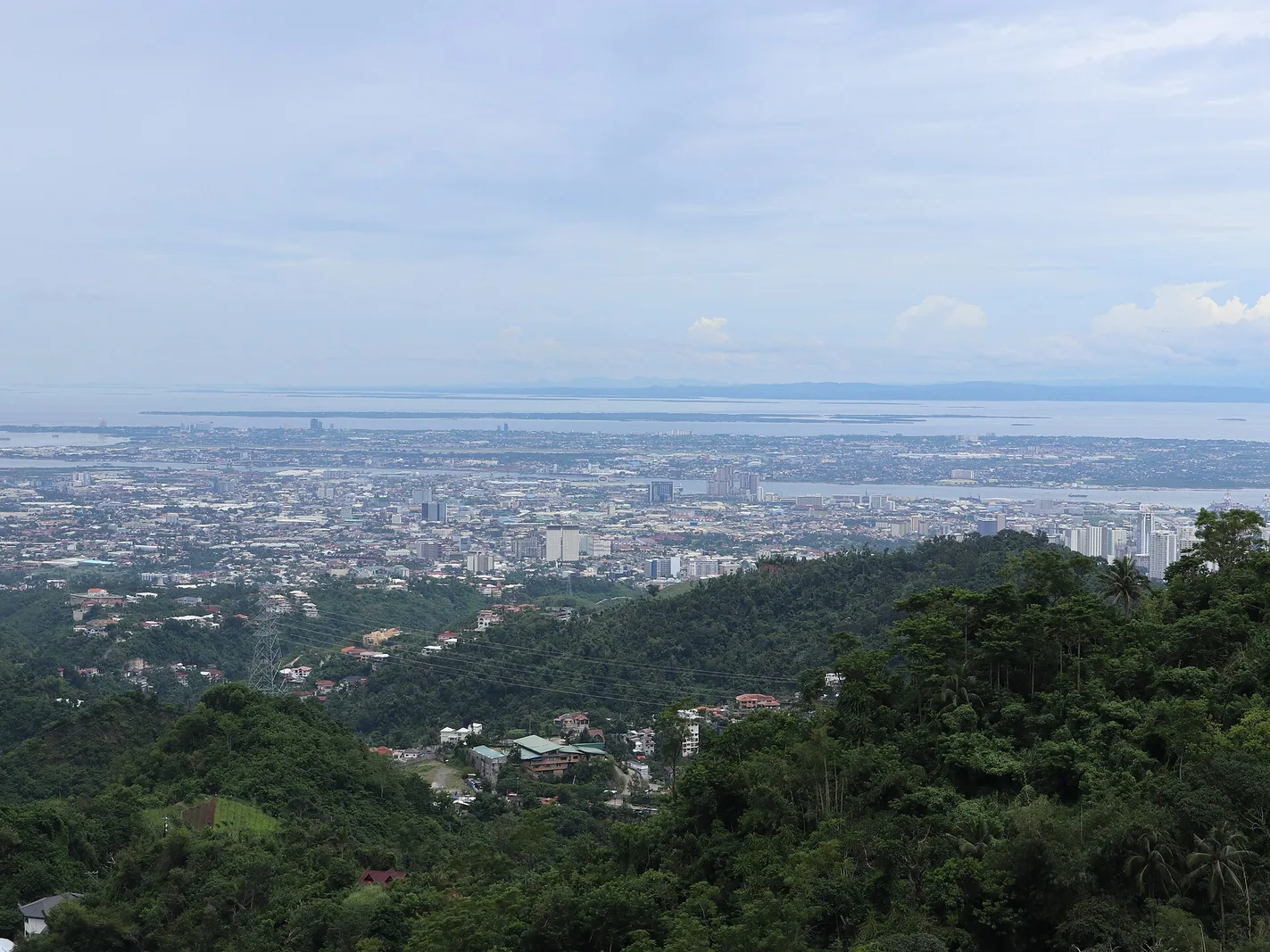
The beauty of this private loop is the compression of history into a single morning. In a few short kilometers you move from the moment the Philippines entered the written historical record, through the country's oldest church and its oldest fort, and up to a hillside temple that speaks to a much later wave of migration and faith. A good private guide makes those leaps feel like a single conversation rather than four disconnected stops. By the time you are looking down on Cebu from the Taoist Temple, the sprawling, humming city below reads differently, layered, contested, devout, and very much alive.
Good to know before you book
- Duration: typically a full day (around 8 to 10 hours including transfers), though half-day and multi-day options exist - check the listing.
- Best for: couples, families and first-time visitors.
- What is included: transport and a guide; check the listing for meals, gear and fees.
- Pickup: most tours offer hotel or central pickup; confirm your point and time when booking.
- Book through: the GetYourGuide button on this page, which shows live availability and pricing.
Frequently asked questions
How long does the Cebu City Private Tour take?
Most departures run as a full day - roughly 8 to 10 hours including pickup, travel and the activities themselves - so plan to set aside the whole day. Some operators offer shorter or private versions; the exact timing for your date is shown when you book through the GetYourGuide button on this page.
What is included in the Cebu City Private Tour?
Typically the price covers transport and a guide; check the listing for meals, gear and fees. Inclusions vary by operator, so always read the specific listing - it spells out exactly what is provided and what you pay for separately, such as entrance or environmental fees.
What should I bring?
Pack comfortable clothing, sunscreen, a hat, water and a little cash for fees and extras. It is also worth carrying some cash for local fees, drinks and tips, plus any personal medication, since card facilities can be limited outside the cities.
Is the Cebu City Private Tour suitable for beginners or families?
It suits a wide range of travellers; ask the operator about fitness or swimming requirements if you are unsure. If you have specific concerns about age, fitness or swimming ability, message the operator before booking - they can advise on the best option for your group.
When is the best time to do this tour?
The best conditions are usually the dry months of December to May, with calm seas for snorkelling and diving. That said, the Philippines is a year-round destination, and many of these experiences run in any season - just expect the occasional shower and check the forecast for the day.
How do I get to Cebu City?
To reach Cebu City, fly into Mactan-Cebu International Airport, then drive south (about 3 to 4 hours to the southwest coast). Many tours include transfers from nearby towns or hotels, so confirm your pickup arrangement when you book so the day runs smoothly from the start.
Do I need to book the Cebu City Private Tour in advance?
Yes - booking ahead is strongly recommended, especially in the dry-season peak and on weekends, when popular tours and the best operators sell out. Reserving online also locks in your spot and lets you compare timings and inclusions easily.
How much does the Cebu City Private Tour cost?
Prices vary with the season, group size and exactly what is included, so we do not list a fixed figure here. Tap the GetYourGuide button on this page to see the current, accurate price and availability for your chosen date.
Can I do the Cebu City Private Tour as a private or customised tour?
Many operators offer a private version of this experience for couples, families or small groups who want a flexible pace and a guide to themselves, and some can tailor the route or add stops. If a private or custom option matters to you, check the listing or message the operator before booking, as availability and prices differ from the standard shared tour.
Ready to explore Cebu City?
From planning to the moment you arrive, the Cebu City Private Tour is one of the most rewarding ways to experience this corner of the Philippines - and booking it is simple. Use the GetYourGuide button on this page to check live availability, compare timings and secure your spot, then turn up and let the local guides handle the rest while you focus on the views, the water and the memories.

Real local stays (book direct)
Hand-picked homestays and guesthouses — book direct, no markup.

Popular activities (book instantly)
Island hopping, canyoneering, whale sharks — real Klook/GetYourGuide options.
Plan your Philippines trip