There is a moment, somewhere along the Loay River in southern Bohol, when the paddle goes quiet in your hands and you simply drift. The mangroves close overhead into a living green tunnel, the brackish water turns to black glass, and the only sound is the gurgle of the tide and the rasp of insects. Then dusk falls, and the trees begin to blink. This is the Bohol Mangrove Tunnels and Firefly Kayaking Trail, one of the gentlest and most quietly magical things you can do in the Philippines, and one of the few wildlife experiences here that leaves almost no footprint at all.
Bohol Mangrove Tunnels & Firefly Kayaking Trail - Guide
Trip.com
Search on Trip.comHotels in Philippines
Compare live prices via Travelpayouts — targeted for this guide.
Loay sits on Bohol's south coast, about an hour's drive from Tagbilaran City, where the Loboc and Loay rivers wind down from the island's interior through a maze of estuaries before emptying into the Bohol Sea. Most visitors blaze past Loay on the way to the famous Loboc River lunch cruise. The kayaking trail is the slower, wilder, far more rewarding cousin of that cruise.
The geography: where river, tide, and forest meet
Bohol is a karst island, built largely of uplifted coral limestone, and its southern rivers are tidal estuaries. That detail matters more than it sounds. Twice a day the sea pushes saltwater upstream, and twice a day it drains back out. This rhythmic flushing of fresh river water and salt tide creates brackish conditions that mangroves love and almost nothing else can tolerate. The result is the dense, tangled mangrove forest you paddle through.
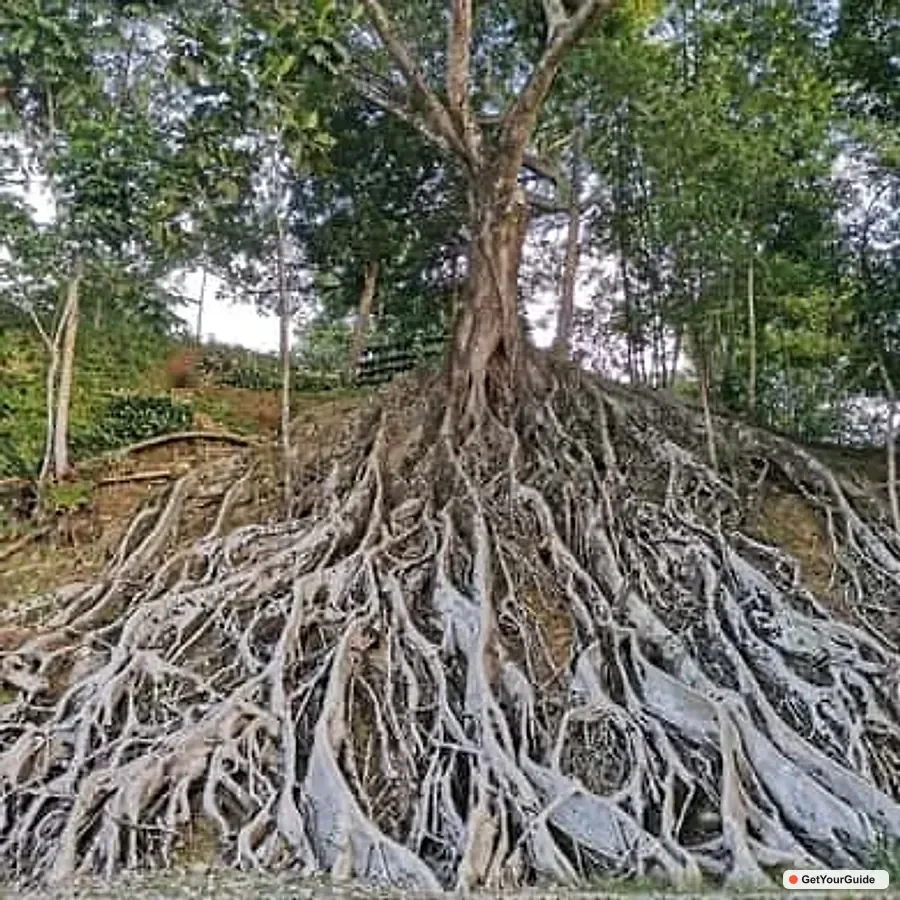
The trees themselves are remarkable engineers. Mangroves are among the only woody plants on Earth that thrive with their roots in salt water. Different species use different tricks: some, like the red mangroves (Rhizophora), throw down arching stilt roots that prop the trunk above the water and let the tree breathe through the bark; others send up pencil-like roots called pneumatophores that poke vertically out of the mud like a bed of nails to draw in oxygen at low tide. Many filter salt at the root, while others sweat it out through specialised leaves. When you glide under the canopy and see those stilt roots braiding into a tunnel, you are looking at one of the most efficient coastal defences nature ever built.
Trip.com
Kayaking in Philippines
Hand-picked experiences in Philippines — book on Trip.com with instant confirmation.
Bohol Mangrove Tunnels & Firefly Kayaking TrailLoay, Bohol · Full dayFrom ₱4,373Book on Trip.com →
Boracay Zipline, Kayaking and Kawa Hot Bath ComboBoracay, Philippines · Full dayFrom ₱2,768Book on Trip.com →
Boracay Cliff Diving at Ariel's Point — Full-Day AdventureBoracay · 8 hoursFrom ₱2,800Book on Trip.com →
This is not a manicured attraction. The "tunnels" are simply the places where the mangroves have grown across the narrow side-channels and met overhead, and a kayak (rather than a noisy motor boat) is the only way to slip through them.
What you actually do, paddle stroke by paddle stroke
The trail is usually run as a late-afternoon-into-evening trip, deliberately timed so you finish in the dark. A typical outing runs roughly two to three hours on the water.
- The briefing and launch. You start at a riverside launch point where guides fit you with a life jacket and a paddle and give a short safety and paddling primer. The kayaks are stable sit-on-top or two-person boats, so no experience is needed.
- The open river. The first stretch is wide and calm, with karst hills and nipa palms lining the banks. This is the warm-up, the part where you find your rhythm and your guide points out herons, kingfishers, and the occasional monitor lizard sunning on a branch.
- The mangrove tunnels. The guide peels off into the narrow side-channels, and the world shrinks. The canopy closes overhead, the light goes green and then grey, and you weave between the stilt roots in single file. It is hushed and slightly otherworldly, the highlight for many people even before the fireflies appear.
- The firefly trail. As true dark falls, the guides bring you to the stretches of mangrove where the fireflies gather. On a good night, certain trees light up with dozens, even hundreds, of fireflies pulsing together. You rest your paddle, the kayaks bunch quietly, and you just watch.
The fireflies, and why they matter
Fireflies are not flies at all but beetles (family Lampyridae), and the light they make is one of nature's neatest pieces of chemistry: a near cold-light reaction inside the abdomen, almost no energy wasted as heat. The flashing is a language. Males flash a species-specific pattern as they fly, and females flash back from the foliage, and the whole tree becomes a glittering conversation about courtship.
Crucially, fireflies are a barometer of a healthy river. Their larvae need clean, undisturbed water and damp leaf litter, and adults are extremely sensitive to artificial light and water pollution. Where you find a strong firefly population, you are looking at a riverine ecosystem that local communities have managed to keep intact. The mangroves they live in are the same mangroves that shield Bohol's coast from storm surge and typhoons, that lock away enormous amounts of carbon in their waterlogged mud, and that act as nurseries for the fish and crabs the coastal villages depend on. Protecting the firefly show is, in effect, protecting the whole coastline.
This is also why the experience is so low-impact and worth supporting. A human-powered kayak makes no engine noise, no wake, and no diesel sheen on the water. Community-run trips of this kind give villages a direct financial reason to leave the mangroves standing rather than clear them for fish ponds or charcoal, which has been the fate of so many Philippine mangrove forests over the past century.
Practical tips for a great trip
- Best time of day: Late afternoon. You want to launch in daylight to enjoy the river and tunnels, then be on the water as darkness falls so the fireflies emerge. Trips are tide-dependent, so departure times shift; trust the operator's scheduling.
- Best time of year: The drier months, roughly December through May, give the calmest, clearest conditions and the most reliable evenings. Fireflies are present year-round but tend to be most active and visible on warm, still, moonless nights, so a trip timed near the new moon is a treat.
- How strenuous: Gentle. This is flatwater paddling on a slow tidal river, suitable for beginners, families, and anyone reasonably mobile. You set your own pace and the guides keep the group together. It is more meditation than workout.
- What to wear and bring: Quick-dry clothes you do not mind getting splashed, sandals with a strap, and a dry bag for your phone. Pack plenty of insect repellent, ideally applied before you launch. Bring drinking water and a light layer for after dark when the river cools. A headlamp can help on land, but keep lights off near the fireflies.
- Typically included: Kayak, paddle, life jacket, and a local guide. Confirm whether transfers from Tagbilaran, Panglao, or Alona Beach are part of your booking, as the launch point is well outside the main resort strip.
Responsible firefly viewing
The single most important rule is light discipline. Fireflies communicate with light, and a bright phone screen or camera flash drowns out their signals and can scatter a whole tree in seconds. Good operators ask everyone to keep phones away and lights off near the insects, and you should hold them to it even if your photos suffer. Never shake branches to make the fireflies fly, keep your voice low, and take all rubbish back out with you. The show only continues to exist because the river stays dark, quiet, and clean.
A quieter kind of wonder
Bohol is famous for its big-ticket spectacles: the Chocolate Hills, the saucer-eyed tarsiers, the dolphin-watching off Pamilacan. The Loay mangrove and firefly trail asks for something different from you. It asks you to slow down, to paddle quietly, to switch off your screen and let your eyes adjust until the trees begin to glow on their own. Few experiences in the Philippines reward stillness so generously. Long after the trip, what you remember is not a photo but a feeling: the green hush of the tunnels, the salt smell of the tide, and a thousand tiny lights blinking in the dark.
Good to know before you book
- Duration: typically a full day (around 8 to 10 hours including transfers), though half-day and multi-day options exist - check the listing.
- Best for: couples, families and first-time visitors.
- What is included: transport and a guide; check the listing for meals, gear and fees.
- Pickup: most tours offer hotel or central pickup; confirm your point and time when booking.
- Book through: the GetYourGuide button on this page, which shows live availability and pricing.
Frequently asked questions
How long does the Bohol Mangrove Tunnels & Firefly Kayaking Trail take?
Most departures run as a full day - roughly 8 to 10 hours including pickup, travel and the activities themselves - so plan to set aside the whole day. Some operators offer shorter or private versions; the exact timing for your date is shown when you book through the GetYourGuide button on this page.
What is included in the Bohol Mangrove Tunnels & Firefly Kayaking Trail?
Typically the price covers transport and a guide; check the listing for meals, gear and fees. Inclusions vary by operator, so always read the specific listing - it spells out exactly what is provided and what you pay for separately, such as entrance or environmental fees.
What should I bring?
Pack comfortable clothing, sunscreen, a hat, water and a little cash for fees and extras. It is also worth carrying some cash for local fees, drinks and tips, plus any personal medication, since card facilities can be limited outside the cities.
Is the Bohol Mangrove Tunnels & Firefly Kayaking Trail suitable for beginners or families?
It suits a wide range of travellers; ask the operator about fitness or swimming requirements if you are unsure. If you have specific concerns about age, fitness or swimming ability, message the operator before booking - they can advise on the best option for your group.
When is the best time to do this tour?
The best conditions are usually the dry season from December to May, when the Chocolate Hills turn their famous brown. That said, the Philippines is a year-round destination, and many of these experiences run in any season - just expect the occasional shower and check the forecast for the day.
How do I get to Bohol?
To reach Bohol, fly into Bohol-Panglao International Airport, or take the fast ferry from Cebu (about 2 hours). Many tours include transfers from nearby towns or hotels, so confirm your pickup arrangement when you book so the day runs smoothly from the start.
Do I need to book the Bohol Mangrove Tunnels & Firefly Kayaking Trail in advance?
Yes - booking ahead is strongly recommended, especially in the dry-season peak and on weekends, when popular tours and the best operators sell out. Reserving online also locks in your spot and lets you compare timings and inclusions easily.
How much does the Bohol Mangrove Tunnels & Firefly Kayaking Trail cost?
Prices vary with the season, group size and exactly what is included, so we do not list a fixed figure here. Tap the GetYourGuide button on this page to see the current, accurate price and availability for your chosen date.
Can I do the Bohol Mangrove Tunnels & Firefly Kayaking Trail as a private or customised tour?
Many operators offer a private version of this experience for couples, families or small groups who want a flexible pace and a guide to themselves, and some can tailor the route or add stops. If a private or custom option matters to you, check the listing or message the operator before booking, as availability and prices differ from the standard shared tour.
Ready to explore Bohol?
From planning to the moment you arrive, the Bohol Mangrove Tunnels & Firefly Kayaking Trail is one of the most rewarding ways to experience this corner of the Philippines - and booking it is simple. Use the GetYourGuide button on this page to check live availability, compare timings and secure your spot, then turn up and let the local guides handle the rest while you focus on the views, the water and the memories.

PANA.PH Editorial Team
Philippines travel desk
The PANA.PH travel desk researches, books and re-checks Philippines travel logistics — fares, ferry schedules, government fees and permit rules — and publishes what it can verify.
🏡 Real local stays (book direct)
Hand-picked homestays and guesthouses — book direct, no markup.
Browse all local stays →

🌊 Popular activities (book instantly)
Island hopping, canyoneering, whale sharks — real Klook/GetYourGuide options.
View all activities →