General Santos and Sarangani: 2 bookable trips and what they leave out
The two bookable trips in General Santos and Sarangani (PHP 1,200 and PHP 1,500), what they leave out, and how to arrange the rest locally. Checked 2026-08-16.
Short answer: Two trips in General Santos and Sarangani are bookable in advance through us, at PHP 1,200 and PHP 1,500. Everything else - GenSan fish port, Sarangani Bay, Gumasa Beach - is arranged on the ground, at a tourism office or with a boat operator. Booking the fixed points ahead and sorting the rest locally is the pattern that works here. Checked 2026-08-16.
Trip.com
Hotels in General Santos
Compare live prices via Travelpayouts — targeted for this guide.
For travellers planning General Santos and Sarangani, SOCCSKSARGEN (Region XII), who want to know what can be reserved before arrival and what cannot. Figures come from our own bookable inventory. Last checked 2026-08-16.
Bookable in General Santos and Sarangani through pana.ph. Checked 2026-08-16.
Trip
Category
Duration
Price
Checked
Sarangani Bay Tuna Farm & Eco Tour, General Santos
Eco Tour
Half day
PHP 1,200
2026-08-16
General Santos Tuna Fishing Tour
Adventure
Full day
PHP 1,500
2026-08-16
The reservable part of a General Santos and Sarangani trip
The table above is complete, not a selection. Both products in General Santos and Sarangani that can be reserved in advance through us are listed. That is the honest state of the inventory here on 2026-08-16, exported from our own booking data rather than gathered from operator websites or other listings.
Publishing a thin list rather than padding it matters, because the alternative is what most pages about places like this do: assemble a long roster of "top things to do" without saying which of them you can actually hold a place on. That distinction is the practical one. A tour you can reserve is a fixed point you can build a day around; everything else is a plan that depends on who is at the pier when you get there.
Trip.com
Tours & activities in General Santos
Hand-picked experiences in General Santos — book on Trip.com with instant confirmation.
What this does not cover: flights, accommodation, entrance fees paid in person, and any operator we do not list. Independent arrangements in the Philippines are frequently cheaper than a packaged equivalent, so treat the figures above as the price of certainty rather than as the cost of the trip.
What is not on the list, and why
General Santos and Sarangani is known for GenSan fish port, Sarangani Bay, Gumasa Beach, Lake Sebu. Only some of those has a bookable product attached, which means the larger part of a visit here is organised after you arrive.
In practice that happens in one of three places: a municipal or provincial tourism office, which is where permits and registered guides are handled; a barangay hall for sites under community management, where fees are set locally and collected on the spot; or directly with a boat operator at the pier. None of these takes a card, so the practical consequence is cash. The other consequence is timing - offices keep office hours, and a site that requires a permit cannot be visited on the morning you decide to go.
This is not a warning about disorganisation. It is how access works across most of the country outside the major resort destinations, and it is usually cheaper than the packaged alternative. It simply has to be planned for rather than discovered.
Permits, fees and cash
The table above is the part of the cost you can fix in advance. The rest arrives as a series of small local charges, and although none is large, they are collected separately and almost always in cash.
Four kinds recur across the Philippines and you should expect them in General Santos and Sarangani. An environmental or ecotourism fee, set by the municipality and collected at a registration desk before you reach the site. A registered guide, mandatory at many protected sites and priced per group rather than per person, which means a pair pays the same as a party of five. Boat hire, charged per boat on a published tariff by size - the single biggest reason a solo traveller pays more per head than a group. And a barangay or site fee at community-managed locations, collected on the spot.
None of this is negotiable and none of it is a scam, though it is often reported as one by visitors who did not expect it. The fees are the mechanism by which local communities fund the protection of the sites you came to see, and at places with genuine community management the connection is direct. Budget an unbudgeted margin on top of the bookable price, carry small notes, and confirm what a quoted price includes before you hand anything over.
What the journey costs you
Access is General Santos International Airport (GES). The region is largely outside the typhoon belt, so conditions are steady year-round.
Both facts matter more here than in a place with deep inventory, because there is less to fall back on. Where a destination sells forty products, a cancelled boat costs you one option out of many. Where it sells two, a weather day can remove the fixed point your visit was built around. Arriving with a day of slack, and treating the bookable trip as the thing you protect rather than the thing you slot in last, is what makes a short visit survive a change in conditions.
The floor is busiest before dawn, which is when a visit is worth making and when almost nobody schedules one.
What nobody tells you about planning General Santos and Sarangani
The claim to distrust is that the tuna capital label is a slogan.
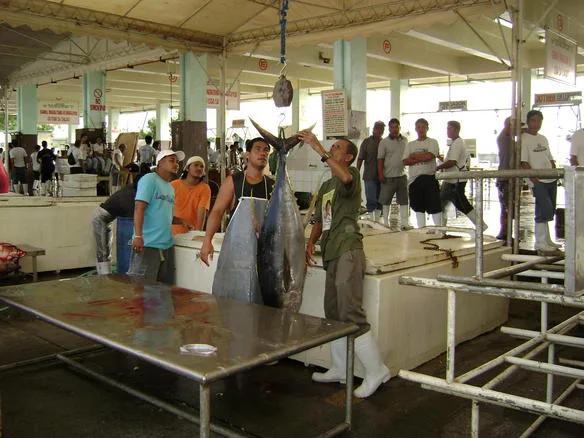
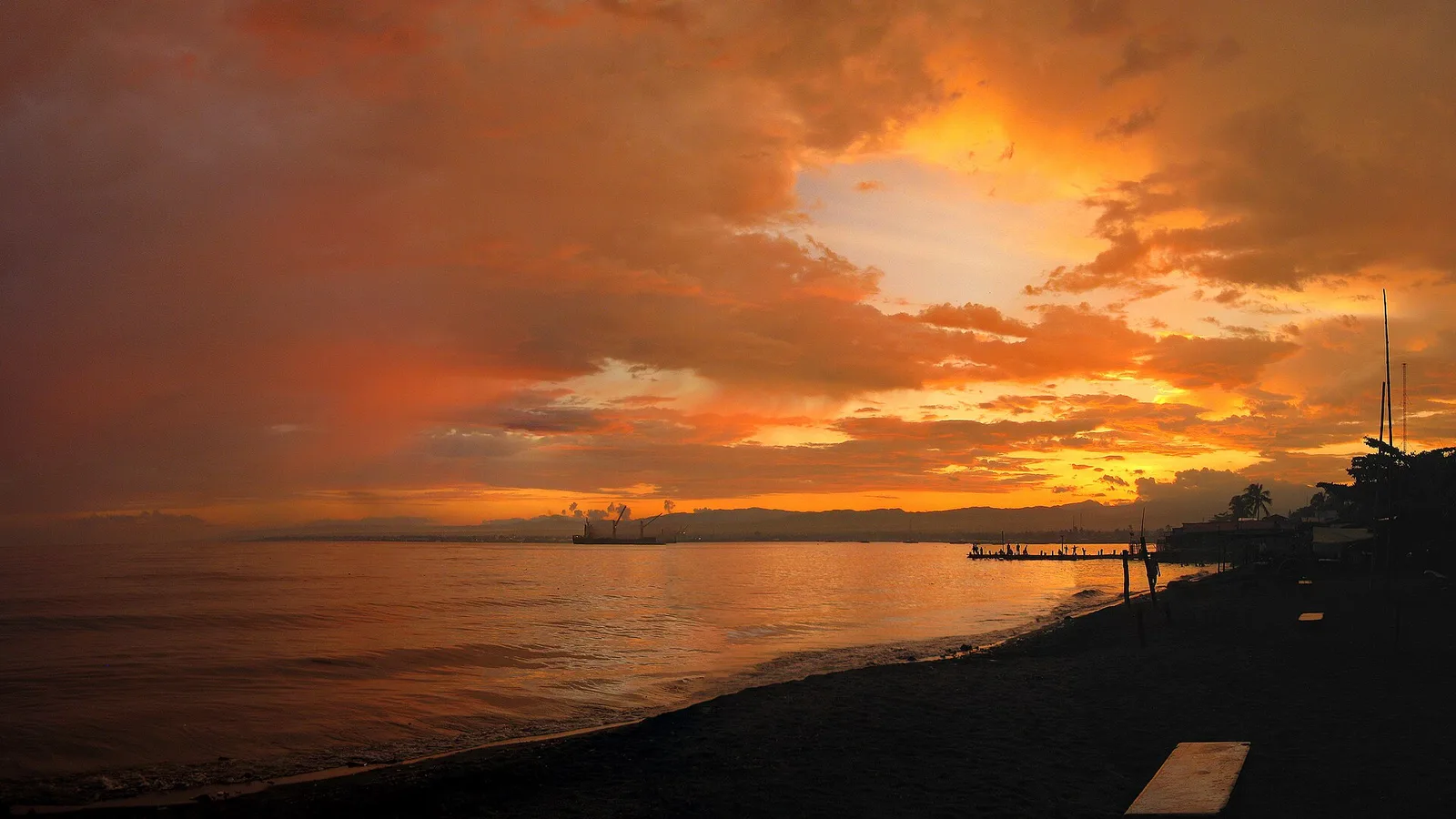
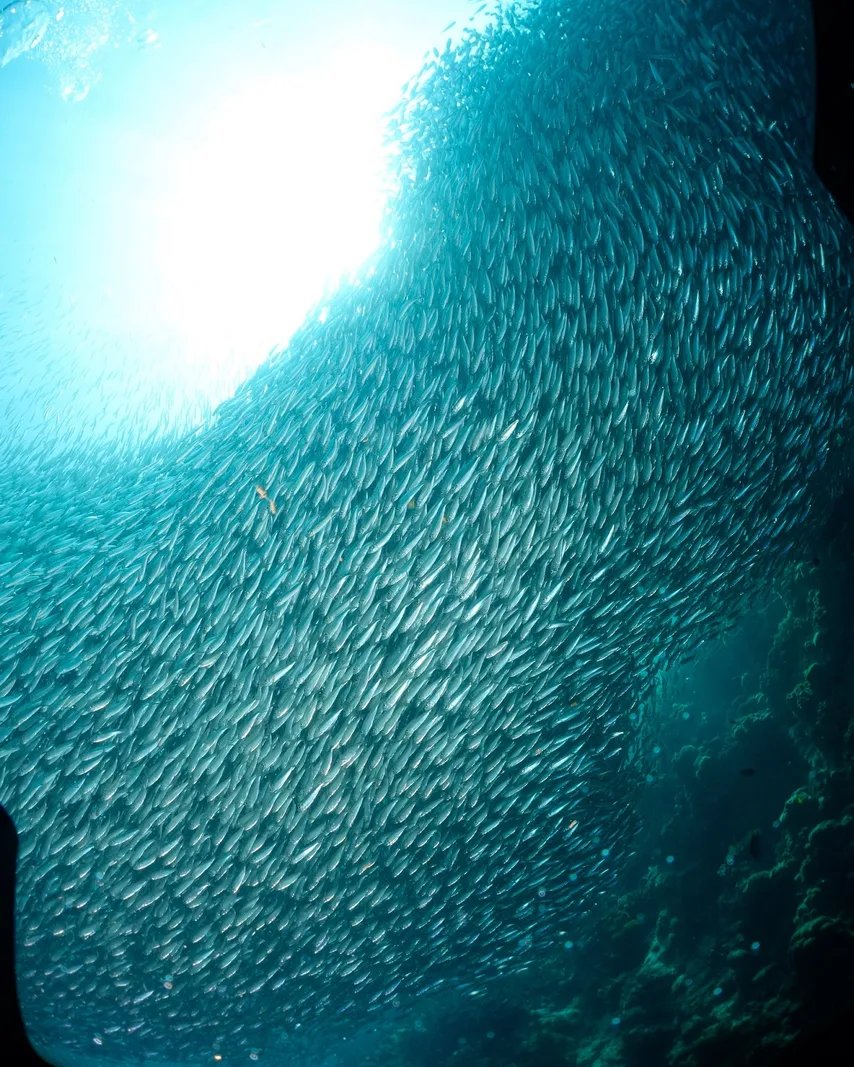
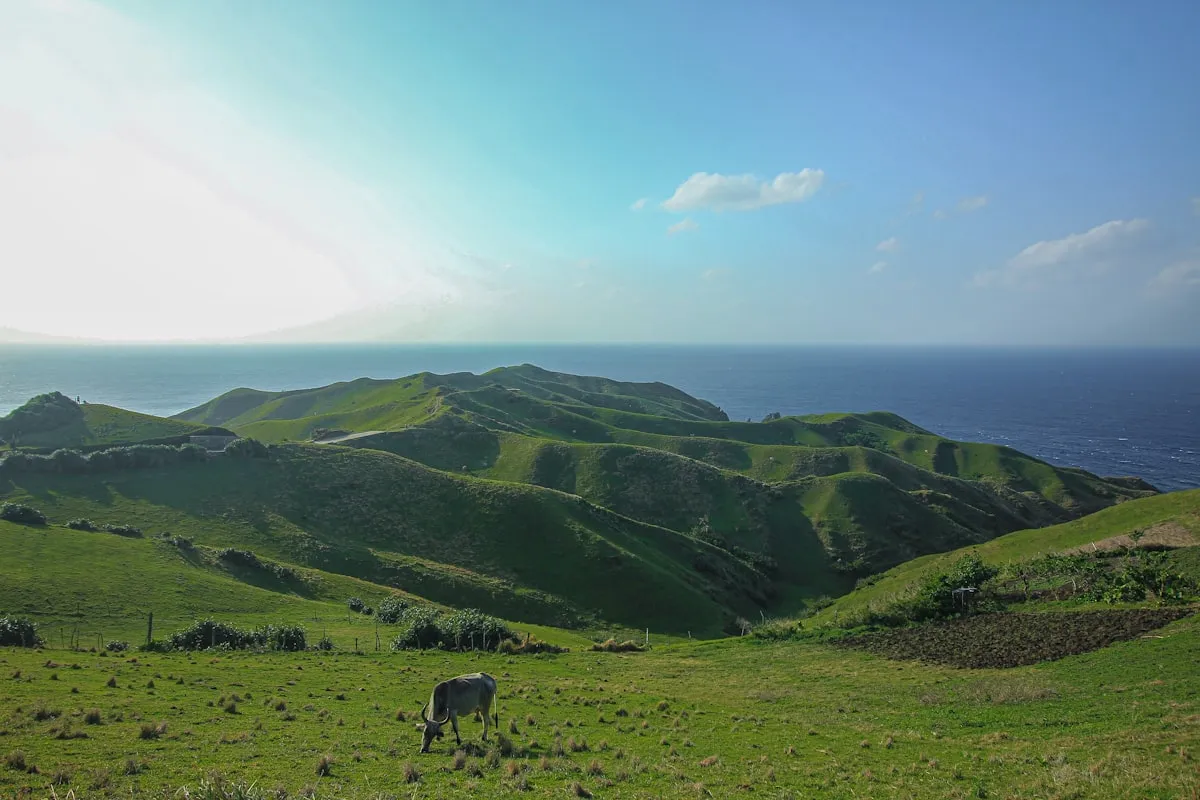
It reads like civic branding and it is closer to a statement of industrial fact. General Santos handles the largest tuna landings in the Philippines and is the base of the country's commercial tuna fleet, and the fish port operates on a schedule built around the catch rather than around visitors - the floor is busiest before dawn, which is when a visit is worth making and when almost nobody schedules one. The tuna here is handline-caught in significant volume, a method that keeps quality high enough for the sashimi export market, which is why the grading process on the floor is worth watching. Both bookable products lean on this. Sarangani Bay next door is the other half of the picture: Gumasa's beaches are quiet enough that they are compared to Boracay before development, and the bay is a protected seascape.
Sarangani Bay is a protected seascape; Gumasa is compared to Boracay before development.
Structuring the stay
With two bookable products at PHP 1,200 and PHP 1,500, the natural shape is one per day rather than both in one - the transfer time between sites, not the cost, is what limits a day here. A two-night stay is the shortest that does not feel rushed, and three is what most people wish they had booked.
The budgeting rule that holds in places like this: the bookable trips are the predictable line in your costs, and everything arranged on the ground varies with the season, the group size and how many people are sharing the boat. Boat hire in particular is usually charged per boat rather than per person, so joining an existing group at the pier changes the arithmetic completely. Carry more cash than you expect to need and treat the ATM in the nearest large town as the last one you will see.
What can you book in advance in General Santos and Sarangani?
Two: Sarangani Bay Tuna Farm & Eco Tour, General Santos at PHP 1,200, and General Santos Tuna Fishing Tour at PHP 1,500. Checked 2026-08-16.
How much does General Santos and Sarangani cost?
The two bookable trips run PHP 1,200 and PHP 1,500. Everything arranged locally varies with group size, because boat hire is usually charged per boat. Checked 2026-08-16.
How do I get to General Santos and Sarangani?
General Santos International Airport (GES).
When should I go?
Broadly, the region is largely outside the typhoon belt, so conditions are steady year-round. Check PAGASA for the current outlook before committing to anything that depends on a boat.
Do I need cash?
Yes. Tourism offices, barangay fees and boat operators in General Santos and Sarangani take cash, not cards. Draw what you need in the nearest large town before travelling on.
The PANA.PH travel desk researches, books and re-checks Philippines travel logistics — fares, ferry schedules, government fees and permit rules — and publishes what it can verify.