Here is the truth: Siquijor is one of the most serene, photogenic, and genuinely enjoyable islands in the entire Philippine archipelago. The healer culture is real — and fascinating — but it exists alongside rice paddies, colonial churches, pristine reefs, and rope swings over turquoise waterfalls. Most travelers who make the effort to reach this small island leave wondering why it took them so long to come. Crowds are thin, prices are low, and the pace of life is so slow it feels like the rest of the Philippines forgot Siquijor existed. That is entirely to your advantage.
Getting to Siquijor
Siquijor does not have a commercial airport, which keeps tourist numbers refreshingly manageable. Ferries are the only way in, and you have three main options depending on where you are starting.
From Cebu City
The most common route involves taking an Oceanjet or Weesam Express fast ferry from Cebu to Dumaguete (roughly 2 hours, around ₱500-700), then catching a second fast ferry from Dumaguete to Siquijor town (around 1 hour, ₱150-200). Total journey time is 3-4 hours including waiting, with a combined ferry cost of ₱300-500 depending on which vessels you catch. Dumaguete port is well organised and the connection is easy.
From Bohol (Tagbilaran)
Delta Fast Ferry runs a direct route from Tagbilaran to Siquijor in about 1.5 hours for around ₱400-600. This is the quickest option if you are already doing a Bohol leg and makes the Bohol-Siquijor-Negros Visayas triangle route very natural.
From Dumaguete
If you are already in Dumaguete (Negros Oriental), this is the closest jump: just 1 hour by fast ferry for roughly ₱150-200. Dumaguete is an excellent base for the southern Visayas and pairs beautifully with Siquijor as a 2-3 day side trip.
When to Visit
The dry season runs November through May and is the clear winner for beach activities, diving, and scooter circuits around the island. June through October brings occasional typhoons and rougher seas that can delay ferries.
If you want to witness the most unusual event in the Philippine festival calendar, aim for Holy Week (Semana Santa) — usually late March or early April. Siquijor's traditional healers are most active during this period, gathering herbs, conducting rituals, and preparing potions and amulets. The atmosphere in San Antonio and the surrounding mountains during Lenten week is unlike anything else in the country. Book accommodation months in advance if you plan to visit then.
What to Do in Siquijor
Rent a Scooter and Circuit the Entire Island
This is the essential Siquijor activity and frankly one of the great pleasures of Philippine island travel. The circumference road runs approximately 72 kilometres around the island, passing beaches, waterfalls, churches, fishing villages, and viewpoints. Scooter rental runs ₱350-450 per day and the full circuit takes 4-6 hours at a relaxed pace with stops. Roads are in generally good condition and traffic is minimal. Start early to beat the midday heat and position yourself at Salagdoong Beach for a late-morning swim.
Cambugahay Falls
Three cascading tiers of blue-green water, rope swings strung between the trees, and almost no one there on a weekday morning. Cambugahay is Siquijor's most popular inland attraction and for good reason — it is genuinely gorgeous. The entrance fee is ₱30 and guides are available but not required. Wear sandals you can get wet; the path to the lower tiers is slippery. Arrive before 9am to have it largely to yourself.
Salagdoong Beach
On the island's east coast, Salagdoong is a government-managed beach with a ₱50 entrance fee, a small restaurant, and — the main draw — a cliff jumping platform. The platform overhangs a stretch of crystal-clear water and the jumps range from moderate to genuinely exhilarating. The beach itself is fine white sand with good snorkeling just off the shore. It is the sort of place that feels custom-built for a travel photograph, and it looks exactly as good in person.
Lazi Church and Convent
Built in 1884, the San Isidro Labrador Parish Church in Lazi is considered one of the oldest and largest stone churches in the Visayas. The adjacent convent is the largest in Asia according to several sources. Together they form a UNESCO-listed heritage site that most visitors see in under 30 minutes, yet the scale and solidity of both structures — built entirely by Spanish-era labour — are genuinely impressive. Worth a brief stop on the circuit.
Coral Garden Snorkeling
Several stretches of reef along Siquijor's coast are snorkellable directly from the beach without a boat. The area around San Juan is particularly good. Rent basic snorkel fins from your guesthouse (₱100-150) and wade in. Visibility is typically excellent and the reef health in Siquijor is noticeably better than many more-visited Philippine islands. No tour required, no booking needed — just show up at low tide.
Butterfly Sanctuary
A small but well-maintained sanctuary near Lazi housing several species of Philippine butterflies in a walk-through environment. Entry is minimal (around ₱20-30) and it makes for a pleasant 20-minute detour on the circuit, especially if you are travelling with children.
San Juan Town and Beach
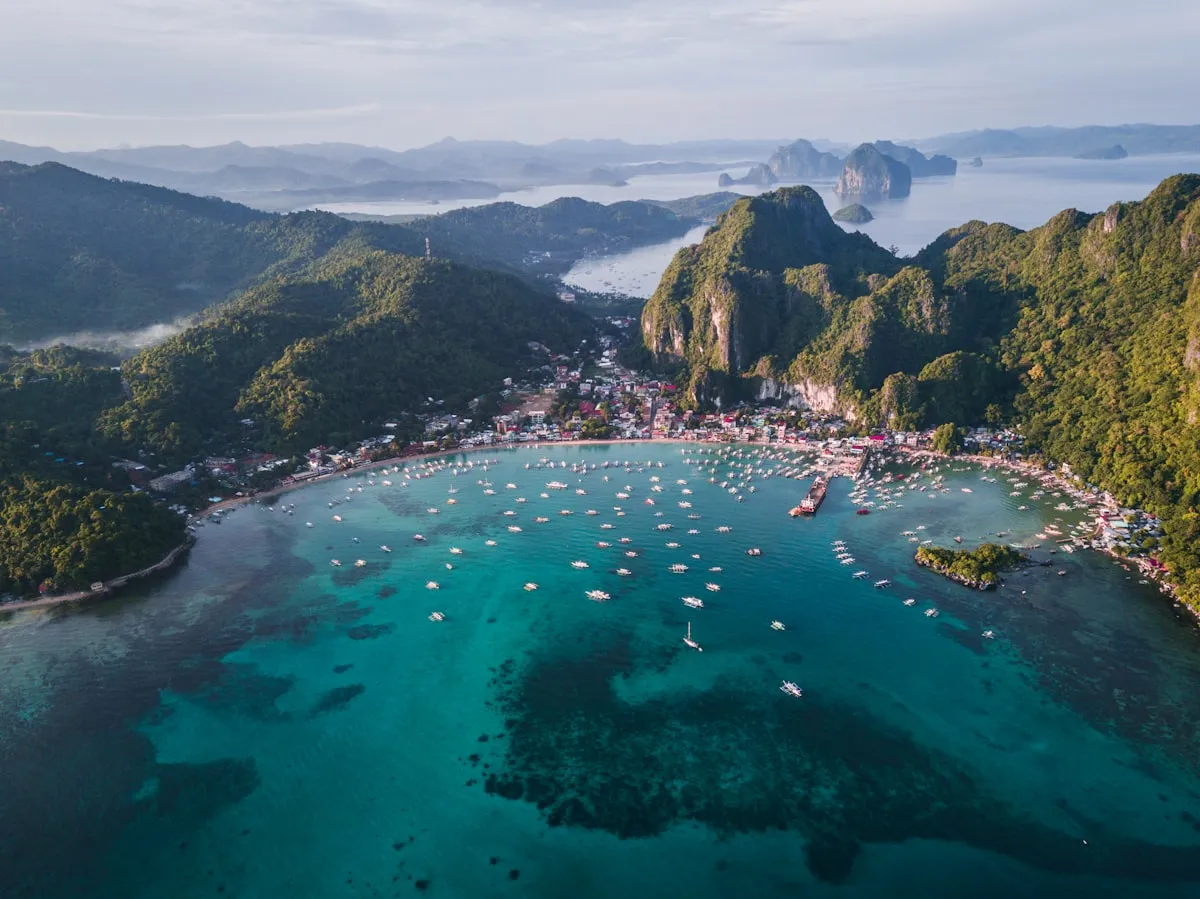
San Juan is the de facto tourist hub of Siquijor — which, to be clear, means a handful of guesthouses, a couple of small restaurants, and one of the nicest stretches of white sand on the island. The beach runs several hundred metres, the water is shallow and calm, and sunsets from the western shore are reliably spectacular. Most visitors base themselves here and it is the right call.
The Healer Culture: What Is Actually Going On
Siquijor's reputation for the supernatural is grounded in a genuine and living tradition of folk medicine. Mananambal are traditional healers who use a combination of herbal preparations, prayer, and ritual to treat physical and spiritual ailments. They are not performance artists or tourist props — they are legitimate practitioners within their communities, consulted regularly by local residents for conditions ranging from back pain to what is described as spirit-related illness.
During Holy Week, healers gather medicinal plants at midnight across the island — a practice believed to maximise the plants' potency during the Lenten period. The rituals are sincere expressions of a folk Catholic and pre-colonial animist tradition that has survived centuries of Spanish and American influence.
At the local market in Siquijor town, anting-anting — protective amulets — are openly sold alongside the usual market produce. These range from simple carved objects to more elaborate preparations. Purchasing one is not considered disrespectful; plenty of Filipinos from other islands do so.
The correct approach as a visitor is one of genuine curiosity and respect. Do not treat healers as exotic objects for your travel content. Do not approach a mananambal expecting a theatrical experience. If you are curious, ask your guesthouse host — many have family connections to the healer community and can arrange an introduction through the appropriate channels. This is genuine Philippine culture, not a tourism product, and it deserves to be treated accordingly.
Diving in Siquijor
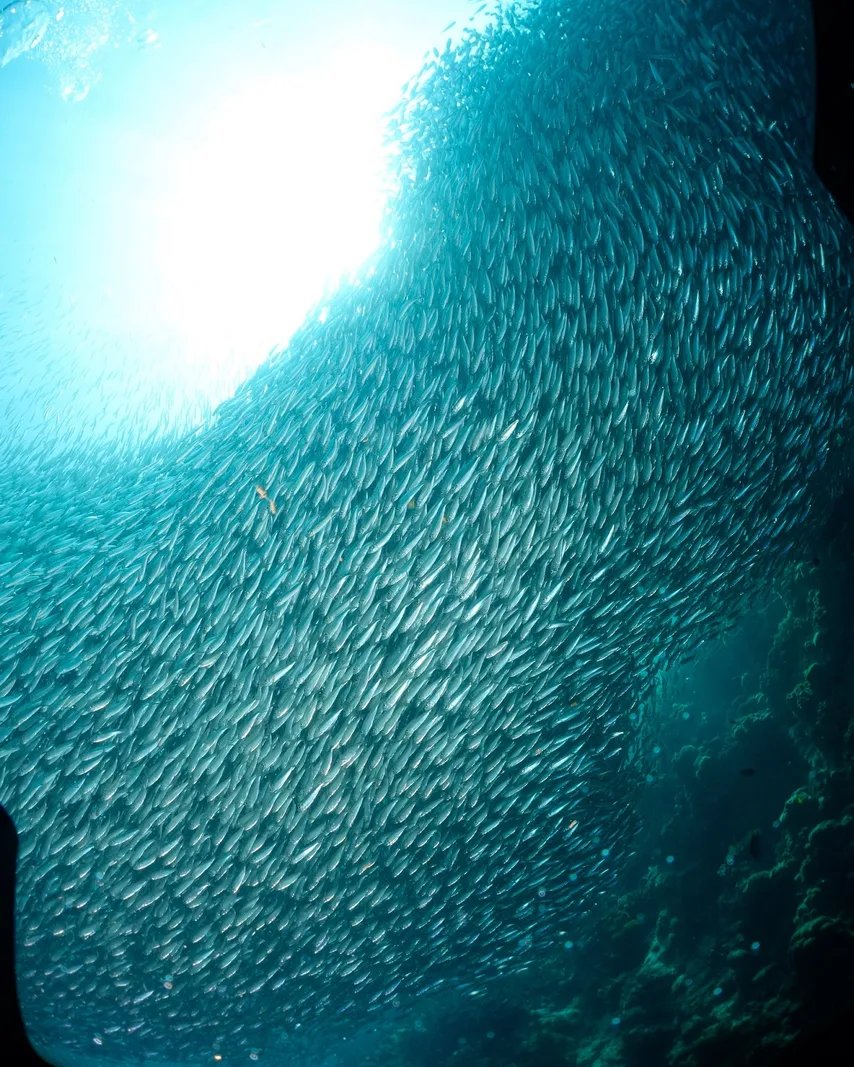
Divers who make the effort to reach Siquijor are rarely disappointed. The island sits in the Coral Triangle and benefits from strong currents that keep the reefs healthy and well-fed. Visibility is consistently good — 15-25 metres on most days — and the biodiversity is exceptional for a site that receives relatively little dive traffic.
Siquijor has developed a particular reputation among macro photographers as a nudibranch capital. The variety and density of nudibranchs on Siquijor's reefs is genuinely unusual and attracts serious underwater photographers who travel specifically for the opportunity.
Hagdan is the most celebrated dive site — a wall and reef system famous for reliable sea turtle sightings. Other popular sites include Tambisan, Paliton, and the various reefs around Tulapos Marine Sanctuary. A guided fun dive with full equipment runs approximately ₱1,200-1,500 at the small dive shops operating out of San Juan. Courses and multi-dive packages are available at proportionally reasonable rates. This is excellent value compared to the same experience in Bohol, Cebu, or Palawan.
Where to Stay
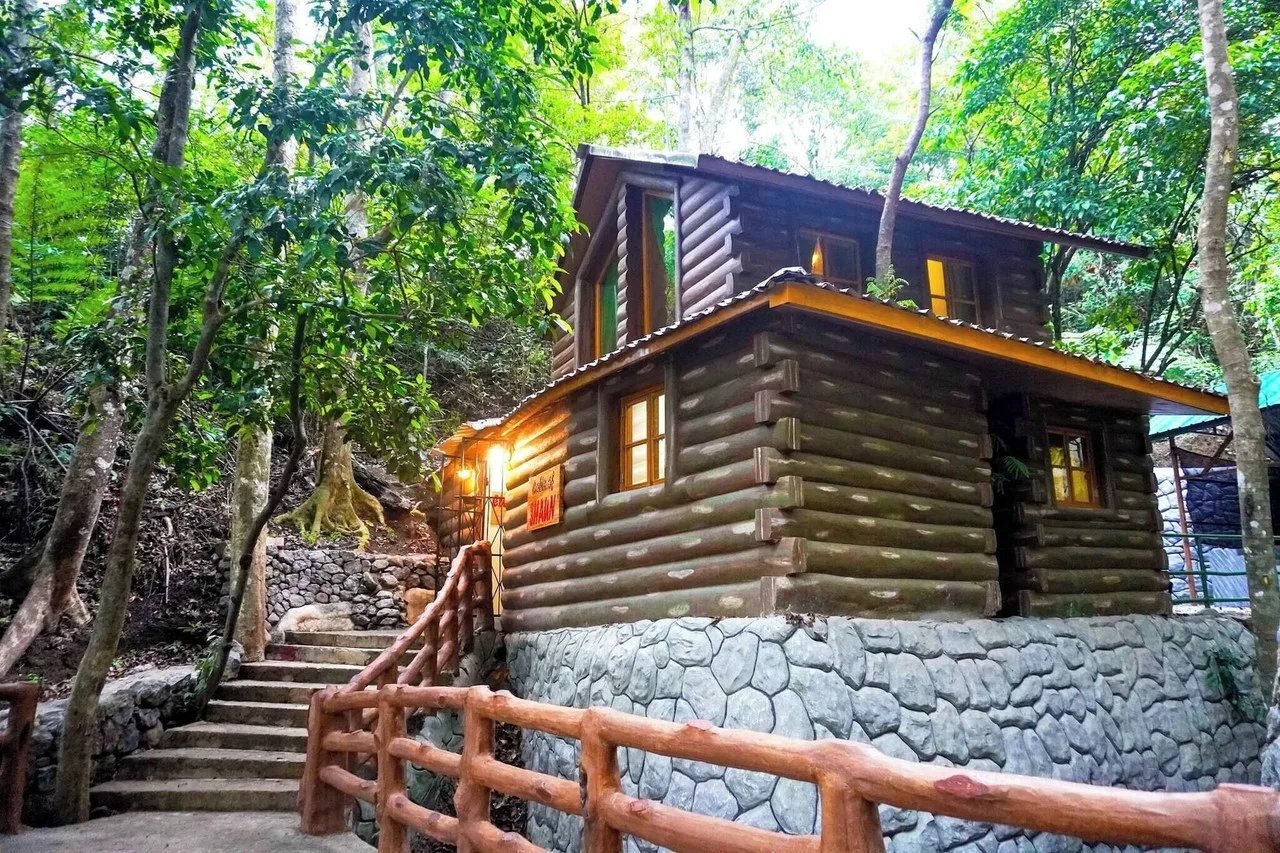
Siquijor is emphatically a budget destination. The majority of accommodation is concentrated around San Juan on the west coast, where guesthouses and small resorts line the road behind the beach. Expect to pay ₱600-1,000 per night for a clean, fan-cooled room with a private bathroom, or ₱1,200-1,500 for an air-conditioned room at one of the nicer small resorts. A handful of properties are pushing toward the mid-range bracket but genuine luxury accommodation does not really exist on the island yet.
The Lazi area on the south coast offers a quieter alternative for travellers who want to avoid even the modest tourist concentration in San Juan. Fewer options, more local atmosphere, and easy access to the heritage church and falls.
Book ahead during Holy Week and the Christmas-New Year peak. At other times, walk-in availability is generally fine.
Food in Siquijor
Manage expectations here. Siquijor is not a culinary destination. The island supports a small population and has not developed the restaurant scene that exists in Cebu, Dumaguete, or even Bohol. Most eating happens at simple local eateries (carinderias) serving rice, fish, vegetables, and the occasional pork dish for ₱100-150 per meal.
San Juan has a small number of tourist-facing restaurants with menus that include pasta, burgers, and seafood. Quality is decent but not remarkable. Fresh fish cooked simply is your best bet everywhere. Budget ₱200-300 for a proper meal with a cold San Miguel.
The upside: eating cheaply on Siquijor is effortless. The downside: if you are a food-focused traveller, plan your serious meals for Dumaguete, which has a genuinely good restaurant scene for a city its size.
Daily Budget
Siquijor is one of the most affordable islands in the Philippines. A realistic daily budget for a solo traveller:
- Accommodation (guesthouse, fan room): ₱600-800
- Three meals at local eateries: ₱400-600
- Scooter rental: ₱400
- Entrance fees and incidentals: ₱200-300
Total: ₱1,600-2,100 per day — making it genuinely one of the cheapest tropical island experiences available in Southeast Asia. Add a dive and you are still under ₱3,000 for a full active day.
Combining Siquijor with the Visayas Triangle
Siquijor works beautifully as part of a broader southern Visayas itinerary. The classic triangle pairs three distinct islands across a week to ten days:
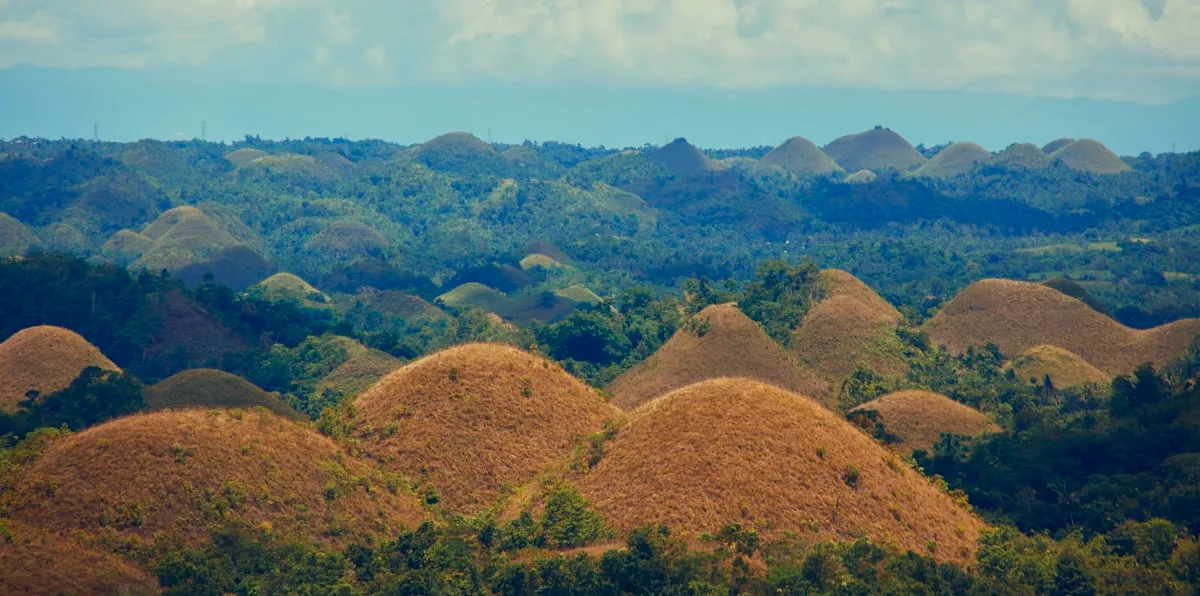
- Bohol — Chocolate Hills, tarsiers, Alona Beach, whale sharks in Oslob (day trip from Cebu)
- Siquijor — waterfalls, circuit ride, diving, healer culture
- Negros (Dumaguete) — university city with good food, day trips to Apo Island for world-class diving with sea turtles
Ferry connections between all three are straightforward and reasonably frequent. A suggested sequence: fly into Cebu, ferry to Bohol (3 days), ferry to Siquijor (2-3 days), ferry to Dumaguete/Negros (2 days including an Apo Island dive), then fly home from Dumaguete or return to Cebu. This is one of the most rewarding island-hopping routes in the country for the money and effort involved.
Frequently Asked Questions
Is Siquijor actually dangerous or creepy?
No. Siquijor is one of the safest and most peaceful islands in the Philippines. Crime is extremely rare, locals are welcoming, and the supernatural reputation is largely folklore that Filipinos themselves enjoy exaggerating for comedic effect. Thousands of tourists visit every year without incident — or hexes. The healer tradition is genuine but entirely benign toward visitors.
How many days do I need in Siquijor?
Two full days covers the main circuit, Cambugahay Falls, Salagdoong Beach, and a dive or snorkel session. Three days is comfortable and allows you to slow down, revisit spots, and take an evening to explore San Juan properly. A single long day from Dumaguete is technically possible but rushed — you will want to stay the night.
Do I need a guided tour or can I go independently?
Independent travel is easy and preferred by most visitors. Rent a scooter, download an offline map (Maps.me works well), and explore at your own pace. Tricycle drivers at the ferry port offer all-day island tours if you do not want to ride a scooter; negotiate a price before you go (around ₱1,000-1,500 for a shared vehicle). There is no real need for a formal tour company on Siquijor.
Is the diving in Siquijor suitable for beginners?
Yes, several sites are suitable for newly certified Open Water divers. The dive shops in San Juan are accustomed to handling mixed-experience groups and will match your guide and site to your certification level. If you are not yet certified, the calm shallow reefs also make Siquijor a pleasant location for a Discover Scuba introductory dive.
What is the ferry schedule like and how reliable is it?
Oceanjet and other fast ferries run multiple daily departures between Dumaguete and Siquijor. Schedules vary seasonally and can be disrupted by bad weather between June and October. Check the ferry operator websites or ask your accommodation to confirm current departure times. Tickets can be purchased at the port on the day in most cases, though buying the day before is advisable during peak season and Holy Week. The crossing itself is smooth on calm days; if you are prone to motion sickness, take a tablet before boarding.
Siquijor rewards travellers who leave the beaten path — not by offering anything extreme or demanding, but by delivering a quietly exceptional experience: clean water, healthy reefs, a living culture rooted in the pre-colonial Philippines, and the rare pleasure of exploring an island that most tourists simply never bother to reach. Go before everyone else figures it out.