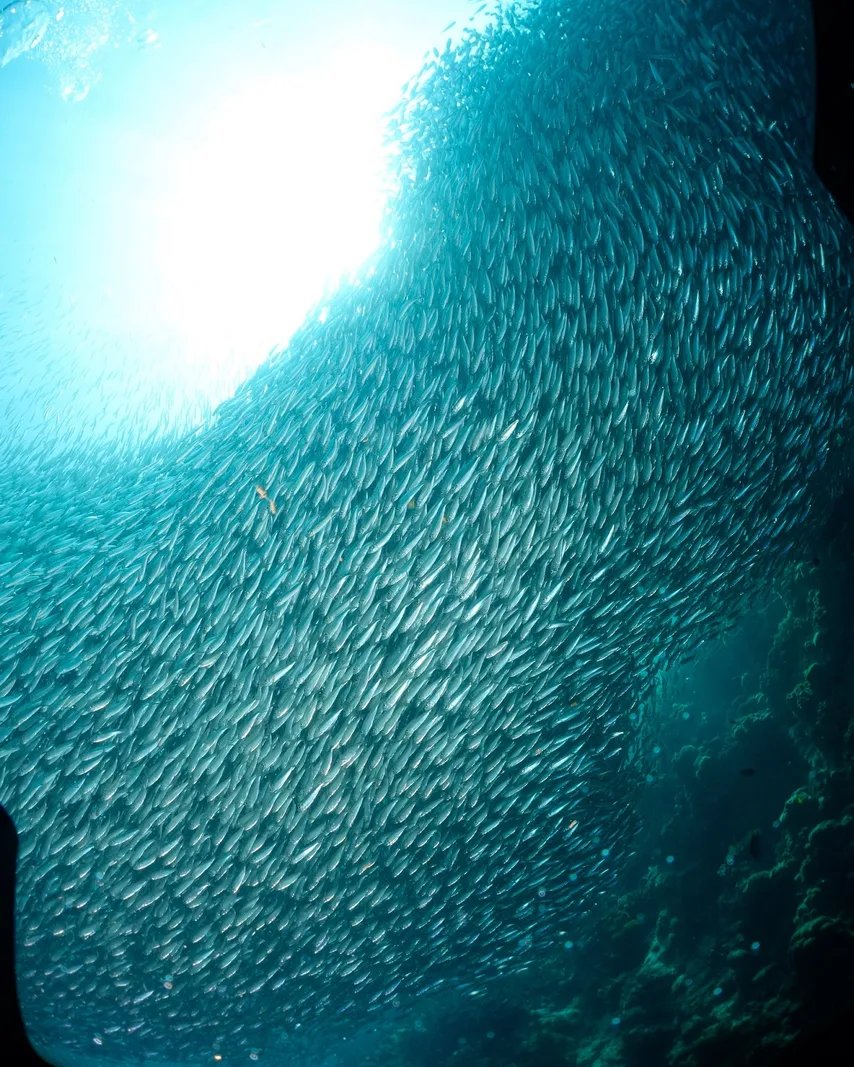
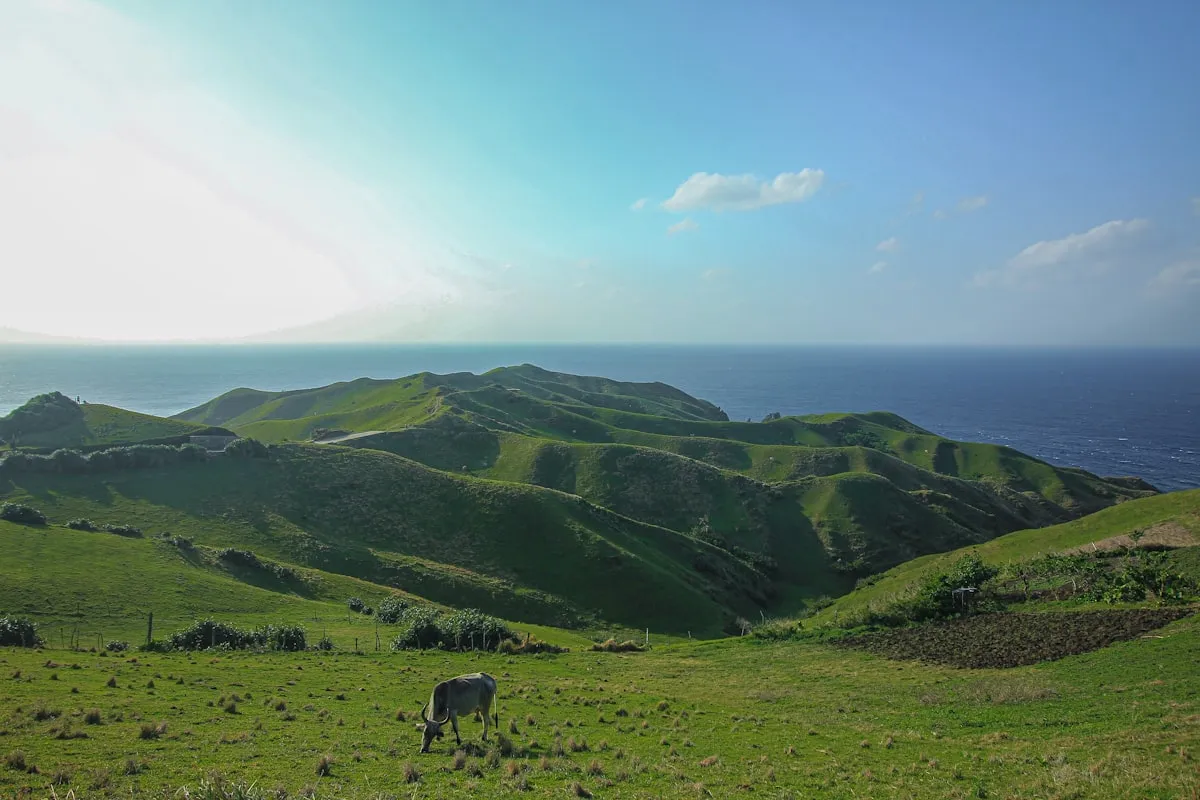
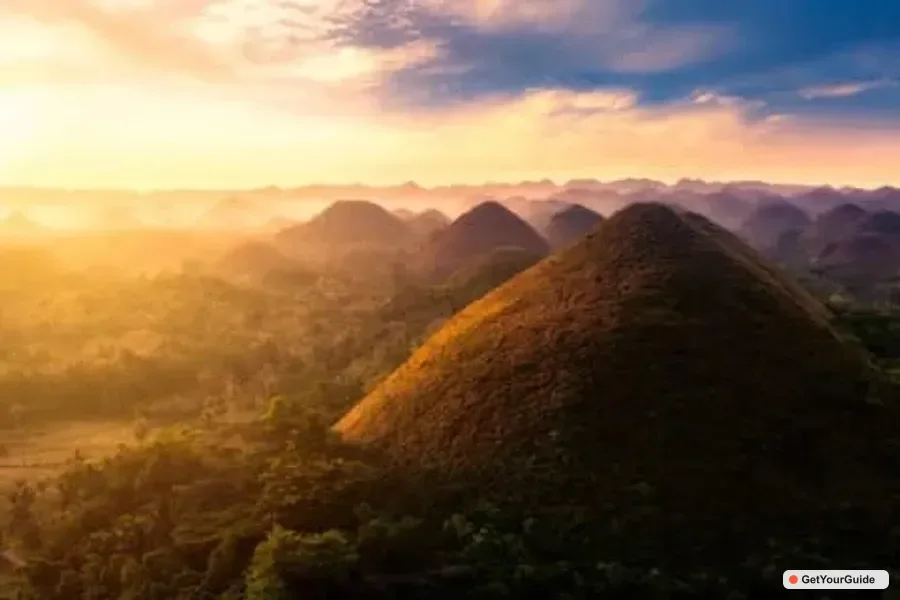
There is a moment, somewhere along the winding inland road out of Tagbilaran, when Bohol stops being a name on a map and becomes something you feel in your chest. The lowland coconut groves thin out, the land begins to ripple, and then you crest a rise and there they are: hundreds of soft green mounds rolling toward the horizon like a giant has pressed thumbprints into the earth. This is the heart of a private Bohol day, the kind where it is just you, your guide, and the island unspooling at your own pace. No fighting for a viewdeck railing, no waiting on a bus of forty. You linger where you want, ask the questions you actually have, and let Bohol reveal itself in three of its most extraordinary forms: the Chocolate Hills, the wide-eyed tarsiers, and the jade-green Loboc River.
Signature Private Chocolate Hills, Tarsiers & River Experience - Guide
Hotels in Philippines
Compare live prices via Travelpayouts — targeted for this guide.
The Chocolate Hills: a landscape that should not exist
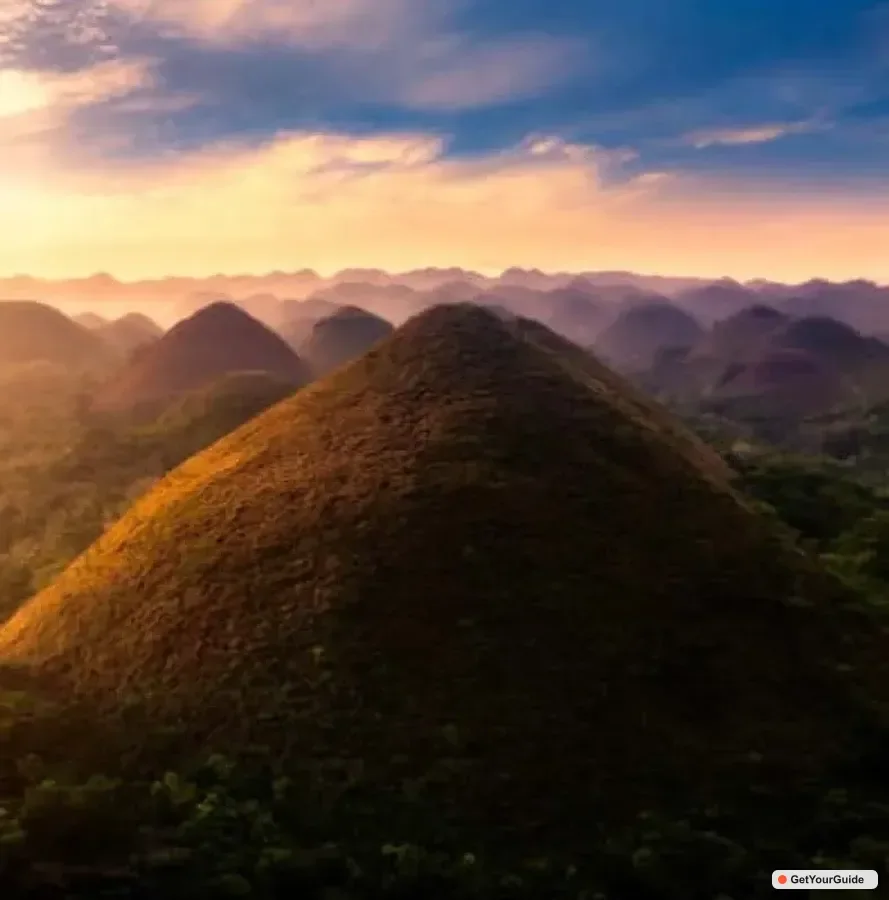
Spread across the central interior of Bohol are well over a thousand near-symmetrical hills, most rising between roughly 30 and 50 meters, with the tallest pushing past 100. In the dry months their grass cover browns to a rich cocoa color, which is how they earned their name. The rest of the year they wear a deep tropical green. Either way, the sheer repetition of the shapes is what stops people mid-sentence. They look engineered, almost deliberate, and that strangeness is exactly why geologists have argued over them for generations.
The honest answer is that the hills are karst. Bohol was once a shallow tropical sea, and over millions of years coral reefs and marine sediment built up into thick layers of limestone. When tectonic forces lifted that limestone above the waterline, rainwater (which is mildly acidic) began to dissolve it from the surface down, exploiting cracks and weak points. Over an immense span of time, the softer rock between the harder cores eroded away, leaving these rounded residual mounds standing above a flatter plain. It is the same family of process that carves caves and sinkholes worldwide, just expressed here in an unusually uniform, conical form. The hills are a declared National Geological Monument, and the wider area sits on the UNESCO Global Geoparks tentative pathway, recognized for the rarity of this karst expression.
Local folklore offers a warmer version. One tale tells of two warring giants who hurled rocks and sand at each other for days; when they finally made peace and left, the mounds of debris remained. Another, gentler story speaks of a giant named Arogo who wept for a mortal love he lost, his dried tears hardening into the hills. Your guide will likely share these, and it is worth letting them sit alongside the geology rather than choosing one over the other.
Chocolate Hills tour in Philippines
Hand-picked experiences in Philippines — book on Trip.com with instant confirmation.
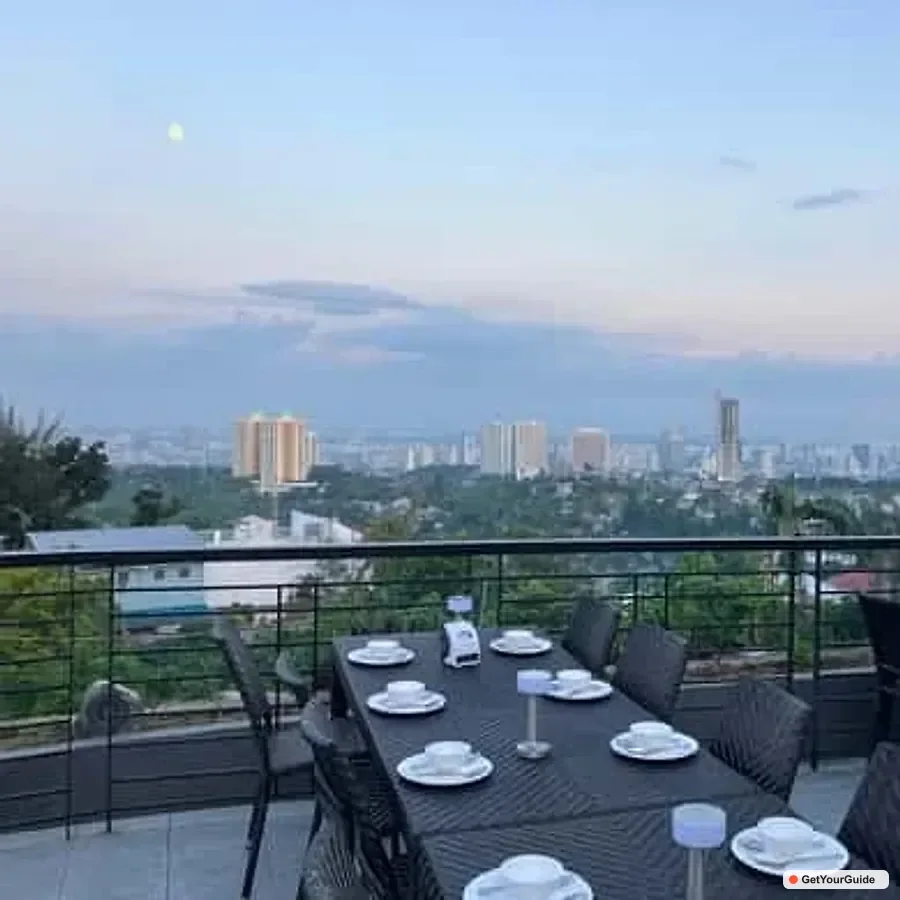
At the main complex near Carmen, a stairway of a couple of hundred steps climbs to the famous viewing deck. It is a moderate effort, a few minutes of steady walking, and the 360-degree panorama at the top is the postcard you came for. Morning light, before the midday haze builds, gives the cleanest views and the kindest temperatures for the climb.
Tarsiers: meeting one of the world's smallest primates
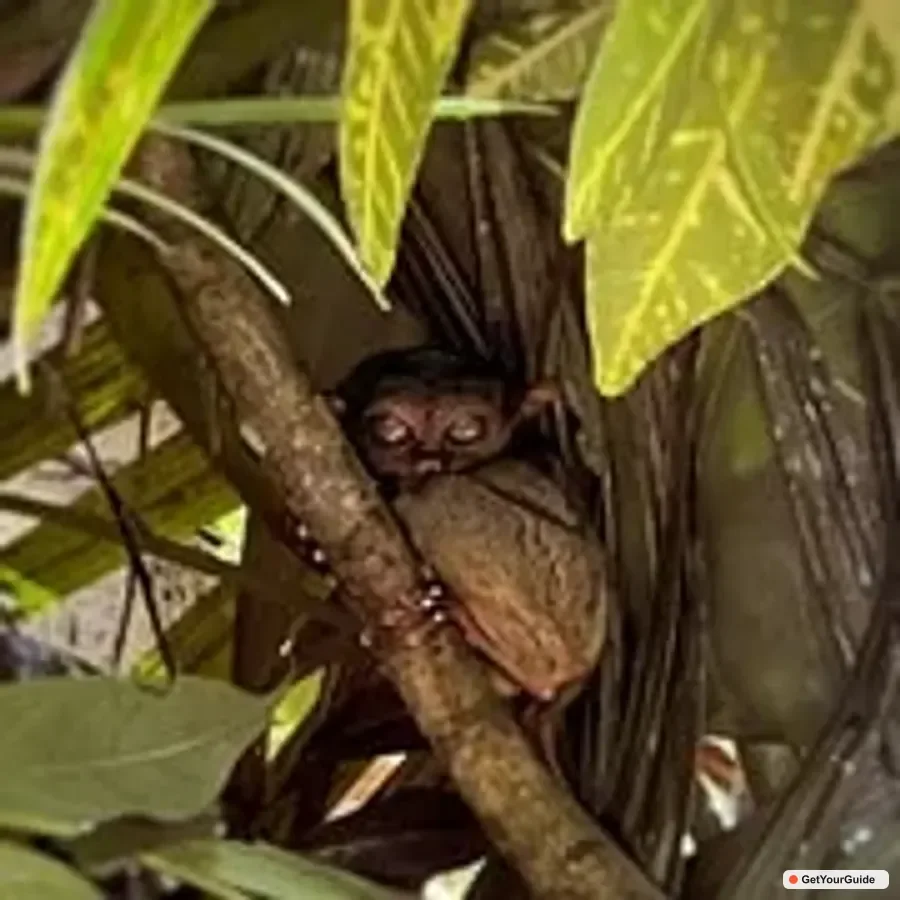
From the hills, a private vehicle makes the unhurried drive south toward Loboc and Corella, where the next encounter could not be more different in scale. The Philippine tarsier is a tiny nocturnal primate, small enough to sit comfortably in a cupped hand, with enormous fixed eyes, each one roughly as large as its brain. Those eyes cannot rotate in their sockets, so a tarsier compensates by turning its head almost all the way around, owl-like, to track the insects, small lizards, and other prey it hunts at night. It is one of the few primates that is entirely carnivorous.
For years tarsiers were a tourism casualty: kept in cages, handled, woken by flash photography, and stressed to the point that some were reported to harm themselves. The shift toward proper sanctuaries changed that story. At a well-run conservation site, the tarsiers cling to branches in a protected patch of forest, free to move, and you walk a quiet trail to find them perched in the foliage. The rules exist for a reason and they matter: keep your voice to a whisper, do not touch, and switch your camera flash off entirely. A stressed tarsier is a sick tarsier, and the calm of a good sanctuary is the whole point. Choosing the genuine conservation-focused sanctuary over any roadside operator offering hands-on photos is the single most responsible decision of the day.
Why the tarsier matters
Beyond the cuteness, tarsiers are living windows into primate evolution; their lineage is ancient, and they sit in a curious branch of the family tree closer to monkeys and apes than to lemurs. They are also fragile. Habitat loss is their greatest threat, and they breed slowly. Every quiet, respectful visit that funds protected forest is a small vote for their survival.
The Loboc River: lunch afloat on a green ribbon
The day's tempo eases again on the Loboc River, where a floating restaurant becomes your dining room for the next stretch of water. These broad, flat-bottomed boats lashed to pontoons drift slowly upstream through a corridor of coconut palms, nipa, and dense riverbank greenery, the water glowing an almost surreal emerald in good light. A buffet of Filipino dishes is typically served on board, and a live performer or small ensemble often plays as you glide.
The river itself rises in the interior highlands and winds down toward the sea at Loboc town, where the old stone church anchors the community. Partway along the cruise the boat usually pauses at a riverside platform where locals in traditional dress perform cultural numbers, including the tinikling bamboo-pole dance. It is gentle, slightly touristy, and genuinely charming, and the meal-plus-scenery combination makes it a natural midday anchor for the whole itinerary. There is no strenuous element here at all; the river portion is pure rest, which is exactly what you want after the viewdeck stairs and the forest trail.
Often woven into the day
Because this is a private tour, the route can flex, and several Bohol classics commonly slot in around the three headline stops. The Man-Made Forest is a dense, cathedral-like stretch of mahogany planted decades ago in a reforestation drive; driving through its sudden cool shade is a small, memorable moment. The Baclayon Church, one of the oldest stone churches in the country, and the Blood Compact monument, marking the 1565 pact between the Spanish and the local chieftain Datu Sikatuna, add historical depth for those who want it. A butterfly conservation center is another easy add. Talk to your guide at the start about what matters most to you; that flexibility is the privilege you are paying for.
Practical tips for the day
- Duration: Plan on a full day, often around eight to ten hours door to door depending on your hotel and how many extra stops you fold in.
- Best timing: Start early. Morning light at the Chocolate Hills is clearer and cooler, and you beat the larger tour groups at every stop.
- Season: The drier window from roughly December to May gives the most reliable weather; the brown-hill color peaks late in the dry season. The green months are lush and beautiful too, with brief tropical showers.
- What to wear and bring: Light, breathable clothing, comfortable shoes for the viewdeck stairs and the sanctuary trail, sun protection, a hat, insect repellent for the forested areas, and plenty of water. Bring cash for entrance fees and tips, which are often not bundled into the base rate.
- How strenuous: Easy to moderate overall. The only real exertion is the climb to the Chocolate Hills deck; everything else is flat walking or sitting.
- Typically included: Private air-conditioned transport, a driver and often a guide, and usually the Loboc lunch buffet. Confirm whether site entrance fees and the river cruise ticket are included or paid on the day.
- Responsible travel: No flash at the tarsiers, no touching, and choose the recognized sanctuary. Keep noise down, take litter with you, and tip the local performers and crew who make these places work.
Why this day stays with you
What makes a private Bohol tour special is not just the checklist of icons but the rhythm of moving between them on your own terms: the wide geological wonder of the hills, the hushed intimacy of a creature that fits in your palm, and the slow green calm of the river. Three completely different scales of beauty, stitched together in a single unhurried day. You leave understanding that Bohol is not one attraction but a whole small world, and that the best way to meet it is gently, with time to look twice.
Good to know before you book
- Duration: typically a full day (around 8 to 10 hours including transfers), though half-day and multi-day options exist - check the listing.
- Best for: couples, families and first-time visitors.
- What is included: transport, a guide and the main stops; entrance fees and lunch are sometimes extra.
- Pickup: most tours offer hotel or central pickup; confirm your point and time when booking.
- Book through: the GetYourGuide button on this page, which shows live availability and pricing.
Frequently asked questions
How long does the Signature Private Chocolate Hills, Tarsiers & River Experience take?
Most departures run as a full day - roughly 8 to 10 hours including pickup, travel and the activities themselves - so plan to set aside the whole day. Some operators offer shorter or private versions; the exact timing for your date is shown when you book through the GetYourGuide button on this page.
What is included in the Signature Private Chocolate Hills, Tarsiers & River Experience?
Typically the price covers transport, a guide and the main stops; entrance fees and lunch are sometimes extra. Inclusions vary by operator, so always read the specific listing - it spells out exactly what is provided and what you pay for separately, such as entrance or environmental fees.
What should I bring?
Pack comfortable shoes, sunscreen, a hat, water and small cash for entrance fees and souvenirs. It is also worth carrying some cash for local fees, drinks and tips, plus any personal medication, since card facilities can be limited outside the cities.
Is the Signature Private Chocolate Hills, Tarsiers & River Experience suitable for beginners or families?
It is gentle and family-friendly, suitable for all ages with only light walking involved - a comfortable way to see the highlights. If you have specific concerns about age, fitness or swimming ability, message the operator before booking - they can advise on the best option for your group.
When is the best time to do this tour?
The best conditions are usually the dry season from December to May, when the Chocolate Hills turn their famous brown. That said, the Philippines is a year-round destination, and many of these experiences run in any season - just expect the occasional shower and check the forecast for the day.
How do I get to Bohol?
To reach Bohol, fly into Bohol-Panglao International Airport, or take the fast ferry from Cebu (about 2 hours). Many tours include transfers from nearby towns or hotels, so confirm your pickup arrangement when you book so the day runs smoothly from the start.
Do I need to book the Signature Private Chocolate Hills, Tarsiers & River Experience in advance?
Yes - booking ahead is strongly recommended, especially in the dry-season peak and on weekends, when popular tours and the best operators sell out. Reserving online also locks in your spot and lets you compare timings and inclusions easily.
How much does the Signature Private Chocolate Hills, Tarsiers & River Experience cost?
Prices vary with the season, group size and exactly what is included, so we do not list a fixed figure here. Tap the GetYourGuide button on this page to see the current, accurate price and availability for your chosen date.
Can I do the Signature Private Chocolate Hills, Tarsiers & River Experience as a private or customised tour?
Many operators offer a private version of this experience for couples, families or small groups who want a flexible pace and a guide to themselves, and some can tailor the route or add stops. If a private or custom option matters to you, check the listing or message the operator before booking, as availability and prices differ from the standard shared tour.
Ready to explore Bohol?
From planning to the moment you arrive, the Signature Private Chocolate Hills, Tarsiers & River Experience is one of the most rewarding ways to experience this corner of the Philippines - and booking it is simple. Use the GetYourGuide button on this page to check live availability, compare timings and secure your spot, then turn up and let the local guides handle the rest while you focus on the views, the water and the memories.

PANA.PH Editorial Team
Philippines travel desk
The PANA.PH travel desk researches, books and re-checks Philippines travel logistics — fares, ferry schedules, government fees and permit rules — and publishes what it can verify.
🏡 Real local stays (book direct)
Hand-picked homestays and guesthouses — book direct, no markup.
Browse all local stays →

🌊 Popular activities (book instantly)
Island hopping, canyoneering, whale sharks — real Klook/GetYourGuide options.
View all activities →