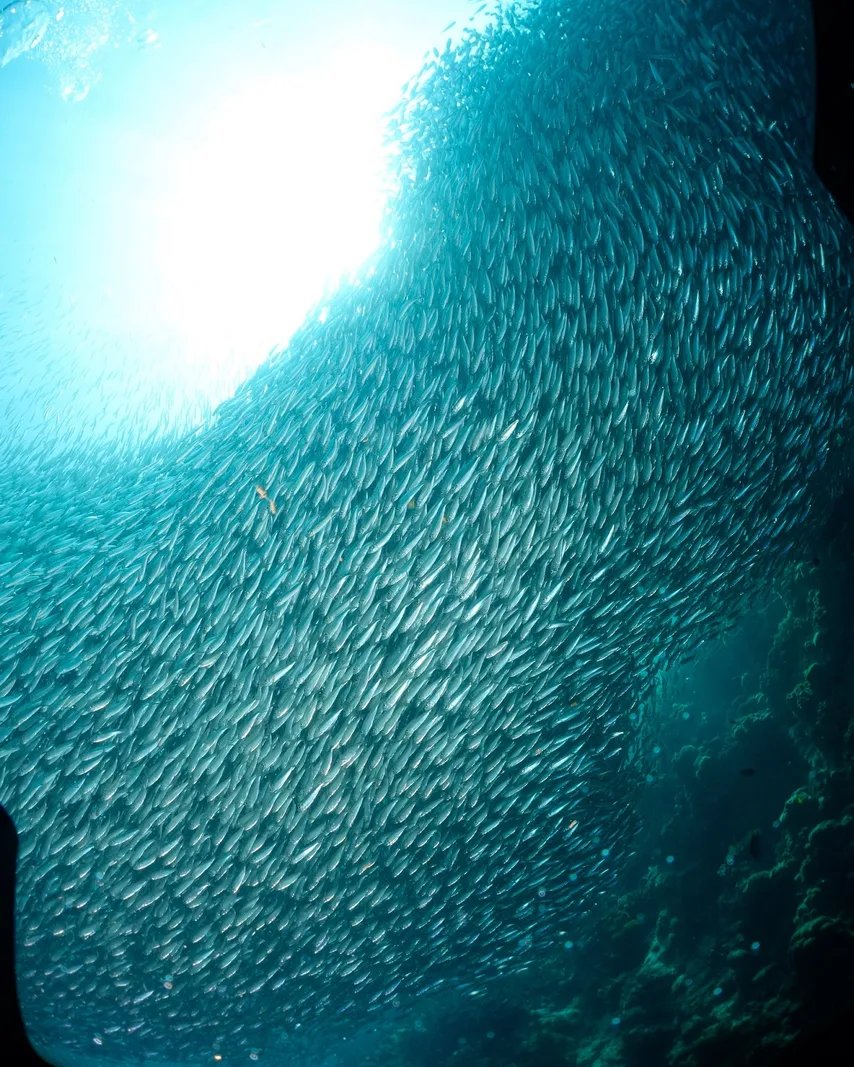
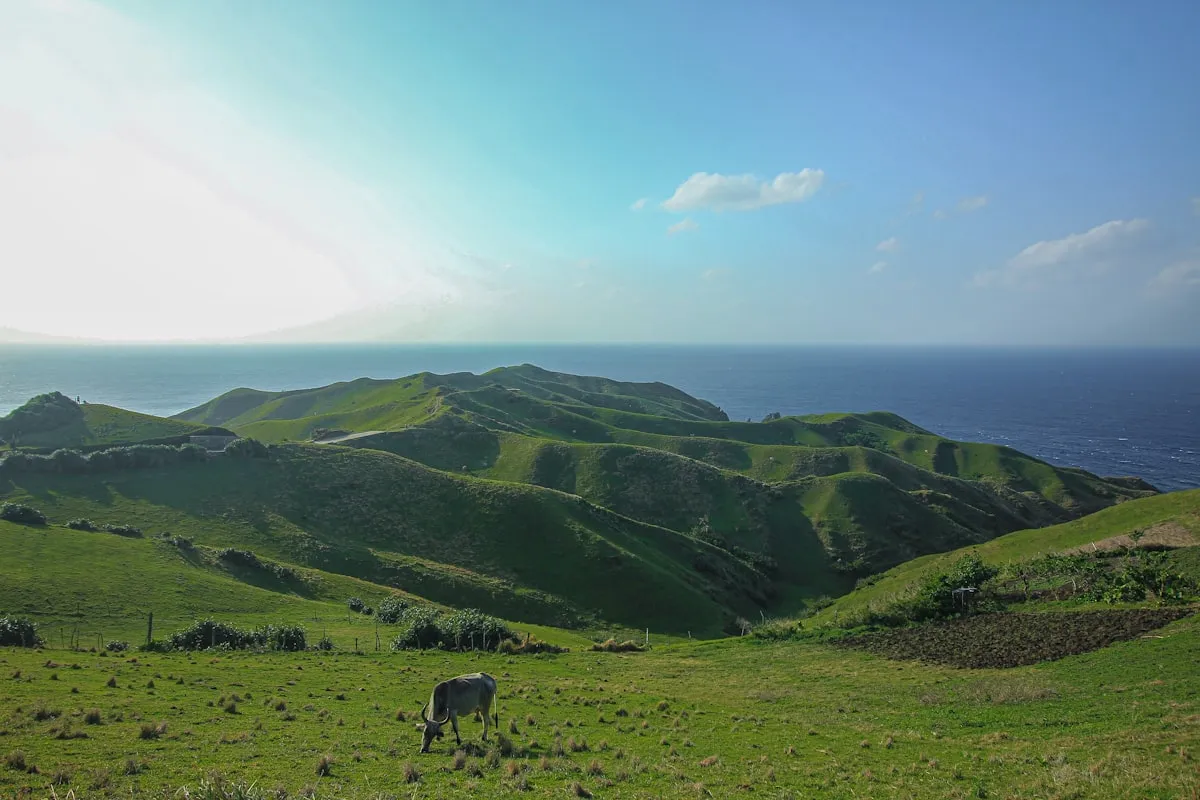
There is a stretch of sea between northern Palawan and the Calamian Islands that most travelers skip entirely. They fly into El Nido, do the famous lagoon hopping, and bus or fly back out. But just to the north, scattered across the channel that divides the El Nido mainland from Coron, lies Linapacan -- a municipality of islands so clear and so empty that it has been named, in more than one informal global survey, among the places with the cleanest seawater on Earth. A private expedition that launches from Sibaltan, the quiet fishing barangay on El Nido's eastern coast, and threads north into the Linapacan group is about as close as you can get to the Palawan that existed before the tour boats arrived. This is that journey, told stop by stop.
Sibaltan & Linapacan Private Island Expedition - Guide
Hotels in Philippines
Compare live prices via Travelpayouts — targeted for this guide.
Where you are: the geography of the in-between
Linapacan is its own municipality, sitting in the Linapacan Strait between El Nido (to the south) and Busuanga and the Calamian group (to the north). It is made up of dozens of islands -- the largest being Linapacan Island itself, ringed by smaller satellites like Cabunlawan, Nasilic, Dilumacad-area outliers, and a constellation of sandbars and reef islets. Because it lies in open channel water rather than a sheltered bay, the sea here is exceptionally clear: there is little river runoff, the islands are sparsely populated, and the currents flush the channel constantly. On a calm day you can look over the side of the boat and watch your own shadow move across coral five or six meters down.
The rock you are sailing past is the same limestone-and-karst story that defines all of northern Palawan. These towering, jagged cliffs began as ancient coral reefs and marine sediment, compressed into limestone over millions of years and then uplifted as the Palawan microcontinental block drifted and collided into its present position. Rain and seawater have since dissolved and sculpted that soft stone into the razor-edged crags, caves, and hidden coves you see today. The same geology that built El Nido's famous Bacuit Bay continues quietly northward into Linapacan -- just without the crowds.
Starting from Sibaltan, not the tourist port
Most El Nido tours leave from the busy town pier on the west side. This expedition starts from Sibaltan, on the opposite, eastern coast -- roughly an hour overland from El Nido town across the peninsula. Sibaltan is a working fishing community with a slower pulse, a long beach, and a small but genuinely interesting heritage presence: the area around it has yielded archaeological finds (old trade ceramics and burial material) that tie this coast into the centuries-old maritime trade routes that once connected Palawan with China and the rest of Southeast Asia. Leaving from here means you face open eastern and northern water from the start, and you reach the Linapacan islands without first crossing the heavily trafficked Bacuit Bay.
Tours & activities in Philippines
Hand-picked experiences in Philippines — book on Trip.com with instant confirmation.
What you actually do, stop by stop
Because this is a private expedition rather than a fixed-group tour, the exact route flexes with the weather, the sea state, and what you want. But a full day typically strings together a version of the following:
- Open-channel crossing: The run north from Sibaltan into the Linapacan Strait is part of the experience. This is real channel water -- bigger, bluer, and emptier than the bay-hopping you may have done in El Nido. Flying fish, occasional pods of dolphins, and the slow reveal of distant karst islands fill the transit.
- Snorkeling over healthy reef: The expedition's signature is its coral. Because the reefs here see far fewer boats, you find hard and soft coral gardens, reef fish in good numbers, sea turtles, and the kind of visibility -- often well past 15 to 20 meters on a clear day -- that makes the whole reef glow. Bring your own mask if you are particular; rental gear quality varies.
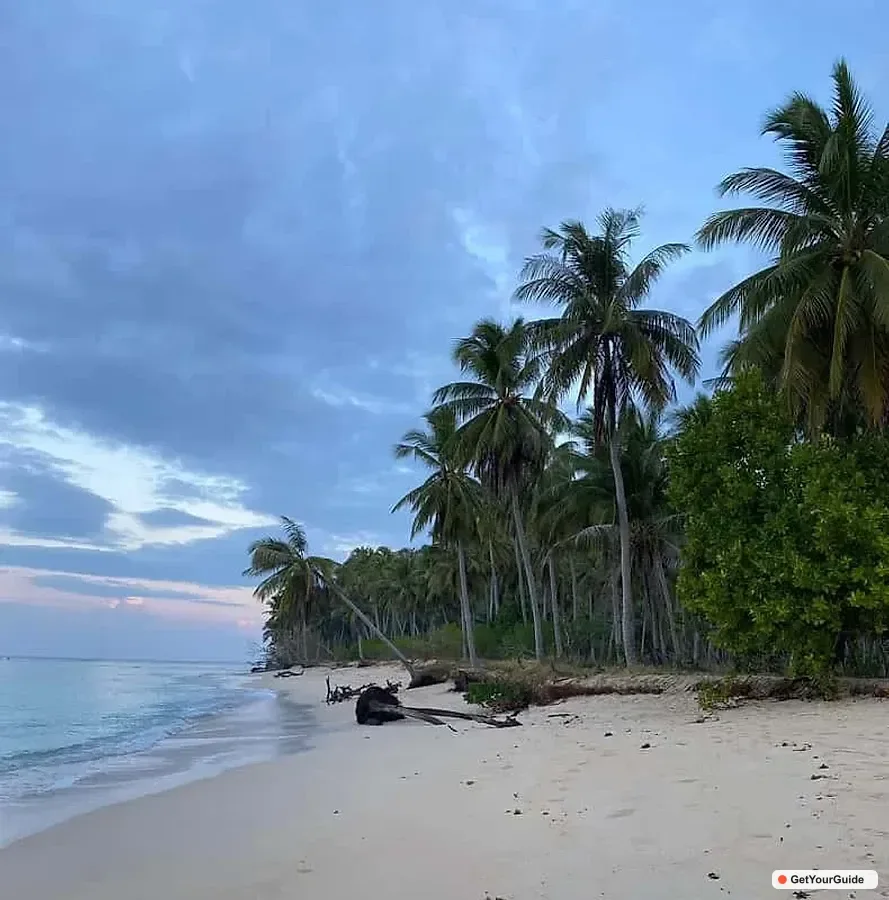
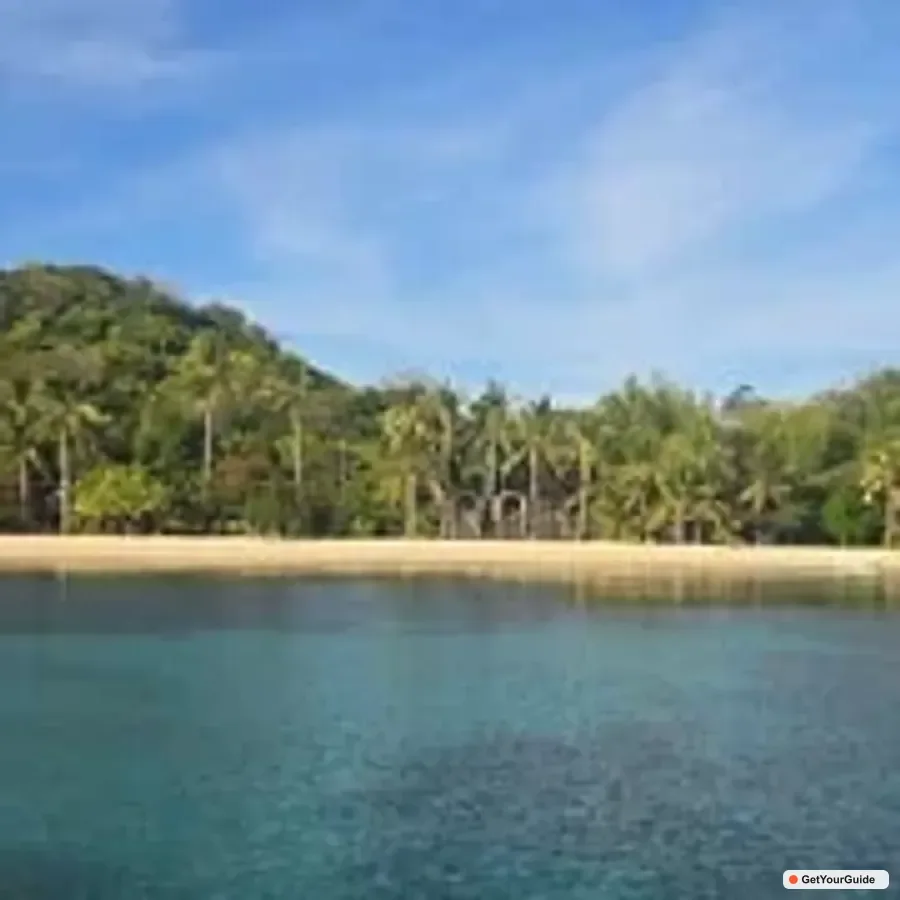
- Sandbars and deserted islets: Linapacan is famous for its sandbars -- thin ribbons of white sand that appear at lower tide, with water so clear the boundary between shallow and deep looks painted on. You will likely have one to yourself, which is the entire point.
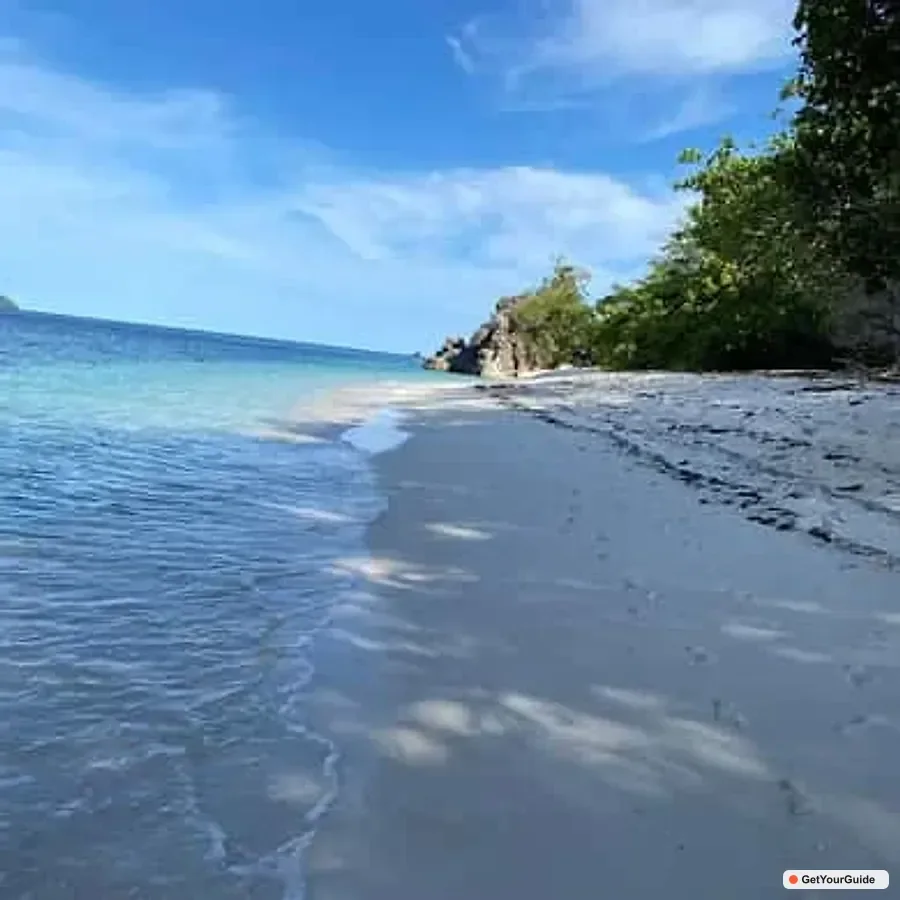
- Hidden beaches and lagoons: Tucked between the limestone cliffs are pocket beaches reachable only by boat, where you can swim, walk the shoreline, and not see another vessel for hours.
- A cooked lunch on the boat or beach: The "with meals" part is real and good. Expect a freshly grilled Filipino-style spread -- typically fish or squid caught or bought locally, grilled chicken or pork, rice, fresh fruit like pineapple and banana, and bottled or purified water. Eating grilled fish on a sandbar with your feet in the water is, for many people, the memory that outlasts the photos.
Why this place matters
Linapacan sits inside one of the most biologically rich marine corridors on the planet. Palawan as a whole lies within the Coral Triangle, the global epicenter of marine biodiversity, home to the highest coral and reef-fish diversity anywhere on Earth. The relative isolation that keeps Linapacan's water so clear is exactly what has kept its reefs comparatively intact -- but that is fragile. As more boats discover these islands, the same pressures that have worn down better-known reefs elsewhere in the Philippines (anchor damage, sunscreen pollution, overfishing, plastic) arrive here too. Traveling on a small, private boat to a place that still feels untouched comes with an obligation to keep it that way.
The human history matters as much as the marine one. The fishing families of Linapacan and Sibaltan have lived with this sea for generations, and the heritage finds along the Sibaltan coast are a reminder that these were never empty islands -- they were waypoints on old trade routes long before tourism existed. A respectful visitor treats the local community as hosts, not scenery.
Practical tips before you go
- Best time of year: The dry season, roughly late November through May, gives the calmest channel water and the best visibility. The peak clear months are typically March to May. The southwest monsoon (habagat), around June to October, brings rougher seas and more cancellations -- open-channel crossings are weather-dependent, so build in a buffer day.
- How strenuous: Low to moderate. The main effort is the boat time and the swimming/snorkeling. Basic swimming ability and comfort in open water help a lot, since some of the best reefs are reached by jumping straight off the boat. Always wear the life vest if you are not a confident swimmer -- channel water can have current.
- What to bring: Reef-safe (oxybenzone-free) sunscreen, a rash guard or long-sleeve swim shirt for sun protection, a hat, polarized sunglasses, water shoes for rocky entries, a dry bag for phones and cameras, and any motion-sickness medication if you are prone to it -- open water is rougher than a sheltered bay. Bring cash; cards are not useful out here.
- Typically included: Boat, crew/guide, the cooked lunch and drinking water, and usually basic snorkeling gear and life vests. Confirm whether environmental or municipal fees and gear are included when you book, since these vary.
- Duration: Plan for a full day -- commonly an early start and a late-afternoon return, with most of the daylight hours spent on or in the water. Overnight and multi-day island-camping versions of the Linapacan route also exist if you want to go deeper.
- Responsible travel: Take all trash back with you, do not touch or stand on coral, do not collect shells or sand, keep a respectful distance from turtles, and never feed wildlife. The clarity of this water is a privilege, not a guarantee.
The closing
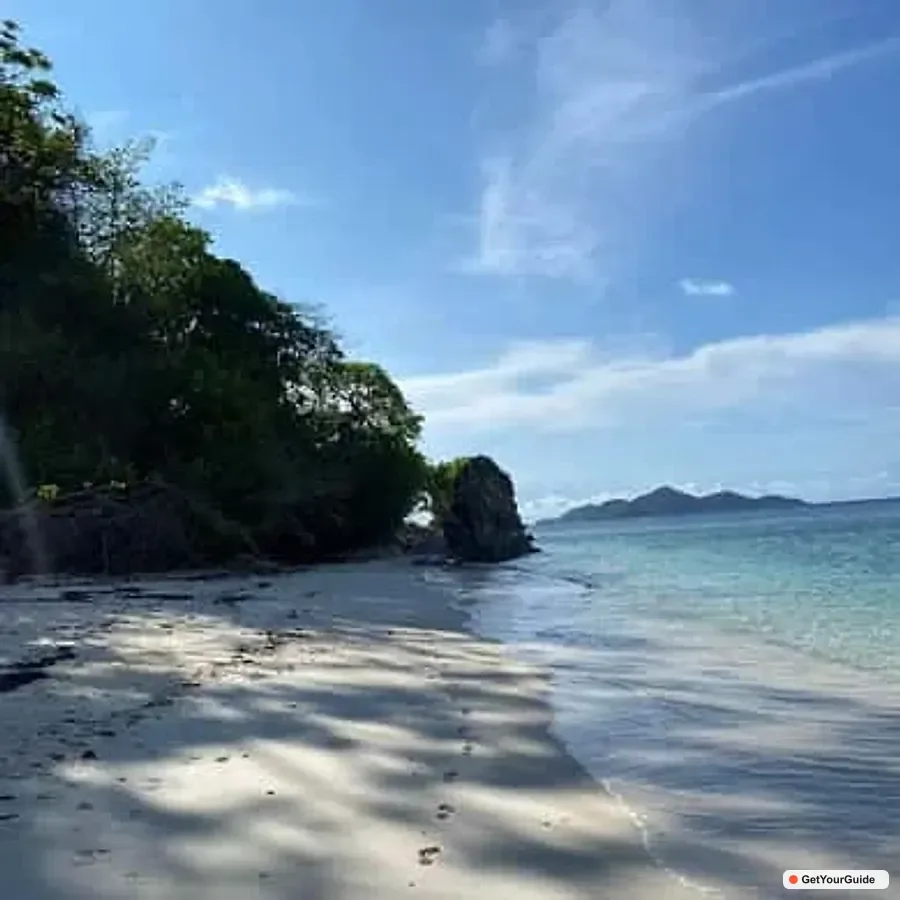
By late afternoon, when the boat turns south again toward Sibaltan and the light goes long and gold across the channel, you understand why people who find Linapacan tend to go quiet about it -- they would rather it stayed the way they found it. This is not the polished, sequenced, lagoon-by-lagoon experience of the famous tours. It is rawer, emptier, and more dependent on the weather and the sea. But that is exactly the trade: a little more effort and uncertainty in exchange for water so clear it barely looks real, a sandbar with no footprints but yours, and a grilled lunch eaten on an island that, for one day, belongs entirely to you. Go gently, and leave it as clean as you found it.
Good to know before you book
- Duration: typically a full day (around 8 to 10 hours including transfers), though half-day and multi-day options exist - check the listing.
- Best for: couples, families and first-time visitors.
- What is included: transport and a guide; check the listing for meals, gear and fees.
- Pickup: most tours offer hotel or central pickup; confirm your point and time when booking.
- Book through: the GetYourGuide button on this page, which shows live availability and pricing.
Frequently asked questions
How long does the Sibaltan & Linapacan Private Island Expedition take?
Most departures run as a full day - roughly 8 to 10 hours including pickup, travel and the activities themselves - so plan to set aside the whole day. Some operators offer shorter or private versions; the exact timing for your date is shown when you book through the GetYourGuide button on this page.
What is included in the Sibaltan & Linapacan Private Island Expedition?
Typically the price covers transport and a guide; check the listing for meals, gear and fees. Inclusions vary by operator, so always read the specific listing - it spells out exactly what is provided and what you pay for separately, such as entrance or environmental fees.
What should I bring?
Pack comfortable clothing, sunscreen, a hat, water and a little cash for fees and extras. It is also worth carrying some cash for local fees, drinks and tips, plus any personal medication, since card facilities can be limited outside the cities.
Is the Sibaltan & Linapacan Private Island Expedition suitable for beginners or families?
It suits a wide range of travellers; ask the operator about fitness or swimming requirements if you are unsure. If you have specific concerns about age, fitness or swimming ability, message the operator before booking - they can advise on the best option for your group.
When is the best time to do this tour?
The best conditions are usually the dry season from roughly November to May. That said, the Philippines is a year-round destination, and many of these experiences run in any season - just expect the occasional shower and check the forecast for the day.
How do I get to Linapacan?
To reach Linapacan, travel to Linapacan by the nearest airport or ferry and continue by road. Many tours include transfers from nearby towns or hotels, so confirm your pickup arrangement when you book so the day runs smoothly from the start.
Do I need to book the Sibaltan & Linapacan Private Island Expedition in advance?
Yes - booking ahead is strongly recommended, especially in the dry-season peak and on weekends, when popular tours and the best operators sell out. Reserving online also locks in your spot and lets you compare timings and inclusions easily.
How much does the Sibaltan & Linapacan Private Island Expedition cost?
Prices vary with the season, group size and exactly what is included, so we do not list a fixed figure here. Tap the GetYourGuide button on this page to see the current, accurate price and availability for your chosen date.
Can I do the Sibaltan & Linapacan Private Island Expedition as a private or customised tour?
Many operators offer a private version of this experience for couples, families or small groups who want a flexible pace and a guide to themselves, and some can tailor the route or add stops. If a private or custom option matters to you, check the listing or message the operator before booking, as availability and prices differ from the standard shared tour.
Ready to explore Linapacan?
From planning to the moment you arrive, the Sibaltan & Linapacan Private Island Expedition is one of the most rewarding ways to experience this corner of the Philippines - and booking it is simple. Use the GetYourGuide button on this page to check live availability, compare timings and secure your spot, then turn up and let the local guides handle the rest while you focus on the views, the water and the memories.

PANA.PH Editorial Team
Philippines travel desk
The PANA.PH travel desk researches, books and re-checks Philippines travel logistics — fares, ferry schedules, government fees and permit rules — and publishes what it can verify.
🏡 Real local stays (book direct)
Hand-picked homestays and guesthouses — book direct, no markup.
Browse all local stays →

🌊 Popular activities (book instantly)
Island hopping, canyoneering, whale sharks — real Klook/GetYourGuide options.
View all activities →