Ask any veteran expat where they would retire if money were a genuine consideration and the Philippines comes up again and again. Not as a compromise -- as a genuine first choice. Year-round warmth, a deeply welcoming culture, English spoken everywhere as an official language, world-class beaches within reach of budget flights, and a government program specifically designed to roll out the red carpet for foreign retirees. The Special Retirees Resident Visa, or SRRV, is one of the most generous long-stay visas in Asia -- and almost nobody outside the expat community knows it exists.
Retiring in the Philippines: Everything You Need to Know (2026 Complete Guide)
Trip.com
Search on Trip.comHotels in Philippines
Compare live prices via Travelpayouts — targeted for this guide.
This is the complete 2026 guide to retiring in the Philippines. We cover the SRRV in detail, realistic monthly budgets, the best cities and towns for retirees, healthcare realities, and the cultural nuances that will define your daily life.
Why the Philippines? The Honest Case
There are a dozen countries that market themselves to retirees. The Philippines earns its reputation for several interlocking reasons that are hard to find bundled together anywhere else.
Cost of Living 60-70% Lower Than the US or Europe
A retired couple living comfortably -- private apartment, air conditioning, eating out several times a week, occasional travel within the Philippines -- can do so for USD 1,500-2,500 per month combined. That same lifestyle in California or London would cost USD 6,000-10,000+. The savings are not marginal -- they are transformative. Your Social Security check covers a comfortable life. A modest pension covers a very good one.
Trip.com
See all tours in Philippines on Trip.comHiking tour in Philippines
Hand-picked experiences in Philippines — book on Trip.com with instant confirmation.

English Is Everywhere
The Philippines is one of the largest English-speaking countries on Earth by population. English has been an official language since the American colonial period and is the medium of instruction in secondary and higher education. You will never struggle to communicate with a doctor, lawyer, landlord, or government official. Menus are in English. Forms are in English. TV channels include American networks. This dramatically lowers the friction of daily life compared to retiring in, say, Thailand or Mexico.
Year-Round Warm Weather
Temperatures across most of the Philippines range from 24-34 degrees Celsius year-round. There is no winter. There are no heating bills. If you are currently living somewhere with brutal winters -- and paying the energy bills that go with them -- the Philippines eliminates that entirely. Yes, there is a rainy season and occasional typhoons, but with the right city choice (more on that below) you can minimize weather disruption significantly.
Filipino Cultural Warmth Toward Elders
Filipino culture has deep, genuine respect for older people. The term "po" and "opo" -- respectful suffixes added to sentences when speaking to elders -- are taught to children from the moment they learn to speak. Foreign retirees consistently report feeling welcomed, helped, and genuinely cared for in their communities. This is not tourist hospitality -- it is cultural DNA. Neighbors check in. Barangay (neighbourhood) officials know who you are. The isolation that plagues retirement in many Western countries is far less common here.
Large, Established Expat Communities
In cities like Dumaguete, Davao, and Cebu, you will find expat associations, social clubs, golf groups, dive clubs, and communities of people who have made exactly the same move you are considering. The knowledge network is extensive. Finding a trustworthy lawyer, doctor, or property manager is a matter of asking in the right Facebook group.
The SRRV: Special Retirees Resident Visa Explained
The SRRV is administered by the Philippine Retirement Authority (PRA) and is designed specifically for foreigners who want to make the Philippines a long-term or permanent home. Here is exactly how it works in 2026.
Who Qualifies?
The SRRV is available to foreign nationals aged 35 and older, though the most popular "Classic" variant requires age 50+. Former Filipino citizens (those who have naturalized elsewhere) qualify at any age. You must have no criminal record and be in generally good health.
The Required Deposit
The key requirement is a time deposit in a PRA-accredited bank (Philippine National Bank is the most commonly used). The amount depends on your age and whether you include a dependent spouse:
- Age 35-49 (SRRV Classic): USD 50,000 deposit
- Age 50+ without pension: USD 20,000 deposit
- Age 50+ with pension of at least USD 800/month: USD 10,000 deposit
- Former Filipino citizen: USD 1,500 deposit
This deposit stays in the bank earning interest (currently 2-4% annually at PNB). It is your money -- not a fee. You get it back if you ever choose to leave and surrender the visa. The interest income adds a small passive income stream on top.
What the SRRV Gives You
- Permanent resident status -- no need to renew year after year
- Multiple-entry privileges -- come and go freely
- Exemption from Bureau of Immigration exit clearances
- Duty-free import of household goods and personal effects on arrival
- Can convert deposit to a condominium purchase or long-term lease
- Spouse and unmarried children under 21 can be included as dependents (additional USD 15,000 for one dependent for the 50+ with pension tier)
How to Apply
You can apply at the Philippine Retirement Authority office in Makati (Manila) or through accredited PRA representatives abroad. The process typically takes 4-8 weeks. Required documents include passport, birth certificate, police clearance from your home country, health certificate, and bank statements showing source of funds. Budget PHP 10,000-15,000 in PRA processing fees.
Monthly Budget Reality: What Does Comfortable Cost?
Let's be specific. Here is what USD 1,000-1,500 per month covers for a single retiree living a comfortable but not extravagant life in a mid-tier city like Cebu or Davao:
- Rent (1BR modern apartment): PHP 15,000-20,000 (USD 260-350)
- Utilities (electricity, water, internet): PHP 5,000-7,000 (USD 85-120)
- Groceries: PHP 8,000-12,000 (USD 140-210)
- Eating out 3-4x per week: PHP 6,000-10,000 (USD 105-175)
- Grab (rideshare) and transport: PHP 3,000-5,000 (USD 50-85)
- Healthcare/medications: PHP 3,000-6,000 (USD 50-105)
- Entertainment, social, leisure: PHP 5,000-8,000 (USD 85-140)
Total: approximately USD 775-1,185/month. Add USD 200-300 for occasional domestic travel and you are at USD 1,000-1,500 comfortably. In Dumaguete or a smaller provincial city, these numbers drop by 20-30%.
Best Cities and Towns for Retirees
Dumaguete (Negros Oriental) -- The Expat Favourite
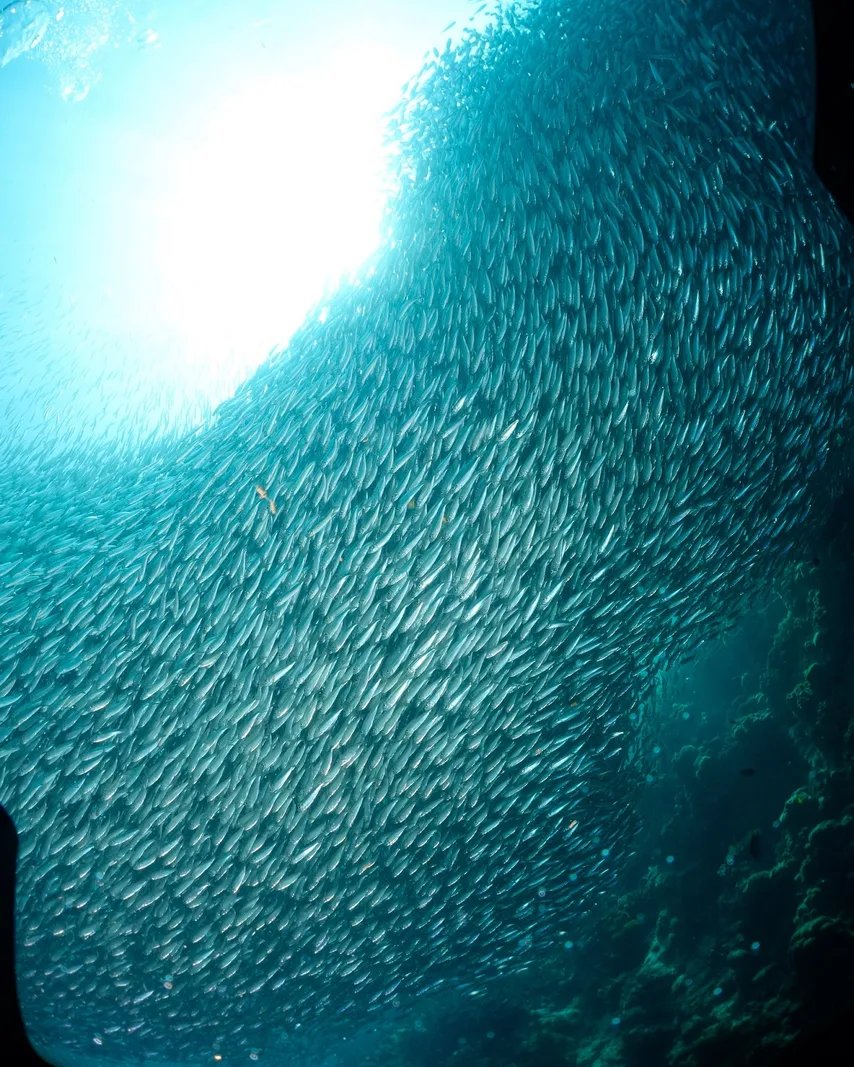
Dumaguete is consistently ranked the top retirement destination in the Philippines by expat publications, and the reputation is earned. It is small enough to feel like a community (population 130,000) but large enough to have good hospitals, reliable fiber internet, SM City mall, and daily flights to Cebu. The cost of living is among the lowest of any Philippine city with reliable expat infrastructure. Monthly rent for a comfortable 1BR runs PHP 6,000-15,000. Three universities give the city intellectual energy. Rizal Boulevard -- the sunset promenade -- is where expats gather in the evening. Apo Island, one of Asia's best dive sites for sea turtle encounters, is 30 minutes by boat.
Tagaytay (Cavite) -- Cool Climate Near Manila
At 700 metres elevation, Tagaytay sits 10 degrees cooler than Manila and offers views of Taal Volcano in its lake. It is 60-90 minutes from NAIA airport -- close enough for convenience, far enough to escape the city. It is a popular weekend destination for Manilenos, so it is not isolated. The trade-off is slightly higher costs than provincial cities and weekend crowds at restaurants.
Davao City -- The Safest Large City in the Philippines
Davao consistently ranks as the safest city in the Philippines -- crime rates are genuinely low, traffic is manageable compared to Manila, and the infrastructure is modern. Francisco Bangoy International Airport has flights to Manila, Cebu, Singapore, and other regional hubs. The city is close to Mt. Apo (the country's highest peak), white-water rafting on the Davao River, and the beaches of Samal Island (15 minutes by ferry). Durian is the local obsession -- you will either love it or learn to tolerate it.
Baguio City (Benguet) -- Cool Year-Round in the Highlands
The City of Pines sits at 1,540 metres and rarely exceeds 26 degrees Celsius -- genuinely jacket weather in January and February. For retirees who cannot tolerate heat, Baguio is a revelation. BenCab Museum, Burnham Park, the Session Road market culture, and the strawberry farms of nearby La Trinidad make for a stimulating retirement. The trade-off: the drive down to Baguio from Manila takes 5-6 hours on mountain roads, and there is no nearby beach.
Cebu City -- Best Infrastructure
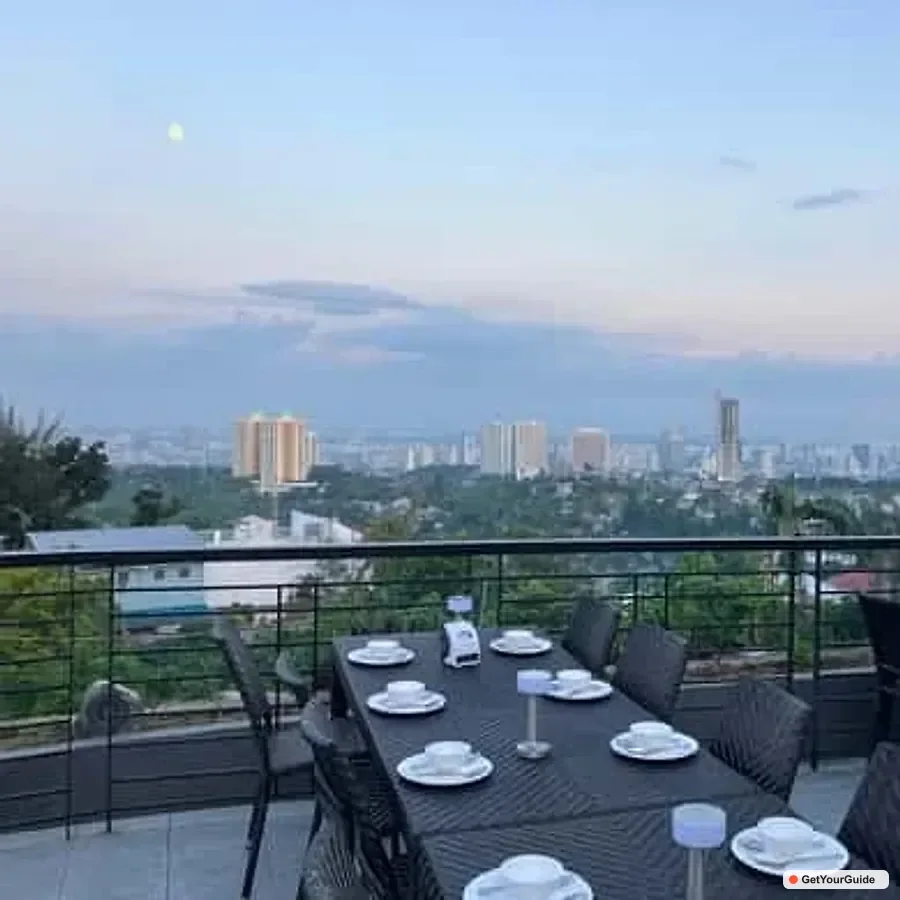
Cebu is the Philippines' second city and the most developed outside of Metro Manila. Mactan-Cebu International Airport is the country's second-busiest, with direct international routes to Japan, Korea, Singapore, Hong Kong, and Middle Eastern hubs. World-class hospitals (Chong Hua, Vicente Sotto, Perpetual Succour) provide medical care that compares favourably with regional neighbours. The Cebu metro area has multiple malls, international restaurants, an active expat community, and day-trip access to Bohol, Siargao, and Malapascua. Costs are higher than Dumaguete but lower than Manila.
Healthcare: What You Need to Know
Healthcare quality in the Philippines is city-dependent. In Metro Manila and Cebu City, private hospitals like Makati Medical Center, St. Luke's Medical Center (Taguig), and Chong Hua Hospital offer care that is genuinely world-class by regional standards -- with costs that are 60-80% lower than equivalent US care. An MRI scan that costs USD 1,500 in the US runs USD 150-250 in Manila. A specialist consultation is USD 25-50.
In provincial cities, quality varies. Dumaguete's Silliman Medical Center and Holy Child Hospital are well-regarded for a secondary city but have limits for complex procedures -- patients with serious conditions are referred to Cebu or Manila. This is a genuine consideration if you have chronic health conditions requiring specialist oversight.
SRRV holders can enroll in PhilHealth (the national health insurance scheme) for a modest annual premium. Most expats supplement this with international health insurance (AXA, Cigna, BUPA) running USD 100-300/month depending on age and coverage. The combination of PhilHealth plus private hospital cash pay rates makes healthcare very affordable for most conditions.
Frequently Asked Questions
Can foreigners own property in the Philippines?
Foreigners cannot own land in the Philippines -- this is constitutionally restricted to Filipino citizens. However, foreigners can own condominium units (as long as foreign ownership in the building does not exceed 40% of floor area). Many retirees structure a long-term lease (25 years, renewable for another 25) on a house and lot through a Filipino spouse or trusted partner. SRRV holders can also convert their required deposit into a condo purchase through PRA-accredited properties. Consulting a reputable Philippine lawyer before any property transaction is non-negotiable.
Do I need to learn Filipino (Tagalog)?
No -- and this is genuinely one of the Philippines' biggest advantages. English is an official language and is used in business, government, education, and daily commerce throughout the country. In major cities and tourist areas you may not encounter a situation where English fails you. That said, learning basic Tagalog or the local Visayan dialect (in Cebu, Dumaguete, and Davao) makes a remarkable difference in your social life and is deeply appreciated by Filipinos. Apps like Duolingo now include Filipino.
Is the Philippines safe for foreign retirees?
The Philippines has areas of genuine risk -- some parts of western Mindanao (particularly the Sulu archipelago and areas near the Maguindanao border) see conflict that makes them unsuitable for expat residence. However, the cities commonly recommended for retirement -- Dumaguete, Davao, Cebu, Baguio, Tagaytay -- are safe for daily life. Petty crime exists as in any country, and common-sense precautions apply. The Department of Foreign Affairs of your home country will have current travel advisories. Davao City in particular has a strong reputation for safety under its strict local governance tradition.
What happens to my SRRV deposit if I die?
The time deposit is your asset and passes to your estate according to Philippine inheritance law and the terms of your will. It is advisable to have a Philippine-registered will in addition to your home country will. The PRA can advise on the process for heirs to claim and repatriate the deposit. This is another area where consulting a Philippine lawyer early -- rather than later -- pays dividends.
Can my adult children visit me freely?
Yes. Your adult children can visit the Philippines under tourist visa rules -- most nationalities get 30 days on arrival, extendable to 59 days at Bureau of Immigration offices (PHP 3,030 for the first extension). Further extensions can take the stay to 36 months in total with regular renewals. If they want to work remotely from the Philippines long-term, the new Digital Nomad Visa (launched 2025) is the appropriate route. Your SRRV covers only you and any included dependents (spouse and unmarried children under 21).
The Bottom Line
Retiring in the Philippines in 2026 means accessing a permanent resident visa with a refundable deposit, a cost of living that makes a modest Western pension go very far, a culture that genuinely values its elderly population, and a landscape of islands, beaches, and mountains that make weekend escapes endlessly interesting. The infrastructure gaps are real -- road quality varies, power outages occur in some areas, and healthcare quality drops outside major cities. But for retirees who do their homework, choose their city carefully, and embrace the pace of Filipino life, the Philippines delivers something increasingly rare in the world: a genuinely affordable, warm, English-speaking place where retirement actually feels like retirement.
Book tours, hotels & stays in Retiring In Philippines Complete Guide
Top tours
- Boracay UFO Ride Water Adventure — PHP 858 · 5★
- California Breeze Campsite — PHP 891 · 5★
- Caliah Homes — PHP 1065 · 5★
- Home in Pagadian City near airport — PHP 1267 · 5★
- Dreamwave Hotel Polangui — PHP 1423 · 5★
- Manila All-Access Bar Crawl, Club and Rooftop Tour — PHP 1511 · 5★
Top hotels
- Ocam Ocam Casadyan Inn — PHP 715/night · 5★
- California Breeze Campsite — PHP 891/night · 5★
- Caliah Homes — PHP 1064/night · 5★
- Cabrera Haven Residences — PHP 1230/night · 5★
- Home in Pagadian City near airport — PHP 1267/night · 5★
Top stays
- California Breeze Campsite — PHP 891/night · 5★
- Caliah Homes — PHP 1065/night · 5★
- Home in Pagadian City near airport — PHP 1267/night · 5★
- Fnt Transient House Near Hundred Islands — PHP 1322/night · 5★
Sources
Primary references for the figures and rules in this guide. Fees and schedules change — check the source before you travel.

PANA.PH Editorial Team
Philippines travel desk
The PANA.PH travel desk researches, books and re-checks Philippines travel logistics — fares, ferry schedules, government fees and permit rules — and publishes what it can verify.
🏡 Real local stays (book direct)
Hand-picked homestays and guesthouses — book direct, no markup.
Browse all local stays →
🌊 Popular activities (book instantly)
Island hopping, canyoneering, whale sharks — real Klook/GetYourGuide options.
View all activities →