Contents
Overview
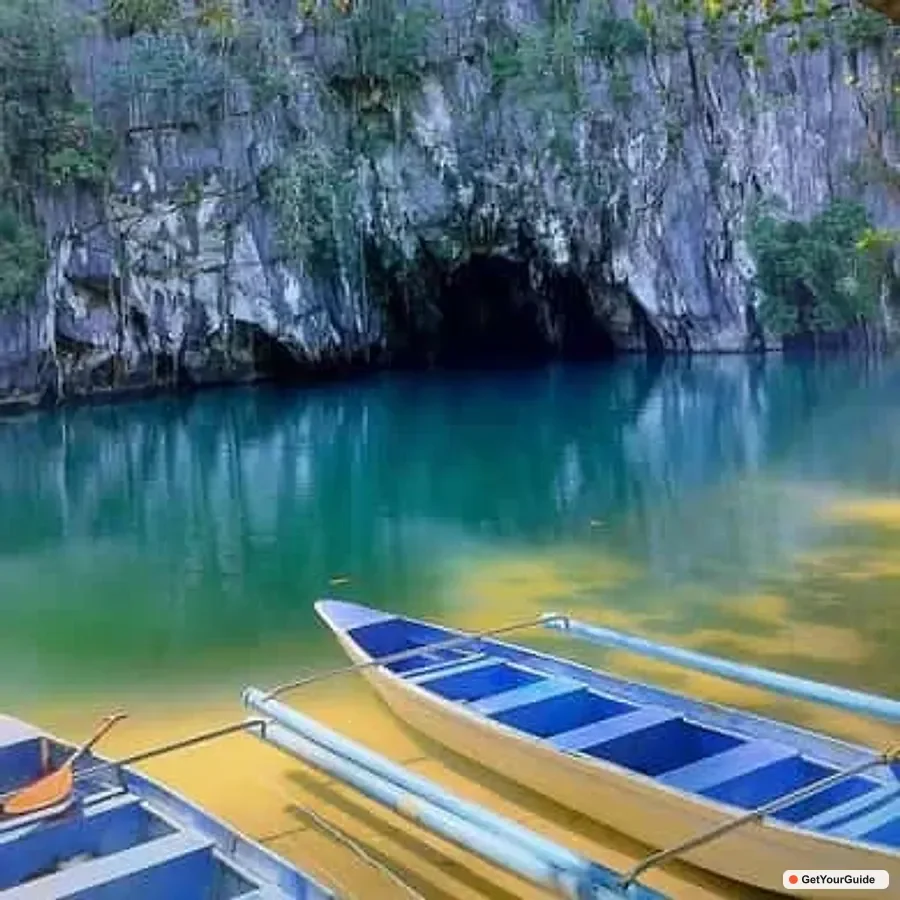
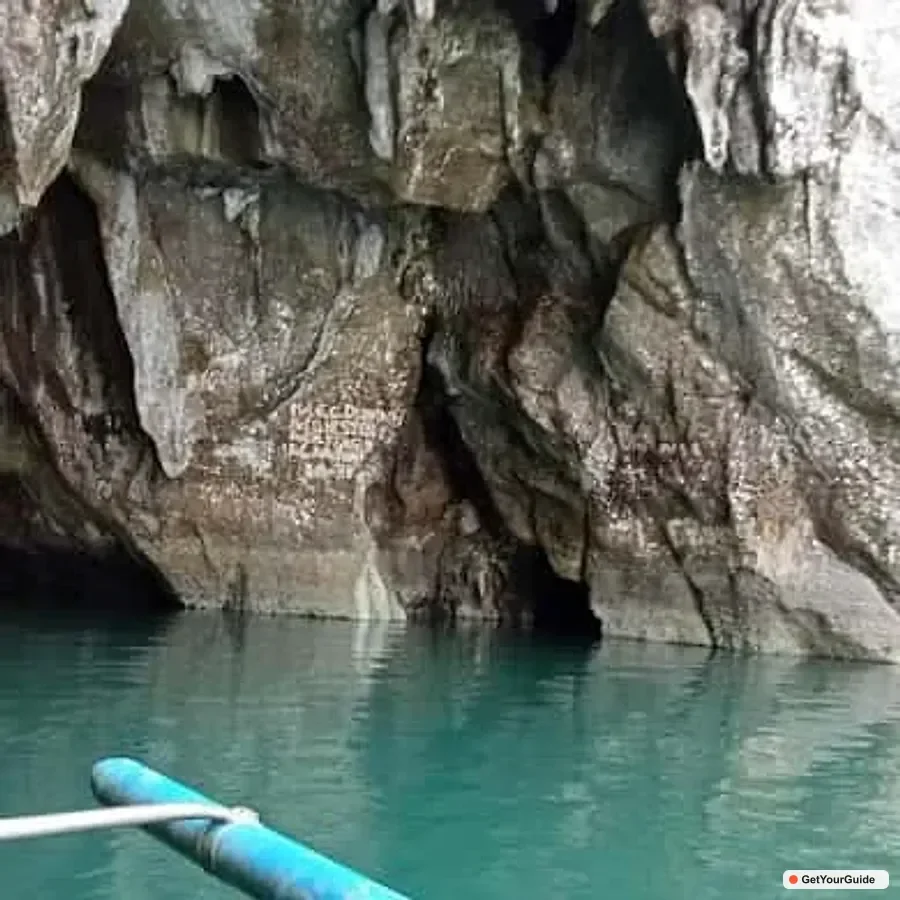
Explore the Puerto Princesa Underground River and admire the natural beauty of Palawan on a full-day trip. Sail along the world's longest navigable underground river and enjoy an authentic lunch.
Hotels in Puerto Princesa
Compare live prices via Travelpayouts — targeted for this guide.
Highlights
- Explore Puerto Princesa
- 2 pickup location options:Puerto Princesa International Airport, Puerto Princesa City
- Sabang WharfVisit (30 minutes)
- Other water transport(20 minutes)
- Puerto Princesa Subterranean River National ParkGuided tour (45 minutes)
- Other water transport(20 minutes)
- Sabang WharfLunch (1.5 hours)Sabang X ZiplineZipline (45 minutes)Optional, Extra feeMangrove Paddle Boat Tour Guide Association, Inc.Boat cruise (45 minutes)Optional, Extra fee
- Enjoy a day close to nature
What to expect
This activity is based in Puerto Princesa, Philippines, Philippines. The itinerary covers the key spots listed in the highlights, with local guides, transport, and necessary equipment usually included. Availability, weather conditions, and local rules may affect the exact stops.

Good to know before you book
- Duration: typically a full day (around 8 to 10 hours including transfers), though half-day and multi-day options exist - check the listing.
- Best for: couples, families and first-time visitors.
- What is included: transfers, boat rides, a guide, permits and often lunch; some areas charge a separate environmental fee.
- Pickup: most tours offer hotel or central pickup; confirm your point and time when booking.
- Book through: the GetYourGuide button on this page, which shows live availability and pricing.
Frequently asked questions
How long does the Puerto Princesa Underground River Full-Day Trip take?
Most departures run as a full day - roughly 8 to 10 hours including pickup, travel and the activities themselves - so plan to set aside the whole day. Some operators offer shorter or private versions; the exact timing for your date is shown when you book through the GetYourGuide button on this page.
What is included in the Puerto Princesa Underground River Full-Day Trip?
Typically the price covers transfers, boat rides, a guide, permits and often lunch; some areas charge a separate environmental fee. Inclusions vary by operator, so always read the specific listing - it spells out exactly what is provided and what you pay for separately, such as entrance or environmental fees.
Underground river tour in Puerto Princesa
Hand-picked experiences in Puerto Princesa — book on Trip.com with instant confirmation.
What should I bring?
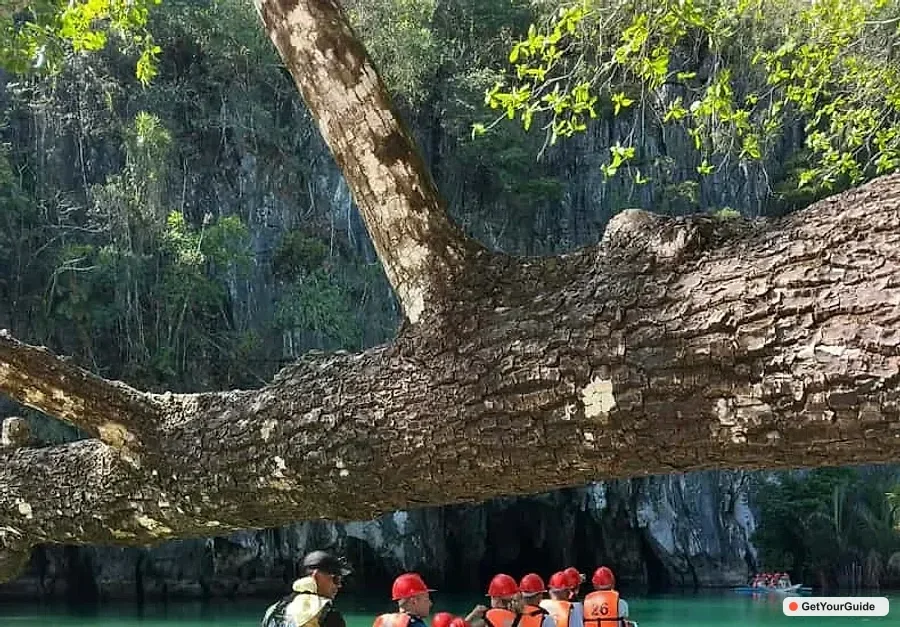
Pack a light jacket (the cave is cool), sunscreen and a hat for the boat ride and beach. Helmets are provided for the cave. It is also worth carrying some cash for local fees, drinks and tips, plus any personal medication, since card facilities can be limited outside the cities.
Is the Puerto Princesa Underground River Full-Day Trip suitable for beginners or families?
It is gentle and accessible for all ages and fitness levels - the cave is broad and open rather than tight, and you remain seated in the boat throughout. If you have specific concerns about age, fitness or swimming ability, message the operator before booking - they can advise on the best option for your group.
When is the best time to do this tour?
The best conditions are usually the dry season from late November to May, when seas are calmest and skies clearest. That said, the Philippines is a year-round destination, and many of these experiences run in any season - just expect the occasional shower and check the forecast for the day.
How do I get to Puerto Princesa?
To reach Puerto Princesa, fly into Puerto Princesa, El Nido or Coron (Busuanga) airport, then transfer by road or boat. Many tours include transfers from nearby towns or hotels, so confirm your pickup arrangement when you book so the day runs smoothly from the start.
Do I need to book the Puerto Princesa Underground River Full-Day Trip in advance?
Yes - booking ahead is strongly recommended, especially in the dry-season peak and on weekends, when popular tours and the best operators sell out. Reserving online also locks in your spot and lets you compare timings and inclusions easily.
How much does the Puerto Princesa Underground River Full-Day Trip cost?
Prices vary with the season, group size and exactly what is included, so we do not list a fixed figure here. Tap the GetYourGuide button on this page to see the current, accurate price and availability for your chosen date.
Can I do the Puerto Princesa Underground River Full-Day Trip as a private or customised tour?
Many operators offer a private version of this experience for couples, families or small groups who want a flexible pace and a guide to themselves, and some can tailor the route or add stops. If a private or custom option matters to you, check the listing or message the operator before booking, as availability and prices differ from the standard shared tour.
What else is worth doing around Puerto Princesa?
Puerto Princesa rewards travellers who linger. Beyond the Puerto Princesa Underground River Full-Day Trip, set aside time for the local beaches, markets, food and viewpoints, and ask your guide or host for their personal favourites - the small, lesser-known spots rarely make the guidebooks. Pairing this experience with a day at a slower pace, plus one of the other tours and activities we feature in the area, turns a single outing into a genuinely memorable trip and gives you the full flavour of this part of the Philippines.
Ready to explore Puerto Princesa?
From planning to the moment you arrive, the Puerto Princesa Underground River Full-Day Trip is one of the most rewarding ways to experience this corner of the Philippines - and booking it is simple. Use the GetYourGuide button on this page to check live availability, compare timings and secure your spot, then turn up and let the local guides handle the rest while you focus on the views, the water and the memories.

Real local stays (book direct)
Hand-picked homestays and guesthouses — book direct, no markup.

Popular activities (book instantly)
Island hopping, canyoneering, whale sharks — real Klook/GetYourGuide options.
Plan your Philippines trip