Contents
- 1The geology that built this playground
- 2Coron Island and the Tagbanua
- 3What you actually see and do, stop by stop
- 4Maquinit Hot Spring, the perfect ending
- 5Practical tips from someone who has done this many times
- 6Why it stays with you
- 7Good to know before you book
- 8Frequently asked questions
- 9Ready to explore Balabac?
There is a moment, somewhere out on the water between the limestone cliffs of Coron, when the engine cuts and the only sound left is the lap of turquoise against the hull. The cliffs rise straight out of the sea like the spines of some sleeping animal, draped in green, and the water below shifts from jade to a clear, impossible blue. This is Coron, the rugged northern tip of Palawan, and there is nowhere quite like it in the Philippines. A private island-hopping tour here, one that strings together a hidden lagoon, a cool cave, and a steaming hot spring, is the kind of day that recalibrates what you thought a beach trip could be.
Hotels in Philippines
Compare live prices via Travelpayouts — targeted for this guide.
Going private changes the rhythm of the day entirely. Instead of racing a flotilla of group boats to the same crowded photo spots, you set your own pace, linger where you love a place, and skip what does not move you. Your boatman and guide work for your group alone, which means you can chase the light, time the tides, and reach the famous lagoons before the joining tours arrive.
The geology that built this playground
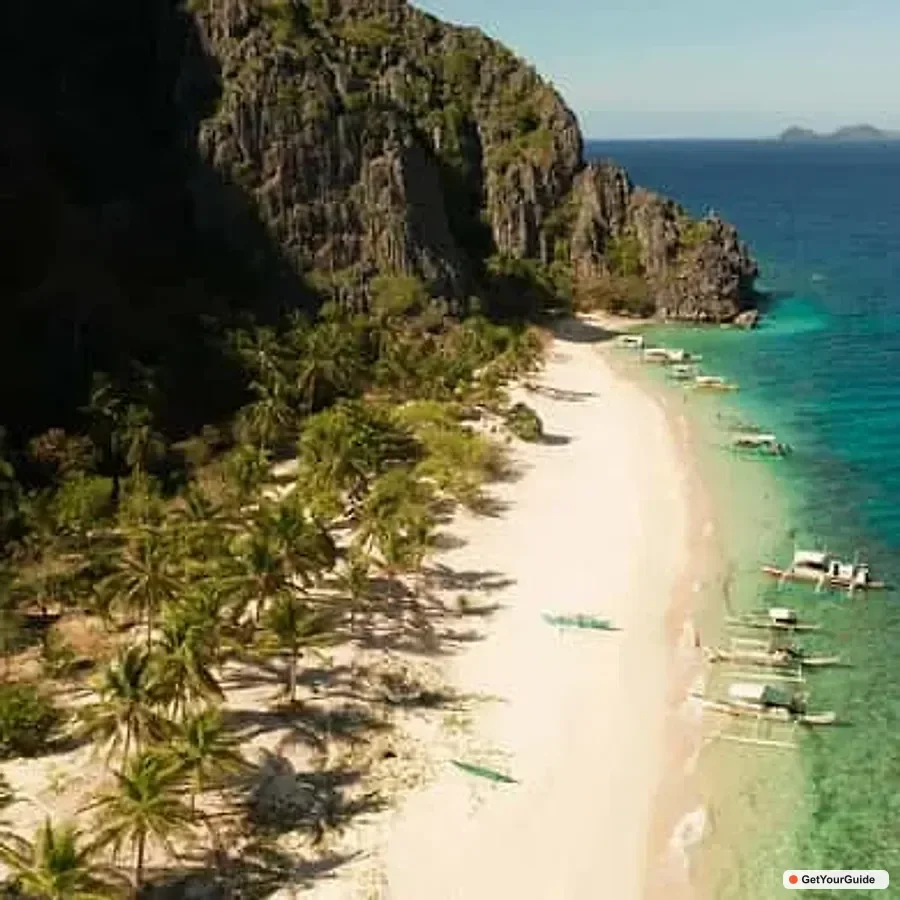
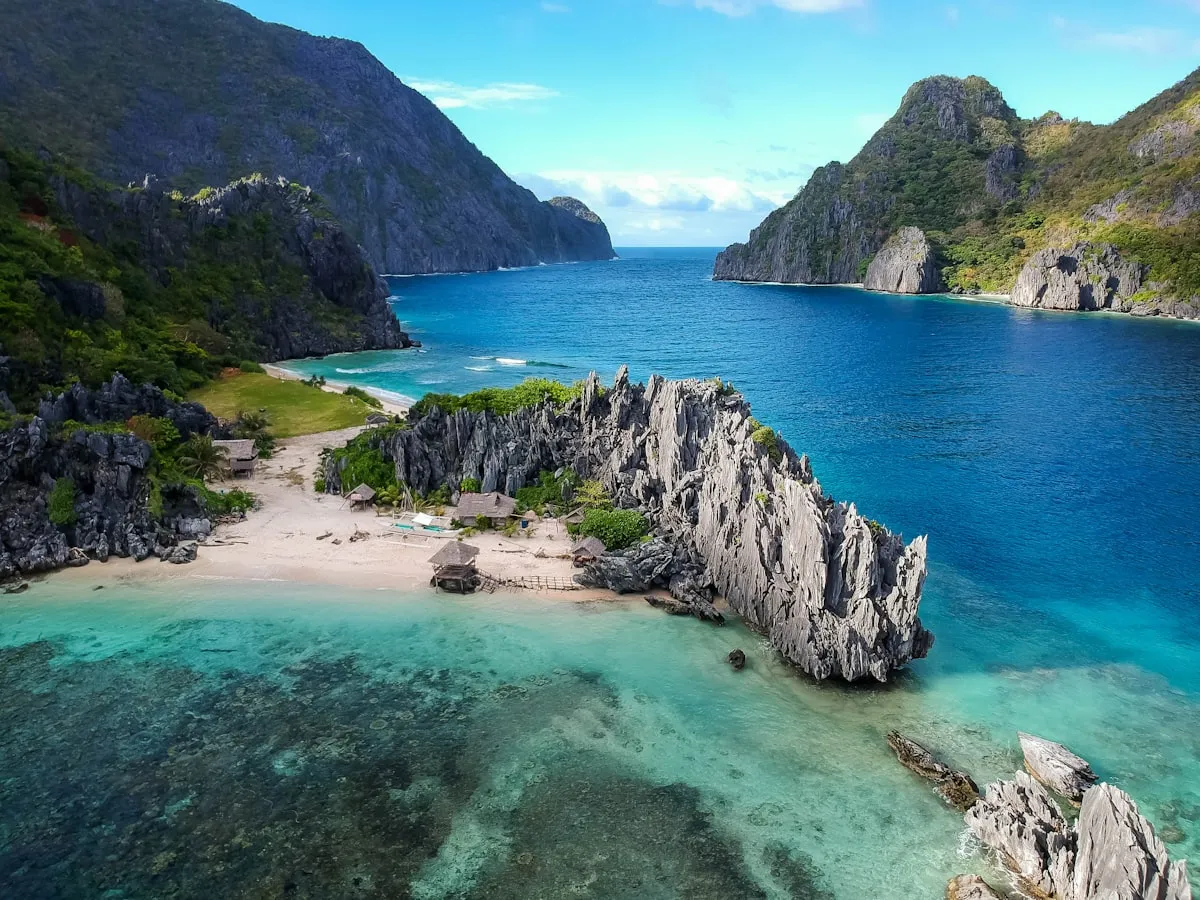
Coron's drama is written in limestone. The towering karst cliffs around Coron Island and Coron town are ancient marine sediment, sea creatures and coral compressed into rock over millions of years, then thrust upward and sculpted by rain and the slightly acidic action of water over enormous spans of time. That same chemistry hollowed out the caves and carved the steep-walled lagoons. Coron Island itself is essentially a fortress of these jagged peaks, with the karst riddled by sinkholes and hidden chambers.
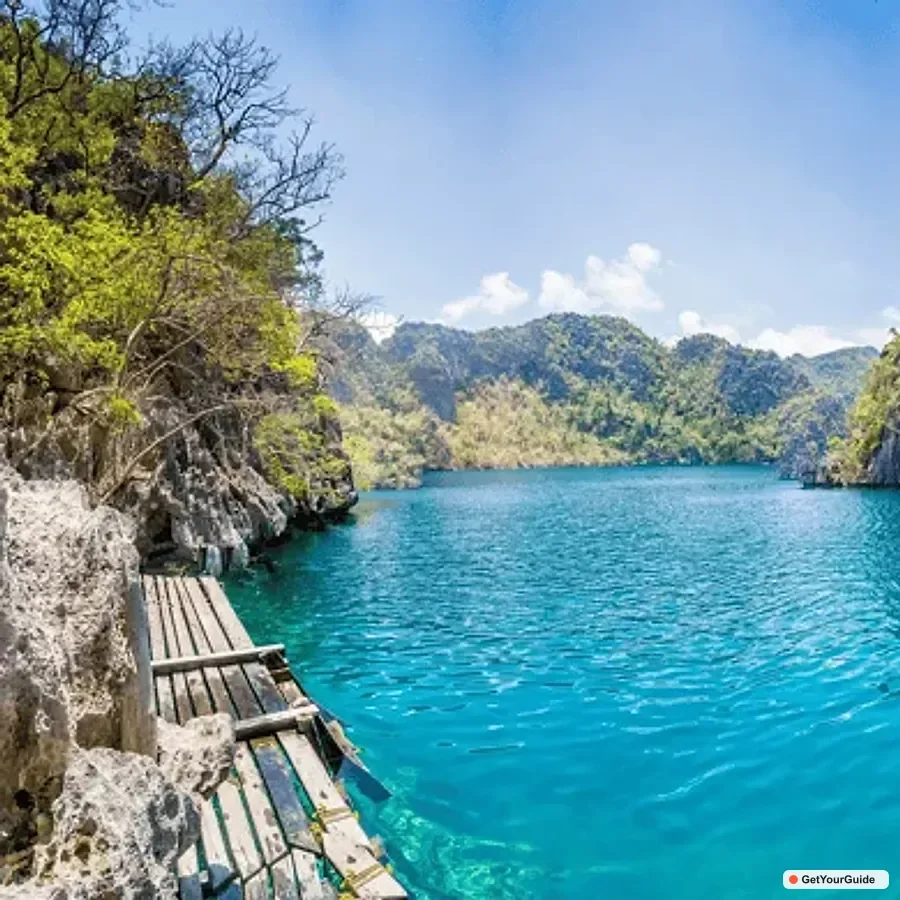
Tucked inside this rock are Coron's most famous features: the inland lakes. Kayangan Lake and Barracuda Lake sit in basins ringed by cliffs, and they are remarkable for being meromictic, meaning their layers of fresh and salt water do not fully mix. Barracuda Lake, in particular, is beloved by divers for its strange thermoclines, places where you can swim from cool water into a sudden warm pocket, a quirk of geology you can feel on your own skin.
Island hopping in Philippines
Hand-picked experiences in Philippines — book on Trip.com with instant confirmation.
Coron Island and the Tagbanua
It is important to know whose home this is. Coron Island is ancestral domain of the Tagbanua, one of the oldest indigenous peoples in the Philippines. The lakes, cliffs, and sacred sites are managed by the Tagbanua community, who hold a Certificate of Ancestral Domain Title over the island and surrounding waters. Many areas remain closed to outsiders entirely because they are sacred. The fees you pay at Kayangan and other sites support this stewardship, and the relative health of Coron's waters owes a great deal to Tagbanua guardianship. Travel here with that awareness, and the day becomes richer for it.
What you actually see and do, stop by stop
Every private itinerary differs, but a strong cave-and-hot-spring day usually weaves together a version of these stops:
- Kayangan Lake is often called the cleanest lake in the Philippines, and after a short but steep climb up a stone stairway, you reach the viewpoint that launched a thousand postcards: the curving lagoon, the gap in the cliffs, the bancas resting on glass-clear water far below. Down the other side, you swim in cool, brackish water beneath limestone walls.
- Twin Lagoon is pure theatre. At low tide you duck under a gap in the rock; at high tide you climb a small ladder over the limestone wall. On the far side, a hidden lagoon opens up, and where the cold seawater meets warmer surface water you feel shimmering, blurry layers as you swim, an effect caused by waters of different temperatures and salinities meeting.
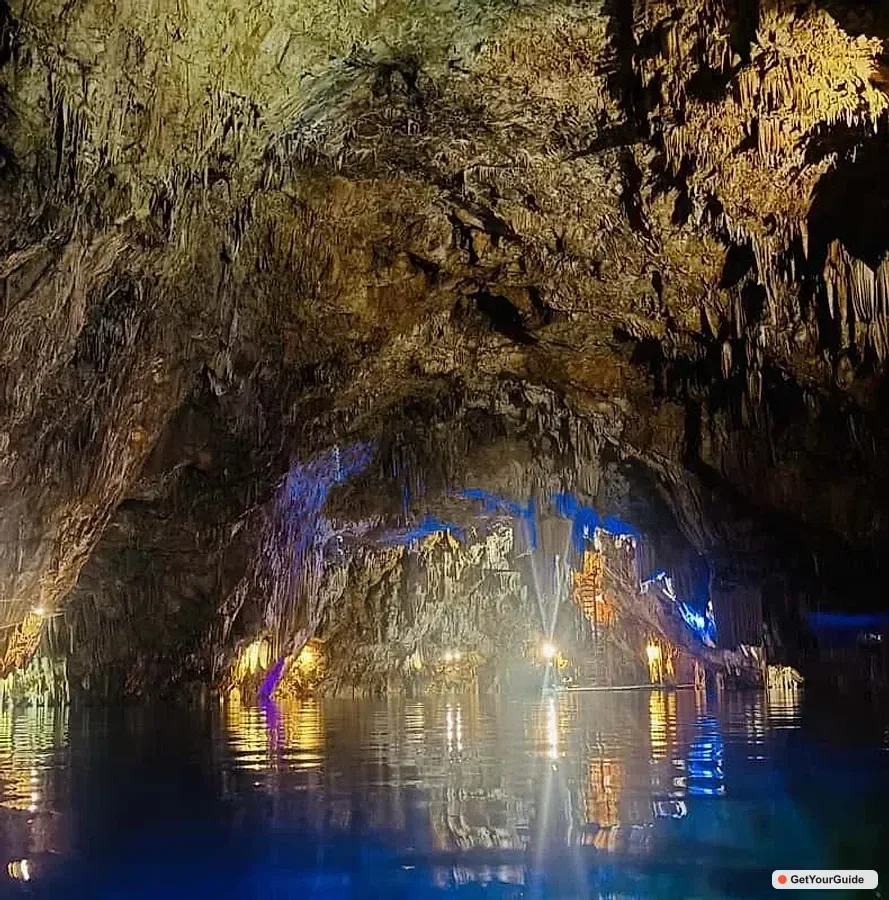
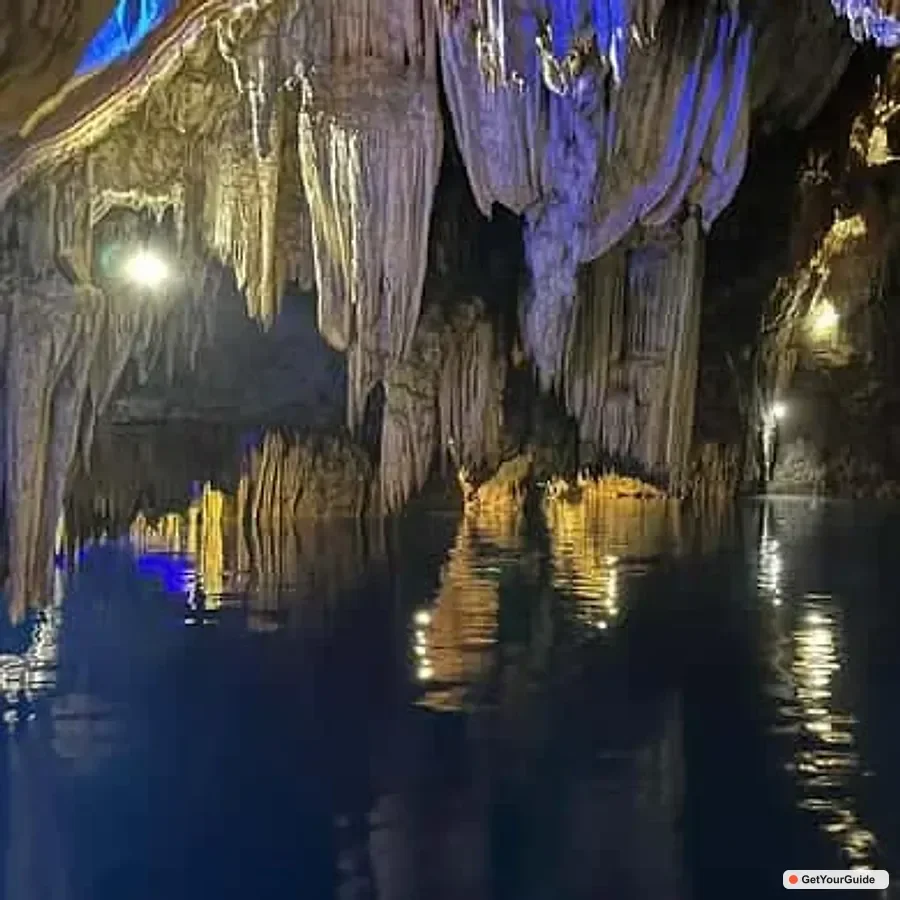
- A cave stop brings you into the cool, echoing dark of the limestone. Depending on the route this may be a sea-level cavern you swim or wade into, where stalactites and shafts of light turn the rock into something cathedral-like. Footing can be slick, so move slowly and follow your guide.
- Reef and wreck snorkeling. Coron is world-famous for the Japanese WWII shipwrecks sunk in 1944, some shallow enough that snorkelers can glimpse coral-encrusted hulls beneath them; deeper wrecks are reserved for divers. Coral gardens like those around Siete Pecados teem with reef fish.
- Beach time at a quiet cove or sandbar, the kind of place a private boat can reach while the crowds are elsewhere.
Maquinit Hot Spring, the perfect ending
What sets this tour apart from a standard island hop is its finale on land: Maquinit Hot Spring, one of very few saltwater hot springs in the world. Heated geothermally, the water sits at a soothing warmth, often cited around the high 30s to low 40s Celsius, and the spring is fed by the sea, so it is saline rather than fresh. Set among mangroves a short drive from Coron town, it is best at the end of the day. Slipping into that warm, mineral-rich water as the light fades, salt still on your skin from the sea, is the kind of slow, restorative pleasure that lingers long after the trip.
Practical tips from someone who has done this many times
- Best time to go: The dry season, roughly late November to May, gives the calmest seas and clearest water. March to May is hottest and busiest. The wetter months can still deliver beautiful days, but plans flex with the weather. Always start early; a private boat lets you reach Kayangan or Twin Lagoon before the group flotillas.
- How strenuous: Moderate. The Kayangan viewpoint climb is short but steep, with uneven stone steps. Most of the day is swimming and easy walking. You do not need to be a strong swimmer for the lakes if you wear a life vest, which is standard.
- What to bring: Reef-safe sunscreen (regular sunscreen is discouraged or banned at the lakes to protect the water), a rash guard for sun protection, water shoes or sturdy sandals for slick rock, a dry bag, a towel, and cash for entrance and environmental fees, which are collected on-site and are separate from your tour cost. Bring a swimsuit you can hop straight into.
- Typically included: Private boat with crew, life vests and snorkeling gear, a Filipino lunch often cooked or served onboard, and town transfers. Confirm whether park and terminal fees are included or paid separately.
- Duration: Plan on a full day, commonly around eight to nine hours from pickup to the hot spring finale.
- Responsible travel: Do not touch or stand on coral, take only photos, follow the no-sunscreen rules at the lakes, and respect the Tagbanua sites and any areas marked off-limits. The crowds Coron now draws put real pressure on these waters, so the quieter, lower-impact path a private tour allows is also the kinder one.
Why it stays with you
Plenty of places in the world have clear water and pretty cliffs. What makes Coron different is the way the day stacks its wonders: a sacred lake hidden behind a stone stairway, a lagoon you reach only by ducking through rock, the cool hush of a cave, and finally a warm saltwater spring to soak away the salt and the miles. Do it privately, at your own pace, and you do not just see Coron, you settle into it. By the time you are easing into Maquinit's warm water at dusk, the cliffs going purple against the sky, you understand why people who come here once spend years plotting their return.
Good to know before you book
- Duration: typically a full day (around 8 to 10 hours including transfers), though half-day and multi-day options exist - check the listing.
- Best for: couples, families and first-time visitors.
- What is included: the boat, life vests, snorkelling gear, a guide and usually lunch; island entrance and environmental fees may be paid locally.
- Pickup: most tours offer hotel or central pickup; confirm your point and time when booking.
- Book through: the GetYourGuide button on this page, which shows live availability and pricing.
Frequently asked questions
How long does the Coron Private Island Hopping, Cave & Hot Spring Tour take?
Most departures run as a full day - roughly 8 to 10 hours including pickup, travel and the activities themselves - so plan to set aside the whole day. Some operators offer shorter or private versions; the exact timing for your date is shown when you book through the GetYourGuide button on this page.
What is included in the Coron Private Island Hopping, Cave & Hot Spring Tour?
Typically the price covers the boat, life vests, snorkelling gear, a guide and usually lunch; island entrance and environmental fees may be paid locally. Inclusions vary by operator, so always read the specific listing - it spells out exactly what is provided and what you pay for separately, such as entrance or environmental fees.
What should I bring?
Pack swimwear, reef-safe sunscreen, a hat, a towel, water shoes for rocky landings and a waterproof pouch for your phone. It is also worth carrying some cash for local fees, drinks and tips, plus any personal medication, since card facilities can be limited outside the cities.
Is the Coron Private Island Hopping, Cave & Hot Spring Tour suitable for beginners or families?
It is suitable for almost everyone, including families and non-swimmers, thanks to life vests and calm, sheltered water at most stops. There is plenty of time to simply relax on the sand. If you have specific concerns about age, fitness or swimming ability, message the operator before booking - they can advise on the best option for your group.
When is the best time to do this tour?
The best conditions are usually the dry season from roughly November to May. That said, the Philippines is a year-round destination, and many of these experiences run in any season - just expect the occasional shower and check the forecast for the day.
How do I get to Balabac?
To reach Balabac, travel to Balabac by the nearest airport or ferry and continue by road. Many tours include transfers from nearby towns or hotels, so confirm your pickup arrangement when you book so the day runs smoothly from the start.
Do I need to book the Coron Private Island Hopping, Cave & Hot Spring Tour in advance?
Yes - booking ahead is strongly recommended, especially in the dry-season peak and on weekends, when popular tours and the best operators sell out. Reserving online also locks in your spot and lets you compare timings and inclusions easily.
How much does the Coron Private Island Hopping, Cave & Hot Spring Tour cost?
Prices vary with the season, group size and exactly what is included, so we do not list a fixed figure here. Tap the GetYourGuide button on this page to see the current, accurate price and availability for your chosen date.
Can I do the Coron Private Island Hopping, Cave & Hot Spring Tour as a private or customised tour?
Many operators offer a private version of this experience for couples, families or small groups who want a flexible pace and a guide to themselves, and some can tailor the route or add stops. If a private or custom option matters to you, check the listing or message the operator before booking, as availability and prices differ from the standard shared tour.
Ready to explore Balabac?
From planning to the moment you arrive, the Coron Private Island Hopping, Cave & Hot Spring Tour is one of the most rewarding ways to experience this corner of the Philippines - and booking it is simple. Use the GetYourGuide button on this page to check live availability, compare timings and secure your spot, then turn up and let the local guides handle the rest while you focus on the views, the water and the memories.

Real local stays (book direct)
Hand-picked homestays and guesthouses — book direct, no markup.
Popular activities (book instantly)
Island hopping, canyoneering, whale sharks — real Klook/GetYourGuide options.
Plan your Philippines trip