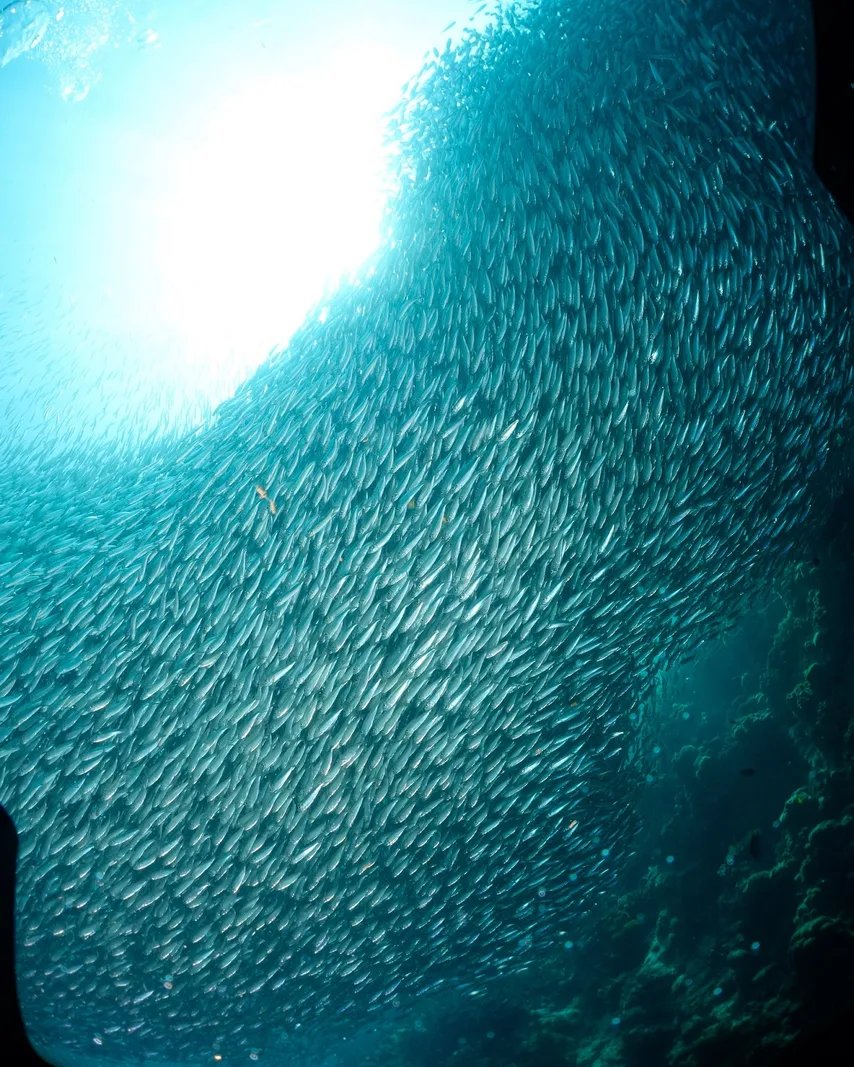
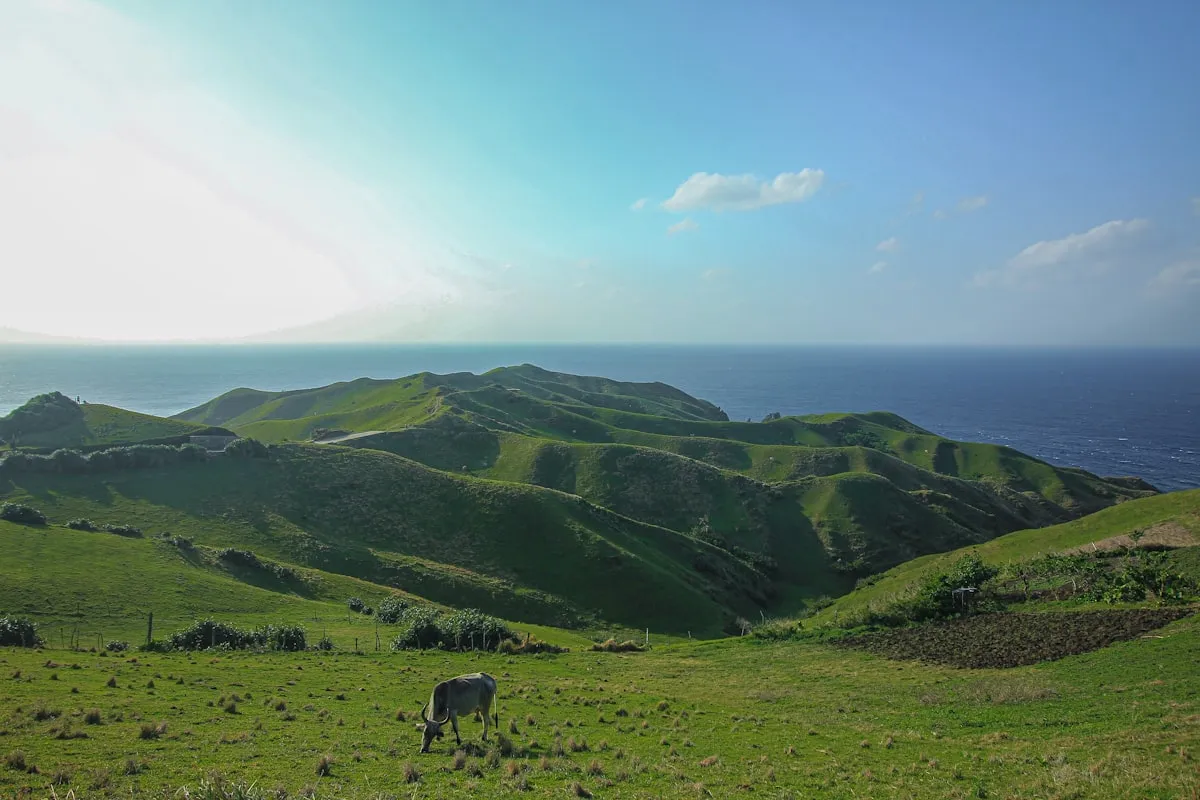
There is a moment, somewhere between Coron Town's busy little port and the first jagged wall of grey limestone rising out of the water, when the engine eases off and the whole boat goes quiet. The sea changes colour beneath you, from deep navy to a green so clear you can count the coral heads. Towering karst cliffs lean over hidden lagoons, their cracks stuffed with stubborn trees. This is Coron, in the Calamian Islands of northern Palawan, and a private boat hire is the way to meet it on your own terms: no crowded group banca, no fixed timetable, just you, a local boatman who knows these waters by heart, and a day shaped around what you actually want to see.
Coron Private Boat Hire with Guided Tour & Beach Lunch - Guide
Trip.com
Search on Trip.comHotels in Philippines
Compare live prices via Travelpayouts — targeted for this guide.
Hiring a private boat with a guide and a beach lunch turns Coron from a checklist into a story. You choose the pace. You linger at the lagoon nobody else has reached yet. You eat grilled fish with your feet in the sand while your crew tells you which island has the best snorkelling that particular morning, depending on tide and wind. That flexibility is the whole point, and it is what makes this one of the most rewarding ways to experience one of the Philippines' most photographed seascapes.
The geology: why Coron looks like nowhere else
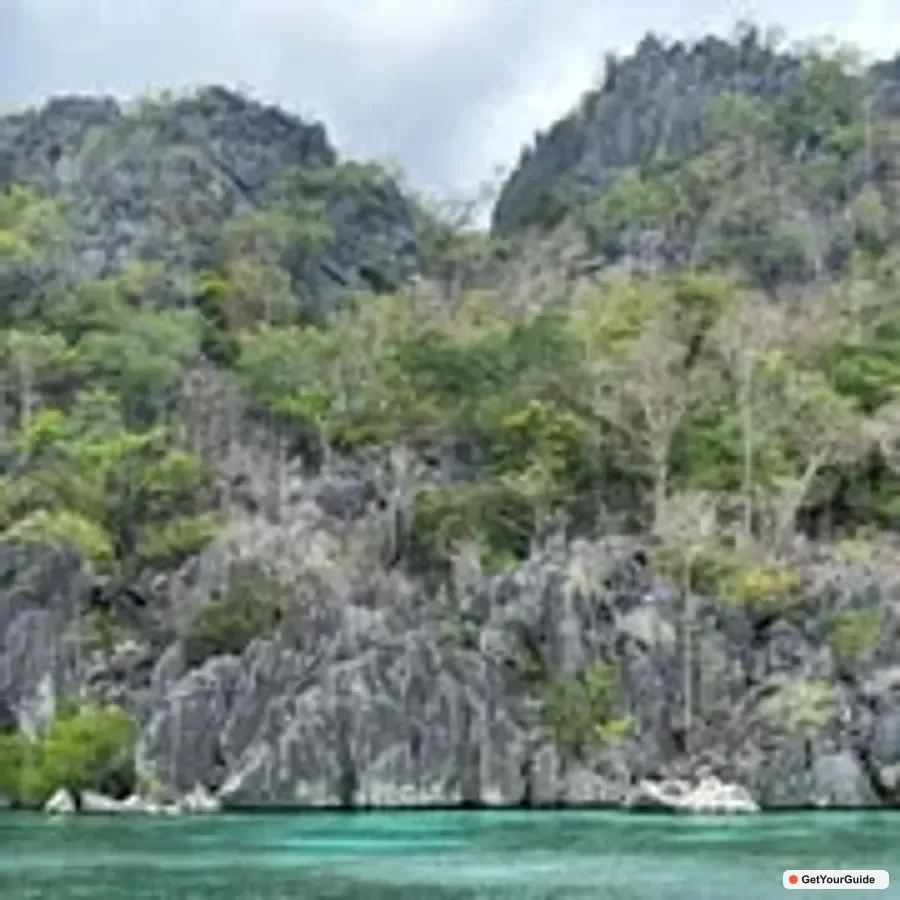
Those dramatic cliffs are not just scenery; they are the reason Coron exists. The most striking karst is concentrated on Coron Island itself, a rugged landmass of weathered limestone that rises in sheer, blade-like ridges straight from the sea. The rock is ancient marine limestone, built up over millions of years from the shells and skeletons of sea creatures, then uplifted and sculpted by rain and slightly acidic water that slowly dissolves the stone. Over geological time this carved the deep fissures, sinkholes, sharp pinnacles, and hidden inner basins you see today, a textbook example of tropical karst.
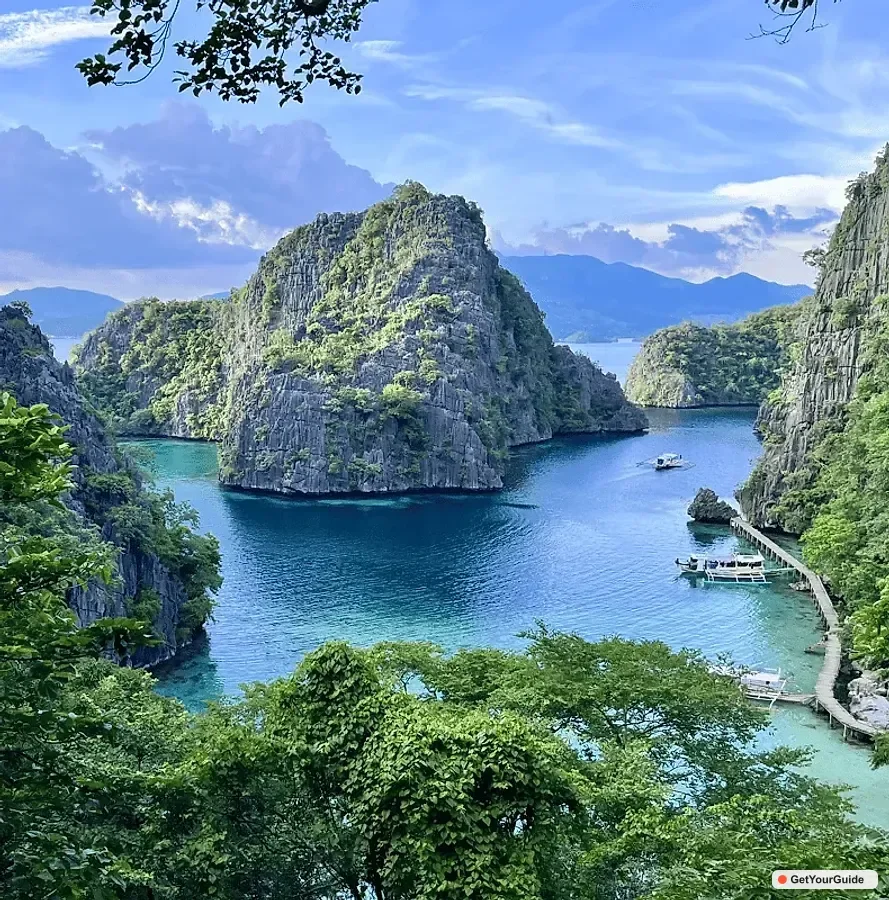
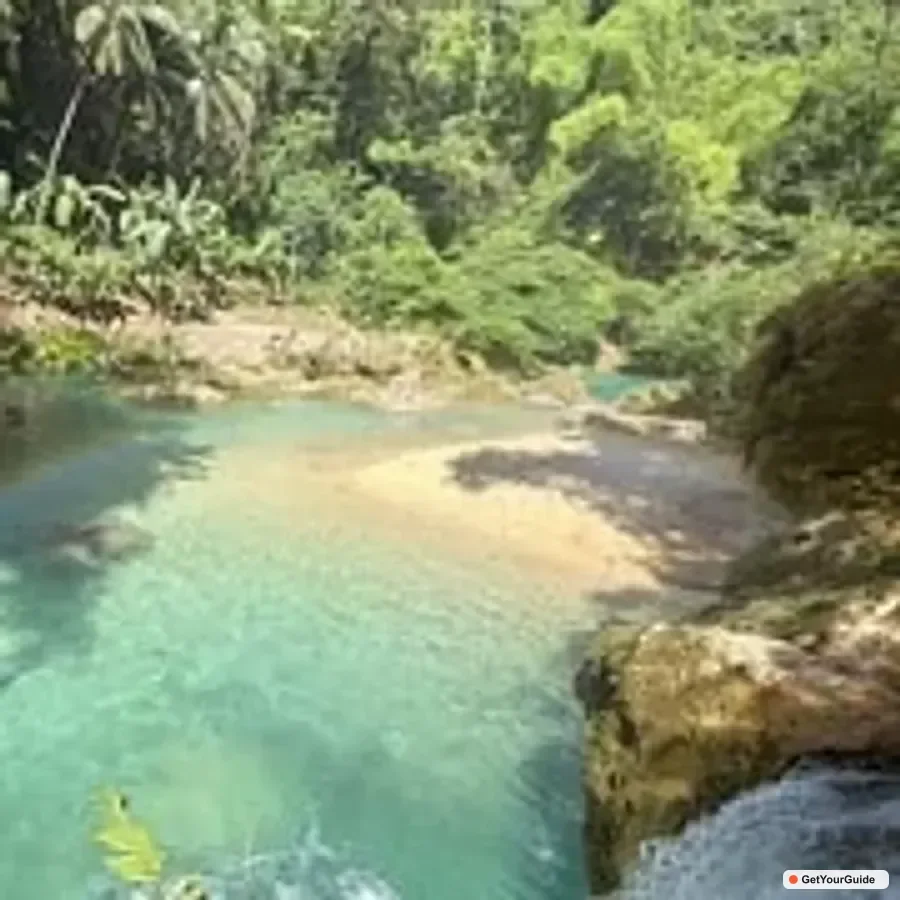
That same dissolving process created Coron's famous enclosed lagoons and lakes. Twin Lagoon and Kayangan Lake sit inside the island's limestone walls, fed by a mix of fresh rainwater and seawater seeping through the porous rock. Kayangan Lake is regularly described as one of the cleanest lakes in the Philippines, and standing on its rim you can see why: the water is astonishingly clear, ringed by cliffs and submerged rock formations that plunge into the green. In some spots, layers of cooler fresh water sit over warmer salt water, and you can feel the temperature shift and see the shimmering blur where they meet, a halocline. It is a genuinely strange and beautiful sensation to swim through.
Trip.com
See all tours in Philippines on Trip.comTours & activities in Philippines
Hand-picked experiences in Philippines — book on Trip.com with instant confirmation.
Stop by stop: what a private Coron day looks like
The beauty of a private charter is that no two days are identical, but a classic Coron loop usually weaves together several of these highlights, and your guide will sequence them to dodge the crowds and catch the best light.
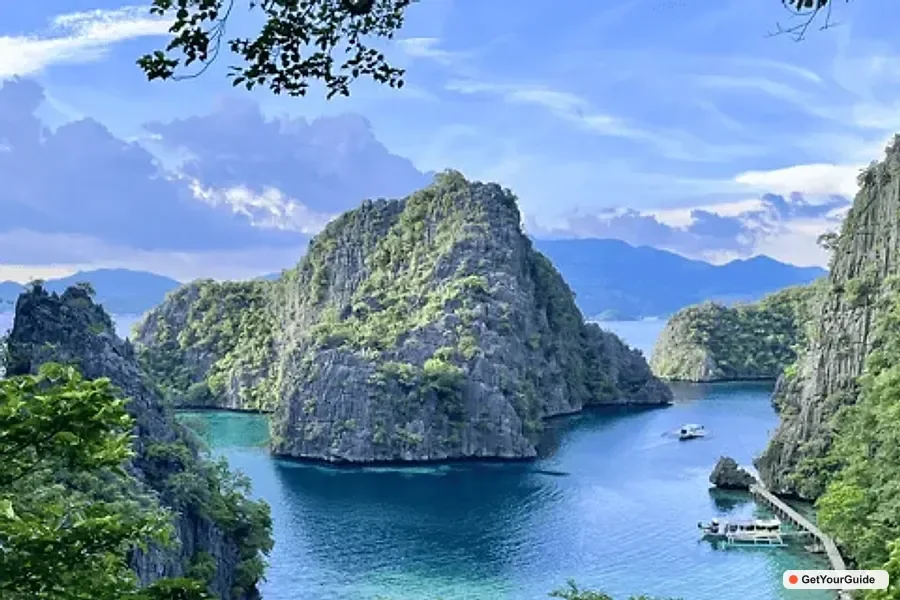
- Kayangan Lake often comes first, early, before the day boats arrive. After docking you climb a short flight of stone-and-wood steps to the viewpoint that produces Coron's signature postcard shot, the lake cradled by limestone, then descend to swim in the cool, glassy water.
- Twin Lagoon is pure theatre: you enter a hidden inner lagoon either by ducking under a low limestone arch at the right tide or climbing over a small ladder, emerging into a still, cliff-walled pool where you can feel the fresh-and-salt water layers against your skin.
- Snorkelling reefs and shipwrecks. Coron Bay is famous among divers for a fleet of Japanese WWII wrecks sunk in 1944; several lie shallow enough that snorkellers can see the ghostly outlines and the coral and fish that have reclaimed them. Reefs like those around Siete Pecados teem with clouds of reef fish.
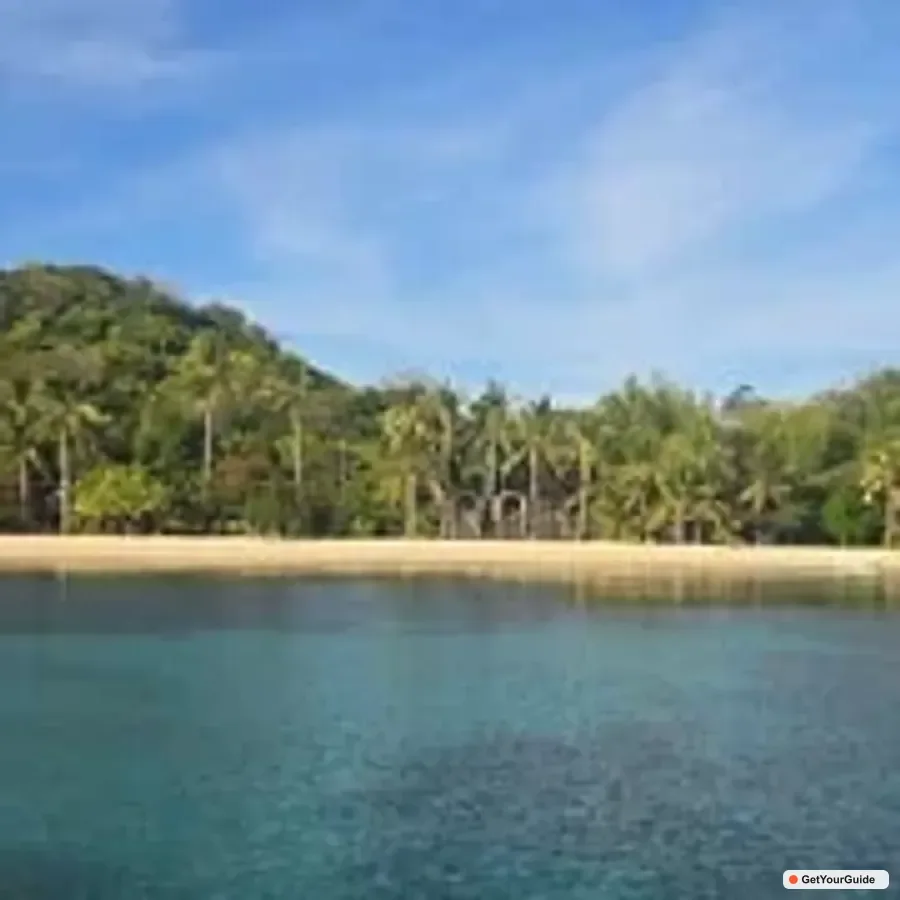
- Beaches and sandbars. Spots such as Banana Island, Malcapuya, or one of the quieter coves are where your beach lunch usually happens, white sand, shallow turquoise water, and shade under the trees.
- Hidden pools and reefs that only a private boat has time for, the places your guide saves for when the group tours have moved on.
Lunch is a real highlight rather than an afterthought. A typical beach spread is freshly grilled fish, chicken or pork, rice, a chopped fruit platter of mango, banana, and pineapple, and cold water, cooked or laid out by your crew and eaten on the sand. Tell your operator in advance about any allergies or vegetarian needs; on a private boat they can almost always adjust.
The culture and why it matters
Coron Island is not an empty wilderness, and a good guide will make sure you understand that. It is the ancestral domain of the Tagbanua, one of the oldest indigenous peoples in the Philippines. They hold recognised rights over the island and its lakes, and they are the stewards who decide which areas visitors may enter and which remain sacred and closed. Several lakes on the island are off-limits entirely out of respect for Tagbanua beliefs and to protect the fragile ecosystems. The modest entrance and environmental fees you pay at sites like Kayangan Lake help support this community-led conservation. Travelling here responsibly means treating these as living, protected places, not just a backdrop.
That stewardship is a big reason Coron's water has stayed so clear while other destinations have degraded. When you respect the rules, reef-safe sunscreen, no touching coral, no standing on the wrecks, no littering, you are taking part in a conservation model that actually works because the people who live here run it.
Practical tips from someone who has done it
- Best time of year: The dry season, roughly late November through May, brings the calmest seas and most reliable sunshine. The wettest, windiest months are typically around June to October, when trips can be cancelled for safety. March to May is peak for clear water but also the hottest and busiest.
- Best time of day: Start early. A private boat's superpower is reaching Kayangan Lake or Twin Lagoon before the flotilla of day-tour boats arrives, the difference between a serene swim and a crowded one.
- How strenuous: Moderate. There is a fair bit of climbing on stone steps at Kayangan Lake and some clambering in and out of boats. You should be comfortable swimming in deep, open water; a life vest is standard and you can ask for one at every stop.
- What to bring: Reef-safe sunscreen, a rash guard or light long-sleeve top (the sun is fierce on the water), water shoes or sturdy sandals for sharp limestone, a dry bag for phones and valuables, cash for the local site and environmental fees, a hat, and a towel. Bring your own snorkel and mask if you are particular, though gear is usually provided.
- What is typically included: The private boat and crew, a guide, the beach lunch and drinking water, and usually snorkelling gear and life vests. Government and indigenous-domain entrance fees are often paid separately on the day, so confirm with your operator.
- Duration: Plan on a full day, commonly around seven to nine hours from departure to return, though a private charter lets you go shorter or longer.
A final word before you cast off
Coron rewards travellers who slow down. The group tours race the clock; a private boat hands you the day. You can float in Kayangan Lake until your fingers wrinkle, eat grilled fish in the shade of a banana tree, swim over a sunken wartime ship, and watch the limestone glow gold as the sun drops toward the Calamian Islands. Hire the boat, trust your guide, respect the Tagbanua who keep this place pristine, and Coron will give you the kind of day you measure other trips against for years afterward.
Good to know before you book
- Duration: typically a full day (around 8 to 10 hours including transfers), though half-day and multi-day options exist - check the listing.
- Best for: couples, families and first-time visitors.
- What is included: the boat, life vests, snorkelling gear, a guide and usually lunch; island entrance and environmental fees may be paid locally.
- Pickup: most tours offer hotel or central pickup; confirm your point and time when booking.
- Book through: the GetYourGuide button on this page, which shows live availability and pricing.
Frequently asked questions
How long does the Coron Private Boat Hire with Guided Tour & Beach Lunch take?
Most departures run as a full day - roughly 8 to 10 hours including pickup, travel and the activities themselves - so plan to set aside the whole day. Some operators offer shorter or private versions; the exact timing for your date is shown when you book through the GetYourGuide button on this page.
What is included in the Coron Private Boat Hire with Guided Tour & Beach Lunch?
Typically the price covers the boat, life vests, snorkelling gear, a guide and usually lunch; island entrance and environmental fees may be paid locally. Inclusions vary by operator, so always read the specific listing - it spells out exactly what is provided and what you pay for separately, such as entrance or environmental fees.
What should I bring?
Pack swimwear, reef-safe sunscreen, a hat, a towel, water shoes for rocky landings and a waterproof pouch for your phone. It is also worth carrying some cash for local fees, drinks and tips, plus any personal medication, since card facilities can be limited outside the cities.
Is the Coron Private Boat Hire with Guided Tour & Beach Lunch suitable for beginners or families?
It is suitable for almost everyone, including families and non-swimmers, thanks to life vests and calm, sheltered water at most stops. There is plenty of time to simply relax on the sand. If you have specific concerns about age, fitness or swimming ability, message the operator before booking - they can advise on the best option for your group.
When is the best time to do this tour?
The best conditions are usually the dry season from late November to May, when seas are calmest and skies clearest. That said, the Philippines is a year-round destination, and many of these experiences run in any season - just expect the occasional shower and check the forecast for the day.
How do I get to Coron?
To reach Coron, fly into Puerto Princesa, El Nido or Coron (Busuanga) airport, then transfer by road or boat. Many tours include transfers from nearby towns or hotels, so confirm your pickup arrangement when you book so the day runs smoothly from the start.
Do I need to book the Coron Private Boat Hire with Guided Tour & Beach Lunch in advance?
Yes - booking ahead is strongly recommended, especially in the dry-season peak and on weekends, when popular tours and the best operators sell out. Reserving online also locks in your spot and lets you compare timings and inclusions easily.
How much does the Coron Private Boat Hire with Guided Tour & Beach Lunch cost?
Prices vary with the season, group size and exactly what is included, so we do not list a fixed figure here. Tap the GetYourGuide button on this page to see the current, accurate price and availability for your chosen date.
Can I do the Coron Private Boat Hire with Guided Tour & Beach Lunch as a private or customised tour?
Many operators offer a private version of this experience for couples, families or small groups who want a flexible pace and a guide to themselves, and some can tailor the route or add stops. If a private or custom option matters to you, check the listing or message the operator before booking, as availability and prices differ from the standard shared tour.
Ready to explore Coron?
From planning to the moment you arrive, the Coron Private Boat Hire with Guided Tour & Beach Lunch is one of the most rewarding ways to experience this corner of the Philippines - and booking it is simple. Use the GetYourGuide button on this page to check live availability, compare timings and secure your spot, then turn up and let the local guides handle the rest while you focus on the views, the water and the memories.

PANA.PH Editorial Team
Philippines travel desk
The PANA.PH travel desk researches, books and re-checks Philippines travel logistics — fares, ferry schedules, government fees and permit rules — and publishes what it can verify.
🏡 Real local stays (book direct)
Hand-picked homestays and guesthouses — book direct, no markup.
Browse all local stays →

🌊 Popular activities (book instantly)
Island hopping, canyoneering, whale sharks — real Klook/GetYourGuide options.
View all activities →