Contents
Most people who come to Bohol never make it to Anda, and that is exactly why you should. Tucked into the far southeastern tip of the island, a good two-and-a-half to three hours by road from Tagbilaran or Panglao, Anda is the Bohol that existed before the tour buses found Chocolate Hills and the tarsier sanctuaries. Out here the highway runs past coconut groves and quiet fishing barangays, the sea turns a startling shade of turquoise, and the limestone earth hides cool, blue freshwater pools. A private tour stitches together three of the region's finest natural wonders -- the Cabagnow Cave Pool, Can-umantad Falls, and the Cadapdapan rice terraces -- into a single unhurried day, and because it is private, you set the pace.
Hotels in Philippines
Compare live prices via Travelpayouts — targeted for this guide.
What ties all three sites together is geology. Bohol is essentially a great slab of uplifted coral limestone, raised out of the sea over millions of years and then carved by rain. Slightly acidic rainwater slowly dissolves limestone, hollowing out caves, sinkholes, and underground rivers in what geologists call karst. Cabagnow is one of those collapsed sinkholes; Can-umantad's waters run over the same soluble rock; and the terraces are carved into the karst hillsides above. You are spending the day reading one long limestone story.
Cabagnow Cave Pool: swimming inside the earth
The first stop is the one people remember longest. The Cabagnow Cave Pool sits in Barangay Cabagnow, a short drive inland from Anda's coast. From the surface it looks almost unremarkable -- a fenced opening in the ground, a few makeshift wooden ladders -- until you climb down into a roughly circular sinkhole and find a pool of impossibly clear, deep blue water sitting in the cool shade of a partly collapsed cave.
This is classic karst geology in action: a cenote-style sinkhole formed when the roof of a water-filled limestone cavern collapsed, exposing the groundwater below. The water is fresh, fed from underground, and noticeably cooler than the tropical air. It is also genuinely deep, so this is best treated as a spot for confident swimmers. There is a wooden platform that braver visitors leap from; if you are not a strong swimmer, life vests are usually available for a small fee, and you can simply ease in down the ladder and float. Bring water shoes -- the rock is sharp and slick -- and a dry bag for your phone.
Rice terrace tour in Philippines
Hand-picked experiences in Philippines — book on Trip.com with instant confirmation.
Practical notes for the cave pool
- There is a modest entrance fee paid locally; bring small bills in pesos.
- It is genuinely deep with limited edges to stand on, so non-swimmers should use a vest.
- Mornings tend to be quieter and the light through the opening is lovely.
- Wear or pack water shoes; the descent is on slippery limestone and wooden steps.
Cadapdapan Rice Terraces: a green amphitheater
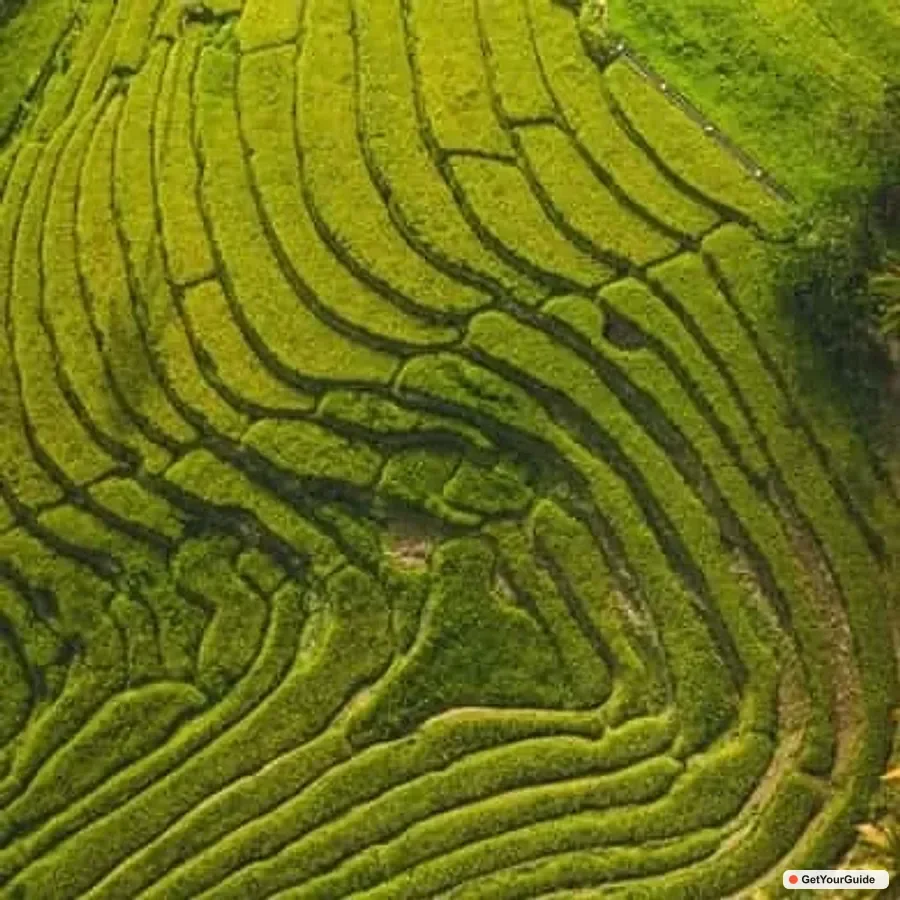
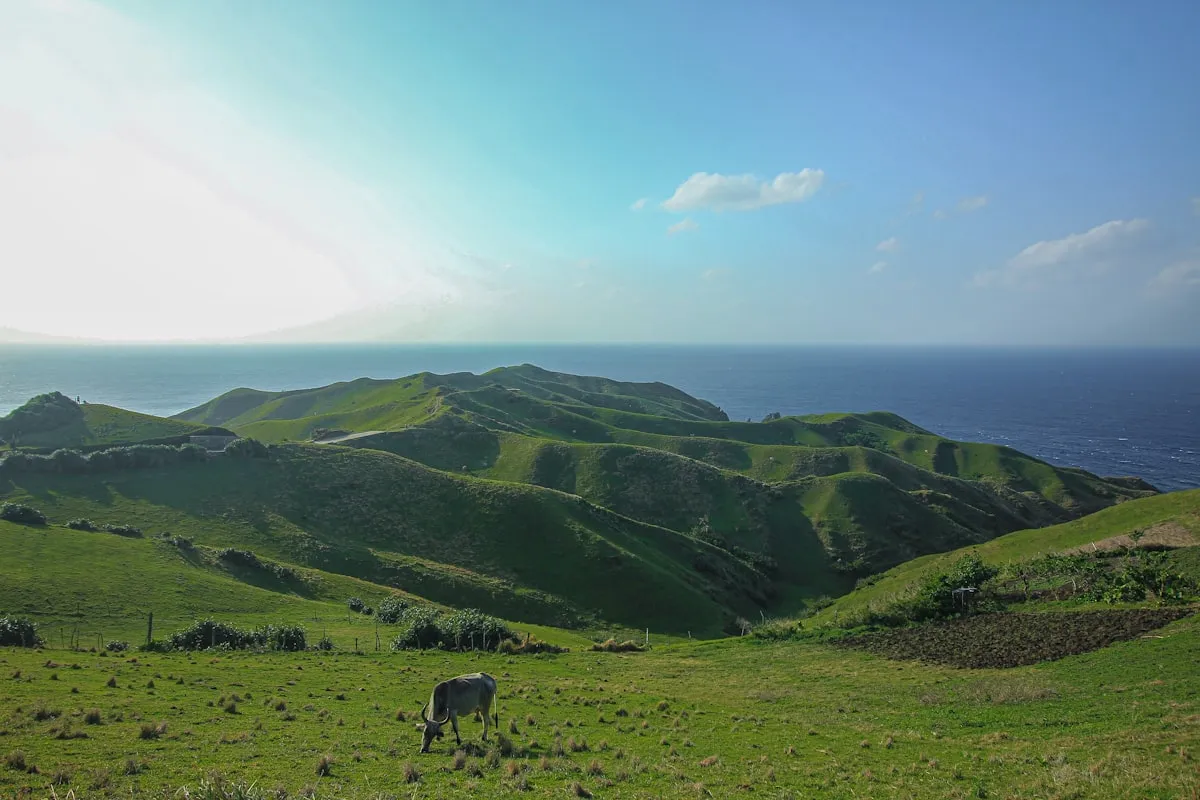
From the coast the road climbs into the upland barangay of Cadapdapan, in the neighboring municipality of Candijay, and the landscape transforms. Here the hills are sculpted into tiers of rice paddies that fan out like a green amphitheater, framed by coconut palms and the distant blue of the sea. These are not the famous UNESCO-listed Ifugao terraces of northern Luzon -- it is worth being honest about that -- but they are beautiful, working farmland, hand-built and hand-tended by local families over generations.
The terraces are also a small lesson in sustainable agriculture. Carving paddies into a slope and bunding them with low earthen walls lets farmers hold water and grow rice on land that would otherwise erode away. When the rice is young the tiers glow electric green; closer to harvest they turn gold; and just after harvest you see the bare brown contours of the engineering itself. There is a viewpoint with a small platform and a swing where the classic photo is taken, looking out over the bowl of terraces.
Can-umantad Falls: Bohol's tallest waterfall
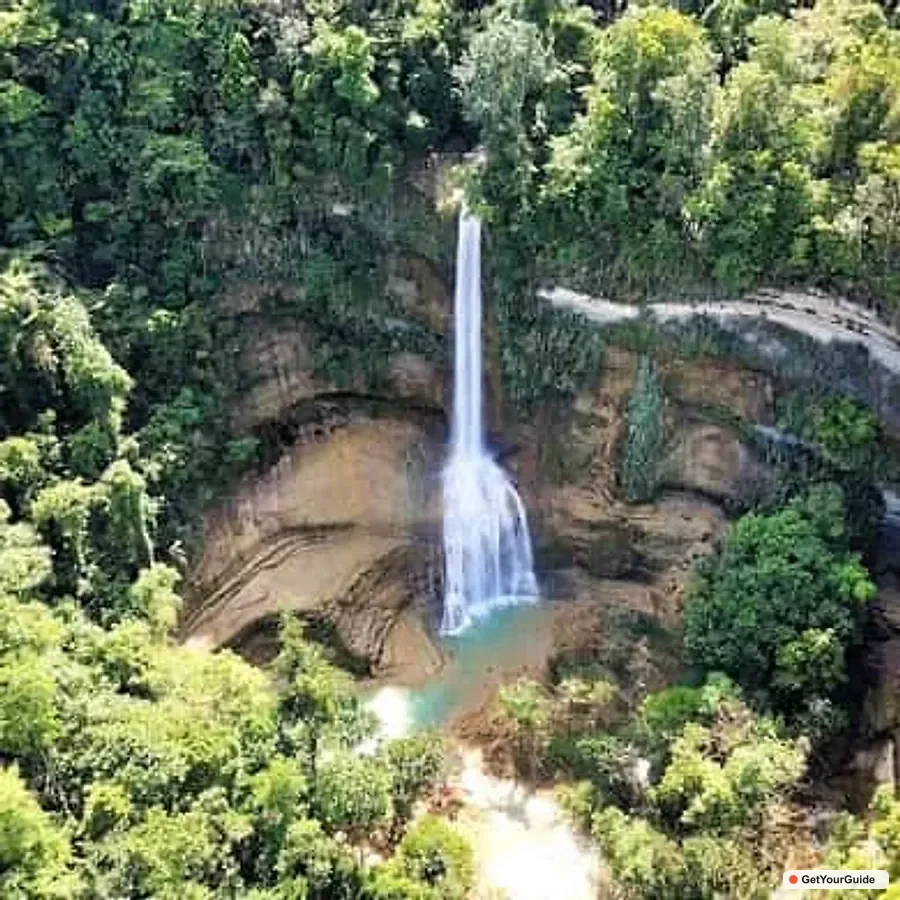
The terraces and the falls are essentially neighbors, which is why this trio works so neatly as one trip. Just below Cadapdapan, the Can-umantad Falls tumbles down a wide limestone face into a series of pools -- it is generally cited as the highest waterfall in Bohol. The water that feeds it has filtered through the same karst hills you have been driving through all day, which is why it runs cool and clear.
From the parking and viewpoint area you walk down a path and a flight of steps to reach the base. It is not a long hike, but it is a real descent, which means a steady climb back up afterward -- bear that in mind if you have knee trouble or you are visiting in the heat of the day. At the bottom you can swim in the catch pools and stand where the spray drifts off the rock. The falls are at their most powerful in and just after the wet season, when the volume of water is highest; in the dry months the flow is gentler but the pools are still inviting and the surrounding greenery thick.
What to wear and bring
- Swimwear under quick-dry clothes, plus a towel and a change of clothes for the drive home.
- Sturdy sandals or trainers with grip for the steps down to the falls.
- Reef-safe or biodegradable sunscreen, a hat, and plenty of drinking water.
- Cash in pesos for entrance fees, parking, and snacks; card payment is not reliable out here.
- A dry bag for electronics at all three water stops.
Why a private tour, and how to plan the day
Anda's three highlights are spread across rural roads with no real public transport linking them, so a private vehicle with a driver is by far the most practical way to see them in one day. A private tour also lets you reorder the day to your liking -- chasing the cave pool's morning calm, or saving the cool falls for the heat of the afternoon -- and to linger where you want without a group dragging you on. Most private tours include hotel pickup, a comfortable air-conditioned vehicle, and a driver who knows the back roads; entrance fees and meals are usually paid separately on site, so confirm exactly what your booking covers before you go.
Because Anda is so far from Panglao and Tagbilaran, expect a long but scenic day -- often eight to ten hours door to door, much of it pleasant coastal driving. The dry season, roughly from late November through May, generally offers the most reliable weather for swimming and photos, though the waterfall is fullest right after the rains. Whenever you go, travel lightly on the land: take your rubbish out with you, ask before photographing farmers at work, keep sunscreen reef-safe near the water, and pay the small local fees gladly -- they help the communities that maintain these sites keep them open.
A quieter side of Bohol
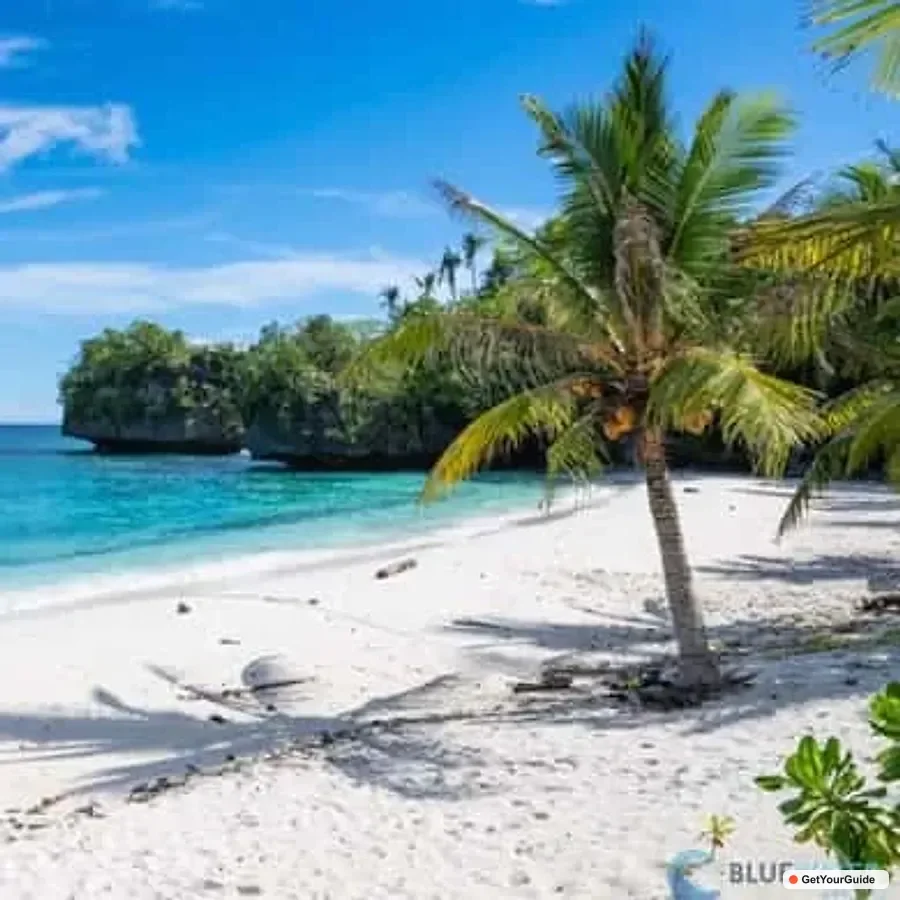
What stays with you about an Anda day is the sense of having slipped behind the curtain. While the crowds queue for tarsiers and the river cruise on the other side of the island, you are floating in a hidden cave pool, watching sunlight slant off gold-green terraces, and standing under the spray of the province's tallest falls. It is more effort to get here -- but that effort is exactly what keeps Anda feeling like the Bohol that time, mercifully, forgot.
Good to know before you book
- Duration: typically a full day (around 8 to 10 hours including transfers), though half-day and multi-day options exist - check the listing.
- Best for: active travellers, couples and friends.
- What is included: a local guide, safety gear (helmet and life vest), entrance fees and usually transfers; lunch is often included or available nearby.
- Pickup: most tours offer hotel or central pickup; confirm your point and time when booking.
- Book through: the GetYourGuide button on this page, which shows live availability and pricing.
Frequently asked questions
How long does the Private Anda Tour: Cave Pool, Falls & Rice Terraces take?
Most departures run as a full day - roughly 8 to 10 hours including pickup, travel and the activities themselves - so plan to set aside the whole day. Some operators offer shorter or private versions; the exact timing for your date is shown when you book through the GetYourGuide button on this page.
What is included in the Private Anda Tour: Cave Pool, Falls & Rice Terraces?
Typically the price covers a local guide, safety gear (helmet and life vest), entrance fees and usually transfers; lunch is often included or available nearby. Inclusions vary by operator, so always read the specific listing - it spells out exactly what is provided and what you pay for separately, such as entrance or environmental fees.
What should I bring?
Pack quick-dry clothes, secure water shoes or sandals with grip, reef-safe sunscreen and a floating or waterproof camera. Helmets and life vests are provided and must be worn. It is also worth carrying some cash for local fees, drinks and tips, plus any personal medication, since card facilities can be limited outside the cities.
Is the Private Anda Tour: Cave Pool, Falls & Rice Terraces suitable for beginners or families?
It suits reasonably fit travellers who can swim and are comfortable in moving water; every cliff jump has a lower, optional alternative, so you set your own intensity. It is not designed for non-swimmers or very young children. If you have specific concerns about age, fitness or swimming ability, message the operator before booking - they can advise on the best option for your group.
When is the best time to do this tour?
The best conditions are usually the dry season from roughly November to May. That said, the Philippines is a year-round destination, and many of these experiences run in any season - just expect the occasional shower and check the forecast for the day.
How do I get to Candijay?
To reach Candijay, travel to Candijay by the nearest airport or ferry and continue by road. Many tours include transfers from nearby towns or hotels, so confirm your pickup arrangement when you book so the day runs smoothly from the start.
Do I need to book the Private Anda Tour: Cave Pool, Falls & Rice Terraces in advance?
Yes - booking ahead is strongly recommended, especially in the dry-season peak and on weekends, when popular tours and the best operators sell out. Reserving online also locks in your spot and lets you compare timings and inclusions easily.
How much does the Private Anda Tour: Cave Pool, Falls & Rice Terraces cost?
Prices vary with the season, group size and exactly what is included, so we do not list a fixed figure here. Tap the GetYourGuide button on this page to see the current, accurate price and availability for your chosen date.
Can I do the Private Anda Tour: Cave Pool, Falls & Rice Terraces as a private or customised tour?
Many operators offer a private version of this experience for couples, families or small groups who want a flexible pace and a guide to themselves, and some can tailor the route or add stops. If a private or custom option matters to you, check the listing or message the operator before booking, as availability and prices differ from the standard shared tour.
Ready to explore Candijay?
From planning to the moment you arrive, the Private Anda Tour: Cave Pool, Falls & Rice Terraces is one of the most rewarding ways to experience this corner of the Philippines - and booking it is simple. Use the GetYourGuide button on this page to check live availability, compare timings and secure your spot, then turn up and let the local guides handle the rest while you focus on the views, the water and the memories.

Real local stays (book direct)
Hand-picked homestays and guesthouses — book direct, no markup.
Popular activities (book instantly)
Island hopping, canyoneering, whale sharks — real Klook/GetYourGuide options.
Plan your Philippines trip