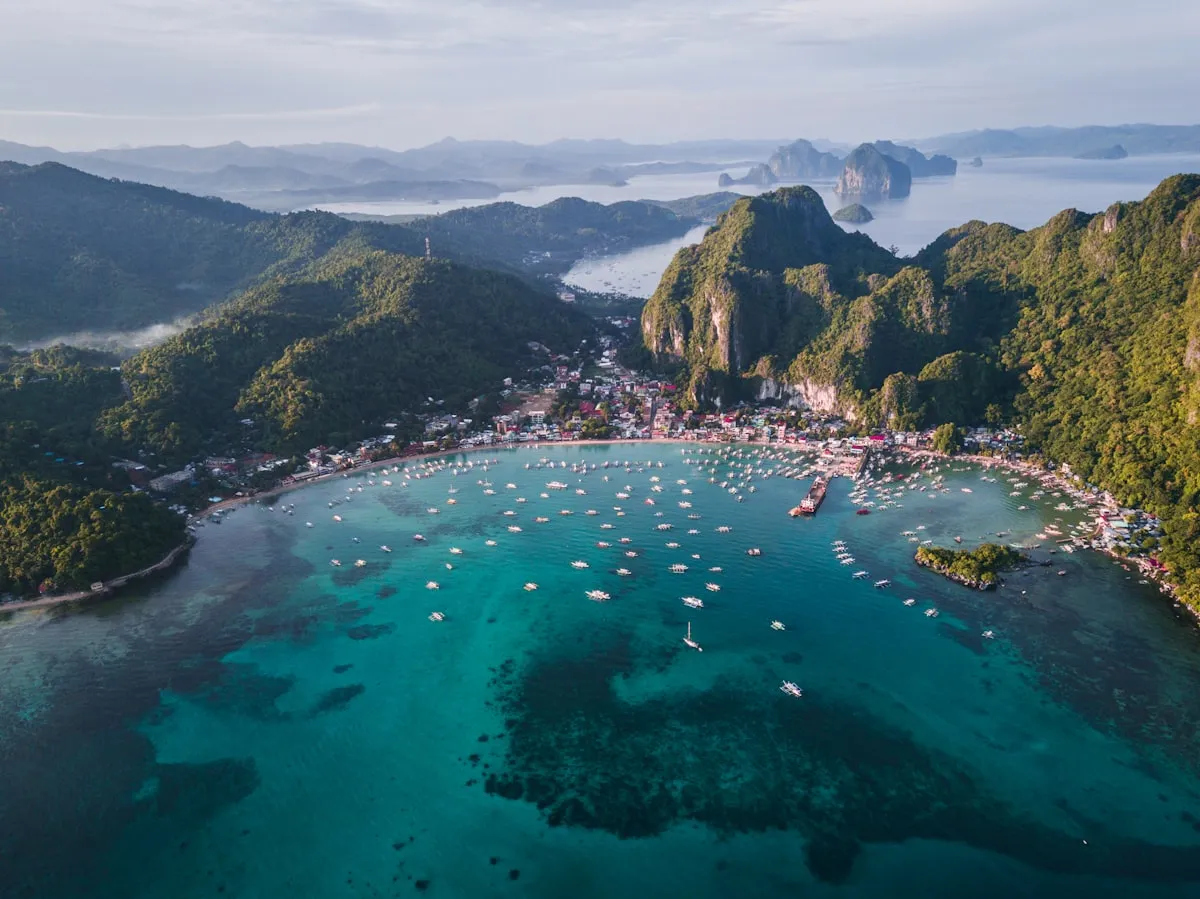
El Nido is magnificent. Nobody is arguing otherwise. The limestone karsts, the hidden lagoons, the tour boats weaving between cliffs at golden hour — it is one of the genuinely spectacular travel experiences in Southeast Asia. It is also extremely crowded, significantly expensive relative to the rest of Palawan, and increasingly difficult to enjoy without feeling like you are part of a carefully managed tourist conveyor belt.
Port Barton, Palawan: The Anti-El Nido (Quieter, Cheaper, Just as Beautiful)
Trip.com
Search on Trip.comHotels in El Nido
Compare live prices via Travelpayouts — targeted for this guide.
Port Barton, 165 km to the south along Palawan's west coast, has almost everything El Nido has — turquoise water, limestone outcrops, white-sand beaches, excellent island hopping, fresh seafood, and spectacular sunsets — at roughly half the price and with perhaps ten percent of the tourist volume. It is the Philippines destination that serious Palawan travelers treat as their reward for having done El Nido first, or their refuge from it entirely.
This guide is everything you need to know about Port Barton.
Getting to Port Barton
From Puerto Princesa
Puerto Princesa (PP City) is Palawan's capital and main hub with an international airport. From PP City, vans run directly to Port Barton and take approximately 3.5 hours, covering 165 km of road that ranges from smooth highway to switchbacking mountain track. Fare is PHP 300–400 per person. Vans depart from the San Jose Terminal in Puerto Princesa, usually at 8am and noon. Book at the terminal or ask your guesthouse to arrange the day before — seats fill on weekdays and almost always require booking on weekends and holidays.
Trip.com
See all tours in El Nido on Trip.comIsland hopping in El Nido
Hand-picked experiences in El Nido — book on Trip.com with instant confirmation.
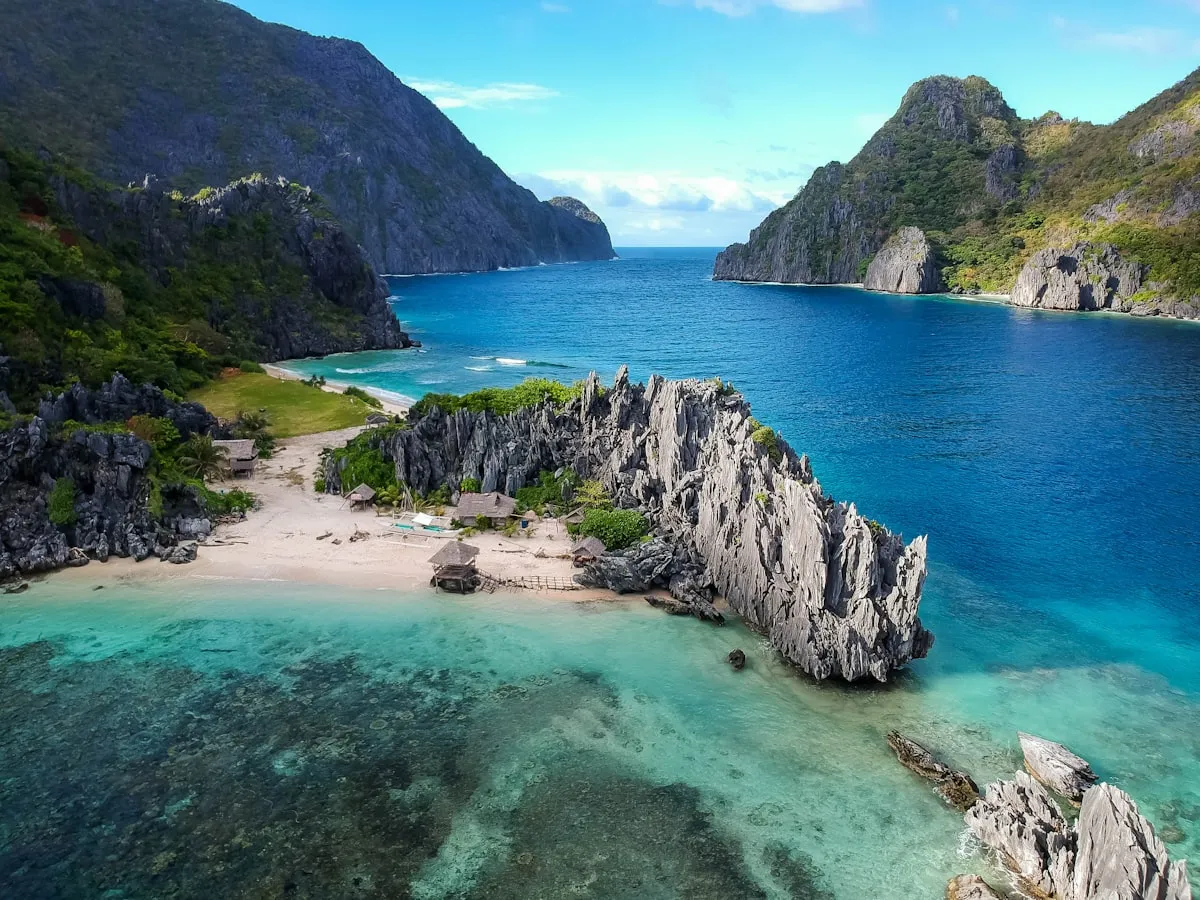
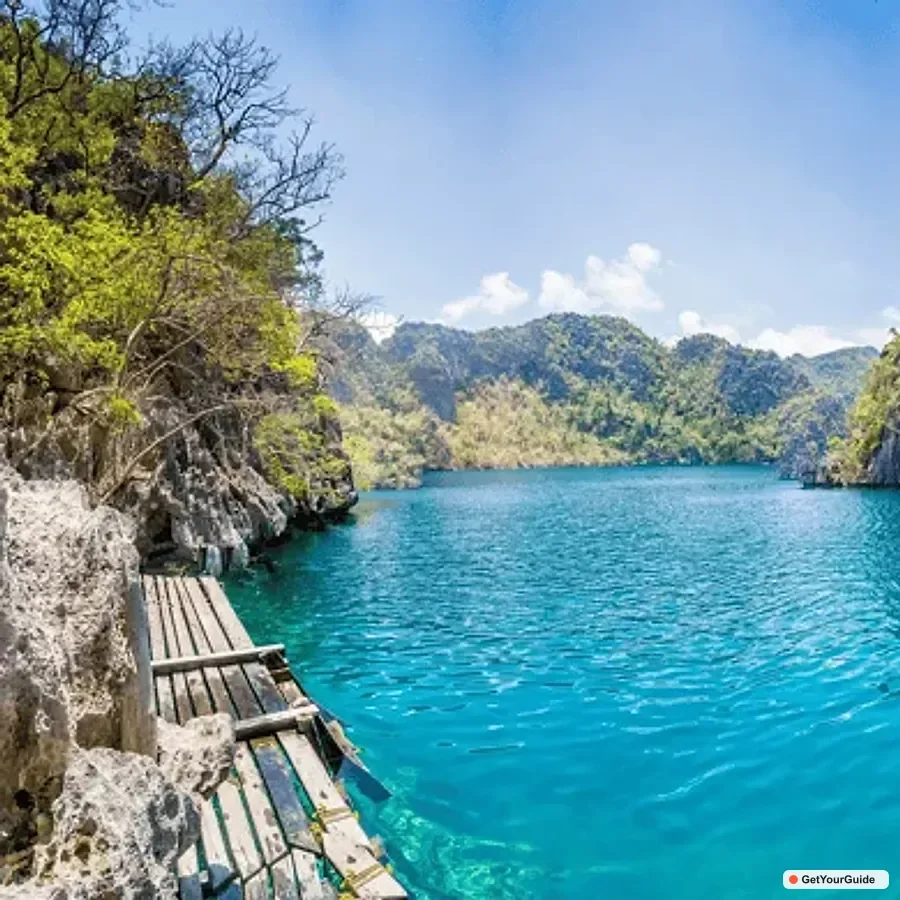
From El Nido
The overland route from El Nido to Port Barton takes about 3 hours and costs PHP 400–500. Shared vans connect the two — book through any travel shop in El Nido. The road between them passes through San Vicente, where Palawan's impressive Long Beach stretches for 14 km if you want an additional stop. This direction is popular for travelers doing a Palawan north-to-south (or reverse) loop: fly into El Nido, island-hop, van to Port Barton for the mid-section, then van to Puerto Princesa for the Underground River and flight home.
What Makes Port Barton Different from El Nido
The comparison is inevitable, so let us be direct about it:
- Crowds: El Nido's main beach and Corong-Corong have hundreds of tourist boats launching daily. Port Barton has perhaps 10–20 boats on a busy day. You will often be the only people at snorkeling spots that would have a crowd of 50 in El Nido.
- Price: Accommodation in El Nido averages PHP 2,000–5,000 per night. Port Barton offers equivalent or better beach bungalows for PHP 600–1,500. Island hopping tours are 30–50% cheaper. Meals cost 20–30% less. A week in Port Barton costs what three days in El Nido costs.
- Infrastructure: El Nido has reliable WiFi, ATMs, pharmacies, and a busy town. Port Barton is a village. The beach road is unpaved. Power comes from a generator (reliable in most guesthouses but not unlimited). The nearest ATM is in Roxas, 45 minutes away — bring cash.
- Scenery: El Nido's karst formations are more dramatic and more numerous. Port Barton's coastline is beautiful but at a slightly lower spectacle setting. The trade-off is absolutely worth it for the quiet.
Island Hopping
Island hopping is the main activity in Port Barton and it is excellent. Tours run in shared bangkas — usually 6–10 people per boat — visiting three to five islands over five to six hours.
Standard island hopping costs PHP 1,000–1,500 per person in a group and typically includes snorkeling stops, beach time, and a simple lunch of grilled fish and rice cooked on one of the islands. You can charter a private boat for PHP 2,500–4,000 for the whole vessel if you prefer a bespoke route.
Key Destinations
Exotic Island: A long strip of white sand with excellent snorkeling on the reef edge. The shallow water is warm and clear, and the reef close to shore has good coral coverage with parrotfish, clownfish, and the occasional reef shark in the deeper sections. This is usually the tour highlight for snorkelers.
Cacnipa Island: A small island with a lagoon that catches the afternoon light perfectly. The beach is narrow but the water is extraordinarily clear — you can count the individual rocks on the seafloor in four metres of water. The reef on the north side of the island is in excellent condition for snorkeling.
German Island: Named after a German traveler who reportedly camped here for an extended period years ago. Dense jungle meeting white sand, with no facilities and no permanent presence — just the island as it is. Excellent for those who want to feel like they have genuinely found somewhere.
Most tours also include stops at several smaller sandbars and unnamed beach coves that change seasonally depending on tide and weather. These spontaneous stops — the guide cuts the engine, says 'here,' and you spend 30 minutes on a beach with no name and no other boats — are the essence of what Port Barton does better than El Nido.
Accommodation
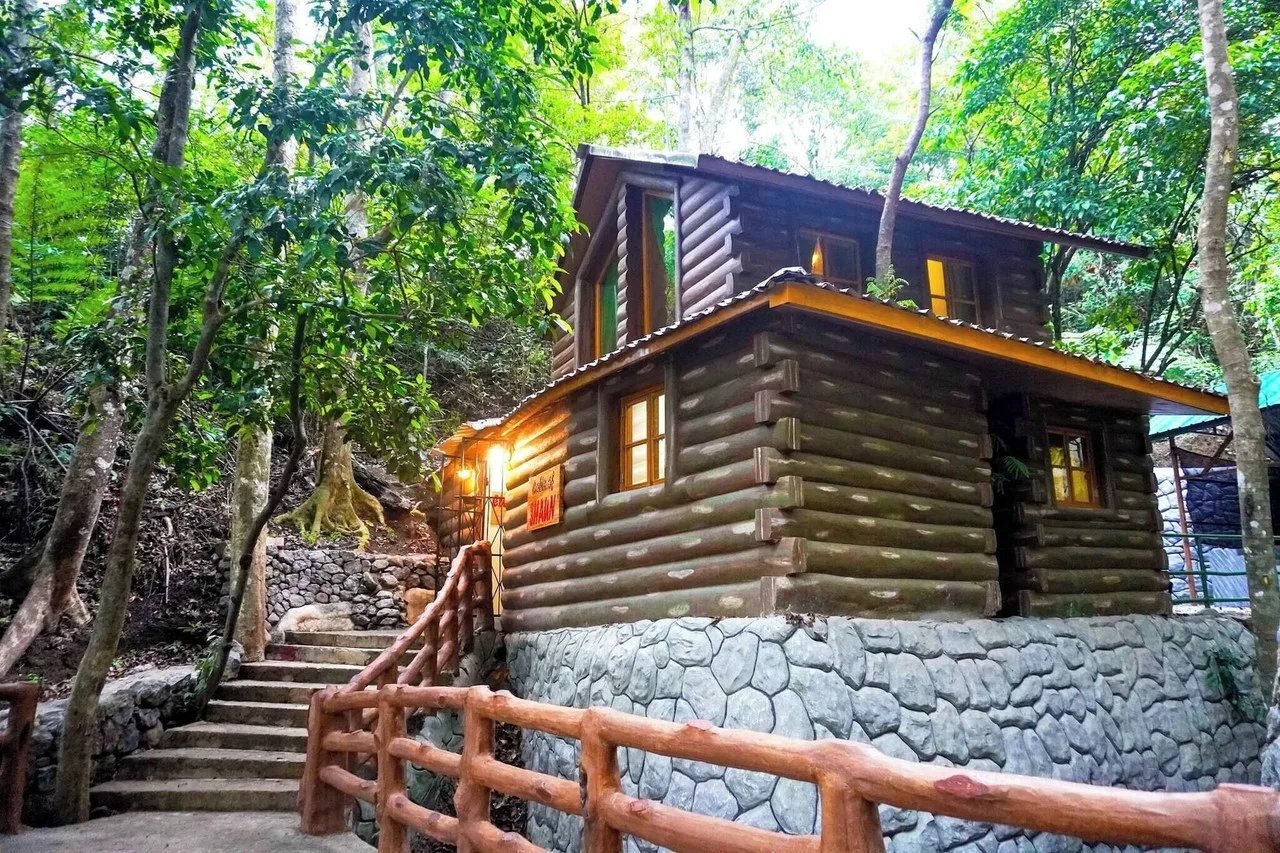
Port Barton's accommodation is built along the beach and the narrow dirt road running parallel to it. The village is small enough that everything is within a 10-minute walk.
Budget options (PHP 600–1,000) include fan rooms in family guesthouses and basic nipa-palm bungalows with cold showers. Mid-range (PHP 1,000–1,500) gets you a proper beach bungalow with air-conditioning, an en-suite bathroom, and usually a small veranda facing the water. There is no high-end luxury here — Port Barton tops out at comfortable mid-range, and that is intentional. The moment a large resort moves in, the place changes permanently.
Standout options include Swissippini Lodge (reliable, good restaurant), Summer Homes (beachfront bungalows, consistent quality), and Elsa's Beach Bar and Bungalows (social atmosphere, good sunset spot). Book ahead for November through May; outside that window walk-in is usually fine.
Food
Port Barton's restaurant scene is small but genuine. Fresh seafood is the draw — grilled snapper, tiger prawns, and blue crab from local fishers land on tables the same day they were caught. Budget PHP 150–250 for a seafood meal with rice and vegetables. Most beach restaurants also do pizza, pasta, and sandwiches for Western palates; these are less exciting but perfectly acceptable.
The beach road has three or four casual bars with tables in the sand where cold beers (PHP 60–80) and cocktails (PHP 120–180) are served as the sun sinks into the Sulu Sea. The Port Barton sunset, watched from one of these tables with a San Miguel and a plate of grilled squid, is the reason people extend their stay from two nights to five.
Diving and Snorkeling
Port Barton has two dive operators offering dives on the local reef system for PHP 1,000–1,400 per dive including equipment. The house reef accessible from the beach is decent for snorkeling — the water is clear, the coral is reasonably healthy, and the fish life is more abundant than comparable spots in heavily-dived El Nido. The area around Exotic Island, accessible on any island hopping tour, has the best snorkeling in the Port Barton area.
Best Time to Visit
November through May is the reliable dry season. Port Barton's beach faces west, so the best sunset light is year-round — but the calmest sea conditions for island hopping are November through April. March and April are hot but clear. May and early November are slightly unpredictable but often excellent with smaller crowds than peak months.
The southwest monsoon (June through October) brings rain and rough seas. Island hopping is sometimes suspended and the beach can be grey for days at a time. The village hunkers down; some guesthouses close for the season. Possible to visit, but not the experience.
Who Should Go to Port Barton
Port Barton is perfect for travelers who have done El Nido and want something quieter, or who specifically want to avoid the El Nido machine entirely. It rewards people who are comfortable with limited infrastructure (no ATM, generator power, variable WiFi) in exchange for genuine peace. It is ideal for couples, solo travelers, and anyone who believes that the best beaches are the ones you almost have to yourself. It is not ideal for travelers who need reliable connectivity, a wide restaurant scene, or nightlife.
Budget Summary
Port Barton budget per day: accommodation PHP 800–1,500, meals PHP 400–600, local transport (tricycle PHP 20–50), cold beers PHP 150–250. On a non-island-hopping day: PHP 1,500–2,500 all-in. Add PHP 1,000–1,500 for an island hopping day. Diving adds PHP 1,000–1,400 per dive. The overall daily cost is roughly half that of El Nido for a comparable experience.
Frequently Asked Questions
Is there an ATM in Port Barton?
No. The nearest ATM is in Roxas, about 45 minutes away by van. Bring sufficient cash from Puerto Princesa or El Nido for your entire stay, plus a buffer. A five-night stay covering accommodation, meals, island hopping, and incidentals typically runs PHP 12,000–20,000 per person. Withdraw PHP 20,000–25,000 before arriving to be safe. Some guesthouses accept GCash — ask when booking.
How does Port Barton compare to El Nido?
El Nido wins on sheer dramatic scenery — the limestone karst formations are more numerous and more spectacular. Port Barton wins on everything else: price, crowd levels, authenticity, and the sense of having found somewhere genuinely un-touristified. The ideal Palawan trip for most travelers is to experience both. If you have limited time and must choose, go to El Nido. If you have been to El Nido and want the rest of Palawan, go to Port Barton.
Can I combine Port Barton with the Underground River?
Yes. The Underground River is near Puerto Princesa, which is the transit hub for Port Barton. Do the Underground River first (book permits through your accommodation in PP City — they sell out weeks ahead), then van to Port Barton for beach time. Return to Puerto Princesa for your flight home. This loop — Underground River + Port Barton + optional Coron or El Nido extension — is the most satisfying introduction to Palawan.
Is Port Barton safe for solo travelers?
Yes. Port Barton is a small fishing village with a well-established backpacker tourism scene. Solo travelers are common and the community is genuinely welcoming. The beach is safe at night, the guesthouses are reliable, and the island hopping tours naturally group you with other travelers, making it one of the better spots in the Philippines for solo travelers to meet people without effort.
What is the cheapest way to get to Port Barton?
Fly into Puerto Princesa (budget airlines from Manila run PHP 1,500–4,000 return depending on season and lead time), then take the shared van from San Jose Terminal to Port Barton for PHP 300–400. Total cost from Manila: PHP 2,000–4,500 including transport to the van terminal. This is significantly cheaper than flying into El Nido (which requires a separate propeller charter) or taking the slow ferry from Manila to Coron.

PANA.PH Editorial Team
Philippines travel desk
The PANA.PH travel desk researches, books and re-checks Philippines travel logistics — fares, ferry schedules, government fees and permit rules — and publishes what it can verify.
🏡 Real local stays (book direct)
Hand-picked homestays and guesthouses — book direct, no markup.
Browse all local stays →
🌊 Popular activities (book instantly)
Island hopping, canyoneering, whale sharks — real Klook/GetYourGuide options.
View all activities →