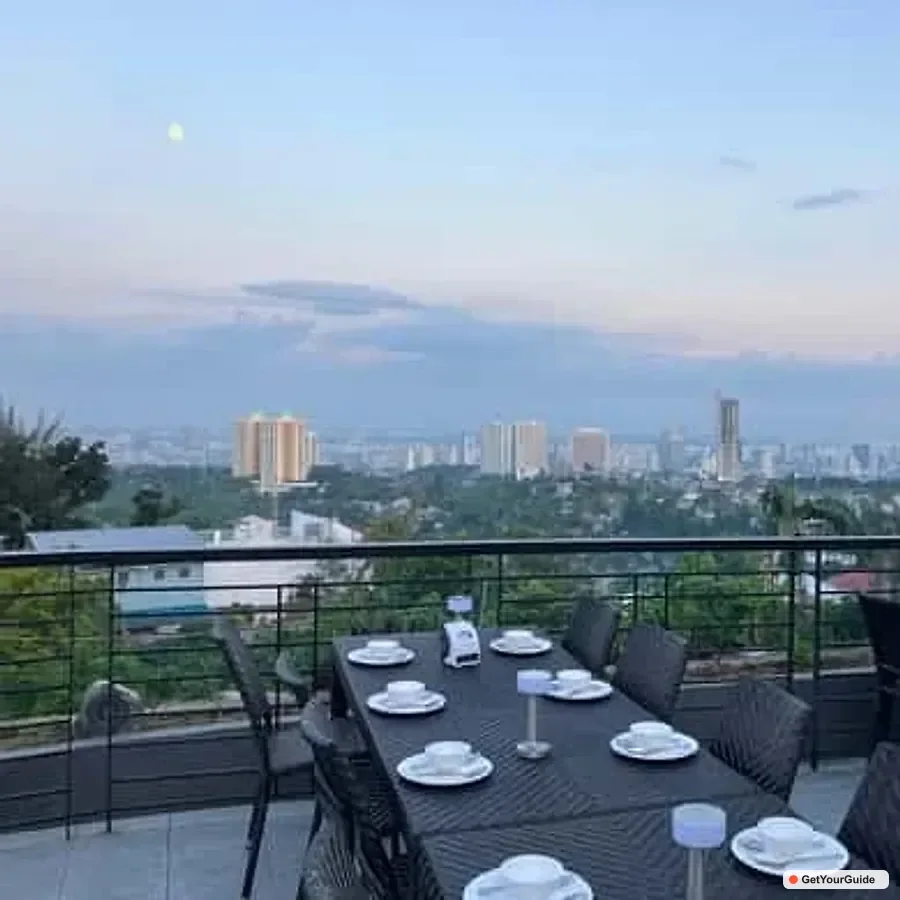
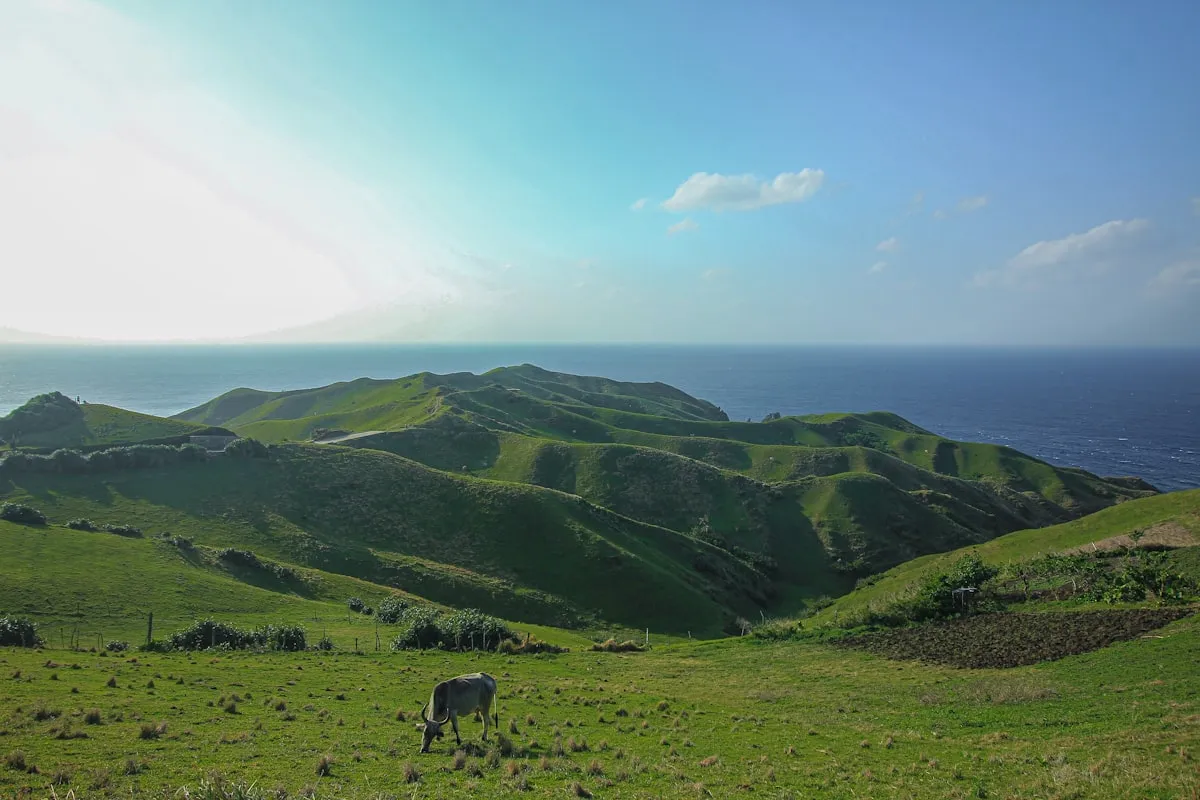
If you are planning a Southeast Asia trip and have not yet decided between the Philippines and Indonesia, congratulations — you are choosing between two of the greatest island-hopping destinations on the planet. Both are archipelago nations in the Coral Triangle, home to some of the world's most biodiverse reefs. Both have white-sand beaches that make the Caribbean look overrated. Both have food scenes that deserve their own dedicated trips.
Philippines vs Indonesia: Which Southeast Asian Archipelago Should You Visit?
Trip.com
Search on Trip.comHotels in Philippines
Compare live prices via Travelpayouts — targeted for this guide.
They are also genuinely different. The Philippines is the Southeast Asia trip you do when you want beaches, diving, and ease of communication. Indonesia is the trip you do when you want cultural depth, geological drama, and variety that stretches from surfing in Bali to dragons in Komodo to ancient temples in Central Java. Choosing between them is not about which is better — it is about what kind of traveler you are right now.
Here is the honest breakdown.
Quick Comparison
| Category | Philippines | Indonesia |
|---|---|---|
| Language | English widely spoken everywhere | Bahasa Indonesia; English in tourist areas |
| Visa | Visa-free 30 days most passports | Visa-free 30 days (most Western passports) |
| Currency | Philippine Peso (PHP) ~57/USD | Indonesian Rupiah (IDR) ~15,800/USD |
| Highlights | El Nido, Boracay, Siargao, Cebu diving | Bali, Komodo, Raja Ampat, Borobudur |
| Food | Pork-forward, seafood, rice-based | Spice-forward, rice+noodles, satay, rendang |
| Diving | Tubbataha, Apo Reef, Moalboal, Coron wrecks | Raja Ampat (#1 globally), Komodo, Bunaken |
| Budget | PHP 2,500–3,500/day budget travel | IDR 350,000–600,000/day budget travel |
| Getting there | Manila hub; Cebu Pacific, PAL, AirAsia | Bali and Jakarta hubs; Garuda, Lion Air |
| Crowds | Moderate; some overtourism in Boracay/El Nido | Bali very crowded; outer islands less so |
The Case for the Philippines
Everyone Speaks English
This is not a minor convenience — it is a fundamental shaper of the travel experience. The Philippines has two official languages: Filipino (Tagalog-based) and English. English has been a medium of instruction in Philippine schools since the American colonial period, and the result is a country where you can have a detailed conversation with a trike driver, a market vendor, a resort manager, or a fish farmer without a translation app. When you are lost, confused, or need help, communication is easy in a way it simply is not in most of Southeast Asia. For first-time Asia travelers, solo travelers, or anyone for whom language anxiety is a real factor, the Philippines removes a significant friction point that Indonesia does not.
Trip.com
See all tours in Philippines on Trip.comDiving in Philippines
Hand-picked experiences in Philippines — book on Trip.com with instant confirmation.
One Time Zone, Unified Country
The Philippines operates on a single time zone (Philippine Standard Time, UTC+8) across its entire archipelago. Indonesia spans three time zones across its 5,100 km width — Western Indonesia Time (Sumatra, Java, Bali), Central Indonesia Time (Lombok, Flores, Komodo), and Eastern Indonesia Time (Papua). This sounds trivial until you are managing flight connections across Indonesian islands and realise your onward flight departs in a different time zone to the one you are currently in.
Internal Flight Network
Cebu Pacific and AirAsia Philippines operate one of the most comprehensive domestic networks in Asia, connecting Manila to dozens of secondary airports across the archipelago. The budget carrier competition keeps prices low — PHP 999–2,499 one-way on many routes if booked in advance. Getting from Manila to El Nido (via Puerto Princesa), from Cebu to Siargao, or from Davao to Cebu is straightforward and inexpensive. Indonesia's domestic network is also extensive but the quality and price consistency of the Philippines' budget carriers gives it an edge for multi-island itineraries.
Beach and Diving Focus
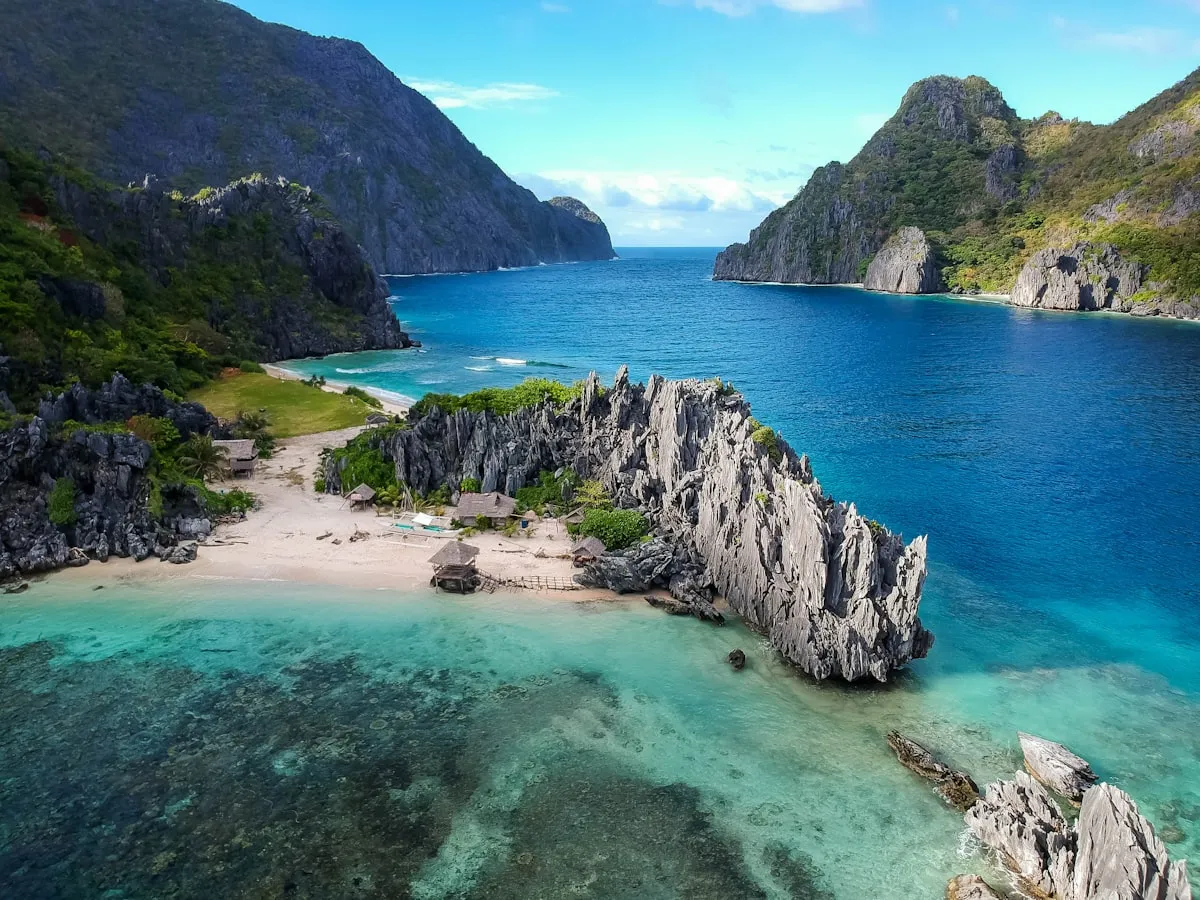
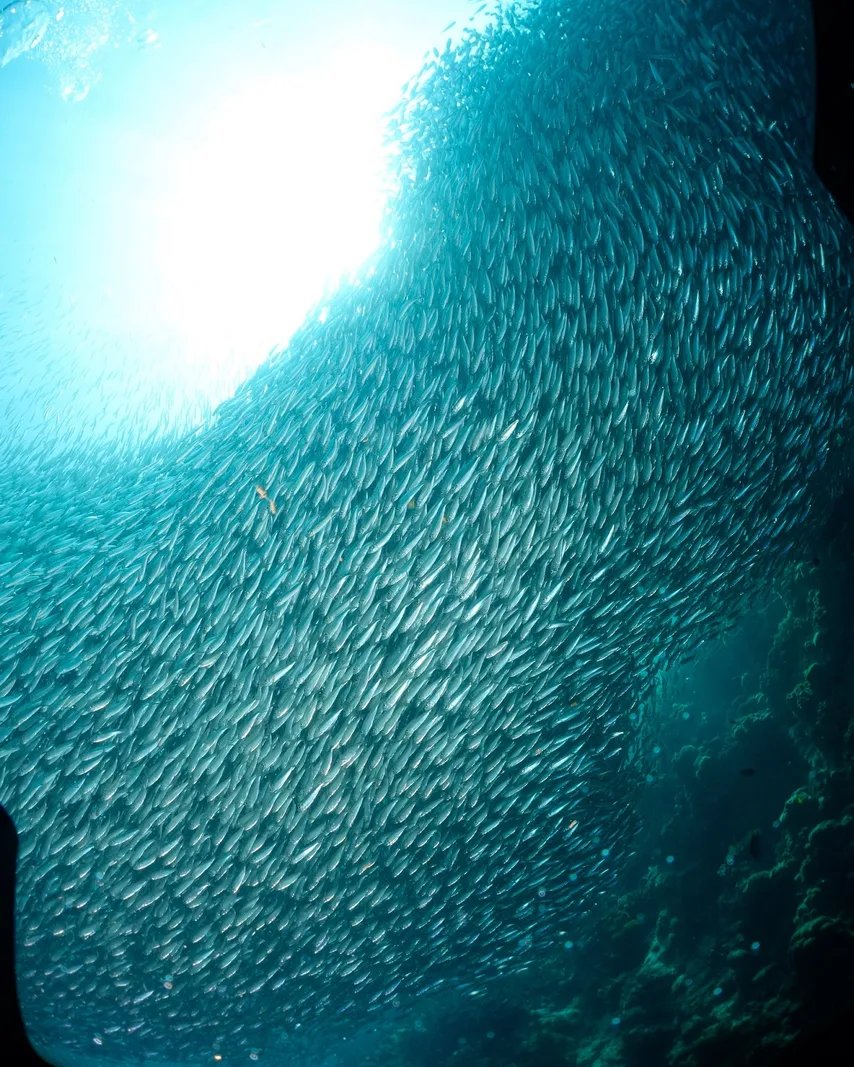
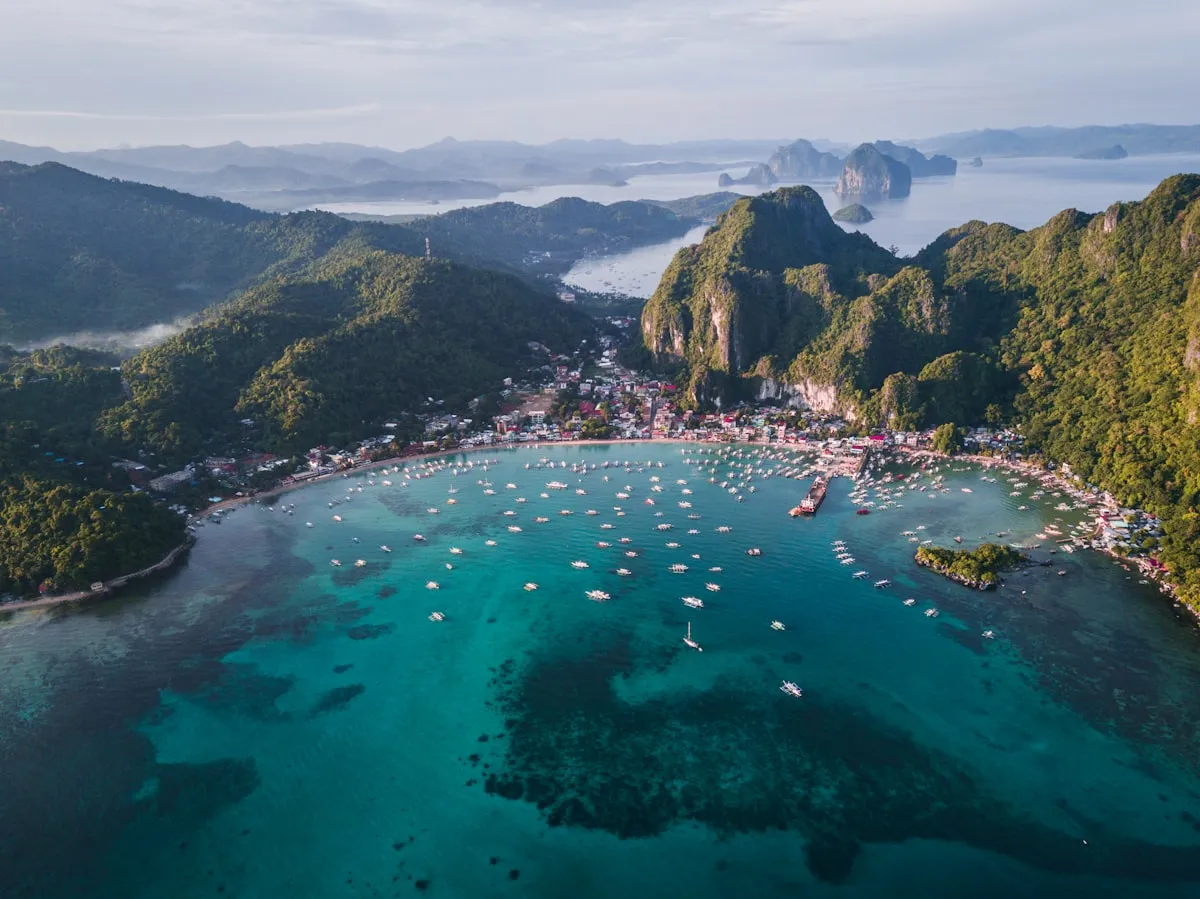
If your primary motivation is beach quality and underwater life, the Philippines arguably edges Indonesia outside of Raja Ampat. El Nido's limestone karst lagoons are unique on Earth. Boracay's White Beach is a genuinely world-class stretch of sand, despite its crowds. Moalboal in Cebu has one of the most spectacular sardine runs in the world — millions of fish forming a living, swirling tornado that you can snorkel through for PHP 200 entry. Coron's WWII shipwrecks are among the best wreck dives on the planet. Tubbataha Reef, accessible by liveaboard from March through June, is a UNESCO World Heritage Site and one of the most pristine reef systems remaining in the Coral Triangle.
Safety and Solo Travel
The Philippines is generally considered safer for solo travel — particularly solo female travel — than many other Southeast Asian destinations. Filipinos have a cultural warmth toward strangers and a strong culture of pakikisama (getting along, looking out for each other) that manifests in genuine helpfulness toward visitors. The main safety concerns (petty theft in crowded areas, some areas of Mindanao near conflict zones) are well-documented and easily avoided with standard precautions. Indonesia is also safe in most tourist areas but has a more complex internal landscape regarding minority protections and some regional safety considerations.
WWII History
The Philippines was one of the central theatres of the Pacific War. Corregidor Island (accessible by ferry from Manila), the Bataan Peninsula, Leyte Gulf (the largest naval battle in history was fought here in 1944), and Coron's Japanese shipwrecks all offer profound WWII historical experiences that Indonesia cannot match. If history is part of your travel motivation, the Philippines' WWII sites are world-class.
The Case for Indonesia
Unmatched Cultural and Landscape Diversity
Indonesia's 17,000 islands span a geographic and cultural range that makes the Philippines look comparatively homogeneous. Bali offers Hindu temples, rice terrace terraces cut into volcanic hillsides, and a yoga-and-wellness infrastructure unlike anywhere else in Asia. Java has Borobudur — the world's largest Buddhist temple, built in the 9th century, a UNESCO World Heritage Site that rivals Angkor Wat for sheer scale of ambition. Lombok and the Gili Islands provide the beach experience adjacent to but distinct from Bali. Flores and Komodo offer Komodo dragons (the world's largest lizard), diving in Komodo National Park, and the extraordinary multi-coloured volcanic lakes of Kelimutu. Raja Ampat in West Papua is, by scientific consensus, the most biodiverse marine environment on Earth.
Bali's Infrastructure
Bali is the most developed tourist destination in Southeast Asia outside of Bangkok and Singapore. The range and quality of accommodation — from USD 8 backpacker guesthouses to USD 1,000/night private pool villas — is extraordinary. The food scene in Seminyak and Canggu mixes international quality dining with Warung local food in a way that has attracted a substantial long-term expatriate and digital nomad community. If you want yoga, wellness retreats, world-class surf, and a sophisticated social scene alongside your Southeast Asia trip, Bali offers this in a way no Philippine destination currently does.
Komodo Dragons
You cannot see Komodo dragons anywhere in the Philippines. You can only see them in the wild in Komodo National Park (and a few nearby islands) in Indonesia. For many visitors, this alone settles the question. The dragons are genuinely extraordinary — up to 3 metres long, ambush predators with venom in their saliva, moving through the scrubby hills of Komodo Island with a prehistoric deliberateness that makes every nature documentary cliche feel inadequate. The boat journey from Labuan Bajo (Flores) and the dive sites en route are outstanding bonuses.
Raja Ampat: The World's Best Diving
If diving is your primary motivation and budget is not a constraint, Raja Ampat in West Papua has no equal on Earth. Over 1,500 species of fish and 600 species of coral have been recorded here — numbers that dwarf any other marine region. Manta rays, whale sharks, the extraordinary walking shark (Epaulette shark), and coral formations that look like alien landscapes are routine sightings. It is remote (fly to Sorong, then a 2-hour speedboat to Waisai), not cheap (liveaboards USD 200–400/day), and logistically demanding — but for serious divers, it is a once-in-a-lifetime destination that nothing in the Philippines quite matches.
Temple Heritage
Borobudur (Central Java, 9th century Buddhist monument) and Prambanan (9th century Hindu temple complex, 20km away) are among the greatest architectural achievements of human civilisation. The Philippines, which was Islamised in the south and then Christianised across most of its territory during the Spanish colonial period, does not have pre-colonial monumental architecture on this scale. If you are drawn to ancient temple civilisations, Indonesia offers this in abundance.
When to Choose the Philippines
- Your primary interest is beaches and snorkelling/diving (outside of Raja Ampat)
- You are a first-time Asia traveler and want minimal language friction
- You have 10–14 days and want to explore 2–3 island destinations efficiently
- Solo travel, particularly solo female travel, is a consideration
- You want to combine WWII history with island life
- You are on a tight budget (local transport and food are slightly cheaper than Bali)
- You want the El Nido or Boracay experience specifically
When to Choose Indonesia
- You have 3+ weeks and want genuine cultural and landscape variety
- You want Komodo dragons or Raja Ampat diving
- Bali's yoga / wellness / surf / nightlife infrastructure is part of your plan
- You are drawn to Hindu temple culture and ancient civilisation sites
- You have already done the Philippines and want something different
- You want to combine beach with genuine highland culture (Ubud rice terraces, Toraja funerary traditions in Sulawesi)
Can You Do Both?
Yes — and it is easier than most people expect. The routing options are genuine:
Option 1: Manila → Bali direct. Cebu Pacific, Philippine Airlines, and AirAsia all operate Manila–Bali (Ngurah Rai) routes. Flight time is approximately 3.5–4 hours. A two-country Southeast Asia trip that includes a week in the Philippines (El Nido or Siargao) and a week in Bali is entirely achievable in two weeks and makes for an exceptionally varied itinerary.
Option 2: Cebu → Bali. AirAsia operates Cebu–Bali via Kuala Lumpur and sometimes direct seasonally. If you are based in the Visayas, this avoids the Manila connection.
Option 3: Davao → Manado. Davao in Mindanao and Manado in North Sulawesi are geographically close. From Manado, you can access Bunaken Marine Park (world-class diving) and connect onward to other Indonesian islands. This is a less-traveled routing but opens the eastern archipelago of both countries in a single trip.
The honest answer for most visitors with two weeks: pick one country and go deep rather than trying to rush both. The Philippines done properly — Manila, Palawan, Siargao, Cebu — fills two weeks without leaving you feeling you missed anything. So does Bali, Lombok, and Flores in Indonesia. Do one well, then come back for the other.
Frequently Asked Questions
Which is cheaper: Philippines or Indonesia?
They are broadly comparable for budget travelers. In both countries, a budget traveler can live well on USD 30–50/day covering guesthouse accommodation, local food, and basic transport. Bali specifically has a slightly higher cost floor than most Philippine destinations due to the tourism infrastructure and demand. Remote island destinations in both countries (Raja Ampat in Indonesia, Batanes in the Philippines) are more expensive due to access costs. Internal flights in the Philippines are generally cheaper due to more aggressive low-cost carrier competition.
Which has better food: Philippines or Indonesia?
This is genuinely subjective. Indonesian cuisine — rendang, nasi goreng, satay, gado-gado, fresh sambal — has more international recognition and a bolder spice profile. Filipino cuisine — lechon, kare-kare, sinigang, adobo, fresh seafood — is more subtle and pork-forward, which makes it less accessible to vegetarians and Muslims but deeply satisfying for everyone else. If you are vegetarian, Indonesia (particularly Bali, where Hindu culture supports a strong vegetable-based cooking tradition) is significantly easier. If you eat pork and love seafood, the Philippines is outstanding.
Is the Philippines or Indonesia better for first-time visitors to Southeast Asia?
For genuine first-timers to Southeast Asia, the Philippines has the edge primarily due to English fluency across the population. The ability to ask for directions, discuss your dietary needs, negotiate a tour price, or simply have a conversation with a local without a translation app reduces the friction of a first visit significantly. Indonesia, particularly Bali, is also a very accessible first-time destination due to its well-developed tourist infrastructure, but outside of major tourist centres the language barrier is more significant.
Which has better diving: Philippines or Indonesia?
For overall diving quality across a single trip, the Philippines — with Tubbataha, Apo Reef, Moalboal, Coron wrecks, and Anilao — is exceptional and significantly more accessible. For the single best diving destination on Earth, Indonesia's Raja Ampat is unmatched. Serious divers with budget and time will eventually make the Raja Ampat pilgrimage; for most visitors on a standard two-week trip, the Philippines' accessible dive sites offer outstanding value and quality.
Do I need a visa for the Philippines and Indonesia?
Citizens of most Western countries (USA, UK, EU, Australia, Canada, New Zealand, Singapore, and many others) receive a 30-day visa-free stamp on arrival in both the Philippines and Indonesia. The Philippines allows free extension to 59 days at a Bureau of Immigration office. Indonesia allows a 30-day extension of the visa-free entry. Check your specific passport's eligibility on the official government websites of both countries before travel, as visa rules change. Some passport holders require prior visa applications.

PANA.PH Editorial Team
Philippines travel desk
The PANA.PH travel desk researches, books and re-checks Philippines travel logistics — fares, ferry schedules, government fees and permit rules — and publishes what it can verify.
🏡 Real local stays (book direct)
Hand-picked homestays and guesthouses — book direct, no markup.
Browse all local stays →
🌊 Popular activities (book instantly)
Island hopping, canyoneering, whale sharks — real Klook/GetYourGuide options.
View all activities →