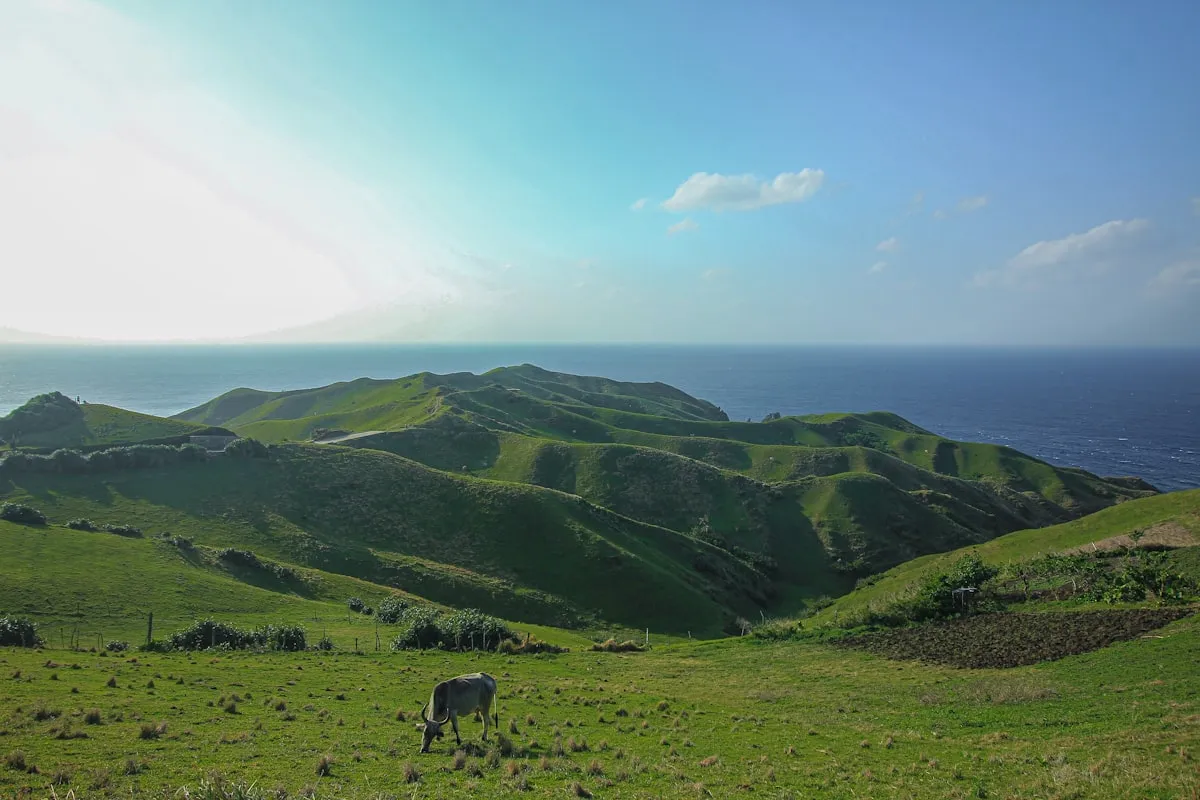
The Philippines is one of the best-kept secrets in long-haul travel from the UK. While your colleagues talk about Thailand or Bali, British travellers who've discovered the Philippine archipelago tend to keep coming back — 7,641 islands, English spoken everywhere, visa-free entry, and a pound that goes a very long way indeed. If you're planning your first Philippines trip from the UK, this guide covers everything: flights, costs, paperwork, packing, and the best two-week itinerary for a British schedule.
Philippines from the UK: Flights, Costs & What British Travellers Need to Know (2026)
Trip.com
Search on Trip.comHotels in Philippines
Compare live prices via Travelpayouts — targeted for this guide.
Flights from the UK to Manila
There are no direct (non-stop) flights from the UK to the Philippines. All routes involve at least one connection, typically in the Middle East or East Asia. Flight time from London Heathrow to Manila (Ninoy Aquino International Airport, NAIA) is typically 13 to 16 hours including the stopover.
Main Airlines and Routes
- Qatar Airways — London Heathrow or Manchester via Doha. Highly rated, usually competitive on price. Total journey 14–16 hours. Often the cheapest business-class upgrade option.
- Emirates — London Heathrow or Birmingham via Dubai. Excellent onboard product, very frequent flights. Around 14–15 hours total.
- Cathay Pacific — London Heathrow via Hong Kong. Slightly longer (15–17 hours) but Cathay's economy class is among the most comfortable on the market. Often competitively priced.
- EVA Air — London Heathrow via Taipei (Taoyuan). Taiwanese carrier with a strong safety record and well-regarded economy seats. Approximately 15–16 hours.
- Philippine Airlines (PAL) — London Heathrow via a Gulf hub. PAL flies the final leg home so your bags are checked through to Manila and service is distinctly Filipino from the moment you board.
- Budget options via multiple stops: Air Arabia, flydubai + Cebu Pacific, or KLM via Amsterdam can bring prices down to £380–480 return, at the cost of longer transit times (20+ hours each way).
How Much Do Flights Cost?
Return economy fares from London Heathrow to Manila (MNL) range from £450 to £900 depending on season, airline, and how far in advance you book. Expect to pay:
- £450–600 — shoulder season (September–October, early November, May), booked 6–10 weeks out
- £600–750 — peak UK holiday periods (July–August, Christmas/New Year), booked 3–4 months out
- £750–900+ — last-minute fares, or premium economy upgrades
- £1,800–3,500 — business class, depending on airline and season
From Manchester, Qatar Airways and Emirates both operate direct services to their respective hubs, so northern England travellers don't need to travel to London first. Manchester to Manila fares typically run £30–80 more than equivalent Heathrow fares.
Trip.com
See all tours in Philippines on Trip.comTours & activities in Philippines
Hand-picked experiences in Philippines — book on Trip.com with instant confirmation.

From Edinburgh or other Scottish airports, connecting via London adds time but easyJet and British Airways feeder flights keep the overall cost manageable. Alternatively, Qatar and Emirates have good connections from Edinburgh through their hubs.
Pro tip: Use Google Flights with the "Explore" map to track price trends. Set up fare alerts 3–4 months before your intended travel dates. January, February, and March departures from the UK are excellent for both weather and value.
Visa: Visa-Free Entry for British Passport Holders
Great news for British travellers: the Philippines offers visa-free entry for up to 30 days to UK passport holders on arrival. You do not need to apply for a visa in advance. Simply arrive at the airport with:
- A valid British passport (minimum 6 months validity beyond your departure date)
- A confirmed onward or return ticket
- Evidence of funds (a UK bank card is generally sufficient; they rarely ask)
- Accommodation details (hotel booking confirmation for your first night)
If you wish to stay longer than 30 days — and many British visitors do, once they've seen how incredible the islands are — you can extend your visa at any Bureau of Immigration office in the Philippines for a fee of around PHP 3,030 (approximately £40) per extension, giving you an additional 59 days at a time. You can extend up to a maximum of 36 months total without leaving.
Currency: GBP to PHP
As of 2026, the exchange rate sits at approximately 1 GBP = 70–75 PHP (Philippine Peso). This is a genuinely favourable rate — the Philippines is excellent value for British travellers.
To put it in perspective:
- A street meal at a carinderia (Filipino canteen): PHP 100–150 = £1.40–2.10
- A good restaurant meal: PHP 400–800 = £5.50–11
- A local craft beer (San Miguel): PHP 60–80 = £0.85–1.10
- A tuk-tuk (tricycle) short ride: PHP 20–40 = £0.30–0.55
- A decent guesthouse room: PHP 1,200–2,500/night = £16–35
Getting pesos: The best exchange rates in the Philippines are at official money changers in airports and city centres — not at UK bureaux de change or airport kiosks before departure. Withdraw PHP from ATMs (BDO, BPI, and Metrobank are reliable) using a fee-free UK card like Starling Bank, Monzo, or Chase UK, which also charge no foreign transaction fees. Carry some GBP cash as backup — money changers in tourist areas will happily take it.
UK Travel Insurance for the Philippines
The Philippines is not covered by any UK reciprocal healthcare agreement, so travel insurance is essential — not optional. Make sure your policy covers:
- Medical expenses and hospitalisation (minimum £2 million cover recommended)
- Emergency evacuation (critical for remote islands)
- Adventure activities if you plan to dive, surf, or do watersports
- Trip cancellation and typhoon-related disruption (if travelling June–November)
Reputable UK providers for Philippines travel insurance include World Nomads, True Traveller (specifically designed for adventurous travellers), and Columbus Direct. A standard 2-week policy covering the Philippines typically costs £35–65. Always declare pre-existing medical conditions.
FCDO Travel Advice
The Foreign, Commonwealth and Development Office (FCDO) maintains updated Philippines travel advice at gov.uk/foreign-travel-advice/philippines. As of 2026, the FCDO advises against all travel to certain parts of western Mindanao and the Sulu Archipelago due to terrorism and kidnapping risk. The main tourist destinations — Palawan, Cebu, Boracay, Bohol, Siargao, and Metro Manila — are not subject to advisory restrictions. Check the FCDO page before you travel and sign up for email alerts.
Electrical Plug Adapters
The Philippines uses Type A (two flat parallel pins) and Type B (two flat pins plus a round grounding pin) sockets at 220V / 60Hz. Your UK three-pin plugs will not fit without an adapter. Pick up a universal travel adapter before you leave — available from Argos, Amazon, or Boots for £8–15. Most modern UK electronics (phone chargers, laptop chargers) are dual-voltage (100–240V) and work fine with just an adapter; check the label on your device. Hair dryers and straighteners often are not dual-voltage — check before packing.
NHS Vaccinations and Health Requirements
The Philippines does not require proof of vaccination for entry (except yellow fever vaccination if you're arriving from a yellow fever-endemic country, which does not apply to UK travellers). However, the NHS and Travel Health Pro recommend considering the following for Philippines travel:
- Hepatitis A — recommended for most travellers
- Typhoid — recommended, especially if eating street food
- Hepatitis B — recommended for longer stays
- Rabies — recommended if spending time in rural areas or with animals
- Tetanus, diphtheria, polio — ensure UK boosters are up to date
- Malaria prophylaxis — recommended for certain areas including Palawan and parts of Mindanao (not Metro Manila or major Visayan cities); consult your GP or a travel clinic
Book a travel health appointment with your GP or a private travel clinic (Nomad Travel, Trailfinders Travel Clinic) at least 6–8 weeks before departure, as some vaccines require a course.
Language: English Is Everywhere
One of the biggest advantages of the Philippines for British travellers: English is an official language and is genuinely spoken — not just in hotels, but in shops, markets, jeepney stations, and even remote fishing villages. The Philippines was an American territory for nearly 50 years, and English-medium education has been standard since independence. You will have no trouble communicating anywhere in the archipelago. Menus, road signs, and official documents are in English. Filipino English has a warm, friendly quality that puts British travellers immediately at ease.
Mobile Phones: UK SIM vs Local SIM
Check your UK contract's roaming terms before departure. Many UK networks offer roaming in the Philippines:
- EE — roaming available but charged (data passes from £10/day or bundle deals)
- Three UK — "Go Roam" does not cover the Philippines as of 2026; check current coverage
- O2 — roaming charges apply; check your plan
- Vodafone — EuroTraveller and WorldTraveller plans available at daily rates
Best option: buy a local SIM at the airport. Globe Telecom and DITO are the main networks. A Globe Tourist SIM with 15–30 days unlimited data costs PHP 299–599 (approximately £4–8). Coverage is excellent in cities and tourist areas; expect patchy signal on remote islands. Globe's 5G network covers all major tourist destinations. Buy the SIM from an official booth inside the arrivals hall at NAIA — avoid touts offering overpriced deals outside.
Best Time to Visit from a UK Summer Holiday Perspective
The Philippines has a split personality when it comes to UK peak travel times (July–August). Here is the honest breakdown:
July and August coincide with the height of typhoon season for northern and central Philippines. This means Boracay, El Nido, and Coron face rough seas, rain, and occasional typhoon disruption. However, not all is lost:
- Palawan (southern areas) and Siargao — Siargao is actually at its best in July–August for surfers, and the rain is intermittent rather than constant. Manageable with flexible planning.
- Davao and Samal Island (Mindanao) — outside the main typhoon belt; generally good weather year-round including July–August.
- Camiguin Island — relatively sheltered and worth considering for UK summer holidays.
For the absolute best weather across the widest range of islands, UK travellers should aim for January through April. If school holidays constrain you to summer, plan around Siargao, Davao, or Camiguin rather than Boracay and El Nido.
Recommended 2-Week Itinerary for British Travellers
This itinerary works best for January–May travel (dry season). It balances the classic Philippines highlights with practical routing from UK arrival.
Day 1–2: Manila — Arrive, recover from the flight, explore Intramuros (the old walled city), eat your first Filipino breakfast (longsilog: garlic rice, longanisa sausage, fried egg — your body will thank you), visit BGC or Bonifacio Global City for modern Manila. Stay near Makati or BGC for safety and convenience.
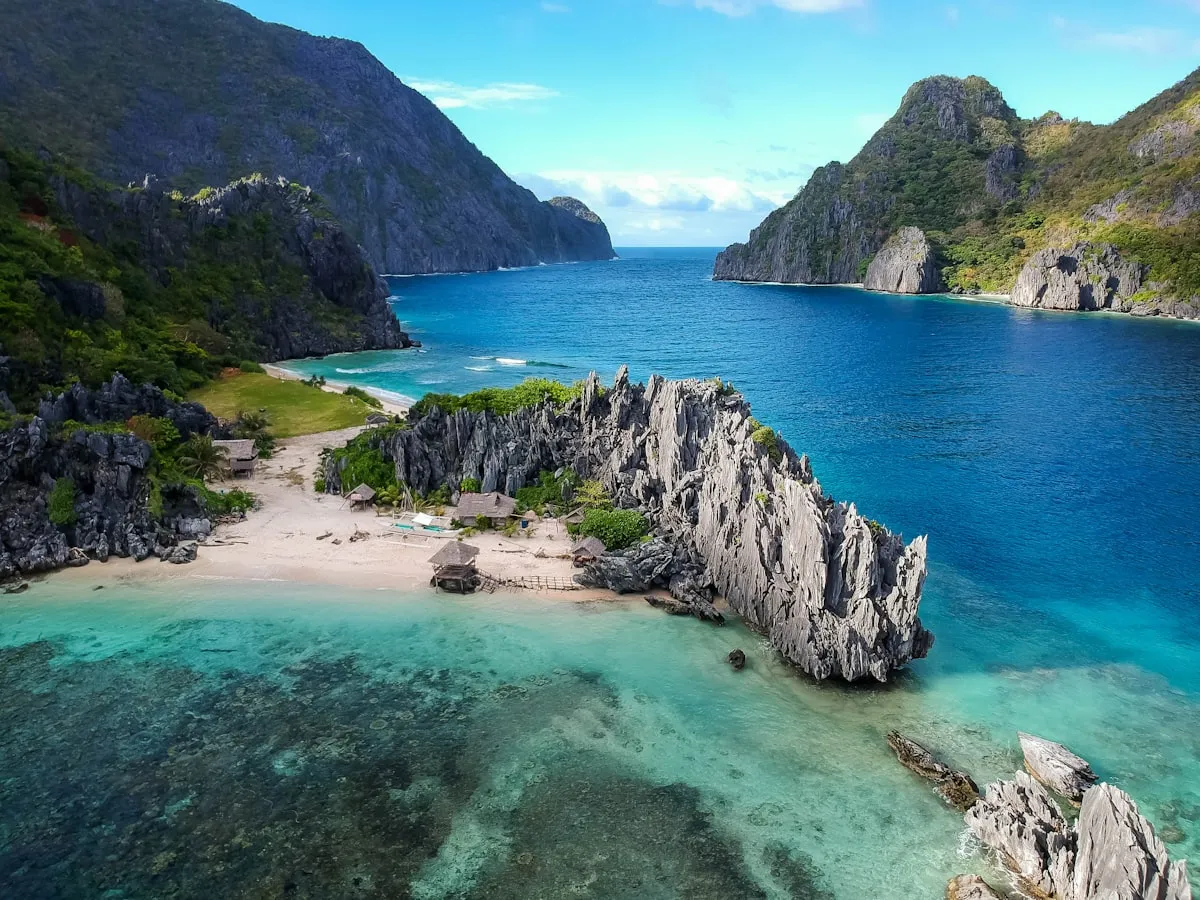
Day 3–6: El Nido, Palawan — Fly Manila to El Nido via Puerto Princesa (1 hour, then 5-hour van transfer, or direct prop plane). Four days gives you time for the iconic Island Hopping Tour A (Big and Small Lagoon) and Tour C (Shimizu Island, Secret Beach), plus an afternoon kayaking on your own. Base yourself in El Nido town or Corong-Corong.
Day 7–9: Coron, Palawan — Ferry or fly El Nido to Coron (4-hour fast ferry or quick prop flight). Two nights for wreck diving in Coron Bay (or snorkelling if you don't dive), Kayangan Lake, Twin Lagoon.
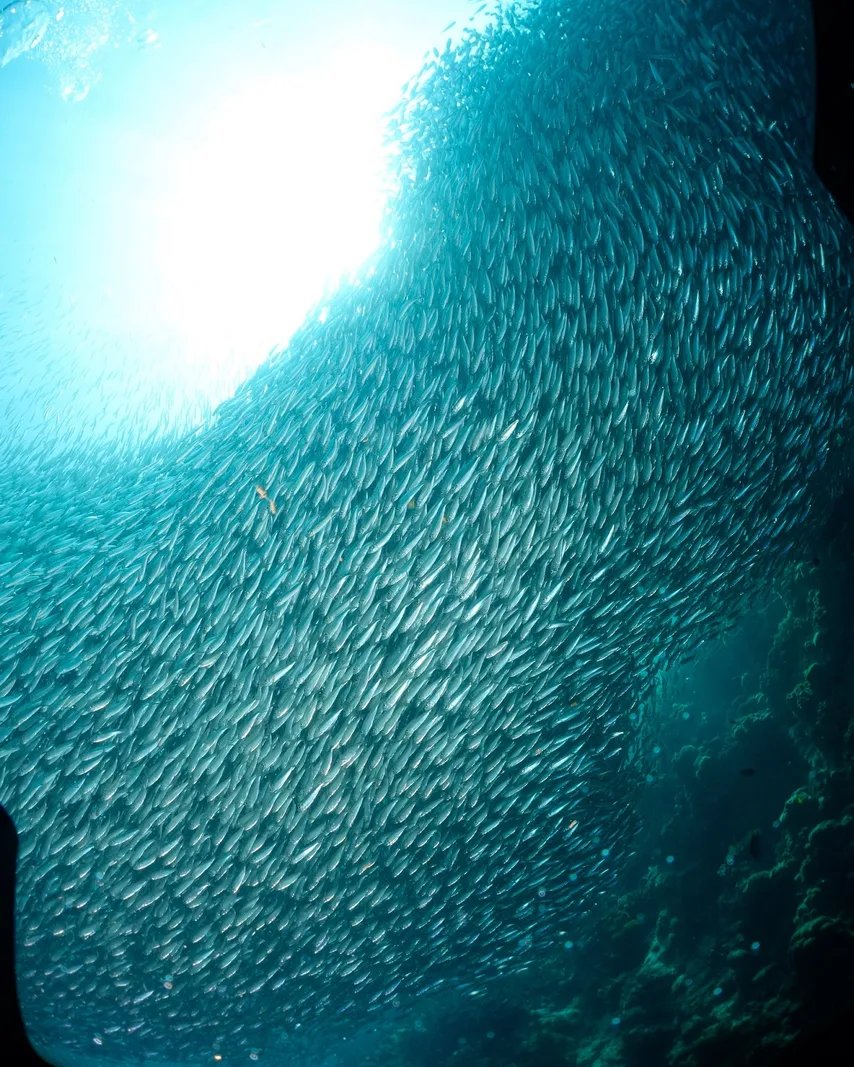
Day 10–12: Cebu — Fly Coron to Cebu via Manila. Two days: Cebu City (Magellan's Cross, Lechon crawl on Sugbo Mercado), then south to Moalboal for the sardine run snorkel and Kawasan Falls canyoneering.
Day 13: Bohol — Day trip or overnight ferry from Cebu: Chocolate Hills, Philippine tarsier sanctuary, Loboc River cruise. Compact but deeply rewarding.
Day 14–15: Manila departure — Return to Manila for your flight home. Allow a full day buffer — Philippine domestic flights occasionally delay, and you don't want to miss your Qatar or Emirates connection.
Frequently Asked Questions
Do I need a visa to visit the Philippines from the UK?
No. British passport holders receive visa-free entry for up to 30 days on arrival. You need a valid passport, return or onward ticket, and evidence of sufficient funds. No advance application is required. Extensions beyond 30 days are available at Bureau of Immigration offices across the country for a fee of approximately PHP 3,030 per 59-day extension.
How long is the flight from the UK to the Philippines?
There are no non-stop flights from the UK to the Philippines. From London Heathrow, the total journey time including a single connection (via Dubai, Doha, Hong Kong, or Taipei) is typically 13–16 hours. Qatar Airways and Emirates are the most popular choices for British travellers, with connections every few hours from Heathrow and Manchester.
How much spending money do I need for 2 weeks in the Philippines?
For a comfortable but not extravagant 2-week trip (decent guesthouses, mix of street food and restaurants, island hopping tours, internal flights), budget approximately £800–1,200 on top of your return airfare. A luxury trip with boutique resorts and private tours runs £2,000–3,000 additional. Budget backpackers can manage on £500–700 for two weeks if they stick to hostels and local eateries.
Is the Philippines safe for British tourists?
The main tourist areas — Palawan, Cebu, Boracay, Bohol, Siargao, and Metro Manila — are generally safe for tourists and receive hundreds of thousands of British visitors each year. Petty theft occurs in crowded areas as it does anywhere; use standard big-city precautions. The FCDO advises against travel to western Mindanao and the Sulu Archipelago, but these areas are not tourist destinations. Check the FCDO website (gov.uk/foreign-travel-advice/philippines) before travel for current advice.
Do I need travel insurance for the Philippines?
Yes, absolutely. The Philippines has no reciprocal healthcare agreement with the UK, meaning any medical treatment must be paid for out of pocket or via insurance. Hospitalisation costs can be substantial, particularly if emergency evacuation from a remote island is required. Ensure your policy covers medical expenses (minimum £2 million), emergency evacuation, and adventure activities if applicable. World Nomads and True Traveller are both popular with UK travellers to Southeast Asia.
What plug adapters do I need for the Philippines?
The Philippines uses Type A (two flat parallel pins) and Type B (two flat parallel pins plus a round earth pin) sockets at 220V / 60Hz. Standard UK three-pin plugs do not fit. Bring a universal travel adapter — available from most UK high-street retailers or Amazon for £8–15. Modern UK phone and laptop chargers are generally dual-voltage (100–240V) and work fine with just an adapter; always check the label on your device.

PANA.PH Editorial Team
Philippines travel desk
The PANA.PH travel desk researches, books and re-checks Philippines travel logistics — fares, ferry schedules, government fees and permit rules — and publishes what it can verify.
🏡 Real local stays (book direct)
Hand-picked homestays and guesthouses — book direct, no markup.
Browse all local stays →
🌊 Popular activities (book instantly)
Island hopping, canyoneering, whale sharks — real Klook/GetYourGuide options.
View all activities →