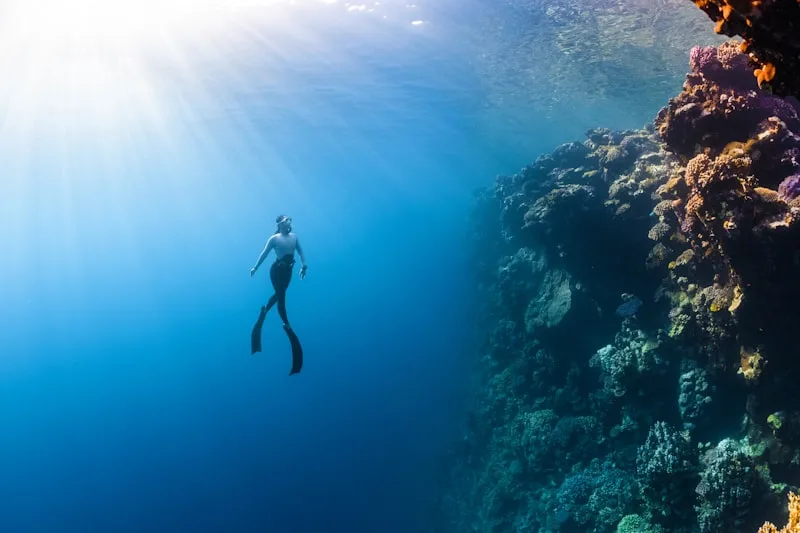
Somewhere around day two, it clicks. You wake before sunrise in the middle of the Sulu Sea, 150 kilometers from the nearest town, while the dive deck hums with tanks being filled. Twenty minutes later you are drifting along a wall that drops past 100 meters into pure blue, losing count of whitetip reef sharks before breakfast. This is Tubbataha, and it is why serious divers plan an entire year - sometimes two - around one week on a boat in the Philippines.
Philippines Liveaboard Diving 2026: Tubbataha Planning Guide
Diving & adventure#liveaboard diving philippines#tubbataha reefs#scuba diving 2026#puerto princesa diving#apo reef coron wrecks#visayas dive safari
Trip.com
Search on Trip.comHotels in Puerto Princesa
Compare live prices via Travelpayouts — targeted for this guide.
What Is a Liveaboard, and Why the Philippines Is World-Class for It
A liveaboard is exactly what it sounds like: a dive boat you live on. You sleep, eat, and gear up on the same vessel for five to seven nights, waking up directly on top of sites that day-trip boats can never reach. The Philippines sits in the heart of the Coral Triangle, the most biodiverse marine region on Earth, and much of its best diving lies on remote reefs far from any resort. For Tubbataha, a liveaboard is not a luxury - it is the only way in.
The math works too: four dives a day with zero commuting, versus two dives plus long bangka rides from shore. One boat week can out-dive three land weeks.
Tubbataha Reefs: The Crown Jewel of the Sulu Sea
Tubbataha Reefs Natural Park is a UNESCO World Heritage Site: two huge atolls plus the smaller Jessie Beazley Reef, alone in the middle of the Sulu Sea. No resort, no town, no mobile signal - just a ranger station on stilts and some of the healthiest reef in Asia, with around 600 fish species and 360 coral species on record. The headline facts for 2026:
Trip.com
See all tours in Puerto Princesa on Trip.comDiving in Puerto Princesa
Hand-picked experiences in Puerto Princesa — book on Trip.com with instant confirmation.
- Season: diveable only from mid-March to mid-June, when the sea is calm enough to cross. Outside that window, no boats go.
- Departure point: every trip leaves from Puerto Princesa, Palawan, with an overnight crossing of roughly 10 hours - see our Puerto Princesa guide.
- Trip length: 5 to 7 nights, with 3 to 4 full days in the park.
- Cost: most Tubbataha boats charge USD 2,000 to 4,000 per person for 2026, plus a park conservation fee of around PHP 8,000.
- What you see: sheer walls, whitetips and grey reef sharks on nearly every dive, regular mantas, huge schools of jacks and barracuda, and a real chance of hammerheads or a tiger shark.
Sharks here are not a lucky bonus. They are the baseline.
Is Tubbataha Right for You? An Honest Skill Check
Here is what glossy brochures skip: Tubbataha is not a beginner destination. Most operators recommend Advanced Open Water certification and around 50 logged dives, for good reasons. Currents can switch mid-dive, descents are often negative entries into blue water, and there is no sheltered lagoon to retreat to. You do not need to be a tech diver, but you should be genuinely comfortable in current and confident deploying a surface marker buoy.
If you are close but not quite there, spend a week diving the Visayas first and book Tubbataha for the following season. The reef will wait.
The Other Great Philippine Liveaboard Routes
Tubbataha gets the headlines, but excellent liveaboard routes run most of the year.
Apo Reef and the Coron Wrecks
Apo Reef, off Mindoro, is often called the world's second-largest contiguous coral reef system - sharks, turtles, serious walls. Itineraries pair it with the World War II Japanese wrecks of Coron Bay, sunk in September 1944. Boats depart Batangas or Coron town, run 5 to 6 nights, and cost a gentler USD 1,500 to 2,500. Our Coron guide covers the land side.
Visayas Dive Safaris
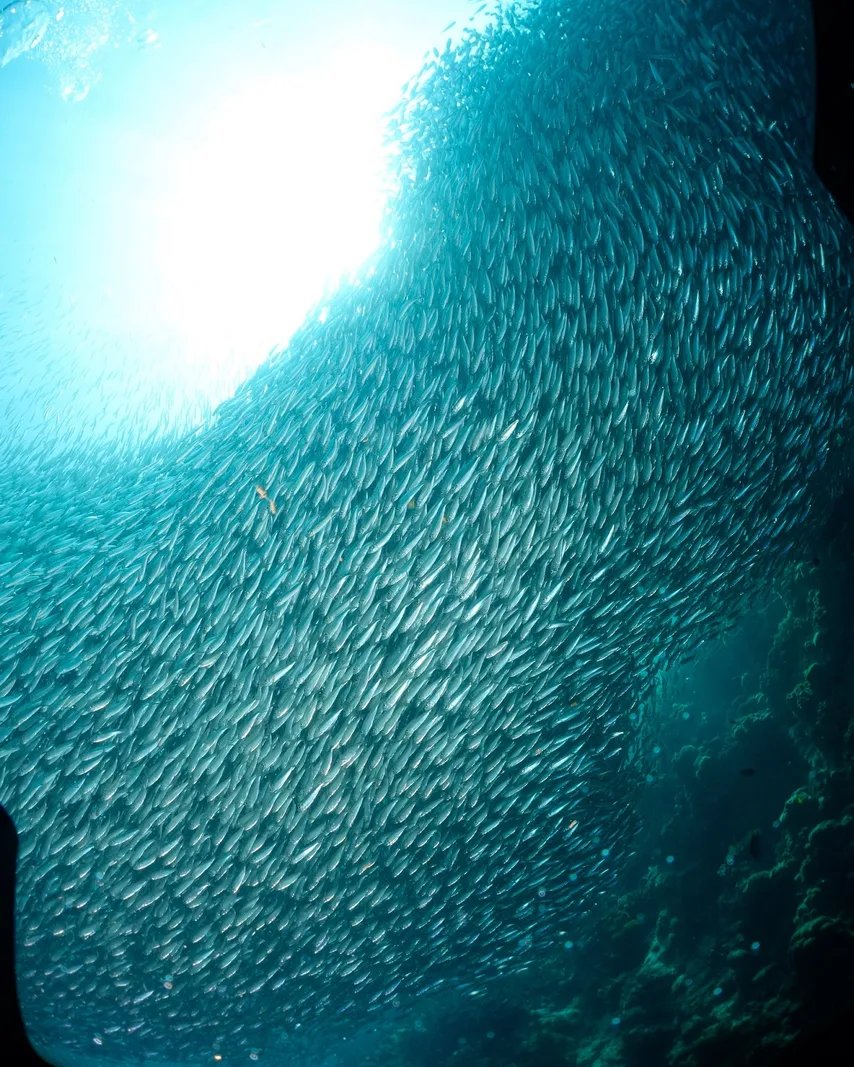
These flexible routes hop between Cebu, Bohol, and Negros: dawn thresher sharks off Malapascua, the famous sardine run at Moalboal, turtle-packed walls at Balicasag. Sheltered seas mean they run most of the year and suit newer divers far better than the open Sulu Sea.
Southern Leyte Whale Sharks
Sogod Bay offers quiet, uncrowded reefs and seasonal whale shark encounters from roughly November to May, with strict no-touch rules and far fewer boats than the famous hotspots.
How to Book a 2026 Tubbataha Trip (Start Yesterday)
The Tubbataha fleet is small and the season is only three months long, so demand crushes supply. The best boats and the prime April to May weeks sell out 12 to 18 months ahead. If you are reading this in mid-2026, you are realistically booking the 2027 season - and now is exactly the right time.
- Cabin types: lower-deck twin bunks are the budget pick, mid-range doubles add ensuite bathrooms, and upper-deck staterooms with windows cost the most.
- Solo travelers: most Tubbataha boats offer cabin-share with another solo diver of the same gender, so you skip the 50 to 80 percent single supplement.
- Deposits: expect 20 to 30 percent at booking, with the balance due 60 to 90 days before departure. Read the cancellation terms carefully.
Life Onboard: What Your Days Actually Look Like
The rhythm is beautifully simple: eat, dive, eat, dive, nap, dive, eat, sleep. A typical day starts with a light breakfast and briefing around 6am, first dive at 7, then three more spaced through the day, sometimes swapping the last for a night dive. The crew handles your gear between dives; your only job is to show up on the dive deck.
Two practical notes. Nitrox is close to essential on four dives a day - free on some boats, USD 80 to 120 for the week on others. Rental gear runs USD 150 to 200 per week but stocks are limited, so reserve sizes when you book. Dive insurance that covers emergency evacuation is non-negotiable this far from shore - compare options on our travel insurance page.
Land-Based Alternatives If the Budget Says Not Yet
No shame here: USD 3,000 is real money, and the Philippines delivers most of the magic from shore for a fraction of it. In Moalboal you can swim the sardine run straight off the beach, with fun dives at PHP 1,500 to 1,800 each. Malapascua's thresher shark dives run PHP 2,000 to 2,500 including marine fees, and Panglao day boats reach Balicasag for under PHP 3,000. Browse bookable dive and snorkel trips on our activities page - a two-week Visayas dive trip, rooms included, can cost less than a liveaboard bunk.
Best Time by Route, and Getting There
Match the calendar to the route, not the other way around:
- Tubbataha: mid-March to mid-June only. No exceptions.
- Apo Reef and Coron: November to June, calmest from March to May.
- Visayas safaris: year-round, best conditions November to May.
- Southern Leyte whale sharks: November to May, peak sightings December to March.
Our best time to visit breakdown covers every region month by month. Getting to a Tubbataha departure is easy: Manila to Puerto Princesa takes about 80 minutes with multiple daily flights - compare fares on our flights page. Arrive a full day before boarding; boats leave port in the evening and will not wait for a delayed flight.
Frequently Asked Questions
How much does a Tubbataha liveaboard cost in 2026?
Budget USD 2,000 to 4,000 for the boat, plus around PHP 8,000 in park fees, nitrox and gear rental if needed, crew tips of USD 100 to 150, and flights to Puerto Princesa. A realistic all-in figure is USD 2,800 to 4,500.
Can beginners dive Tubbataha?
Not really. Most Tubbataha boats recommend Advanced Open Water certification and about 50 logged dives because of strong currents and blue-water descents. Build experience in the Visayas first, then book Tubbataha for a later season.
When is Tubbataha Reefs open to divers?
Only from mid-March to mid-June, when the Sulu Sea is calm enough for the 10-hour crossing from Puerto Princesa. That short window is a big part of why the reef stays so pristine.
Do liveaboards suit solo travelers?
Yes - arguably better than any other trip format. Most boats offer cabin-share so solo divers avoid the single supplement, and after 20-plus shared dives you leave with a boatload of new dive buddies.
What should I pack for a Philippine liveaboard?
Certification cards and logbook, dive computer, a 3mm wetsuit (water is 26 to 30 degrees Celsius), reef-safe sunscreen, seasickness tablets for the crossing, a surface marker buoy, and pesos for fees and tips. The boat handles tanks, weights, meals, and towels.
Book tours, hotels & stays in Philippines
Top tours
- Boracay UFO Ride Water Adventure — PHP 858 · 5★
- California Breeze Campsite — PHP 891 · 5★
- Caliah Homes — PHP 1065 · 5★
- Home in Pagadian City near airport — PHP 1267 · 5★
- Dreamwave Hotel Polangui — PHP 1423 · 5★
- Manila All-Access Bar Crawl, Club and Rooftop Tour — PHP 1511 · 5★
Top hotels
- Ocam Ocam Casadyan Inn — PHP 715/night · 5★
- California Breeze Campsite — PHP 891/night · 5★
- Caliah Homes — PHP 1064/night · 5★
- Cabrera Haven Residences — PHP 1230/night · 5★
- Home in Pagadian City near airport — PHP 1267/night · 5★
Top stays
- California Breeze Campsite — PHP 891/night · 5★
- Caliah Homes — PHP 1065/night · 5★
- Home in Pagadian City near airport — PHP 1267/night · 5★
- Fnt Transient House Near Hundred Islands — PHP 1322/night · 5★
Sources
Primary references for the figures and rules in this guide. Fees and schedules change — check the source before you travel.

PANA.PH Editorial Team
Philippines travel desk
The PANA.PH travel desk researches, books and re-checks Philippines travel logistics — fares, ferry schedules, government fees and permit rules — and publishes what it can verify.
🏡 Real local stays (book direct)
Hand-picked homestays and guesthouses — book direct, no markup.
Browse all local stays →
🌊 Popular activities (book instantly)
Island hopping, canyoneering, whale sharks — real Klook/GetYourGuide options.
View all activities →