There is a reason serious divers from across Europe — and a disproportionate number of them are British — keep returning to the Philippines year after year. The archipelago sits at the heart of the Coral Triangle, the most biodiverse marine ecosystem on Earth. Tubbataha Reef in the Sulu Sea is one of the last truly pristine atolls remaining anywhere on the planet. The wrecks of Coron Bay are among the greatest wreck-diving sites in Asia, if not the world. And the thresher sharks of Malapascua, the sardine run of Moalboal, the manta rays of Tubbataha — these are bucket-list encounters that British divers plan years in advance. Here is everything you need to book a Philippines liveaboard trip from the UK.
Liveaboard Diving in the Philippines: The British Diver's Guide to Tubbataha & Beyond
Trip.com
Search on Trip.comHotels in Philippines
Compare live prices via Travelpayouts — targeted for this guide.
Why Liveaboard? The Case for Sleeping on the Boat
A liveaboard vessel is a purpose-built dive boat with accommodation — from bunks and shared bathrooms to private en-suite cabins with air conditioning. You sleep on the boat, eat on the boat, and dive from the boat, typically doing 3–5 dives per day including a night dive. This is the only practical way to reach remote sites like Tubbataha Reef (60+ nautical miles from the nearest land) and allows you to dive reefs that day-trip boats simply cannot reach. For British divers accustomed to cold, murky UK waters, a week on a Philippine liveaboard is something close to a religious experience.
Tubbataha Reef: The Philippines' Crown Jewel
Tubbataha Reef National Marine Park is a UNESCO World Heritage Site in the Sulu Sea, approximately 180 kilometres southeast of Puerto Princesa, Palawan. It is accessible only by liveaboard vessel, only during a specific season, and only for a limited number of vessels per day — all of which combine to give it an exclusivity that the best dive sites in the world demand.
The Tubbataha Season
The season runs from mid-March to mid-June, dictated by weather conditions in the Sulu Sea. Outside this window, the crossing from Puerto Princesa becomes unsafe. The season coincides with the tail end of the dry season and the beginning of the transition — conditions are generally calm with good visibility (15–40 metres) and water temperatures of 27–30°C. The season peak for numbers of operators and departures is April and May.
Trip.com
See all tours in Philippines on Trip.comDiving in Philippines
Hand-picked experiences in Philippines — book on Trip.com with instant confirmation.
What to Expect at Tubbataha
Tubbataha consists of two main atolls (North Atoll and South Atoll) plus Jessie Beazley Reef. The diving is characterised by wall diving along near-vertical coral escarpments dropping to 600+ metres, with strong currents that bring pelagic life in extraordinary concentrations. Typical Tubbataha encounters include:
- Grey reef sharks, whitetip reef sharks, blacktip reef sharks — in the dozens, not the occasional single fish
- Hammerhead sharks (scalloped hammerheads in shoals, particularly on the south atoll walls)
- Manta rays — oceanic mantas with wingspans up to 5 metres
- Whale sharks (seasonal, but encounters are frequent April–May)
- Napoleon wrasse, bumphead parrotfish, giant trevally in hunting packs
- Pristine hard coral coverage — Tubbataha was largely spared the bleaching events that damaged reefs elsewhere in Southeast Asia
The diving is not for beginners. Currents can be strong and unpredictable, requiring good buoyancy control and the ability to handle drift diving. Most operators require a minimum of 50 logged dives. Advanced Open Water certification is a minimum; Rescue Diver or higher is recommended.
Liveaboard Operators Running Tubbataha from Puerto Princesa
MV Resolute
One of the most respected vessels in Philippine liveaboard diving. MV Resolute is a 30-metre steel vessel with 6 cabins accommodating 12 divers. It has a strong safety record and an excellent crew-to-diver ratio. The boat is not the most luxurious option on the market, but the dive operation is first-class — well-maintained equipment, knowledgeable dive guides who've been working Tubbataha for years, and a committed approach to the park's strict conservation rules. Typical 4-night/5-day Tubbataha trips price from £2,500–3,200 per person (all meals and 16–18 dives included; park fees and equipment rental additional).
MV Infiniti
A larger and more comfortable vessel — 35 metres, 10 cabins — operated by one of the Philippines' most established dive operators. Infiniti offers better cabin space and a superior onboard dining experience compared to some competitors. Strong on safety protocols. Tubbataha departures typically run £2,800–3,600 per person for a 5-day trip. The boat also runs other routes (Coron, the Visayas) outside Tubbataha season.
MV Stella Maris
A premium liveaboard with individual air-conditioned cabins, a proper dive deck with built-in camera rinse tanks, and a notably good cook. Stella Maris caters to slightly more comfort-conscious divers without going full luxury. Tubbataha trips are priced at £3,000–4,000 per person for a standard 5-day departure, rising to £4,000–4,500 for special "shark week" or full-moon departures that attract serious underwater photographers.
Booking from the UK
UK-based dive travel specialists including Oonasdivers, Diverse Travel, and The Scuba Place all book Philippines liveaboards and can package your Tubbataha trip with your UK return flights. Booking through a specialist offers the advantage of ATOL protection — essential for UK travellers booking package travel. Alternatively, book directly with the operator via email, but ensure payment security (credit card recommended for Section 75 protection).
Coron: WWII Wreck Diving for British Divers
For wreck divers, Coron Bay in northern Palawan is a pilgrimage site. On 24 September 1944, US Navy carrier planes from Task Force 38 attacked a Japanese naval convoy sheltering in Coron Bay, sinking twelve vessels in a single raid. The wrecks now lie at depths of 10–43 metres, encrusted in coral and populated by clouds of glassfish, lionfish, scorpionfish, and enormous grouper. Visibility is typically 10–25 metres — excellent for wreck photography.
The major wrecks include the Okikawa Maru (a fuel tanker, 150m long, top of wreck at 15m — ideal for recreational divers), the Kogyo Maru (supply ship, 140m, with cargo holds full of bulldozers and military equipment — extraordinary), the Olympia Maru (another supply ship at 20–36m, excellent coral coverage), and the Irako (refrigeration ship, one of the deepest at 35–43m, large and atmospheric). All are recreational depth dives suitable for Advanced Open Water certified divers; no technical diving certification is required for the main wrecks.
Coron wreck diving is accessible on day trips from Coron town (PHP 2,800–4,500 for a 2-dive boat day including equipment rental = £39–63) or as part of a liveaboard circuit. Several operators run Coron-specific liveaboard routes from November through May, typically combining the WWII wrecks with the limestone reefs and lagoons of Busuanga Bay. Prices for Coron liveaboard circuits run £1,800–3,000 for 4–7 nights depending on the vessel and season.
Malapascua: Thresher Sharks
Malapascua Island, north of Cebu, is one of a handful of places on Earth where you can reliably see pelagic thresher sharks — a species that spends most of its life in open ocean at depths of 300+ metres. The sharks visit Monad Shoal, a seamount with a plateau at 25–30 metres, at dawn every morning to be cleaned by wrasse. The experience is extraordinary: thresher sharks are elegant, long-tailed animals with enormous eyes adapted to deep-water low light, and seeing them glide up from the blue at first light is unforgettable.
Dives happen at 5:30–6:00am to be in position on the shoal before the sharks arrive. Water temperature is 26–28°C. Visibility can be 15–30 metres. Sightings success rate varies — experienced Malapascua divers estimate 70–80% on any given dawn dive, higher if you stay multiple days. Day-dive rates run PHP 1,000–1,500 (£14–21) per dive including guide. Small liveaboard vessels now operate Malapascua-based itineraries combining thresher dives with the Gato Island thresher nursery site and surrounding reefs.
Moalboal and the Sardine Run
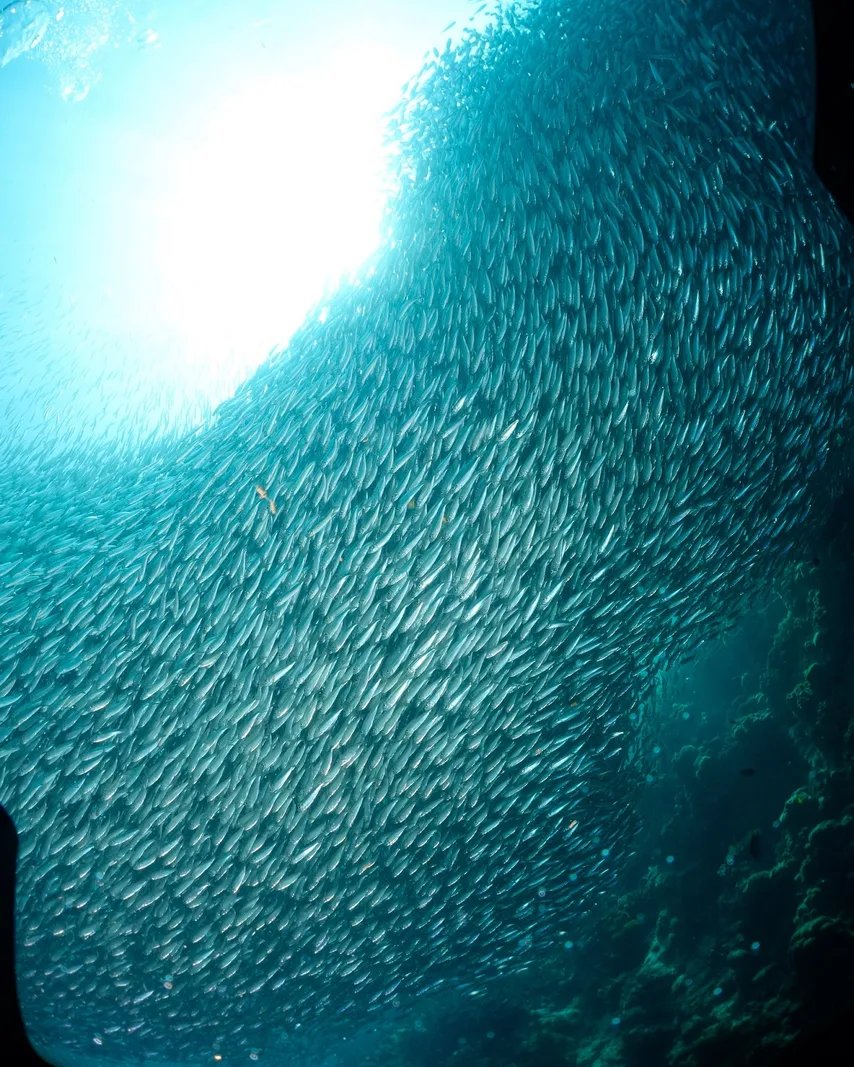
The sardine run at Moalboal (Pescador Island and Panagsama Beach) is one of those diving experiences that veteran divers struggle to describe to non-divers. A school of tens of millions of sardines — Sardinella lemuru — has been resident at Moalboal year-round, forming a living tornado of silver that spirals, billows, and reshapes itself in response to predators. Tuna, jacks, and barracuda hunt the school continuously; sardines die by the thousands every minute and the school renews itself endlessly from within. Watching this from 10 metres depth is genuinely overwhelming.
The sardine run is a shore dive — the school is 15 metres from Panagsama Beach at a depth of 8–20 metres. Equipment rental on the beach costs PHP 300–600 (£4.20–8.30) for mask, fins, and wetsuit. Dive guide recommended but not required for experienced divers. This is also one of the best locations in the Philippines for whale shark encounters (Oslob is 45 minutes south by road, and whale shark season is year-round there), though the feeding-based whale shark tourism at Oslob remains controversial among the diving community.
DAN Dive Insurance for UK Divers
Standard travel insurance rarely covers diving accidents fully — hyperbaric chamber treatment, which is the standard treatment for decompression sickness, is expensive and often excluded from general policies. UK divers should carry dedicated dive insurance from Divers Alert Network (DAN Europe). DAN membership includes emergency recompression chamber coverage, medical evacuation, and 24/7 dive emergency hotline access. Annual DAN Europe membership with full dive cover costs approximately £60–90/year — essential for any diving trip to the Philippines. The Philippines has recompression chambers in Subic Bay, Manila, and Cebu; your dive operator will know the nearest facility to your dive site.
PADI Qualifications and UK Certification Recognition
PADI (Professional Association of Diving Instructors) is the globally recognised standard, and all reputable Philippines dive operators accept PADI, BSAC, SSI, and NAUI certifications equally. British divers certified through BSAC (British Sub-Aqua Club) will find their qualifications fully recognised throughout the Philippines. Your certification card (plastic PADI/BSAC card) is sufficient — you should not need to present your logbook for resort dives, though for liveaboards at advanced sites like Tubbataha, your logbook will be reviewed and minimum dive counts enforced.
Best Months for Each Philippine Dive Site
- Tubbataha Reef — March to June only (the access window is strictly seasonal)
- Coron wrecks — November to May (dry season, best conditions and visibility)
- Malapascua threshers — year-round; April–May has the warmest water and best visibility
- Moalboal sardines — year-round; the school is permanent
- Apo Island (Dumaguete) — year-round; sea turtles, Napoleon wrasse, strong reef fish density
- Verde Island Passage — November to May; rated by some marine biologists as the "centre of the centre of marine biodiversity"
- Puerto Galera — November to May; muck diving and reef diversity
Combining Tubbataha with El Nido
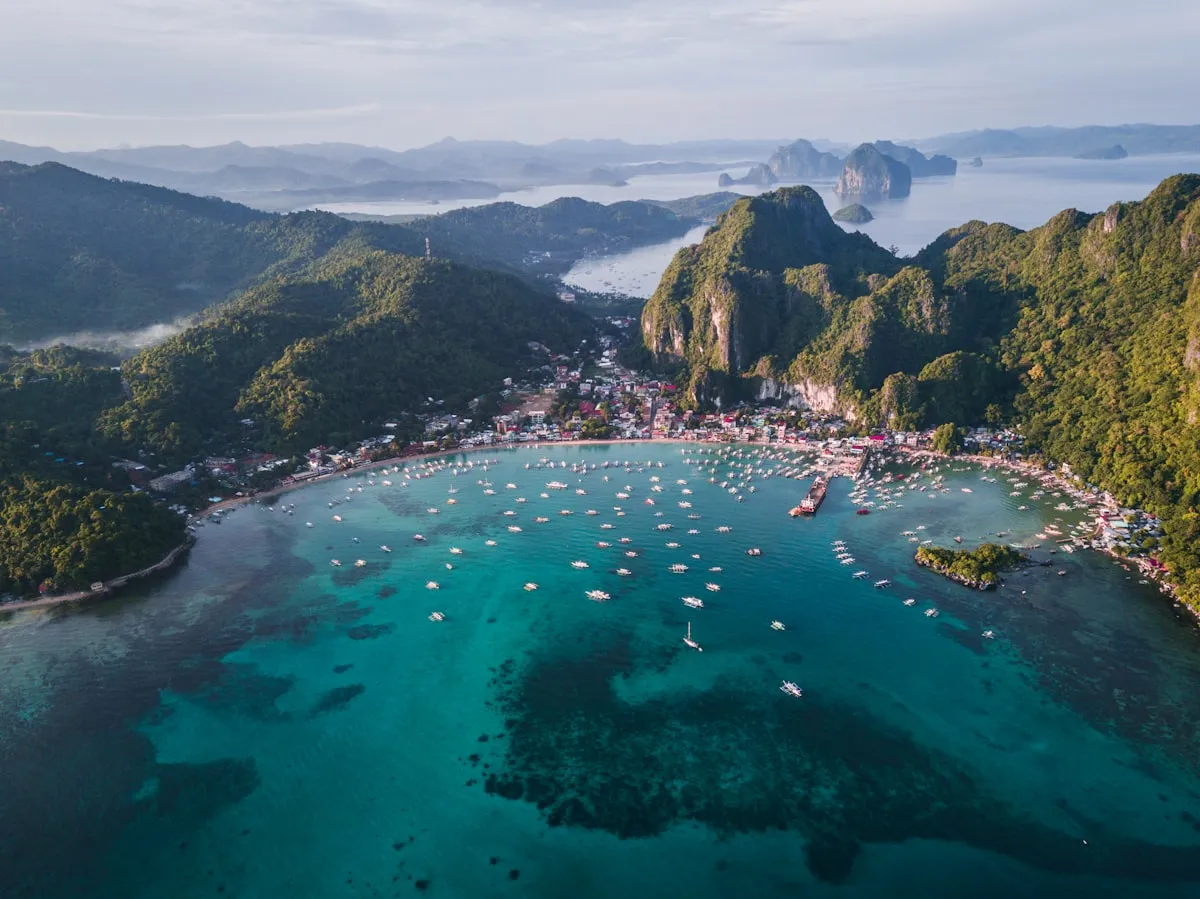
The most popular high-end Philippines itinerary for British divers combines a Tubbataha liveaboard (5 days from Puerto Princesa) with a stay in El Nido (3–4 nights, combining above-water island hopping with reef dives). The routing works naturally: fly London to Manila, fly Manila to Puerto Princesa, board liveaboard for Tubbataha, return to Puerto Princesa, take the van or AirSwift flight north to El Nido, explore the lagoons, fly back to Manila and home. Total trip: 12–14 days. This itinerary is available as a package through UK dive travel specialists and represents exceptional value for money relative to comparable liveaboard experiences in the Maldives or Red Sea.
Frequently Asked Questions
How much does a Tubbataha liveaboard cost for a UK diver?
A 4-night/5-day Tubbataha liveaboard departs from Puerto Princesa, Palawan, and costs between £2,500 and £4,500 per person depending on the vessel (budget shared cabin versus premium private cabin) and operator. This price includes all meals and 16–18 dives. Additional costs include Philippine park entry fees (approximately USD 150 = £120), equipment rental if you don't bring your own regulators and BCD (PHP 1,500–2,500/day = £21–35/day), and your DAN dive insurance. You should budget £2,800–5,000 all-in for the liveaboard portion of your trip, plus your UK return flights.
When is the best time to dive Tubbataha from the UK?
The Tubbataha season runs mid-March to mid-June. For British travellers, April and May are the most popular departure months — the season is in full swing, conditions are excellent, and the shoulder between dry and wet season means calm Sulu Sea crossings. Liveaboard slots sell out many months in advance for peak April dates; book by November or December for the following April. UK-based dive travel operators (Oonasdivers, Diverse Travel, The Scuba Place) typically release Tubbataha packages in September–October for the following year's season.
What diving experience level do I need for Tubbataha?
Tubbataha requires a minimum of Advanced Open Water PADI (or BSAC Sports Diver equivalent) and at least 50 logged dives, though most reputable operators prefer 100+ dives. Rescue Diver certification is recommended. Currents at Tubbataha can be powerful and changeable — good buoyancy control and calm-water drift diving experience are essential. This is not an appropriate destination for new open-water divers or those who have not dived in more than 2 years without a refresher. Your logbook will be reviewed at check-in.
Are BSAC qualifications accepted in the Philippines?
Yes, universally. BSAC (British Sub-Aqua Club) certifications are fully recognised at all Philippine dive operators and liveaboard vessels. Your BSAC Sports Diver card is equivalent to PADI Advanced Open Water; BSAC Dive Leader is equivalent to PADI Rescue Diver. Carry your BSAC card and your most recent logbook. For liveaboards requiring specific minimum qualifications, inform the operator of your BSAC certification level when booking and they will confirm the equivalent requirement.
Do I need separate dive insurance as a UK diver in the Philippines?
Yes. Standard UK travel insurance policies — including premium policies from established insurers — typically exclude or severely limit coverage for diving accidents, decompression sickness treatment, and hyperbaric chamber sessions. DAN Europe (Divers Alert Network) provides dedicated dive accident insurance covering emergency recompression treatment, medical evacuation, and 24-hour emergency assistance. Annual DAN Europe membership with full coverage costs £60–90/year and is the standard among experienced UK diving travellers. Never dive in the Philippines without valid dive accident insurance in addition to your standard travel insurance.

PANA.PH Editorial Team
Philippines travel desk
The PANA.PH travel desk researches, books and re-checks Philippines travel logistics — fares, ferry schedules, government fees and permit rules — and publishes what it can verify.
🏡 Real local stays (book direct)
Hand-picked homestays and guesthouses — book direct, no markup.
Browse all local stays →
🌊 Popular activities (book instantly)
Island hopping, canyoneering, whale sharks — real Klook/GetYourGuide options.
View all activities →