The Philippines is one of the most affordable long-haul destinations available to British travellers — if you know how to budget. The exchange rate is favourable (roughly 72 PHP to the pound as of 2026), domestic travel is cheap, and the gap between budget and comfortable travel is smaller here than almost anywhere in Southeast Asia. But getting to the Philippines from the UK costs real money, and a poorly planned itinerary can see those savings evaporate quickly. Here is a complete, honest breakdown of every cost you will face — in GBP, with real 2026 prices.
How Much Does a Philippines Holiday Cost from the UK? (2026 Budget Guide)
Trip.com
Search on Trip.comHotels in Philippines
Compare live prices via Travelpayouts — targeted for this guide.
The Big One: Return Flights from the UK
This is your largest single expense, and it sets the tone for your entire trip budget. From London Heathrow to Manila (NAIA, Terminal 1 or 3), expect:
- £450–600 return — shoulder season (September–October, May, early November), booked 6–10 weeks in advance. Airlines: Qatar Airways, Emirates, Cathay Pacific, EVA Air via respective hubs.
- £550–750 return — peak UK holidays (July–August), booked 3–4 months out. The same airlines but at higher demand pricing.
- £700–900 return — last-minute peak fares, Christmas/New Year period, or if you're booking within 3 weeks of departure.
- £1,800–3,500 return — business class (Qatar Qsuites, Emirates business). Worth considering if you're doing a longer trip of 3+ weeks — arriving rested makes a meaningful difference.
From Manchester, Emirates and Qatar operate direct services to their hubs; expect to pay £30–80 more than equivalent Heathrow fares. From Edinburgh or Glasgow, factor in either a feeder flight to Heathrow/Manchester (£50–120 return) or connecting via Amsterdam (KLM to Manila is a solid option at competitive prices).
How to get the best flight price: Set fare alerts on Google Flights and Skyscanner 3–5 months before your travel dates. January through April departures from the UK typically offer the best combination of fare price and destination weather. Avoid the Christmas and Easter periods if budget is a priority — fares spike 30–50%.
Trip.com
See all tours in Philippines on Trip.comTours & activities in Philippines
Hand-picked experiences in Philippines — book on Trip.com with instant confirmation.


Internal Flights Within the Philippines
The Philippines is an archipelago — inter-island travel requires either a boat (slow) or a domestic flight (fast and cheap by UK standards). Budget a separate allowance for internal travel:
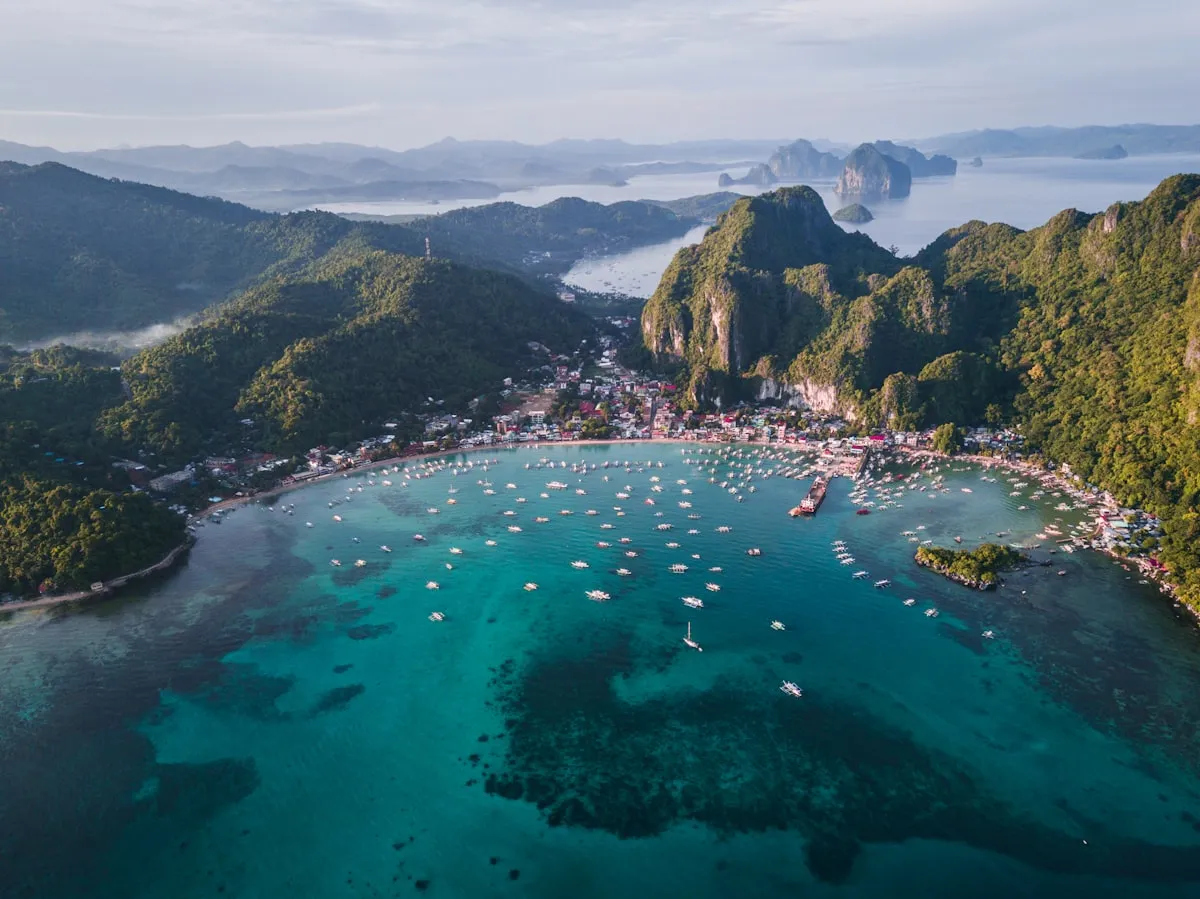
- Manila to El Nido (AirSwift prop plane): PHP 4,500–8,000 one-way = £63–111. Expensive for the Philippines but saves 5+ hours vs the Puerto Princesa overland route.
- Manila to Puerto Princesa (Palawan): PHP 800–2,500 one-way = £11–35. Then a 5-hour van transfer to El Nido (PHP 700–900 = £10–12).
- Manila to Cebu: PHP 800–2,500 one-way = £11–35. The busiest domestic route; plenty of options all day.
- Cebu to Siargao: PHP 1,200–3,000 one-way = £17–42.
- Coron to Cebu (via Manila): PHP 2,000–4,500 one-way = £28–63.
A typical 2-week itinerary hitting 3–4 destinations will cost £150–280 per person in domestic flights if booked 4–6 weeks ahead. Book directly through Cebu Pacific (cebupacificair.com), AirAsia (airasia.com), or Philippine Airlines (philippineairlines.com). Seat sales run frequently — Cebu Pacific's "piso fare" sales aren't realistic for foreigners booking late, but genuine promotional fares of PHP 888–1,499 one-way appear regularly.
Accommodation Costs by Destination
Accommodation in the Philippines spans an extraordinary range, from £5-a-night dormitory beds to £400-a-night private island resorts. Here are realistic per-night costs for a solo traveller or couple (prices per room):
El Nido, Palawan
- Budget guesthouse (fan room, shared bathroom): PHP 700–1,200 = £10–17
- Mid-range guesthouse (air-con, private bathroom, sea view): PHP 2,500–5,000 = £35–70
- Boutique resort (beachfront): PHP 6,000–12,000 = £84–167
Coron, Palawan
- Budget: PHP 800–1,500 = £11–21
- Mid-range: PHP 2,000–4,000 = £28–56
Cebu City / Mactan Island
- Budget hostel: PHP 500–900 = £7–12
- Mid-range hotel: PHP 2,000–4,500 = £28–62
- Resort (Mactan beachfront): PHP 5,000–15,000 = £70–208
Siargao Island
- Surf camp (fan room): PHP 1,200–2,500 = £17–35
- Mid-range: PHP 2,500–5,000 = £35–70
Manila (Makati / BGC)
- Budget hotel: PHP 1,200–2,500 = £17–35
- Mid-range: PHP 3,000–6,000 = £42–83
- Business hotel: PHP 6,000–12,000 = £83–167
Food and Drink Costs
This is where the Philippines genuinely shines for British travellers. You can eat extraordinarily well for very little money.
Budget eating (carinderia / street food)
A carinderia is a Filipino canteen — a small, open-fronted eatery with steam trays of ready-cooked dishes. Point at what you want, pay PHP 100–180 for a meal with rice, a main dish, and a drink. That is £1.40–2.50. A halo-halo (the iconic Filipino shaved ice dessert) from a street vendor: PHP 60–80 = £0.85–1.10. Fresh buko (young coconut) from a roadside vendor: PHP 30–50 = £0.42–0.70.
Mid-range restaurant dining
A proper sit-down Filipino restaurant meal — grilled seafood, sinigang (tamarind soup), kare-kare (oxtail in peanut sauce) — runs PHP 400–900 per person = £5.50–12.50 including a beer. In tourist areas like El Nido or Boracay, international restaurant meals run PHP 600–1,200 = £8–17.
Drinks
- San Miguel Beer (330ml, convenience store): PHP 55–80 = £0.75–1.10
- San Miguel Beer (restaurant): PHP 80–150 = £1.10–2.10
- Fresh buko juice: PHP 40–80 = £0.55–1.10
- Bottled water (1.5L): PHP 25–40 = £0.35–0.55
- Brewed coffee: PHP 60–120 = £0.85–1.65
- Cocktail (tourist bar): PHP 200–400 = £2.80–5.50
Tours and Activities
- El Nido Island Hopping Tour A (Big Lagoon, Small Lagoon, Shimizu Island): PHP 1,200–2,000 = £17–28 per person including lunch
- El Nido Island Hopping Tour C (Secret Beach, Cathedral Cave): PHP 1,200–2,000 = £17–28
- Coron snorkelling island tour (Kayangan Lake, Twin Lagoon, Barracuda Lake): PHP 1,200–1,800 = £17–25
- Coron WWII wreck diving (2-dive boat trip, equipment rental): PHP 3,000–5,000 = £42–70
- Kawasan Falls canyoneering (Cebu, full day with guide): PHP 1,500–2,200 = £21–30
- Oslob whale shark encounter (Cebu): PHP 1,000–1,500 = £14–21
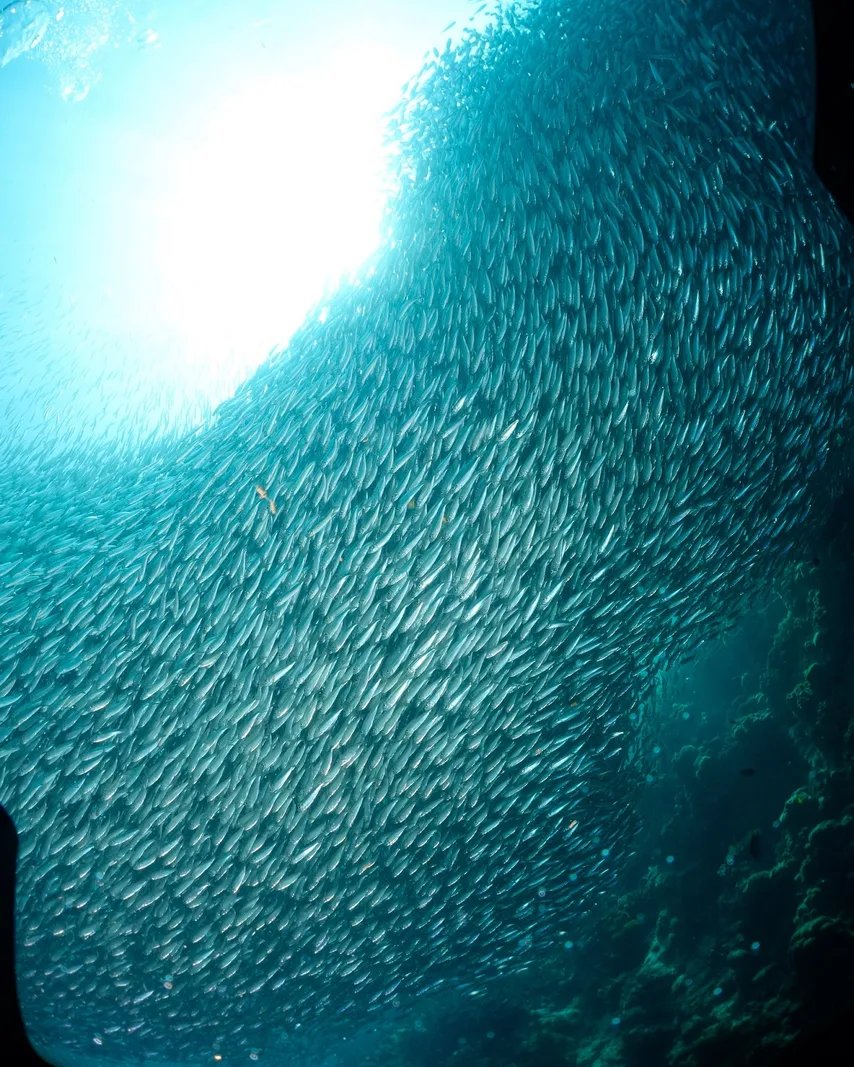
- Moalboal sardine run snorkel: PHP 300–600 for equipment rental = £4–8 (sardines are 15m from shore, no boat needed)
- Chocolate Hills + tarsier tour (Bohol, full day): PHP 1,200–2,000 = £17–28
- Puerto Princesa Underground River (with van transfer): PHP 1,500–2,500 = £21–35
Travel Insurance
Non-negotiable for Philippines travel from the UK. The Philippines has no reciprocal healthcare agreement with the UK. Medical costs at private hospitals (the ones with reliable English-speaking staff and decent equipment) can be substantial. Emergency evacuation from a remote island can cost thousands of pounds without insurance.
UK travel insurance providers popular with Philippines-bound travellers:
- World Nomads — widely used by adventurous UK travellers; excellent adventure activity cover including diving, surfing, and canyoneering. 2-week Philippines policy: approximately £45–70.
- True Traveller — UK-based, designed for long-term and adventure travellers; competitive pricing for Philippines cover including water sports. 2-week policy: £35–60.
- Columbus Direct — mainstream UK insurer with strong Philippines coverage; good for families and less adventurous travellers. 2-week policy: £30–55.
- Coverwise — budget option for straightforward trips; check activity cover carefully if diving or doing watersports.
Always declare pre-existing medical conditions. Always check that your specific activities (diving below 40m, motorbiking, etc.) are covered. Read the small print on typhoon-related cancellation cover if travelling June–November.
Tipping Culture
The Philippines has a moderate tipping culture — less mandatory than the US but more expected than most of Europe. Guidelines for British travellers:
- Restaurants: 10% is standard at sit-down restaurants. Many restaurants add a 10% service charge automatically — check the bill before adding more. No tip expected at carinderias or fast food.
- Hotel staff (porter, housekeeping): PHP 50–100 (£0.70–1.40) per service is appreciated.
- Tour guides and boat crew: PHP 100–300 per guide per day (£1.40–4.20) is customary and genuinely meaningful to them.
- Drivers (private transfers): PHP 100–200 (£1.40–2.80) tip on top of the agreed fare is appreciated.
- Massage: PHP 50–100 (£0.70–1.40) tip is standard.
Credit Cards and ATMs
Visa and Mastercard are widely accepted in hotels, larger restaurants, and shops in cities and tourist areas. In more remote areas and local markets, cash (PHP) is king. ATMs are available in all major tourist destinations — BDO, BPI, and Metrobank are the most reliable networks. Withdrawal fees vary: expect PHP 200–250 (£2.80–3.50) per transaction from Philippine banks plus whatever your UK bank charges.
Best UK cards for Philippines travel (no foreign transaction fees, no ATM fees):
- Starling Bank — zero foreign transaction fees, zero ATM fees on withdrawals up to £300/day. The top choice.
- Monzo — zero fees abroad; ATM withdrawals free up to £200/30 days, then 3% after. Fine for most trips.
- Chase UK — 1% cashback on overseas spending; zero ATM fees. Excellent.
- Wise card — mid-market exchange rate, small conversion fee but usually beats bank rates significantly.
Avoid using your standard high-street UK bank debit or credit card without checking their foreign transaction fees first — Barclays, HSBC, and NatWest typically charge 2.75–2.99% per transaction plus ATM fees, which adds up significantly over a 2-week trip.
All-In Budget Summary: 2 Weeks in the Philippines from the UK
Budget Traveller: £1,300–1,700 all-in
- Flights: £500 (shoulder season, booked ahead)
- Accommodation: £200 (hostels and budget guesthouses, 14 nights)
- Food and drink: £150 (mostly street food and carinderias)
- Tours and activities: £150
- Internal flights: £180
- Travel insurance: £45
- Miscellaneous (SIM card, airport transfers, tips, shopping): £100
Comfortable Traveller: £2,200–3,000 all-in
- Flights: £650 (peak season or better airline)
- Accommodation: £700 (mid-range hotels and guesthouses, 14 nights)
- Food and drink: £350 (mix of restaurants and street food)
- Tours and activities: £300
- Internal flights: £250
- Travel insurance: £55
- Miscellaneous: £200
Luxury Traveller: £4,500–7,000+ all-in
- Flights: £1,500–3,500 (business class)
- Accommodation: £1,500–2,500 (boutique resorts, 14 nights)
- Food and drink: £600 (restaurant dining, sundowner cocktails)
- Tours and activities: £500 (private boat charters, premium dive operators)
- Internal flights: £400 (AirSwift plus extras)
- Travel insurance: £80 (comprehensive including activities)
- Miscellaneous: £400
3-Week Philippines Budget from the UK
Three weeks allows you to cover more ground without the frantic pace of a 2-week trip. The additional week adds approximately £400–800 in-country costs (accommodation, food, local transport, extra tours) depending on your travel style. Flights don't change significantly — check whether your airline allows a 21-day versus 14-day return at comparable prices (most do). A comfortable 3-week all-in budget from the UK sits at £2,800–4,000; budget travellers can do it for £1,700–2,100.
Frequently Asked Questions
Is the Philippines cheap for British tourists?
Yes, significantly so. Once you've paid for your flights from the UK, in-country costs are very low by British standards. A comfortable daily spend (decent accommodation, mix of restaurants and street food, one activity per day) runs £55–90 per day. Budget travellers can get by on £30–45 per day. The exchange rate of approximately 72 PHP per pound means your spending money goes much further than in Thailand or Bali, which have seen significant price inflation in recent years.
How much spending money should I take for 2 weeks in the Philippines?
Budget travellers: £500–700 in spending money (on top of flights and travel insurance). Comfortable travellers: £1,000–1,500. Luxury: £2,500+. Take a mix of a fee-free UK debit card (Starling, Monzo, or Chase) and a small amount of GBP cash (£100–200) to exchange at money changers in Manila for a competitive rate. Do not rely solely on cards — cash is essential in local markets and remote islands.
What is the best way to pay in the Philippines as a British tourist?
A combination of a fee-free UK debit card for ATM withdrawals and larger purchases (hotels, tour operators) plus Philippine peso cash for day-to-day spending. Starling Bank is the most recommended option among experienced UK travellers for zero-fee overseas withdrawals. GCash (the Philippine mobile wallet) is increasingly accepted in tourist areas and can be loaded from some foreign cards, but a UK bank card at a reliable ATM remains the simplest and most cost-effective approach.
Do I need to buy Philippine pesos before leaving the UK?
No — and in fact you should not, as UK bureaux de change offer significantly worse exchange rates than ATMs and money changers in the Philippines. Bring some GBP cash (£100–200) if you want the flexibility of exchanging at a money changer in Manila or major cities, where rates are consistently better than anything you'll get in the UK. For the majority of your PHP needs, use a fee-free UK card at a BDO, BPI, or Metrobank ATM on arrival.
Is travel insurance really necessary for the Philippines?
Absolutely essential. There is no NHS equivalent in the Philippines and no reciprocal healthcare agreement with the UK. A serious illness, diving accident, or injury requiring hospital treatment can cost PHP 50,000–500,000 (£700–7,000+) or far more for complex cases requiring intensive care or medical evacuation. Travel insurance from a reputable UK provider (World Nomads, True Traveller, Columbus Direct) costs £35–70 for a 2-week trip — a tiny fraction of the potential costs without it. Never travel to the Philippines without valid travel insurance.
Book tours, hotels & stays in Philippines Holiday
Top tours
- Boracay UFO Ride Water Adventure — PHP 858 · 5★
- California Breeze Campsite — PHP 891 · 5★
- Caliah Homes — PHP 1065 · 5★
- Home in Pagadian City near airport — PHP 1267 · 5★
- Dreamwave Hotel Polangui — PHP 1423 · 5★
- Manila All-Access Bar Crawl, Club and Rooftop Tour — PHP 1511 · 5★
Top hotels
- Ocam Ocam Casadyan Inn — PHP 715/night · 5★
- California Breeze Campsite — PHP 891/night · 5★
- Caliah Homes — PHP 1064/night · 5★
- Cabrera Haven Residences — PHP 1230/night · 5★
- Home in Pagadian City near airport — PHP 1267/night · 5★
Top stays
- California Breeze Campsite — PHP 891/night · 5★
- Caliah Homes — PHP 1065/night · 5★
- Home in Pagadian City near airport — PHP 1267/night · 5★
- Fnt Transient House Near Hundred Islands — PHP 1322/night · 5★
Sources
Primary references for the figures and rules in this guide. Fees and schedules change — check the source before you travel.

PANA.PH Editorial Team
Philippines travel desk
The PANA.PH travel desk researches, books and re-checks Philippines travel logistics — fares, ferry schedules, government fees and permit rules — and publishes what it can verify.
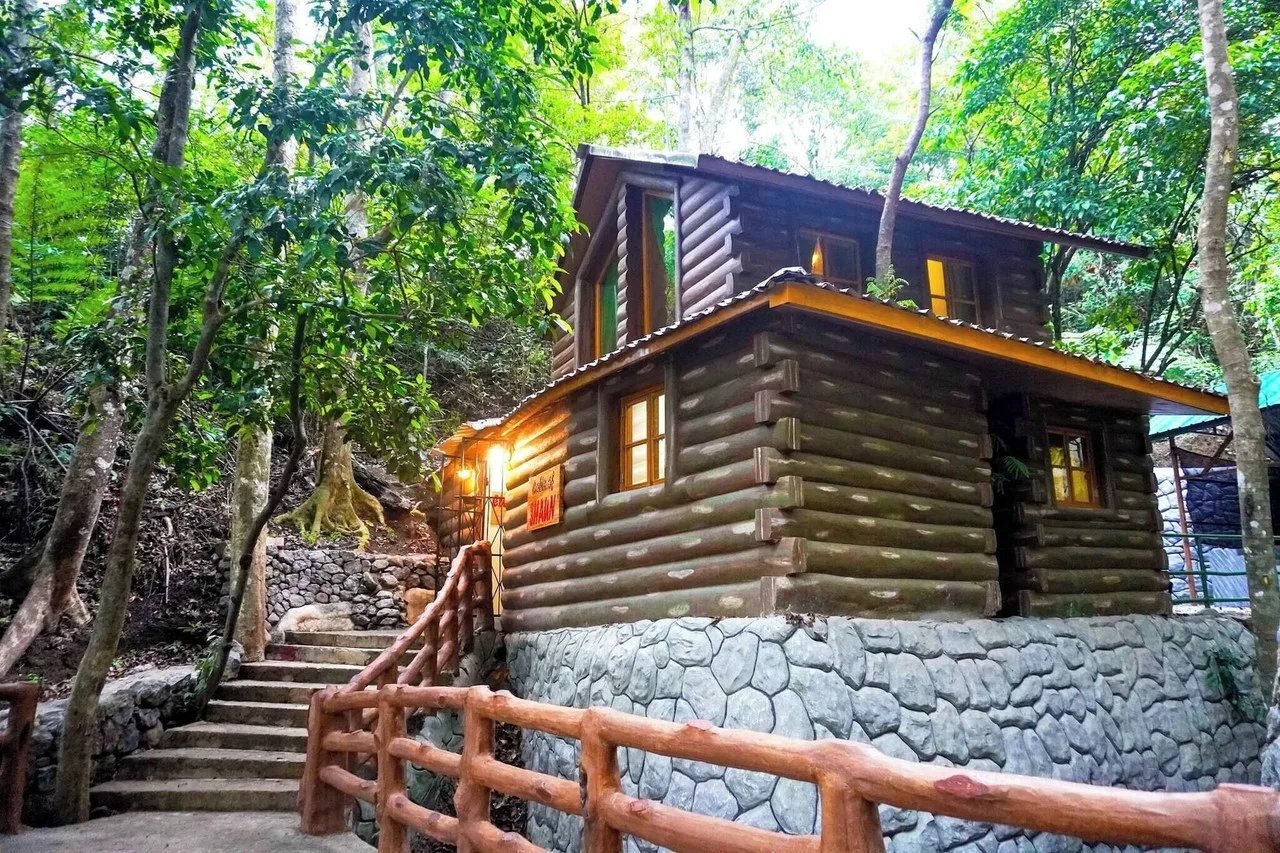
🏡 Real local stays (book direct)
Hand-picked homestays and guesthouses — book direct, no markup.
Browse all local stays →
🌊 Popular activities (book instantly)
Island hopping, canyoneering, whale sharks — real Klook/GetYourGuide options.
View all activities →