Imagine landing in Manila in January. You left Oslo or Stockholm in darkness at 3 PM, temperature minus 8 Celsius, the sun barely clearing the horizon before retreating again. You have been wearing wool base layers since October. Fourteen hours later, the cabin door opens at NAIA and a wave of thick, humid, 30-degree tropical air hits you. The contrast is so violent and so beautiful that many Scandinavian travellers describe it as a kind of physical reset -- a complete sensory re-calibration that no other long-haul destination delivers quite so dramatically.
Philippines for Scandinavian Travellers: From Nordic Winter to Tropical Paradise
Trip.com
Search on Trip.comHotels in Philippines
Compare live prices via Travelpayouts — targeted for this guide.
Norwegians, Swedes, Danes, and Finns have been discovering the Philippines in growing numbers over the past decade. The Norwegian Filipino connection is particularly deep -- Norway has one of the largest Filipino diaspora communities in Europe per capita. But across all four Nordic nations, the pattern is the same: travellers who arrive in the Philippines once almost always come back. The combination of extraordinary natural beauty, genuine warmth of the Filipino people, affordable prices, and English as a universal language creates an experience that converts casual visitors into committed regulars.
This guide is written specifically for travellers from Norway, Sweden, Denmark, and Finland planning a Philippines trip.
The Norwegian-Filipino Connection
Norway has a remarkable and deeply personal relationship with the Philippines. There are approximately 30,000--40,000 Filipinos living in Norway -- one of the highest per-capita Filipino diaspora concentrations in Europe. Many arrived as nurses, caregivers, and healthcare workers in the 1970s--1990s, recruited by Norwegian hospitals and care institutions facing workforce shortages. Others came through marriage (Filipino-Norwegian couples are common) and family reunification.
Trip.com
See all tours in Philippines on Trip.comTours & activities in Philippines
Hand-picked experiences in Philippines — book on Trip.com with instant confirmation.


The result is a Philippines--Norway connection that is not abstract or tourist-shallow but deeply personal: a significant percentage of Norwegian travellers to the Philippines are visiting partners' families, attending provincial fiestas with Filipino relatives, experiencing the country through Filipino eyes rather than from behind a hotel pool. This gives Norwegian travel to the Philippines a warmth and depth of experience that generic tourist travel rarely achieves.
Swedish Filipinos number approximately 40,000, making Sweden home to another large community. Denmark and Finland have smaller but established Filipino communities as well.
Flights from Scandinavia to the Philippines
All Scandinavian travellers require at least one connection to reach Manila. There are no non-stop services from any Nordic city. Here are the most practical options:
From Oslo (OSL)
Norwegian travellers most commonly fly via Dubai (Emirates, from Oslo Gardermoen), Doha (Qatar Airways), Istanbul (Turkish Airlines), or Singapore (Singapore Airlines). Total journey time: approximately 14--18 hours including connection. Fares: EUR 500--900 return. Emirates from Oslo to Dubai to Manila is one of the most popular routings -- clean single-booking experience with good seat options. Turkish Airlines from Oslo Gardermoen via Istanbul is often the cheapest option: EUR 480--750 return.
From Stockholm (ARN)
Swedish travellers fly from Stockholm Arlanda via Dubai (Emirates), Doha (Qatar), Istanbul (Turkish Airlines), or Singapore (Singapore Airlines). SAS (Scandinavian Airlines) does not fly to Manila directly but codeshare connections through Lufthansa or other Star Alliance partners via Frankfurt or Munich are possible. Total journey time: 14--18 hours. Fares: EUR 500--880 return. Turkish Airlines and Emirates tend to offer the best Stockholm-Manila pricing.
From Copenhagen (CPH)
Copenhagen Kastrup is the largest Nordic hub with the broadest range of connection options. Danish travellers have access to Emirates (via Dubai), Qatar Airways (via Doha), Turkish Airlines (via Istanbul), and Finnair connections (via Helsinki and then Asian hubs). Total journey time: 14--17 hours. Fares: EUR 490--860 return. Copenhagen often has more competitive fares than Oslo or Stockholm due to hub competition.
From Helsinki (HEL)
Finnair is the obvious natural option for Finnish travellers. Finnair flies Helsinki to various Asian hubs (Tokyo Narita, Hong Kong, Bangkok, Singapore) with onward connections to Manila. As a oneworld alliance member, Finnair connections with Cathay Pacific (Helsinki--Hong Kong--Manila) are seamless. Total journey time: 14--18 hours. Fares: EUR 520--900 return. The Helsinki--Tokyo--Manila routing via Finnair+Japan Airlines or ANA is another option for travellers wanting a Japan stopover.
Booking Tips for Nordic Travellers
Use Google Flights (set to your departure airport), Momondo.no/se/dk/fi, or Skyscanner.no. Momondo is particularly popular in Scandinavia and consistently finds good fares. The cheapest months for Scandinavians to fly to the Philippines are September--October and early November -- outside Norwegian and Swedish school holidays. Christmas and New Year travel (December 20 -- January 5) is expensive; book 4--6 months ahead if you want this window. Easter and February school holidays also see elevated demand from Scandinavian families.
Timing: When Nordic Darkness Aligns with Philippine Sunshine
This is arguably the most compelling practical argument for Scandinavian travellers. The Philippines dry season runs November through April -- covering the entirety of the Nordic dark season.
Consider the contrast by month:
- November: Oslo has 7 hours of daylight and frequent rain. El Nido, Palawan has 11 hours of sunshine and almost no rain. The Philippines dry season is just beginning -- perfect conditions at shoulder-season prices.
- December: Stockholm has 6 hours of daylight, sub-zero temperatures. Boracay has 29-degree sunshine and White Beach to itself (relative to peak season). Christmas in the Philippines is extraordinary -- Filipinos are the most enthusiastic Christmas celebrators on Earth, with decorations going up in September.
- January: Helsinki has 6 hours of pale daylight. Cebu, Bohol, and Palawan are at their absolute best -- low humidity, clear skies, calm seas. Peak tourist season in the Philippines corresponds with Nordic midwinter.
- February: Copenhagen is grey and cold. The Philippines is warm and dry. Panagbenga flower festival in Baguio. Valentine's week is busy -- book accommodation early.
- March--April: Easter week in the Philippines is fascinating (extremely religious celebrations, including some areas with crucifixion re-enactments) and coincides with Nordic Easter holidays. Palawan is at absolute peak season.
For Scandinavian travellers, the Philippines is uniquely positioned as the optimal northern winter escape. It is cheaper than the Maldives, warmer and more reliably sunny in winter than Southeast Asian alternatives that have their own rainy seasons, and more linguistically accessible (English) than Thailand or Bali.
The Nordic Outdoor Culture Translates Beautifully
Scandinavians are famous for their friluftsliv culture -- outdoor life, nature connection, physical activity in natural settings. This translates extraordinarily well to the Philippines:
Hiking and Trekking
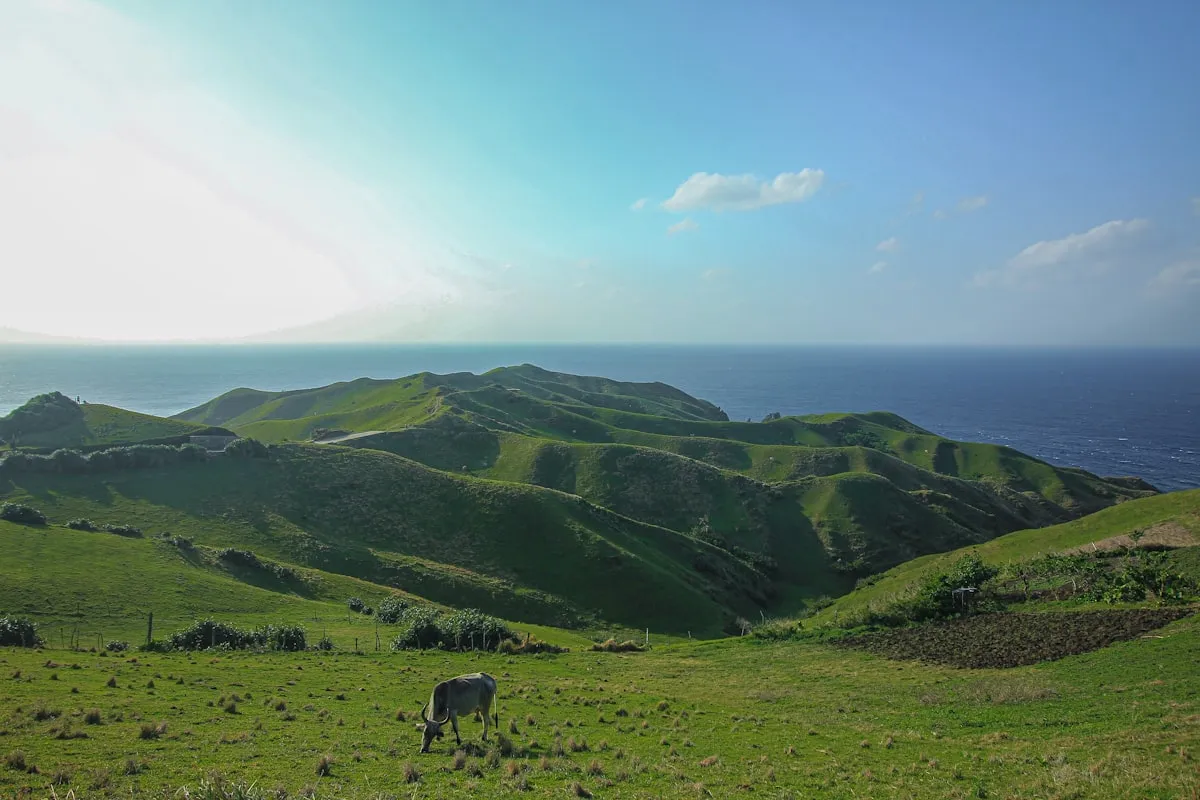
The Cordillera mountains of northern Luzon are made for Nordic hikers. Sagada (Mountain Province) offers excellent trekking through pine forests, limestone cave systems (spelunking with local guides), and the eerie hanging coffins of the Echo Valley. The rice terraces of Banaue and Batad (UNESCO World Heritage) involve multi-hour trail walks through living agricultural landscapes that have existed for 2,000 years. The summit of Mount Pulag (2,922m, Luzon's highest peak) is a dawn hike rewarded with a sea-of-clouds sunrise that rivals anything in Norway's fjords for pure landscape drama. Nordic hikers adapt to the Philippines mountain environment quickly -- the main adjustment is heat and humidity below 1,500m altitude.
Freediving and Cold-Water Swimming
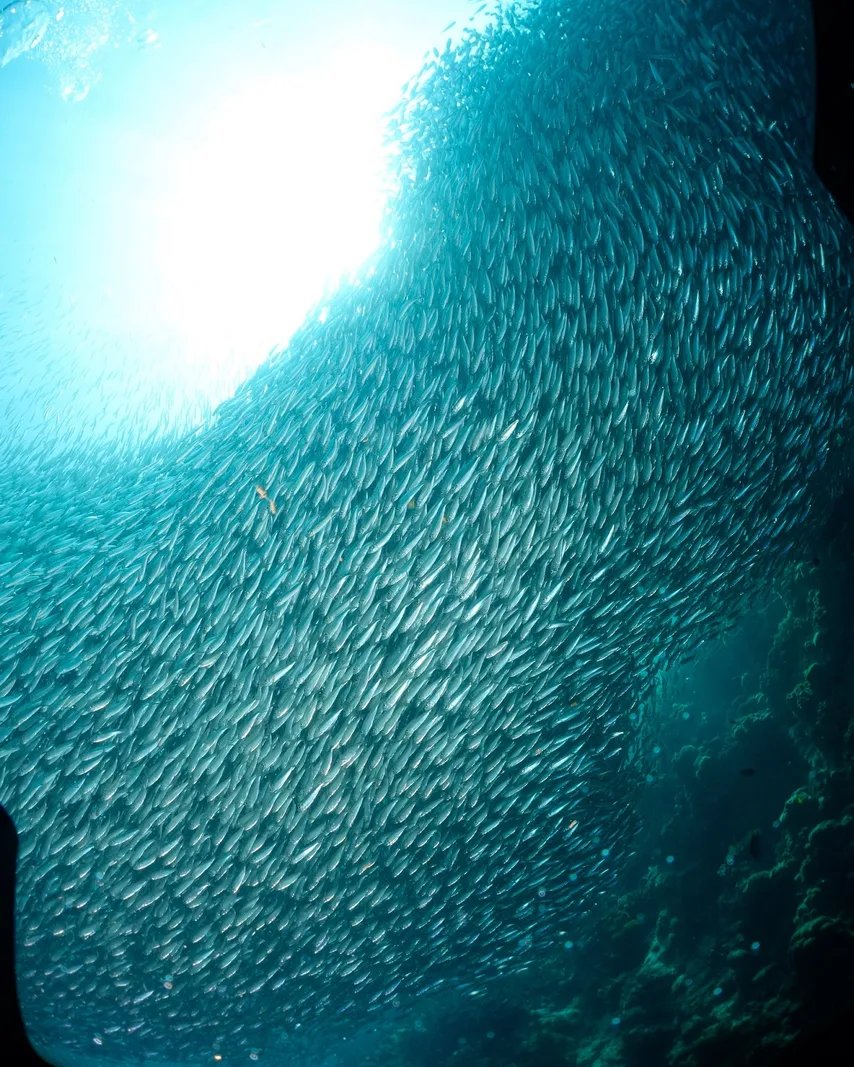
Scandinavians who practice winter swimming (isbadet) and cold-water exposure will find an unexpected match in Philippine freediving culture. The Philippines has a growing world-class freediving community centred in Coron (Palawan) and Dauin (Negros Oriental). Philippine waters at 25--30 degrees feel luxuriously warm to Nordic swimmers accustomed to North Sea and Baltic temperatures. The contrast from a Norwegian winter swim to a Philippine freediving session is almost medically therapeutic.
Surfing in Siargao
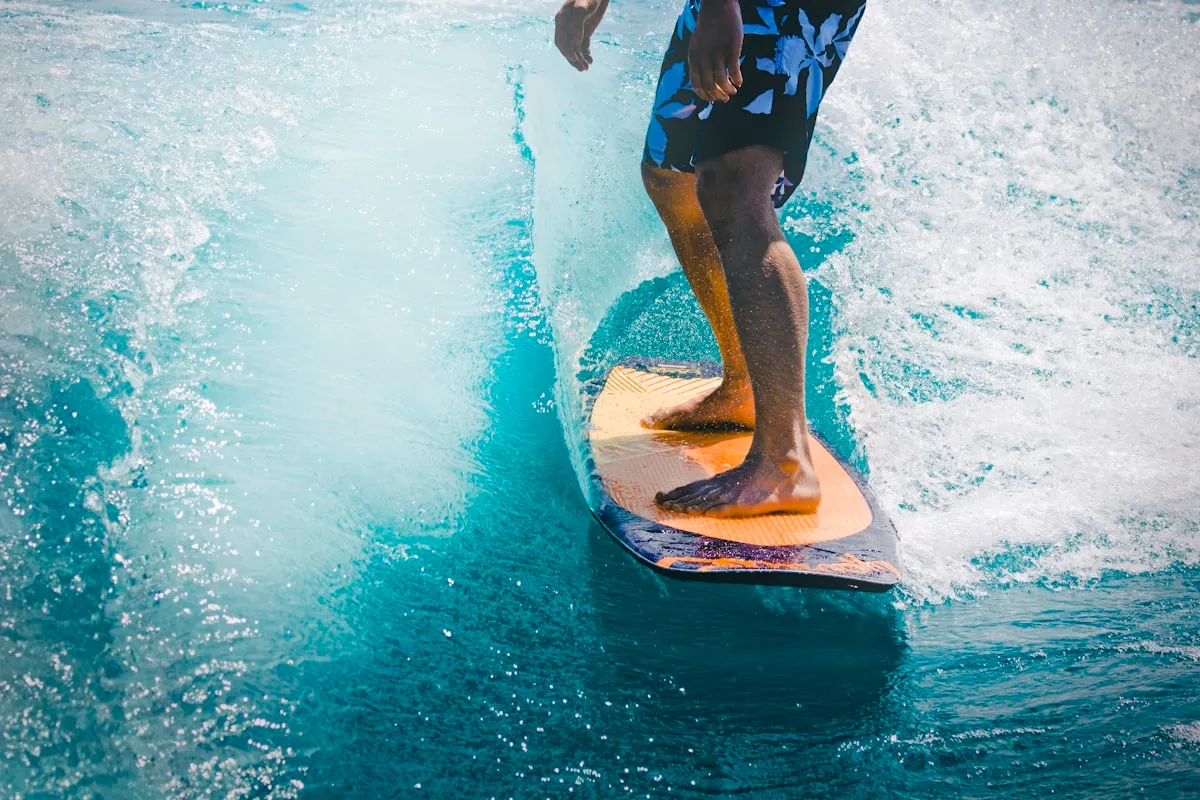
Swedish and Norwegian surfers who have historically congregated at spots like Hoddevik (Norway), Thurso (Scotland), and Hossegor (France) during the European winter surf season are increasingly turning to Siargao as a winter surf destination. Cloud 9 -- Siargao's iconic right-hand reef break -- is one of Asia's finest waves. The Philippine surf season (July--November for bigger swells) and the Nordic winter travel window (December--February, calmer but still surfable) create a year-round argument for Siargao from Scandinavia.
Norwegian Cruise Ships in Philippine Waters
Norwegian Cruise Line (NCL) and other major cruise operators include the Philippines on certain Southeast Asian and Asia-Pacific itineraries. Manila, Palawan, Boracay, and Cebu appear as ports of call on longer Asian cruise circuits. Norwegian travellers who prefer the structure of a cruise as an introduction to the Philippines before independent travel can use an NCL or Celebrity or Royal Caribbean Philippine itinerary as a "taster" -- experiencing multiple destinations before committing to a return independent trip.
Insurance: Essential for Nordic Travellers
Nordic universal healthcare systems (the Norwegian helseordning, Swedish sjukforsakring, Danish sygeforsikring, Finnish terveydenhuolto) provide extensive domestic coverage but limited or no coverage in the Philippines. Most Nordic health insurance systems cover emergency treatment in EU countries through EHIC/European health agreements, but the Philippines is outside this network entirely.
Buy travel insurance before departure. Specific options popular with Nordic travellers:
- Gouda Reiseforsikring -- popular in Norway, available online, strong medical coverage
- If Forsikring -- major Nordic insurer (Norway, Sweden, Denmark, Finland) with strong travel products
- Tryg Rejseforsikring -- Danish travellers' popular option
- Pohjola / OP Insurance -- Finnish travellers' major domestic insurer with travel products
- Falck Rejseforsikring -- popular in Denmark, excellent medical evacuation coverage
- World Nomads -- consistently popular across all Nordic countries for adventure and long-term travel
- DAN Nordic (Divers Alert Network) -- essential for Scandinavian divers; covers recompression chamber treatment not always included in standard policies
Budget EUR 30--80 for 2--3 weeks of Philippines coverage. Ensure the policy includes: medical emergency coverage (minimum EUR 100,000), emergency evacuation to your home country, trip cancellation/interruption, and specific coverage for activities (diving, surfing, motorcycling if you plan scooter rental).
IKEA in Manila: A Nordic Welcome Sign
For Scandinavian travellers experiencing a moment of homesickness or simply unable to believe their eyes: IKEA Manila exists. Located in Pasay, Metro Manila (very close to NAIA Terminal 3), it is one of the largest IKEA stores in Southeast Asia. The Swedish furniture giant opened in the Philippines to enormous enthusiasm from a Filipino middle class that had been ordering IKEA products online for years before the store arrived. For Nordic travellers, discovering Swedish meatballs and lingonberry sauce in a Manila mall is a surreal and genuinely delightful experience. It is also, oddly, a reminder of how globally connected the Philippines has become.
Cost Comparison: Philippines vs Scandinavia
Scandinavians live in some of the most expensive countries on Earth by virtually every measure. The Philippines offers the most dramatic purchasing power reversal of any popular long-haul destination for Nordic travellers:
- Beer at a Norwegian bar: EUR 8--12. Beer at a Philippine beach bar: EUR 0.80--1.50.
- Coffee in Stockholm: EUR 4--6. Barista-quality Filipino coffee (the Philippines grows excellent Arabica in Benguet): EUR 1.50--3.
- Restaurant dinner for two in Copenhagen: EUR 60--120. Restaurant dinner for two in Manila mid-range: EUR 15--35.
- Hotel night in Oslo (mid-range): EUR 120--200. Hotel night in El Nido (mid-range): EUR 35--70.
- Scuba diving day in Scandinavia: Rarely available; boat rental for recreational diving is EUR 100+. Scuba diving day in the Philippines (2 boat dives, guide, gear): EUR 25--45.
- Domestic flight in the Philippines (Manila to Cebu): EUR 15--50. Comparable Norwegian domestic flight (Oslo to Bergen): EUR 60--150.
In practical terms, a Scandinavian couple travelling mid-range in the Philippines spends EUR 100--150/day combined -- roughly what a couple would spend on dinner and a moderate hotel night at home. The Philippines delivers a full, rich travel experience at a fraction of Nordic living costs.
Swedish and Norwegian Backpacker Communities in Siargao
Siargao has developed a notable Nordic traveller community, particularly among younger Swedish and Norwegian backpackers in their 20s and 30s. The island's surf-and-lifestyle atmosphere, its genuinely affordable accommodation options (PHP 500--1,500/night for surf camps and guesthouses), and its natural beauty have made it a strong word-of-mouth recommendation in Nordic travel circles. The Siargao traveller community is international but Scandinavians are disproportionately represented among the European contingent -- and the long-stay, digital-nomad crowd includes a steady stream of Swedish and Norwegian remote workers who have discovered that Siargao's combination of fast internet, cheap costs, warm weather, and surfable waves makes it an extremely compelling alternative to a Nordic winter.
Frequently Asked Questions
Do Norwegians, Swedes, Danes, and Finns need a visa for the Philippines?
No. All four Nordic nationalities (Norway, Sweden, Denmark, Finland) enter the Philippines visa-free for 30 days on arrival. You need a valid passport with at least 6 months validity beyond your Philippines departure date, a return or onward ticket, and a completed e-Arrival Card (etravel.gov.ph) before landing. Extensions to 59 days are available at Bureau of Immigration offices for approximately PHP 3,030 (EUR 48). Norway and Iceland (outside EU but Schengen) are also visa-free.
What are the best flights from Norway/Sweden/Denmark/Finland to the Philippines?
From all four Nordic capitals, Emirates (via Dubai) and Qatar Airways (via Doha) are the most popular and consistently competitive options, with fares of EUR 480--900 return depending on season and booking timing. Turkish Airlines is often the cheapest, serving Oslo, Stockholm, and Copenhagen via Istanbul. Finnair from Helsinki via Tokyo or Bangkok adds a useful Asia-connecting option for Finnish travellers. Use Momondo (popular in all Nordic countries) or Google Flights for price comparison. Book 8--12 weeks ahead for best pricing; avoid peak school holiday periods.
Is the Philippines the best winter sun destination for Scandinavians?
It is an exceptional one. The Philippine dry season (November--April) aligns precisely with Nordic winter, delivering reliable sunshine and warm temperatures when Scandinavia is at its darkest and coldest. Compared to alternatives: the Philippines is cheaper than the Maldives and Seychelles; more reliably sunny in winter than Bali (which has its own wet season); more linguistically accessible than Thailand; and offers far more variety (7,641 islands, mountains, cities, diving, surfing) than a single-beach destination. The direct EUR-to-PHP purchasing power advantage (1 EUR = 62--65 PHP) makes the Philippines particularly compelling for cost-conscious Nordic travellers.
What is the Norwegian-Filipino connection?
Norway has approximately 30,000--40,000 Filipinos living and working there -- one of the largest Filipino communities in Europe on a per-capita basis. Many arrived from the 1970s onward as healthcare workers, nurses, and caregivers, and have built families and communities across Norwegian cities. Norwegian-Filipino families are common, and a significant proportion of Norwegian travel to the Philippines involves visiting partners' provincial families, attending local fiestas, and experiencing the Philippines through family connections rather than as conventional tourists. This gives Norwegian travel to the Philippines a particularly warm and personal dimension.
What outdoor activities in the Philippines suit Nordic travellers?
Many. For hikers: Mount Pulag (sea-of-clouds sunrise summit, 2,922m), Sagada trekking (pine forests, caves, hanging coffins), Banaue rice terrace hikes (UNESCO World Heritage), and Camiguin's volcano trails. For water sports: Cloud 9 surfing in Siargao, freediving in Coron and Dauin, WWII wreck diving in Coron, whale shark interaction in Oslob (Cebu), and island-hopping kayaking in El Nido and the Hundred Islands. Cold-water Nordic swimmers will find 26--30 degree Philippine waters an almost comically luxurious contrast to Baltic and North Sea temperatures. The Philippines rewards active Nordic travellers across almost every outdoor discipline.

PANA.PH Editorial Team
Philippines travel desk
The PANA.PH travel desk researches, books and re-checks Philippines travel logistics — fares, ferry schedules, government fees and permit rules — and publishes what it can verify.
🏡 Real local stays (book direct)
Hand-picked homestays and guesthouses — book direct, no markup.
Browse all local stays →
🌊 Popular activities (book instantly)
Island hopping, canyoneering, whale sharks — real Klook/GetYourGuide options.
View all activities →