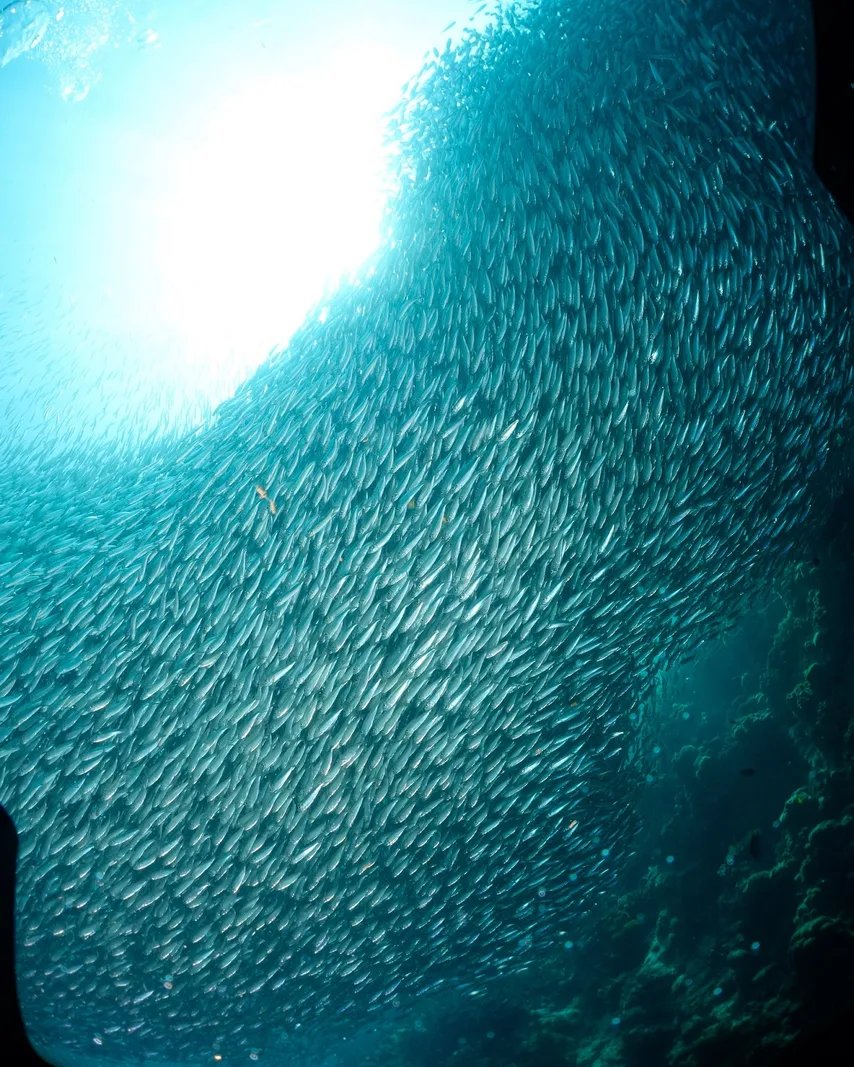
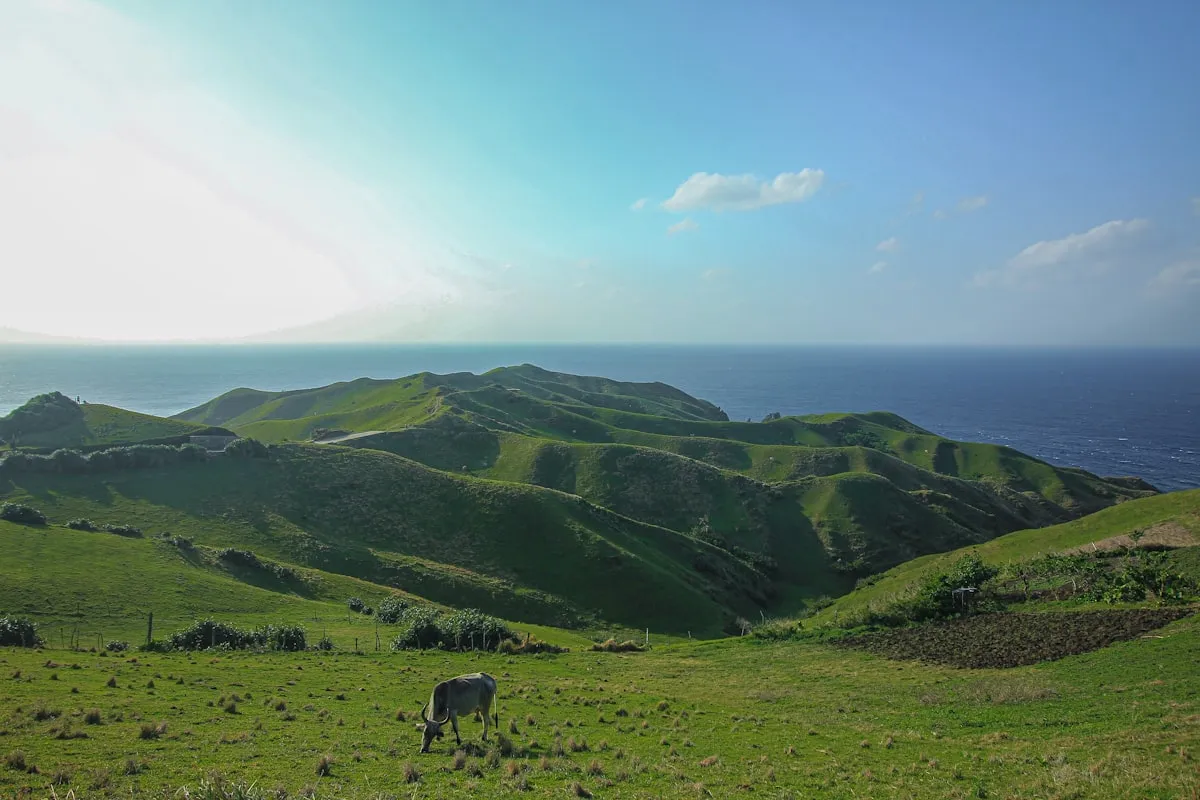
Japan and the Philippines share a relationship that goes far deeper than tourism. Economic ties, decades of Official Development Assistance from Japan to the Philippines, a shared history that includes the darkest chapters of World War II, and a surprisingly large Filipino community in Japan have built a bond between the two nations that shows up clearly in who visits the Philippines most often. Japanese travellers are consistently the second-largest inbound tourist group after Koreans, with several hundred thousand Japanese arrivals annually even in post-pandemic recovery years. The reasons are not hard to find: short flight times, a warm welcome, affordable prices, world-class diving, and an archipelago that offers Japanese travellers almost everything they look for in a tropical escape.
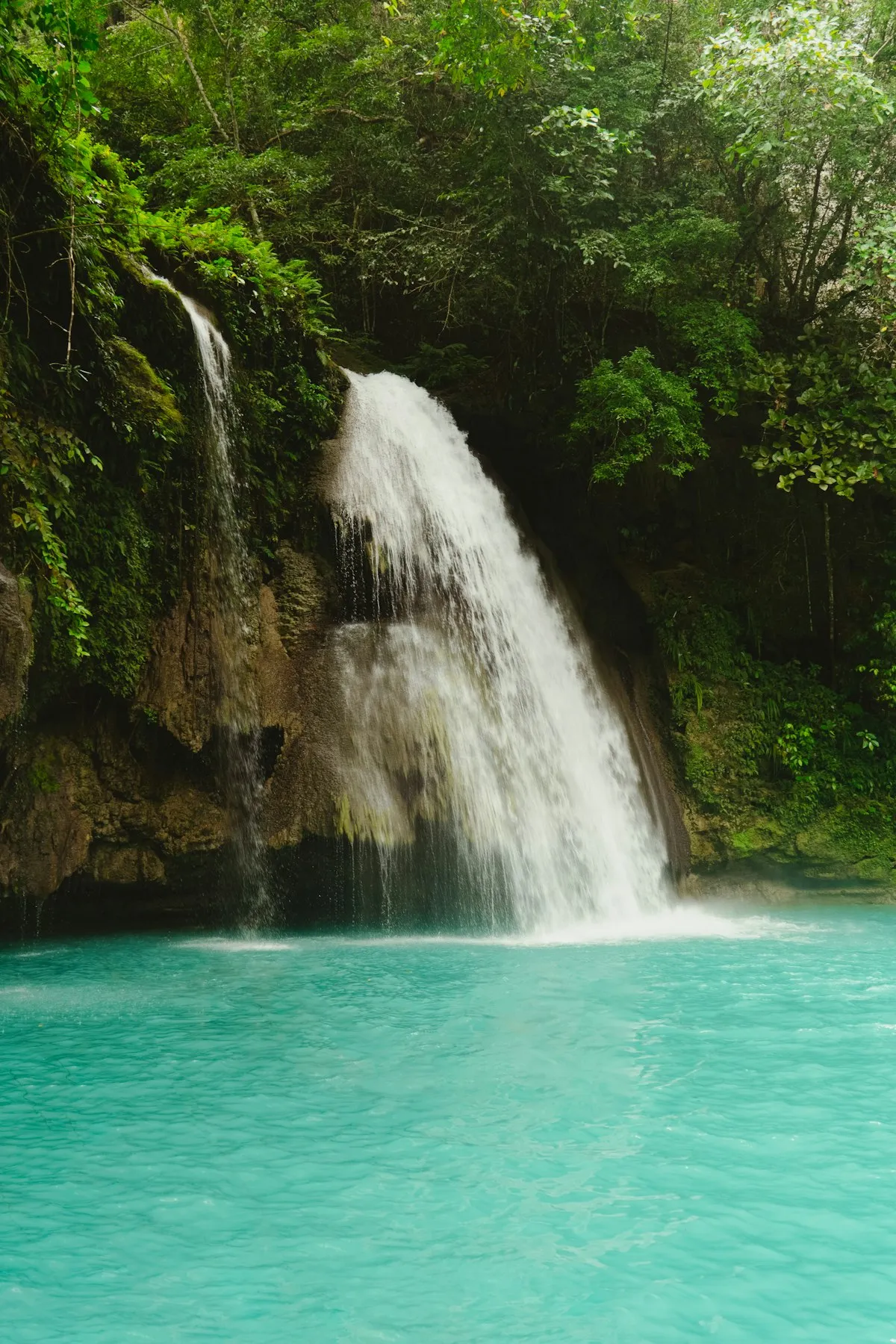
Philippines from Japan: Cebu, El Nido & the Islands Japanese Travellers Love
Hotels in Philippines
Compare live prices via Travelpayouts — targeted for this guide.
This guide covers everything a Japanese traveller needs to plan a Philippines trip — flights, money, the best destinations, food considerations, language support, and the historical and cultural connections that make the Philippines uniquely meaningful for Japanese visitors.
Flights from Japan to the Philippines
The Philippines is one of the closest tropical destinations from Japan — closer than Bali, Hawaii, Maldives, or Thailand from Tokyo. Direct flights connect multiple Japanese cities to Philippine gateways:
From Tokyo (Narita NRT and Haneda HND)
- Philippine Airlines — daily direct Tokyo Narita to Manila, plus Cebu routes. Full service, checked baggage included. Return fares JPY 40,000–80,000 economy depending on season.
- Cebu Pacific — budget carrier with Tokyo Narita to Manila and Cebu routes. Return fares from JPY 30,000 during seat sales, typically JPY 45,000–70,000 booked normally.
- ANA (All Nippon Airways) — premium service Tokyo Narita to Manila. Higher fares (JPY 60,000–120,000 return economy) but excellent service quality and flexibility.
- JAL (Japan Airlines) — Tokyo Narita to Manila with code-share connections. Strong choice for business travellers or those using Mileage Bank points.
From Osaka (Kansai International KIX)
- Philippine Airlines — Osaka KIX to Manila and Cebu. Flight time approximately 3 hours 30 minutes.
- Cebu Pacific — Osaka KIX to Cebu and Manila. Budget-friendly and frequently discounted.
- Peach Aviation — Japan's domestic LCC with routes to Manila from Osaka. Good value for travel within the Kansai region.
From Nagoya (Chubu Centrair NGO)
- Philippine Airlines and Cebu Pacific operate routes to Manila. Nagoya is the centre of Japan's manufacturing belt and has a particularly active business traveller flow to the Philippines given Japanese factory presence in Philippine economic zones.
Flight time from Tokyo to Manila: approximately 3 hours 50 minutes. From Osaka: 3 hours 30 minutes. This makes the Philippines genuinely viable for long weekend trips from Japan — a Friday night flight, three days in Cebu or Boracay, back Monday morning.
Tours & activities in Philippines
Hand-picked experiences in Philippines — book on Trip.com with instant confirmation.
Money: JPY to PHP
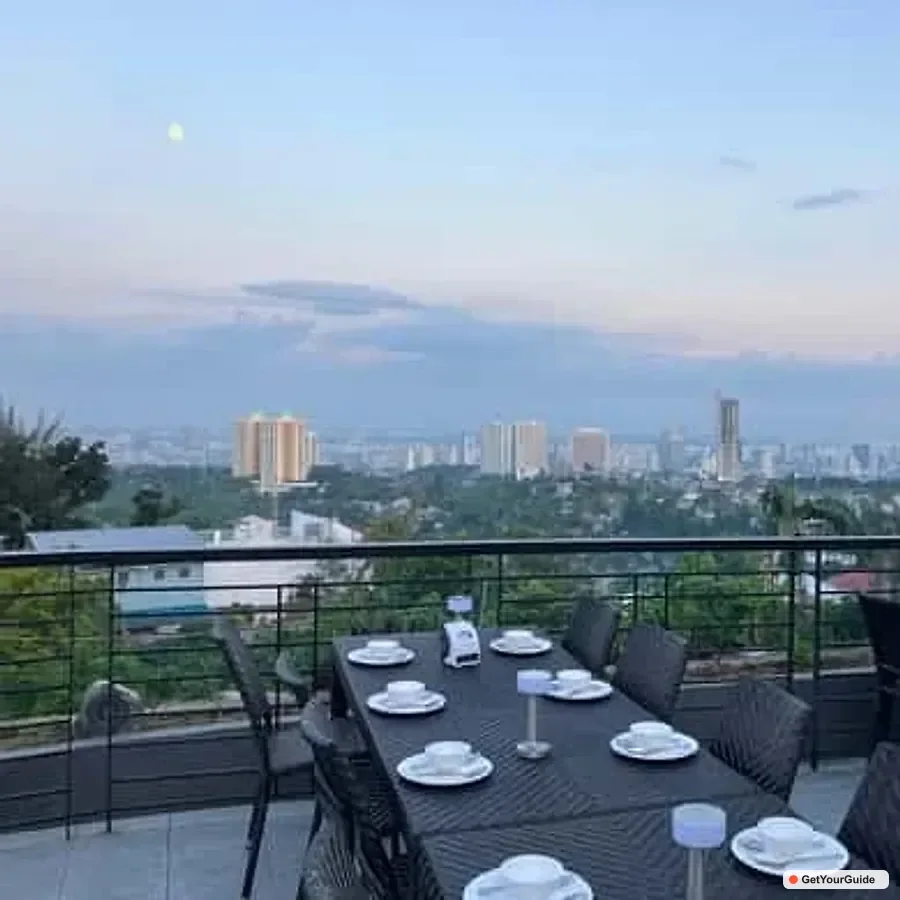
Exchange rates in 2026 give Japanese travellers reasonable purchasing power in the Philippines. Approximately JPY 1,000 equals PHP 380–420 (check current rates before travel). What this translates to at the destination:
- Casual sit-down meal for two at a Filipino or Japanese restaurant: PHP 600–1,200 (JPY 1,500–3,200)
- Mid-range hotel in Cebu or Manila per night: PHP 2,500–5,000 (JPY 6,500–13,000)
- PADI Open Water scuba certification: PHP 12,000–18,000 (JPY 31,000–47,000) — significantly cheaper than in Japan
- Island-hopping full-day tour: PHP 1,500–2,500 (JPY 3,900–6,500)
Yen exchange is widely available in Manila (Makati and BGC money changers), Cebu (IT Park and SM Mall), and major tourist areas. Rates at airport exchange counters are poor — exchange a small amount at the airport for immediate transport costs and convert the rest in the city. Japanese-issued Visa and Mastercard ATM cards work well at BancNet-affiliated ATMs throughout the Philippines.
Visa: 30 Days Visa-Free
Japanese passport holders enter the Philippines visa-free for 30 days with no advance application required. Arrive with a valid passport (minimum 6 months validity), an onward or return ticket, and be prepared to show evidence of funds if asked (rarely necessary). Extensions are available at Bureau of Immigration offices in Cebu, Manila, Davao, and other cities: PHP 3,030 for one additional month.
Japan-Philippines History: WWII Memorial Sites
The Philippines was one of the most heavily contested battlegrounds of the Pacific War, and many Japanese travellers visit specifically to pay respects at memorial sites. This dimension of the Japan-Philippines relationship is significant and handled with remarkable warmth by Filipinos, who generally maintain a forward-looking view of the bilateral relationship despite the immense suffering of the occupation years.
Key memorial sites for Japanese visitors:
- Leyte Landing Memorial (Red Beach, Palo, Leyte) — marks where MacArthur returned. The Battle of Leyte Gulf (October 1944) was the largest naval battle in history. A Japanese memorial stands near the landing site.
- Cabanatuan American Memorial — honours Allied POWs, including context for Japanese forces in Luzon.
- Coron, Palawan — the wrecks of Japanese warships sunk in September 1944 during Operation Musketeer now form some of the world's most famous wreck diving sites. For Japanese divers, there is a particular resonance in diving these ships, and many come specifically for this reason.
- Fort Santiago, Manila (Intramuros) — the Spanish-era citadel served as a Japanese military headquarters during occupation and detention facility. The history is documented there.
The Japanese government has contributed to several Philippines infrastructure projects through JICA (Japan International Cooperation Agency), and WWII memorial ceremonies at Leyte and Corregidor are held annually with Japanese diplomatic participation. Filipino attitudes toward Japanese visitors are warm and unambiguously welcoming.
Japanese Presence in Manila and Beyond
Bonifacio Global City (BGC) in Manila's financial district has a notable Japanese business community, with Japanese restaurants (ramen, yakitori, sushi) of genuine quality, Japanese convenience store concepts, and Japanese-language services at many business hotels. Japanese corporations with Philippine manufacturing operations (Toyota, Honda, Yamaha, and many electronics suppliers) maintain large expatriate communities particularly in Laguna and Batangas provinces, where economic zones house their factories.
For Japanese travellers spending time in Manila, BGC is the most familiar and comfortable district, offering Japanese-quality food, clean streets, modern infrastructure, and an English-speaking service environment that is easy to navigate without Tagalog.
Japanese Language Support at Dive Schools
Cebu in particular has invested heavily in Japanese-language capability at dive operations. Several dive shops in Malapascua, Moalboal, and Mactan Island have Japanese-speaking divemasters or full Japanese-language dive instruction available. Some shops run their entire operation bilingually in Japanese and English. This matters for safety — understanding dive briefings and emergency procedures in your own language is important, and the Philippines dive industry has recognised the Japanese market accordingly.
Popular dive certifying agencies (PADI, SSI) are internationally recognised and accepted worldwide, so a certification earned in the Philippines is fully valid for diving in Japan, Europe, or anywhere else.
Japanese Travellers' Favourite Philippine Destinations
Boracay
White Beach consistently appears at the top of Japanese travel magazines and social media as the Philippines' most iconic destination. Station 1 resorts offer the calm, clear water and white sand that Japanese travellers associate with premium tropical holidays. Several Boracay hotels have Japanese-speaking reception staff and Japanese breakfast options. The 25-minute flight from Cebu or direct charter connections from Tokyo during peak season make logistics straightforward.
El Nido, Palawan
El Nido's dramatic limestone karst landscapes, lagoons, and secret beaches have become extremely popular with Japanese travellers following heavy coverage in Japanese travel media. The combination of extraordinary scenery and relaxed pace appeals strongly. El Nido town now has several Japanese-owned restaurants and guesthouses catering to the Japanese market. Fly Manila to Puerto Princesa or the newer El Nido airport for direct access.
Cebu
Cebu's combination of diving, whale shark watching (Oslob), Kawasan Falls canyoneering, and urban amenities makes it the all-round favourite for Japanese travellers who want variety. Cebu City itself has several Japanese restaurants of good quality in the Ayala Center and IT Park areas.
Food Safety Note for Japanese Travellers
Japanese travellers tend to have higher food safety expectations than other nationalities, and this is worth addressing directly. Stick to restaurants with obvious food turnover and visible cleanliness — not because the Philippines is particularly unsafe food-wise, but because adjusting to different food preparation standards takes a stomach a day or two. Filipino cuisine is generally mild and uses fresh seafood, rice, and vegetables. Raw vegetables and salads at tourist restaurants are generally fine; roadside fruit should be peeled. Drink bottled or filtered water exclusively — this is standard practice and bottled water is cheap and universally available. Major hotel buffets and established restaurants are completely safe. Japanese travellers who stick to these simple guidelines rarely experience issues.
Frequently Asked Questions
Is Japanese spoken in the Philippines?
Not widely at the general population level, but in key tourist industries — dive shops, some hotels, Japanese restaurants, and tour operators in Cebu and Boracay — Japanese-speaking staff are available. English is universal in the Philippines (it is an official language and the medium of instruction in schools) so Japanese travellers who speak basic to intermediate English will have no difficulty. Translation apps work well for any gaps. Major hotels in Manila and Cebu can typically source a Japanese-speaking staff member for important conversations.
What is the best Philippine island for a Japanese solo traveller?
Cebu is the most practical for solo Japanese travellers. It has a major international airport (direct flights from Japan), a large tourist infrastructure, Japanese-language support at dive shops, excellent food options, and multiple day-trip destinations (Oslob whale sharks, Kawasan Falls, Malapascua) that are easy to join on an organised tour without needing a group. Boracay is also very solo-friendly with its compact walkable beach strip. El Nido requires more logistical planning for a solo traveller but rewards those who make the effort.
How does the Philippines compare to Bali or Thailand for Japanese travellers?
The Philippines is generally cheaper than Bali and Thailand once you account for activity costs, has significantly better diving, and has the advantage of English as a universal language (removing the language barrier that exists with Thai or Bahasa Indonesia). The tradeoff is infrastructure outside the major tourist centres — roads, transport connections between islands, and service consistency are more variable than in Thailand's well-developed tourist corridors. For diving specifically, the Philippines outperforms both Thailand and Bali by a substantial margin. For single-island beach holidays, Boracay competes directly with Bali's Seminyak or Thailand's Koh Samui at lower cost.
Are there direct charter flights from Japan to Boracay or Palawan?
During peak season (particularly Golden Week in late April/early May and New Year), charter flights from Japan directly to Caticlan (Boracay gateway) and Puerto Princesa (Palawan) have operated, sold through Japanese travel agencies as package deals. These are not year-round scheduled services — check with major Japanese travel agencies (JTB, H.I.S., and Kinki Nippon Tourist) for current package availability. Scheduled service always requires a connection through Manila or Cebu.
What is the currency situation in smaller Philippine islands?
In major tourist destinations (El Nido, Boracay, Coron), cards are widely accepted at hotels and larger restaurants. In smaller establishments and markets, cash (PHP) is essential. ATMs exist in El Nido and Coron town but can run out of cash during peak periods — withdraw what you need in Manila or Cebu before heading to remote islands. Japan's convenience store ATMs (7-Eleven, Lawson) accept international cards, so topping up just before you leave Japan for PHP conversion at the destination is a practical approach. Keep some USD as an emergency backup — most Philippine money changers and hotels accept USD as a fallback.

PANA.PH Editorial Team
Philippines travel desk
The PANA.PH travel desk researches, books and re-checks Philippines travel logistics — fares, ferry schedules, government fees and permit rules — and publishes what it can verify.
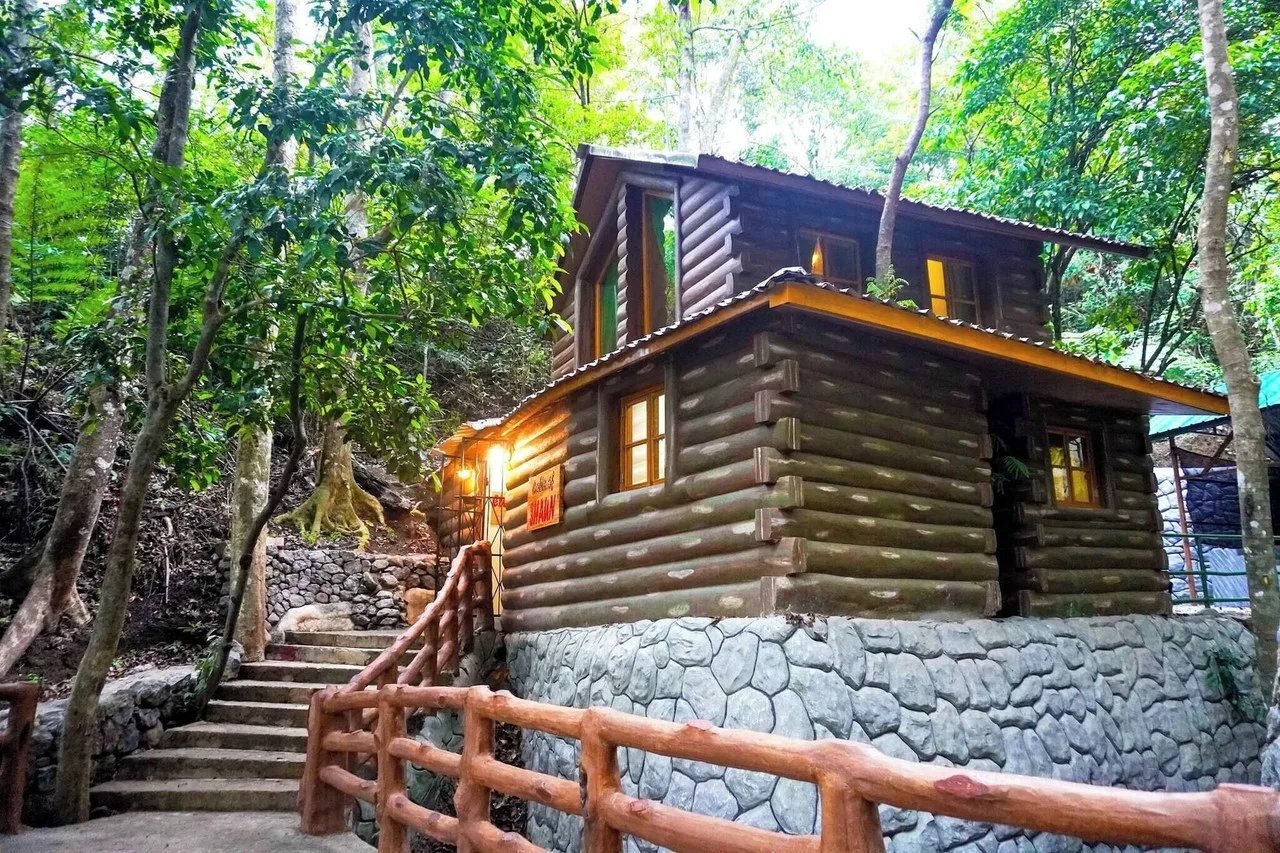
🏡 Real local stays (book direct)
Hand-picked homestays and guesthouses — book direct, no markup.
Browse all local stays →
🌊 Popular activities (book instantly)
Island hopping, canyoneering, whale sharks — real Klook/GetYourGuide options.
View all activities →