You are standing on a bangka off El Nido, the limestone karsts rising out of impossibly turquoise water, and every cell in your body is screaming to launch your drone and capture the shot of a lifetime. It is a beautiful instinct - and one that can go very wrong if you do not know the rules. The Philippines is one of the most photogenic countries on earth, but its skies are governed by the Civil Aviation Authority of the Philippines (CAAP), and the penalties for ignoring them range from a confiscated drone to fines and a very bad day at the airport. The good news: flying legally here is entirely doable, and this guide walks you through exactly how to do it right in 2026.
Philippines Drone Rules 2026: A Tourist's Guide
Visas & paperwork#philippines drone rules#caap drone registration#drone laws philippines 2026#flying drone philippines tourist#philippines no-fly zones#drone permit philippines
Trip.com
Search on Trip.comHotels in Philippines
Compare live prices via Travelpayouts — targeted for this guide.
The 250-gram rule: does your drone even need registration?
The single most important number for any traveler is 250 grams. This weight threshold decides how much paperwork you face.
- Under 250g (a DJI Mini series, for example): treated far more leniently. In practice these are the drones most tourists bring, precisely because they sit under the heaviest requirements. You still must respect no-fly zones, altitude limits, and privacy - but the bureaucratic burden is lighter.
- 250g and heavier (Air, Mavic, Phantom class): CAAP expects registration, and for commercial or heavier operations a UAS Controller Certificate and specific flight authorization can come into play.
CAAP has revised its unmanned aircraft rules more than once, and thresholds and processes do shift. Treat this article as orientation, not gospel - always confirm the current requirements directly with CAAP before you fly.
Registration and permits: the CAAP process
For heavier drones and any flying that looks commercial (paid work, tourism promotion, real estate, anything monetized), CAAP requires you to register the aircraft and, in many cases, hold a controller certificate plus a Certificate of Authorization for the specific flight area. This is a real process with forms, fees, and processing time - not something you can arrange the morning of your sunrise shoot.
Trip.com
See all tours in Philippines on Trip.comTours & activities in Philippines
Hand-picked experiences in Philippines — book on Trip.com with instant confirmation.
Registration and certificate fees have historically run into the low thousands of pesos (roughly a few thousand PHP, or about 40 to 90 USD depending on the category), but exact amounts change. If your trip is purely recreational and your drone is light, you likely will not touch this system at all. If you are a content creator earning from the footage, assume you need to engage CAAP formally and budget weeks, not days.
No-fly zones: where you absolutely cannot launch
Some of the most tempting locations are hard no-go areas. Memorize this list before you travel:
- Airports and their surroundings - including NAIA in Manila and every regional airport. Stay well clear; drones near active runways are a serious criminal matter worldwide.
- Military bases and installations, plus anything flagged as a security or defense zone.
- Government buildings, Malacanang, and official complexes.
- Crowded public gatherings - festivals, rallies, and dense crowds where a fall could injure someone.
- Prisons and critical infrastructure such as power plants and ports.
When in doubt, do not launch. A missed shot is a far better outcome than an interrogation.
National parks and protected areas
The Philippines protects a huge amount of its natural beauty, and many of the sites you most want to film - marine sanctuaries, protected seascapes, and heritage landscapes like the Banaue and Batad rice terraces - sit inside protected-area designations. These often carry their own local rules on top of CAAP, and some ban drones outright to protect wildlife and the peace of the community. Nesting seabirds, breeding turtles, and grazing livestock all react badly to a buzzing rotor overhead.
Before flying in any park or sanctuary, ask the local management office or barangay. A quiet conversation and a small courtesy fee, where one applies, is the honest way to earn your aerial footage.
Getting your drone through customs at the airport
Bringing a drone into the country is usually straightforward, but do it thoughtfully:
- Carry the drone and its lithium batteries in your carry-on, never checked luggage - airline safety rules require this, and it protects your gear.
- Keep batteries in a fireproof pouch and within the airline's watt-hour limits.
- Be ready to declare the drone if asked, and keep it obviously personal and used, not sealed and boxed like resale stock. Customs officers are looking for commercial import, not your travel toy.
- Have your CAAP paperwork accessible if you registered a heavier model.
Most tourists clear customs without any drone drama. A calm, honest answer if questioned goes a long way. If you are still sorting flights, our flights page can help you plan the journey in.
The flying rules: altitude, line of sight, and daylight
Once you are cleared to fly, the operational rules are simple and largely universal:
- Maximum altitude 400 feet (about 120 meters) above ground level. Higher than that and you risk conflict with manned aircraft.
- Keep the drone within visual line of sight at all times. No flying it off around a headland where you cannot see it.
- Daytime only. Night flying is restricted and generally off-limits for casual pilots.
- Give people, buildings, and vehicles a wide berth - do not hover over anyone who did not agree to it.
- Check the weather. Philippine coastal wind and sudden squalls have claimed many drones over open water.
Privacy, respect, and reading the room
Rules aside, being a good guest matters. Filipinos are famously warm, but a stranger's drone hovering over a family beach picnic or a fishing village feels invasive anywhere. Do not film people close-up without permission. Do not chase wildlife. Do not fly over private property or resort pools to get a better angle. Ask, smile, and you will usually get a yes - and often a friendly local pointing you to an even better spot.
Carrying liability coverage is smart too; a drone that clips a rooftop or lands in the sea can create real costs. Check whether your travel policy covers gadgets and third-party damage, and read our travel insurance guide before you go.
The best legal spots to fly - and where they are banned
When the paperwork and permissions line up, these are the dream locations:
- El Nido and Bacuit Bay - the karst-and-lagoon shots that define Palawan. See our El Nido guide for logistics, and always confirm lagoon-specific rules locally.
- Coron - Kayangan Lake, shipwrecks, and jagged limestone. Our Coron guide covers the essentials.
- Siargao - Cloud 9's reef and the palm-carpeted interior make for stunning sweeps; start with our Siargao guide.
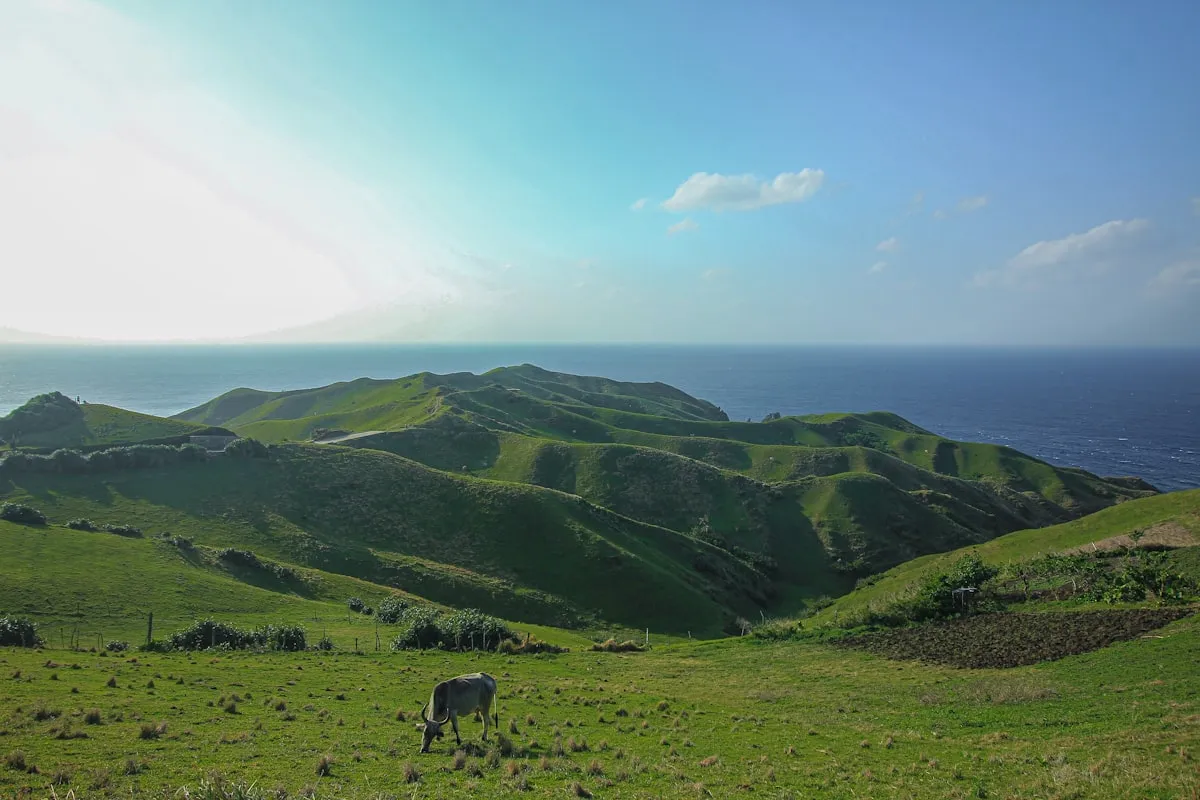
- Batanes - rolling green hills and stone villages that look unreal from above.
- Banaue and Batad rice terraces - ancient amphitheaters of green, subject to heritage and community rules.
One honest caution: many resorts, private islands, and specific lagoons ban drones entirely, whether for guest privacy, wildlife, or peace and quiet. That gorgeous island resort may have a strict no-drone policy at reception. Respect it. Ask before you launch every single time, because a local ban overrides your best intentions. For more trip planning and destination reads, browse the PANA.PH blog.
Frequently Asked Questions
Do I need to register a small drone under 250g in the Philippines?
Sub-250g drones flown recreationally face the lightest requirements and are what most tourists bring for exactly that reason. You still must obey no-fly zones, the 400-foot ceiling, line-of-sight, and privacy rules. Because CAAP updates its regulations periodically, confirm the current status with CAAP before you fly.
Can I fly my drone in El Nido or Coron?
Often yes, in general open areas, but specific lagoons, protected seascapes, and resort properties frequently ban drones. Always ask the local tour operator, park office, or resort before launching. A local restriction always wins over national rules.
Will customs take my drone at the airport?
Usually not. Keep the drone and its batteries in your carry-on, treat it as obvious personal gear rather than commercial stock, and answer honestly if asked. Carry your CAAP paperwork if you registered a heavier model.
What is the maximum altitude I can fly at?
Four hundred feet, roughly 120 meters, above ground level, and always within your visual line of sight during daylight hours. Flying higher risks interfering with manned aircraft and is not permitted for casual pilots.
Do I need insurance to fly a drone here?
It is not always strictly required for light recreational drones, but it is strongly recommended. Damage to property or injury to a person can be expensive, and open-water crashes are common. Check that your travel policy covers gadgets and third-party liability before your trip.
Book tours, hotels & stays in Philippines Drone
Top tours
- Boracay UFO Ride Water Adventure — PHP 858 · 5★
- California Breeze Campsite — PHP 891 · 5★
- Caliah Homes — PHP 1065 · 5★
- Home in Pagadian City near airport — PHP 1267 · 5★
- Dreamwave Hotel Polangui — PHP 1423 · 5★
- Manila All-Access Bar Crawl, Club and Rooftop Tour — PHP 1511 · 5★
Top hotels
- Ocam Ocam Casadyan Inn — PHP 715/night · 5★
- California Breeze Campsite — PHP 891/night · 5★
- Caliah Homes — PHP 1064/night · 5★
- Cabrera Haven Residences — PHP 1230/night · 5★
- Home in Pagadian City near airport — PHP 1267/night · 5★
Top stays
- California Breeze Campsite — PHP 891/night · 5★
- Caliah Homes — PHP 1065/night · 5★
- Home in Pagadian City near airport — PHP 1267/night · 5★
- Fnt Transient House Near Hundred Islands — PHP 1322/night · 5★
Sources
Primary references for the figures and rules in this guide. Fees and schedules change — check the source before you travel.

PANA.PH Editorial Team
Philippines travel desk
The PANA.PH travel desk researches, books and re-checks Philippines travel logistics — fares, ferry schedules, government fees and permit rules — and publishes what it can verify.
🏡 Real local stays (book direct)
Hand-picked homestays and guesthouses — book direct, no markup.
Browse all local stays →
🌊 Popular activities (book instantly)
Island hopping, canyoneering, whale sharks — real Klook/GetYourGuide options.
View all activities →