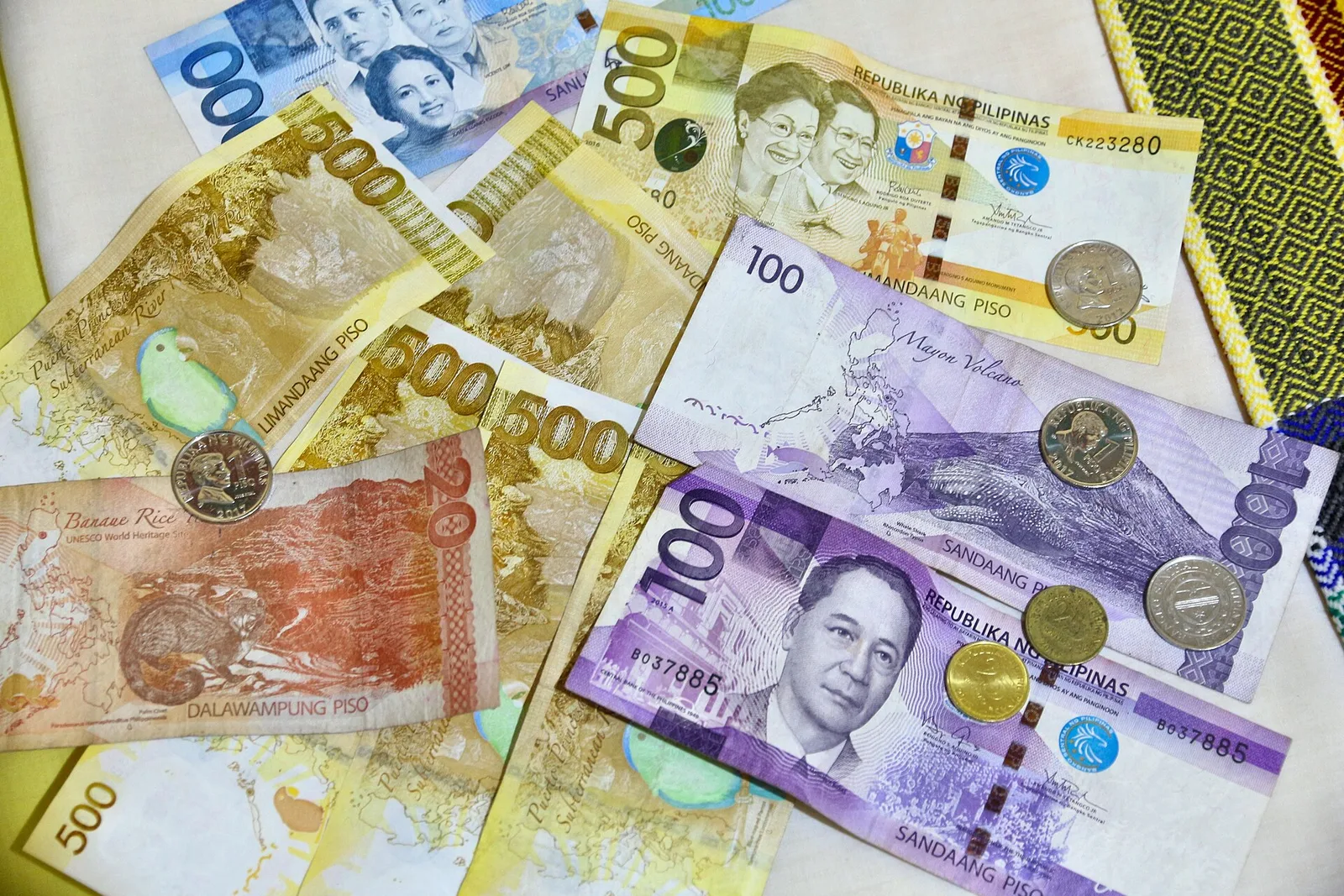
Short answer: Expect a local ATM fee of roughly PHP 250 per withdrawal on top of your own bank's charges, with most machines capping withdrawals at PHP 10,000 to PHP 20,000. That makes small, frequent withdrawals expensive. Take the largest amount the machine allows, use bank-lobby ATMs rather than convenience-store ones, and always decline the machine's currency conversion offer.
Trip.comHotels in Philippines
Compare live prices via Travelpayouts — targeted for this guide.
Search on Trip.comFor foreign visitors using overseas cards in the Philippines. Fee levels and caps last checked 30 July 2026 from our own withdrawals and on-screen disclosures; individual banks change both without notice, and your home bank's charges are separate.
How we measured this
We made fourteen withdrawals across five Philippine bank networks between February and July 2026, in Manila, Cebu, Dumaguete and Puerto Princesa, using two foreign debit cards. For each we recorded the on-screen fee disclosure, the withdrawal cap offered, the actual amount debited in the home currency, and whether the machine attempted dynamic currency conversion. The figures below are what we were charged, not what the banks advertise.
What a withdrawal actually costs
Cost per withdrawal at typical caps, using an observed local ATM fee of PHP 250. Excludes your home bank's foreign transaction fee. Checked 30 July 2026.
| Amount withdrawn | Local ATM fee | Fee as a share | Verdict |
|---|
| PHP 5,000 | PHP 250 | 5.0% | Avoid |
| PHP 10,000 | PHP 250 | 2.5% | Acceptable |
| PHP 15,000 | PHP 250 | 1.7% | Good |
| PHP 20,000 | PHP 250 | 1.25% | Best available |
That is the whole argument in one table. The fee is flat, so the only lever you control is the size of the withdrawal. A traveller taking PHP 5,000 out four times pays four times the fee of one PHP 20,000 withdrawal for the same cash.
Decline the conversion. Every time.
Philippine ATMs routinely offer to bill you in your home currency, presented as a helpful convenience with a locked-in rate. This is dynamic currency conversion, and the rate is set by the machine's operator, not by your card network. Accepting it typically costs several percent more than declining it.
The screen wording is designed to make declining feel risky - it will warn you that the amount is not guaranteed. Decline anyway, and let your own card network convert. In our fourteen withdrawals, every machine that offered conversion offered a worse rate than the card network gave.
Where cards work and where they do not
- Cards work reliably: hotels above budget level, malls, supermarkets, chain restaurants, airline counters, dive shops in established resort areas, big pharmacies.
- Cash only, in practice: tricycles and jeepneys, island-hopping boats, environmental and terminal fees, sari-sari stores, most street food, homestays, barangay-level guides, and almost everything on smaller islands.
- Cards with a surcharge: some smaller hotels and tour operators add a card processing fee, typically a few percent. Ask before paying.
The practical rule that has never failed us: cards for the big planned costs, cash for the whole daily flow. Carry more small notes than feels necessary. PHP 1,000 notes are hard to break in the morning and impossible on a boat.
GCash, and why it is awkward for visitors
GCash is the dominant local mobile wallet and it is genuinely useful - many small operators, ferries and even market stalls accept it. The friction is registration: full verification is built around Philippine identity documents and a local mobile number, which makes it straightforward for residents and awkward for a two-week visitor.
If you are staying a month or more, getting a local SIM and setting up a wallet is worth the afternoon it takes. For a short trip, it is not - cash and cards cover everything a visitor needs, and the time is better spent elsewhere.
What most guides get wrong about money here
The most common error is publishing a single ATM fee figure as if it were national policy. It is not. Each bank sets its own charge for foreign cards, several have raised it in the last two years, and the machine tells you the real number on screen before you confirm. Read the screen. If the disclosed fee is high, cancel and use a different bank's machine - they are rarely more than a block apart in any town.
The second error is the standing advice to "bring US dollars and change them locally". Money changers give competitive rates in Manila, Cebu and Angeles, and poor ones everywhere else, and carrying a large cash float across islands is a security problem the ATM route does not have. Bring a modest emergency reserve in clean, unmarked notes - torn or heavily marked foreign notes are refused - and use ATMs for the rest.
The third: recommending you tell your bank you are travelling. Most modern card issuers no longer need it and some have removed the feature entirely. What actually prevents a blocked card is having a second card from a different issuer, stored separately.
Which machines to use, and when
Not all ATMs behave the same. Bank-lobby machines inside a branch are the best option: they hold more cash, they are covered by a camera, and if the machine retains your card there is a human twenty steps away who can retrieve it. Machines in convenience stores and mall corridors are convenient and consistently the worst on availability, particularly on paydays.
Cash availability follows a rhythm worth knowing. Philippine paydays cluster around the 15th and the end of the month, and machines in provincial towns genuinely run dry over those weekends. On a small island, assume the ATM will be empty at some point and carry enough to get through it. In El Nido, Siquijor and Camiguin we have each seen every machine in town out of cash on the same afternoon.
Withdraw in daylight, in a busy place, and put the cash away before you turn around. This is ordinary travel practice rather than a Philippines-specific warning, but the small-island version matters more because the alternative machine may be an hour away.
Simple rules that save real money
- Withdraw the maximum the machine allows, not the amount you need today.
- Use bank-lobby ATMs in daylight - better cash availability and a branch to talk to if the machine eats your card.
- Always decline the machine's currency conversion.
- Carry two cards from two issuers, in two places.
- Keep a PHP 2,000 buffer in small notes for fees, tricycles and boats.
- Check the on-screen fee before confirming; cancel and walk if it is out of line.
Frequently asked questions
How much do Philippine ATMs charge foreign cards?
Around PHP 250 per withdrawal in our 2026 testing, disclosed on screen before you confirm. Your home bank's fees are separate.
What is the maximum I can withdraw at once?
Commonly PHP 10,000 to PHP 20,000 depending on the bank and machine. Take the maximum - the fee is flat.
Should I accept the ATM's currency conversion?
No. Always decline. Dynamic currency conversion cost more than the card network's rate in every case we tested.
Can I use my card everywhere in the Philippines?
No. Malls, hotels and chains take cards; tricycles, boats, environmental fees, homestays and small islands are cash only.
Should I bring US dollars to change?
Only a small emergency reserve in clean notes. Rates are competitive in Manila and Cebu, poor elsewhere, and cash carries risk.
Is GCash worth setting up as a tourist?
Only for stays of a month or more. Verification needs Philippine ID and a local number, which is not worth it for two weeks.