Short answer: Amihan, the northeast monsoon, runs roughly November to April and brings dry, breezy weather to most of the country. Habagat, the southwest monsoon, runs roughly June to September and brings rain and swell to west-facing coasts. Because they blow from opposite directions, the sheltered coast changes with the season - which is why the same island can be perfect in February and unusable in August.
Trip.comHotels in Philippines
Compare live prices via Travelpayouts — targeted for this guide.
Search on Trip.comA planning reference for choosing where to go by month rather than whether to go at all. Seasonal patterns last checked 30 July 2026 against PAGASA climate information; these are climatological norms, not a forecast for your dates.
Two monsoons, not four seasons
The single most useful thing to understand about Philippine weather is that it is directional. Amihan comes out of the northeast: cool, dry and steady, and it makes the eastern and northern coasts choppy while the western ones lie flat. Habagat comes out of the southwest: warm, wet and gusty, and it does the reverse.
This is why generic "best time to visit" advice fails here. There is no month when the whole archipelago is at its best, and there is no month when all of it is unusable. There is only the question of which side of which island is sheltered right now.
Month by month, and what it means on the water
Climatological pattern by month with the practical consequence for travel. Based on PAGASA climate norms; checked 30 July 2026.
| Months | Dominant wind | Conditions | What it means for you |
|---|
| December - February | Amihan, strong | Coolest, driest, breeziest | Peak season west coast; east-coast crossings get bumpy |
| March - May | Amihan easing | Hot, calm, clearest water | Best diving visibility; hottest cities |
| June - September | Habagat | Rain bands, swell on west coasts | West-facing beaches exposed; east coasts often fine |
| October - November | Transition | Wettest in places, cyclone peak | Build buffer days into any itinerary |
Tropical cyclones sit on top of this pattern rather than inside it. They can occur in any month and cluster from July to November, and a cyclone overrides the seasonal norm completely for the few days it is in the area.
The same island, two different trips
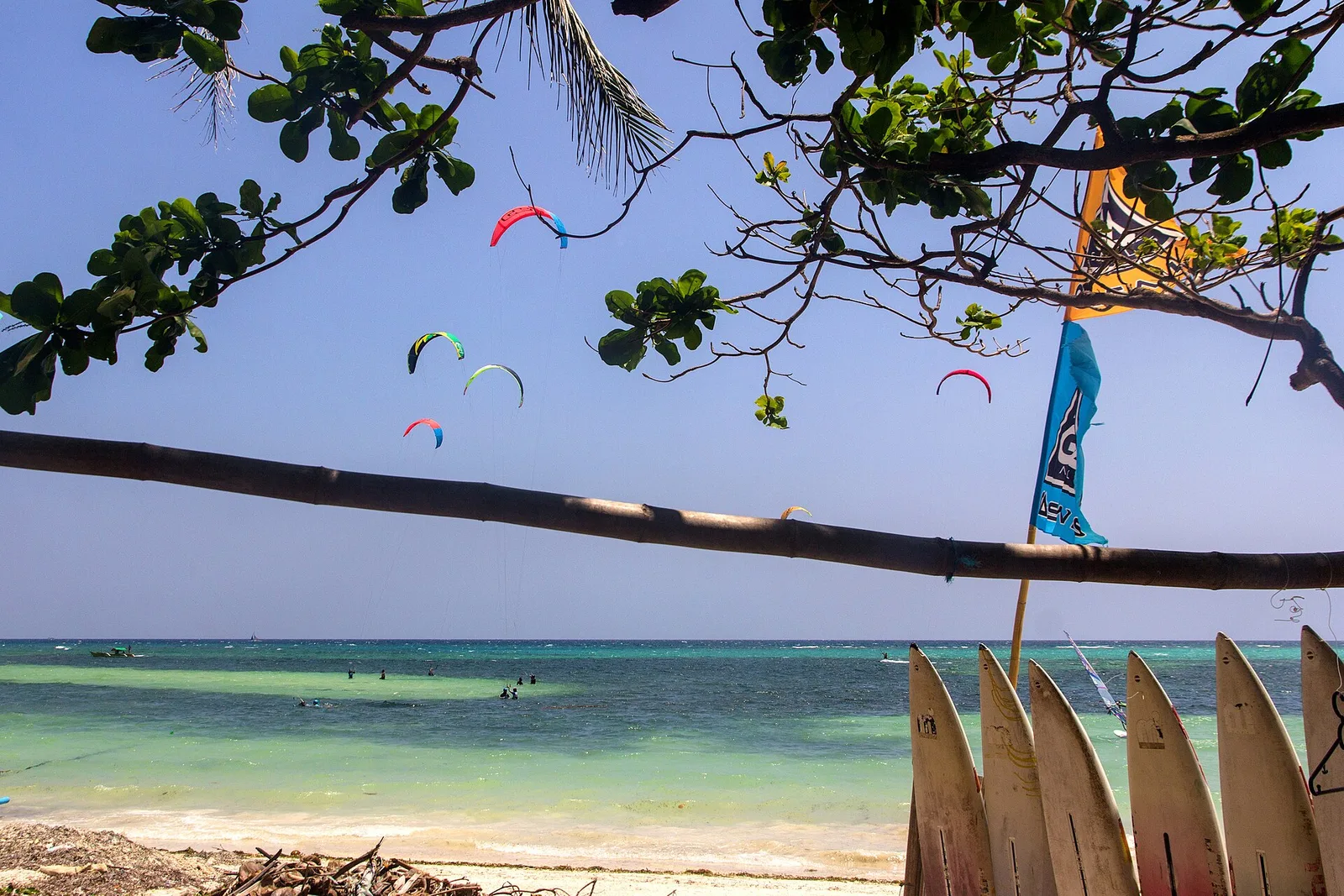
- Boracay - White Beach faces west. It is glassy under Amihan and takes the swell under Habagat, when the action moves to Bulabog on the east side. Kitesurfers plan around exactly this.
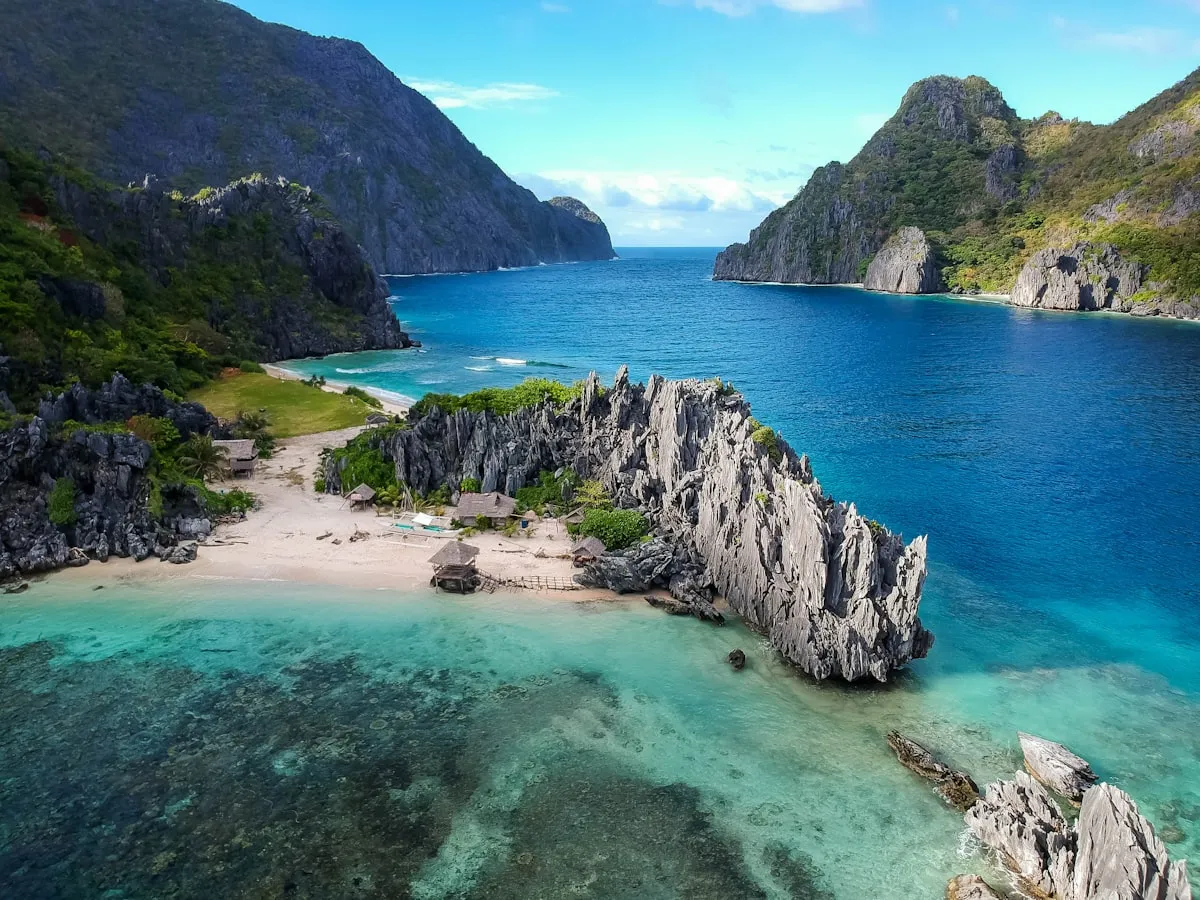
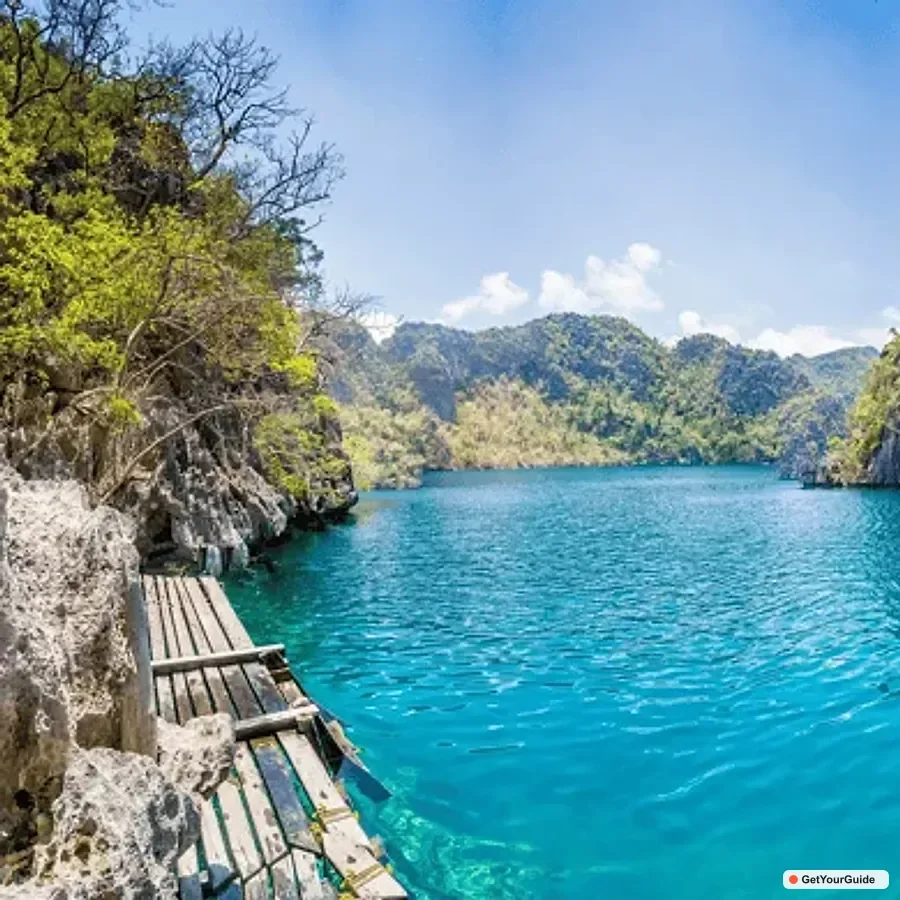
- El Nido and Coron - west-facing Palawan is superb from December to May and increasingly cancellation-prone from July to September.
- Siargao - faces the Pacific. The surf season runs on Habagat-era groundswell, roughly August to November, which is the opposite of the mainstream tourist calendar.
- Eastern Visayas and the Pacific coast - exposed under Amihan, sheltered under Habagat.
- Central Cebu, Bohol, Dumaguete - relatively sheltered year round, which is why they are the most reliable base if your dates are fixed.
How to plan around it instead of gambling
- Pick your dates first if they are fixed, then choose the coast that is sheltered in those months - not the destination you saw a photo of.
- If your destination is fixed, expect the season it comes with and pick activities that suit it: diving in the calm months, surfing in the swell months.
- Build one buffer day per island move between June and November.
- Never schedule a sea crossing on the day before an international flight in Habagat months.
- Check the Coast Guard advisory the evening before any boat day, not the morning of.
What most guides get wrong about Philippine seasons
The dominant error is the flat statement that the dry season is November to April and the wet season is May to October, presented as if it applied nationally. It does not. PAGASA recognises several distinct climate types across the archipelago, and parts of the eastern seaboard have no pronounced dry season at all - their wettest months are precisely when the west coast is at its driest. A traveller who books eastern Mindanao or Eastern Samar in January on national dry-season advice will be surprised.
The second error is treating rain as the variable that matters. For a beach and island trip it is not - wind and swell are. A day of afternoon rain costs you an hour under a roof. A day of habagat swell cancels the boat, and the boat was the trip. Guides that publish rainfall charts without wind direction are measuring the wrong thing.
The third: describing typhoon season as a reason not to come. Most days in the season have no cyclone anywhere near the country, prices are lower, and the islands are quiet. The correct adjustment is buffer days and insurance bought at booking, not avoidance of five months of the year.
The habagat break nobody plans for
Habagat does not rain continuously. The pattern that catches people out is the opposite: long clear mornings, then a band of heavy rain in the afternoon that lasts an hour or three, then clearing. A visitor who books a June trip expecting a washout usually gets more usable daylight than the forecast suggested, and one who plans a full outdoor day at 3pm loses it.
Adapt the shape of the day rather than the destination. Boats, dives and long transfers in the morning; caves, museums, food, spa and travel time in the afternoon. Every local operator already runs this way, which is why island-hopping tours in the habagat months leave earlier than the same tours in March.
The exception is a genuine habagat surge, when a monsoon trough sits over the country and it rains for days rather than hours. That is a different event from the daily pattern, and it is the one to watch bulletins for.
Reading the forecast like a local
PAGASA publishes daily forecasts and cyclone bulletins, and the operational thing to watch is not the rainfall percentage but the wind advisory and the Coast Guard's sailing suspensions. When small craft are suspended, island hopping is off regardless of what your weather app shows, and the app frequently shows sunshine on a day when the sea is closed.
Local operators know their own bay better than any model. If a boat captain in El Nido says tomorrow is not a good day for Tour C, believe him over your phone.
Frequently asked questions
What is the difference between amihan and habagat?
Amihan is the northeast monsoon, roughly November to April, cool and dry. Habagat is the southwest monsoon, roughly June to September, wet and gusty.
When is the best time to visit the Philippines?
March to May for calm seas and diving visibility, December to February for cooler dry weather. The right answer depends on which coast you want.
Is it worth visiting during habagat?
Yes, with buffer days. East-facing coasts like Siargao are often fine, prices drop, and most days have no cyclone anywhere near the country.
Does the whole Philippines have the same dry season?
No. PAGASA recognises 4 climate types, and parts of the eastern seaboard, including Eastern Samar, have no pronounced dry season at all.
When is Siargao surf season?
Roughly August to November, driven by habagat-era groundswell - the opposite of the mainstream dry-season tourist calendar.
What should I check before an island-hopping day?
The Philippine Coast Guard sailing advisory the evening before. If small craft are suspended, boats do not run whatever your weather app says.