Short answer: The Philippines is workable for wheelchair users who plan around resorts, cities and boats rather than pavements. Metro Manila, Cebu City, Bohol's Panglao and Clark are the most usable bases; El Nido and mountain destinations are not. Airports and newer malls are genuinely accessible. Pavements and jeepneys are not, and no amount of planning fixes that.
Trip.comHotels in Philippines
Compare live prices via Travelpayouts — targeted for this guide.
Search on Trip.comWritten for independent travellers with mobility needs and for people travelling with an ageing parent. Conditions last checked 30 July 2026 from our own site visits; individual venues change, so confirm directly before booking.
What we checked and where
We assessed step-free access, door widths, bathroom layout and transfer options at accommodation, transport hubs and attractions in Metro Manila, Cebu City, Panglao, Tagaytay and Puerto Princesa in the first half of 2026. Where we could not verify something in person, it is not listed. This is a deliberately short list because most published accessibility claims for the Philippines do not survive an in-person check.
The honest baseline
Accessibility is mandated by law here - the Accessibility Law requires ramps, accessible toilets and reserved parking in public buildings, and enforcement has improved in new construction. What that produces is a country where individual buildings are fine and the space between them is not.
Pavements are the core problem. Where they exist they are high, broken, obstructed by parked vehicles and vendors, and interrupted by unramped kerbs. In practice, wheelchair users move between accessible buildings by vehicle rather than rolling between them, and a trip plan that assumes otherwise will not work.
Destination assessment
Our own assessment for a self-propelling or assisted wheelchair user. Checked 30 July 2026.
| Destination | Verdict | Why |
|---|
| Metro Manila | Workable | Accessible malls, hotels and airport terminals; move by van, not on foot |
| Cebu City and Mactan | Workable | Resort corridor with step-free properties, short airport transfer |
| Panglao, Bohol | Good | Flat, newer resorts, beachfront access at several properties |
| Clark and Subic | Good | Planned zones with wide, kerbed roads and modern buildings |
| Boracay | Mixed | Beachfront path is flat; the boat transfer and jetty are the obstacle |
| El Nido | Difficult | Island hopping requires wet boat transfers; town is unpaved in parts |
| Banaue, Sagada, Baguio | Not recommended | Steep, stepped terrain and long mountain road transfers |
Flying, and the airport experience
Philippine airports handle assistance well by regional standards. Request assistance at booking and reconfirm 48 hours out; both major carriers manage aisle chairs and wheelchair handling as a routine matter, and NAIA Terminal 3 and Mactan-Cebu both have step-free routes and accessible toilets airside.
Two practical warnings. Small regional airports use stairs and a manual lift or a carry, so ask what equipment the specific airport has before booking a turboprop route. And request that your own chair be delivered at the aircraft door rather than at baggage claim - it is granted when asked for and it removes the worst part of the arrival.
Getting around on the ground
- Private van with a driver - the default answer. Hire by the day, agree on lifting help in advance. This is the single decision that makes a trip work.
- Ride-hailing - available in cities, but vehicles are standard sedans and the driver may not help with a transfer. Fine for a folding chair and an assisted user.
- Jeepneys and tricycles - not accessible in any meaningful sense. Do not plan around them.
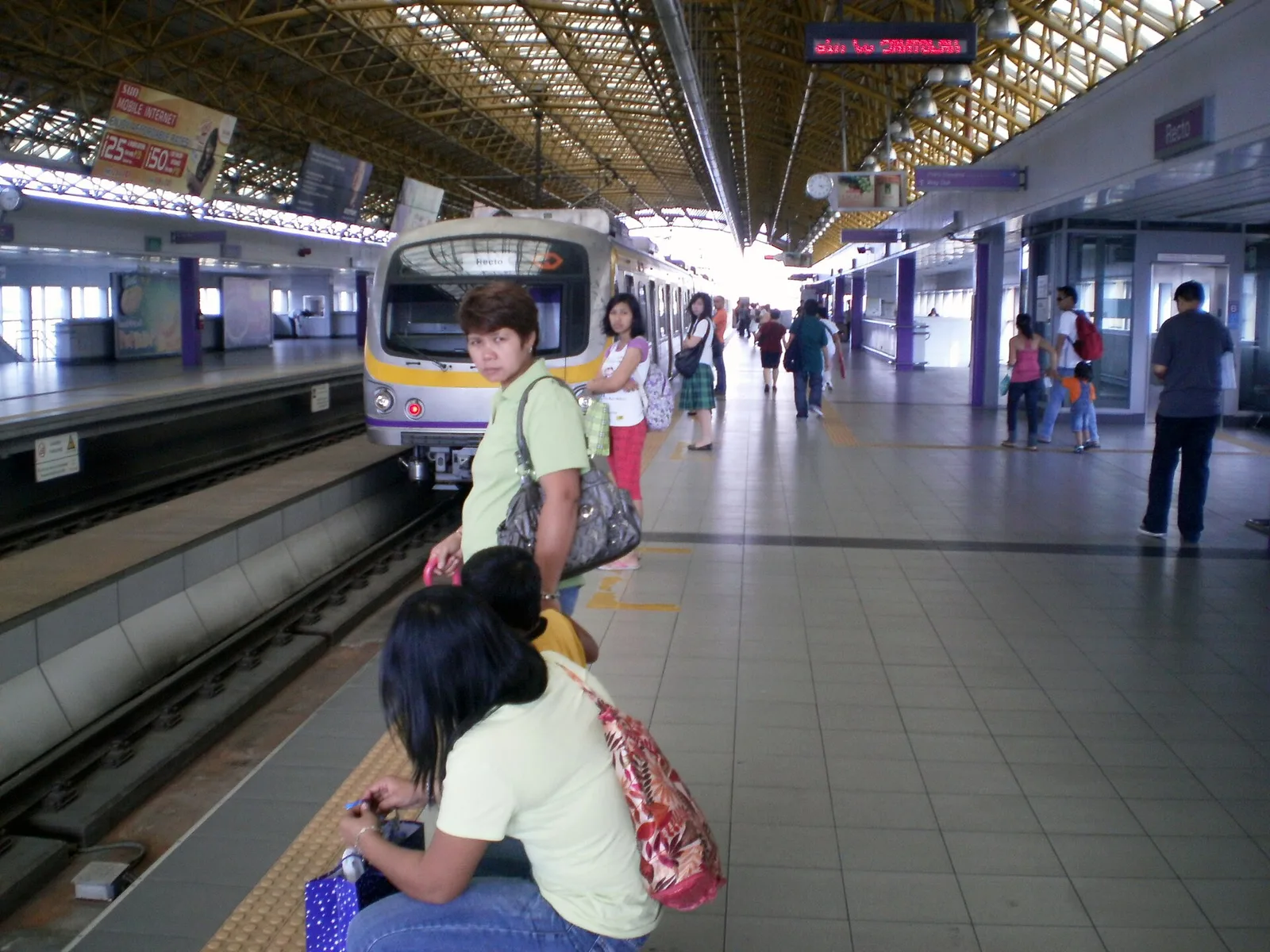
- Metro Manila rail - newer stations have lifts, but availability is inconsistent and outages are common.
- Ferries - larger vessels have ramps at the pier and crew who will help. Small bancas require a lift into an unstable boat and should be treated as a two-person assisted transfer or avoided.
Accommodation: what to book and what to avoid
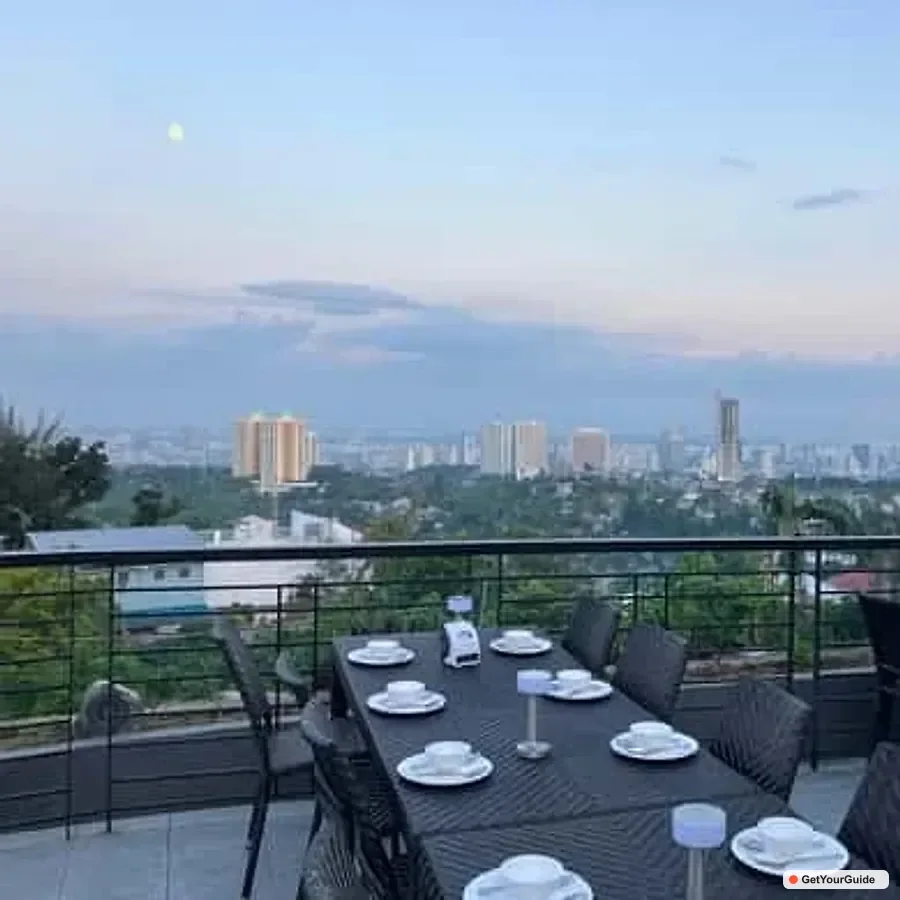
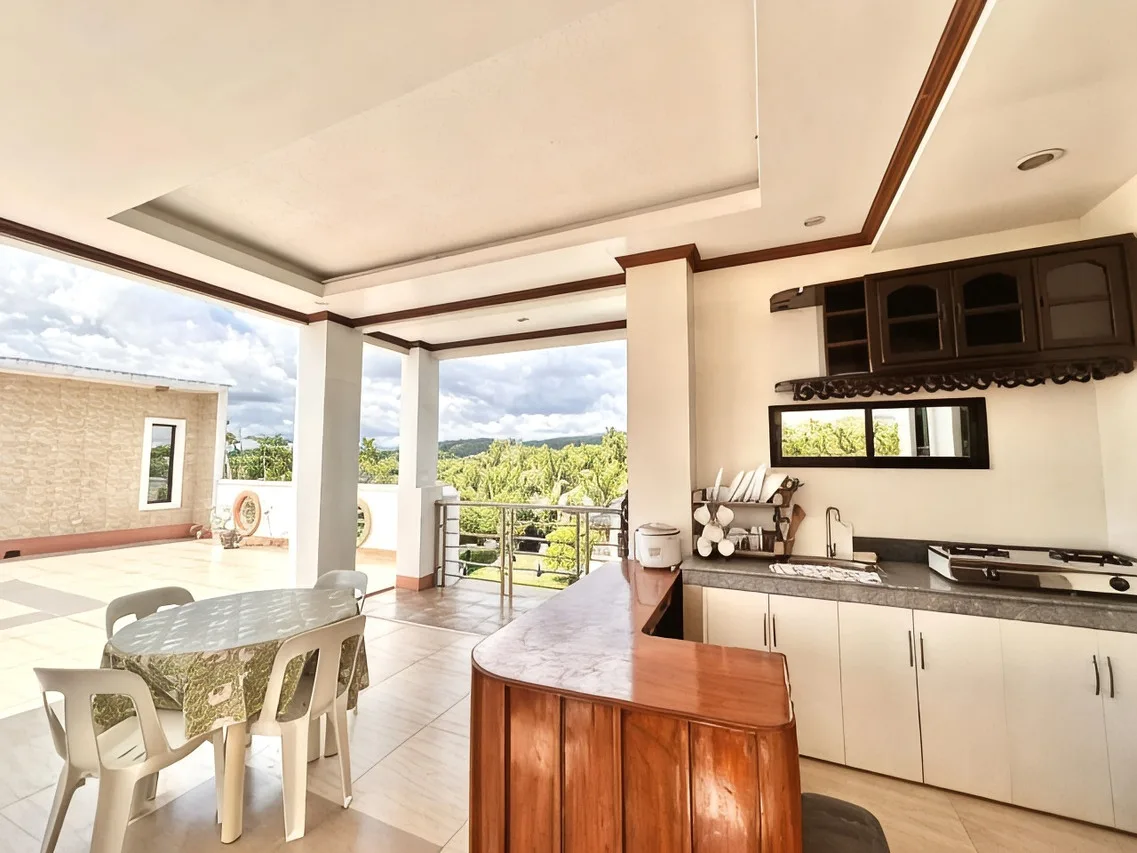
The pattern that works is a larger, newer, purpose-built property. International-standard hotels in Manila, Cebu and Clark, and the newer beachfront resorts on Panglao, are the properties most likely to have a genuine step-free route from the car park to the bed and a bathroom you can turn around in.
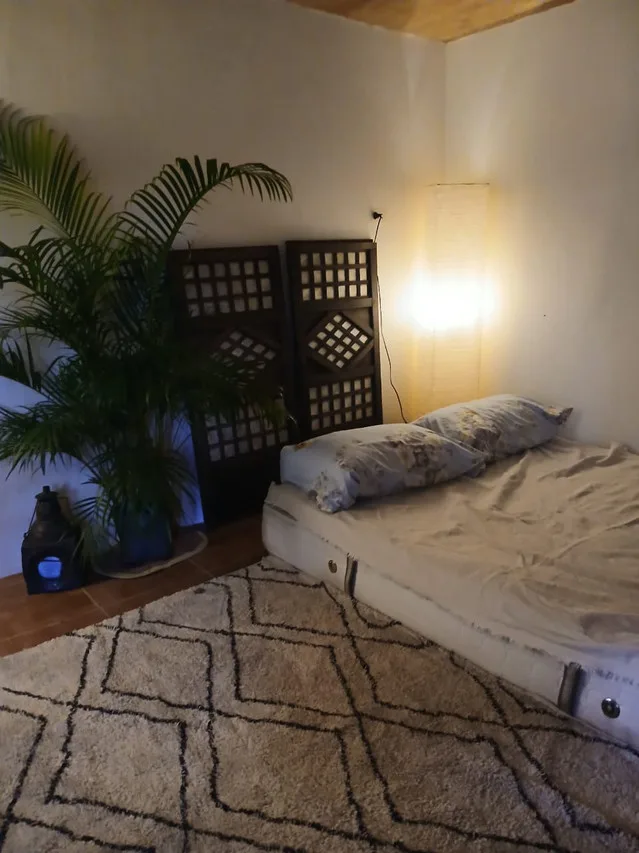
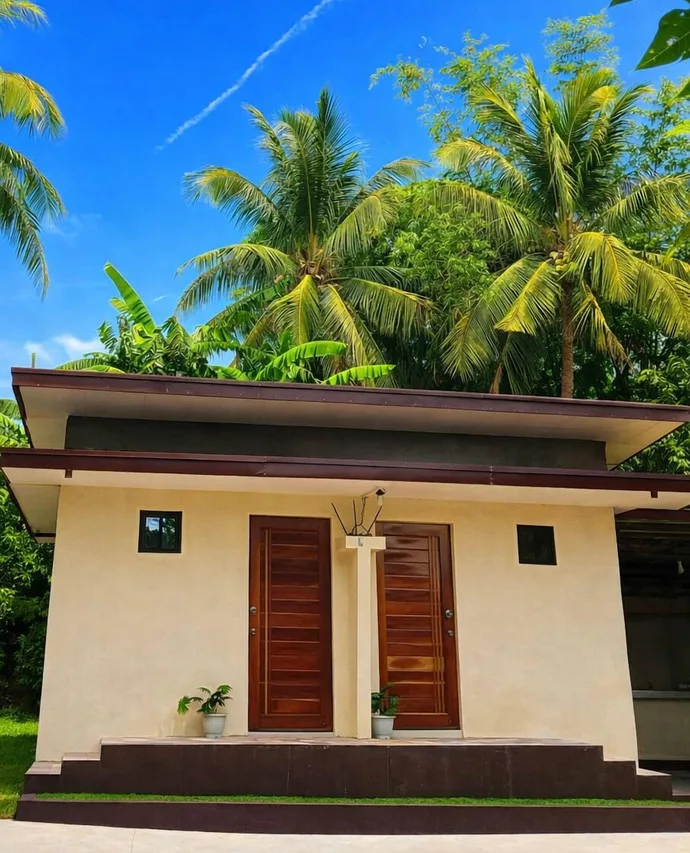
The pattern that does not work is the one most travel writing recommends for the Philippines: the small family-run beachfront resort with individual cottages. Those cottages are almost always raised on stilts or steps for drainage and ventilation, reached by a sand or gravel path, with a bathroom sized for one standing person. They are lovely places. They are not usable in a wheelchair, and no amount of advance emailing changes the architecture.
Book a ground-floor room explicitly, in writing, and ask for the room number. "Ground floor available on request" in a booking system is not a reservation of one.
The PWD discount, and whether it applies to visitors
Philippine law gives persons with disability a substantial discount on transport, restaurants, hotels and pharmacies, administered through a PWD identity card issued locally. In practice the card is issued to residents, and application to foreign visitors is inconsistent - some establishments accept a foreign disability card or a doctor's certification, many do not.
Treat any discount as a bonus, not a budget line. It is worth carrying documentation of your disability in English, because when it is accepted the saving is meaningful.
What most guides get wrong about accessibility here
The dominant failure is repeating hotel marketing. Listing sites and travel articles describe Philippine properties as "accessible" on the basis of a checkbox in a booking system, and that checkbox is frequently wrong. We have arrived at properties advertised as accessible to find a step at the entrance, a bathroom with a lip, or a room reachable only by stairs.
The fix is boring and it works: email the property directly and ask three specific questions - the width of the bathroom door in centimetres, whether there is a step anywhere between the car park and the bed, and whether the shower has a lip or a level entry. Ask for a photo. Properties that are genuinely accessible answer in an hour. Properties that are not go quiet, and that silence is your answer.
The second error is presenting island hopping as broadly available. Boarding a banca means walking down a beach into water and being lifted over a gunwale onto a moving boat. Some operators in Coron and Panglao will do this well with enough crew and advance notice. Most will not, and an article that recommends island hopping without saying so is describing a trip its author did not take.
Frequently asked questions
Is the Philippines wheelchair accessible?
Buildings often are; the space between them is not. Plan to move by private van between accessible venues rather than rolling along pavements.
Which Philippine destinations work best for wheelchair users?
Metro Manila, Cebu and Mactan, Panglao in Bohol, and the Clark and Subic zones. El Nido and mountain areas are difficult.
Do airlines here provide wheelchair assistance?
Yes. Request at booking and reconfirm 48 hours ahead. Ask for your chair at the aircraft door, not at baggage claim.
Can visitors use the Philippine PWD discount?
Inconsistently. The card is issued to residents; some venues accept foreign documentation. Treat any discount as a bonus.
Is island hopping possible in a wheelchair?
Sometimes, with advance notice and enough crew, in Coron and Panglao. It involves a lift into an unstable boat from the water.
How do I verify a hotel is really accessible?
Email and ask for the bathroom door width in centimetres, whether any step exists from car park to bed, and a photo.