Panglao Island Hopping to Balicasag and Virgin Island - Guide
Sail from Panglao at dawn to watch wild dolphins leap, snorkel Balicasag's legendary reef walls, and wade the white sandbars of Virgin Island in a single u
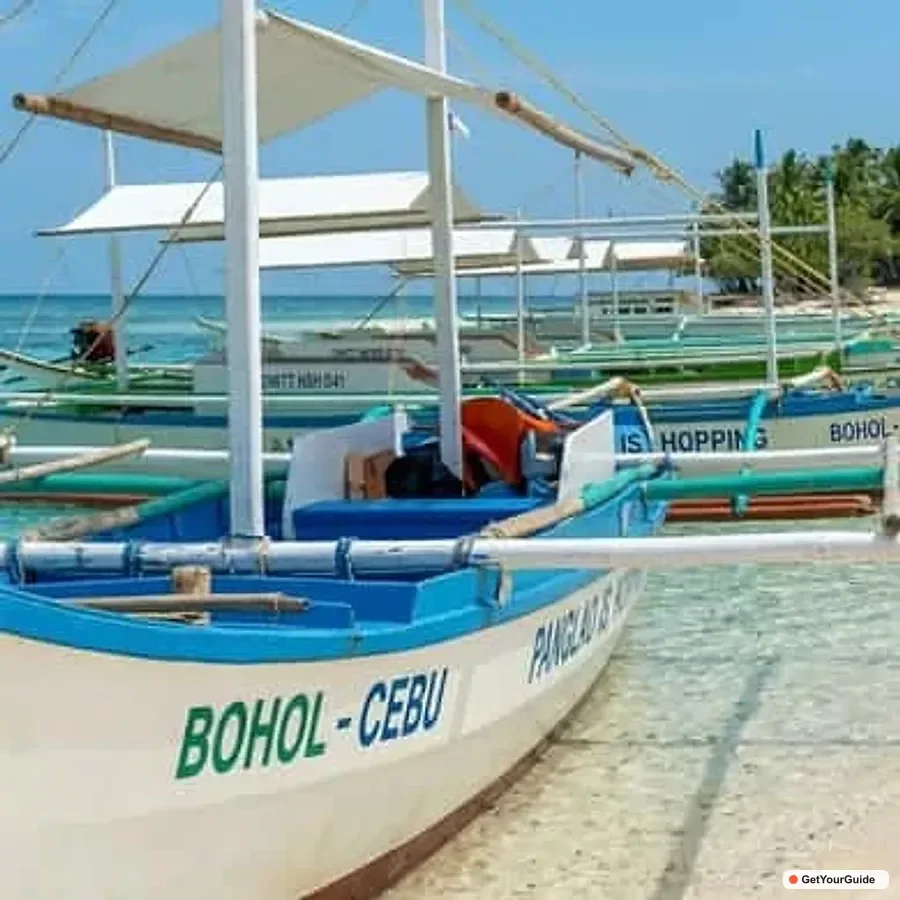
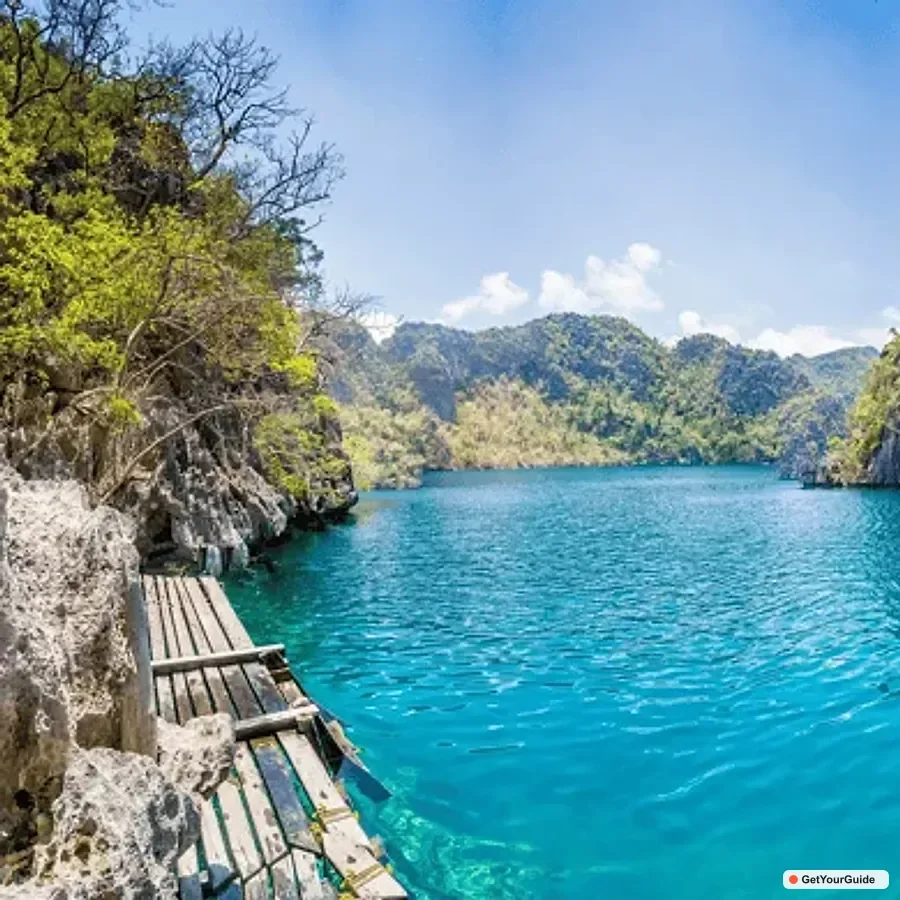
Panglao Island, the slender peninsula that dangles off the southwestern tip of Bohol, is the departure point for one of the most rewarding single-day marine journeys in the Visayas. From a modest concrete pier on Panglao's western shore, a traditional outrigger banca carries you out past the reef shelf just before sunrise, when pods of spinner and bottlenose dolphins rise to feed in the open channel between Bohol and the tiny islet of Balicasag. By mid-morning the same boat delivers you to the protected walls of Balicasag Island Marine Sanctuary, one of the oldest and most densely colonized reef systems in the Philippines. The day closes on the white tidal flat of Virgin Island, a sandbar so shallow and impossibly bright that it seems to float on the Bohol Sea. Three completely different ecosystems, one 30-horsepower engine, and roughly seven hours on the water.
Trip.com
Hotels in Philippines
Compare live prices via Travelpayouts — targeted for this guide.
The Setting: Panglao, Balicasag, and Virgin Island
Panglao lies within the Bohol Sea, a body of water bounded by the Visayan island arc to the north and the Mindanao shelf to the south. The channel between Panglao and Balicasag is roughly eight kilometers of open water averaging 200 to 400 meters deep - deep enough to support pelagic species year-round, which is why dolphins, whale sharks, and occasional manta rays pass through on predictable feeding circuits. Balicasag itself is a flat coral island roughly two kilometers in circumference, ringed by vertical reef walls that drop from the surface to beyond recreational diving depth. The Philippine government designated this marine sanctuary in the 1980s, restricting fishing and anchoring inside the protected zone. The result is a wall covered in sea fans, black corals, and barrel sponges, with resident schools of jackfish, fusiliers, and surgeonfish so dense they block the light like a living curtain. Virgin Island - properly called Pungtod - is an entirely different formation: a low limestone shoal connected to Bohol by a tidal sandbar that completely submerges at high water and expands into a waist-wide walkway at low tide, its sand the color of crushed chalk.
Dolphin Watching at Sunrise
The boat departs Panglao while it is still dark, typically between 5:00 and 5:30 in the morning. The early start is deliberate. Spinner dolphins - named for their acrobatic full-body twists clear of the surface - feed actively in the pre-dawn hours and are most reliably found in the channel before 7:00 AM. Bottlenose dolphins are larger and less acrobatic but equally common in these waters. The boat crew cuts the engine when a pod is sighted, letting the banca drift while the dolphins choose whether to approach. Some pods are curious and will bow-ride or circle the hull; others are feeding hard and move on quickly. Either way, watches from the boat rail are the norm - entering the water to swim with wild dolphins is not permitted in this zone and is widely understood to disrupt their behavior. The encounter lasts roughly 30 minutes before the banca turns southwest toward Balicasag.
Balicasag Island: The Reef Wall
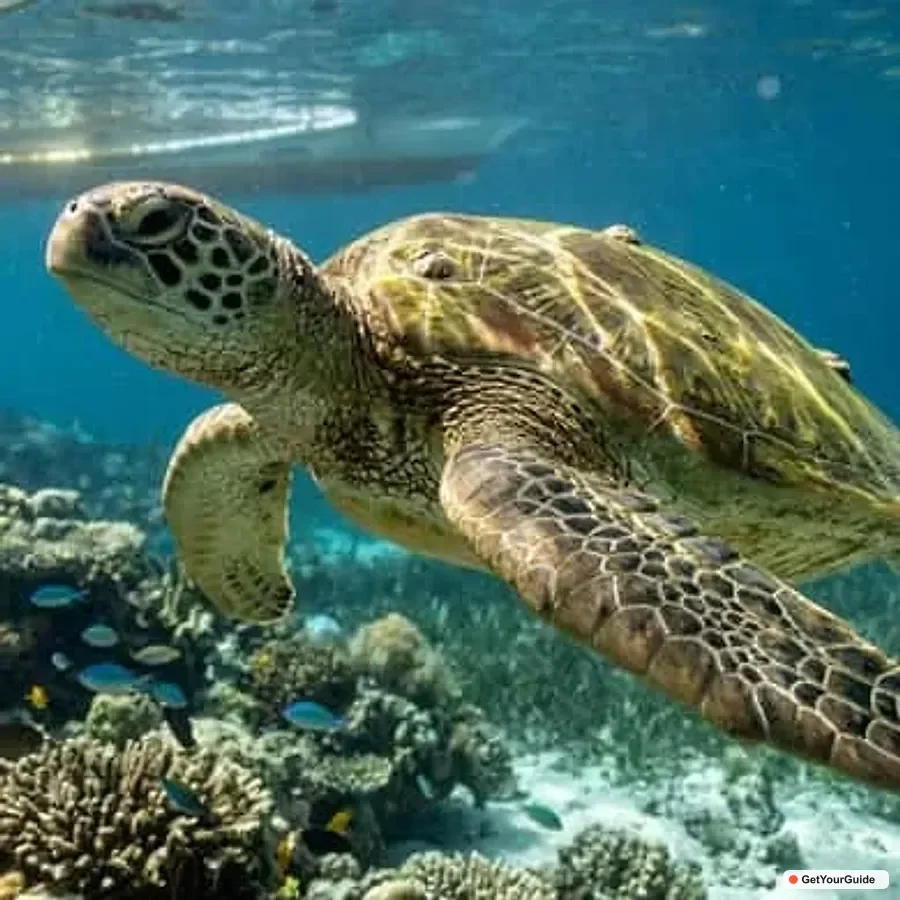
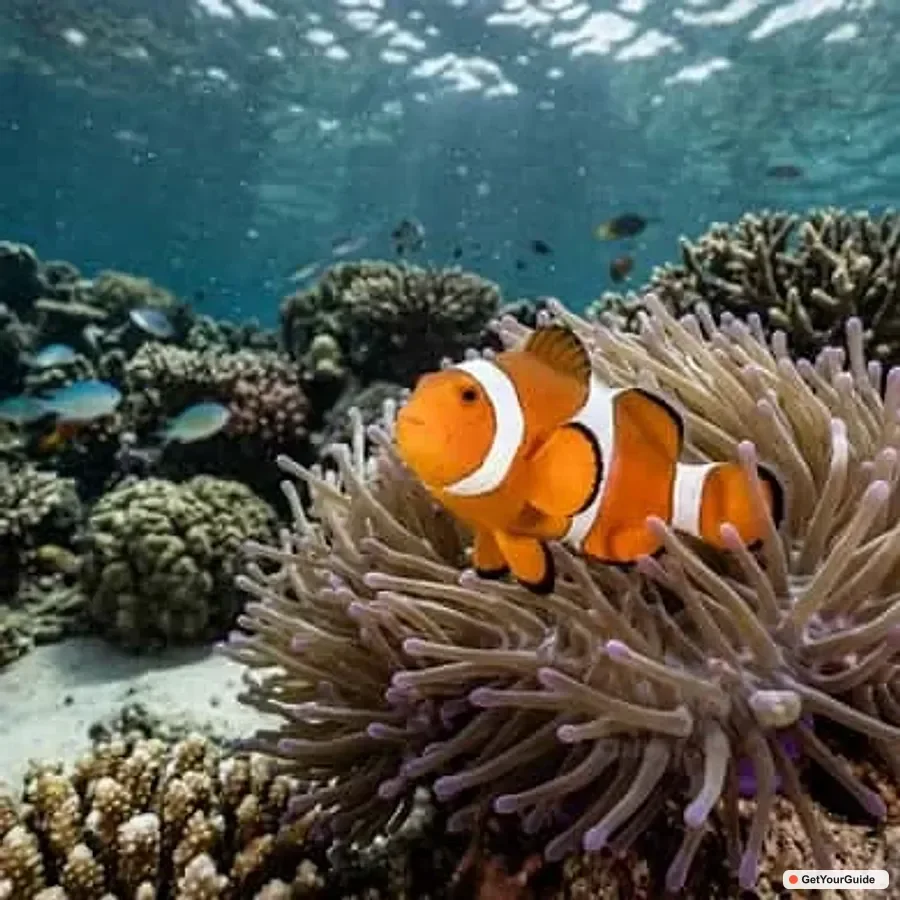
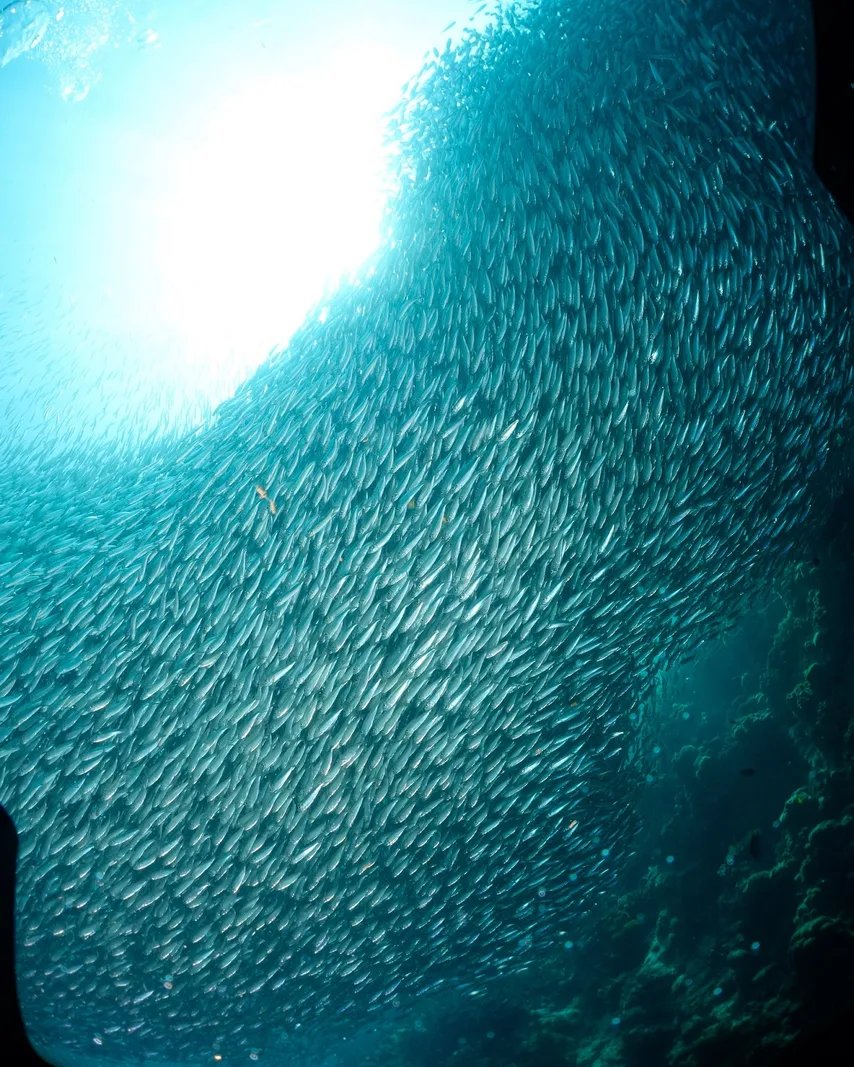
Balicasag's marine sanctuary is divided into a no-take core zone and a buffer area where guided snorkeling is allowed. The banca moors to a fixed buoy - anchoring on the reef is prohibited - and a local guide briefs the group on a small floating platform before anyone enters the water. The reef wall begins immediately below the surface. At snorkeling depth the coral coverage is extraordinary: table corals, staghorn formations, and massive brain corals form a layered canopy, while the deeper wall beyond five meters disappears into blue haze hung with sea fans reaching two meters across. Fish life is the main event. Schools of yellowfin surgeonfish and moorish idols move through in slow shifting columns. Green and hawksbill sea turtles graze on the coral rubble shelf, often indifferent to snorkelers within arm's reach. In the blue water off the wall, a resident school of jackfish - sometimes numbering in the thousands - forms a slowly rotating cylinder that looks from below like a spinning silver funnel. The guided snorkel session at Balicasag runs approximately two hours, with the group entering and exiting in a single rotation to avoid overcrowding the sanctuary.
Trip.com
Island hopping in Philippines
Hand-picked experiences in Philippines — book on Trip.com with instant confirmation.
The outer reef wall is exposed to open-sea swells, so surge can be moderate to strong depending on wind and swell direction. Snorkelers who are not confident in currents should stay on the sheltered inner reef, which is shallower and calmer but still rich. Life jackets are available and encouraged. The sanctuary fee is collected on the island - usually a modest amount paid to the local barangay - and is separate from the tour cost. Do not touch coral, stand on the reef, or feed any fish. Sunscreen must be reef-safe; conventional chemical sunscreen is strongly discouraged by local guides and is increasingly restricted under local ordinances.
Virgin Island: The Sandbar
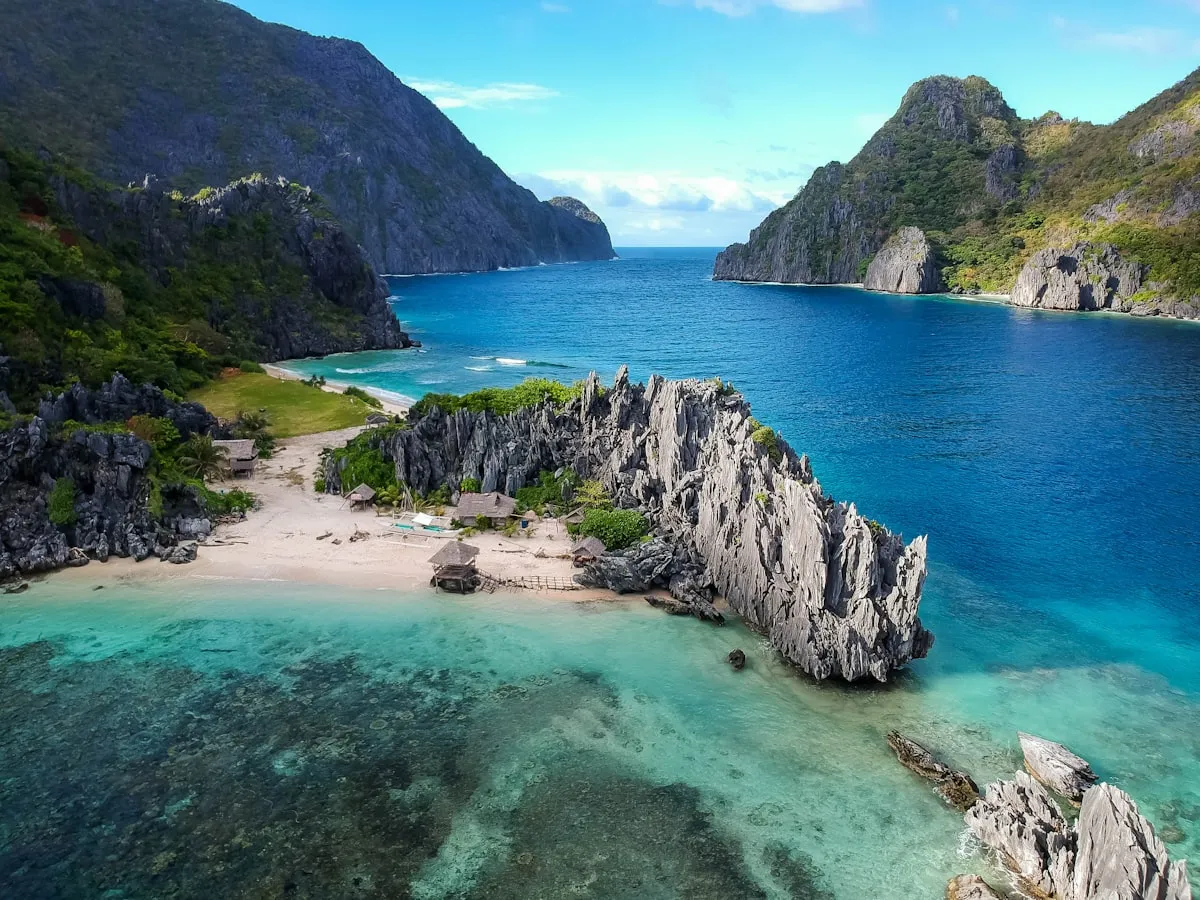
From Balicasag the banca crosses back northeast to Pungtod, known almost universally as Virgin Island. The approach is visually striking even from a distance: a white strip low in the water, flanked by bright turquoise shallows that grade into deeper teal toward the channel. At low tide the sandbar extends several hundred meters and is wide enough to walk its length in dry feet. Vendors set up temporary bamboo stalls selling cold drinks and fresh coconut, and kayaks are available for rent to paddle the still lagoon on the island's sheltered side. Swimming here is gentle - the water is rarely deeper than chest height on the sandbar's edges, and the sandy bottom makes it safe for non-swimmers and children. The atmosphere shifts from the focused marine experience of Balicasag to something more relaxed: lunch on a beach mat, a slow walk to the sandbar's far tip, the occasional fisherman wading past with a cast net. The boat waits here for about an hour before the return crossing to Panglao, arriving back in the early to mid-afternoon.
Best Time to Go
The Bohol Sea is calmest and clearest between November and May, which is also when dolphin encounters are most consistent and visibility at Balicasag can exceed 20 meters. The northeast monsoon (amihan) keeps seas flat from December through March, making this the peak window for the tour. June through October brings the southwest monsoon (habagat), which can raise swells in the Bohol Sea and occasionally causes the Balicasag portion to be cut short or moved to the island's sheltered north side. Tours typically still run in this period but conditions are more variable. Morning departures - the early ones, not a 9:00 AM start - are essential for dolphin sightings and for finishing at Balicasag before the midday crowds arrive by separate dive boats from Alona Beach.
Practical Tips
Bring reef-safe sunscreen, a rash guard or thin long-sleeved shirt, and a dry bag for your phone and documents - open bancas have no covered storage.
Motion sickness is a real concern on the open-water crossing to Balicasag, especially in habagat months. Take medication at least an hour before departure if you are prone to seasickness.
Biodegradable sunscreen is the responsible choice here; several brands are available in Panglao town and at Alona Beach shops.
Leave the sandbar at Virgin Island as you found it - no sand collecting, no shell removal, and no feeding the resident shorebirds.
Who This Tour Suits
The itinerary works well for first-time visitors to Bohol who want to see the island's marine highlights without committing to scuba diving. Families with school-age children handle it comfortably - the Virgin Island sandbar portion in particular is ideal for non-swimmers. Strong swimmers and snorkelers get the most out of Balicasag, but the reef is rewarding even for beginners with a life jacket. The one group for whom this tour is genuinely challenging is anyone with serious motion sickness, given the two open-water crossings in the pre-dawn and morning hours. For solo travelers, the shared banca format naturally creates a social dynamic, and the dolphin watch at dawn is the kind of collective experience that reliably breaks the ice between strangers.
Good to know before you book
Duration: typically a full day (around 8 to 10 hours including transfers), though half-day and multi-day options exist - check the listing.
Best for: couples, families and first-time visitors.
What is included: the boat, life vests, snorkelling gear, a guide and usually lunch; island entrance and environmental fees may be paid locally.
Pickup: most tours offer hotel or central pickup; confirm your point and time when booking.
Book through: the GetYourGuide button on this page, which shows live availability and pricing.
Frequently asked questions
How long does the Panglao Island Hopping to Balicasag and Virgin Island take?
Most departures run as a full day - roughly 8 to 10 hours including pickup, travel and the activities themselves - so plan to set aside the whole day. Some operators offer shorter or private versions; the exact timing for your date is shown when you book through the GetYourGuide button on this page.
What is included in the Panglao Island Hopping to Balicasag and Virgin Island?
Typically the price covers the boat, life vests, snorkelling gear, a guide and usually lunch; island entrance and environmental fees may be paid locally. Inclusions vary by operator, so always read the specific listing - it spells out exactly what is provided and what you pay for separately, such as entrance or environmental fees.
What should I bring?
Pack swimwear, reef-safe sunscreen, a hat, a towel, water shoes for rocky landings and a waterproof pouch for your phone. It is also worth carrying some cash for local fees, drinks and tips, plus any personal medication, since card facilities can be limited outside the cities.
Is the Panglao Island Hopping to Balicasag and Virgin Island suitable for beginners or families?
It is suitable for almost everyone, including families and non-swimmers, thanks to life vests and calm, sheltered water at most stops. There is plenty of time to simply relax on the sand. If you have specific concerns about age, fitness or swimming ability, message the operator before booking - they can advise on the best option for your group.
When is the best time to do this tour?
The best conditions are usually the dry season from December to May, when the Chocolate Hills turn their famous brown. That said, the Philippines is a year-round destination, and many of these experiences run in any season - just expect the occasional shower and check the forecast for the day.
How do I get to Bohol?
To reach Bohol, fly into Bohol-Panglao International Airport, or take the fast ferry from Cebu (about 2 hours). Many tours include transfers from nearby towns or hotels, so confirm your pickup arrangement when you book so the day runs smoothly from the start.
Do I need to book the Panglao Island Hopping to Balicasag and Virgin Island in advance?
Yes - booking ahead is strongly recommended, especially in the dry-season peak and on weekends, when popular tours and the best operators sell out. Reserving online also locks in your spot and lets you compare timings and inclusions easily.
How much does the Panglao Island Hopping to Balicasag and Virgin Island cost?
Prices vary with the season, group size and exactly what is included, so we do not list a fixed figure here. Tap the GetYourGuide button on this page to see the current, accurate price and availability for your chosen date.
Can I do the Panglao Island Hopping to Balicasag and Virgin Island as a private or customised tour?
Many operators offer a private version of this experience for couples, families or small groups who want a flexible pace and a guide to themselves, and some can tailor the route or add stops. If a private or custom option matters to you, check the listing or message the operator before booking, as availability and prices differ from the standard shared tour.
Ready to explore Bohol?
From planning to the moment you arrive, the Panglao Island Hopping to Balicasag and Virgin Island is one of the most rewarding ways to experience this corner of the Philippines - and booking it is simple. Use the GetYourGuide button on this page to check live availability, compare timings and secure your spot, then turn up and let the local guides handle the rest while you focus on the views, the water and the memories.
The PANA.PH travel desk researches, books and re-checks Philippines travel logistics — fares, ferry schedules, government fees and permit rules — and publishes what it can verify.