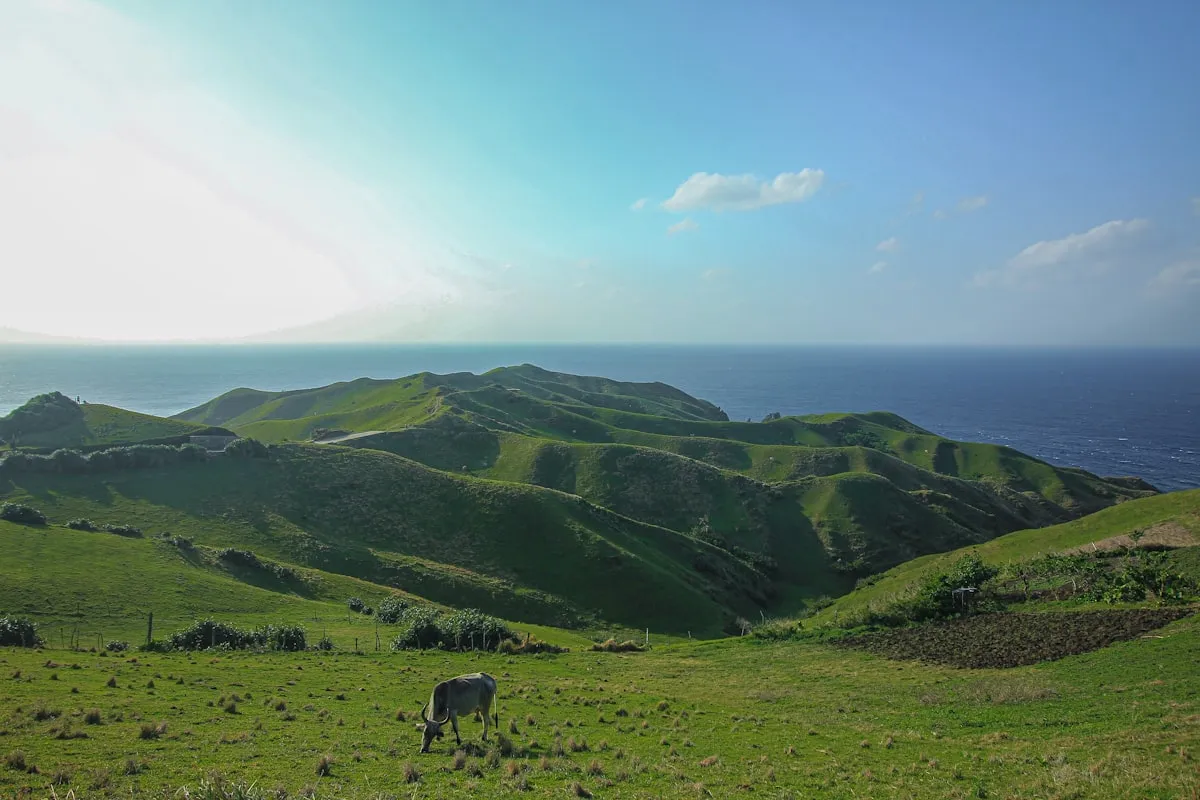
Short answer: March to May for the calmest sea at Balicasag, but Panglao is one of the more forgiving choices year-round. Bohol sits outside the worst of the eastern storm track and the Cebu fast ferry runs through most conditions, so a wet-season trip here is far less likely to be ruined than one in Palawan. The Chocolate Hills only turn brown - and earn their name - in the dry months.
Trip.comHotels in Palawan
Compare live prices via Travelpayouts — targeted for this guide.
Search on Trip.comA seasonality guide for Panglao and Bohol: which months, what the sea does, and what it costs. Built from 27 bookable trips. Last checked 9 August 2026.
| Period | Conditions | Verdict | Checked |
|---|
| December - February | Cool dry, peak | Reliable; hills greening | 2026-08-09 |
| March - May | Hot dry, calm sea | Best; hills at their brownest | 2026-08-09 |
| June - September | Wet, but sheltered | Workable; good value | 2026-08-09 |
| October - November | Wetter | Variable; cheapest | 2026-08-09 |
How this guide was built
Seasons follow PAGASA's official definition rather than a marketing calendar: wet season June to November, dry season December to May, with the dry half splitting into cool-dry (December to February) and hot-dry (March to May).
All 27 bookable Panglao trips are full days - a uniformity matched only by Puerto Princesa. Half of what people come for is inland on Bohol proper (Chocolate Hills, tarsiers, the Loboc river, about two hours away) and half is at sea off Panglao, which means a bad sea day here has a genuine alternative. That is the structural reason Panglao tolerates the wet season better than a purely marine destination.
PAGASA also notes that typhoons generally track north-westward from the Pacific, sparing Mindanao from most direct hits. That single fact is the most useful input when choosing between a northern and a southern destination in the second half of the year.
The Chocolate Hills are seasonal, literally
The hills are over a thousand grass-covered mounds, and the "chocolate" name refers to the brown they turn when the grass dries out - roughly February to May. In the wet months they are green, which is still striking but not what the photographs promised.
If the brown hills are the reason you are coming, the dry season is not a preference but a requirement.
Balicasag and the early boats
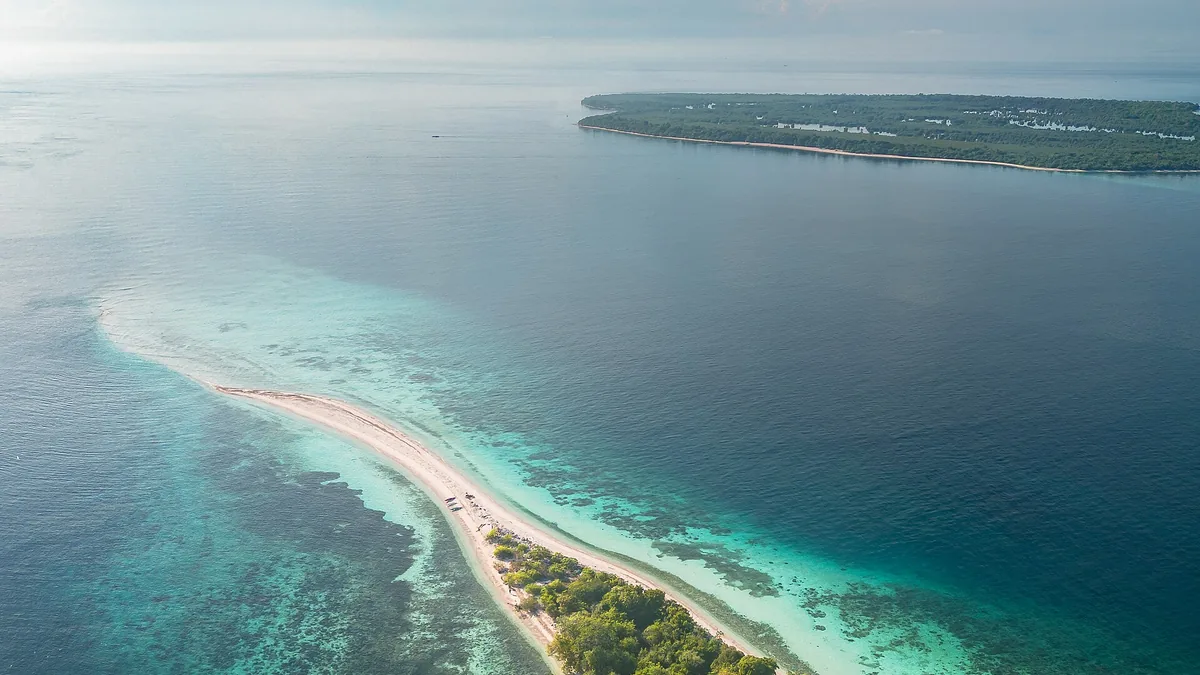
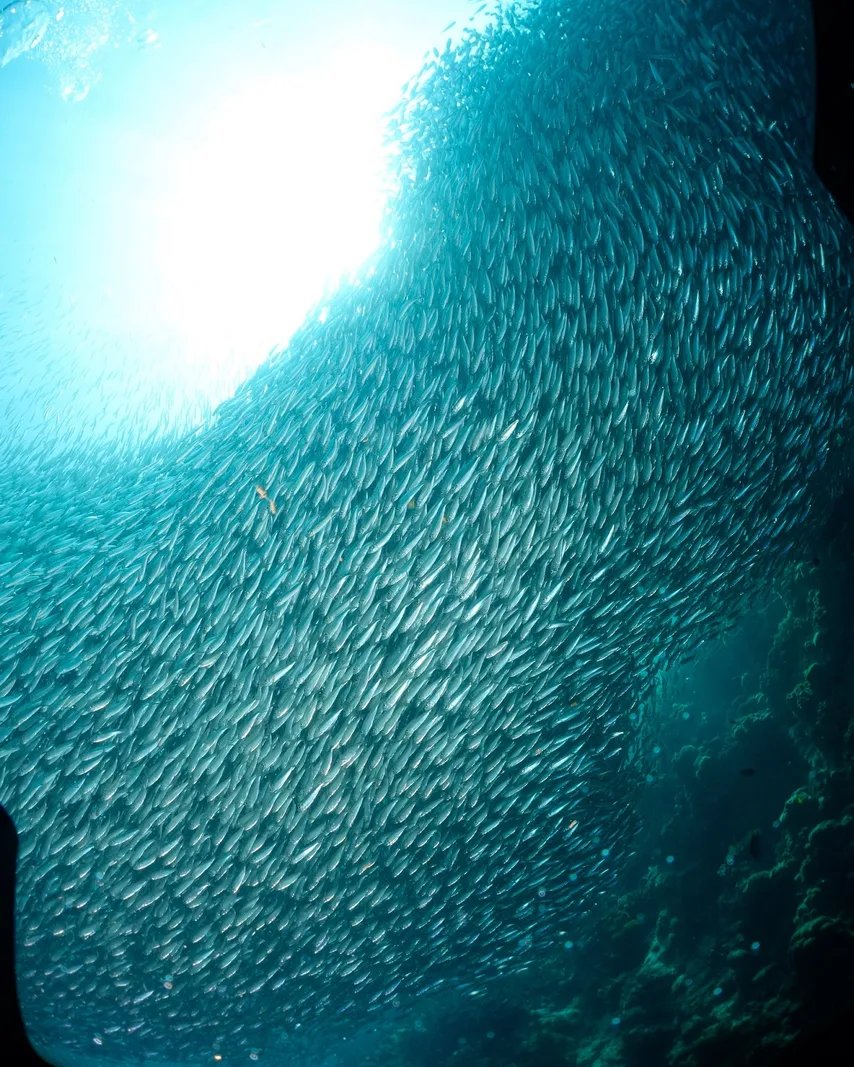
The standard sea day leaves around 06:00 for dolphin watching, then snorkels the wall at Balicasag where the turtles are reliable. Calm water makes both better, and the hot-dry months give the flattest sea.
Balicasag is a marine sanctuary with a daily cap on visitor numbers, counted separately for divers and snorkellers. That cap applies in every season and is another reason boats leave early.
Why the wet season is more workable here
Two things separate Bohol from Palawan in the rainy months. First, the inland day - Chocolate Hills, tarsiers, Loboc river - is a van trip that rain inconveniences rather than cancels. Second, the Cebu fast ferry is a larger vessel on a short crossing and keeps running in conditions that stop small outrigger boats.
So a wet-season Panglao trip usually still delivers most of its itinerary, which is not true of El Nido or Coron.
The tarsiers, in any season
Philippine tarsiers are nocturnal primates with enormous fixed eyes, and they are stress-sensitive to a degree that matters: distressed animals have injured themselves. The conservation sanctuary keeps visitors quiet, bans flash and does not allow handling.
Roadside operations that let you hold one for a photograph are not the same thing. Go to the sanctuary - it is included in the roughly PHP 1,200 countryside loop, the best-value product in our entire inventory.
Why Bohol rides out weather that stops Palawan
Typhoon season overlaps the wet months and peaks roughly July to October. A direct hit is not an annual event anywhere specific, but a system passing nearby is enough to suspend boats and ground small aircraft.
Check PAGASA bulletins before travelling in the second half of the year. The practical rule is to keep a spare day around any sea crossing or small-airport flight, because that is where a delay turns into a missed connection.
What does not change with the season
Bohol's median tour is PHP 2,117, the lowest of any major destination we index, and it holds year-round. The eight-hour countryside loop at about PHP 1,200 is the same price in August as in March.
The Cebu crossing also holds at PHP 250-450 for roughly two hours - the cheapest sea crossing in our table, and the reason Bohol and Cebu work as a single trip in any month.
Green hills or brown: timing the Chocolate Hills
December-February: cool and dry, hills beginning to turn. Peak season pricing.
March-May: hot and dry, calmest sea, hills at their brownest. The best all-round window.
June-September: wet but sheltered; the inland day carries the trip when the sea is up.
October-November: wettest, cheapest, most variable at sea.
The Chocolate Hills myth every wet-season visitor falls for
The first error is showing brown Chocolate Hills alongside a wet-season recommendation. They are green from June to November.
The second is treating Panglao like Palawan. Bohol's inland half means a bad sea day is redirected rather than lost.
The third is overlooking the visitor cap at Balicasag, which shapes the day regardless of weather.
Getting here, and why the ferry matters in the wet months
Bohol-Panglao International sits on Panglao itself, 20 to 30 minutes from Alona Beach - unusually convenient, and it means arrival does not depend on a sea crossing at all.
The alternative is flying into Cebu and taking the fast ferry to Tagbilaran, about two hours at PHP 250-450. Those are enclosed, air-conditioned vessels rather than open boats, which is exactly why they keep running in conditions that stop the small outriggers elsewhere in the country. In the wet season that difference is the whole reason Bohol stays workable.
Diving Balicasag through the year
The wall at Balicasag drops steeply and the turtles there are habituated rather than fed, so encounters are reliable without the feeding controversy that surrounds Oslob. Discover scuba runs around PHP 1,850 for beginners.
Visibility is best in the hot-dry months from March to May. In the wet season the site is still dived regularly - the crossing is short - but clarity drops for a day or two after heavy rain.
Frequently asked questions
What is the best month to visit Panglao?
March to May - calmest sea for Balicasag and the Chocolate Hills at their brownest.
When are the Chocolate Hills actually brown?
Roughly February to May. They are green through the wet season.
Is Bohol a good rainy-season choice?
Relatively yes. The inland day is van-based and the Cebu ferry keeps running in most conditions.
Do prices change by season?
Barely. The median stays at PHP 2,117 and the countryside loop at about PHP 1,200.
Why do Balicasag boats leave at 06:00?
For the dolphins, and because the site has a daily visitor cap counted separately for divers and snorkellers.
Where should I see the tarsiers?
At the conservation sanctuary in Corella, included in the countryside loop - never at roadside operations that allow handling.
Book tours, hotels & stays in Panglao
Top tours
Top hotels
Top stays