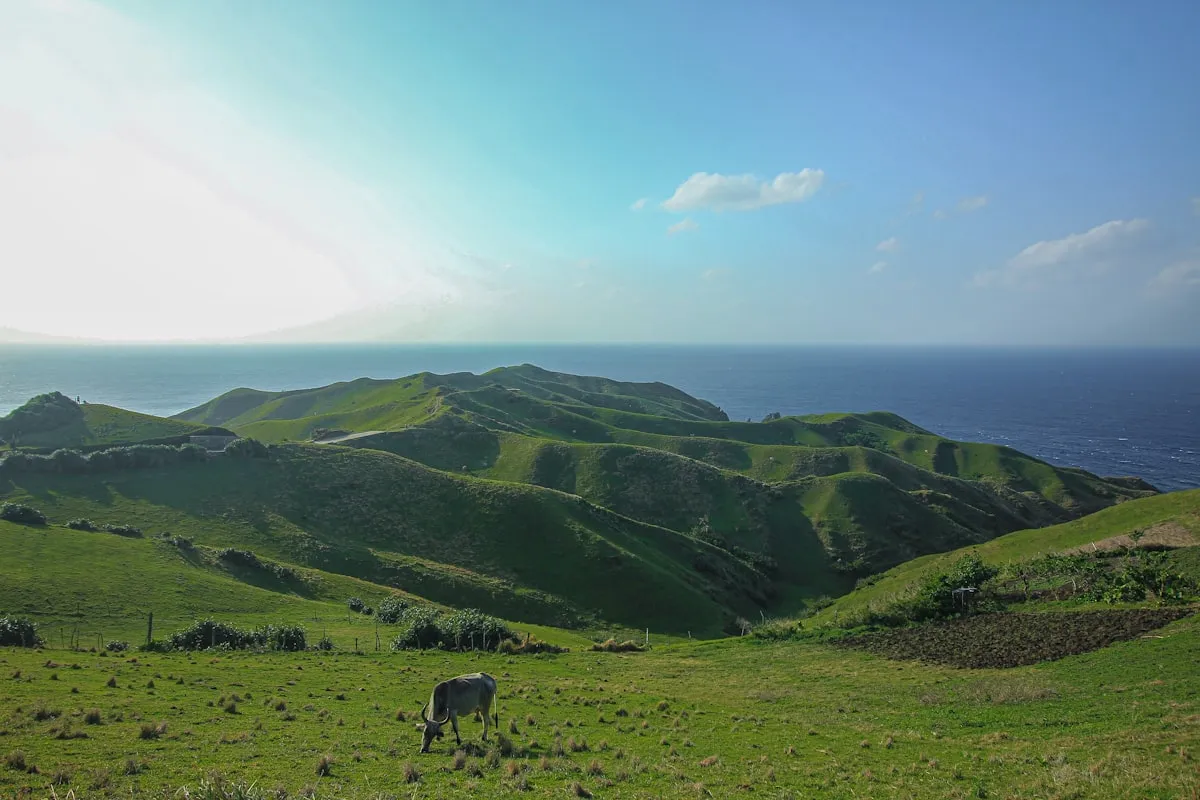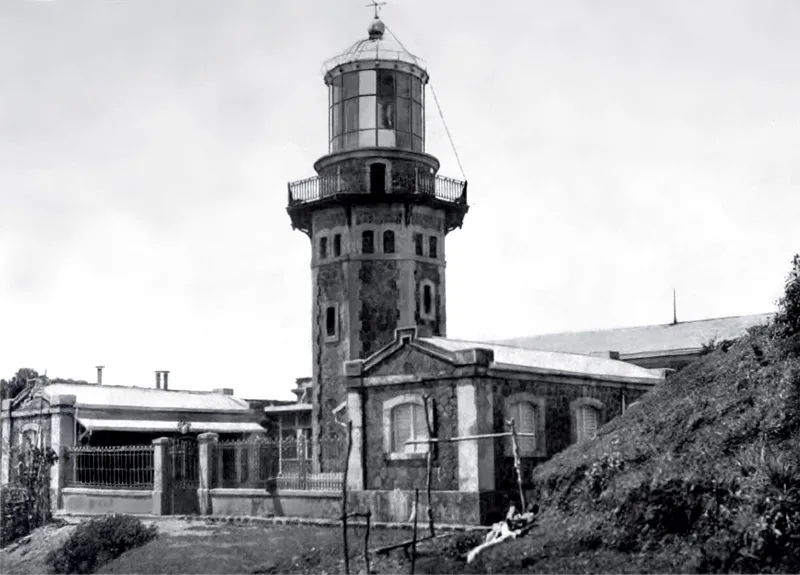
Palaui Island sits at the northeastern corner of Luzon, where the Sierra Madre mountains finally meet the Pacific Ocean. The island is best known for Cape Engano, an 1800s Spanish lighthouse perched on a grassy hill that looks out over the Babuyan Channel. Below the cliffs lie hidden coves, reefs, and a coastline that still feels wild. Our Luzon desk made the long drive to Santa Ana, Cagayan, haggled for a boat, and climbed the lighthouse trail in March 2025. This guide compiles everything we learned about permits, boat prices, the trek, and why Palaui remains one of the best-kept island secrets in northern Luzon.
Hotels in Luzon
Compare live prices via Travelpayouts — targeted for this guide.
Palaui is not a resort island. It is a protected landscape with limited electricity, no commercial hotels, and a rugged approach. Travelers who come prepared are rewarded with empty beaches, clear water, and one of the most photogenic lighthouses in the country. If you are comfortable with a long land transfer and a bumpy boat ride, the rewards justify the effort.
Where Is Palaui Island
Palaui Island is part of the town of Santa Ana in the province of Cagayan, approximately 640 kilometers north of Metro Manila. It lies off the coast of Barangay San Vicente, also known as the San Vicente port or fish landing. The island forms part of the Palaui Island Protected Landscape and Seascape, a protected area managed by the Department of Environment and Natural Resources and the provincial government of Cagayan.
The closest airport is Tuguegarao Airport, about two and a half hours south of Santa Ana by land. Travelers from Manila can also take a night bus to Tuguegarao and then a van or bus to Santa Ana. The island is usually visited on a day trip from the town, though overnight camping is allowed with a permit. The lighthouse sits at the northern tip of the island, while Anguib Beach and other coves are on the southern and eastern shores.
Surfing lessons in Luzon
Hand-picked experiences in Luzon — book on Trip.com with instant confirmation.

How to Reach Santa Ana and the Port
The overland journey is the biggest commitment for a Palaui trip. Three main options exist.
By Air and Van
- Fly from Manila to Tuguegarao. One-way fares range from P2,500 to P5,500 depending on the season and how far in advance you book.
- From Tuguegarao, hire a van or take a public bus to Santa Ana. Van charter is around P2,500 to P3,500 one way and takes 2.5 to 3 hours. Public bus fare is about P150 to P250.
- Once in Santa Ana, tricycles to San Vicente port cost P20 to P50 per person.
By Night Bus
- Take a Manila to Tuguegarao bus, with operators running evening trips from Cubao or Sampaloc. Fares for a regular seat range from P700 to P1,200, while a sleeper or deluxe seat ranges from P1,400 to P2,200.
- From Tuguegarao, transfer to a van to Santa Ana. Some tour operators can arrange a direct van from Tuguegarao to the port.
By Private Car
- Drive north on NLEX and SCTEX, continue through the Dalton Pass area, and take the national highway to Tuguegarao and Santa Ana. The drive is 12 to 14 hours nonstop from Metro Manila.
- Fuel and tolls cost approximately P4,000 to P6,000 one way depending on the vehicle. Overnight in Tuguegarao or Santa Ana before the boat trip.
Our team took a night bus to Tuguegarao, slept in a budget hotel, and left for the port at 5:00 a.m. the next morning. The early start allowed us to cross before the afternoon waves became rough.
Boat Rental, Port Fees, and Boatmen
The San Vicente port is the main jump-off point. Small outrigger boats, locally called motorbancas, are parked along the beach and are chartered through the local boatmen's association. No fixed schedule exists. You negotiate the route, time, and price with a licensed boatman at the registration area.
As of 2026, the following rates are typical for a whole boat that can carry four to six passengers:
- Round trip to Cape Engano: P3,000 to P4,500
- Round trip to Anguib Beach: P3,500 to P5,000
- Combined Cape Engano and Anguib Beach: P4,500 to P6,500
- Additional waiting time: P300 to P500 per hour
- Local boat guide for the lighthouse trek: P300 to P500
- Environmental fee: P50 per person
- Terminal or registration fee: P20 to P50 per person
Boat prices rise during the peak months of March, April, May, and December. Haggling is normal, but be respectful. The boatmen set the rates through their association, and fixed-price signs are posted at the registration hut. Life vests are required by law, and boatmen usually provide them. Bring dry bags and water because the open sea can splash over the gunwales.
Cape Engano Lighthouse
Cape Engano Lighthouse is the main reason travelers cross to Palaui. Built in the 1890s, the Spanish-era stone tower sits on a headland at the northern end of the island. The original Fresnel lens is gone, but the tower and the keeper's quarters remain intact enough to explore. The view from the top extends from the Babuyan Islands to the north, the Sierra Madre coastline to the west, and the open Pacific to the east.
The trail from the landing point to the lighthouse takes 45 minutes to one and a half hours depending on your pace and fitness. The first part is a sandy and rocky beach walk, followed by a steep uphill dirt trail. In the wet season the path is muddy and slippery. The trail is not paved, and there are no handrails. Trekking sandals with good grip or light hiking shoes are much better than flip-flops.
At the top, a small clearing holds the lighthouse, a ruined barracks, and a grassy area. The wind is strong almost every day, making it ideal for photography but also potentially dangerous for drones. The Department of Energy once used the site, and the National Historical Commission of the Philippines recognizes the lighthouse as an important cultural property. Please do not carve on the stones or remove any pieces as souvenirs.
Beaches, Coves, and Snorkeling
Aside from the lighthouse, Palaui has several quiet coves. Anguib Beach is the most famous, with cream-colored sand and calm water protected by an inlet. It is sometimes called the Boracay of the North, though that comparison overstates the development. There are no large resorts, only small huts and a few cottages for rent. The sand is fine, the water is clear, and the reef close to shore holds small fish and sea urchins.
Other coves include Crocodile Island Beach and less named pockets along the eastern coast. Snorkeling is possible in areas with reef, but visibility depends on the tide and wave action. The Pacific side of the island is rough and not safe for casual swimming. Always ask the boatman which areas are safe to enter before jumping in.
Camping is allowed in designated areas. Some visitors bring tents and pay a small site fee to the caretaker. If you do not want to camp, you must return to Santa Ana by late afternoon because the last safe boat crossing is usually around 3:00 p.m. to 4:00 p.m. during the dry season.
Permits, Fees, and Booking Rules
Palaui is a protected landscape, and entry is regulated. The basic requirements are simple, but they must be followed.
- Pay the DENR environmental fee at the port or visitor center. As of 2026 it is P50 per person.
- Register your name and group size with the barangay tourism desk. This is free but mandatory.
- Hire a licensed boat through the boatmen's association. Private boat arrivals from outside Santa Ana must still register and pay the fee.
- If you plan to camp overnight, inform the boatman so he can arrange a return schedule or pick-up the next morning.
- Camping fee is around P100 to P200 per tent per night, paid to the caretaker or association.
- Food is not sold on the island except by occasional vendors at Anguib. Bring packed meals and extra water.
The local government and DENR sometimes restrict the number of visitors during the peak Holy Week and summer months. If you are visiting during a long weekend, contact the Santa Ana tourism office or a local tour operator several days in advance to reserve a boat slot.
What to Bring and Wear
Palaui is a back-to-basics destination. Packing smart is more important than packing light.
- Water shoes and trekking sandals for the rocky trail and coral.
- Sun hat, sunglasses, and reef-safe sunscreen. The trail and beach have almost no shade.
- At least two liters of water per person. There is no drinking water on the island.
- Packaged meals, snacks, and a trash bag. Leave no trace.
- Dry bag for electronics. The boat ride is wet.
- Trekking poles for the lighthouse climb if you have weak knees.
- First-aid kit, insect repellent, and personal medication.
- Cash in small bills. No ATMs and no card payments.
Phones and action cameras are enough for most travelers. Drones should be used with caution because of the wind and the absence of safe landing spots. The caretakers appreciate it when visitors bring their own trash back to the boat.
Best Time to Visit Palaui Island
March to June offers the calmest seas and the clearest skies. February is also good but can be windy. December and January are popular with northern Luzon travelers, though the water is cooler and afternoon waves can be unpredictable. July to October is the rainy and typhoon season, and boat crossings are frequently cancelled. Even during the dry season, the Pacific swell can make the return trip rough by late afternoon.
The ideal schedule is to leave the port by 6:00 a.m., reach the lighthouse by 8:00 a.m., enjoy the beach until noon, and return to Santa Ana by 1:00 p.m. or 2:00 p.m. This avoids the strongest wind and the heaviest sun. If you are camping, arrive early to set up before dark and be ready for an island with no electricity.
What the Pana Luzon Desk Learned
Our Palaui trip in early 2025 involved a 16-hour bus ride, a 3:30 a.m. wake-up, and a boat crossing that left us soaked. The experience was worth it. These are the details that matter in 2026:
- Book the boat the afternoon before, not the morning of. The best boatmen are reserved early, especially on weekends.
- Bring a full meal and extra water. There is no sari-sari store on the island.
- Start the trek early. The climb is not technical, but the heat after 9:00 a.m. is exhausting.
- Do not rely on mobile data. Signal is weak and the caretaker uses two-way radios.
- Ask the boatman for Anguib Beach on the way back, not the way there. The morning light at the lighthouse is better, and the beach is a good place to rest after the trek.
- Respect the no-fishing rules inside the protected zone. Spearfishing and coral collection are illegal.
Safety and Sustainability Reminders
The island is remote, and emergency response is limited. Cuts, sprains, and dehydration are the most common problems. The trail to the lighthouse has no guardrails and no first-aid station. Swimming in the Pacific side is dangerous because of currents and rocks. Always wear a life jacket in the boat and listen to the boatman's instructions during the crossing.
Palaui's ecosystem is fragile. The coral, seagrass, and forest are protected. Visitors should avoid touching coral, collecting shells, picking plants, or feeding animals. The local community depends on low-impact tourism, so leaving the island cleaner than you found it is the best way to support the area.
Plan This Trip With Pana
Pana can help you book bus seats, arrange van transfers from Tuguegarao, and reserve a boat to Palaui. Start with our Philippine destinations to find more Cagayan and northern Luzon routes, check tours for guided Palaui packages, or secure a room through hotels in Santa Ana or Tuguegarao. For more island and lighthouse guides, visit the Pana blog.
Frequently Asked Questions
Can I visit Palaui on a day trip from Manila?
Not practically. You need at least one night in Tuguegarao or Santa Ana before the boat crossing. The land journey alone is 10 to 14 hours each way.
Is there electricity on the island?
No. Palaui has no commercial power. Bring a power bank and use your flashlight at night. Some caretakers have small solar chargers.
How hard is the trek to Cape Engano Lighthouse?
Moderate. Fit hikers can finish in 45 minutes. Beginners may take up to 90 minutes because of the heat and the rocky sections. Wear proper shoes.
Are there bathrooms on the island?
Basic toilets exist at Anguib Beach and near the lighthouse landing, but they are not always well stocked. Bring tissue and hand sanitizer.
Can I bring a car to the island?
No. There are no car ferries. You must charter a motorbanca from San Vicente port.
Is Palaui Island safe for solo travelers?
Yes, but it is easier and safer to join a group or hire a local guide. Boat costs are also easier to split with a group.
Sources and Official References
- Province of Cagayan Official Website
- Department of Tourism Philippines
- Department of Environment and Natural Resources
Boat rates, fees, and trail conditions were confirmed through direct conversation with the San Vicente boatmen's association and the Santa Ana tourism office as of early 2026. Rates may vary by season and group size.