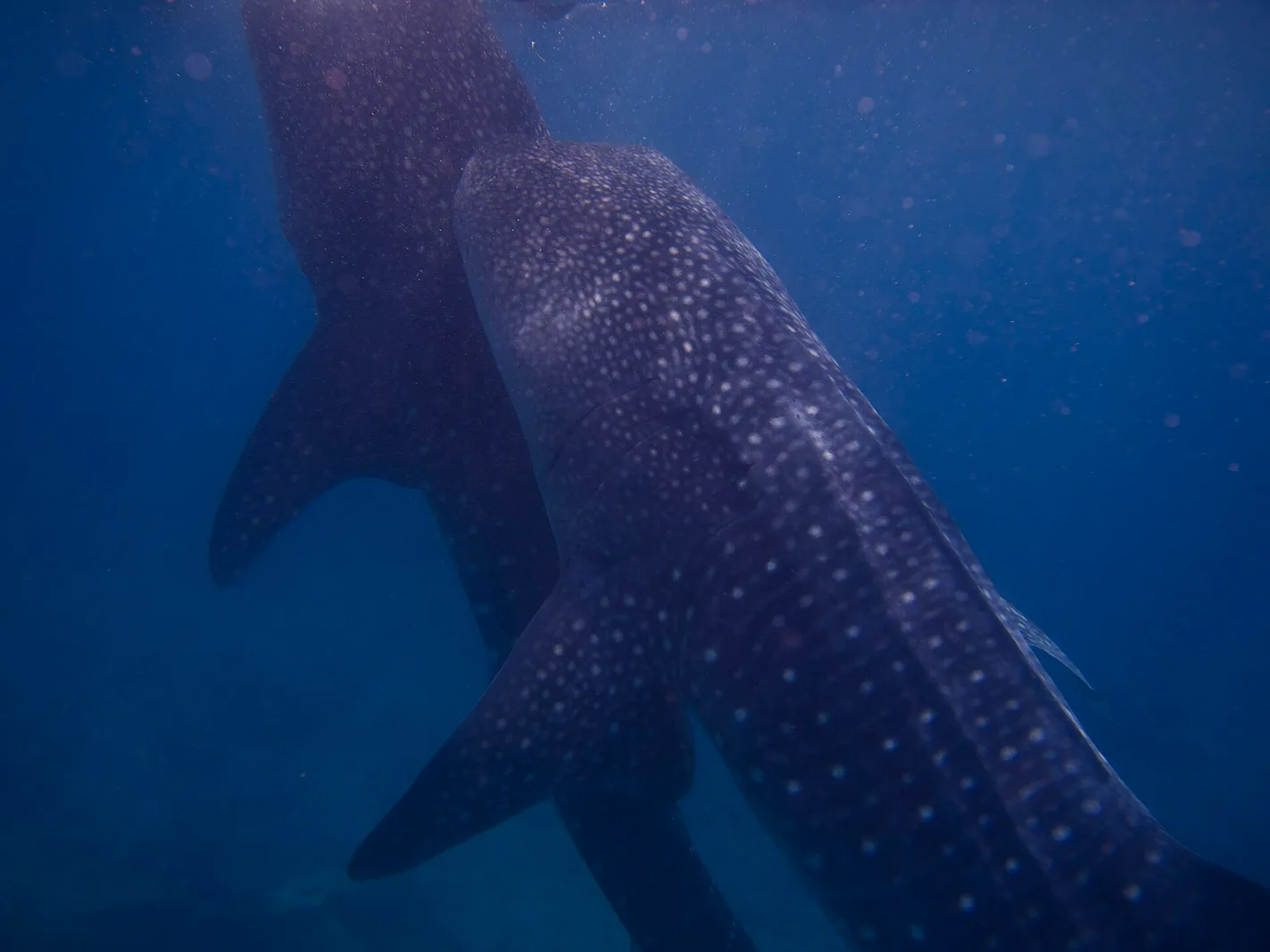
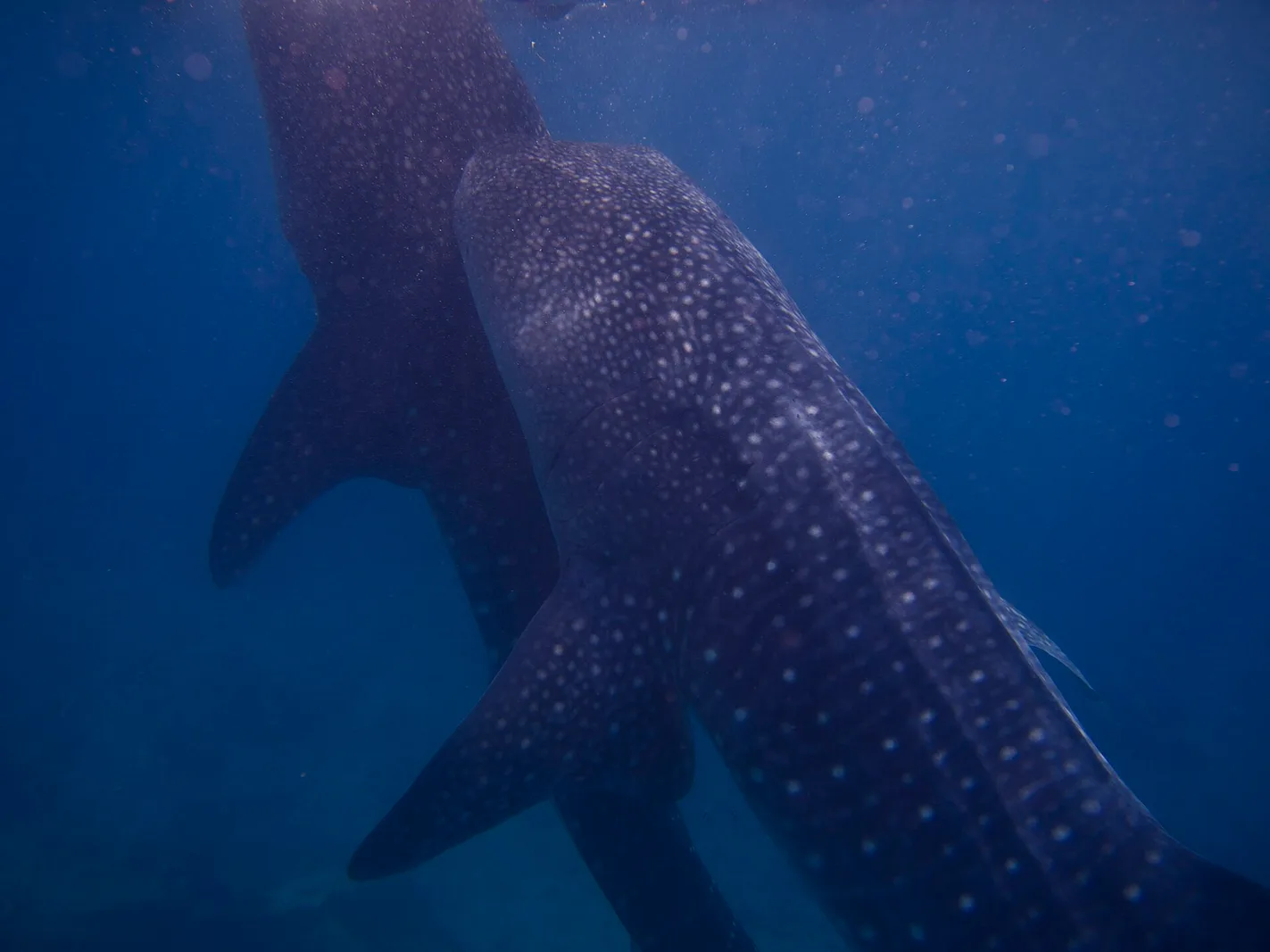
The sun is barely up over Tan-awan, a quiet barangay in the southern Cebu town of Oslob, and already the sea is moving. Not with waves, but with shadows. Beneath a fleet of narrow outrigger boats, vast grey shapes glide just below the surface, their backs dappled with constellations of white spots. You slip off the gunwale into the warm Bohol Sea, and there it is, an arm's length away and longer than your boat: a whale shark, the biggest fish on the planet, opening its cavernous mouth to feed. It is one of the most surreal encounters in Philippine travel, and this trip pairs it with two of southern Cebu's gentler pleasures: a pale ribbon of sand at Sumilon, and a waterfall that falls like rain.
Oslob Whale Shark Encounter, Sumilon Sandbar & Tumalog Falls - Guide
Trip.com
Search on Trip.comHotels in Philippines
Compare live prices via Travelpayouts — targeted for this guide.
Meeting the gentle giants of Tan-awan
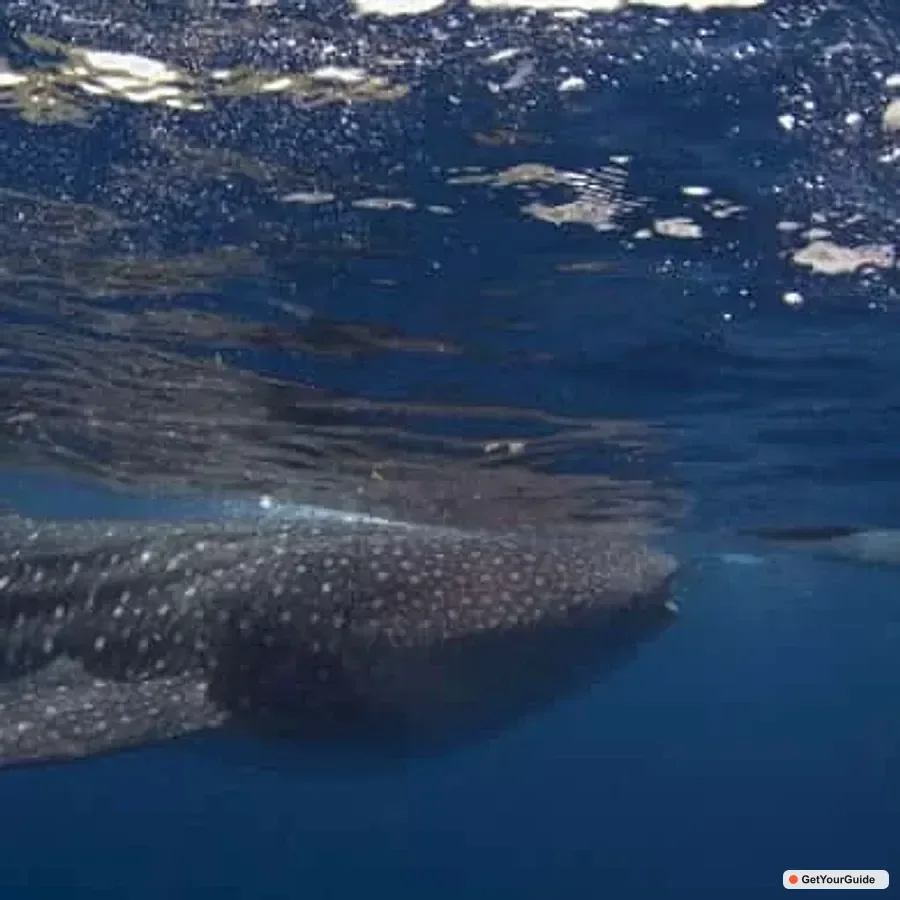
Whale sharks (Rhincodon typus) are sharks, not whales, but the confusion is forgivable: they can grow beyond 12 metres and weigh more than a city bus. Despite the size, they are utterly harmless to humans. They are filter feeders, cruising the world's tropical oceans with their mouths agape to strain plankton, krill, and fish eggs through gill rakers, swallowing nothing larger than a small fish. Their skin carries a unique pattern of white spots and stripes over slate-blue-grey, as individual as a fingerprint, which researchers use to identify and track them. Locally they are called butanding, or in Cebuano, tuki.
Oslob's particular fame, and its controversy, comes from the fact that the sharks here are fed. Local fishermen discovered around 2011-2012 that the animals would linger if offered small shrimp known as uyap, and what began as a curiosity grew into one of Cebu's largest tourism draws. Each morning, handlers in paddle boats scatter shrimp, and the whale sharks gather close to shore, allowing snorkelers and divers a near-guaranteed sighting. That reliability is the appeal. It is also the heart of the ethical debate, which we will be honest about further down.
How the encounter works
Activity starts very early, typically with viewing slots from around 6 a.m. until late morning, and the experience is short by design, usually about 30 minutes in the water. Before you go in, every visitor sits through a mandatory briefing. The rules are strict and genuinely important: no touching, no sunscreen or lotion (the chemicals harm the animals' skin and the plankton), stay at least a few metres away, no flash photography, and absolutely no riding or chasing. Guides enforce a minimum distance, and rangers patrol on boats. You can choose to snorkel from the boat or simply watch from aboard; divers can arrange a separate deeper experience. The water is calm and shallow near shore, so it suits non-swimmers wearing the provided life vest, though a little water confidence makes the moment far more magical.
Trip.com
Whale shark watching in Philippines
Hand-picked experiences in Philippines — book on Trip.com with instant confirmation.
Oslob Whale Shark Watching from DalagueteMoalboal, Philippines · Full dayFrom ₱5,720Book on Trip.com →
Oslob Whale Shark Watching Private TourMoalboal, Philippines · Full dayFrom ₱7,380Book on Trip.com →
Whale Shark Watching in Puerto PrincesaPuerto Princesa, Palawan · Full dayFrom ₱2,510Book on Trip.com →
Sumilon Island and its shifting sandbar
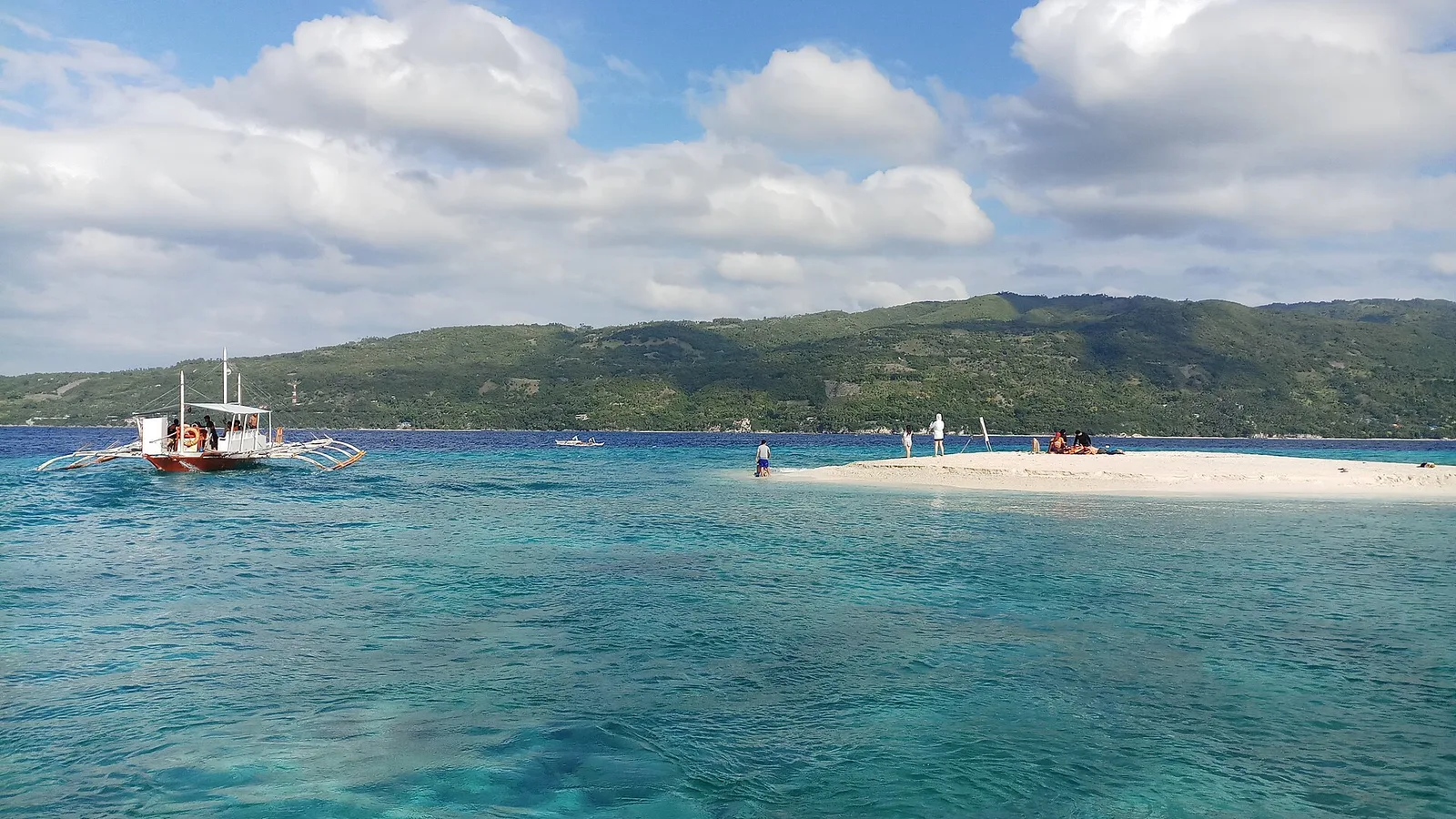
A short hop off Oslob's coast lies Sumilon Island, a small coral-fringed island with a distinction worth knowing: it was declared the Philippines' first marine protected area, back in 1974, pioneered by marine scientists from Silliman University. Decades of protection helped the reefs here recover, and Sumilon became a textbook example of how a no-take sanctuary can rebuild fish populations that then spill over to surrounding waters.
The island's signature feature is its sandbar, a tongue of fine white sand that the tides and seasons sculpt and relocate, sometimes curling off the northern tip, sometimes the south. Because it is built by currents, its exact shape changes through the year, which is part of its charm. The water around it glows in bands of turquoise and jade over a sandy bottom, ideal for swimming and easy snorkeling. Note that Sumilon is partly managed by a resort, so access arrangements and any landing or environmental fees can vary; many day tours bring you to the sandbar and surrounding shallows rather than onto resort grounds.
Tumalog Falls: a curtain of rain in the jungle
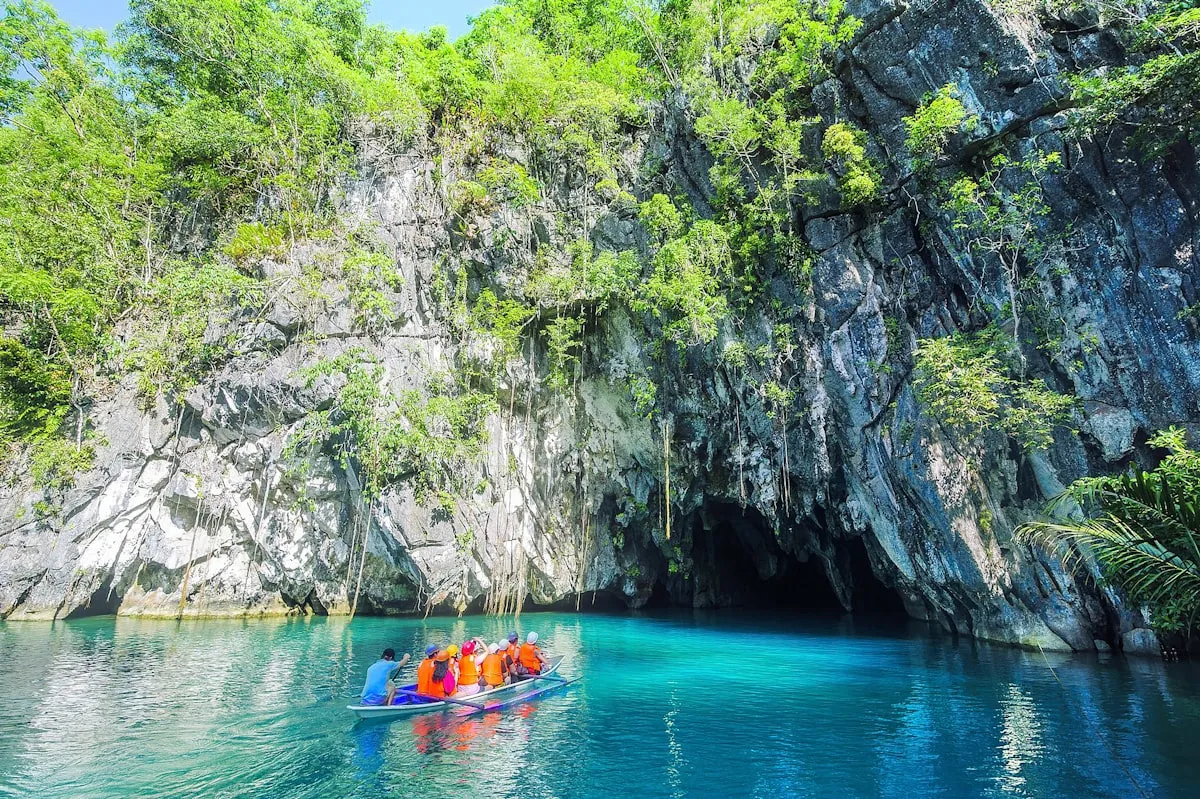
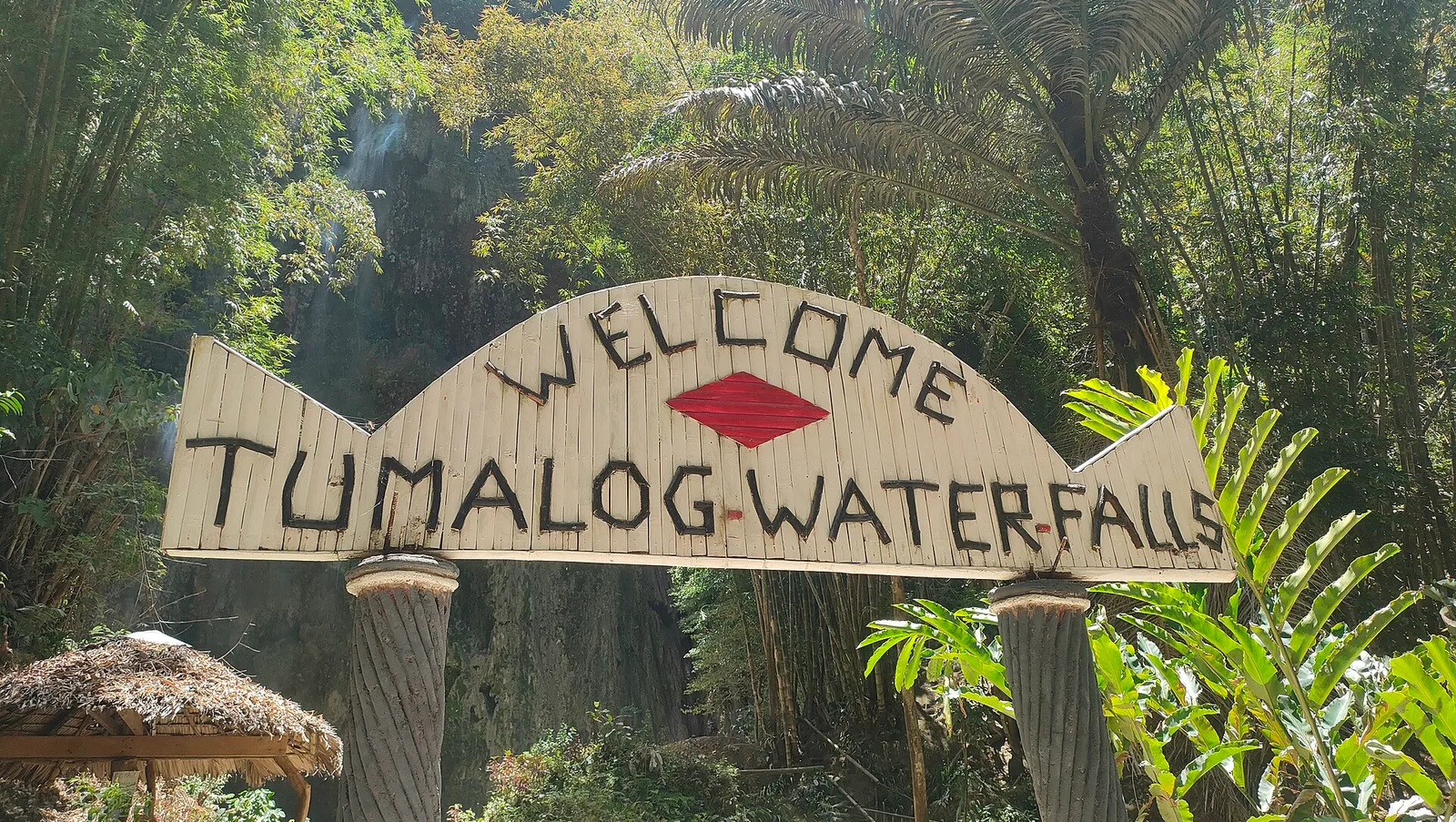
Just a few kilometres inland from the whale-shark beach, the road climbs into green hills to reach Tumalog Falls, sometimes spelled Tumalo or nicknamed Mag-ambak. It is unlike the powerful plunge pools most people picture when they hear waterfall. Tumalog is a wide, gentle cascade where spring water seeps over a tall, mossy, fern-draped overhang and descends in countless fine threads, more like a soft curtain of rain than a single torrent. When the morning light slants through the falling water and the surrounding foliage, the whole grotto seems to glow.
The pool below is shallow and cool, fed by mountain springs, and you can wade in beneath the spray. Because the access road down to the falls is steep, the final stretch is usually covered by a short habal-habal (motorbike) ride for a small fee, or a walk down if you prefer. It is an easy, family-friendly stop and a refreshing rinse of fresh water after a salty morning at sea.
Practical tips for the day
- Start before dawn. The whale sharks are most reliably present early, the light is soft, and crowds and afternoon heat are lower. Many travelers leave Cebu City or the Mactan/Moalboal area in the small hours, as Oslob is roughly three hours by road from the city.
- Best season. Sightings happen year-round, but the calmest, clearest seas generally fall in the dry months, roughly December to May. The rainy season can mean rougher water and the occasional cancelled slot.
- Bring. Swimwear worn under your clothes, a towel, a dry change of clothes, a rash guard for sun protection (since chemical sunscreen is banned in the water), water, cash for small local fees, and a waterproof camera or GoPro if you have one.
- Do NOT bring sunscreen into the sea. This rule protects both the animals and the plankton they feed on. Use a rash guard, hat, and shade instead, and apply any reef-safe lotion only well after the encounter.
- Effort level. Gentle overall. The whale-shark swim is short and in calm shallows; Sumilon is easy swimming; Tumalog involves a steep access road handled by motorbike. Life vests are standard, so non-swimmers can take part.
- Typically included. Hotel pickup on many tours, the safety briefing, life vest and basic snorkel gear, boat to the whale sharks, and transfers between stops. Confirm whether the various local environmental and entrance fees are included or paid on site.
The honest part: is Oslob ethical?
This deserves a straight answer rather than a brochure one. Conservationists have raised genuine concerns about provisioning, the practice of feeding wild whale sharks. Feeding can alter the animals' natural migratory and feeding behavior, encourage them to associate boats with food, and increase the risk of boat-strike injuries; scars from propellers have been documented on Oslob individuals. Critics also note that constant close contact and crowding add stress. On the other side, the program has given local fishing families a livelihood that no longer depends on hunting these animals, and it has built enormous public awareness of a species the IUCN classifies as endangered.
If this weighs on you, you have choices. You can opt to view the sharks from the boat without entering the water, follow every rule to the letter, and keep the distance the guides set. Some travelers prefer non-feeding wild encounters elsewhere in the Philippines, such as the seasonal aggregation in Donsol, Sorsogon, where whale sharks are spotted feeding naturally and not provisioned. Whatever you decide, going in informed is the responsible way to experience Oslob.
A morning you will not forget
By the time you climb back into the van, you will have shared the sea with the largest fish alive, floated over a sandbar that moves with the moon, and stood inside a waterfall that falls like soft rain. It is a long day and an early one, but southern Cebu rewards the effort with three completely different faces of the same coastline. Whatever you make of the debate, the giants of Tan-awan have a way of staying with you, a quiet reminder of just how vast and gentle the ocean can be.
Good to know before you book
- Duration: typically a full day (around 8 to 10 hours including transfers), though half-day and multi-day options exist - check the listing.
- Best for: active travellers, couples and friends.
- What is included: a local guide, safety gear (helmet and life vest), entrance fees and usually transfers; lunch is often included or available nearby.
- Pickup: most tours offer hotel or central pickup; confirm your point and time when booking.
- Book through: the GetYourGuide button on this page, which shows live availability and pricing.
Frequently asked questions
How long does the Oslob Whale Shark Encounter, Sumilon Sandbar & Tumalog Falls take?
Most departures run as a full day - roughly 8 to 10 hours including pickup, travel and the activities themselves - so plan to set aside the whole day. Some operators offer shorter or private versions; the exact timing for your date is shown when you book through the GetYourGuide button on this page.
What is included in the Oslob Whale Shark Encounter, Sumilon Sandbar & Tumalog Falls?
Typically the price covers a local guide, safety gear (helmet and life vest), entrance fees and usually transfers; lunch is often included or available nearby. Inclusions vary by operator, so always read the specific listing - it spells out exactly what is provided and what you pay for separately, such as entrance or environmental fees.
What should I bring?
Pack quick-dry clothes, secure water shoes or sandals with grip, reef-safe sunscreen and a floating or waterproof camera. Helmets and life vests are provided and must be worn. It is also worth carrying some cash for local fees, drinks and tips, plus any personal medication, since card facilities can be limited outside the cities.
Is the Oslob Whale Shark Encounter, Sumilon Sandbar & Tumalog Falls suitable for beginners or families?
It suits reasonably fit travellers who can swim and are comfortable in moving water; every cliff jump has a lower, optional alternative, so you set your own intensity. It is not designed for non-swimmers or very young children. If you have specific concerns about age, fitness or swimming ability, message the operator before booking - they can advise on the best option for your group.
When is the best time to do this tour?
The best conditions are usually the dry season from December to May, when the Chocolate Hills turn their famous brown. That said, the Philippines is a year-round destination, and many of these experiences run in any season - just expect the occasional shower and check the forecast for the day.
How do I get to Alburquerque Bohol?
To reach Alburquerque Bohol, fly into Bohol-Panglao International Airport, or take the fast ferry from Cebu (about 2 hours). Many tours include transfers from nearby towns or hotels, so confirm your pickup arrangement when you book so the day runs smoothly from the start.
Do I need to book the Oslob Whale Shark Encounter, Sumilon Sandbar & Tumalog Falls in advance?
Yes - booking ahead is strongly recommended, especially in the dry-season peak and on weekends, when popular tours and the best operators sell out. Reserving online also locks in your spot and lets you compare timings and inclusions easily.
How much does the Oslob Whale Shark Encounter, Sumilon Sandbar & Tumalog Falls cost?
Prices vary with the season, group size and exactly what is included, so we do not list a fixed figure here. Tap the GetYourGuide button on this page to see the current, accurate price and availability for your chosen date.
Can I do the Oslob Whale Shark Encounter, Sumilon Sandbar & Tumalog Falls as a private or customised tour?
Many operators offer a private version of this experience for couples, families or small groups who want a flexible pace and a guide to themselves, and some can tailor the route or add stops. If a private or custom option matters to you, check the listing or message the operator before booking, as availability and prices differ from the standard shared tour.
Ready to explore Alburquerque Bohol?
From planning to the moment you arrive, the Oslob Whale Shark Encounter, Sumilon Sandbar & Tumalog Falls is one of the most rewarding ways to experience this corner of the Philippines - and booking it is simple. Use the GetYourGuide button on this page to check live availability, compare timings and secure your spot, then turn up and let the local guides handle the rest while you focus on the views, the water and the memories.

PANA.PH Editorial Team
Philippines travel desk
The PANA.PH travel desk researches, books and re-checks Philippines travel logistics — fares, ferry schedules, government fees and permit rules — and publishes what it can verify.
🏡 Real local stays (book direct)
Hand-picked homestays and guesthouses — book direct, no markup.
Browse all local stays →

🌊 Popular activities (book instantly)
Island hopping, canyoneering, whale sharks — real Klook/GetYourGuide options.
View all activities →