Contents
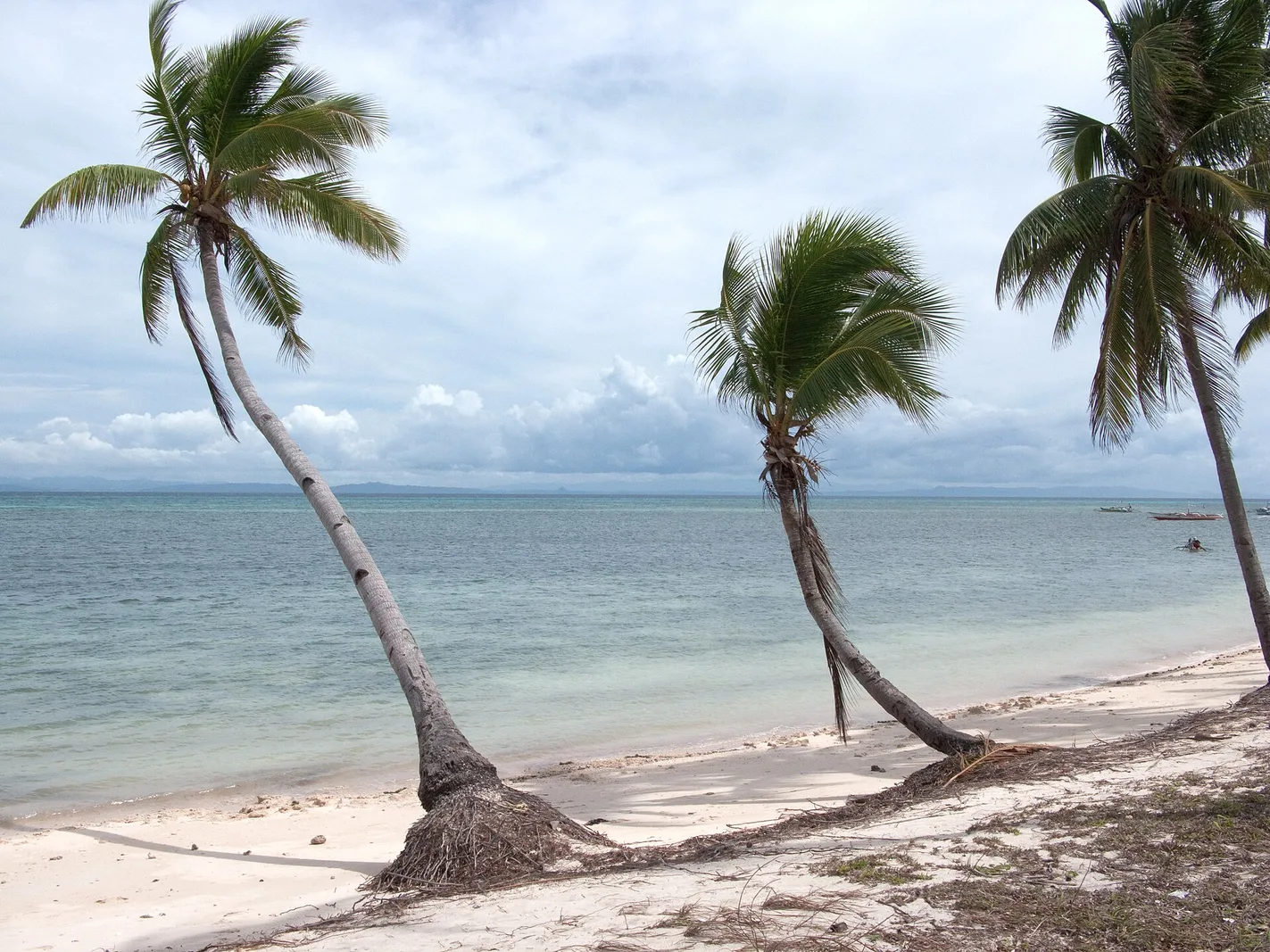
The morning starts before the sun is properly up. You are bundled into a van on Cebu's eastern coastal road, the sea glowing pewter on your left, the Tanon Strait separating you from Negros Island somewhere out in the haze. By the time you reach the little barangay of Tan-awan in Oslob, the water has turned that impossible turquoise the southern Philippines is famous for, and bancas - the slim wooden outrigger boats that are the workhorses of the islands - are already paddling out to meet the largest fish in the sea. This is one of Cebu's most popular day trips, and it stitches together three very different encounters: the gentle giants of Oslob, the silk-curtain cascade of Tumalog Falls, and the swirling silver tornado of Moalboal's sardine run. It is a long day, but it is a day that delivers postcard after postcard.
Hotels in Philippines
Compare live prices via Travelpayouts — targeted for this guide.
Cebu's south coast: the lay of the land
Cebu is a long, narrow island in the Central Visayas, and almost everything on this tour happens along its southern tip. Oslob sits on the southeast coast, roughly a three-hour drive from Cebu City depending on traffic out of the metro. Moalboal is on the opposite, southwest coast, so the classic itinerary crosses the island's mountainous spine to link the two. That central ridge is limestone karst, the same soluble rock that gives the Philippines its caves, sinkholes, and the spring-fed waterfalls you will meet at Tumalog.
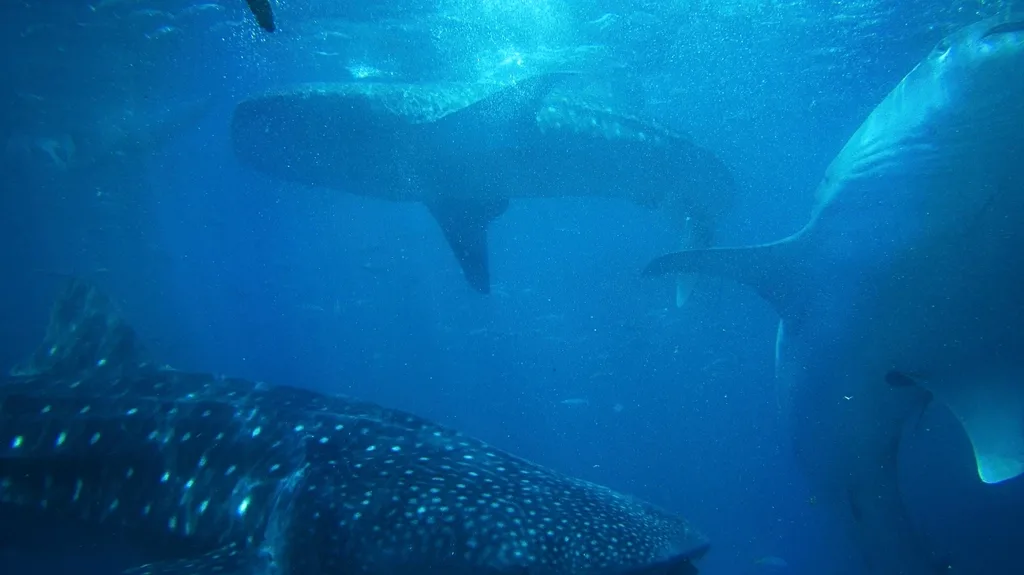
The whale sharks here are real wild animals, not captive ones. Rhincodon typus is a slow-moving filter feeder - the biggest fish alive, reaching well over ten meters - that strains plankton and tiny shrimp through its enormous mouth. They are sharks, not whales, but utterly harmless to humans, with no interest in anything larger than a fingernail-sized krill. Their backs carry a constellation of pale spots, and researchers can identify individuals by that pattern much like a fingerprint. Globally they are listed as endangered, which is part of what makes the Oslob story complicated.
Stop one: the whale sharks of Oslob
At Tan-awan, you start with a mandatory briefing on the rules, then collect a snorkel and head down to the boats. The encounter happens just offshore in calm, shallow water. Local fishermen in small paddle boats hand-feed the whale sharks a steady stream of tiny shrimp, which is what keeps the animals returning reliably day after day - and it is also the heart of the ethical debate (more on that below). You slip into the water and, within moments, a creature the size of a bus glides past beneath you, mouth agape, completely indifferent to the swimmers around it. It is genuinely awe-inspiring; few wildlife encounters anywhere are this close or this certain.
Whale shark watching in Philippines
Hand-picked experiences in Philippines — book on Trip.com with instant confirmation.
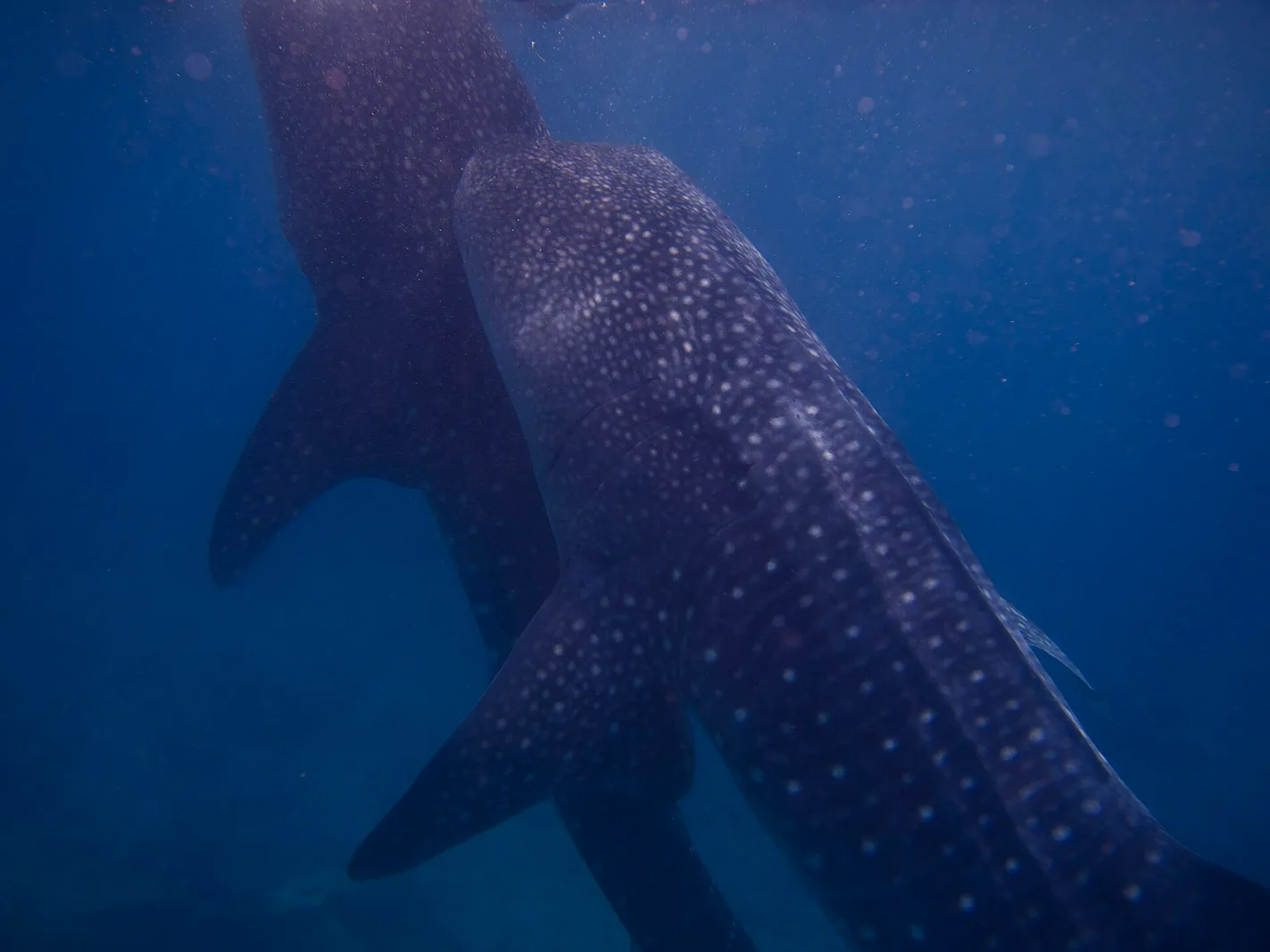
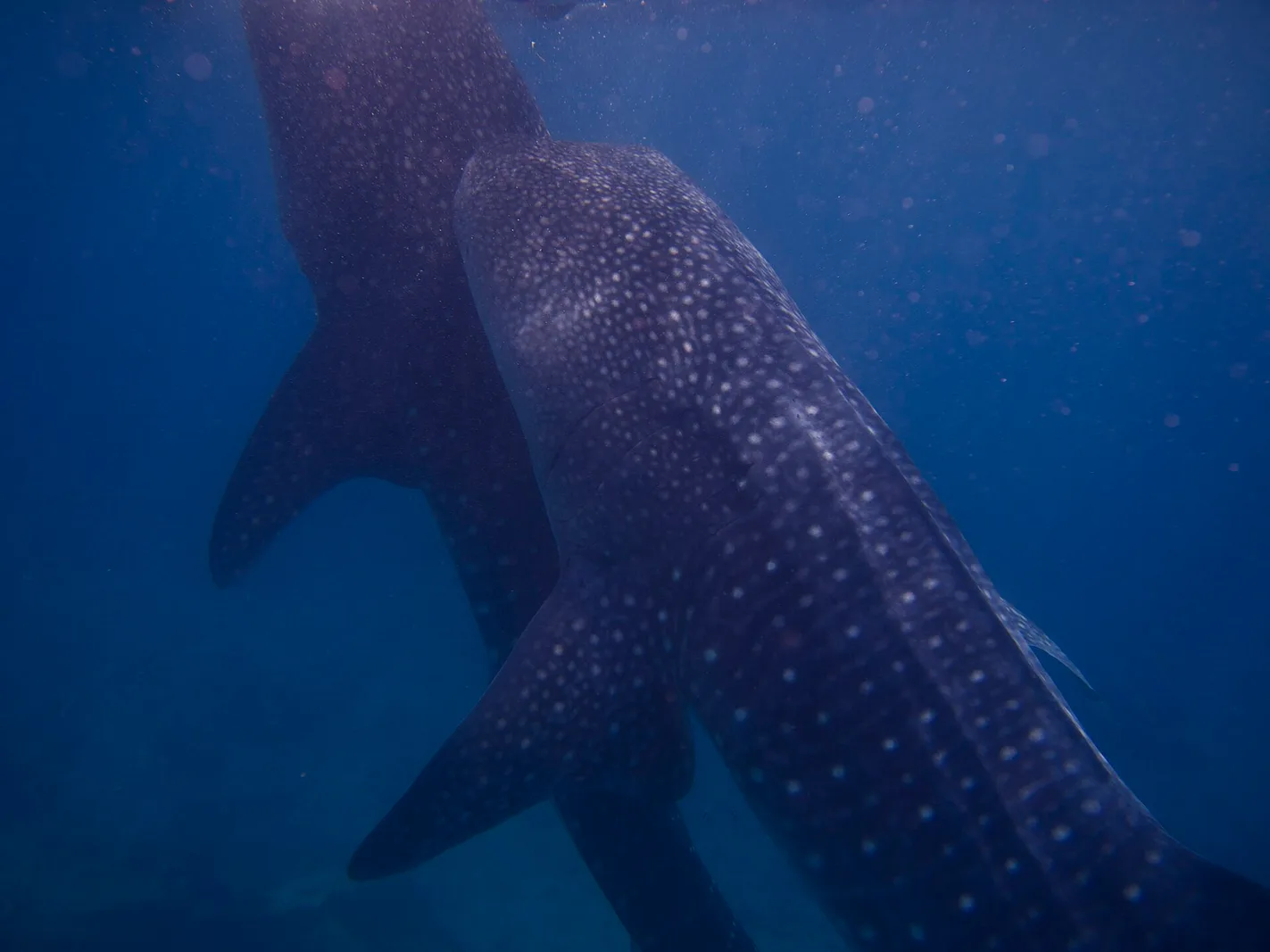
The rules exist for good reason and are enforced: you are required to stay a set distance from the animals, you must not touch them, and sunscreen is banned before entering the water because its chemicals harm the sharks and the reef. Flash photography is also prohibited. Sessions in the water are kept short - typically around thirty minutes - to rotate the many visitors through. Go as early as possible: the boats start at dawn, the light is best, the water calmest, and you beat both the crowds and the midday heat.
The honest conservation conversation
It would be dishonest to sell Oslob as pure magic. Marine biologists have raised real concerns about provisioning wild whale sharks: daily feeding can alter their natural migratory and feeding behavior, habituate them to boats (raising the risk of propeller injuries, and many Oslob animals carry scars), and concentrate large numbers in one small bay. Supporters counter that the activity has given a former fishing community a powerful economic reason to protect the animals rather than catch them, and that it funds local livelihoods. Both things are true. Many responsible travelers choose to see the whale sharks in the wild elsewhere instead - they are seasonally encountered in places like Donsol in Sorsogon, where boats follow naturally feeding animals without provisioning. If you do go to Oslob, follow every rule to the letter and never touch the animals. We lay out the facts so you can decide for yourself.
Stop two: Tumalog Falls
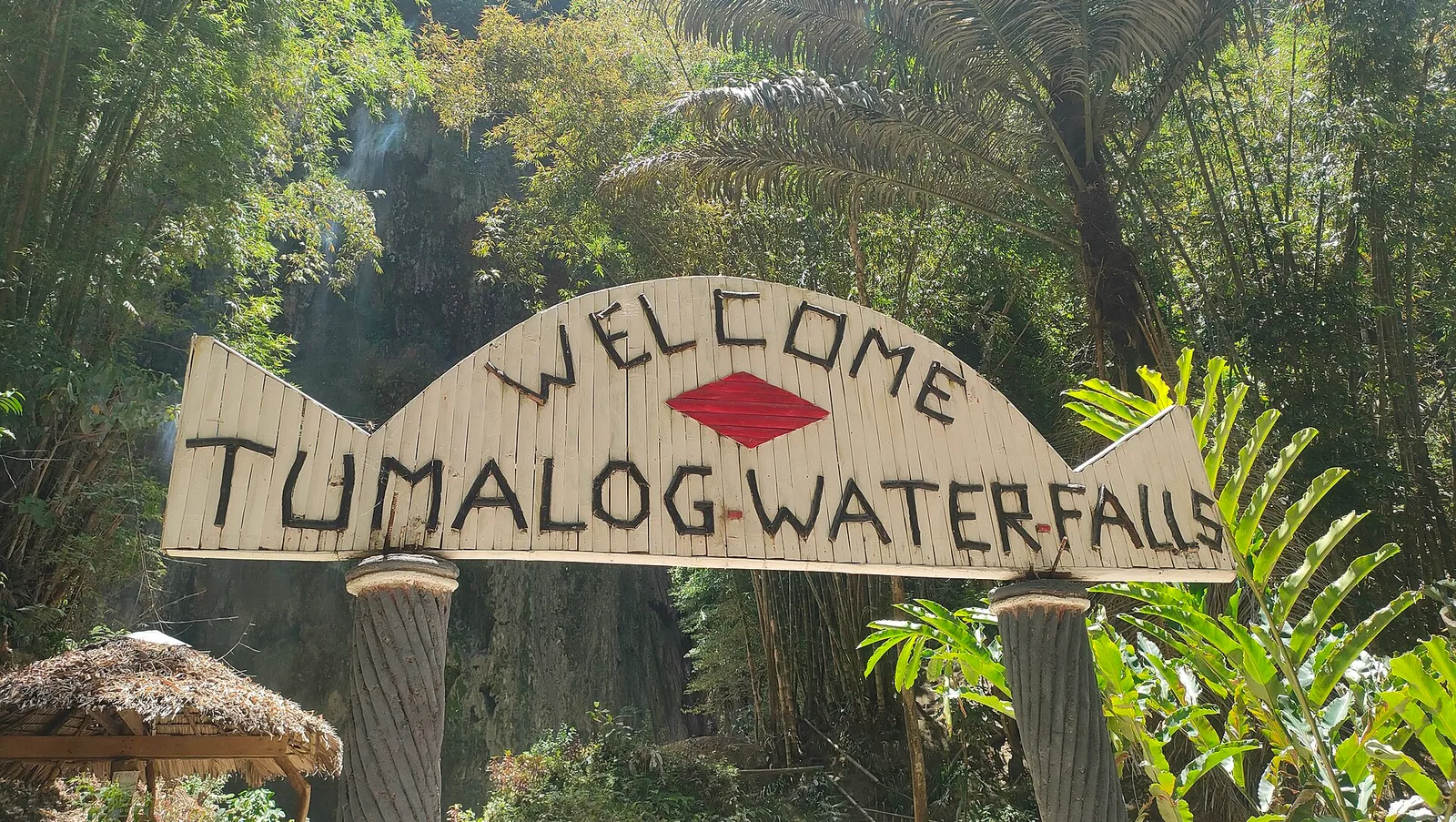
A short drive uphill from Tan-awan, Tumalog (sometimes spelled Tumalog or Toslob) feels like the calm after the spectacle. Because the access road is steep, you usually transfer to a habal-habal (a local motorbike taxi) for the final stretch down to the falls. Tumalog is not a thundering plunge but a wide, gossamer veil - dozens of fine threads of spring water sliding over a mossy, overhanging limestone lip into a shallow, milky-blue pool. The effect is almost otherworldly, like standing inside a curtain of rain. The water is cool and fresh, fed by springs filtering through that karst rock, and the shallow pool makes it an easy, refreshing dip. Mornings are best, both for softer light filtering through the canopy and for thinner crowds.
Stop three: the Moalboal sardine run
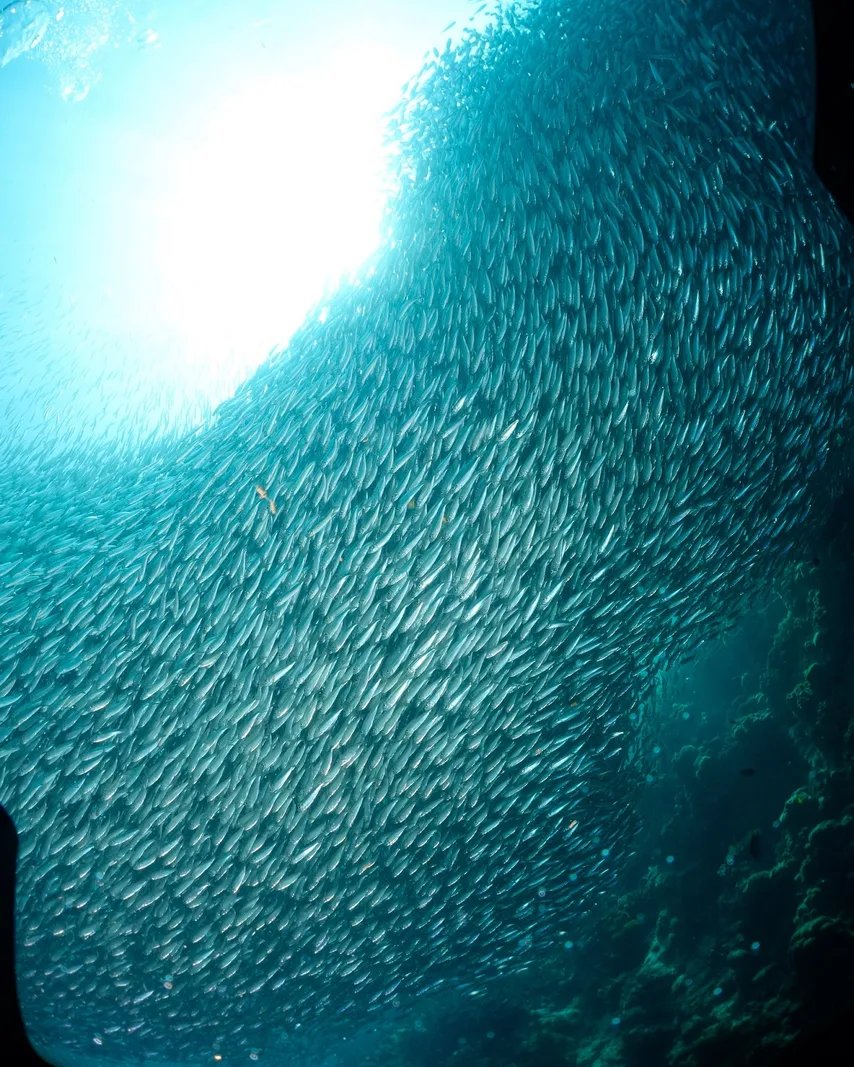
The drive west to Moalboal crosses Cebu's interior and drops you on the Tanon Strait coast, where the small dive town of Panagsama Beach has built its reputation on one extraordinary, year-round phenomenon. Just meters from the shore, the reef wall drops away and the water fills with millions of sardines moving as a single body. Marine biologists call it baitballing: the fish school so tightly that they behave almost like one giant organism, twisting and folding in shimmering silver sheets to confuse predators. Unlike many marine spectacles that depend on season, Moalboal's sardines are present essentially all year, which is why it has become such a reliable draw.
What makes it special for casual travelers is the access. You do not need to be a scuba diver. The sardines hang right off the wall in water shallow enough that a confident snorkeler can drift above and into the edge of the shoal, the fish parting and reforming around you. Dive deeper and you may spot sea turtles grazing on the reef, the occasional thresher shark passing through, and dense coral. The reef here drops into a dramatic wall, so even a snorkeler floating on the surface looks down into deep blue. Late afternoon light slanting through the school is the photographer's reward, though the sardines perform throughout the day.
Practical tips for the day
- Duration: This is a full, long day - often twelve hours or more from Cebu City, given the drive south and the cross-island leg to Moalboal. Expect early starts (pickups around 3 to 4 am are common to make the dawn whale-shark slot).
- Best time of year: The dry season, roughly December to May, gives the calmest seas and clearest water. Whale sharks at Oslob appear year-round; Moalboal's sardines are year-round too. Avoid days with stormy weather, which churns up visibility.
- What to bring: Swimwear under your clothes, a quick-dry towel, a change of clothes, reef-safe gear, and cash for small extras (habal-habal, snacks, tips). Crucially, do NOT apply sunscreen or insect repellent before the whale-shark swim - wear a rash guard or UV shirt for sun protection instead.
- Fitness level: Light to moderate. You need to be comfortable in open water and able to snorkel; a life vest is provided at Oslob and recommended at Moalboal if you are not a strong swimmer. None of it requires diving certification.
- What is typically included: Round-trip transport, the entrance and boat fees at Oslob, the briefing and snorkel rental, Tumalog Falls entry, and the Moalboal stop. Confirm exactly what your package covers, as some bundle lunch and gear and others do not.
- Responsible travel: Follow the no-touch, no-sunscreen, no-flash rules at Oslob without exception. At Moalboal and Tumalog, take nothing, stand on no coral, and carry out your trash.
A final word
Done thoughtfully, this trio is one of the most concentrated bursts of natural wonder you can pack into a single Cebu day: the surreal intimacy of swimming beside the ocean's largest fish, the cool quiet of a spring-fed waterfall, and the hypnotic silver storm of a million sardines a stone's throw from the beach. Go early, follow the rules, treat the animals and the reef with the respect they deserve, and you will come back to your room salt-crusted, sun-warmed, and quietly amazed at what the southern Philippines keeps hidden just beneath the surface.
Good to know before you book
- Duration: typically a full day (around 8 to 10 hours including transfers), though half-day and multi-day options exist - check the listing.
- Best for: active travellers, couples and friends.
- What is included: a local guide, safety gear (helmet and life vest), entrance fees and usually transfers; lunch is often included or available nearby.
- Pickup: most tours offer hotel or central pickup; confirm your point and time when booking.
- Book through: the GetYourGuide button on this page, which shows live availability and pricing.
Frequently asked questions
How long does the Oslob Whale Sharks, Tumalog Falls & Moalboal Sardines take?
Most departures run as a full day - roughly 8 to 10 hours including pickup, travel and the activities themselves - so plan to set aside the whole day. Some operators offer shorter or private versions; the exact timing for your date is shown when you book through the GetYourGuide button on this page.
What is included in the Oslob Whale Sharks, Tumalog Falls & Moalboal Sardines?
Typically the price covers a local guide, safety gear (helmet and life vest), entrance fees and usually transfers; lunch is often included or available nearby. Inclusions vary by operator, so always read the specific listing - it spells out exactly what is provided and what you pay for separately, such as entrance or environmental fees.
What should I bring?
Pack quick-dry clothes, secure water shoes or sandals with grip, reef-safe sunscreen and a floating or waterproof camera. Helmets and life vests are provided and must be worn. It is also worth carrying some cash for local fees, drinks and tips, plus any personal medication, since card facilities can be limited outside the cities.
Is the Oslob Whale Sharks, Tumalog Falls & Moalboal Sardines suitable for beginners or families?
It suits reasonably fit travellers who can swim and are comfortable in moving water; every cliff jump has a lower, optional alternative, so you set your own intensity. It is not designed for non-swimmers or very young children. If you have specific concerns about age, fitness or swimming ability, message the operator before booking - they can advise on the best option for your group.
When is the best time to do this tour?
The best conditions are usually the dry months of December to May, with calm seas for snorkelling and diving. That said, the Philippines is a year-round destination, and many of these experiences run in any season - just expect the occasional shower and check the forecast for the day.
How do I get to Cebu?
To reach Cebu, fly into Mactan-Cebu International Airport, then drive south (about 3 to 4 hours to the southwest coast). Many tours include transfers from nearby towns or hotels, so confirm your pickup arrangement when you book so the day runs smoothly from the start.
Do I need to book the Oslob Whale Sharks, Tumalog Falls & Moalboal Sardines in advance?
Yes - booking ahead is strongly recommended, especially in the dry-season peak and on weekends, when popular tours and the best operators sell out. Reserving online also locks in your spot and lets you compare timings and inclusions easily.
How much does the Oslob Whale Sharks, Tumalog Falls & Moalboal Sardines cost?
Prices vary with the season, group size and exactly what is included, so we do not list a fixed figure here. Tap the GetYourGuide button on this page to see the current, accurate price and availability for your chosen date.
Can I do the Oslob Whale Sharks, Tumalog Falls & Moalboal Sardines as a private or customised tour?
Many operators offer a private version of this experience for couples, families or small groups who want a flexible pace and a guide to themselves, and some can tailor the route or add stops. If a private or custom option matters to you, check the listing or message the operator before booking, as availability and prices differ from the standard shared tour.
Ready to explore Cebu?
From planning to the moment you arrive, the Oslob Whale Sharks, Tumalog Falls & Moalboal Sardines is one of the most rewarding ways to experience this corner of the Philippines - and booking it is simple. Use the GetYourGuide button on this page to check live availability, compare timings and secure your spot, then turn up and let the local guides handle the rest while you focus on the views, the water and the memories.

Real local stays (book direct)
Hand-picked homestays and guesthouses — book direct, no markup.

Popular activities (book instantly)
Island hopping, canyoneering, whale sharks — real Klook/GetYourGuide options.
Plan your Philippines trip