Some mornings on Cebu's southern coast begin in the dark. You leave Moalboal or Cebu City while the roads are empty, the air still cool, and by the time the sun breaks over the Bohol Sea you are standing on a strip of sand in Oslob watching the biggest fish in the world drift past your knees. By midday you have swum through a living wall of a million sardines and floated above a sea turtle grazing on coral. It is, on paper, an absurd amount of marine wonder for a single day. And it is entirely real. This is the classic southern-Cebu triple-header, and done thoughtfully, it is one of the most memorable days you can have in the Philippines.
Oslob Whale Sharks, Moalboal Sardine Run & Turtles - Guide
Trip.com
Search on Trip.comHotels in Philippines
Compare live prices via Travelpayouts — targeted for this guide.
The geography that makes it possible
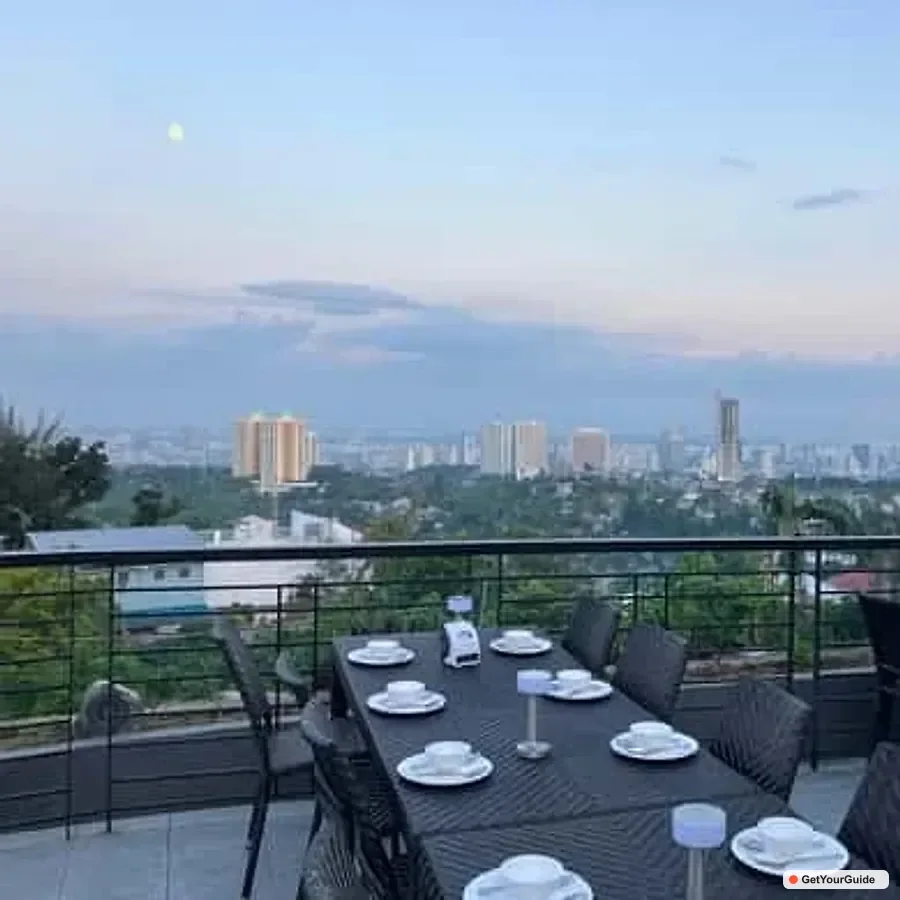
Everything here works because of where Cebu sits. The island is a long, narrow sliver running roughly north to south, with a mountainous spine and very little flat land. That means the shoreline drops away fast. In Moalboal, the famous "house reef" at Panagsama ends in a dramatic wall that plunges into the deep blue just a few meters from shore, you can literally swim out from the beach and be over hundreds of meters of water. That steep drop-off, combined with rich currents in the Tanon Strait between Cebu and Negros, is exactly the kind of nutrient-rich edge that pelagic life loves.
Oslob, about two to two-and-a-half hours further south down the coast, sits on the Bohol Sea side. The whale sharks gather off the barangay of Tan-awan, where deep water also comes in close to shore. The three experiences of the day, the sharks, the sardines, and the turtles, are all products of the same simple fact: in southern Cebu, the open ocean is never far from the sand.
The whale sharks of Oslob
Whale sharks (Rhincodon typus) are sharks, not whales, the largest fish alive, capable of growing well over ten meters. They are filter feeders, cruising slowly with their cavernous mouths open to strain plankton and tiny fish from the water. Each one carries a unique constellation of white spots, as individual as a fingerprint, which researchers use to identify and track them. Filipinos have long known these gentle giants as butanding, and Oslob is where, since around 2011, local former fishermen began hand-feeding them small shrimp (uyap) to keep them close to shore for tourists.
Trip.com
Whale shark watching in Philippines
Hand-picked experiences in Philippines — book on Trip.com with instant confirmation.
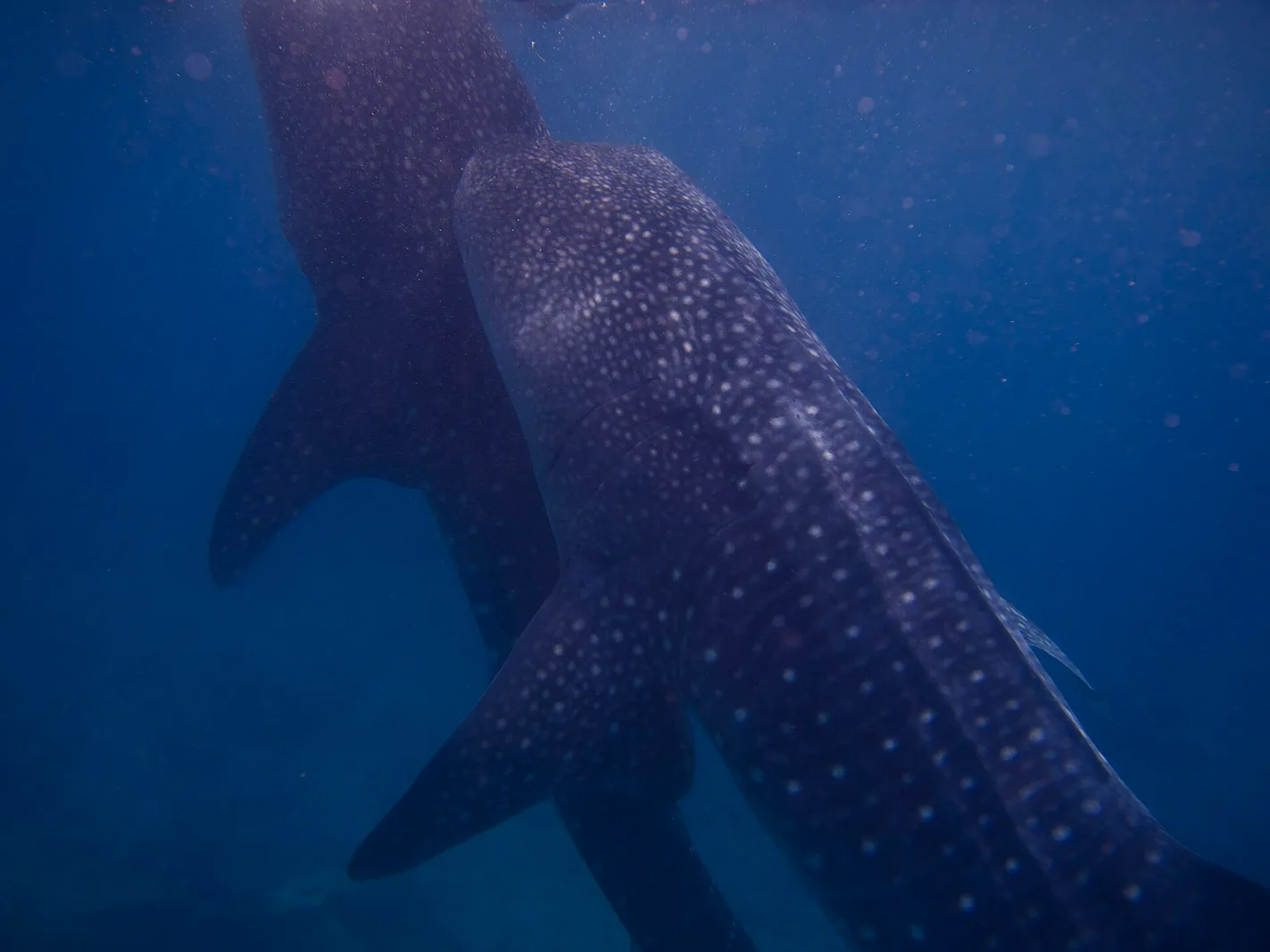
Oslob Whale Shark Watching from DalagueteMoalboal, Philippines · Full dayFrom ₱5,720Book on Trip.com →
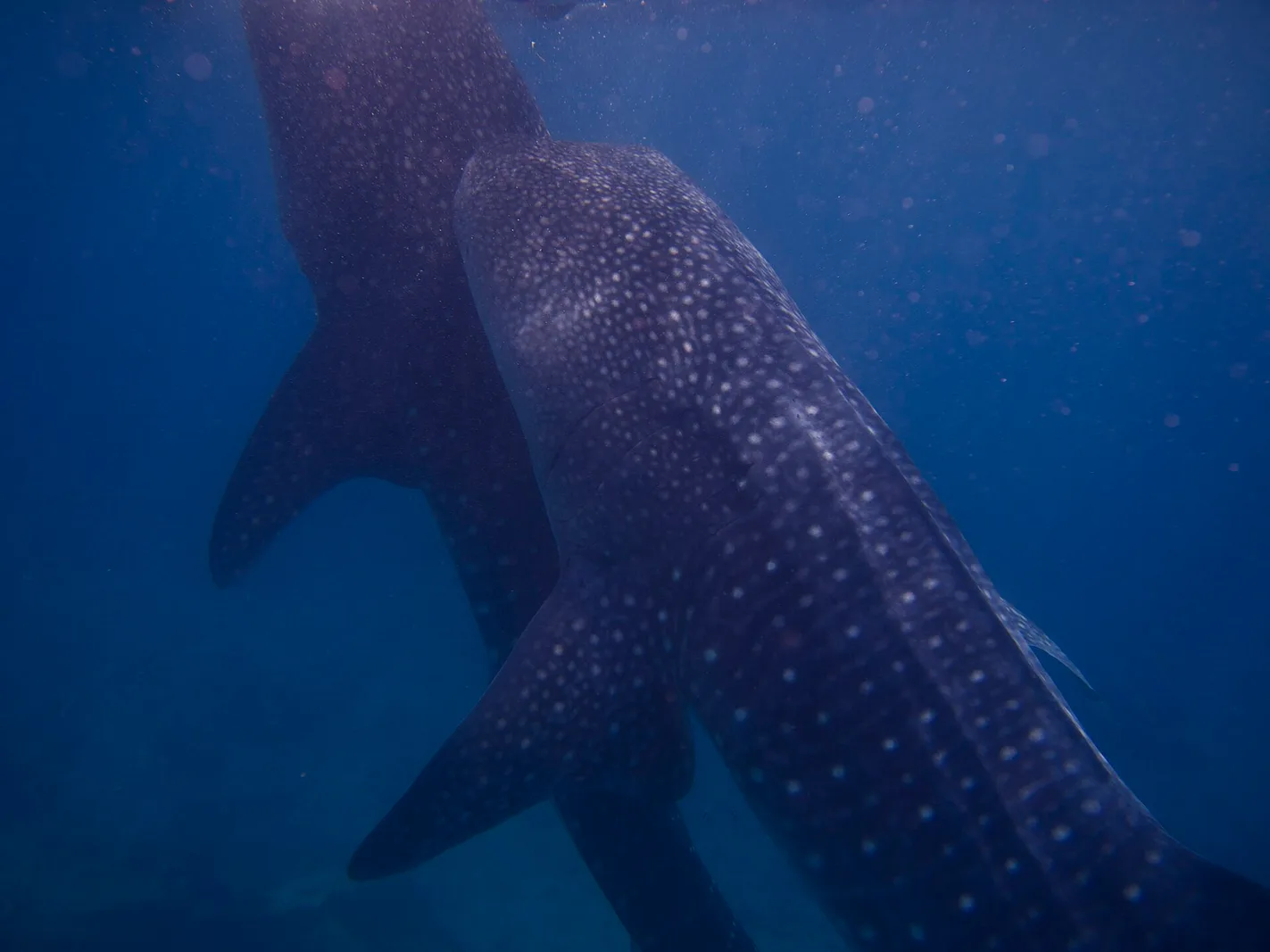
Oslob Whale Shark Watching Private TourMoalboal, Philippines · Full dayFrom ₱7,380Book on Trip.com →
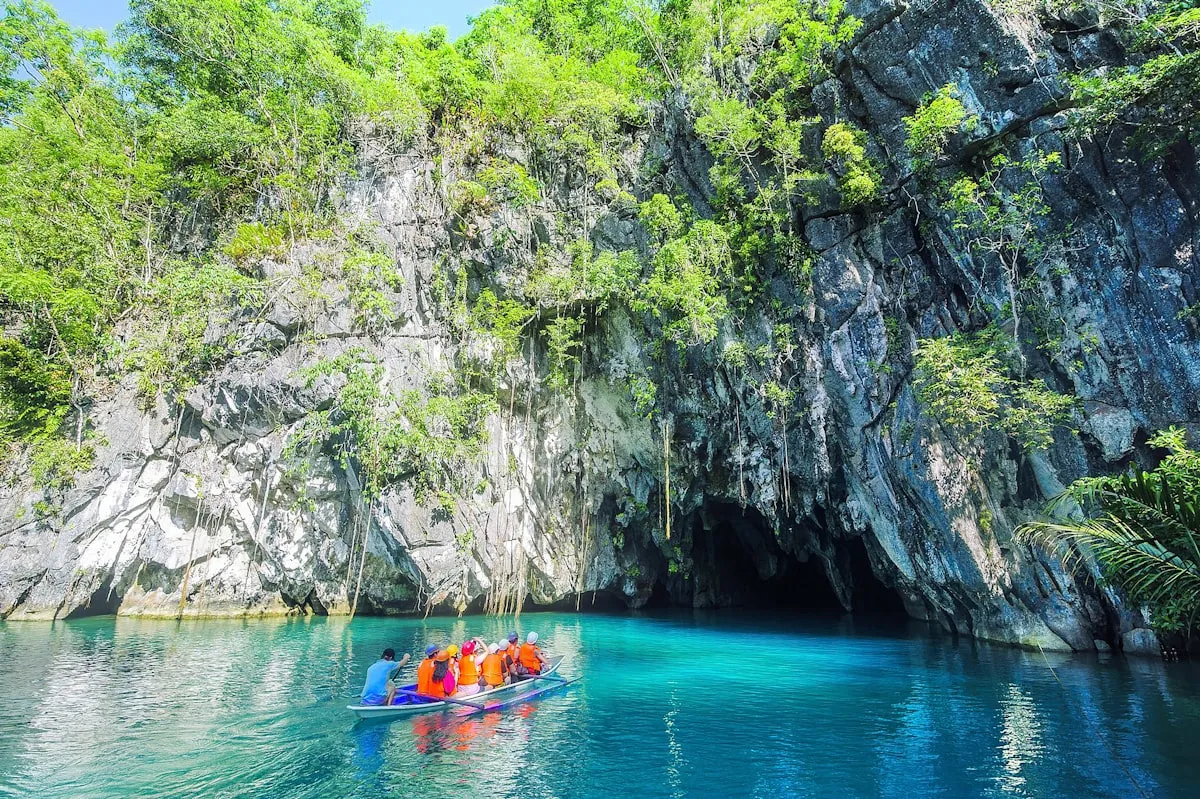
Whale Shark Watching in Puerto PrincesaPuerto Princesa, Palawan · Full dayFrom ₱2,510Book on Trip.com →
In the water the experience is genuinely awe-inspiring. You slip off a paddled outrigger or wade in from the beach, and within moments a creature the size of a bus glides beneath you, mouth agape, utterly unbothered. The interaction is tightly choreographed: briefings on shore, a strict no-touching rule, no flash photography, no sunscreen in the water, and a required distance from the animals (sharks must be given several meters of space; the snout and tail are especially off-limits).
The ethical reality, told straight
You should know what you are choosing here. Oslob's whale-shark feeding is controversial among marine scientists and conservationists, and the concerns are legitimate. Daily feeding can alter the sharks' natural migratory and feeding behavior, may make them associate boats with food (raising collision and propeller risk elsewhere), and concentrates many animals and swimmers in a small, busy area. Crowding and rule-breaking by some operators and tourists are real problems. On the other side, supporters note it has given local people a livelihood that doesn't involve fishing the very animals, and it has made the butanding worth far more alive than dead. There is no tidy answer. If you go, go with the most responsible operator you can find, follow every rule to the letter, and consider that an alternative, swimming with wild, unfed whale sharks seasonally in places like Donsol in Sorsogon, exists for those who prefer it.
Moalboal and the sardine run
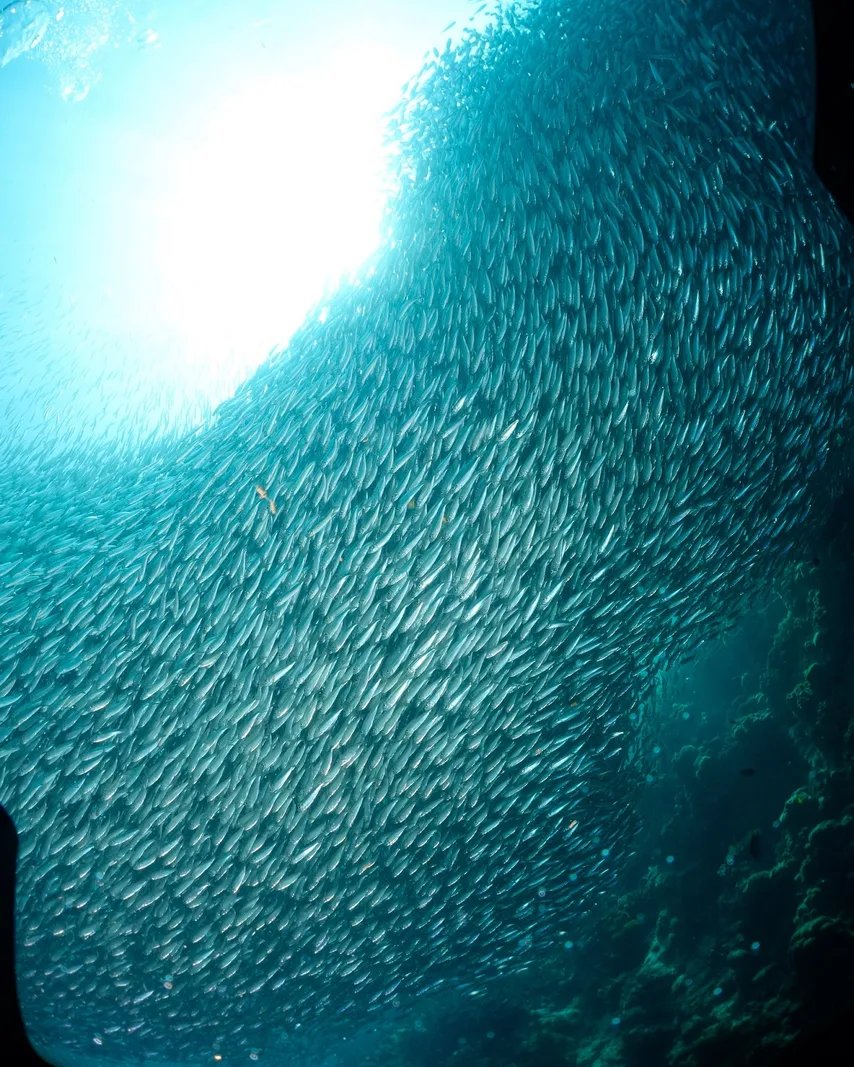
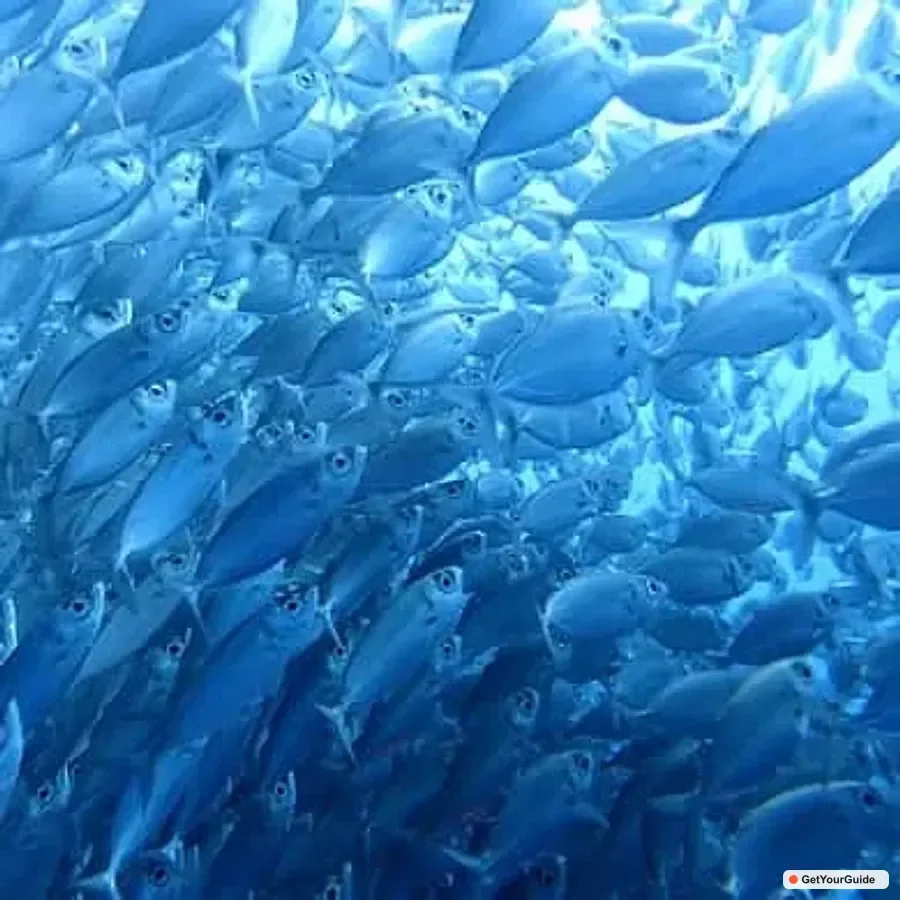
From Oslob the day swings back up the west coast to Moalboal, and to one of the ocean's great free spectacles. Just off Panagsama Beach, an enormous, permanent school of sardines, a true "sardine run", swirls in shimmering, shape-shifting clouds. Unlike sardine migrations elsewhere in the world that appear only at certain times, Moalboal's baitball is here year-round, hanging over the reef and drop-off close enough to shore that you can reach it on a short swim or a five-minute boat hop.
Snorkeling into it is unforgettable. The fish part and reform around you, millions of silver bodies moving as one organism, the light flickering off their flanks. They tornado and ribbon and suddenly bolt when a predator, sometimes a passing tuna, trevally, or even a sea turtle cutting through, disturbs the column. You do not need to dive; the sardines often sit shallow enough that breath-hold snorkelers get a front-row view. It costs nothing extra beyond getting in the water, which makes it arguably the best value marine encounter in the country.
The turtles
The same stretch of Moalboal reef is reliable turtle territory. Green sea turtles in particular are often found grazing on seagrass and algae or resting on coral ledges along the wall, and they are remarkably tolerant of respectful snorkelers. Watching one rise slowly to the surface for a breath, then sink back to its feeding spot, is a quiet counterpoint to the chaos of the sardines. The rules are the same as everywhere with marine megafauna: look, do not touch, do not chase, do not block its path to the surface. A turtle that has to detour around you is a turtle being disturbed.
Many trips also include a stop at nearby Pescador Island, a small limestone islet ringed by superb reef and a famous "cathedral" cavern beloved by divers, where the visibility and fish life round out the marine portion of the day beautifully.
What to expect, and how to do it well
- Duration: Plan for a long, full day, often a pre-dawn start and a late-afternoon finish, especially from Cebu City. The Oslob portion is best done very early.
- Best time of day: Get to Oslob at first light. The whale-shark feeding window is in the morning, and arriving early means smaller crowds, calmer water, and better light.
- Best time of year: The sardines and turtles are present all year. Cebu's drier, calmer months (roughly the dry season) generally mean better visibility and sea conditions; the wettest, windiest stretches can muddy the water and cancel boats.
- How strenuous: Light to moderate. If you can snorkel and tread water you are fine. Confident swimmers get the most out of the sardine ball and the drop-off; nervous swimmers should wear a life vest, which reputable operators provide.
- What to bring: A swimsuit worn under your clothes, a quick-dry towel, a rash guard for sun and jellyfish protection, water and snacks, and a dry bag. Bring reef-safe sunscreen, but note that no sunscreen at all is allowed in the whale-shark area, so cover up with clothing there instead. A mask that fits well transforms the day; consider bringing your own.
- Typically included: Most packages cover transport, the Oslob entrance and interaction fee, snorkel gear and life vest, and the Moalboal boat. Confirm exactly what is bundled and whether environmental fees are extra.
- Responsible travel: Never touch any animal or the coral. Keep your distance from the whale sharks, hold horizontal in the water rather than standing on the reef, and choose operators who brief properly and enforce the rules. Your behavior in the water is part of whether these places survive the love they receive.

A day you will be talking about for years
Few places on earth hand you this much, this fast: a fish bigger than your boat, a galaxy of sardines that swallows you whole, and a turtle drifting by like it has all the time in the world. Southern Cebu does it because the deep ocean lives right up against the shore here. Go early, go gentle, ask the honest questions about the whale sharks before you decide, and treat every creature as a guest treats a host. Do that, and you leave with the rarest souvenir of all, the memory of a day the sea let you in.
Good to know before you book
- Duration: typically a full day (around 8 to 10 hours including transfers), though half-day and multi-day options exist - check the listing.
- Best for: active travellers, couples and friends.
- What is included: the boat, snorkelling gear, a guide and often lunch; marine-park or environmental fees may be extra.
- Pickup: most tours offer hotel or central pickup; confirm your point and time when booking.
- Book through: the GetYourGuide button on this page, which shows live availability and pricing.
Frequently asked questions
How long does the Oslob Whale Sharks, Moalboal Sardine Run & Turtles take?
Most departures run as a full day - roughly 8 to 10 hours including pickup, travel and the activities themselves - so plan to set aside the whole day. Some operators offer shorter or private versions; the exact timing for your date is shown when you book through the GetYourGuide button on this page.
What is included in the Oslob Whale Sharks, Moalboal Sardine Run & Turtles?
Typically the price covers the boat, snorkelling gear, a guide and often lunch; marine-park or environmental fees may be extra. Inclusions vary by operator, so always read the specific listing - it spells out exactly what is provided and what you pay for separately, such as entrance or environmental fees.
What should I bring?
Pack swimwear, reef-safe sunscreen applied early and sparingly, a towel and an underwater camera. Snorkelling gear is normally provided. It is also worth carrying some cash for local fees, drinks and tips, plus any personal medication, since card facilities can be limited outside the cities.
Is the Oslob Whale Sharks, Moalboal Sardine Run & Turtles suitable for beginners or families?
It is suitable for swimmers and snorkellers of most levels, with life vests available for the less confident. For scuba elements you will need the appropriate certification. Children can usually join with a vest and supervision. If you have specific concerns about age, fitness or swimming ability, message the operator before booking - they can advise on the best option for your group.
When is the best time to do this tour?
The best conditions are usually the dry months of December to May, with calm seas for snorkelling and diving. That said, the Philippines is a year-round destination, and many of these experiences run in any season - just expect the occasional shower and check the forecast for the day.
How do I get to Cebu City?
To reach Cebu City, fly into Mactan-Cebu International Airport, then drive south (about 3 to 4 hours to the southwest coast). Many tours include transfers from nearby towns or hotels, so confirm your pickup arrangement when you book so the day runs smoothly from the start.
Do I need to book the Oslob Whale Sharks, Moalboal Sardine Run & Turtles in advance?
Yes - booking ahead is strongly recommended, especially in the dry-season peak and on weekends, when popular tours and the best operators sell out. Reserving online also locks in your spot and lets you compare timings and inclusions easily.
How much does the Oslob Whale Sharks, Moalboal Sardine Run & Turtles cost?
Prices vary with the season, group size and exactly what is included, so we do not list a fixed figure here. Tap the GetYourGuide button on this page to see the current, accurate price and availability for your chosen date.
Can I do the Oslob Whale Sharks, Moalboal Sardine Run & Turtles as a private or customised tour?
Many operators offer a private version of this experience for couples, families or small groups who want a flexible pace and a guide to themselves, and some can tailor the route or add stops. If a private or custom option matters to you, check the listing or message the operator before booking, as availability and prices differ from the standard shared tour.
Ready to explore Cebu City?
From planning to the moment you arrive, the Oslob Whale Sharks, Moalboal Sardine Run & Turtles is one of the most rewarding ways to experience this corner of the Philippines - and booking it is simple. Use the GetYourGuide button on this page to check live availability, compare timings and secure your spot, then turn up and let the local guides handle the rest while you focus on the views, the water and the memories.

PANA.PH Editorial Team
Philippines travel desk
The PANA.PH travel desk researches, books and re-checks Philippines travel logistics — fares, ferry schedules, government fees and permit rules — and publishes what it can verify.
🏡 Real local stays (book direct)
Hand-picked homestays and guesthouses — book direct, no markup.
Browse all local stays →


🌊 Popular activities (book instantly)
Island hopping, canyoneering, whale sharks — real Klook/GetYourGuide options.
View all activities →