Contents
Naga City is the warm, busy heart of Camarines Sur, and one of those Philippine cities that travelers often skip on the way to somewhere flashier, like Mayon or Caramoan. That is a mistake. Naga is small enough to feel friendly, big enough to have real coffee shops, wakeboarding lakes, and a centuries-old pilgrimage tradition, and it sits at the crossroads of everything good in Bicol. Whether you come for the spicy food, the famous Penafrancia Festival, or simply as a launch pad for the wider region, Naga rewards a slow few days.
Hotels in Philippines
Compare live prices via Travelpayouts — targeted for this guide.
Why visit Naga City
People call Naga the "Pilgrim City" and the "Heart of Bicol," and both nicknames fit. It is the religious and commercial center of Camarines Sur, with a young university crowd that keeps cafes, bars, and food spots lively well into the evening. The pace is relaxed, tricycles and jeepneys are cheap, and locals are genuinely happy to point a confused tourist in the right direction. Most importantly, Naga is the natural base for day trips across the province without committing to one beach or one volcano.
Things to do in Naga
The city itself fills a comfortable day or two before you start venturing out.
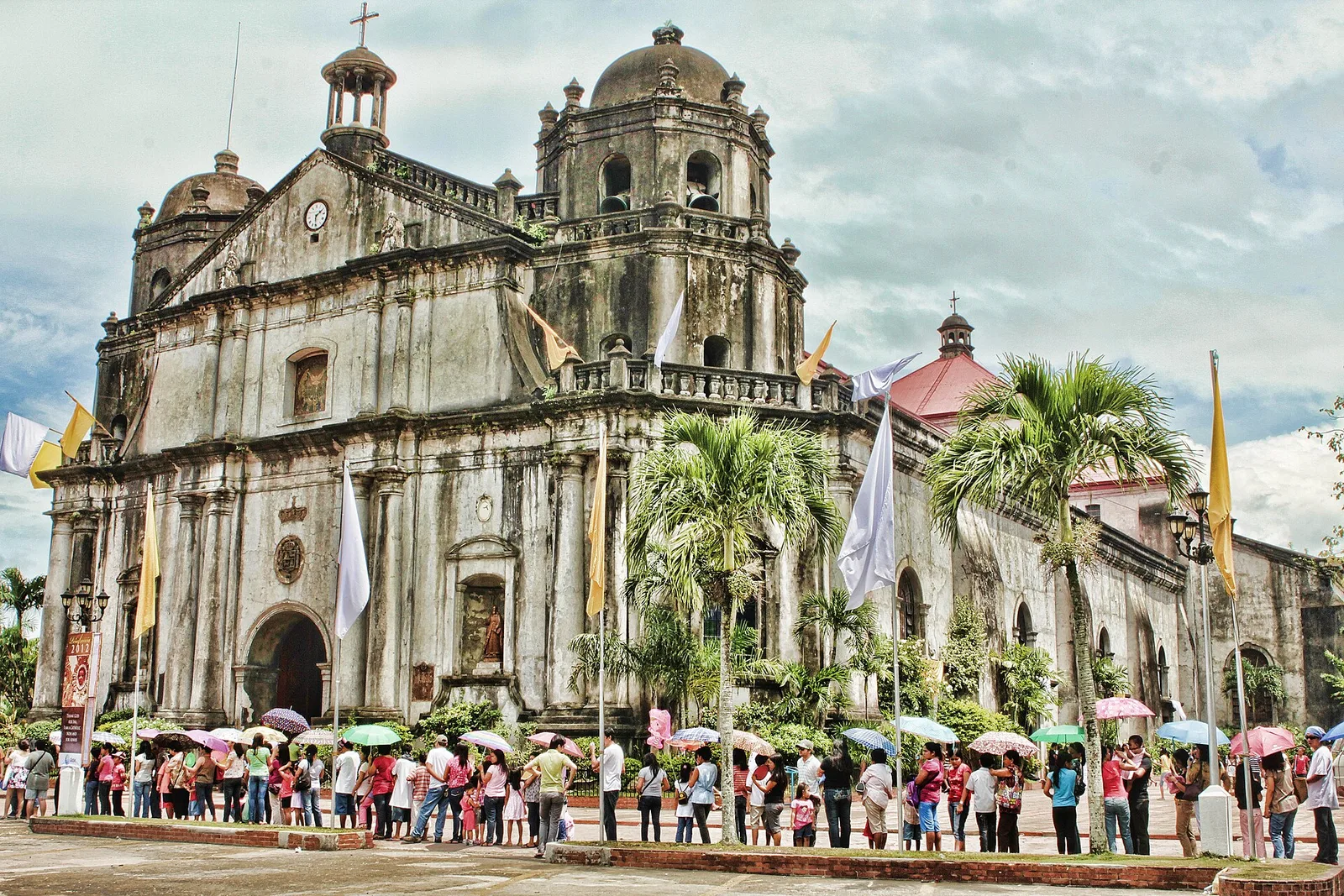
- Naga Metropolitan Cathedral — the seat of the Archdiocese of Caceres, rebuilt over the centuries and quietly grand. It is a calm, free stop right in the city center.
- Basilica Minore de Nuestra Senora de Penafrancia — home to the venerated image of Our Lady of Penafrancia, the patroness of Bicol. The grounds are peaceful outside festival season.
- Plaza Quezon and Plaza Rizal — the old colonial heart, good for an evening stroll and people-watching.
- Camarines Sur Watersports Complex (CWC) — about 20 minutes away in nearby Pili, this is a world-class cable-ski park where you can wakeboard even if you have never tried before. A starter package runs roughly ₱200 to ₱600 for a couple of hours, with gear rental on top. It draws riders from across Asia.
- Mt. Isarog — a dormant volcano and protected national park on the city's doorstep. Day hikers head to Malabsay Falls and the cooler forest trails; serious trekkers tackle the summit with a registered guide.
The Penafrancia Festival
If you can time it, come in September. The Penafrancia Festival is one of the largest Marian celebrations in Asia, peaking on the third Saturday with the Traslacion and the river fluvial procession, when the image of Our Lady is carried down the Naga River on a flower-covered pagoda barge while thousands of devotees crowd the banks. It is loud, devout, and unforgettable. Book accommodation well ahead, because rooms fill fast and prices climb. If festivals are your thing, our wider destination guides cover similar events around the country.
Tours & activities in Philippines
Hand-picked experiences in Philippines — book on Trip.com with instant confirmation.
Bicolano food: bring your tolerance for spice
Bicol is the spiciest region in the Philippines, and Naga is the place to eat your way through it. The local trinity is coconut milk, chili, and shrimp paste.
- Bicol Express — pork stewed in coconut milk with a serious amount of siling labuyo. The dish is said to be named after the old Manila-Bicol train.
- Laing — dried taro leaves slow-cooked in coconut milk; rich, creamy, and quietly fiery.
- Kinunot and pinangat — more coconut-milk classics worth ordering when you see them.
- Pili nuts — Bicol's signature snack, sold roasted, candied, or in pastries. They make great pasalubong (souvenirs to take home).
A hearty local meal costs around ₱150 to ₱350 per person, less at carinderias (small eateries) and more at the trendier cafes near the universities.
How to get to Naga from Manila
You have two honest options, and the right one depends on your budget and patience.
By air: Naga Airport actually sits in nearby Pili. Carriers like Cebu Pacific and Philippine Airlines fly Manila to Naga (Pili) in roughly an hour, with fares typically ₱1,500 to ₱4,000 depending how far ahead you book. From the airport a tricycle or van into the city is cheap and quick. Compare current fares on our flights page before you commit.
By land: Deluxe buses (DLTB, Isarog Line, Penafrancia Tours, among others) run overnight from Manila in about 8 to 10 hours for roughly ₱900 to ₱1,300. It is slower but lets you save the flight money for activities. For a quick gut-check on whether to fly or take the slow route, see our take on ferries vs flights.
Naga as a base for Caramoan and Mayon
This is where Naga earns its keep. From the city you can reach two of Bicol's headline destinations:
- Caramoan — the dramatic limestone-island peninsula made famous by international Survivor shoots. Vans run from Naga to the jump-off port of Sabang (around 2 to 3 hours), then a boat crosses to Guijalo. Island-hopping among the karst islets is the reward.
- Mayon Volcano — the near-perfect cone looming over Legazpi in neighboring Albay is about a 2-hour drive or van ride south. Many travelers do Naga, Caramoan, and Legazpi as one looping Bicol trip.
Where to stay and what it costs
Naga has a solid spread of accommodation. Backpacker dorms and basic guesthouses start around ₱500 to ₱900 a night; comfortable mid-range hotels run ₱1,200 to ₱2,500; and the better business hotels and CWC's lakeside rooms sit higher. Budget a daily spend of roughly ₱1,500 to ₱3,000 per person including food, local transport, and one activity. For a fuller breakdown to plan your own numbers, our trip costs tool helps you sketch a realistic budget.
When to go and what to watch for
The driest, most reliable window is broadly February to May. Bicol faces the Pacific, so it catches typhoons and heavy rain especially from June through November — Caramoan boat trips and even some flights can be cancelled when the weather turns, so build slack into your plans and check forecasts before committing to island-hopping. The one big exception is September, when festival energy is worth the gamble on weather. Plan your dates around the best time to visit the Philippines so the climate works for you, not against you.
Final thoughts
Naga City is the kind of place that grows on you. It is not a postcard beach town, but it is warm, walkable, gloriously good to eat in, and perfectly placed for the rest of Bicol. Spend a couple of days soaking up the cathedral squares and chili-laced cooking, try wakeboarding at CWC, then strike out for Caramoan's islands or Mayon's cone. Come hungry, pack a poncho for the rain, and let the Heart of Bicol show you why locals are so proud of it.

Real local stays (book direct)
Hand-picked homestays and guesthouses — book direct, no markup.
Popular activities (book instantly)
Island hopping, canyoneering, whale sharks — real Klook/GetYourGuide options.
Plan your Philippines trip