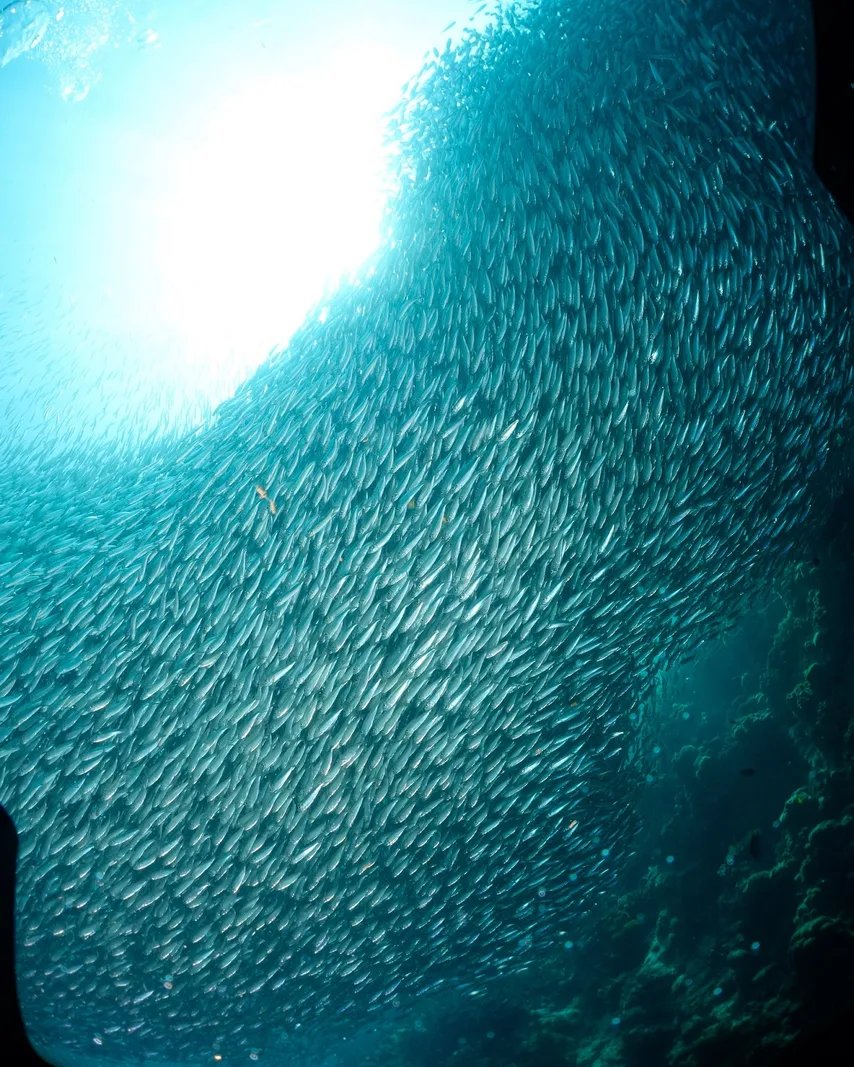
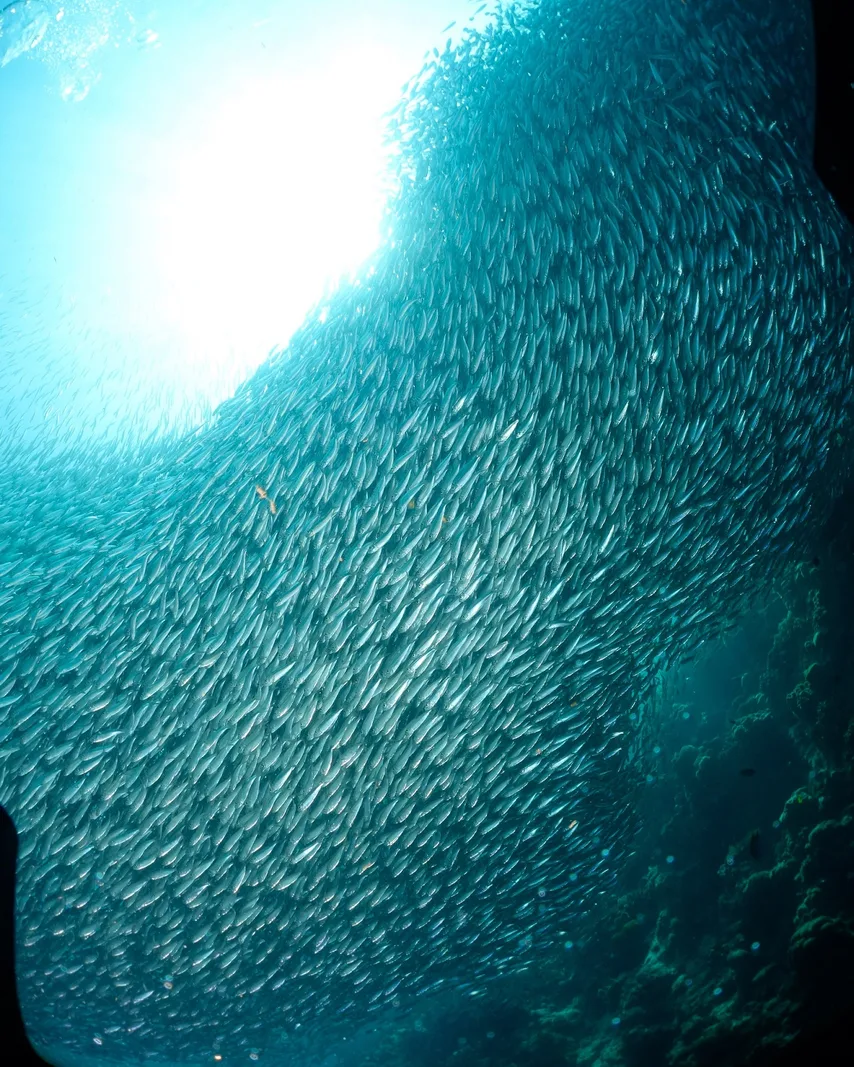
There is a moment, a few minutes after you slip off the side of a wooden banca and put your face in the water off Panagsama Beach, when the ocean in front of you simply stops being empty. A silver wall assembles itself out of the blue, tightens, twists, and pours sideways like liquid mercury. This is the Moalboal sardine run, and unlike almost every other great marine spectacle in the Philippines, you do not need a tank, a guide certification, or even a boat to find it. You can swim out from the shore in a snorkel and a pair of fins and be swallowed by millions of fish within minutes. That, more than anything, is why this little town on the southwestern coast of Cebu has become one of the most beloved snorkel-and-dive destinations in the country.
Moalboal Island Hopping with Pescador Island & Sardine Run - Guide
Hotels in Philippines
Compare live prices via Travelpayouts — targeted for this guide.
A Moalboal island-hopping trip stitches together the two things the area does better than almost anywhere else: the resident sardine bait ball that hovers permanently along the Panagsama drop-off, and the protected coral reefs of Pescador Island a short ride offshore. This is the guide to doing it well.
Where you are, and why the water is like this
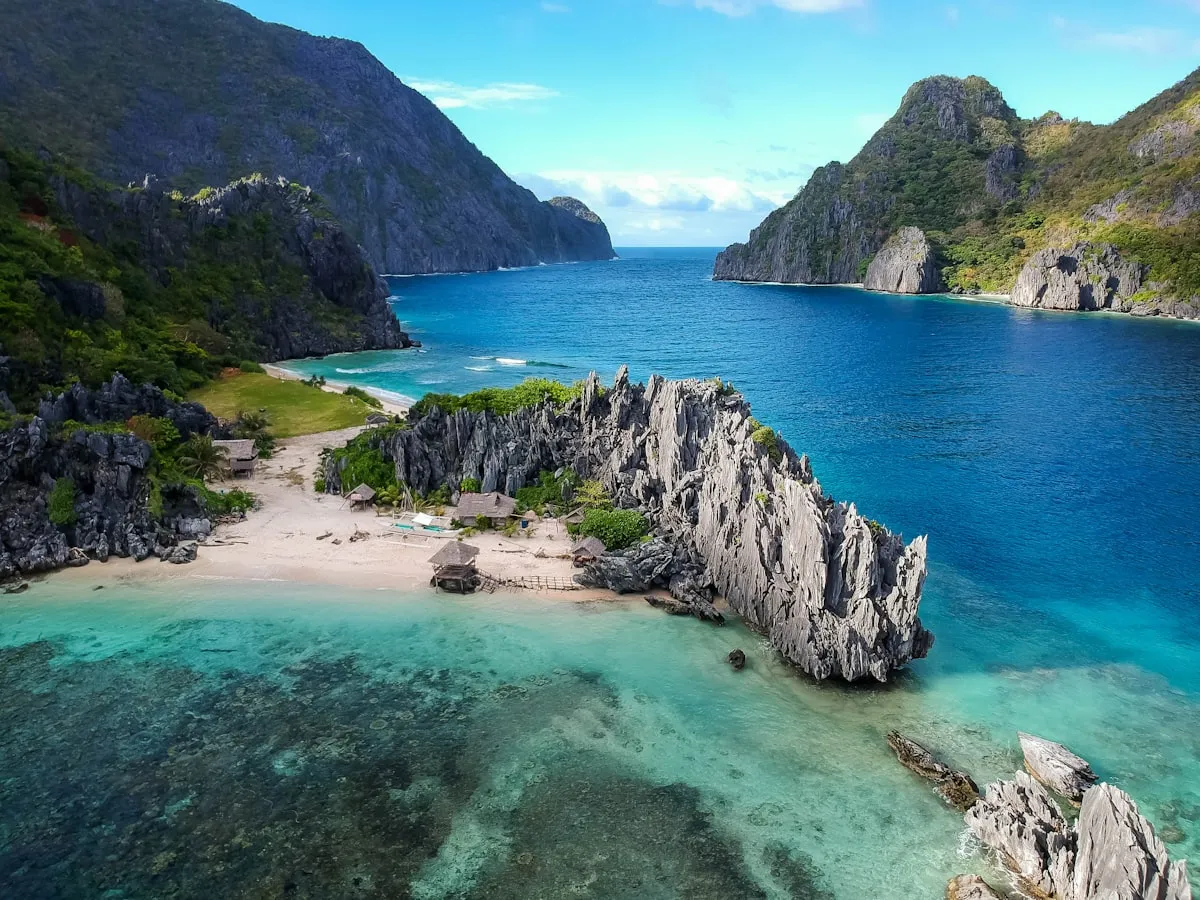
Moalboal sits on the western side of Cebu, facing the Tanon Strait, the deep, narrow body of water that separates Cebu from Negros. That geography is the whole story. Just metres from the shore at Panagsama, the seabed falls away in a steep coral wall that plunges into deep water. This is a classic fringing reef with a sharp drop-off, and it creates exactly the conditions a school of sardines wants: a sheltered shallow shelf to gather over, with deep blue water and current nearby.
The Tanon Strait is also one of the most biologically rich marine corridors in the Philippines and is a protected seascape, home to dolphins and, seasonally, other cetaceans passing through. The combination of deep, nutrient-moved water and the country's position inside the Coral Triangle, the global epicentre of marine biodiversity, is why the reefs here feel so alive.
Island hopping in Philippines
Hand-picked experiences in Philippines — book on Trip.com with instant confirmation.

What the sardine run actually is
The silver fish are mostly sardines and similar small baitfish that school for protection. By packing into a dense, shape-shifting mass, the school confuses predators, no single fish stands out, so jacks, tuna, and the occasional thresher shark struggle to pick one off. What makes Moalboal unusual is that the bait ball is essentially resident: it stays along the Panagsama reef edge year-round rather than appearing for a few weeks and vanishing. The size, density, and exact position shift from day to day and season to season, but on most days there is something to find, often just beyond the shallow reef in front of the dive resorts.
The island-hopping route, stop by stop
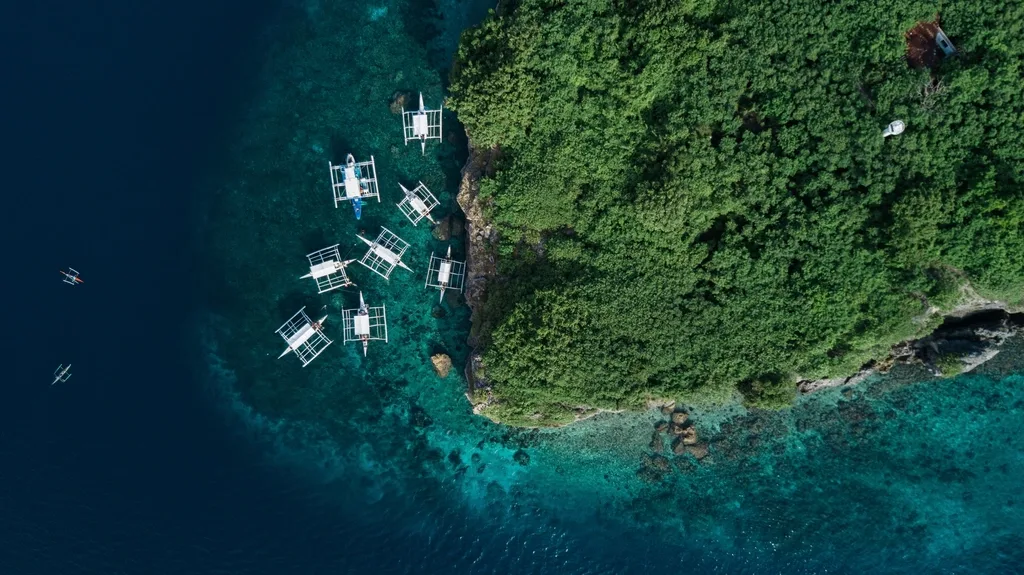
Most trips run as a half-day in a traditional banca, the outrigger boat that defines Philippine seas. A typical itinerary covers the following.
- The sardine run at Panagsama. Usually the headline stop. You enter the water over the drop-off and free-swim into the school. Because the bait ball is shallow, snorkellers experience it almost as fully as divers, you watch the silver river fold and reform a few metres below and around you.
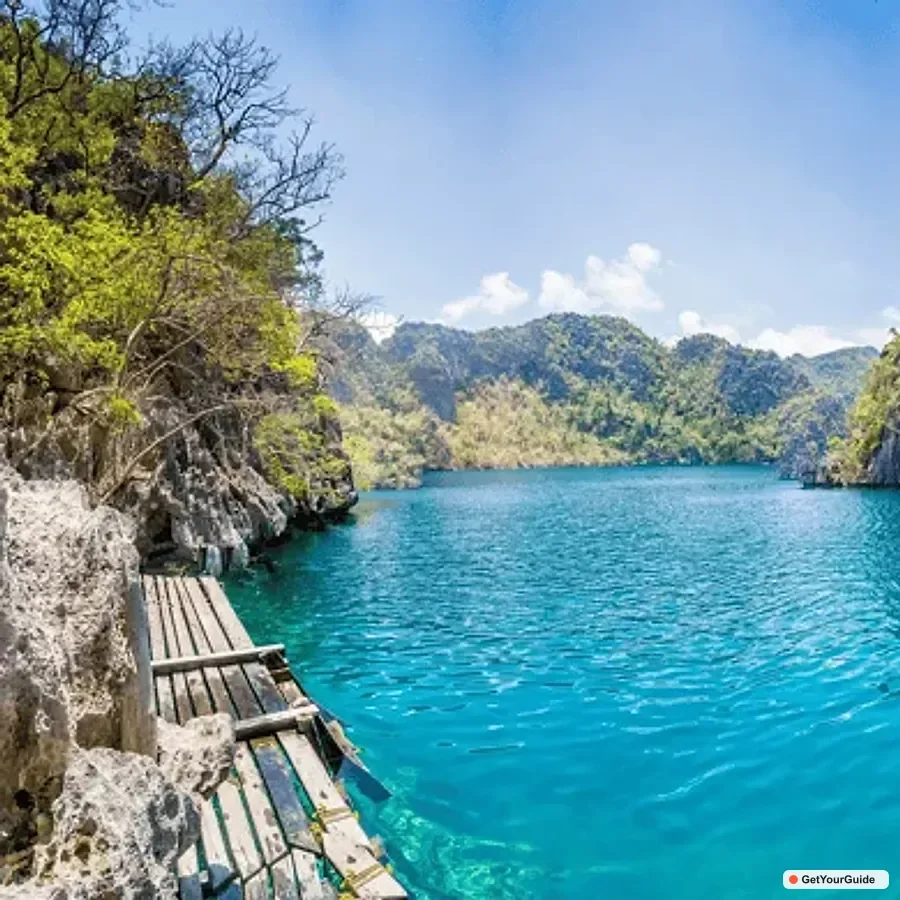
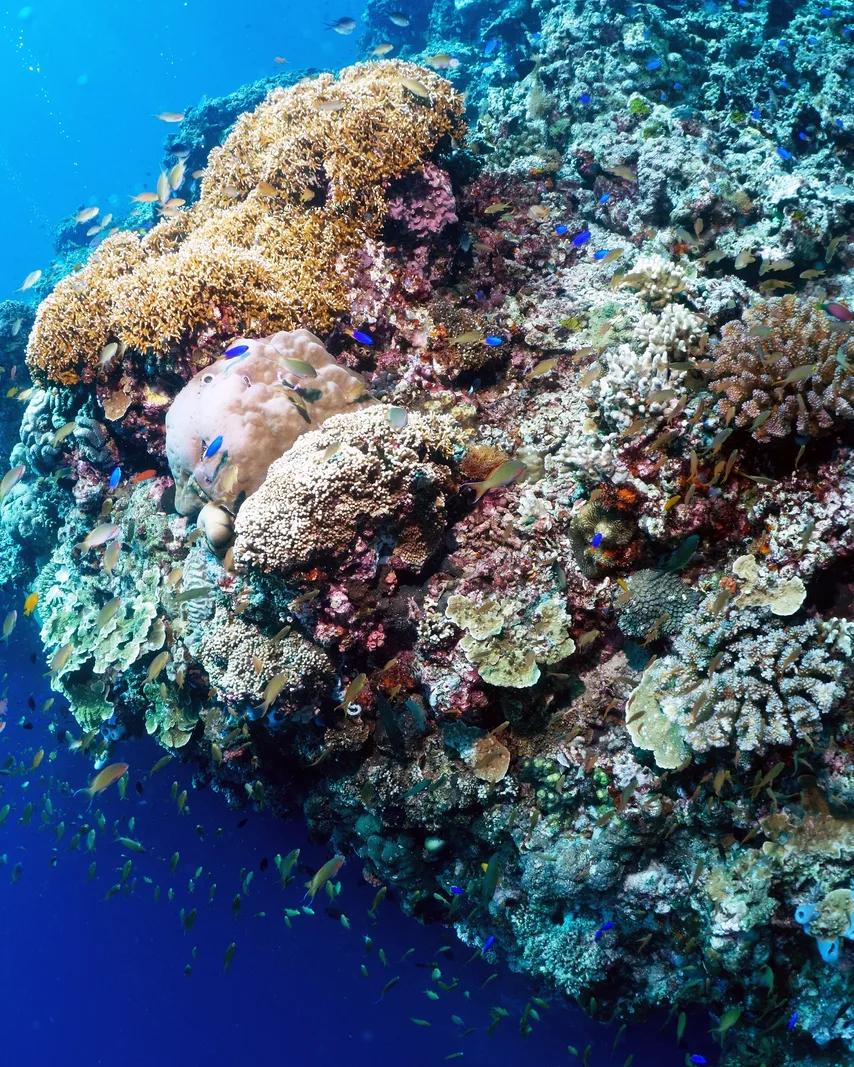
- Pescador Island. A tiny, uninhabited limestone islet about a 15 to 20 minute boat ride offshore, ringed by a healthy reef and famous for its wall diving and the cathedral-like swim-through that divers love. For snorkellers, the shallows around the island are bright with hard and soft corals and reef fish. Pescador and its surrounding waters fall under marine-protected-area management, which is a large part of why the coral remains in such good shape.
- Sea turtles. Green turtles are commonly seen grazing on the reefs and seagrass around Moalboal, and many trips make a point of finding them. Watch without touching or chasing, turtles need to surface to breathe and crowding them is stressful and harmful.
- A reef or coral garden stop. Depending on conditions and operator, you may add a shallow coral garden snorkel along the Moalboal coast.
What it feels like in the water
The reefs here drop into genuinely deep blue, so even confident swimmers should respect the open-water feel of it. Visibility is often excellent. At Pescador the wall falls away dramatically beneath you, an exhilarating, slightly vertiginous sensation when you are floating on the surface and there is nothing but blue below your fins. The sardines, by contrast, feel almost intimate: the school will sometimes part around you and close again behind, and for a few seconds you are inside it.
A note on responsible travel
Moalboal is, refreshingly, one of the more ethical marine attractions in Cebu. The sardines are wild and unfed, you are simply visiting a natural aggregation, with no provisioning or manipulation involved. This stands in deliberate contrast to the controversial whale-shark feeding at Oslob on the other side of southern Cebu, where animals are hand-fed to guarantee sightings, a practice many marine biologists criticise for altering natural behaviour and migration. Moalboal lets you see something genuinely wild on its own terms.
That said, the reefs are under real pressure from sheer visitor numbers. Do not stand on or touch coral, do not chase turtles or the school, use reef-safe sunscreen or, better, a rash guard for sun protection, and never feed any marine life. Pescador's protected status only works if visitors honour it.
Practical tips
- When to go. The drier, calmer months, roughly the cooler season from late in the year into spring, generally bring the best visibility and seas. The sardine run is present year-round, but rough weather in the wetter months can cut snorkel days short. Mornings tend to have calmer water and better light.
- How strenuous. Moderate. You need to be a comfortable swimmer because much of the action is over deep water off a drop-off, not in a shallow lagoon. A life vest is normally available and there is no shame in wearing one, it lets you relax and watch. Fins make a big difference against any current.
- What is typically included. Banca and crew, snorkelling gear, and often a life vest; many trips include marine-park or environmental fees and sometimes light refreshments. Confirm exactly what your operator includes, as fees and inclusions vary.
- What to bring. Swimwear and a rash guard, reef-safe sunscreen, a hat and water for the boat, a dry bag for valuables, and an underwater camera if you have one, the silver wall is unforgettable on video. Bring a little cash for any local fees.
- Duration. Half-day trips commonly run a few hours on the water; full-day options add more stops and a longer lunch break.
- Getting there. Moalboal is roughly a two-and-a-half to three-hour drive from Cebu City, easily combined with a trip to nearby Kawasan Falls and canyoneering for a bigger southern-Cebu adventure.
Why it stays with you
Plenty of places promise a marine spectacle and deliver a distant glimpse. Moalboal gives you the rare thing: a wild, unfed, planet-scale event you can reach by swimming a few minutes from a beach, paired with a protected island reef that still looks the way reefs are supposed to look. Float over the Pescador wall, find a turtle browsing the corals, then drift back into the sardine river as it turns and catches the light, and you will understand why divers and snorkellers come back to this small Cebu town again and again. Treat the reef gently, and it will keep rewarding the people who do.
Good to know before you book
- Duration: typically a full day (around 8 to 10 hours including transfers), though half-day and multi-day options exist - check the listing.
- Best for: active travellers, couples and friends.
- What is included: the boat, snorkelling gear, a guide and often lunch; marine-park or environmental fees may be extra.
- Pickup: most tours offer hotel or central pickup; confirm your point and time when booking.
- Book through: the GetYourGuide button on this page, which shows live availability and pricing.
Frequently asked questions
How long does the Moalboal Island Hopping with Pescador Island & Sardine Run take?
Most departures run as a full day - roughly 8 to 10 hours including pickup, travel and the activities themselves - so plan to set aside the whole day. Some operators offer shorter or private versions; the exact timing for your date is shown when you book through the GetYourGuide button on this page.
What is included in the Moalboal Island Hopping with Pescador Island & Sardine Run?
Typically the price covers the boat, snorkelling gear, a guide and often lunch; marine-park or environmental fees may be extra. Inclusions vary by operator, so always read the specific listing - it spells out exactly what is provided and what you pay for separately, such as entrance or environmental fees.
What should I bring?
Pack swimwear, reef-safe sunscreen applied early and sparingly, a towel and an underwater camera. Snorkelling gear is normally provided. It is also worth carrying some cash for local fees, drinks and tips, plus any personal medication, since card facilities can be limited outside the cities.
Is the Moalboal Island Hopping with Pescador Island & Sardine Run suitable for beginners or families?
It is suitable for swimmers and snorkellers of most levels, with life vests available for the less confident. For scuba elements you will need the appropriate certification. Children can usually join with a vest and supervision. If you have specific concerns about age, fitness or swimming ability, message the operator before booking - they can advise on the best option for your group.
When is the best time to do this tour?
The best conditions are usually the dry months of December to May, with calm seas for snorkelling and diving. That said, the Philippines is a year-round destination, and many of these experiences run in any season - just expect the occasional shower and check the forecast for the day.
How do I get to Moalboal?
To reach Moalboal, fly into Mactan-Cebu International Airport, then drive south (about 3 to 4 hours to the southwest coast). Many tours include transfers from nearby towns or hotels, so confirm your pickup arrangement when you book so the day runs smoothly from the start.
Do I need to book the Moalboal Island Hopping with Pescador Island & Sardine Run in advance?
Yes - booking ahead is strongly recommended, especially in the dry-season peak and on weekends, when popular tours and the best operators sell out. Reserving online also locks in your spot and lets you compare timings and inclusions easily.
How much does the Moalboal Island Hopping with Pescador Island & Sardine Run cost?
Prices vary with the season, group size and exactly what is included, so we do not list a fixed figure here. Tap the GetYourGuide button on this page to see the current, accurate price and availability for your chosen date.
Can I do the Moalboal Island Hopping with Pescador Island & Sardine Run as a private or customised tour?
Many operators offer a private version of this experience for couples, families or small groups who want a flexible pace and a guide to themselves, and some can tailor the route or add stops. If a private or custom option matters to you, check the listing or message the operator before booking, as availability and prices differ from the standard shared tour.
Ready to explore Moalboal?
From planning to the moment you arrive, the Moalboal Island Hopping with Pescador Island & Sardine Run is one of the most rewarding ways to experience this corner of the Philippines - and booking it is simple. Use the GetYourGuide button on this page to check live availability, compare timings and secure your spot, then turn up and let the local guides handle the rest while you focus on the views, the water and the memories.

PANA.PH Editorial Team
Philippines travel desk
The PANA.PH travel desk researches, books and re-checks Philippines travel logistics — fares, ferry schedules, government fees and permit rules — and publishes what it can verify.
🏡 Real local stays (book direct)
Hand-picked homestays and guesthouses — book direct, no markup.
Browse all local stays →

🌊 Popular activities (book instantly)
Island hopping, canyoneering, whale sharks — real Klook/GetYourGuide options.
View all activities →