The alarm goes off at 4:30am. Outside your bungalow, Malapascua Island is still completely dark — no streetlights, just a canopy of stars over the Visayan Sea. You pull on a wetsuit in the dark, walk down to the beach, and climb into a bangka with a handful of other divers who all have the same expression: that particular combination of sleep deprivation and barely contained excitement that only a very specific kind of dive destination produces.
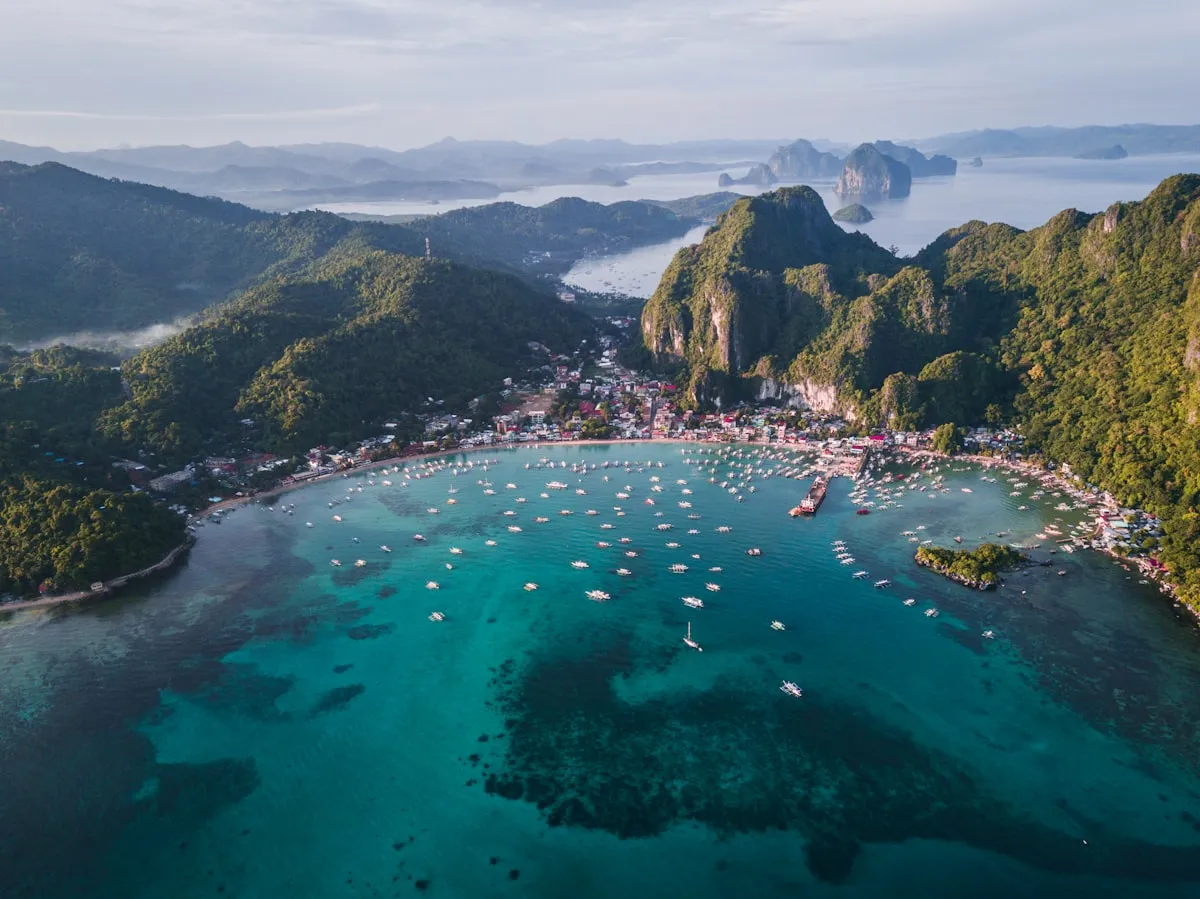
Malapascua Island: Dive with Thresher Sharks at Dawn (Complete Guide)
Trip.com
Search on Trip.comHotels in Malapascua
Compare live prices via Travelpayouts — targeted for this guide.
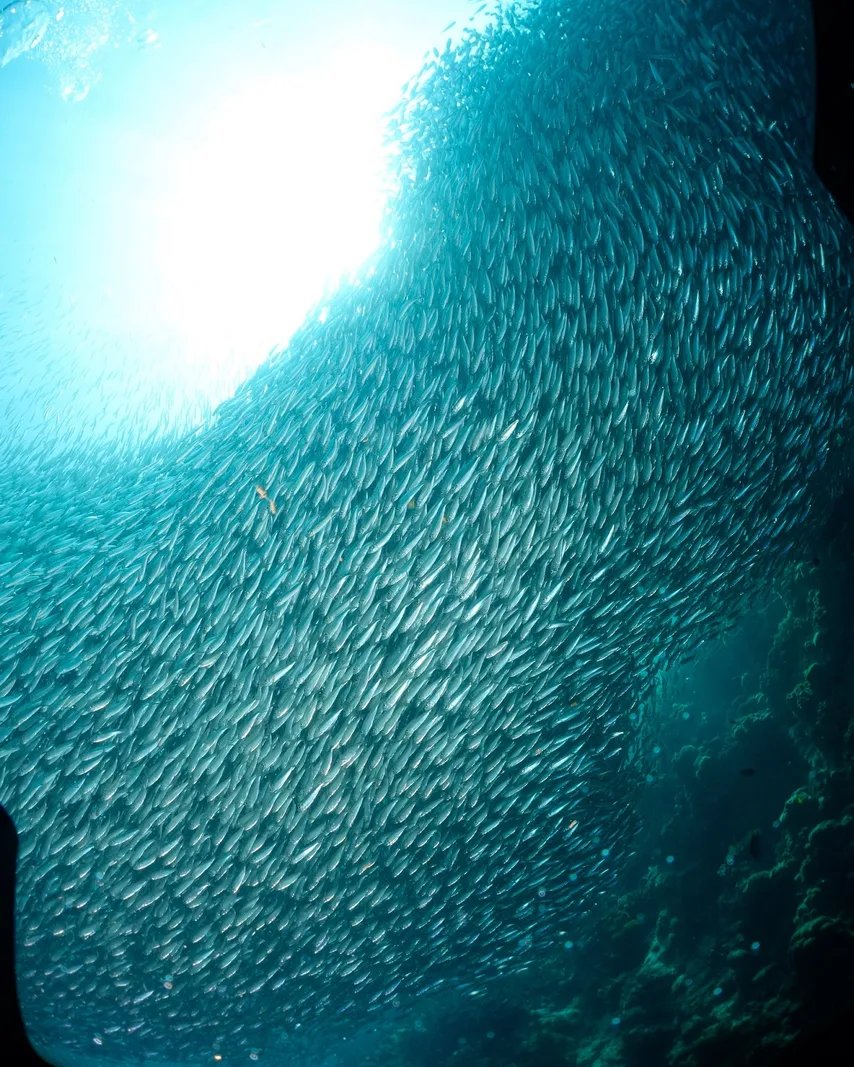
By 5am you are at Monad Shoal, a submerged seamount rising from 200 metres to 24 metres below the surface about 7 km northeast of Malapascua. You descend to the top of the shoal and settle on a sandy ledge. The instructors motion for silence and stillness. You wait. And then — from the blue below — a shape materialises. Long, elegant, with a tail fin that is almost as long as its body. A thresher shark. Then another. Then three more, rising to the cleaning station where small wrasse pick parasites from their skin in an exchange that has been happening at this exact spot every morning for millions of years.
Malapascua is the only place on Earth where you can reliably dive with thresher sharks on a daily basis. This guide tells you exactly how to make the most of it.
Getting to Malapascua Island
Malapascua sits at the northern tip of Cebu, about 70 km north of Cebu City. The journey from Cebu City takes approximately four to five hours.
Trip.com
See all tours in Malapascua on Trip.comDiving in Malapascua
Hand-picked experiences in Malapascua — book on Trip.com with instant confirmation.
From Cebu North Bus Terminal, take a bus or van heading to Maya, the small port town at Cebu's northern tip. Buses cost PHP 150–180 and take around four hours. Vans (faster, less comfortable) cost PHP 200 and take about 3.5 hours. Get dropped at the Maya Port junction — do not continue past it.
From Maya Port, a small bangka ferry crosses to Malapascua in 30 minutes, costing PHP 100. Boats run regularly from early morning until around 5pm. If you arrive after the last scheduled boat, a private charter costs PHP 500–800. The crossing is generally calm November through May; it can be choppy during the southwest monsoon season.
The island is small — you can walk its length in under an hour. Most accommodation clusters at the southern end near Bounty Beach, the main white-sand strip. No vehicles; everything is on foot.
The Thresher Shark Dive
Monad Shoal Logistics
Virtually every dive shop on Malapascua offers the Monad Shoal thresher shark dive as their headline product. The procedure is standardized: 5am boat departure from Malapascua's beach, 15–20 minute boat ride to the shoal, descent to 24–28 metres (Open Water certification required, Advanced recommended), then 30–40 minutes kneeling or hovering at the cleaning station watching sharks.
Dive prices run PHP 1,200–1,500 per dive including equipment. Most shops offer a two-dive morning package (Monad Shoal at dawn, then a second site) for PHP 2,000–2,500. If you have your own gear, the price drops by PHP 200–300.
Encounter Rates
No dive anywhere in the world guarantees specific wildlife. However, Monad Shoal's success rate for thresher shark encounters is genuinely exceptional — most dive guides estimate 85–95% on a given morning during good conditions. The sharks use this cleaning station year-round, driven by instinct not season. The best visibility months (November through May) give the most dramatic encounters because you can see sharks approaching from further away in the blue. In rough rainy-season months, visibility drops and encounters still happen but feel more abrupt.
The shoal can see multiple sharks on a single dive — reports of five to eight individuals in a single morning are not uncommon. On rare days the sharks do not show, usually during extended bad weather or unusual current patterns. This is nature; accept it.
Depth and Certification
The cleaning station sits at 24–28 metres. PADI Open Water certification allows diving to 18 metres; Advanced Open Water to 30 metres. Most dive shops will take Open Water certified divers to the shoal, positioning them at the shallowest part of the cleaning station (around 22–24 metres). Advanced certification gives you more flexibility and more time at depth before your no-decompression limit requires ascending. If you plan to dive Malapascua seriously, do your Advanced course — it costs PHP 10,000–14,000 on the island and is worth it.
Other Dive Sites
Gato Island
A 45-minute boat ride from Malapascua, Gato Island is a marine sanctuary with a sea cave that cuts through the island. Inside the cave (diveable in calm conditions) and on the surrounding reef: whitetip reef sharks resting on the sandy bottom, sea snakes (banded sea kraits — venomous but not aggressive), and one of the best macro environments in the Cebu area. The sea snakes sliding through the coral in the cave entrance is genuinely eerie and remarkable. Dive operators charge PHP 1,500–1,800 for Gato Island due to the longer boat ride.
Dona Marilyn Wreck
The MV Dona Marilyn was a passenger ferry that sank during Typhoon Ruby in 1988, killing hundreds. The wreck now lies at 18–26 metres and has become an artificial reef with remarkable hard and soft coral growth. Schools of batfish hover over the superstructure, lionfish perch on the railings, and the hold has been colonized by large groupers. A thoughtful, slightly haunting dive at a site that history has transformed into something beautiful. PHP 1,000–1,200 per dive.
Lighthouse and Lapus-Lapus
Two more local dive sites offering diverse marine life including giant moray eels, bumphead parrotfish, and occasional manta rays (seasonal). Less famous than Monad Shoal but reliably excellent and usually done as afternoon dives after the morning shark expedition.
Best Season for Malapascua
Thresher sharks are present year-round at Monad Shoal. The variable is visibility and sea conditions:
- November through May (Amihan/dry season): Best visibility (15–25 metres), calmest seas, most reliable boat operations. December through March is peak season — book accommodation months ahead.
- June through October (Habagat/southwest monsoon): Reduced visibility (8–15 metres), rougher seas, occasional days when the Monad Shoal dive is suspended due to weather. The island is quieter and cheaper. Sharks are still there — the experience is just less dramatic in murky water.
Accommodation
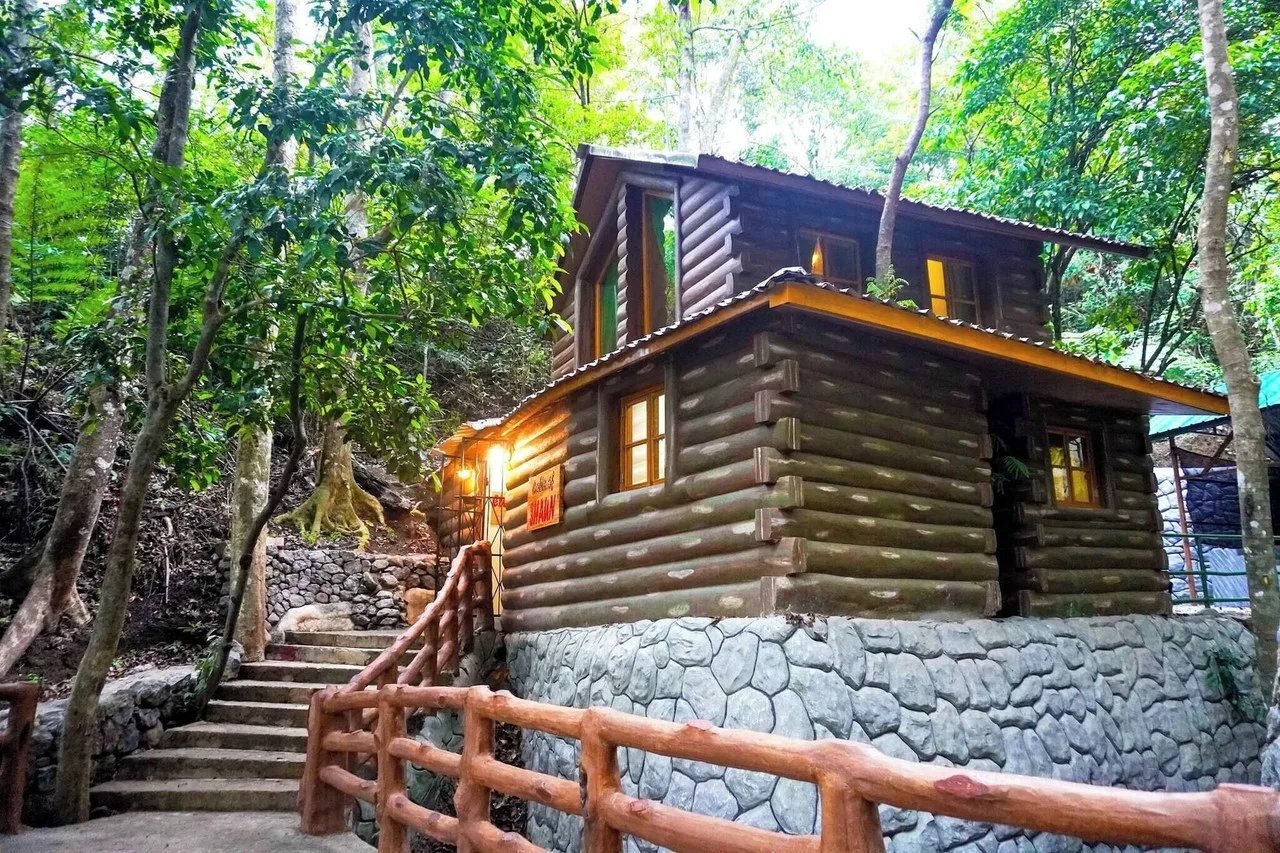
Malapascua has exactly the accommodation you would expect from a tiny island built around diving: small, personal, mostly beach-facing, with everything from PHP 800 dorm bunks to PHP 2,500 air-conditioned bungalows. The main accommodation strip is along Bounty Beach (the island's best white-sand beach) and the lanes behind it.
Most guests choose their guesthouse based on which dive shop they want to dive with — many resorts are affiliated with, or run by, dive operators, which simplifies logistics. Book dive packages that include accommodation for the best rates. Expect PHP 1,500–3,000 all-in per night (room + breakfast + one thresher shark dive) on package deals during shoulder season.
The island has no ATM — bring cash from Cebu City. Most shops accept cards reluctantly and with surcharges.
Food
Malapascua's food scene is small but serviceable. The island is too small to support a truly diverse restaurant culture, and most eating happens at resort restaurants where the menus run to grilled fish, pasta, burgers, and Filipino staples like adobo and sinigang. Budget PHP 150–300 per meal. Fresh seafood (grilled snapper, grilled squid) is the obvious order — it is caught locally and far superior to anything frozen. Cold San Miguel after the morning shark dive on Bounty Beach is one of those specific Philippines experiences that keeps divers coming back.
Island Vibe
Malapascua is an island built entirely around diving. The people who come here are divers; the businesses exist to serve divers; the conversation at every table in every restaurant is about what was seen at Monad Shoal that morning. If you are not a diver, there is still a beautiful beach, excellent snorkeling on the house reef, and the island's genuine remoteness and small-community feel. But the honest truth is that non-divers will exhaust Malapascua in a day. Divers could stay a week and not see everything.
Budget Guide
A Malapascua day for a diver: accommodation PHP 1,000–2,000, two dives (morning Monad Shoal + afternoon site) PHP 2,000–2,500, meals PHP 500–700. Total: approximately PHP 3,500–5,000 per day. Non-divers can do it for PHP 2,000–3,000. The island rewards multi-night stays — the per-day cost drops on multi-dive packages and you get to do Monad Shoal multiple mornings, which is when the magic really compounds.
Frequently Asked Questions
Do you need Advanced Open Water certification to dive Monad Shoal?
Open Water certification (allowing dives to 18 metres) is the technical minimum and most dive shops will accept it, positioning you at the shallower edge of the cleaning station around 22–24 metres. Advanced Open Water certification (30 metres) is strongly recommended — it gives you more flexibility at depth and a longer no-decompression time at the cleaning station. If you plan to visit Malapascua specifically for the thresher sharks, completing your Advanced course beforehand is one of the best investments you can make.
Are thresher sharks dangerous?
No. Thresher sharks are pelagic open-ocean sharks that feed almost exclusively on small schooling fish, which they stun with their long tail fins. They have no documented history of attacking humans and are naturally shy — the only reason they can be reliably approached at Monad Shoal is that they are focused on the cleaning station and somewhat habituated to divers. They will flee if you chase them. The proper technique is to descend quietly, kneel on the sandy bottom, and let the sharks come to you.
How far is Malapascua from Cebu City?
About 70 km by road to Maya Port plus the 30-minute ferry crossing. Total journey time from Cebu City is 4–5 hours: 3.5–4 hours by bus or van to Maya, then the crossing. Plan to travel the day before any dive you want to do — arriving in the afternoon and diving the following morning is the standard logistics.
Can you combine Malapascua and Bantayan Island?
Yes, and it makes excellent geographic sense. Both are in northern Cebu and accessible via Cebu North Bus Terminal. Bantayan's port (Hagnaya) is about 30 minutes south of Maya on the same road. A combined itinerary: two nights on Bantayan (beaches, snorkeling, scooter exploration), then continue north to Maya and cross to Malapascua for two to three nights of diving. Total: five nights in northern Cebu covering two very different but complementary island experiences.
What is the best time of day to dive Monad Shoal?
Dawn — specifically, entering the water at first light (around 5:30–6am). Thresher sharks use the cleaning station in the early morning before descending to deeper water for the day. By 8am most of the activity is over. This is why every Monad Shoal dive departs at 5am. It is also why the sunrise on the bangka ride home, with satisfied divers and a glowing pink horizon over the Visayan Sea, is one of those images that crystallises what makes the Philippines extraordinary.

PANA.PH Editorial Team
Philippines travel desk
The PANA.PH travel desk researches, books and re-checks Philippines travel logistics — fares, ferry schedules, government fees and permit rules — and publishes what it can verify.
🏡 Real local stays (book direct)
Hand-picked homestays and guesthouses — book direct, no markup.
Browse all local stays →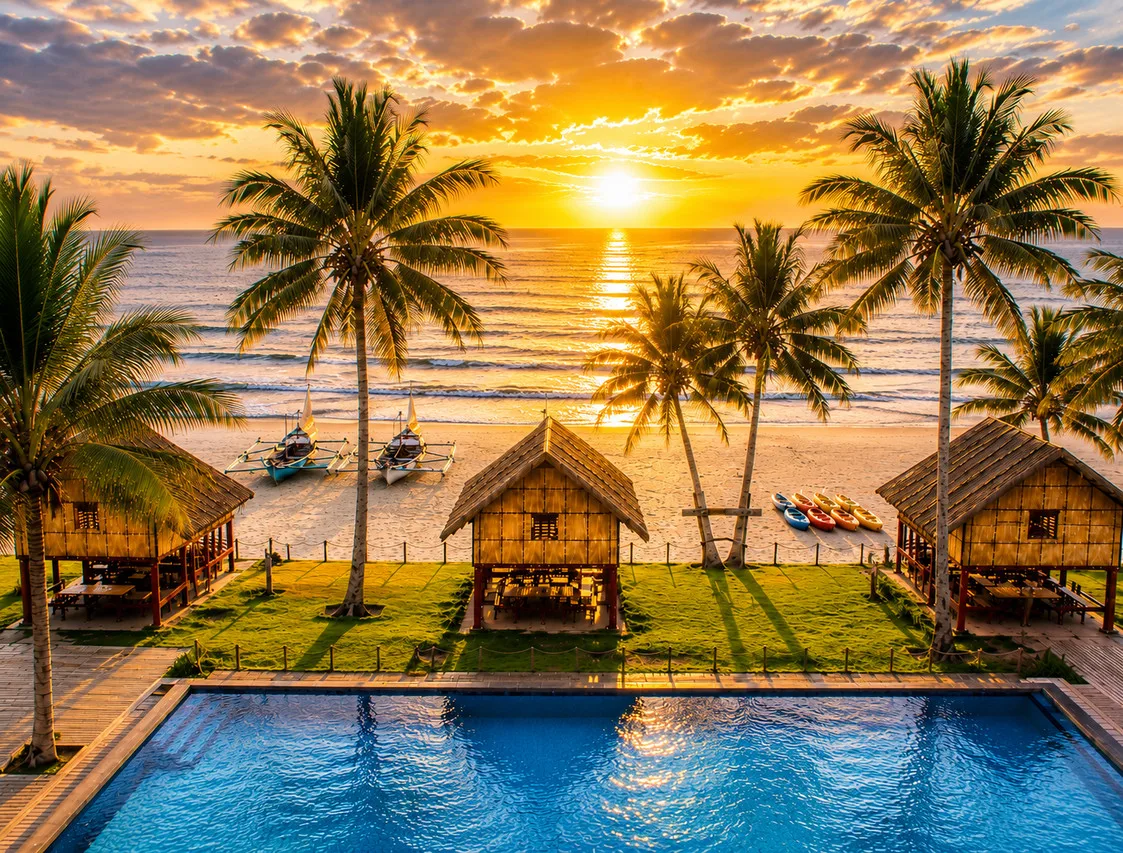
🌊 Popular activities (book instantly)
Island hopping, canyoneering, whale sharks — real Klook/GetYourGuide options.
View all activities →