Short answer: December to February, though Makati is the least season-dependent destination we index. Its 14 bookable trips are food tours, bar crawls and rooftop nights - all of them indoors or after dark, when the heat has gone. The real seasonal risk is not rain but habagat flooding, which closes roads and can turn a twenty-minute journey into three hours.
Trip.comHotels in Manila
Compare live prices via Travelpayouts — targeted for this guide.
Search on Trip.comA seasonality guide for Makati: which months, why they matter less, and what it costs. Built from 14 bookable trips. Last checked 9 August 2026.
| Period | Conditions | Verdict | Checked |
|---|
| December - February | Cool dry, 24-30C | Best; festive and busy | 2026-08-09 |
| March - May | Hot dry, 33C+ | Fine after dark | 2026-08-09 |
| June - September | Habagat, flooding | Plan loosely | 2026-08-09 |
| October - November | Rain easing | Good value shoulder | 2026-08-09 |
How this guide was built
We read all 14 bookable Makati trips. Every one is listed as a full day, and the categories are almost entirely food, nightlife and sightseeing: pub crawls from PHP 923, a Poblacion heritage and creative-streets tour at PHP 1,850, street food tours at PHP 3,367 and PHP 3,690.
Seven of the 14 sit at exactly PHP 1,850. Nothing in that list depends on sea state, tide or river level - which is why Makati is the one destination where the weather question is genuinely secondary.
Seasons follow PAGASA's official definition: wet June to November, dry December to May.
Why the evening products change the calculation
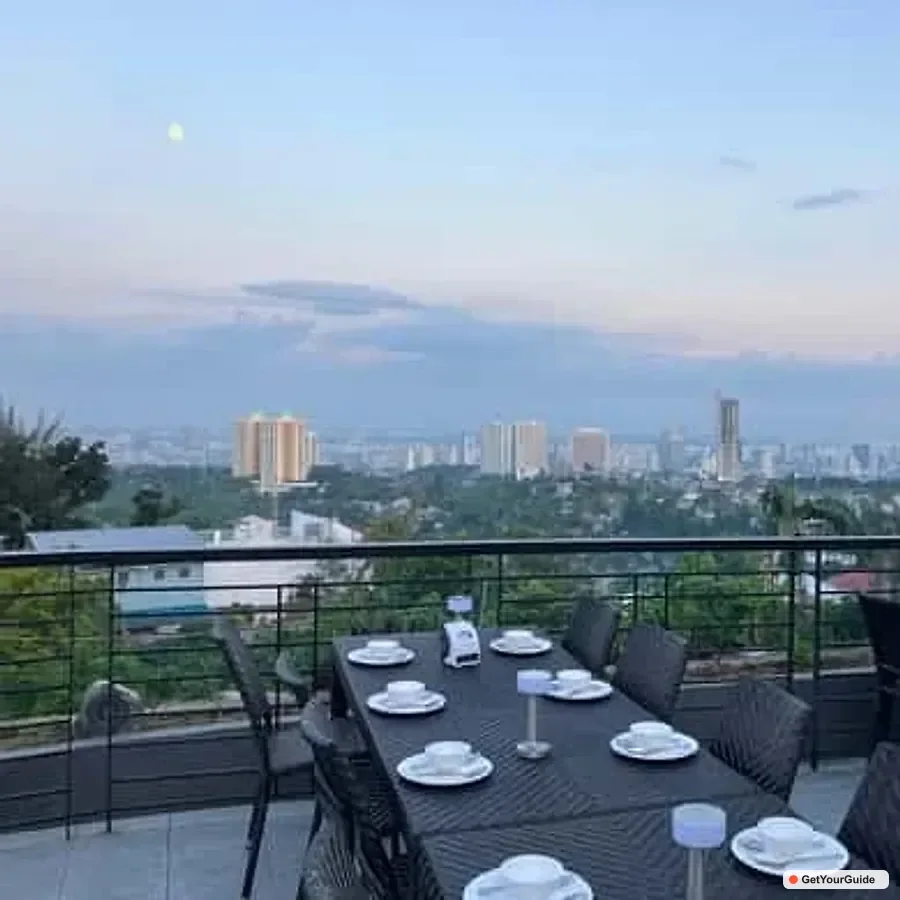
Poblacion is the dense bar and restaurant quarter, and it is genuinely walkable - which almost nothing else in Metro Manila is. Its products run after dark, when the hot-dry season's 33C has dropped to something pleasant.
That means March to May, punishing for daytime sightseeing elsewhere in the city, is perfectly workable here. You simply start later.
Flooding, which is the actual risk
During the habagat, heavy afternoon downpours overwhelm drainage in parts of the metro. Roads close, traffic seizes, and journeys stop being predictable.
For a district built on moving between venues, that matters. The mitigation is not avoiding the months but planning loosely: stay in Poblacion or Makati proper and walk, rather than booking things across the city on an August afternoon.
What nobody tells you about the malls
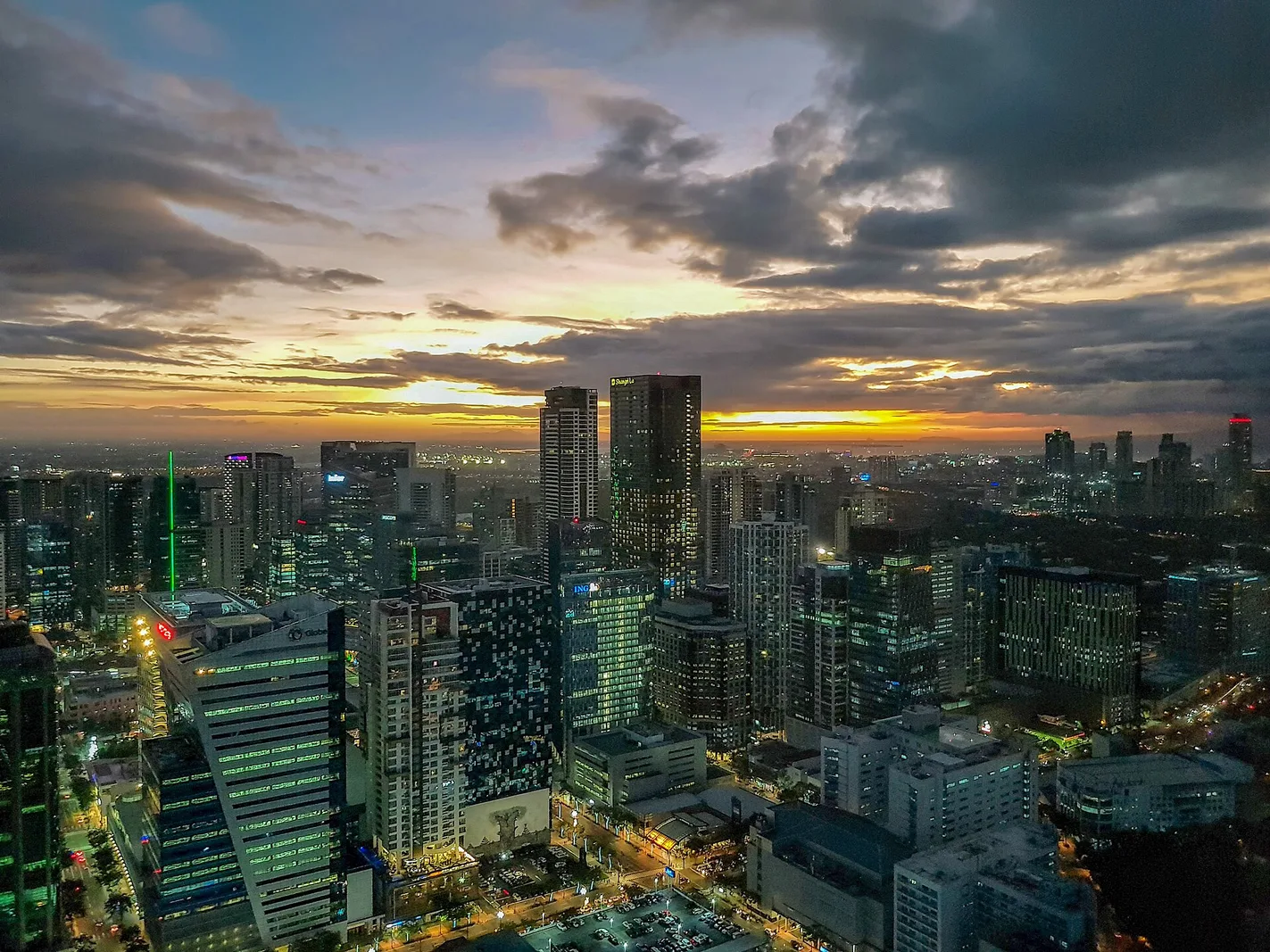
Greenbelt, Glorietta and the SM complexes are not just shopping. In this climate they are air-conditioned public space where people eat, meet and spend weekends, because street heat and traffic make outdoor life harder here than in a smaller city.
Understanding that makes wet-season and hot-season Manila make sense. Dismissing the malls as generic misses that they are where the city socialises for half the year.
Christmas, and the -ber months
The Philippines runs the longest Christmas season anywhere: decorations appear in September and the "-ber months" are a real local expression. Makati is decorated on a scale that surprises first-time visitors.
The cost is that domestic travel peaks, restaurants fill and traffic worsens. Late January and February give the same cool weather without the crush.
What does not change with the season
Prices hold. The floor is PHP 923 for a pub crawl and the median PHP 1,850 in any month. Manila's cheapest guided product overall - a PHP 300 heritage walk in Intramuros, half an hour away - also holds year-round.
Traffic is the other constant. It does not improve seasonally, and it shapes a Makati itinerary more than the weather does.
Day trips are where the season bites
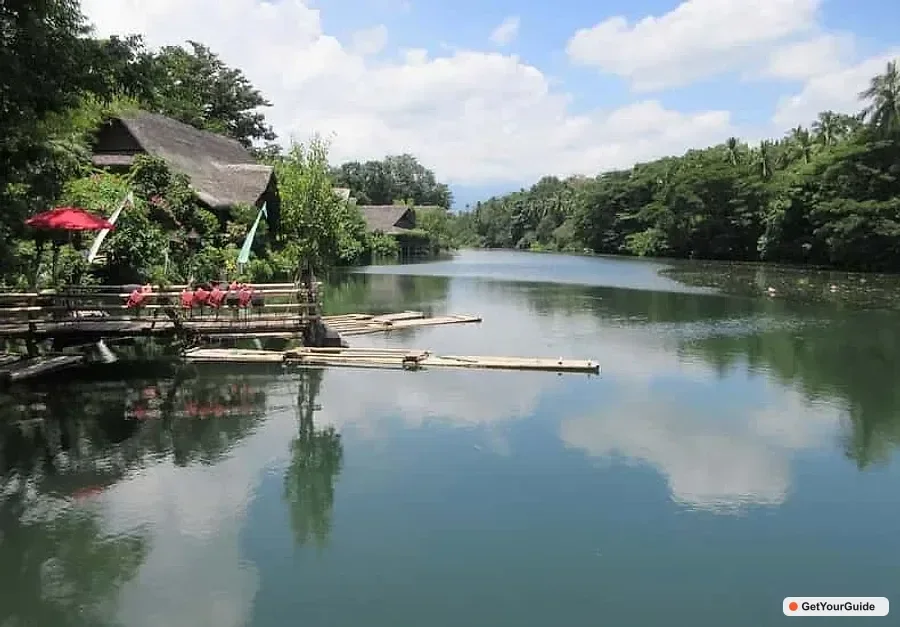
Several products leave the city entirely: the Hundred Islands tour from Makati at PHP 1,850, Villa Escudero, the Bataan memorial tour. Those are road journeys of some length, and habagat flooding affects them in a way it does not affect a Poblacion bar crawl.
If a day trip is central to your plan, weight the dry months. If you are here to eat and drink, the calendar barely matters.
Makati proper, Poblacion or BGC
Three names used interchangeably that should not be. Makati proper is the older business district around Ayala Avenue with the malls attached. Poblacion is the dense nightlife quarter inside it. BGC - Bonifacio Global City - is a separate newer district in Taguig, cleaner, more walkable and blander.
For food and bars, stay in Makati or Poblacion. For museums and a quieter street, BGC. The choice matters more than the month does.
Getting in and out, and the buffer that never changes
NAIA is close to Makati in distance and unpredictable in time - the same trip can take twenty minutes or an hour depending on the hour of day. That variance is a constant, not a seasonal effect.
Remember the four terminals are separate buildings with no airside connection: changing terminal means leaving the airport into traffic. For a flight before about 09:00, an airport-area hotel removes the only genuinely risky part of a Manila departure, in any month.
What Makati is actually for
It is the financial district: office towers, malls, and the country's densest concentration of good restaurants. It is not historic and does not pretend to be - the history is in Intramuros, half an hour away, where a walking tour costs PHP 500 or PHP 300 for the budget version.
What that gives a visitor is a comfortable, well-connected base with an airport nearby and everything open late. For a stopover between islands, which is what most Manila visits are, that is exactly the right thing to want - and it is equally true in February and in August.
Rainy-afternoon answers within walking distance
The Mind Museum in BGC is PHP 565 and Manila Ocean Park PHP 730 - both cheap, both indoors, and both sensible uses of a flooded afternoon.
That is the structural advantage of a city stopover over an island one: a washed-out day still has content, which is not true in Coron or El Nido.
Eating in Poblacion, whatever the forecast
Poblacion holds the densest good eating in Metro Manila within a few walkable blocks: Filipino, Japanese, Korean and modern places, plus the bars that made the district.
Walkability is the point. Elsewhere in the city a guided crawl is paying for transport; here it is paying for the picks, because you can cover the whole quarter on foot even when the roads outside are flooded.
The day trips that leave the district
Several products in our Makati inventory head out of town: the Hundred Islands guided tour at PHP 1,850, Villa Escudero, and the Bataan Death March memorial tour.
Those are long road journeys and they are the part of a Makati itinerary that habagat flooding genuinely disrupts. If one is central to your plan, weight the dry months; if you are here to eat and drink, the calendar barely matters.
Frequently asked questions
What is the best month to visit Makati?
January or February - cool-dry, past the Christmas crowds.
Does the rainy season ruin a Makati trip?
Rarely. The products are indoors or after dark; the risk is flooding closing roads, not the rain itself.
Is the hot season too hot for Makati?
Not for its actual offer. The bar, rooftop and food tours run in the evening when the heat has dropped.
Do prices change seasonally?
No. The floor stays at PHP 923 and seven of 14 products sit at PHP 1,850 year-round.
When is Christmas season?
Decorations from September - the "-ber months" - peaking in December, which is the busiest and priciest time.
What should I avoid booking in August?
Day trips out of the city. Flooding affects road journeys far more than it affects Poblacion.
Book tours, hotels & stays in Makati
Top tours
Top hotels
Top stays