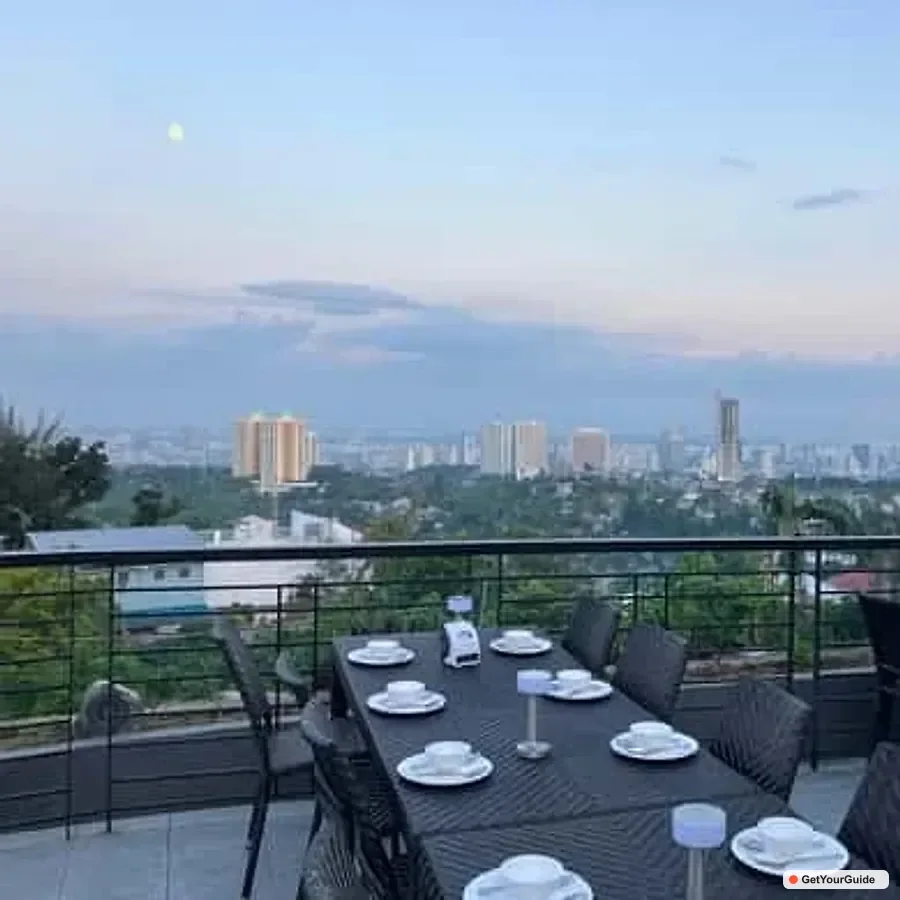
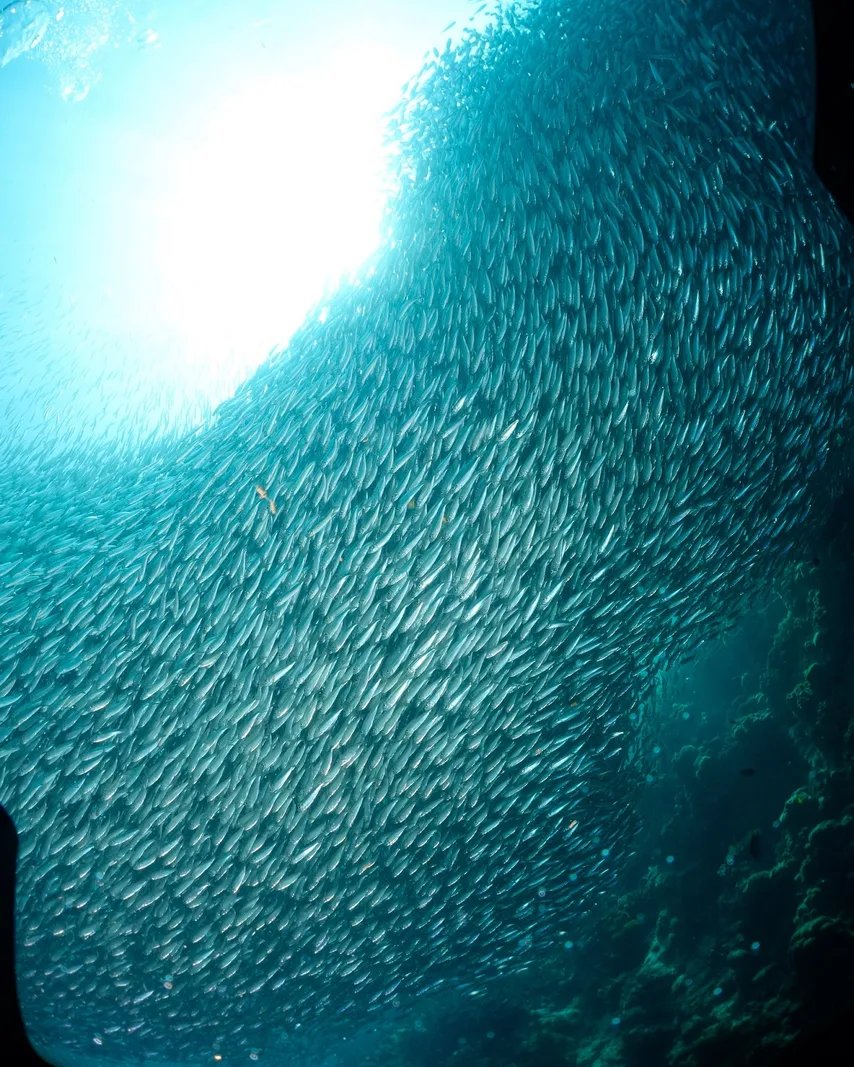
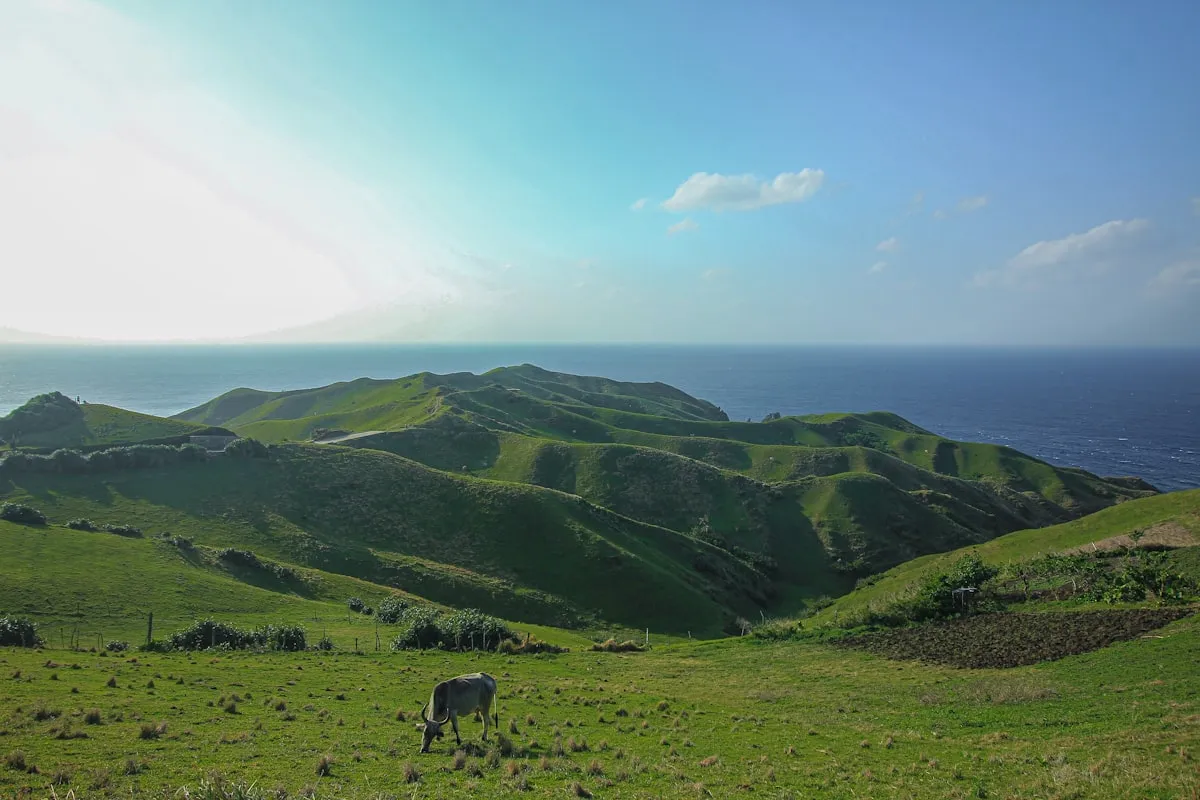
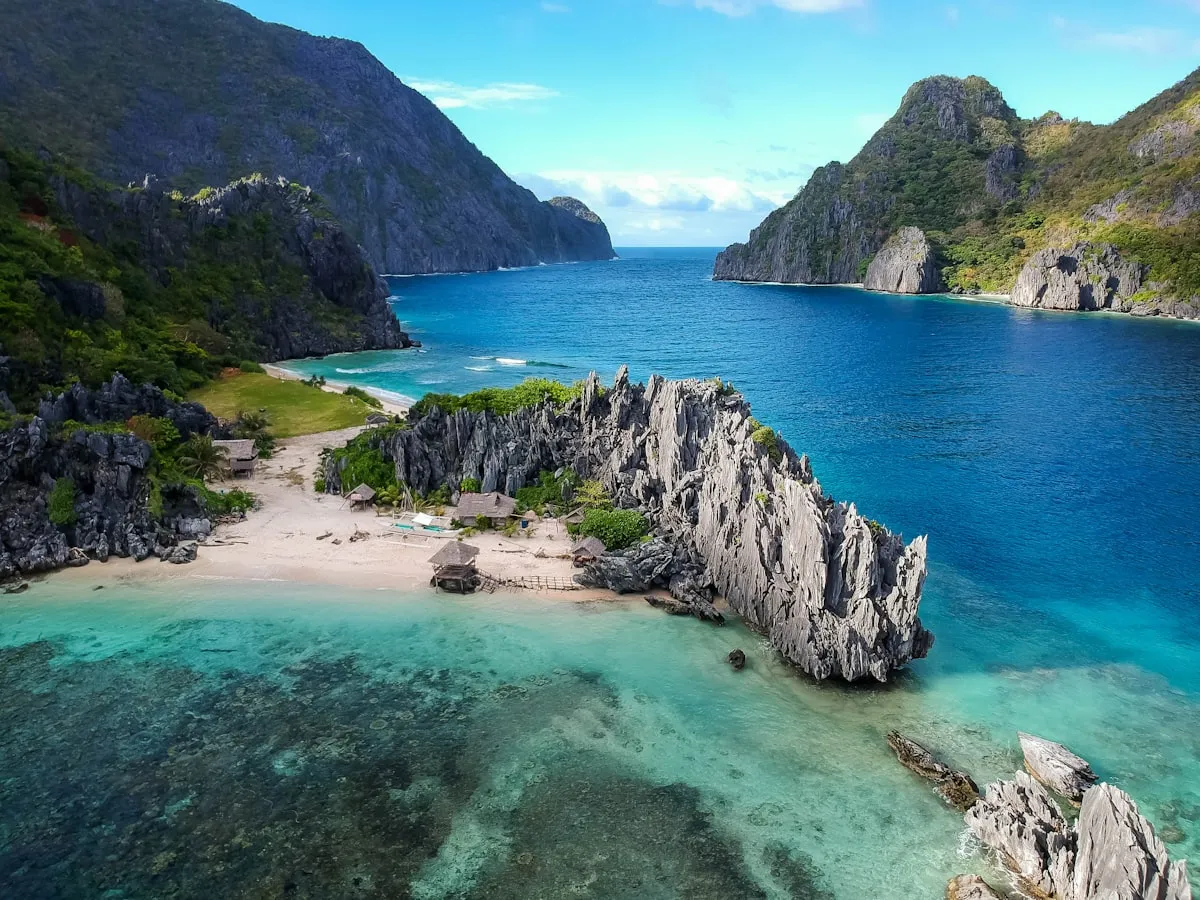
The morning light over Mactan has a particular quality to it. By six or seven, the sun is already up and warm, and the channel between Mactan Island and the smaller islets to its south turns a shade of turquoise that looks almost artificial until you are floating in it yourself. This is where most Mactan island-hopping tours begin: at a resort jetty or a small public wharf on the island's eastern or southern shore, where a wooden outrigger boat waits with its bamboo arms spread wide over the water. You step aboard, the engine coughs to life, and within minutes the resort towers of Mactan shrink behind you and the open Bohol Strait opens ahead.

Mactan Island Hopping Boat Tour with Lunch - Guide
Trip.com
Search on Trip.comHotels in Philippines
Compare live prices via Travelpayouts — targeted for this guide.
An island-hopping day out of Mactan is the classic Cebu introduction to the sea. It is not a single dramatic landmark like Oslob or Kawasan Falls; it is a slow, sun-soaked circuit of sandbars, snorkeling reefs, and a beach lunch, all done from the deck of a traditional Filipino boat. For travelers based around Mactan-Cebu International Airport or the beach resorts of Lapu-Lapu City, it is the easiest way to spend a day actually on the water rather than beside it.
Where you actually are: the geography of Mactan and its waters
Mactan is a low, flat coral-limestone island just east of Cebu City, connected to the main island of Cebu by two bridges across the Mactan Channel. It is part of Lapu-Lapu City and home to the international airport, which is why so many visitors find themselves here on arrival or departure. The island itself is not volcanic and has no mountains; it is essentially an uplifted coral platform, which is exactly why the diving and snorkeling around it are good. The same limestone that makes Mactan flat and dry on land has built fringing reefs and drop-offs in the surrounding waters.
The boats you ride are bancas, the traditional Philippine double-outrigger design. The bamboo or fiberglass floats on either side give these narrow hulls remarkable stability in chop, which is why they have been the workhorse of Philippine fishing and inter-island travel for generations. From Mactan, the typical hopping route heads south and east toward the cluster of small islands and reefs in the Olango Island group and the channel beyond, where the water is clearer and shallower over sand and coral.
Trip.com
See all tours in Philippines on Trip.comIsland hopping in Philippines
Hand-picked experiences in Philippines — book on Trip.com with instant confirmation.
Stop by stop: what the day usually looks like
No two operators run an identical route, and the islets and sandbars exposed depend on the tide, but a Mactan hopping day generally follows a familiar rhythm.
- The crossing and first snorkel stop. After leaving Mactan, the boat anchors over a shallow reef. This is where you pull on a mask and fins and slip over the side. Over the coral you can expect to see clouds of small reef fish, the occasional starfish, and sea grass beds. Visibility is usually best in the calmer dry-season months.
- A sandbar. At low and mid tide, the channel reveals long spits of pale sand that sit just above the waterline with sea on both sides. These are the photogenic centerpiece of the day: nothing but sand, sky, and shallow clear water. The classic local name often heard for these in the Olango area is Nalusuan and the surrounding reefs, though operators use various sandbars depending on the day.
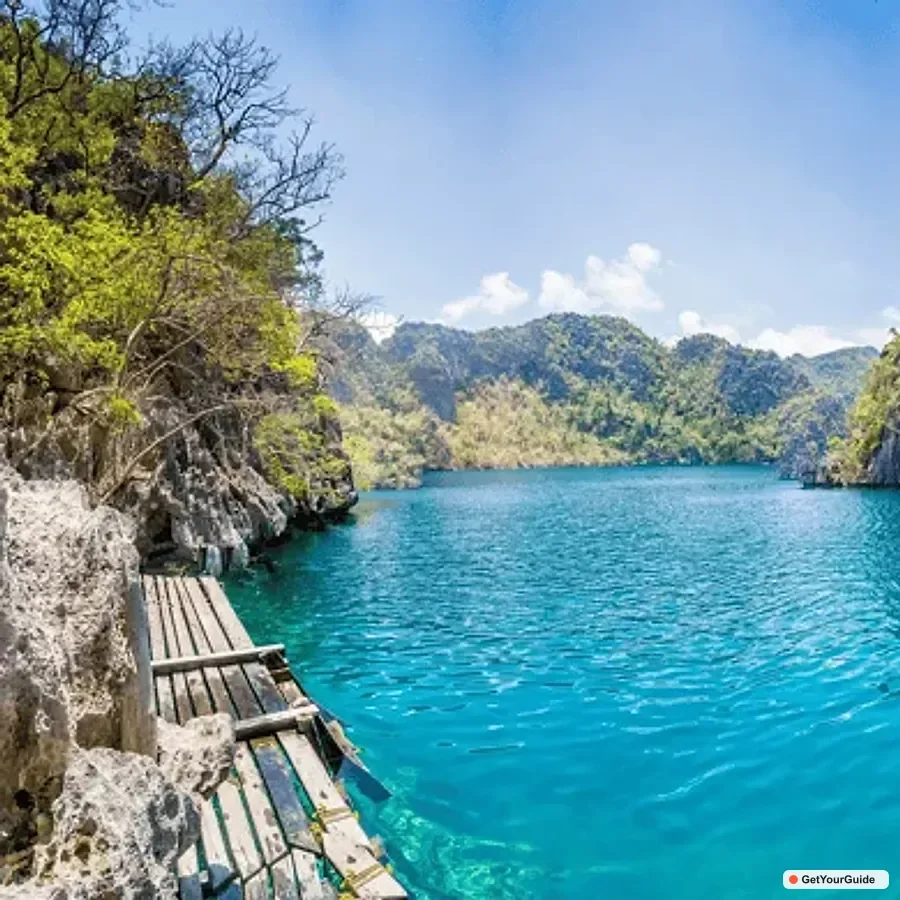
- A marine sanctuary or reef island. Several islets in this area maintain protected marine sanctuaries, sometimes with a small entrance fee and a stilt walkway out over the reef. The protected zones tend to have noticeably more fish and healthier coral than unprotected areas, a direct, visible argument for conservation.
- Lunch. The meal is the heart of the day and usually the reason the tour is named for it. Expect a Filipino-style spread: grilled fish or pork, chicken, rice, and often fresh fruit, either cooked aboard or served on a beach or stilt restaurant. Some boats do a proper boodle-style grill; others stop at an island eatery.
Why these waters matter: Olango and the bigger picture
Just east of Mactan lies Olango Island, and its wetlands are far more important than their modest appearance suggests. The Olango Island Wildlife Sanctuary protects extensive tidal flats, mangroves, and seagrass that serve as a major stopover for migratory shorebirds on the East Asian-Australasian Flyway, the great migration corridor that runs from the Arctic down to Australia and New Zealand. Tens of thousands of birds use these flats, and the area is recognized internationally as a wetland of significance. When you snorkel and picnic in these channels, you are at the edge of one of the most ecologically important coastal systems in the central Philippines.
There is real history layered here too. Mactan is where, in 1521, the chieftain Lapulapu and his men resisted Ferdinand Magellan's forces, and Magellan was killed on the island during the encounter at the Battle of Mactan. Lapu-Lapu City is named for that chieftain, now regarded as a national symbol of resistance to colonization. The shrine commemorating the battle stands on Mactan itself, and many island-hopping operators can fold a quick land visit into a longer itinerary.
Practical tips from people who have done it
A Mactan hopping tour is one of the gentler day trips in Cebu. It is not strenuous; the main physical demands are wading from the boat in waist-deep water, climbing in and out of the banca, and as much swimming or snorkeling as you choose. Non-swimmers can stay aboard or stand on the sandbars and still have a fine day.
- Best time: The dry season, roughly December through May, offers the calmest seas and clearest water. Morning departures are best, beating both the midday heat and the afternoon wind that can chop up the channel.
- What to bring: Reef-safe sunscreen, a rash guard or long-sleeve swim shirt (the equatorial sun is fierce on open water), a hat, a dry bag for your phone, water, and a towel. Bring cash in small bills for sanctuary entrance fees and tips.
- Footwear: Water shoes or sturdy sandals help on coral and rocky entries; coral cuts are the most common minor injury.
- What is typically included: The boat and crew, lunch, and usually snorkeling gear and life vests. Confirm whether sanctuary or environmental fees are included or paid on site.
- Duration: Plan on most of the day, commonly five to eight hours door to door, depending on how many stops are included.
Traveling responsibly out here
The reefs around Mactan and Olango have taken a beating over the years from coastal development, anchor damage, and over-tourism, which makes your behavior matter. Never stand on, touch, or kick coral; it is a living animal and breaks easily. Choose reef-safe sunscreen, since oxybenzone and similar chemicals harm coral. Do not buy or accept shells, starfish, or any marine life as souvenirs, and resist any guide who offers to pull a starfish from the water for a photo, as handling stresses and kills them. Support the islands that run marine sanctuaries, because the entrance fees fund the protection that makes the snorkeling worthwhile in the first place. Carry your trash back to Mactan with you.
A day worth slowing down for
What makes a Mactan island-hopping day memorable is not any single stop but the accumulation of small pleasures: the warm wind across the outrigger, the moment the water turns from blue to glass-clear green, the surprise of a sandbar appearing out of open sea, and a plate of grilled fish eaten with salt still on your skin. It is the Philippines at its most unhurried. Come early, stay in the water, eat well, and let the banca carry you home as the afternoon light goes gold over Mactan.
Good to know before you book
- Duration: typically a full day (around 8 to 10 hours including transfers), though half-day and multi-day options exist - check the listing.
- Best for: couples, families and first-time visitors.
- What is included: the boat, life vests, snorkelling gear, a guide and usually lunch; island entrance and environmental fees may be paid locally.
- Pickup: most tours offer hotel or central pickup; confirm your point and time when booking.
- Book through: the GetYourGuide button on this page, which shows live availability and pricing.
Frequently asked questions
How long does the Mactan Island Hopping Boat Tour with Lunch take?
Most departures run as a full day - roughly 8 to 10 hours including pickup, travel and the activities themselves - so plan to set aside the whole day. Some operators offer shorter or private versions; the exact timing for your date is shown when you book through the GetYourGuide button on this page.
What is included in the Mactan Island Hopping Boat Tour with Lunch?
Typically the price covers the boat, life vests, snorkelling gear, a guide and usually lunch; island entrance and environmental fees may be paid locally. Inclusions vary by operator, so always read the specific listing - it spells out exactly what is provided and what you pay for separately, such as entrance or environmental fees.
What should I bring?
Pack swimwear, reef-safe sunscreen, a hat, a towel, water shoes for rocky landings and a waterproof pouch for your phone. It is also worth carrying some cash for local fees, drinks and tips, plus any personal medication, since card facilities can be limited outside the cities.
Is the Mactan Island Hopping Boat Tour with Lunch suitable for beginners or families?
It is suitable for almost everyone, including families and non-swimmers, thanks to life vests and calm, sheltered water at most stops. There is plenty of time to simply relax on the sand. If you have specific concerns about age, fitness or swimming ability, message the operator before booking - they can advise on the best option for your group.
When is the best time to do this tour?
The best conditions are usually the dry season from roughly November to May. That said, the Philippines is a year-round destination, and many of these experiences run in any season - just expect the occasional shower and check the forecast for the day.
How do I get to Mactan?
To reach Mactan, travel to Mactan by the nearest airport or ferry and continue by road. Many tours include transfers from nearby towns or hotels, so confirm your pickup arrangement when you book so the day runs smoothly from the start.
Do I need to book the Mactan Island Hopping Boat Tour with Lunch in advance?
Yes - booking ahead is strongly recommended, especially in the dry-season peak and on weekends, when popular tours and the best operators sell out. Reserving online also locks in your spot and lets you compare timings and inclusions easily.
How much does the Mactan Island Hopping Boat Tour with Lunch cost?
Prices vary with the season, group size and exactly what is included, so we do not list a fixed figure here. Tap the GetYourGuide button on this page to see the current, accurate price and availability for your chosen date.
Can I do the Mactan Island Hopping Boat Tour with Lunch as a private or customised tour?
Many operators offer a private version of this experience for couples, families or small groups who want a flexible pace and a guide to themselves, and some can tailor the route or add stops. If a private or custom option matters to you, check the listing or message the operator before booking, as availability and prices differ from the standard shared tour.
Ready to explore Mactan?
From planning to the moment you arrive, the Mactan Island Hopping Boat Tour with Lunch is one of the most rewarding ways to experience this corner of the Philippines - and booking it is simple. Use the GetYourGuide button on this page to check live availability, compare timings and secure your spot, then turn up and let the local guides handle the rest while you focus on the views, the water and the memories.

PANA.PH Editorial Team
Philippines travel desk
The PANA.PH travel desk researches, books and re-checks Philippines travel logistics — fares, ferry schedules, government fees and permit rules — and publishes what it can verify.
🏡 Real local stays (book direct)
Hand-picked homestays and guesthouses — book direct, no markup.
Browse all local stays →


🌊 Popular activities (book instantly)
Island hopping, canyoneering, whale sharks — real Klook/GetYourGuide options.
View all activities →