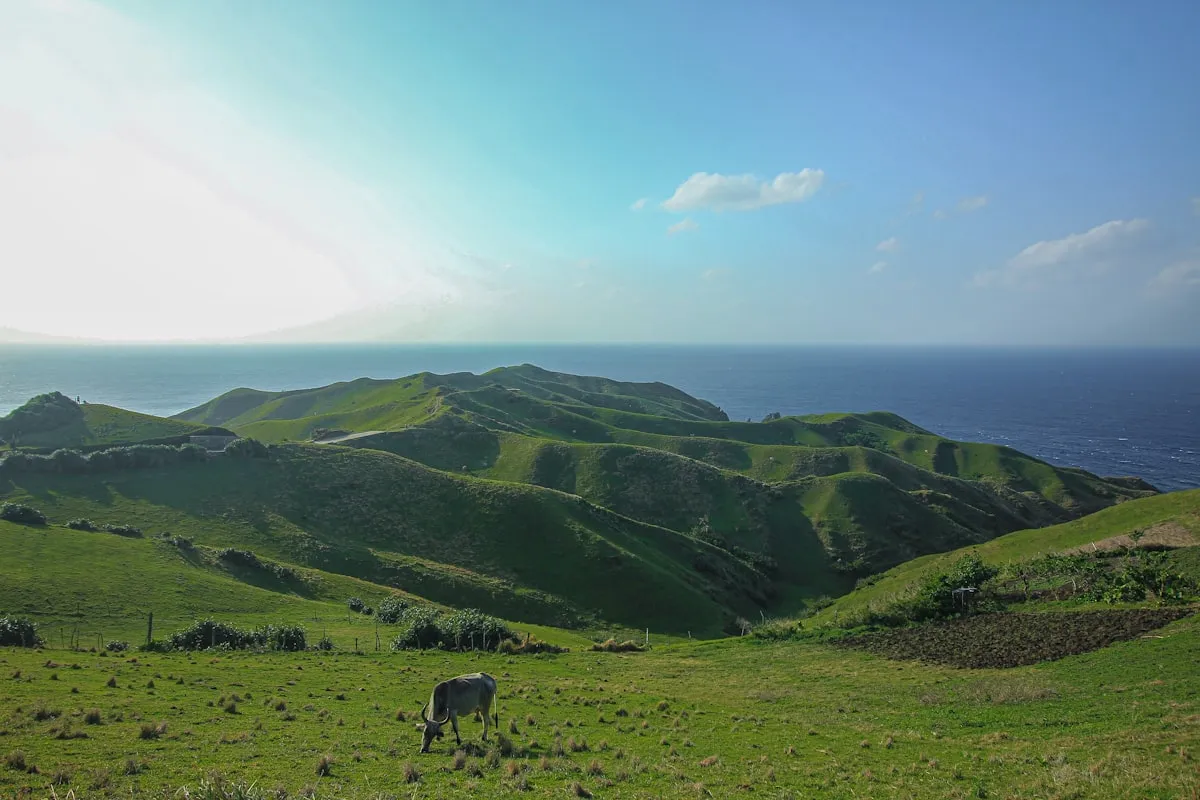
In October 1944, the waters around Leyte Island saw the largest naval battle in history. More than 200,000 sailors and soldiers were involved; entire fleets were sunk; the fate of the Pacific War turned on decisions made in real time amid chaos and fire. General Douglas MacArthur waded ashore at Red Beach, Palo, fulfilling his famous promise — "I shall return" — and the Philippines was on its way back to Allied control. Standing at the MacArthur Landing Memorial today, looking out over the same stretch of Leyte Gulf, is one of the genuinely moving experiences available to a traveller in Southeast Asia.
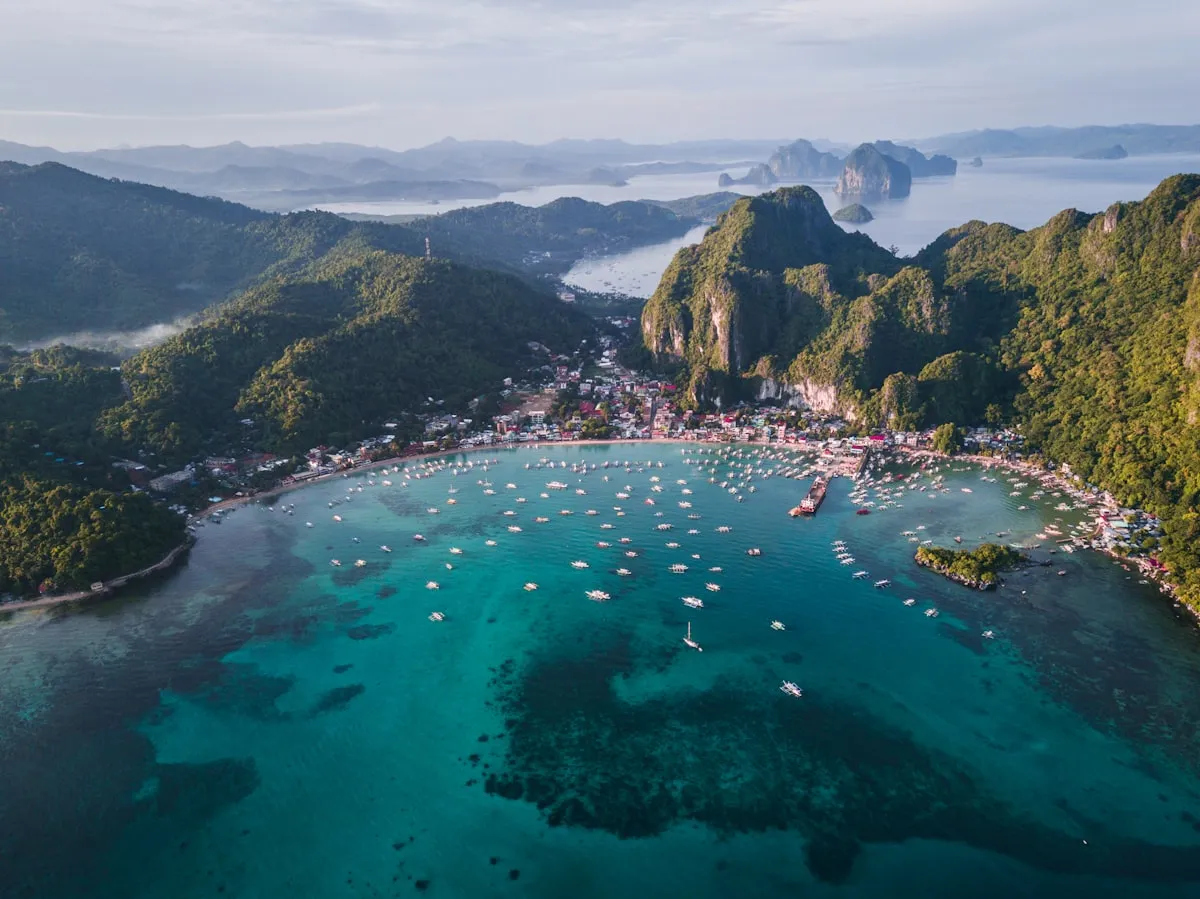
Leyte & Tacloban Travel Guide: MacArthur's Return, WWII History & Beautiful Beaches
Trip.com
Search on Trip.comHotels in Philippines
Compare live prices via Travelpayouts — targeted for this guide.
Most tourists never come here. They fly to Cebu, Palawan, Boracay. Leyte — a large, mountainous island in the Eastern Visayas — sits well off the beaten track, overshadowed by the tragedy of Typhoon Haiyan in 2013 and absent from the glossy destination guides. This is an oversight. Beyond the history, Leyte offers Kalanggaman Island (one of the most spectacular sandbars in the entire Philippines), Sohoton Cave and Lagoon (an underground swimming experience), and a whale shark diving site in Sogod Bay that the diving community knows about but almost nobody else does.
Getting to Leyte
The main entry point is Tacloban City, capital of Leyte, served by direct flights from Manila Ninoy Aquino International Airport. Philippine Airlines and Cebu Pacific both operate the route; flight time is approximately 1 hour 20 minutes and fares run roughly PHP 2,000–4,500 one-way booked in advance. Cebu Pacific tends to be cheaper; Philippine Airlines more punctual — pick your priority. AirAsia Philippines also occasionally offers this route on promotion.
From Cebu City there is an alternative route: fast ferry from Cebu North Bus Terminal area piers to Ormoc City on the western coast of Leyte (roughly 2.5–3 hours, PHP 500–650), then a bus or van from Ormoc to Tacloban (2.5–3 hours overland). This is slower but significantly cheaper for travellers already in the Visayas and makes a logical extension of a Cebu-based itinerary.
Trip.com
See all tours in Philippines on Trip.comTours & activities in Philippines
Hand-picked experiences in Philippines — book on Trip.com with instant confirmation.
Within Leyte, jeepneys and buses connect the major towns at low cost (PHP 50–200 depending on distance), but hiring a private van with driver (PHP 2,500–4,000 per day) dramatically increases what you can cover in a day — the island is larger than it looks on the map, and the roads, while generally passable, are slow going.
When to Go
Leyte's eastern coast, which faces the Pacific, operates on a reversed climate pattern from most of the Philippines. The wet season for eastern Leyte (Tacloban and the Leyte Gulf coast) is November through January, when the Amihan (northeast monsoon) brings rain directly off the Pacific. The dry season on this coast runs from roughly March through October. Conversely, the western coast and the Sogod Bay whale shark area (southern Leyte) is drier during the traditional Philippine dry season (November through May).
The practical upshot: visit between March and October for the best conditions around Tacloban and the north; visit between December and May for whale shark diving in Sogod Bay. The sweet spot for both is March through May. Typhoon risk is elevated for all of Leyte from August through November — Leyte was the worst-hit province when Haiyan made landfall in November 2013, and typhoon awareness here is understandably higher than anywhere else in the country.
MacArthur Landing Memorial: Where the Pacific War Turned
The MacArthur Landing Memorial National Park in Palo, 10 kilometres south of Tacloban along the Leyte Gulf coast, marks the exact spot on Red Beach where General Douglas MacArthur and a party of American and Filipino officers waded ashore on October 20, 1944 — deliberately, for the cameras, recreating the theatrical gesture of "returning" that MacArthur had promised upon evacuating Corregidor in 1942. The moment was staged, the water was shallow enough that the general could have stepped off dry, and the wading was essentially for the photograph. None of which diminishes the historical significance of what it represented.
Life-size bronze statues of MacArthur and his party stand in the water at the memorial, frozen mid-stride, looking inland over a small beach park. Entry is free. The monument is moving not primarily because of MacArthur — whose reputation among historians is considerably more complicated than his mythology — but because of what the liberation of the Philippines actually meant for the Filipino civilians who had endured three and a half years of brutal Japanese occupation. Leyte Gulf itself, visible from the memorial on all sides, is where the Japanese Combined Fleet made its last major offensive gamble and lost, sealing the fate of the Pacific War.
The Battle of Leyte Gulf
For history enthusiasts, the Battle of Leyte Gulf (October 23-26, 1944) is worth researching before visiting, because the scale is simply too large to absorb on site without context. By virtually every measure — ships engaged, total tonnage, aircraft involved, area covered — it was the largest naval battle in history. The Japanese committed almost their entire remaining fleet in a multi-pronged attack designed to destroy the American invasion force. The Americans, though surprised by the audacity and near-success of the Japanese strategy, held. Japan lost 4 aircraft carriers, 3 battleships, 10 cruisers, and 11 destroyers; 10,000 Japanese sailors died. It was the effective end of the Imperial Japanese Navy as a fighting force.
The small but well-curated Leyte Gulf War Memorial Museum in Tacloban has exhibits on the battle and the broader context of the Philippine campaign. For serious WWII history students, a guided day tour linking the MacArthur memorial, the war museum, and the nearby Palo Metropolitan Cathedral (used as a military hospital during the battle) is available through Tacloban tour operators for around PHP 1,500–2,000 per person.
Kalanggaman Island: One of the Philippines' Most Beautiful Sandbars
Two hours by boat from the municipality of Palompon on Leyte's northwest coast, Kalanggaman Island is one of those places that makes you understand why people talk about the Philippines the way they do. A narrow sliver of blindingly white sand extends in both directions from a small coconut grove, surrounded on all sides by shallow water that grades from clear over sand to brilliant turquoise over deeper reef. The sand is powdery, the water is genuinely warm, and on a weekday you may have the entire sandbar to yourself.
Day trip cost from Palompon: approximately PHP 500 per person for the boat (bangka), PHP 200 day use fee at the island, and PHP 150–200 for snorkel gear hire. Getting to Palompon from Tacloban takes roughly 3 hours by bus or van (PHP 150–200 by bus). An overnight camping option exists — tents and basic gear can be arranged through the municipal tourism office in Palompon for around PHP 400–600 per person — and sleeping on Kalanggaman, watching the stars over the Camotes Sea with no light pollution and no other tourists, is an experience that costs almost nothing and is worth an enormous amount.
Sohoton Cave and Lagoon
The Sohoton Natural Bridge National Park in Basey, Samar (just across the San Juanico Bridge from Tacloban) is one of the most accessible and spectacular cave and lagoon systems in the Philippines. The main attraction is the Sohoton Cove: a series of interconnected caves, underwater passages, and luminescent-water lagoons enclosed by towering limestone karst cliffs draped in vegetation. At certain tidal conditions, reaching the inner lagoon requires ducking through a submerged passage — an experience that sounds alarming and is in practice a 5-second hold-your-breath moment followed by emergence into a hidden emerald basin surrounded entirely by cliff walls.
Eco-tourism is tightly managed. An entrance fee of PHP 350 per person covers the bangka through the cave system and a guide. Additional fees apply for snorkelling (PHP 150 equipment hire). Full day tours from Tacloban including transport to Basey, bangka fees, and guide run approximately PHP 800–1,200 per person. The tour takes most of the morning; combine with a visit to the Basey pandan weaving community in the afternoon for a full day out of Tacloban.
Whale Shark Diving in Sogod Bay
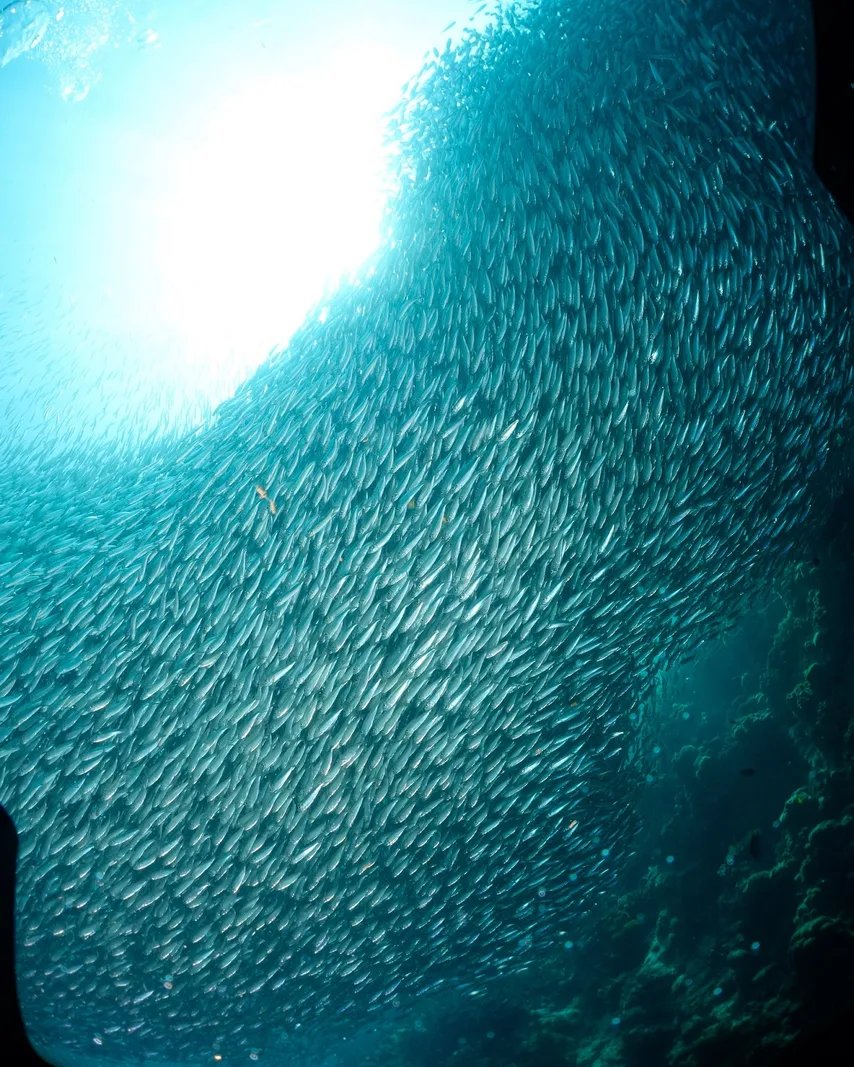
Southern Leyte's Sogod Bay is one of the Philippines' best-kept diving secrets. The bay sits in a deep channel that whale sharks (locally called "butanding") use as a feeding corridor, particularly during the plankton bloom season from December through May. Unlike the Oslob circus — where whale sharks are fed by fishermen to keep them in bay for tourist dollars — the Sogod Bay encounters are completely wild. The sharks are there because there is food, not because someone is bribing them with shrimp paste.
Dive operators based in Padre Burgos and the Sogod Bay area offer guided whale shark dives (dependent on sightings, which are not guaranteed) for PHP 1,000–1,400 per dive. Sightings rates during peak season (January through April) are high. The bay also has excellent coral reef diving, with visibility often exceeding 20 metres and resident hammerhead sharks spotted on the deeper walls during the cooler months. Getting to Padre Burgos from Tacloban takes roughly 3.5–4 hours by bus or van — too far for a comfortable day trip, making a 2-night stay in the area worthwhile.
Typhoon Haiyan and Tacloban's Resilience
Super Typhoon Haiyan (locally known as Yolanda) made landfall in Eastern Leyte and Eastern Samar on November 8, 2013, with sustained winds of 315 km/h — the most powerful tropical cyclone ever to make landfall by multiple meteorological measures. The storm surge in Tacloban reached up to 7 metres in some areas, devastating the city. More than 6,000 people were killed in Leyte alone; hundreds of thousands were displaced; the scale of destruction was internationally covered and prompted one of the largest humanitarian responses in Philippine history.
Tacloban today is genuinely rebuilt. Visiting a decade after the storm, you see a functional, busy city with new buildings, well-maintained roads, and a population that has absorbed an almost unimaginable collective trauma and come through it with what appears to be, remarkably, humour intact. The Typhoon Yolanda Memorial in Tacloban is a sober, well-maintained tribute to the dead. A visit is appropriate and is treated with respect by local guides. What is not appropriate is treating Tacloban as a disaster tourism destination — it is a living city, and the warmth and normality of daily life there is itself part of the story of what resilience looks like.
Budget and Practical Notes
Leyte is one of the cheaper destinations in the Philippines for travellers. Budget accommodation in Tacloban starts from PHP 400–700 for a fan room; decent air-conditioned hotels run PHP 1,200–2,500. Local food — particularly fresh seafood from Leyte Gulf — is excellent and inexpensive at the Tacloban public market and the cluster of seafood restaurants along Real Street. Budget travellers can manage on PHP 1,200–1,800 per day; mid-range travellers covering the main attractions comfortably will spend PHP 2,000–3,000 per day excluding boat tours, which are the main variable cost.
Frequently Asked Questions
Is Tacloban worth visiting?
Yes, particularly for travellers with an interest in Pacific War history or those looking for a Philippines destination that operates entirely outside the tourist bubble. The MacArthur Landing Memorial is a genuinely powerful historical site; the local food scene (fresh Leyte Gulf seafood, kalamay baye, moron rice cakes) is excellent; and the city provides a practical base for the island's major natural attractions. Tacloban is not a resort destination and has no white-sand beach of its own — but as a base for Kalanggaman Island, Sohoton Cove, and the WWII historical circuit, it works well.
How far is Kalanggaman Island from Tacloban?
Kalanggaman is approximately 3 hours from Tacloban by van or bus to Palompon, plus 2 hours by bangka from Palompon pier. The total one-way journey is about 5 hours, making it a very long day trip (departure around 5 AM recommended) or, better, a 1-2 night overnight combining travel and beach time. Many travellers base themselves in Ormoc City (2 hours from Palompon) for the Kalanggaman trip, which cuts the overland travel significantly.
Is Leyte safe to travel to?
The tourist areas of Leyte — Tacloban City, the MacArthur memorial, Kalanggaman Island, Sohoton Cove, and the Sogod Bay dive area — are safe for tourists. Leyte is not in the conflict zones associated with southern Mindanao. The main safety consideration is typhoon risk: Leyte is extremely vulnerable during the typhoon season (August through November), particularly from storms tracking from the Pacific. Travel insurance with typhoon disruption cover is strongly recommended if visiting during this period, and monitoring PAGASA forecasts is essential.
What is the best time to see whale sharks in Sogod Bay?
The peak season for whale shark encounters in Sogod Bay, Southern Leyte is December through May, with January through April typically offering the highest sighting probability. The sharks follow deep-water plankton blooms in the Sogod Bay channel; water temperature, current patterns, and lunar cycles all influence sighting frequency, and no operator can guarantee an encounter on any given day. That said, experienced local guides have a strong feel for timing, and encounter rates during peak season are genuinely high. The whale sharks here are wild and unhabituated, making the experience more authentic than the Oslob alternative.
Can you visit Sohoton Cove from Tacloban as a day trip?
Yes. Sohoton Natural Bridge National Park is across the San Juanico Bridge in Basey, Samar — roughly 30-40 minutes from Tacloban by tricycle or van. You don't need to cross into Samar province on a separate overnight; Basey is functionally accessible as a morning half-day from Tacloban. Start early (7-8 AM) to avoid the midday heat in the caves and to ensure tidal conditions are right for the cave lagoon passage. Most Tacloban-based tour operators offer Sohoton day packages for PHP 800–1,200 per person including transport and bangka fees.

PANA.PH Editorial Team
Philippines travel desk
The PANA.PH travel desk researches, books and re-checks Philippines travel logistics — fares, ferry schedules, government fees and permit rules — and publishes what it can verify.
🏡 Real local stays (book direct)
Hand-picked homestays and guesthouses — book direct, no markup.
Browse all local stays →
🌊 Popular activities (book instantly)
Island hopping, canyoneering, whale sharks — real Klook/GetYourGuide options.
View all activities →