Contents
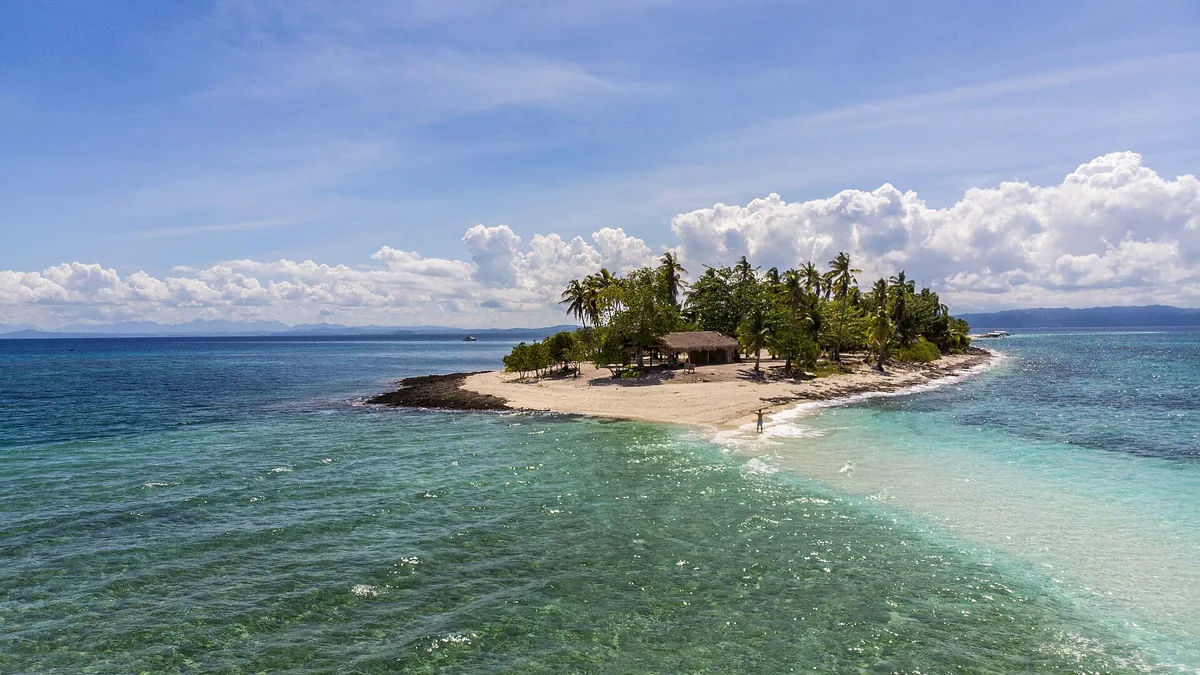
Some islands you visit. Kalanggaman you camp on, wake up on, and watch the tide redraw at dawn. Tucked in the Camotes Sea off the northern tip of Leyte, this slim ribbon of white sand is famous for one thing: a long, curving twin sandbar that stretches off both ends of the island into impossibly clear water. By day it fills with boats; the magic happens when the day-trippers leave and a handful of campers have the whole place almost to themselves. Here is how to do an honest, no-frills overnight on the Philippines' most photogenic sandbar.
Hotels in Malapascua
Compare live prices via Travelpayouts — targeted for this guide.
Why Kalanggaman is worth the effort
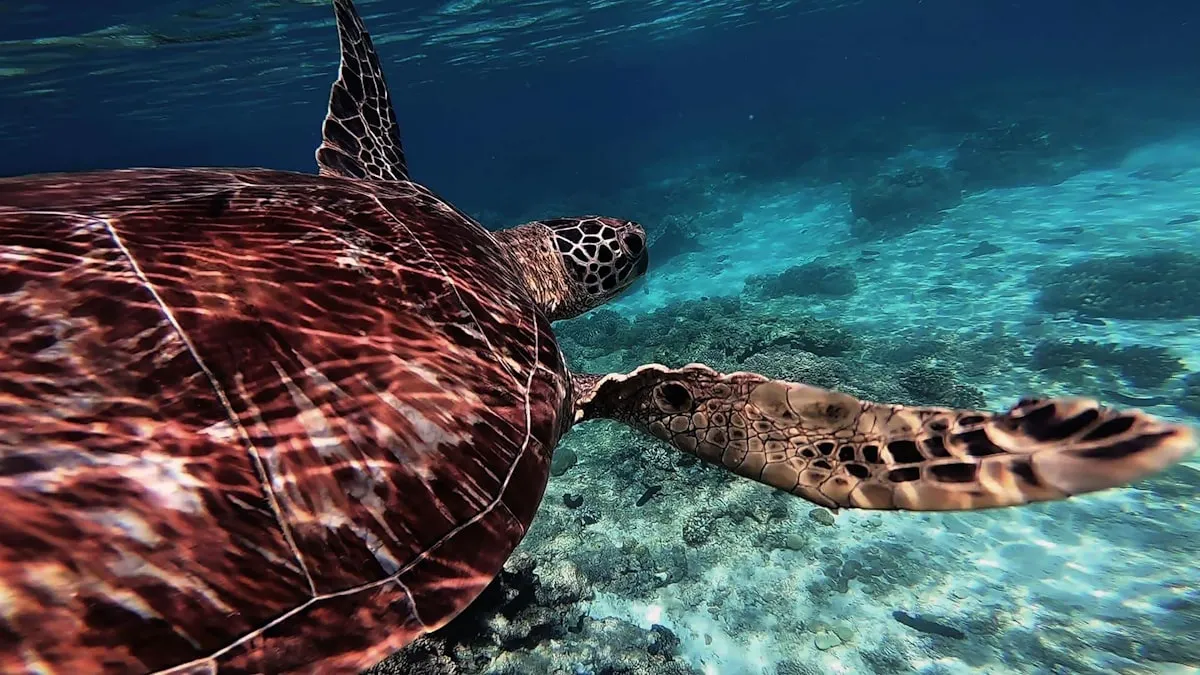
Kalanggaman (administered by the town of Palompon, Leyte) is barely a kilometer long, with no resort, no concrete, and no permanent residents. What it has instead is that signature sandbar that shifts shape with the tide, coconut palms for shade, and reef drop-offs on both sides that are excellent for snorkeling. There is no nightlife, no Wi-Fi, and patchy mobile signal at best. That is precisely the point. If you want pampering, this is not your island. If you want stars, a campfire glow, and sunrise on bare sand, it is hard to beat.
Getting there
There are two common gateways, and they suit different trips.
From Palompon, Leyte (the official jump-off)
Palompon runs the island as an eco-tourism site, so this is the cleanest, most regulated route. Fly into Tacloban (DTAP) from Manila or Cebu, then take a van or bus across Leyte to Palompon (roughly 3 to 4 hours). Register at the Palompon Eco-Tourism Office at the wharf, pay your fees, and ride a registered banca about 45 to 60 minutes to the island. Boat hire is arranged per pump boat (split the cost with your group), and overnight stays must be cleared with the office in advance. If you are weighing how to reach Leyte in the first place, our ferries vs flights comparison helps you decide.
Tours & activities in Malapascua
Hand-picked experiences in Malapascua — book on Trip.com with instant confirmation.
From Malapascua or Maya, Cebu
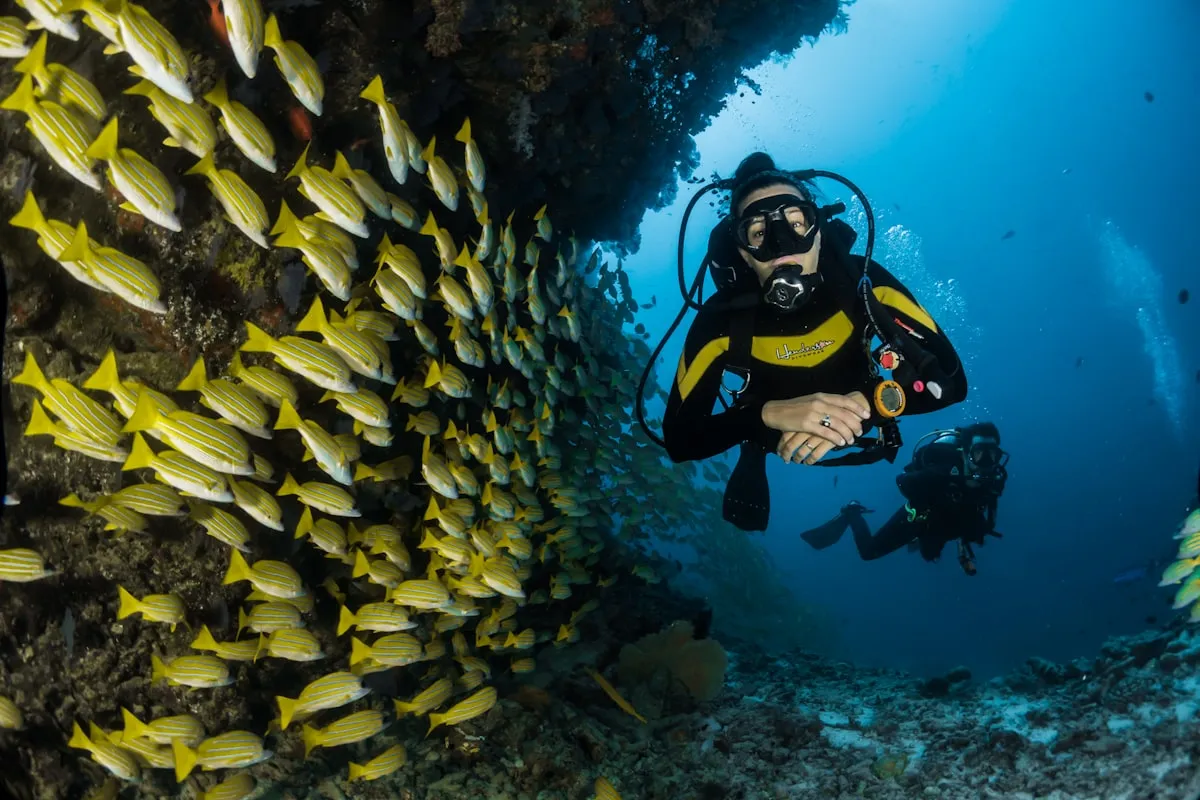
Many travelers tack Kalanggaman onto a Malapascua diving trip. Day-tour and camping boats run from Malapascua and from Maya port on northern Cebu, taking roughly 1.5 to 2 hours each way depending on the sea. It is scenic but more exposed to swell, so crossings get cancelled more often in bad weather. To reach this corner of Cebu, see how others arrive on our flights page and plan the long road north from Cebu City (around 4 to 5 hours to Maya).
Fees and what they cover
Prices change, so confirm with the Palompon office before you go, but budget along these lines:
- Entrance / environmental fee: around ₱225 per person for overnight stay (day-trip rates are lower, roughly ₱150).
- Tent / camping fee: around ₱150 to ₱300 per tent if you bring your own; rentals may be available but are limited.
- Cottage or table rental: roughly ₱300 and up for a shaded nipa cottage, useful for shelter and gear.
- Boat hire: the biggest variable. A round-trip pump boat from Palompon often runs into the low thousands of pesos per boat, so groups of 6 to 10 bring the per-head cost down sharply.
For a fuller breakdown of how island-hopping adds up, our trip costs guide is a useful sanity check before you commit.
What to bring
Kalanggaman is genuinely no-frills. There are basic toilets and small sari-sari-style stalls selling water, soft drinks, and grilled food when vendors are present, but you should arrive self-sufficient. Pack:
- A free-standing tent, sleeping mat, and a light sheet or sarong (nights are warm but breezy).
- All your drinking water plus extra for rinsing; fresh water is scarce and pricey on the island.
- Food you can cook simply, or pre-cooked meals; some campers buy fish or chicken to grill, so bring charcoal if you want a fire.
- A power bank, headlamp or lantern, and trash bags. Strict leave-no-trace rules apply: you carry out everything you carry in.
- Reef-safe sunscreen, a rash guard, and snorkel gear; the shade thins out at midday and the reef rewards anyone who brings a mask.
- Cash. There are no ATMs, and fees are settled in pesos at the wharf.
The overnight experience
Aim to arrive mid to late afternoon, once the day-trip boats start clearing out. Set up your tent under the palms toward the island's center, away from the high-tide line, then walk the sandbar in the soft evening light when the crowds are gone. After dark the sky opens up; with no light pollution, the Milky Way is often visible. Sunrise is the reward for camping, when the sandbar emerges glassy and empty and the water glows pale turquoise before the first boats reappear. Mornings are also the calmest time to snorkel the drop-off.
Honest caveats and timing
This is open-sea travel on small boats, so weather rules everything. The Philippine typhoon season (roughly June to November) brings rough crossings and frequent cancellations, and the eco-tourism office will suspend trips when seas are unsafe. The driest, calmest window is generally March to May, though it is also the busiest and hottest. Always build a buffer day into your plan in case a crossing is scrubbed, and check conditions on our weather page before locking in dates. For the bigger seasonal picture across the country, see our guide to the best time to visit the Philippines.
Final tips
Book your overnight slot through the Palompon office ahead of time, especially on weekends and holidays, since the island caps visitor numbers to protect the sand and reef. Travel light, respect the leave-no-trace rules, and treat the boat schedule as a suggestion rather than a guarantee. Do that, and Kalanggaman delivers one of the most rewarding low-cost adventures in the Visayas: a night on a sandbar, a sky full of stars, and a sunrise you will not stop talking about. For more island ideas to pair with it, browse our destination guides and start mapping your route.

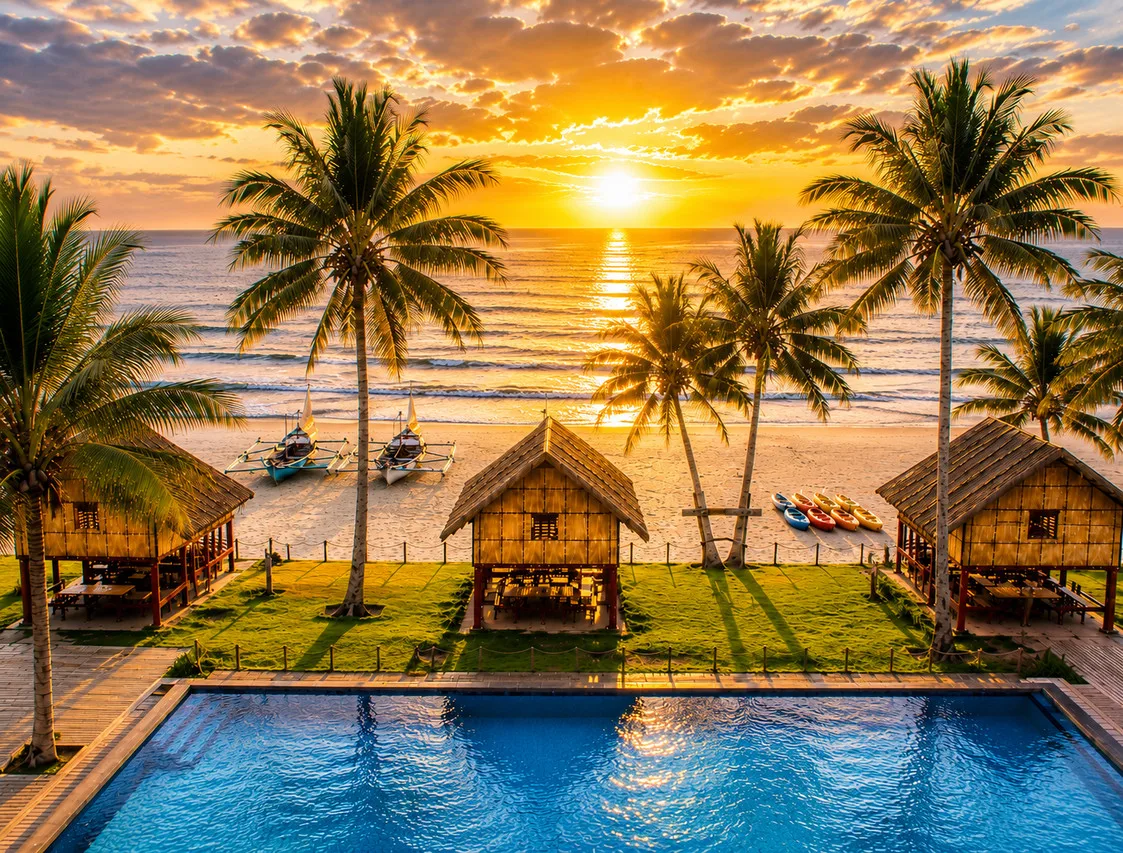
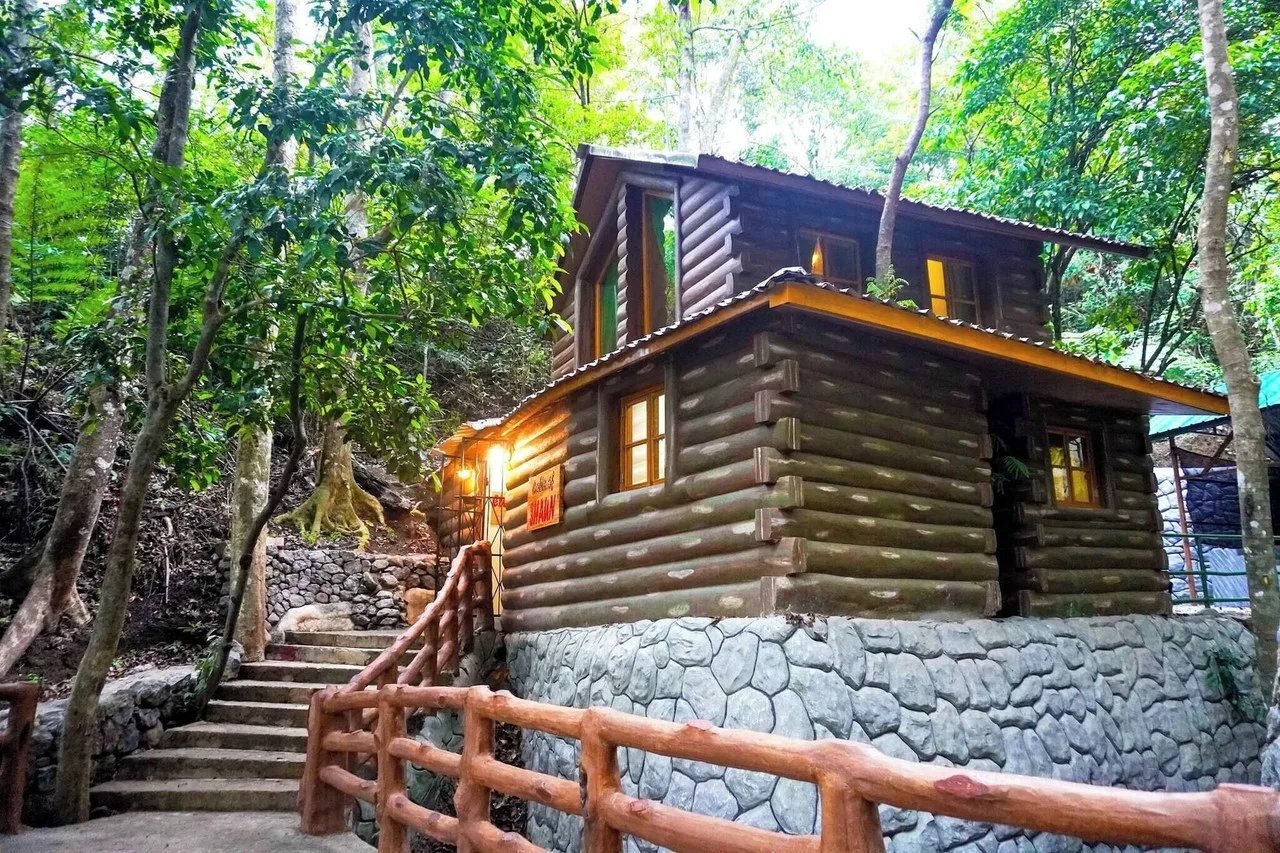
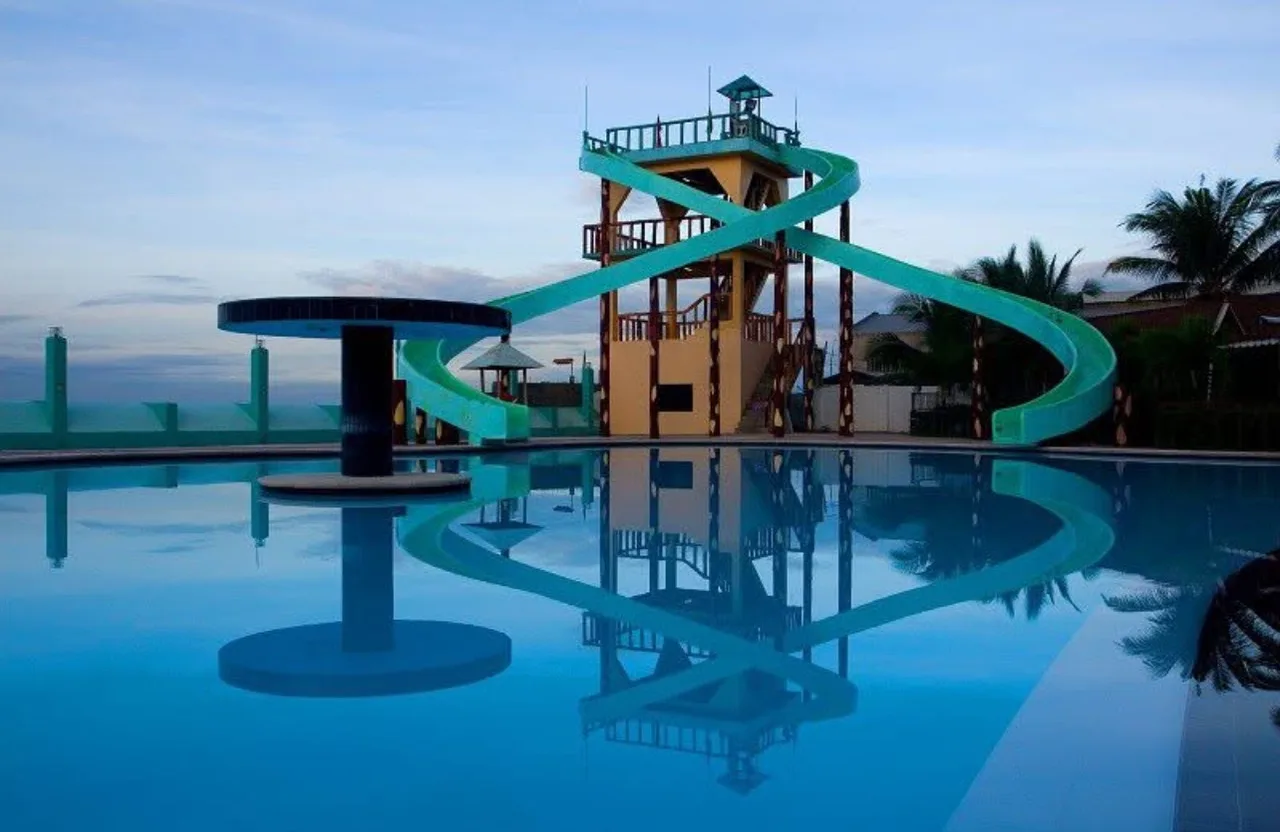
Real local stays (book direct)
Hand-picked homestays and guesthouses — book direct, no markup.
Popular activities (book instantly)
Island hopping, canyoneering, whale sharks — real Klook/GetYourGuide options.
Plan your Philippines trip