The boat pulls away from a quiet jetty on Mactan's eastern shore just after breakfast, and within minutes the muddle of resort rooftops and reclamation cranes falls behind you. Ahead, the Camotes Sea opens out in bands of color you almost don't believe at first: bottle-green over seagrass, jade where the reef shelves up, and that impossible powder-blue over the sandbars. This is the classic Cebu day out, the one almost every visitor to Lapu-Lapu eventually does and almost nobody regrets. Three islands, a banca with bamboo outriggers, a grilled lunch eaten with your fingers, and a long, lazy stretch of Pandanon's white sandbar with nothing to do but float. It is touristy, yes, but for good reason: this little corner of the Visayas does turquoise water and warm hospitality about as well as anywhere on earth.
Mactan 3-Island Hopping with Pandanon Island & Lunch - Guide
Hotels in Philippines
Compare live prices via Travelpayouts — targeted for this guide.
Where you actually are: the geography of the Mactan channel
Mactan is a low, flat coral island just off the larger island of Cebu, joined to it by two bridges and home to Lapu-Lapu City, the international airport, and a long ribbon of beach resorts. Geologically it is a raised coral platform rather than a volcanic island, which is exactly why the snorkeling here works: the whole region sits on living and fossil reef. The islands you hop between lie scattered across the sheltered waters between Cebu, Bohol, and the smaller islands of the Olango group, a marine corridor flushed twice daily by tides that keep the water clear and the corals fed.
Those colors over the water are not a filter. They come from white carbonate sand (the ground-down skeletons of coral and shellfish) reflecting sunlight back up through shallow, sediment-free water. Where the bottom is sand, you get pale turquoise; where seagrass or reef grows, the water reads green or deep blue. Pandanon and the sandbars you visit are essentially banks of this coral sand piled up by currents, which is why their shape shifts a little year to year and why some bars only appear at low tide.
The three stops, one by one
Itineraries vary slightly by operator, but the spine of this trip is consistent: two snorkeling or sandbar stops closer to Mactan, then the long run out to Pandanon for lunch and beach time. Expect to be on the water most of the day.
Island hopping in Philippines
Hand-picked experiences in Philippines — book on Trip.com with instant confirmation.
The reef and sandbar stops near Mactan
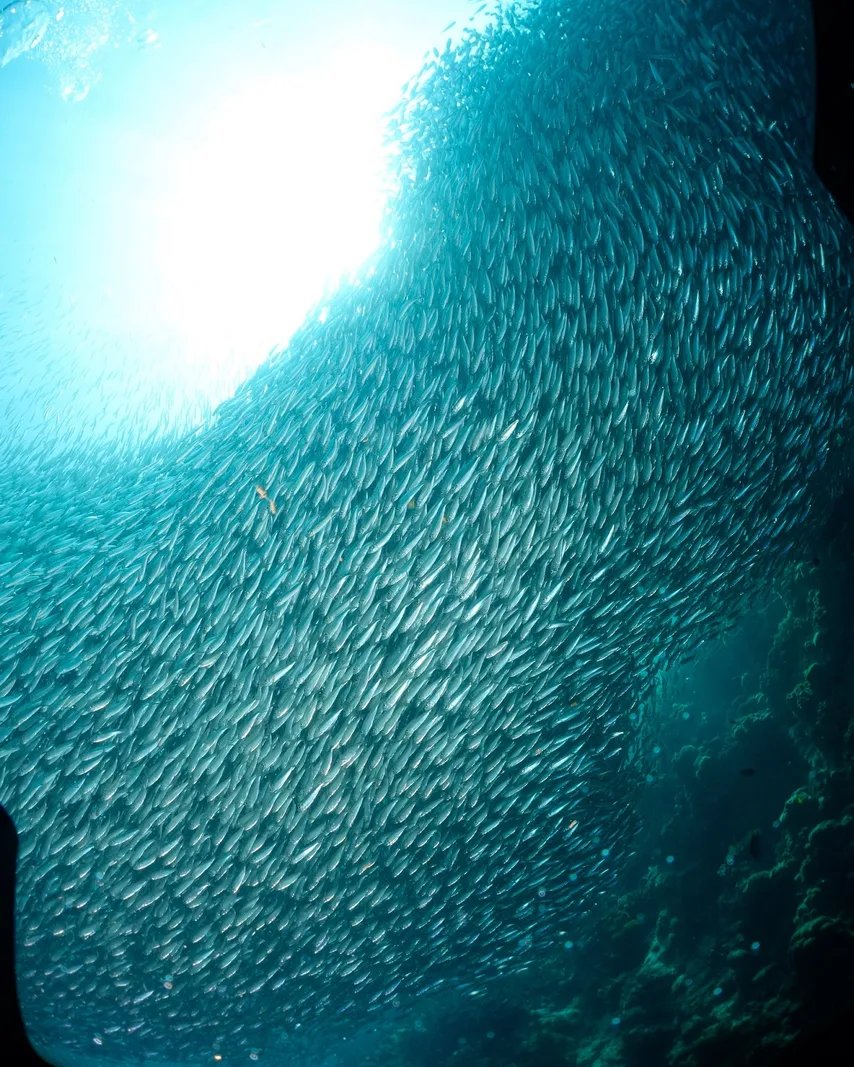
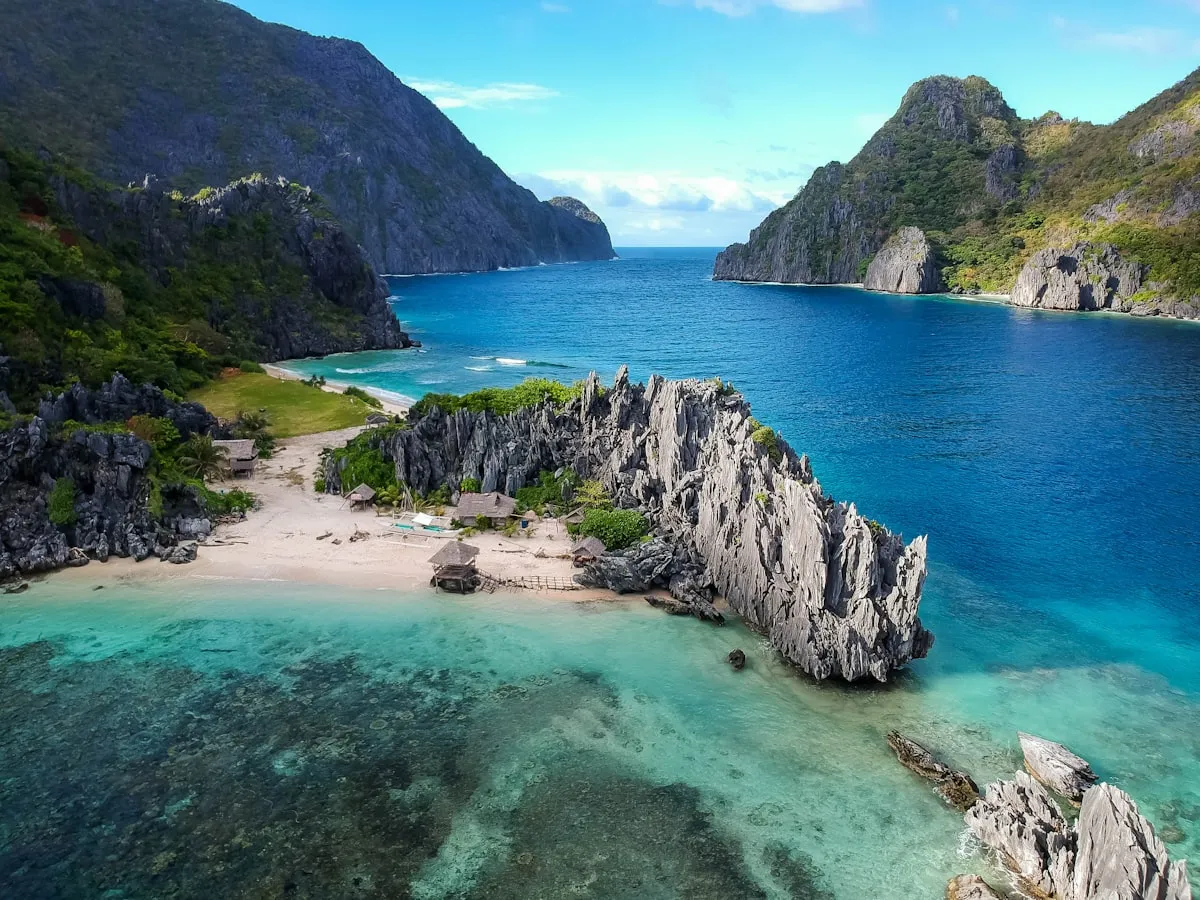
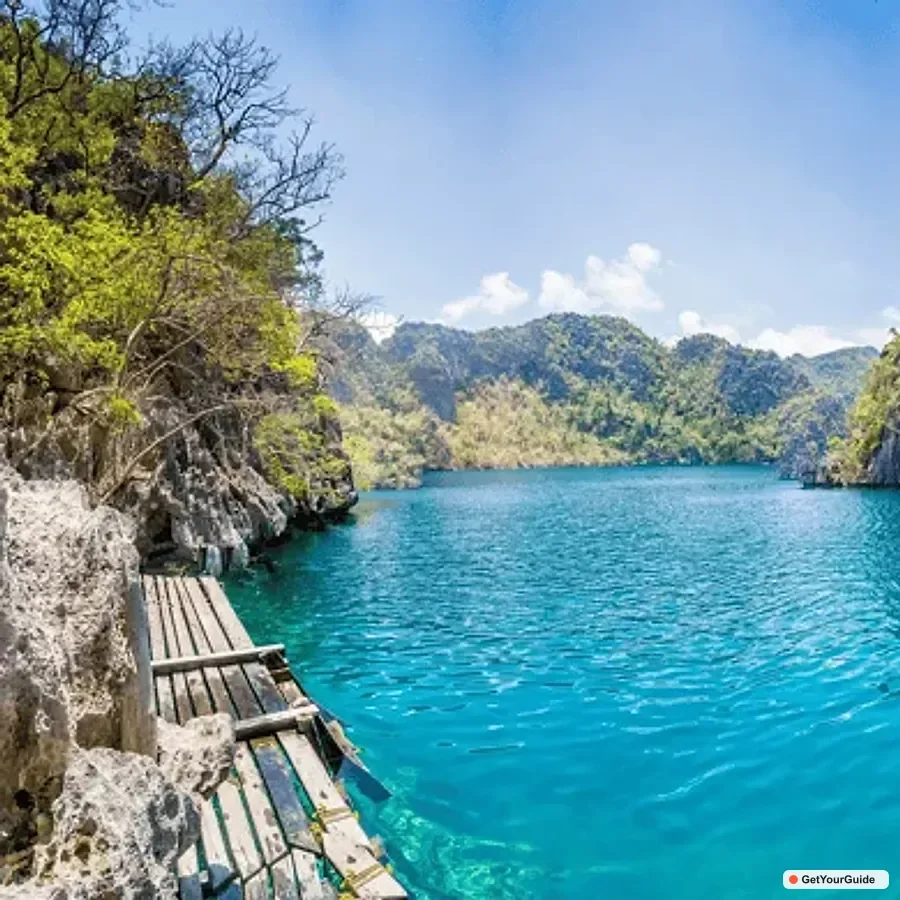
The first stops are usually short hops to a marine sanctuary or sandbar within the Mactan channel. Hilutungan Island, part of a protected marine sanctuary, and Nalusuan are common inclusions, along with shallow sandbars that surface as the tide drops. Here the boat anchors over a reef edge and you slip in with mask and fins. Even in chest-deep water you'll see clouds of damselfish and sergeant majors, the occasional clownfish nosing an anemone, and corals in browns, blues, and the odd flash of staghorn. Some sanctuaries charge a small entrance or conservation fee collected on the spot, which goes toward reef protection. The crew typically tosses an anchor line and lets you drift the reef wall, so a basic comfort in the water helps, though life vests are standard and non-swimmers can stay in the shallows.
Pandanon Island and its sandbar
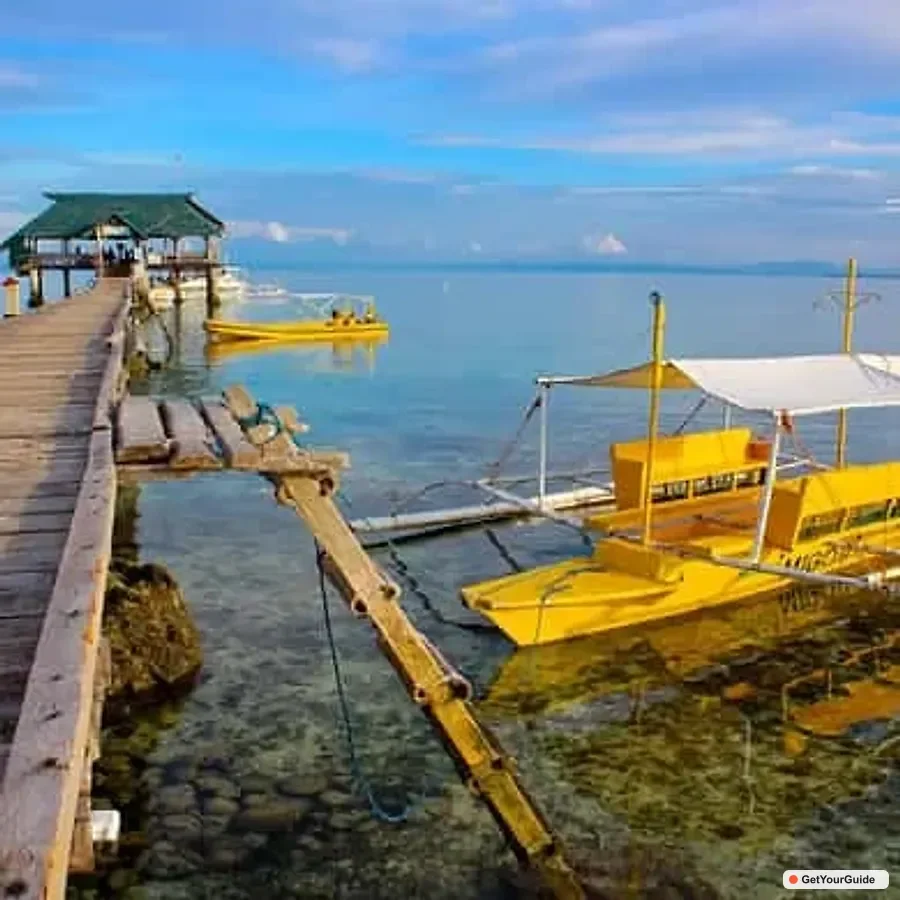
The headline stop is Pandanon, and it earns the billing. Pandanon actually sits within the territory of Getafe, Bohol, even though everyone reaches it from Cebu, so you're technically crossing into another province by sea. The island is small, low, and fringed by a long, curving white sandbar that reaches out into water so clear it looks lit from below. This is where lunch happens: typically grilled fish, chicken, or pork, rice, and fresh fruit, eaten at a shaded table or simply on the sand. After eating, the afternoon is yours to wade the sandbar, swim, and photograph the absurd gradient of blues. There is a small fishing community living on Pandanon, so you'll see real island life alongside the day-trippers, and a modest island fee usually applies.
Why this stretch of sea matters
This is not just a pretty backdrop. Lapu-Lapu, the city you depart from, is named for the chieftain who, in 1521, led the resistance that killed Ferdinand Magellan at the Battle of Mactan, an event still commemorated on the island and a genuine pivot point in the story of Spanish contact with the Philippines. You are sailing the same waters where that encounter happened.
Ecologically, the region is significant too. Nearby Olango Island holds one of the country's most important wetlands for migratory shorebirds, a designated wildlife sanctuary on the East Asian-Australasian flyway where tens of thousands of birds stop over each year. The reefs you snorkel are part of the Coral Triangle, the global center of marine biodiversity, which is why even a casual float reveals so much life. That richness is also fragile: warming seas, overfishing, and anchor and sunscreen damage all take a toll, which is exactly why the marine sanctuaries and their small fees exist. Choosing reef-safe sunscreen and keeping your fins off the coral is the simplest way to be a good guest here.
Practical tips from people who do this often
- Best time to go: The dry season, roughly December through May, brings the calmest seas and clearest water. March to May is hottest and busiest. The wetter months can mean choppier crossings and occasional cancellations for safety, so build in a flexible day.
- Go early: Morning departures get you the calmest water, the best light, and a head start before other boats reach Pandanon. The crossing to Pandanon is the longest leg, so an early start matters.
- What to bring: Reef-safe sunscreen, a rash guard or light long-sleeve top (the sun reflecting off water and sand is fierce), a hat, sunglasses, water shoes or sandals for coral fragments, a dry bag, and cash in small bills for island and sanctuary fees. Bring a towel and a change of clothes.
- What's typically included: Round-trip boat, a guide or crew, lunch, and often basic snorkel gear and life vests. Sanctuary entrance fees, environmental fees, and gear upgrades may be extra and paid locally. Confirm pickup details and whether your operator includes hotel transfers.
- How strenuous: Gentle. The hardest part is climbing in and out of a banca and walking on sand. Snorkeling is optional and done in shallow, calm water with vests, making it suitable for families and weak swimmers, though small children should be watched closely near the reef.
- Comfort notes: Bancas offer shade but the open sea can still be bumpy; if you're prone to seasickness, medicate before boarding. There is little to no shade on the sandbars, so reapply sunscreen and hydrate.
- Duration: Plan on a full day, commonly six to eight hours door to door, most of it on or beside the water.
A responsible, honest word
Island hopping is one of the more sustainable ways to enjoy this coast when it's done right: small boats, local crews, and fees that feed back into reef protection. The reefs are under real pressure, though, so resist the urge to touch coral, feed fish bread, or stand on anything living. Pack out everything you bring in; the same currents that built these dazzling sandbars also carry plastic straight onto them. Supporting the licensed local operators and the island communities of Pandanon keeps the benefit where it belongs.
The long way home
By mid-afternoon the boat turns back toward Mactan, sun-warmed and salt-crusted, with everyone a little quieter than they were in the morning. You'll watch the Bohol-side horizon slip away and the bridges of Lapu-Lapu rise back into view, and somewhere over that last green-blue stretch of water it lands on you just how much sea, history, and life is packed into one easy day trip. Three islands, one unforgettable sandbar, a lunch eaten with your toes in the sand. This is Cebu at its most generous.
Good to know before you book
- Duration: typically a full day (around 8 to 10 hours including transfers), though half-day and multi-day options exist - check the listing.
- Best for: couples, families and first-time visitors.
- What is included: the boat, life vests, snorkelling gear, a guide and usually lunch; island entrance and environmental fees may be paid locally.
- Pickup: most tours offer hotel or central pickup; confirm your point and time when booking.
- Book through: the GetYourGuide button on this page, which shows live availability and pricing.
Frequently asked questions
How long does the Mactan 3-Island Hopping with Pandanon Island & Lunch take?
Most departures run as a full day - roughly 8 to 10 hours including pickup, travel and the activities themselves - so plan to set aside the whole day. Some operators offer shorter or private versions; the exact timing for your date is shown when you book through the GetYourGuide button on this page.
What is included in the Mactan 3-Island Hopping with Pandanon Island & Lunch?
Typically the price covers the boat, life vests, snorkelling gear, a guide and usually lunch; island entrance and environmental fees may be paid locally. Inclusions vary by operator, so always read the specific listing - it spells out exactly what is provided and what you pay for separately, such as entrance or environmental fees.
What should I bring?
Pack swimwear, reef-safe sunscreen, a hat, a towel, water shoes for rocky landings and a waterproof pouch for your phone. It is also worth carrying some cash for local fees, drinks and tips, plus any personal medication, since card facilities can be limited outside the cities.
Is the Mactan 3-Island Hopping with Pandanon Island & Lunch suitable for beginners or families?
It is suitable for almost everyone, including families and non-swimmers, thanks to life vests and calm, sheltered water at most stops. There is plenty of time to simply relax on the sand. If you have specific concerns about age, fitness or swimming ability, message the operator before booking - they can advise on the best option for your group.
When is the best time to do this tour?
The best conditions are usually the dry season from roughly November to May. That said, the Philippines is a year-round destination, and many of these experiences run in any season - just expect the occasional shower and check the forecast for the day.
How do I get to Lapu?
To reach Lapu, travel to Lapu by the nearest airport or ferry and continue by road. Many tours include transfers from nearby towns or hotels, so confirm your pickup arrangement when you book so the day runs smoothly from the start.
Do I need to book the Mactan 3-Island Hopping with Pandanon Island & Lunch in advance?
Yes - booking ahead is strongly recommended, especially in the dry-season peak and on weekends, when popular tours and the best operators sell out. Reserving online also locks in your spot and lets you compare timings and inclusions easily.
How much does the Mactan 3-Island Hopping with Pandanon Island & Lunch cost?
Prices vary with the season, group size and exactly what is included, so we do not list a fixed figure here. Tap the GetYourGuide button on this page to see the current, accurate price and availability for your chosen date.
Can I do the Mactan 3-Island Hopping with Pandanon Island & Lunch as a private or customised tour?
Many operators offer a private version of this experience for couples, families or small groups who want a flexible pace and a guide to themselves, and some can tailor the route or add stops. If a private or custom option matters to you, check the listing or message the operator before booking, as availability and prices differ from the standard shared tour.
Ready to explore Lapu?
From planning to the moment you arrive, the Mactan 3-Island Hopping with Pandanon Island & Lunch is one of the most rewarding ways to experience this corner of the Philippines - and booking it is simple. Use the GetYourGuide button on this page to check live availability, compare timings and secure your spot, then turn up and let the local guides handle the rest while you focus on the views, the water and the memories.

PANA.PH Editorial Team
Philippines travel desk
The PANA.PH travel desk researches, books and re-checks Philippines travel logistics — fares, ferry schedules, government fees and permit rules — and publishes what it can verify.
🏡 Real local stays (book direct)
Hand-picked homestays and guesthouses — book direct, no markup.
Browse all local stays →

🌊 Popular activities (book instantly)
Island hopping, canyoneering, whale sharks — real Klook/GetYourGuide options.
View all activities →