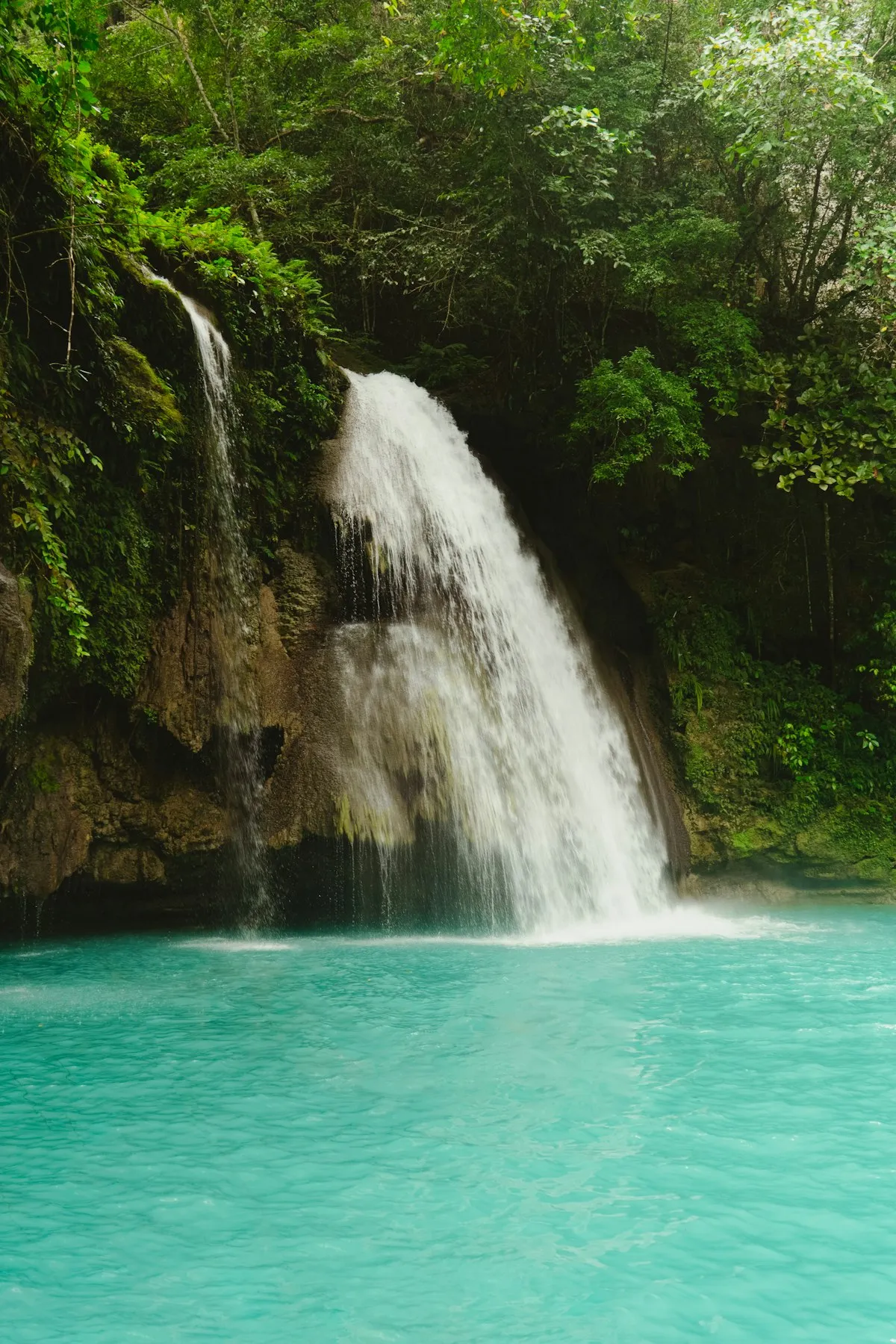
There is a moment, somewhere along the Matutinao River, when the water changes from forest-shadow green to a blue so unreal it looks edited. You are standing on a warm limestone ledge, gorge walls rising on either side, a guide in a helmet pointing at a pool below and grinning. He says jump. And you do. That single leap, into water the color of crushed turquoise, is the heartbeat of Kawasan Falls canyoneering in Badian, Cebu, and it is the reason this stretch of southern Cebu has become one of the most beloved adventure days in the Philippines.
Kawasan Falls Canyoneering with Exclusive Lunch - Guide
Trip.com
Search on Trip.comHotels in Philippines
Compare live prices via Travelpayouts — targeted for this guide.
This is not a sightseeing tour where you admire a waterfall from a railing. You travel down the canyon itself, through it, descending the river from its upper reaches all the way to the famous tiered falls. You scramble over boulders, slide down natural rock chutes, swim through emerald pools, and jump from cliffs of varying heights into water deep enough to swallow the fall. The exclusive-lunch version of the trip caps the adventure with a proper hot meal afterward, so you finish wrung out, sun-warmed, and well fed rather than scrounging for snacks.
Why the water is that color: the geology of the canyon
Cebu is a long, narrow island built largely of uplifted limestone, the compressed skeletons of ancient coral reefs that were pushed above sea level over millions of years. The Matutinao River runs through this soft, soluble rock, and over time the slightly acidic freshwater has carved a steep gorge, dissolving channels, smoothing chutes, and hollowing out the deep plunge pools you jump into.
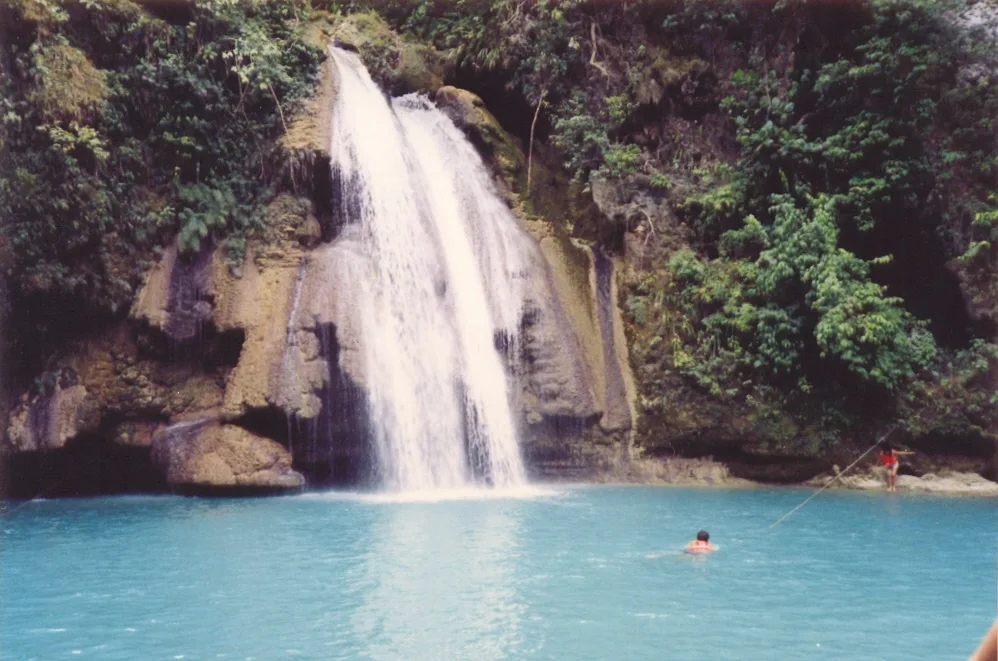
That extraordinary blue is not dye and not a trick of the camera. The river is fed by springs filtered through the limestone, so the water is exceptionally clear and rich in dissolved minerals, especially calcium carbonate. Fine particles of this mineral stay suspended in the water and scatter sunlight, throwing back the blue and green end of the spectrum. The same chemistry builds the gentle natural dams and tiered ledges you see at Kawasan Falls itself, where dissolved limestone slowly redeposits as travertine, the pale rock that forms those scalloped, terrace-like lips the water pours over. In short: the geology that makes the rock soft enough to carve a canyon is the very same geology that paints the water turquoise.
Trip.com
See all tours in Philippines on Trip.comCanyoneering in Philippines
Hand-picked experiences in Philippines — book on Trip.com with instant confirmation.
What you actually do, stop by stop
The day usually begins inland, above the falls, near the village of Kanlaob, where you gear up with a helmet, life vest, and sturdy footwear. After a short briefing on jumping technique and safety signals, you enter the river and start moving downstream. From there the canyon dictates the rhythm.
- The jumps. This is the headline. You encounter a sequence of cliff jumps as you descend, ranging from gentle drops of a couple of meters up to higher leaps in the region of ten to twelve meters. Crucially, almost every jump has a walk-around or climb-down option, so you choose your own ceiling. Guides go first to show the exact spot to aim for.
- Slides and chutes. Where the rock has worn smooth, the river becomes a natural waterslide. You sit, let go, and shoot down polished limestone into the next pool.
- Swims and scrambles. Between drops you swim across long blue pools, wade shallows, and clamber over boulders. The current does a lot of the work; you are essentially traveling with the river rather than against it.
- The arrival at Kawasan. The route delivers you to Kawasan Falls, a multi-tiered cascade tumbling into wide, milky-blue basins. After hours inside a tight gorge, emerging at the open, postcard-famous falls feels like a reward.
Why it matters: community, conservation, and a homegrown adventure
Kawasan canyoneering is a genuinely local success story. The activity is run largely by accredited guides drawn from the surrounding Badian and Alegria communities, and the trade has become a meaningful source of income for families who once had few options beyond farming and fishing. When you go with a licensed operator, you are putting money directly into the local economy and supporting people who know every rock and current in that gorge intimately.
It also matters for the river. The canyon is a living ecosystem, and the same crowds that make the activity viable can strain it. Responsible guides keep group sizes managed, discourage littering, and protect the fragile travertine formations. As a guest, the most useful things you can do are simple: take every scrap of trash back out with you, avoid sunscreens and lotions that wash off into the pools, never break or carve the rock, and listen to your guide rather than freelancing your own jumps. The gorge stays beautiful only if visitors treat it as something borrowed.
Practical tips from people who have done it
How hard is it?
Moderately strenuous. You do not need to be an athlete, but you should be a confident swimmer and reasonably comfortable in water, because there are stretches you cannot avoid swimming. There is also a fair amount of clambering over slippery rock. People with knee, back, or heart issues should think carefully, and it is not suitable for very young children or non-swimmers.
When to go
Cebu's drier months, roughly from around December through May, generally offer the most reliable conditions and the bluest water. The rainy season can raise river levels and, after heavy rain, operators may pause trips for safety, because flash flooding in a canyon is the real danger here. Always defer to your guide if they call off or alter the route; that judgment is exactly what you are paying for. Going early in the morning also means thinner crowds and softer light.
What to wear and bring
- Quick-dry clothing or a swimsuit with a rash guard. Avoid anything cotton and heavy.
- Secure footwear with grip, such as sturdy sandals with heel straps or old trainers. Flip-flops will not survive.
- A waterproof pouch or action camera with a wrist strap; phones get lost in these pools constantly. Many operators offer a guide who shoots photos and video of your jumps.
- Reef-safe sunscreen, applied sparingly, and a small dry bag for valuables.
Duration and what is usually included
The in-water canyoneering portion commonly runs around two to three hours, with the full outing, including transfers, gearing up, and lunch, often filling a half to most of a day. This exclusive-lunch package typically bundles your gear, accredited local guides, the various trekking and environmental fees, and a hot meal at the end, so you are not juggling cash at every checkpoint or hunting for food after a tiring morning.
A word before you jump
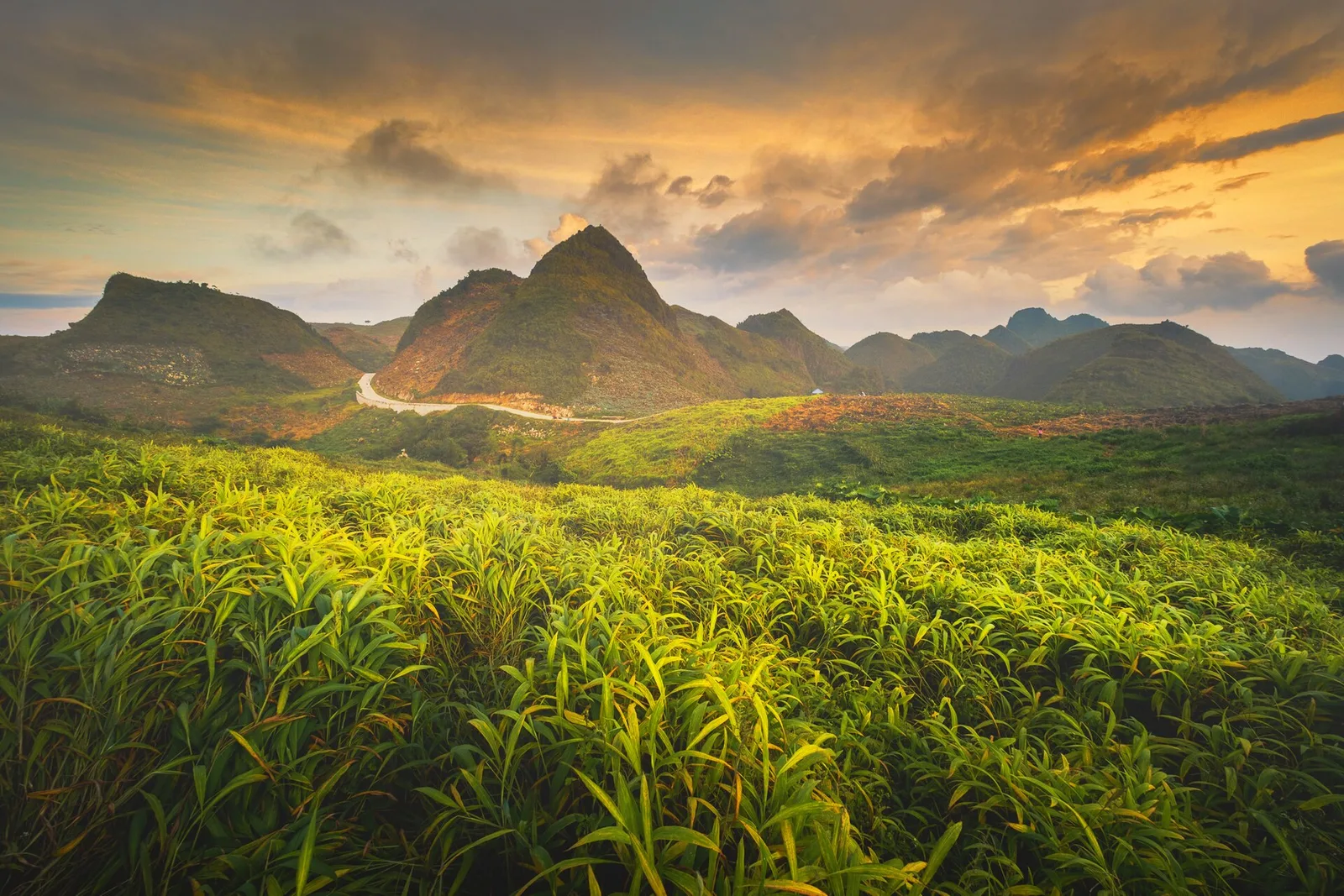
What stays with most people is not any single cliff jump but the cumulative joy of it, the way fear flips into laughter the instant you hit the water, the cool of the gorge after the heat of the trail, the absurd blue of every pool. Kawasan Falls canyoneering is the rare adventure that genuinely delivers on the photos, and doing it with a proper lunch waiting means you can throw yourself into the day completely. Trust your guides, respect the river, jump only as high as you truly want to, and let southern Cebu show you why this turquoise canyon has become legendary.
Good to know before you book
- Duration: typically a full day (around 8 to 10 hours including transfers), though half-day and multi-day options exist - check the listing.
- Best for: active travellers, couples and friends.
- What is included: a local guide, safety gear (helmet and life vest), entrance fees and usually transfers; lunch is often included or available nearby.
- Pickup: most tours offer hotel or central pickup; confirm your point and time when booking.
- Book through: the GetYourGuide button on this page, which shows live availability and pricing.
Frequently asked questions
How long does the Kawasan Falls Canyoneering with Exclusive Lunch take?
Most departures run as a full day - roughly 8 to 10 hours including pickup, travel and the activities themselves - so plan to set aside the whole day. Some operators offer shorter or private versions; the exact timing for your date is shown when you book through the GetYourGuide button on this page.
What is included in the Kawasan Falls Canyoneering with Exclusive Lunch?
Typically the price covers a local guide, safety gear (helmet and life vest), entrance fees and usually transfers; lunch is often included or available nearby. Inclusions vary by operator, so always read the specific listing - it spells out exactly what is provided and what you pay for separately, such as entrance or environmental fees.
What should I bring?
Pack quick-dry clothes, secure water shoes or sandals with grip, reef-safe sunscreen and a floating or waterproof camera. Helmets and life vests are provided and must be worn. It is also worth carrying some cash for local fees, drinks and tips, plus any personal medication, since card facilities can be limited outside the cities.
Is the Kawasan Falls Canyoneering with Exclusive Lunch suitable for beginners or families?
It suits reasonably fit travellers who can swim and are comfortable in moving water; every cliff jump has a lower, optional alternative, so you set your own intensity. It is not designed for non-swimmers or very young children. If you have specific concerns about age, fitness or swimming ability, message the operator before booking - they can advise on the best option for your group.
When is the best time to do this tour?
The best conditions are usually the dry months of December to May, with calm seas for snorkelling and diving. That said, the Philippines is a year-round destination, and many of these experiences run in any season - just expect the occasional shower and check the forecast for the day.
How do I get to Badian?
To reach Badian, fly into Mactan-Cebu International Airport, then drive south (about 3 to 4 hours to the southwest coast). Many tours include transfers from nearby towns or hotels, so confirm your pickup arrangement when you book so the day runs smoothly from the start.
Do I need to book the Kawasan Falls Canyoneering with Exclusive Lunch in advance?
Yes - booking ahead is strongly recommended, especially in the dry-season peak and on weekends, when popular tours and the best operators sell out. Reserving online also locks in your spot and lets you compare timings and inclusions easily.
How much does the Kawasan Falls Canyoneering with Exclusive Lunch cost?
Prices vary with the season, group size and exactly what is included, so we do not list a fixed figure here. Tap the GetYourGuide button on this page to see the current, accurate price and availability for your chosen date.
Can I do the Kawasan Falls Canyoneering with Exclusive Lunch as a private or customised tour?
Many operators offer a private version of this experience for couples, families or small groups who want a flexible pace and a guide to themselves, and some can tailor the route or add stops. If a private or custom option matters to you, check the listing or message the operator before booking, as availability and prices differ from the standard shared tour.
Ready to explore Badian?
From planning to the moment you arrive, the Kawasan Falls Canyoneering with Exclusive Lunch is one of the most rewarding ways to experience this corner of the Philippines - and booking it is simple. Use the GetYourGuide button on this page to check live availability, compare timings and secure your spot, then turn up and let the local guides handle the rest while you focus on the views, the water and the memories.

PANA.PH Editorial Team
Philippines travel desk
The PANA.PH travel desk researches, books and re-checks Philippines travel logistics — fares, ferry schedules, government fees and permit rules — and publishes what it can verify.
🏡 Real local stays (book direct)
Hand-picked homestays and guesthouses — book direct, no markup.
Browse all local stays →

🌊 Popular activities (book instantly)
Island hopping, canyoneering, whale sharks — real Klook/GetYourGuide options.
View all activities →