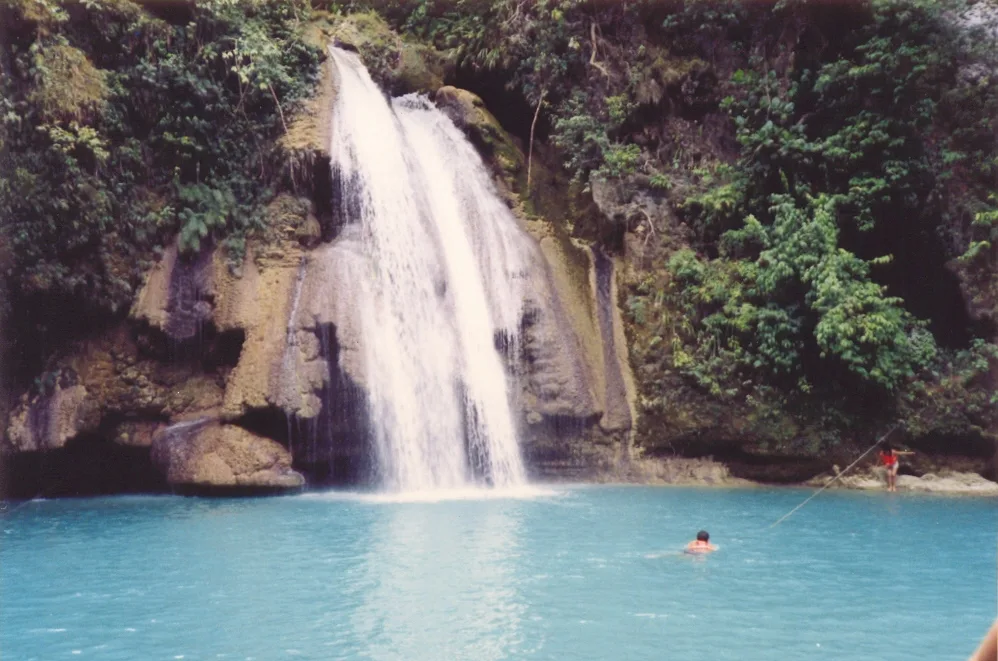
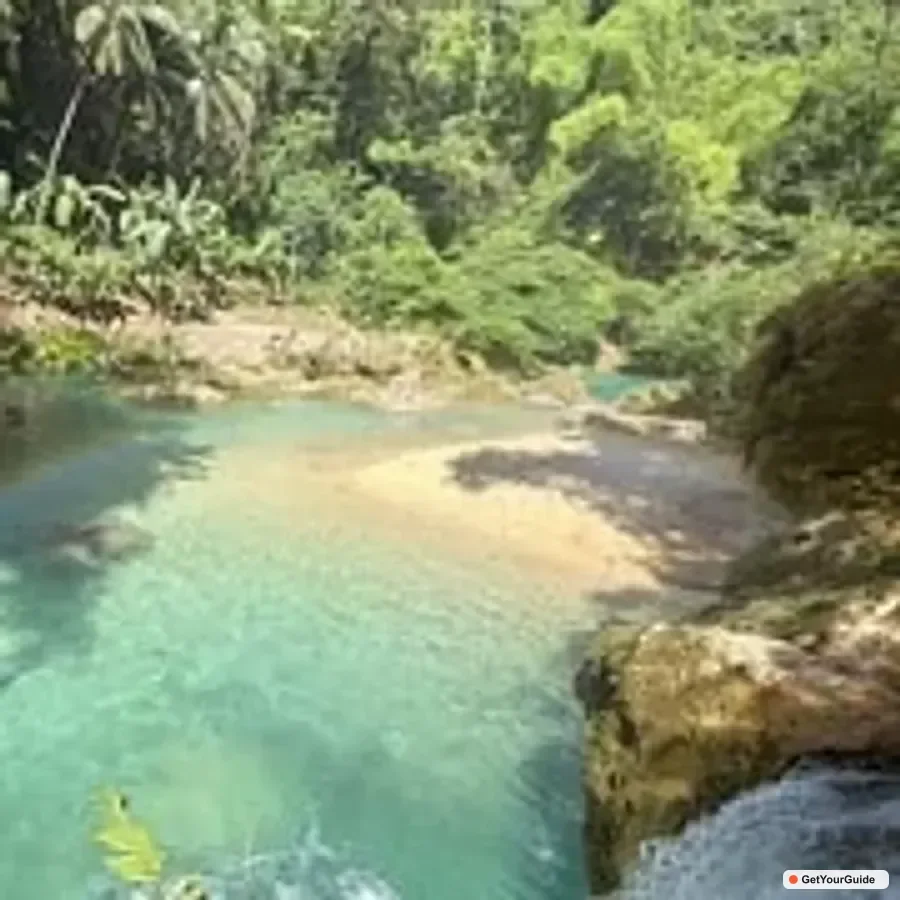
There is a moment, somewhere on the trail down into the Badian gorge, when the ordinary world drops away and the river takes over. The jungle closes overhead, the air turns cool and damp, and the first thing you notice is the color of the water below: a luminous, almost unreal turquoise, the kind of blue you assume must be filtered or edited until you are standing knee-deep in it. This is the start of the Kawasan canyoneering adventure, the most famous half-day of adrenaline in all of Cebu, and arguably in the whole Philippines. By the end of it you will have jumped from cliffs, slid down natural rock chutes, swum through narrow chasms, and floated out beneath the tiered cascades of Kawasan Falls with a paper plate of grilled chicken and rice in your hands. It is wet, wild, a little terrifying, and completely unforgettable.
Kawasan Canyoneering Adventure with Lunch - Guide
Hotels in Philippines
Compare live prices via Travelpayouts — targeted for this guide.
Where you are: the river that carved the canyon
Kawasan Falls sits inland from the small coastal town of Badian, on the southwestern flank of Cebu island, roughly three hours by road from Cebu City. The falls and the canyon are fed by the Matutinao River, a spring-fed waterway whose source emerges from the limestone hills of the Cebu interior. That limestone is the whole story here. Cebu is built largely of uplifted coral reef and marine limestone, laid down over millions of years when this land lay beneath a shallow tropical sea. As the island rose, slightly acidic rainwater and the river slowly dissolved and cut through the soft carbonate rock, sculpting the deep, narrow gorge you canyoneer through today.
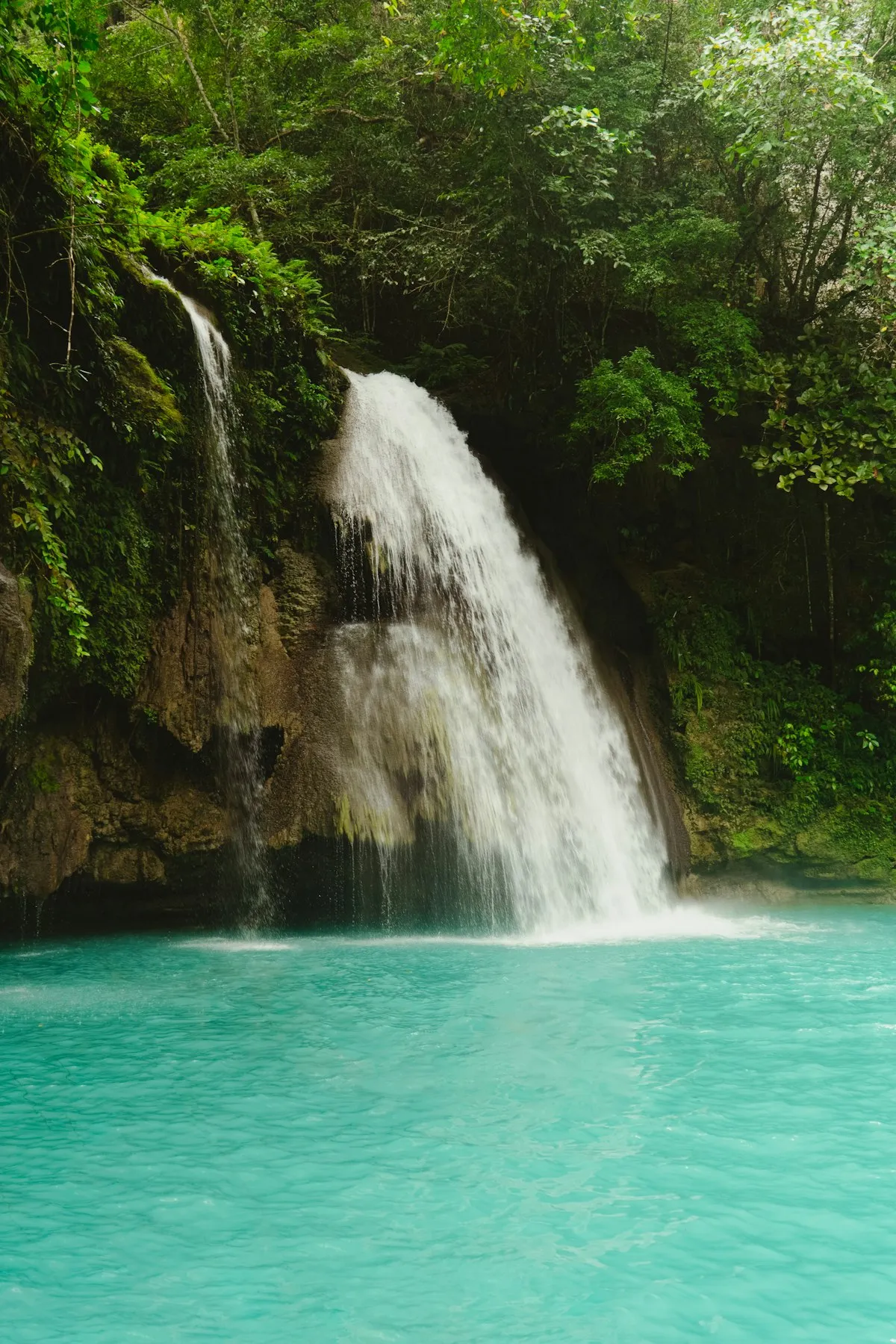
The river's astonishing blue is not a trick. As water percolates through limestone it picks up dissolved calcium carbonate, and the fine suspended mineral particles scatter sunlight toward the blue-green end of the spectrum, giving the pools that milky aquamarine glow. The same geology shapes the famous falls: Kawasan tumbles in a series of tiers, the broad main drop spilling into a wide swimming basin, with smaller cascades stepping up the canyon above it. The smooth, sculpted rock chutes you slide down were not built by anyone; they are the polished work of the river itself, grinding stone with water and gravel over countless years.
What you actually do, stop by stop
Most tours begin with an early pickup, because the drive south from Cebu City or the Mactan and Cebu City hotels takes a few hours, and the river is best in the calmer morning light before the afternoon crowds build. You will typically start near Canlaob, in the uplands above the gorge, where the operators have you suit up.
Canyoneering in Philippines
Hand-picked experiences in Philippines — book on Trip.com with instant confirmation.
Gearing up
At the staging area you are fitted with a life vest and a helmet, the two pieces of equipment that make this safe for people who are not athletes. Reputable operators give a short safety briefing, ask about your swimming ability, and assign you a licensed local guide. From there it is a short trek to the put-in point where you meet the water.
The descent through the canyon
The adventure is essentially a journey downstream, working your way from the upper river toward Kawasan Falls below. Along the way you face a sequence of challenges, and almost all of them are optional, with a walk-around or lower alternative for anyone who wants it:
- Cliff jumps of varying heights, from gentle splashes of a couple of meters up to bigger drops in the range of around three to twelve meters, depending on the route and water level. You can almost always choose a lower ledge.
- Natural rock slides, where the river has polished the limestone into smooth chutes you ride down into deep pools.
- Swims and floats through narrow, high-walled sections where the canyon pinches in and the water runs clear and cool.
- Scrambles and short walks over boulders and ledges between the swimming sections.
Your guide goes first at every jump, reads the water depth, and tells you exactly where to leap and where not to. This is not improvisation; the popular jumps are well known and the depths are checked. The whole in-water experience usually runs a few hours, and it ends in a swelling sense of arrival as you reach the lowest cascades and the broad blue basin of Kawasan Falls itself.
Lunch at the falls
The "with lunch" part is more than a footnote. After hours in cool water you arrive ravenous, and most packages include a simple, satisfying Filipino buffet, typically grilled chicken, pork, rice, vegetables, and fruit, served near the falls. You eat in your damp swimwear, surrounded by the roar of falling water, often beneath the bamboo rafts that float guests right up under the main cascade. It is one of those meals that tastes better than any fine-dining equivalent simply because of where and how you earned it.
Why it matters: a local industry built on a river
Canyoneering at Kawasan grew from a small local secret into one of Cebu's signature experiences over the past decade or so, and that growth has had real consequences. The activity is now a major source of livelihood for Badian families, who work as guides, drivers, cooks, and equipment staff. Going with a licensed, well-reviewed operator matters: trained guides know the safe jump points and water conditions, and they are the difference between a thrilling day and a dangerous one. Flash floods are the genuine hazard here, since a narrow limestone canyon can fill fast after heavy upstream rain, which is exactly why guides monitor weather and why the activity is sometimes suspended during storms. Treat any suspension as wisdom, not bad luck.
Responsible travel also means caring for the river that makes all this possible. Carry nothing disposable into the canyon, leave no trash, use reef-and-river-safe sunscreen or simply cover up, and resist the urge to touch or break the rock formations. The turquoise water is fragile; pollution and crowding upstream directly dull the color that draws everyone here.
Practical tips from the trail
- How strenuous is it? Moderately demanding. You do not need to be an athlete, but you must be a confident swimmer and comfortable in moving water, since some sections require you to swim and float through pools regardless of how many jumps you skip.
- Best time to go: The dry season, roughly from around December to May, brings clearer, calmer water and lower flash-flood risk. The wet months can mean stronger currents and weather-related closures. Go early in the day to beat both the crowds and the afternoon rain.
- What to wear and bring: Sturdy water shoes or strapped sandals with grip are essential; do not do this in flip-flops or barefoot. Wear quick-dry clothing or a rash guard over swimwear for sun and scrape protection. Bring a small waterproof bag or rely on the operator's dry-bag service for your phone and valuables, since you will be fully submerged repeatedly.
- What is typically included: Round-trip transport from Cebu City or Mactan, life vest, helmet, a licensed local guide, environmental and entrance fees, and the lunch buffet. A GoPro or action camera with a wrist strap is the only way to capture it, since you cannot hold a regular phone through the jumps.
- Duration: The in-water canyoneering itself usually runs a few hours, but with the long drive each way from the city, plan for a full-day outing from early morning to evening.
- Safety honesty: Listen to your guide without negotiating. If they say a jump is closed today or the water is too high, that decision is keeping you alive. People have been hurt ignoring guidance, and the canyon is not the place to prove anything.
The long climb back up
When it is over, you walk out past the lower falls and back toward the road, legs pleasantly heavy, skin tingling from the cold spring water, head full of that particular high that comes from doing something genuinely a little brave. Kawasan canyoneering is loud, wet, social, and thrilling, but underneath the adrenaline it is really an introduction to one of the most beautiful river systems in the Philippines, carved patiently out of ancient coral stone. You came for the jumps. You leave remembering the color of the water, and the taste of grilled chicken eaten barefoot beside a waterfall.
Good to know before you book
- Duration: typically a full day (around 8 to 10 hours including transfers), though half-day and multi-day options exist - check the listing.
- Best for: active travellers, couples and friends.
- What is included: a local guide, safety gear (helmet and life vest), entrance fees and usually transfers; lunch is often included or available nearby.
- Pickup: most tours offer hotel or central pickup; confirm your point and time when booking.
- Book through: the GetYourGuide button on this page, which shows live availability and pricing.
Frequently asked questions
How long does the Kawasan Canyoneering Adventure with Lunch take?
Most departures run as a full day - roughly 8 to 10 hours including pickup, travel and the activities themselves - so plan to set aside the whole day. Some operators offer shorter or private versions; the exact timing for your date is shown when you book through the GetYourGuide button on this page.
What is included in the Kawasan Canyoneering Adventure with Lunch?
Typically the price covers a local guide, safety gear (helmet and life vest), entrance fees and usually transfers; lunch is often included or available nearby. Inclusions vary by operator, so always read the specific listing - it spells out exactly what is provided and what you pay for separately, such as entrance or environmental fees.
What should I bring?
Pack quick-dry clothes, secure water shoes or sandals with grip, reef-safe sunscreen and a floating or waterproof camera. Helmets and life vests are provided and must be worn. It is also worth carrying some cash for local fees, drinks and tips, plus any personal medication, since card facilities can be limited outside the cities.
Is the Kawasan Canyoneering Adventure with Lunch suitable for beginners or families?
It suits reasonably fit travellers who can swim and are comfortable in moving water; every cliff jump has a lower, optional alternative, so you set your own intensity. It is not designed for non-swimmers or very young children. If you have specific concerns about age, fitness or swimming ability, message the operator before booking - they can advise on the best option for your group.
When is the best time to do this tour?
The best conditions are usually the dry months of December to May, with calm seas for snorkelling and diving. That said, the Philippines is a year-round destination, and many of these experiences run in any season - just expect the occasional shower and check the forecast for the day.
How do I get to Badian?
To reach Badian, fly into Mactan-Cebu International Airport, then drive south (about 3 to 4 hours to the southwest coast). Many tours include transfers from nearby towns or hotels, so confirm your pickup arrangement when you book so the day runs smoothly from the start.
Do I need to book the Kawasan Canyoneering Adventure with Lunch in advance?
Yes - booking ahead is strongly recommended, especially in the dry-season peak and on weekends, when popular tours and the best operators sell out. Reserving online also locks in your spot and lets you compare timings and inclusions easily.
How much does the Kawasan Canyoneering Adventure with Lunch cost?
Prices vary with the season, group size and exactly what is included, so we do not list a fixed figure here. Tap the GetYourGuide button on this page to see the current, accurate price and availability for your chosen date.
Can I do the Kawasan Canyoneering Adventure with Lunch as a private or customised tour?
Many operators offer a private version of this experience for couples, families or small groups who want a flexible pace and a guide to themselves, and some can tailor the route or add stops. If a private or custom option matters to you, check the listing or message the operator before booking, as availability and prices differ from the standard shared tour.
Ready to explore Badian?
From planning to the moment you arrive, the Kawasan Canyoneering Adventure with Lunch is one of the most rewarding ways to experience this corner of the Philippines - and booking it is simple. Use the GetYourGuide button on this page to check live availability, compare timings and secure your spot, then turn up and let the local guides handle the rest while you focus on the views, the water and the memories.

PANA.PH Editorial Team
Philippines travel desk
The PANA.PH travel desk researches, books and re-checks Philippines travel logistics — fares, ferry schedules, government fees and permit rules — and publishes what it can verify.
🏡 Real local stays (book direct)
Hand-picked homestays and guesthouses — book direct, no markup.
Browse all local stays →

🌊 Popular activities (book instantly)
Island hopping, canyoneering, whale sharks — real Klook/GetYourGuide options.
View all activities →