The boat leaves Alona Beach while the sky is still the color of weak tea. It is barely past dawn, and that is the whole point. You are bundled into an outrigger banca with strangers who quickly stop being strangers, a flask of coffee somewhere underfoot, and the low diesel hum carrying you out across the Bohol Sea toward Balicasag. Twenty minutes in, the boatman cuts the engine. Everyone goes quiet. Then someone points, and there they are: a pod of spinner dolphins breaking the surface in long, looping arcs, dozens of them, racing the bow as if they had been waiting for you. It is the kind of morning that rearranges your idea of what a good day feels like.
Balicasag Island Tour with Dolphin Watching - Guide
Trip.com
Search on Trip.comHotels in Philippines
Compare live prices via Travelpayouts — targeted for this guide.
This is the classic Balicasag joiners tour out of Panglao: dolphin watching at first light, snorkeling over a genuinely world-class reef, and a slow, sun-drunk afternoon of island hopping. It is one of the signature experiences of Bohol, and once you understand the geography and the marine life behind it, it gets even better.
Where you actually are: the geography of Balicasag
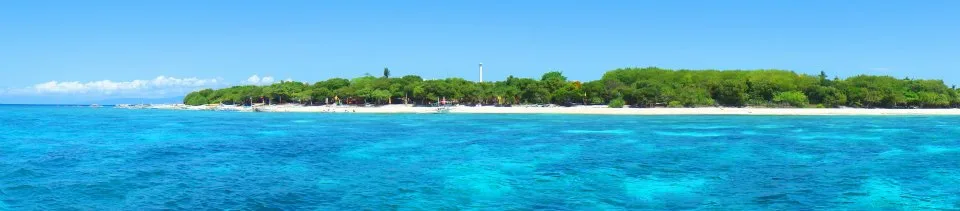
Balicasag is a tiny coral island off the southwest tip of Panglao, the resort island stitched to mainland Bohol by causeway bridges. It sits roughly six kilometers offshore, a flat green dot barely a kilometer around, ringed by white sand and fringing reef. You can walk its perimeter in well under an hour. There is a small fishing community, a lighthouse, and not much else built on it, which is exactly its charm.
What makes Balicasag extraordinary is not the land but the wall that drops away from it. The island is the cap of a coral formation, and just a short swim from the beach the reef shelf ends abruptly and plunges into deep blue. This is the famous Balicasag drop-off, a sheer underwater cliff that falls into the channel separating Bohol from Mindanao. Currents sweeping along this wall feed the reef and concentrate marine life, which is why divers have prized this place for decades. The Bohol Sea itself is a deep basin, and that depth is what brings the dolphins so close to shore.
Trip.com
See all tours in Philippines on Trip.comTours & activities in Philippines
Hand-picked experiences in Philippines — book on Trip.com with instant confirmation.

Why the dolphins are here
The spinner dolphins you watch at dawn are not a tourist gimmick; they are residents of these deep waters. Spinners are named for their habit of leaping clear of the surface and rotating their bodies several times in mid-air before splashing down, a behavior scientists still debate but which is genuinely thrilling to witness. They feed at night in deep water on small fish and squid, then move toward shallower, calmer areas in the morning to rest and socialize. That is why early departure matters: by mid-morning the pods have usually dispersed. Spinners travel in large groups, sometimes hundreds strong, and on a good morning the sea around your boat can feel alive in every direction. You may also, with luck, glimpse bottlenose dolphins or, in the right season, a passing whale.
What the tour actually includes, stop by stop
1. Dolphin watching at dawn
The boat collects you early, typically before sunrise, and heads out into open water. Boatmen here know the dolphins' habits and routes, and on most mornings you find a pod within the first half hour. The ethical note matters: a responsible boat keeps a respectful distance, cuts the engine, and lets the animals approach on their own terms rather than chasing or encircling them. If your boatman is gunning the engine to herd a pod, that is a sign of a poorly run operation. Watching wild dolphins choose to ride your bow wave is the magic; harassing them is not.

2. Snorkeling the Balicasag reef
From the dolphins, the boat carries you to Balicasag itself, where the real underwater spectacle waits. Balicasag is a marine sanctuary, and the protection shows. Drop into the water over the fringing reef and you are met with dense schools of fish, healthy hard and soft corals, and, if you are lucky, the island's most famous residents. Two snorkeling highlights are usually offered here, often as short paddle-boat add-ons with local guides:
- The sea turtles. Green sea turtles graze on the seagrass and reef around Balicasag, and sightings are common. They are wild animals; the right way to share the water is to watch from a respectful distance and never touch, chase, or ride them.
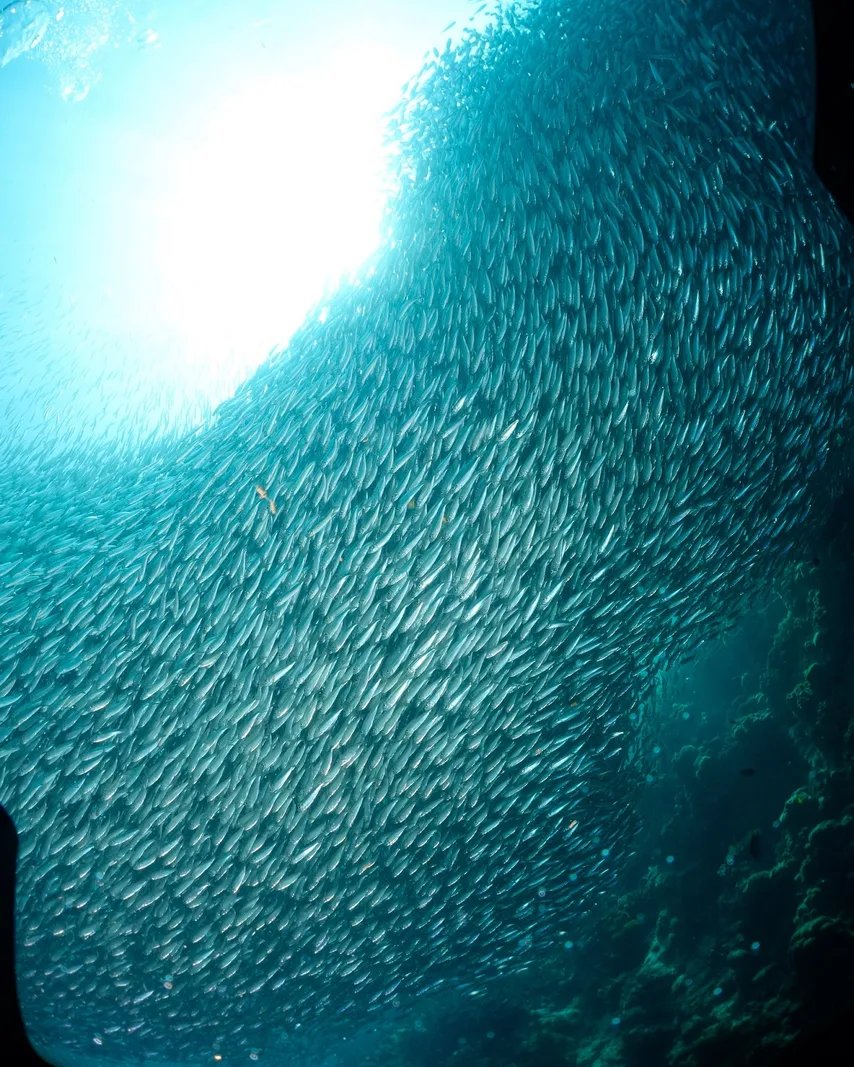
- The sardine ball / fish sanctuary. Over the reef shelf you can swim above shimmering walls of jacks and other schooling fish that wheel and shift in silver clouds. Above the deep drop-off the blue seems to have no bottom at all.
The Balicasag drop-off is one of the Philippines' celebrated dive sites, and even as a snorkeler you can hover at the edge of that wall and feel the scale of it. Visibility here is often excellent, and the corals along the slope are among the best around Bohol.
3. Island hopping and Virgin Island
After Balicasag, most tours include a stop at Virgin Island (Pungtud), a famous sandbar that emerges from the turquoise shallows at low tide. It is a long, curving tongue of white sand with a cluster of vendors selling fresh sea urchin, grilled seafood, and cold buko (young coconut). It is touristy and busy, but the color of the water there genuinely has to be seen to be believed. Depending on your operator and the tides, the day may also include time relaxing back on Balicasag's beach or near Alona before you return.
Culture, conservation, and why it matters
Balicasag's status as a protected marine sanctuary is the reason any of this is possible. Decades of fishing pressure damaged reefs across the Philippines, and the recovery you snorkel over here is the result of deliberate community protection. There are limits on visitor numbers to the snorkeling areas to reduce strain on the reef, and you will pay a small environmental or sanctuary fee. Treat these not as a tax but as the price of keeping the place alive: pay it gladly.
It is worth contrasting this experience honestly with the controversial whale-shark feeding at Oslob, a few hours away on Cebu, where operators feed the animals to guarantee close encounters, a practice marine biologists widely criticize for altering natural behavior. Balicasag's dolphins, by contrast, are genuinely wild and unfed. A good Bohol tour is a lesson in how wildlife tourism can be done with restraint rather than spectacle. Choose operators who keep their distance, do not feed or touch animals, and respect the sanctuary rules.
Practical tips for the day
- Go as early as possible. The dolphins are most active and the sea calmest at dawn. An early start also beats the crowds at Virgin Island.
- Best season. The dry months, roughly from late November through May, generally bring calmer seas and clearer water. June to October can be wetter with rougher crossings, though tours still run on good days. The open-water leg can get choppy, so if you are prone to seasickness, take precautions before boarding.
- What to bring. Reef-safe sunscreen (regular sunscreen damages coral), a rash guard or light long-sleeve for sun protection, a hat, a dry bag for valuables, cash for fees and snacks at Virgin Island, and water. A mask and snorkel are usually provided, but bringing your own ensures a good fit.
- How strenuous. Low to moderate. The boat does the work; you need to be comfortable in open water to enjoy the snorkeling. Life vests are available, and you can snorkel happily without being a strong swimmer, but the drop-off areas are deep, so stay near your guide.
- What is typically included. Round-trip banca, boatman, dolphin watching, and time at Balicasag and Virgin Island. Snorkel gear, turtle/reef guides, and entrance fees are sometimes extra. Confirm exactly what your booking covers, including whether dolphin sightings are described as a chance (they are wild) rather than a guarantee.
- Duration. Plan for a half day, roughly five to seven hours from dawn pickup to midday return, depending on stops and tides.
A last word before the engine starts
There is a particular feeling on the ride home from Balicasag: salt drying on your skin, the sun fully up now, the island shrinking behind the wake. You have watched wild dolphins spin out of the sea, hovered above a coral wall that falls into the deep, and shared water with a turtle that was here long before any of us. It is a reminder that the best things in Bohol were not built for tourists at all. They were simply protected long enough for us to be allowed a look. Go early, go gently, and let the sea do the rest.
Good to know before you book
- Duration: typically a full day (around 8 to 10 hours including transfers), though half-day and multi-day options exist - check the listing.
- Best for: couples, families and first-time visitors.
- What is included: transport and a guide; check the listing for meals, gear and fees.
- Pickup: most tours offer hotel or central pickup; confirm your point and time when booking.
- Book through: the GetYourGuide button on this page, which shows live availability and pricing.
Frequently asked questions
How long does the Balicasag Island Tour with Dolphin Watching take?
Most departures run as a full day - roughly 8 to 10 hours including pickup, travel and the activities themselves - so plan to set aside the whole day. Some operators offer shorter or private versions; the exact timing for your date is shown when you book through the GetYourGuide button on this page.
What is included in the Balicasag Island Tour with Dolphin Watching?
Typically the price covers transport and a guide; check the listing for meals, gear and fees. Inclusions vary by operator, so always read the specific listing - it spells out exactly what is provided and what you pay for separately, such as entrance or environmental fees.
What should I bring?
Pack comfortable clothing, sunscreen, a hat, water and a little cash for fees and extras. It is also worth carrying some cash for local fees, drinks and tips, plus any personal medication, since card facilities can be limited outside the cities.
Is the Balicasag Island Tour with Dolphin Watching suitable for beginners or families?
It suits a wide range of travellers; ask the operator about fitness or swimming requirements if you are unsure. If you have specific concerns about age, fitness or swimming ability, message the operator before booking - they can advise on the best option for your group.
When is the best time to do this tour?
The best conditions are usually the dry season from roughly November to May. That said, the Philippines is a year-round destination, and many of these experiences run in any season - just expect the occasional shower and check the forecast for the day.
How do I get to Balicasag Island?
To reach Balicasag Island, travel to Balicasag Island by the nearest airport or ferry and continue by road. Many tours include transfers from nearby towns or hotels, so confirm your pickup arrangement when you book so the day runs smoothly from the start.
Do I need to book the Balicasag Island Tour with Dolphin Watching in advance?
Yes - booking ahead is strongly recommended, especially in the dry-season peak and on weekends, when popular tours and the best operators sell out. Reserving online also locks in your spot and lets you compare timings and inclusions easily.
How much does the Balicasag Island Tour with Dolphin Watching cost?
Prices vary with the season, group size and exactly what is included, so we do not list a fixed figure here. Tap the GetYourGuide button on this page to see the current, accurate price and availability for your chosen date.
Can I do the Balicasag Island Tour with Dolphin Watching as a private or customised tour?
Many operators offer a private version of this experience for couples, families or small groups who want a flexible pace and a guide to themselves, and some can tailor the route or add stops. If a private or custom option matters to you, check the listing or message the operator before booking, as availability and prices differ from the standard shared tour.
Ready to explore Balicasag Island?
From planning to the moment you arrive, the Balicasag Island Tour with Dolphin Watching is one of the most rewarding ways to experience this corner of the Philippines - and booking it is simple. Use the GetYourGuide button on this page to check live availability, compare timings and secure your spot, then turn up and let the local guides handle the rest while you focus on the views, the water and the memories.

PANA.PH Editorial Team
Philippines travel desk
The PANA.PH travel desk researches, books and re-checks Philippines travel logistics — fares, ferry schedules, government fees and permit rules — and publishes what it can verify.
🏡 Real local stays (book direct)
Hand-picked homestays and guesthouses — book direct, no markup.
Browse all local stays →

🌊 Popular activities (book instantly)
Island hopping, canyoneering, whale sharks — real Klook/GetYourGuide options.
View all activities →