The first thing you notice at Alona Beach is the color of the water. On a clear Panglao morning, the shallows glow a milky turquoise that deepens to sapphire where the reef shelf drops away, and the white-coral sand squeaks softly underfoot. This crescent of beach on the south coast of Panglao Island is the busiest stretch of shoreline in Bohol, lined with dive shops, beach bars, and outrigger bancas waiting offshore. A jetski ride here is the fast, exhilarating way to trade the crowded sand for open water, opening the throttle across that gradient of blues with the warm wind in your face and the green hills of Panglao falling away behind you.
Jetski Ride along Alona Beach, Panglao - Guide
Trip.com
Search on Trip.comHotels in Philippines
Compare live prices via Travelpayouts — targeted for this guide.
This is a short, high-energy experience rather than a full-day expedition: you suit up in a life vest, take a quick briefing, and head out to skim the calm waters just off the beach. It suits travelers who want a jolt of adrenaline between dives, island-hops, and lazy afternoons under the palms.
Where you are: Panglao and the making of Alona Beach
Panglao is a small island off the southwest tip of Bohol, in the Central Visayas region of the Philippines, connected to the main island of Bohol by causeway bridges near Tagbilaran City. Today it is reached easily through Bohol-Panglao International Airport, which opened in 2018 on reclaimed and leveled land on the island itself, putting the beaches within a short drive of arrivals.
Geologically, Panglao is a raised coral-limestone island. Much of it is old reef that was lifted above sea level over geological time, which is why the interior is riddled with caves, sinkholes, and freshwater pools, and why the coastline is fringed with living coral reef rather than river-fed mud. The brilliant clarity of the water off Alona is a direct result of this: with little silt-laden runoff and a sandy, coral-rubble seabed, sunlight penetrates deep and scatters into those signature turquoise tones. The fine white sand itself is largely the broken-down remains of coral and calcareous marine organisms, which is what gives it that cool, pale, squeaky character underfoot.
Trip.com
See all tours in Philippines on Trip.comTours & activities in Philippines
Hand-picked experiences in Philippines — book on Trip.com with instant confirmation.
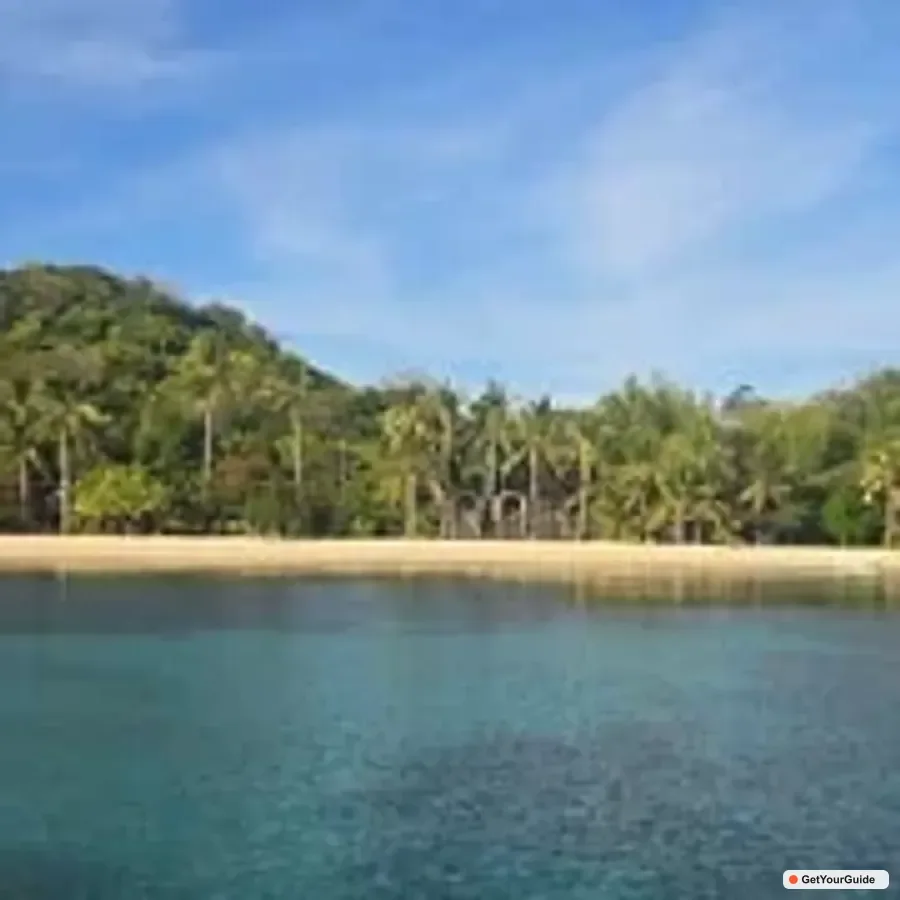
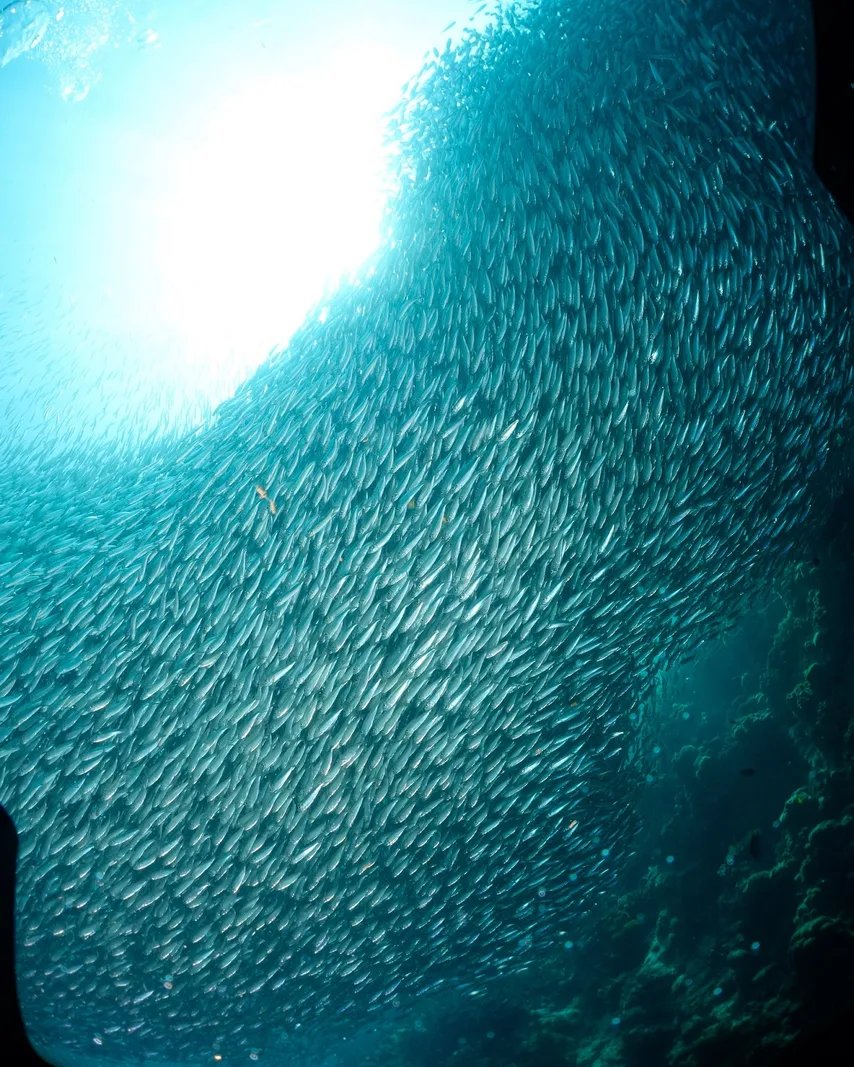
Alona Beach sits on the southwestern shore, roughly a kilometer-long arc sheltered enough to stay generally calm. It earns its fame partly as a launch point for some of the best diving and snorkeling in the country. Just offshore lie the famous drop-offs and walls, and a short banca ride away is Balicasag Island, a marine sanctuary renowned for its sea turtles, schooling jackfish, and vibrant coral walls. This is the marine setting your jetski skims across.
What you actually do, step by step
The experience is straightforward and centered on the ride itself.
- Check-in and gear up: You meet your operator on or near the beach, sign in, and are fitted with a life vest. Most reputable operators give a short safety briefing covering the throttle, steering, the kill-cord (an engine cut-off lanyard clipped to your vest), and the boundaries of the riding area.
- The briefing: Jetskis are more powerful and twitchy than they look. The guide explains that you steer by accelerating, that the craft has little braking, and that you should keep a safe distance from swimmers, bancas, and the reef. If you have never ridden before, this is genuinely useful and worth listening to closely.
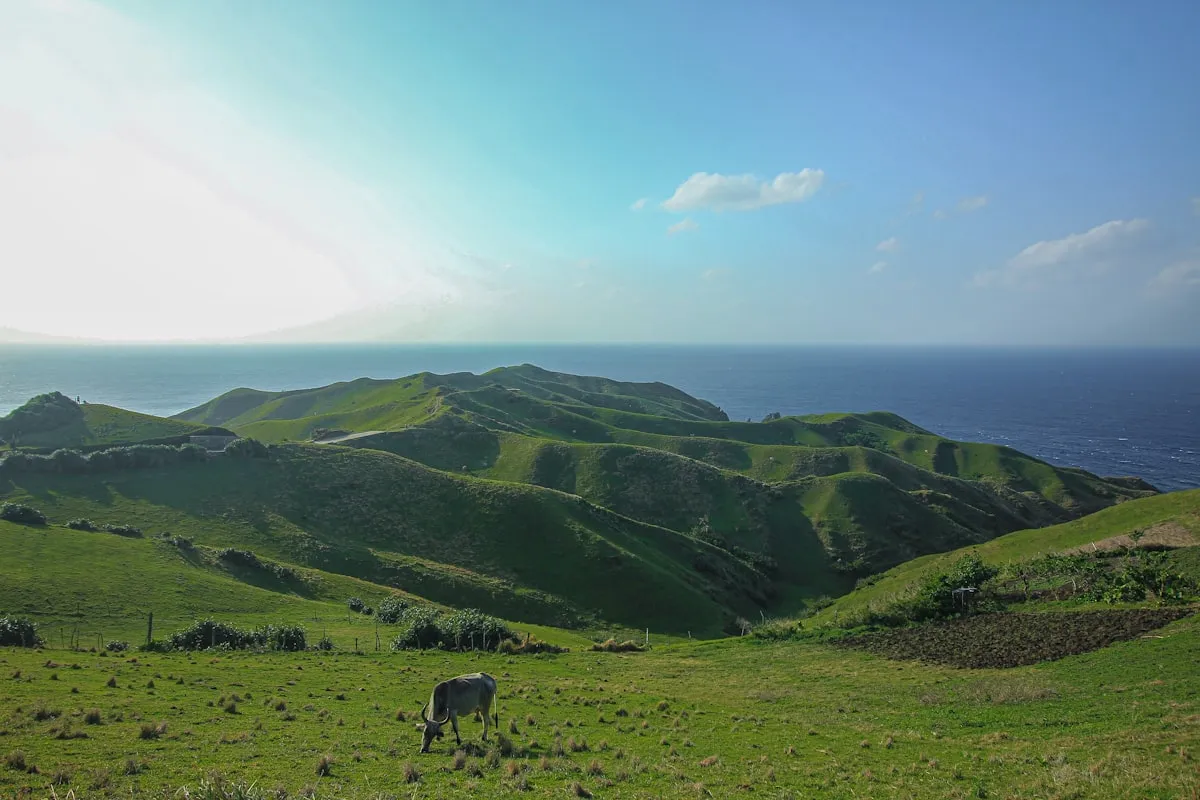
- The ride: You head out from the shallows into deeper, open water where it is safe to open up the throttle. Depending on the package, a guide may ride pillion or shadow you on a second craft, or you follow a lead within a marked zone. You carve across the swell, feel the spray, and get a sweeping perspective back toward the beach, the line of resorts, and the forested rise of Panglao.
- Photos and wind-down: The open water off Alona makes for striking photos, with the turquoise shallows and white beach as a backdrop. The session ends back at the launch point.
This is not a long-distance touring activity. The thrill is the speed, the spray, and the setting rather than the distance covered, and sessions are typically measured in minutes on the water rather than hours.
Why it matters: a fragile reef worth respecting
Part of what makes Alona special is also what makes it sensitive. The reefs around Panglao and nearby Balicasag are protected marine areas, and the region is a serious dive and conservation destination. Sea turtles, reef fish, and coral that took decades to grow are all part of the same ecosystem your jetski crosses.
That puts a real responsibility on both operators and riders. Jetskis are noisy, fast, and can damage shallow coral or disturb marine life and swimmers if ridden carelessly. The right way to enjoy this is in designated open-water zones, well away from snorkelers, swimming areas, the reef flat, and any marine sanctuary boundaries. Choose an operator who briefs you properly, provides a life vest and kill-cord, and keeps the riding area clear of the reef. Doing so is not only safer for you, it is what keeps this experience compatible with the diving, turtle-watching, and reef life that are the real long-term treasures of Panglao.
It is also worth remembering that Bohol as a whole has a strong conservation identity, from the protected tarsiers of its sanctuaries to the marine reserves off Panglao. Treating the water with care here is in keeping with the way the island markets and protects itself.
Practical tips for your ride
- Best time of day: Mornings are usually calmest, with glassy water and the best light for photos. Wind and chop often build through the afternoon.
- Best time of year: The dry season, roughly December through May, tends to bring the most settled seas and reliable sunshine. The wetter months can bring rougher water and occasional cancellations for safety, especially around typhoon season later in the year.
- What to wear and bring: Swimwear with a rash guard or quick-dry shirt, reef-safe sunscreen, and a secured strap for sunglasses. Expect to get thoroughly wet from spray. Leave loose valuables on shore; use a waterproof pouch only if it is securely attached.
- How strenuous: Physically it is moderate. You need a reasonable grip and core stability to hold on and steer, but it does not require special fitness. It can be tiring on the arms and shoulders if you ride hard. There are usually minimum-age and supervision rules for younger or first-time riders.
- What is typically included: Use of the jetski for the booked duration, a life vest, and a safety briefing. Fuel is generally included for the session length; confirm exactly how many minutes of riding time your booking covers, since this is the main thing that varies.
- Safety sense: Always keep the kill-cord attached, ride within the marked area, give swimmers and bancas a wide berth, and do not ride under the influence of alcohol. If you feel unsteady, ask the guide to ride with you.
Making it part of your Panglao day
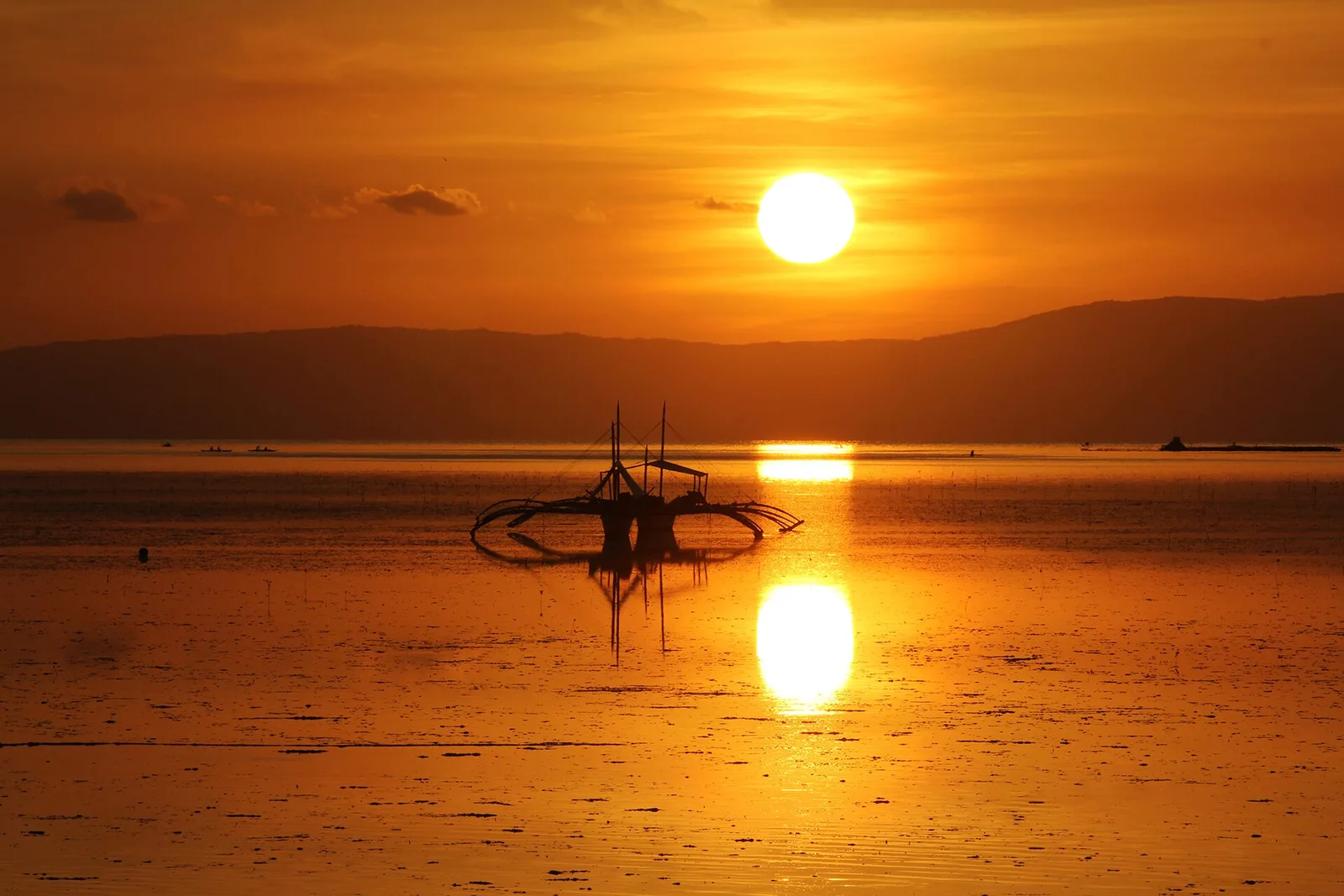
A jetski ride pairs naturally with everything else Alona offers. Many travelers fold it into a wider water-sports afternoon, or save it as the high-octane bookend to a morning of snorkeling, an island-hopping banca trip out to Balicasag, or a dolphin-watching dawn cruise. Afterward, the beachfront is made for slowing down: a long lunch of fresh seafood, a cold drink as the light turns gold, and one of Panglao's famously vivid sunsets over the water you just rode across.
A final word
The jetski ride off Alona Beach is a small experience with an outsized rush. It is the moment you stop watching that impossible turquoise from the sand and actually fly across it, feeling the warm Visayan wind and seeing Panglao open up around you. Ride it responsibly, stay clear of the reef and swimmers, pick a careful operator, and you come away with one of the most exhilarating few minutes of your Bohol trip, framed by some of the most beautiful water in the Philippines.
Good to know before you book
- Duration: typically a full day (around 8 to 10 hours including transfers), though half-day and multi-day options exist - check the listing.
- Best for: couples, families and first-time visitors.
- What is included: the boat, life vests, snorkelling gear, a guide and usually lunch; island entrance and environmental fees may be paid locally.
- Pickup: most tours offer hotel or central pickup; confirm your point and time when booking.
- Book through: the GetYourGuide button on this page, which shows live availability and pricing.
Frequently asked questions
How long does the Jetski Ride along Alona Beach, Panglao take?
Most departures run as a full day - roughly 8 to 10 hours including pickup, travel and the activities themselves - so plan to set aside the whole day. Some operators offer shorter or private versions; the exact timing for your date is shown when you book through the GetYourGuide button on this page.
What is included in the Jetski Ride along Alona Beach, Panglao?
Typically the price covers the boat, life vests, snorkelling gear, a guide and usually lunch; island entrance and environmental fees may be paid locally. Inclusions vary by operator, so always read the specific listing - it spells out exactly what is provided and what you pay for separately, such as entrance or environmental fees.
What should I bring?
Pack swimwear, reef-safe sunscreen, a hat, a towel, water shoes for rocky landings and a waterproof pouch for your phone. It is also worth carrying some cash for local fees, drinks and tips, plus any personal medication, since card facilities can be limited outside the cities.
Is the Jetski Ride along Alona Beach, Panglao suitable for beginners or families?
It is suitable for almost everyone, including families and non-swimmers, thanks to life vests and calm, sheltered water at most stops. There is plenty of time to simply relax on the sand. If you have specific concerns about age, fitness or swimming ability, message the operator before booking - they can advise on the best option for your group.
When is the best time to do this tour?
The best conditions are usually the dry season from December to May, when the Chocolate Hills turn their famous brown. That said, the Philippines is a year-round destination, and many of these experiences run in any season - just expect the occasional shower and check the forecast for the day.
How do I get to Panglao?
To reach Panglao, fly into Bohol-Panglao International Airport, or take the fast ferry from Cebu (about 2 hours). Many tours include transfers from nearby towns or hotels, so confirm your pickup arrangement when you book so the day runs smoothly from the start.
Do I need to book the Jetski Ride along Alona Beach, Panglao in advance?
Yes - booking ahead is strongly recommended, especially in the dry-season peak and on weekends, when popular tours and the best operators sell out. Reserving online also locks in your spot and lets you compare timings and inclusions easily.
How much does the Jetski Ride along Alona Beach, Panglao cost?
Prices vary with the season, group size and exactly what is included, so we do not list a fixed figure here. Tap the GetYourGuide button on this page to see the current, accurate price and availability for your chosen date.
Can I do the Jetski Ride along Alona Beach, Panglao as a private or customised tour?
Many operators offer a private version of this experience for couples, families or small groups who want a flexible pace and a guide to themselves, and some can tailor the route or add stops. If a private or custom option matters to you, check the listing or message the operator before booking, as availability and prices differ from the standard shared tour.
What else is worth doing around Panglao?
Panglao rewards travellers who linger. Beyond the Jetski Ride along Alona Beach, Panglao, set aside time for the local beaches, markets, food and viewpoints, and ask your guide or host for their personal favourites - the small, lesser-known spots rarely make the guidebooks. Pairing this experience with a day at a slower pace, plus one of the other tours and activities we feature in the area, turns a single outing into a genuinely memorable trip and gives you the full flavour of this part of the Philippines.
Ready to explore Panglao?
From planning to the moment you arrive, the Jetski Ride along Alona Beach, Panglao is one of the most rewarding ways to experience this corner of the Philippines - and booking it is simple. Use the GetYourGuide button on this page to check live availability, compare timings and secure your spot, then turn up and let the local guides handle the rest while you focus on the views, the water and the memories.

PANA.PH Editorial Team
Philippines travel desk
The PANA.PH travel desk researches, books and re-checks Philippines travel logistics — fares, ferry schedules, government fees and permit rules — and publishes what it can verify.
🏡 Real local stays (book direct)
Hand-picked homestays and guesthouses — book direct, no markup.
Browse all local stays →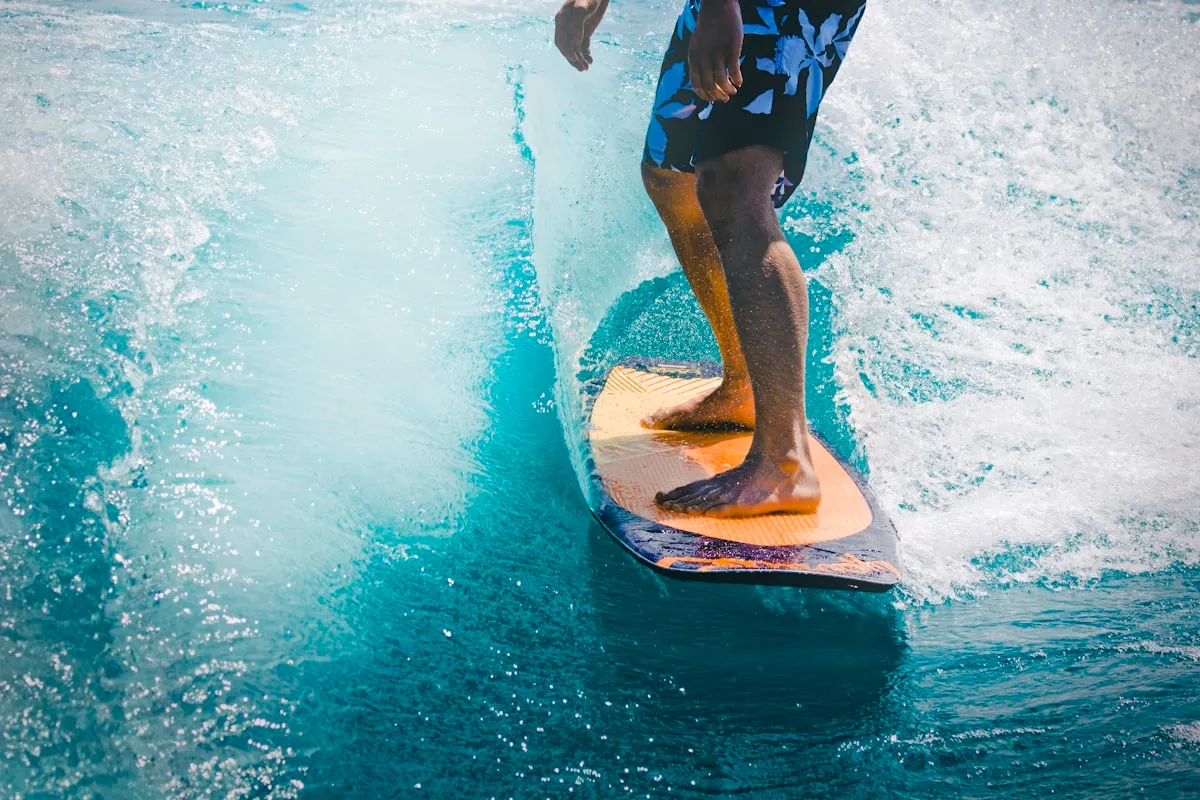
🌊 Popular activities (book instantly)
Island hopping, canyoneering, whale sharks — real Klook/GetYourGuide options.
View all activities →